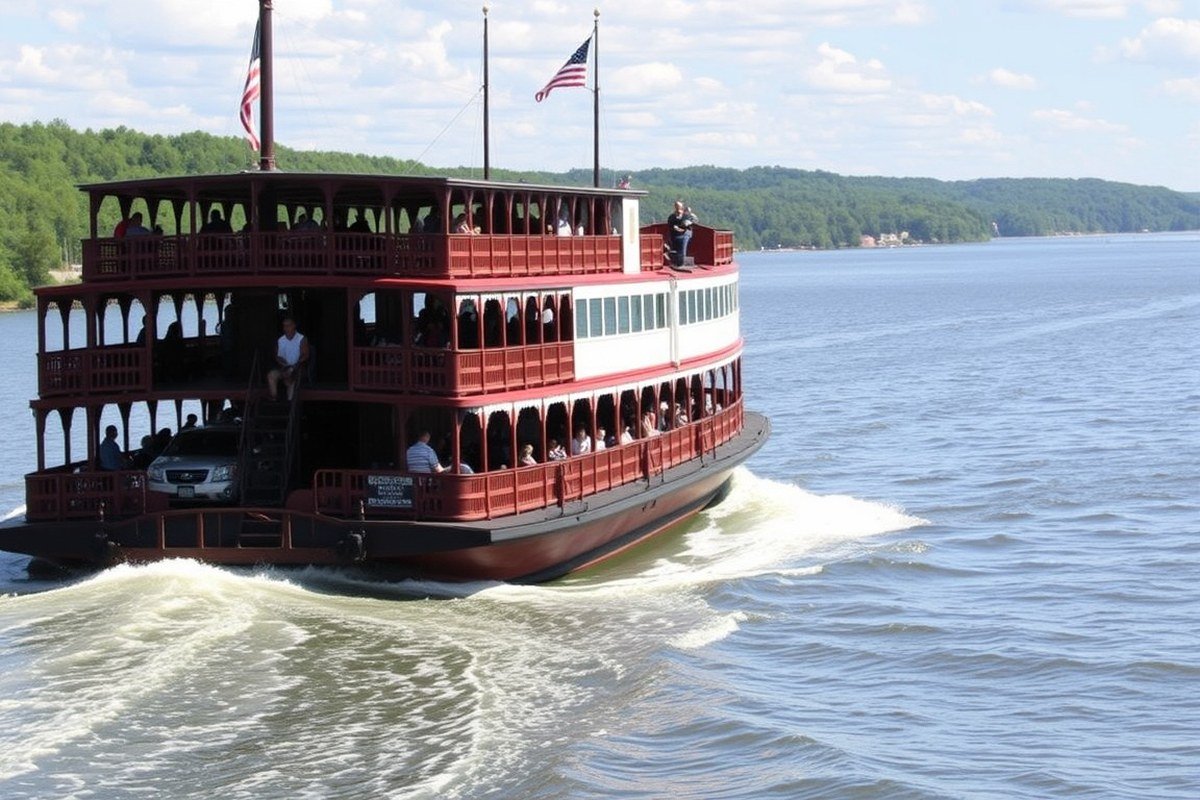
How Much Does the Millersburg Ferry Cost? Full Fare Guide & Tips
The Millersburg Ferry charges $15 per car plus $5 for every passenger riding inside. Bicyclists usually pay under $5 each. These clear rates make it easy to know your total cost to cross the Susquehanna River near Millersburg.
This information is essential for travelers planning a trip across the river using the Millersburg Ferry. You’ll learn the cost breakdown for different vehicles and passengers, plus tips on scheduling your ride and getting the most out of your visit to this historic ferry crossing.
Key Takeaways
- The ferry charges a flat rate of $15 per vehicle plus $5 per passenger inside the vehicle.
- Bicycles are charged separately, often costing less than $5 each to cross.
- A typical crossing takes about 20 minutes, with a full round trip lasting around an hour.
- The ferry operates from the eastern shore near Pennsylvania Route 147 in Millersburg.
- Call or text 717.692.2442 or check the Millersburg Ferry Facebook page for daily schedule updates.
- The ferry runs on Fridays and weekends during the summer season.
Millersburg Ferry Cost Breakdown: Vehicles and Passengers
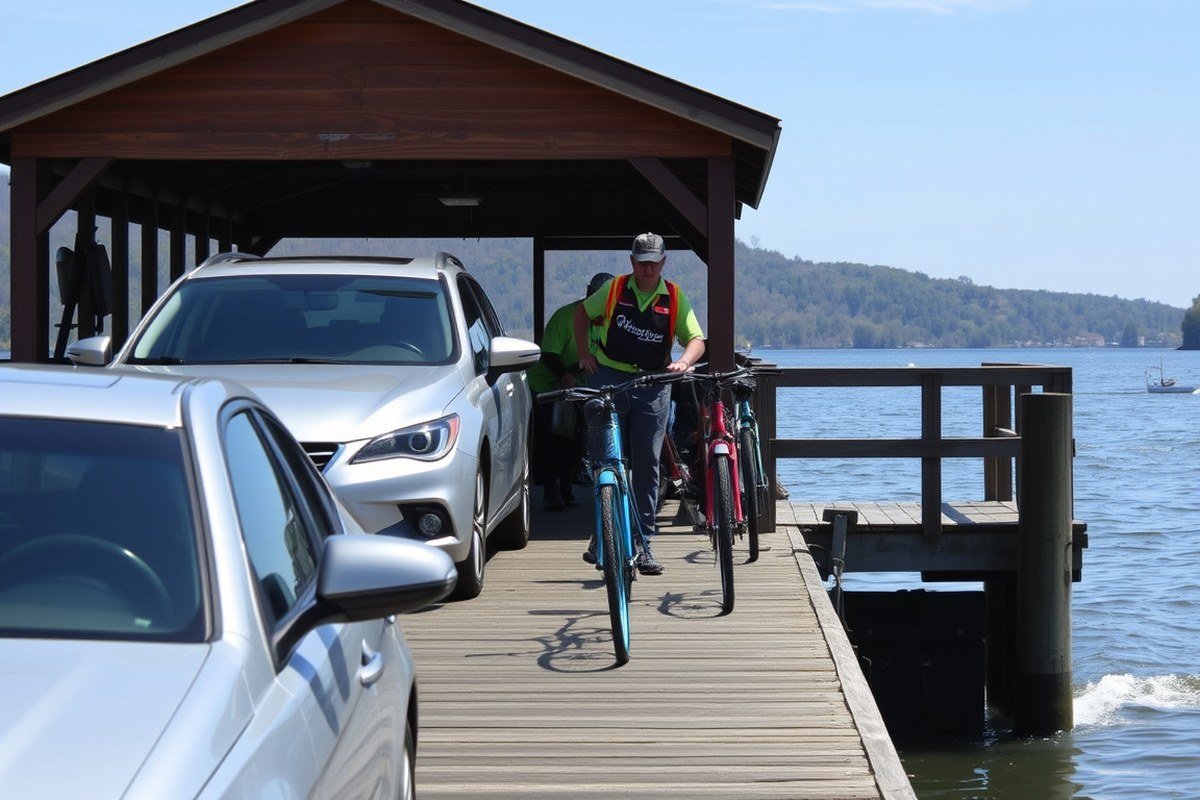
The Millersburg Ferry charges fares based on the type of vehicle, number of passengers, and walk-on riders such as bicyclists or pedestrians. Vehicle owners pay a base fare per trip, while each additional passenger inside the vehicle pays a separate fee. Walk-on passengers who board without a vehicle also have their own rates, which vary for one-way and round-trip travel. Knowing these rates in advance helps you budget your crossing, especially when travelling with family or groups.
| Category | Fare (2025 Rates) |
|---|---|
| Per Vehicle (car, truck, etc.) | $15 one-way |
| Per Passenger in Vehicle | $5 each |
| Walk-on Passenger (one-way) | $5 |
| Walk-on Passenger (round trip) | $10 |
| Bicycles | Included in walk-on fare |
For example, a car with four passengers would cost $15 for the vehicle plus $5 for each passenger, totaling $35 one way. Bring two more people walking or biking? Pay $5 per person each way or $10 round trip if they return the same day. Understanding that all passengers in a vehicle pay $5 individually can prevent surprises, especially on busy weekends.
Note that bicycles ride as walk-on passengers, so each cyclist will pay the standard $5 walk-on fare per one-way trip or $10 for a round trip. Plan these costs if your group includes only pedestrians and bicyclists without vehicles, using the walk-on fees.
The ferry accepts payment at boarding, and fares are subject to change, so check the Millersburg Ferry Facebook page or call 717.692.2442 on your planned day to confirm current rates and any schedule updates. Keep in mind that rates are consistent regardless of trip length or season.
Millersburg Ferry Operating Hours and Schedule Updates
The Millersburg Ferry operates seasonally on weekends from May through October. Runs occur regularly during these months, but the ferry may close unexpectedly due to weather or maintenance. Confirming the ferry’s schedule before your travel day helps avoid delays and ensures a smooth crossing.
Typical Seasonal Operating Months
The ferry service is available from early May through the end of October, primarily on Fridays, Saturdays, and Sundays. This seasonal operation accounts for weather conditions and river levels, which can affect safety on the Susquehanna River. Outside these months, the ferry does not run, so planning your trip during this window is essential.
Because the ferry has been in operation for over 200 years, its seasonal schedule preserves both its historic charm and safety standards. The warmer months also draw more visitors for sightseeing and local travel across the river.
Daily Running Days and Times
On operating days, the ferry runs multiple trips to transport vehicles, bikes, and pedestrians across the river. Runs typically begin mid-morning and continue until late afternoon, with regular intervals between crossings to accommodate demand. The exact start and end times may vary slightly depending on season and day of the week.
Note that the ferry’s schedule focuses on weekends, but some Fridays are included throughout the season. This schedule suits both weekend travelers and those using the ferry to shorten summer travel routes near Millersburg and Liverpool.
How to Contact for Real-Time Updates
Confirming the ferry’s status on your travel day is important to avoid unexpected closures. Weather can cause last-minute cancellations, and maintenance breaks may occur without much notice. The ferry operators provide updates through direct phone contact and a Facebook page that posts real-time information. Follow these steps to check if the ferry is running and get updated schedule details:
- Call the Millersburg Ferry operators directly at the local contact number during business hours.
- Visit the official Millersburg Ferry Facebook page on your smartphone or computer.
- Look for recent posts or status updates about ferry runs or closures on the Facebook timeline.
- When you’re unsure, send a message on Facebook or leave a voicemail requesting confirmation of run times.
- Check for weather advisories that could affect ferry operations, especially on rainy or windy days.
- Plan to arrive at the ferry landing at least 15-20 minutes before your desired crossing time.
- Should the ferry not be operating on your travel day, consider alternate routes or reschedule your trip to the following weekend.
Tip: Call and check social media before heading to the ferry to avoid unnecessary waiting during unexpected closures or maintenance days.
How Long Does the Millersburg Ferry Crossing Take?
The distance across the Susquehanna River at Millersburg is about one mile. This makes the ferry crossing a short but scenic trip, taking roughly 10 minutes just to travel from one shore to the other on the wooden paddlewheel ferry. This duration covers only the time the ferry spends moving across the river itself, not including the time spent before and after the crossing.
Loading and unloading add significant time to your overall crossing experience. Typically, you should expect the full process, from arriving at the ferry landing, waiting your turn, loading your vehicle or boarding as a pedestrian, crossing, and then unloading, to take about 20 minutes one way. Taking into account that the ferry must carefully load each vehicle or passenger and secure them safely, this additional time is necessary and adds to the total trip length.
Planning your day around the ferry crossing means considering these phases in your schedule. Arrive a few minutes early to line up for loading. Loading time depends on traffic; sometimes, especially on weekends or holidays, it can take longer. Once aboard, the 10-minute river crossing gives you a relaxing break with great views of Millersburg and the Susquehanna’s wide expanse. Unloading generally moves quickly but adds a few extra minutes to the overall timeline.
On return trips, be prepared for similar timing. The round trip, including both crossings, loading, and unloading times, lasts roughly an hour. This allows time to enjoy the ferry ride without rushing. The short distance of about a mile across the river might suggest a quick ride, but ferry operations require careful loading and safety checks that extend the total trip time twice as long as the crossing alone.
The ferry crossing is unique as it remains the only river crossing for about 40 miles between Duncannon and Sunbury. This makes precise timing useful if you need to connect to other travel routes. Delays can occur during busy periods, so having a cushion in your schedule helps manage unexpected waits. Using the ferry as a way to enjoy the river’s historic and peaceful setting while moving vehicles or pedestrians across makes it worth the time, despite the extra minutes needed beyond just the mile-wide crossing.
Where to Find and Board the Millersburg Ferry
The Millersburg Ferry crosses the Susquehanna River between Millersburg on the west bank and Liverpool on the east bank. On the Millersburg side, you access the ferry from a launch area located just off Pennsylvania Route 147. After pulling off Route 147 onto the access road, you’ll see the ferry landing near a small park, which can be a nice spot to wait or stretch your legs before boarding. On the Liverpool side, the landing area is similarly marked and includes a simple access point leading to local roads. Both landing docks are maintained to allow vehicles and passengers to load safely onto the wooden deck of the ferry.
Driving to the ferry requires careful attention to signage, especially near major highways. From Interstate 80, take PA Route 147 south toward Millersburg to reach the western ferry dock. On the east side, vehicles use local roads in Liverpool that connect directly to the ferry landing. Because the ferry operates on a demand basis, you need to signal the captain once you arrive to arrange pickup from the opposite shore.
Proper boarding and disembarking techniques help keep everyone safe and ensure smooth operations. When your vehicle reaches the ferry, align it carefully with the wooden deck so that it can roll on or off without issue. Be sure to follow any crew directions regarding positioning and stay inside your vehicle or clear of foot traffic zones while the ferry is underway. Vehicle drivers should check their mirrors and maintain a slow speed as they embark and disembark since the ramps may be narrow or uneven.
- Arrive at the launch at least 10 minutes before your planned crossing
- Signal the ferry captain clearly from the launch site
- Follow posted speed limits and drive slowly onto the ferry deck
- Keep passengers inside the vehicle unless directed otherwise
- Wait for the captain’s instruction before moving off the ferry
- Watch your step when walking near the boarding area
- Check local weather and river conditions on days with heavy rain or wind
Waiting at the launch may involve some time on the shore, especially during busy periods, so arriving early helps. Stay alert for shifting river conditions, which could affect the wooden landings. Good timing and mindful, slow driving improve safety and protect the ferry’s integrity. Following these procedures lets you enjoy the crossing without unnecessary delays or hazards.
Safety and Practical Tips for Riding the Millersburg Ferry
The Millersburg Ferry is safe for both vehicles and pedestrians, but following specific precautions ensures everyone’s safety during the crossing. The ferry holds up to four vehicles at once, which keeps the load manageable and balanced. This historic ferry has well-established safety rules that drivers and passengers must follow to avoid accidents while boarding, riding, and unloading.
Before you board, line up your vehicle carefully and wait for the operator’s signal to drive on. Keep a safe distance from other vehicles to prevent collisions. Pedestrians must stay inside the designated passenger area and avoid walking near moving vehicles. Children should remain seated or close to an adult throughout the ride. During docking, avoid sudden movements that could unbalance the ferry.
- Follow the ferry operator’s instructions at all times
- Keep your vehicle in park and the parking brake on while crossing
- Do not attempt to board or disembark while the ferry is moving
- Secure loose items that might shift during transit
- Stay seated or hold onto handrails if standing on the ferry
- Avoid distractions; stay alert for both pedestrians and vehicles
- Children should be supervised and remain seated during the ride
Riding the ferry can be affected by the weather and river conditions. In bad weather, like heavy rain, strong winds, or fog, crossings might be delayed or paused to maintain safety. The operators are experienced and will decide when conditions are too hazardous. If the river level is unusually low, the ferry might not operate or may need to adjust the docking areas. Plan for potential wait times and stay aware of official updates on status changes.
Always keep your vehicle’s parking brake engaged after boarding to prevent accidental rolling during the crossing.
Prepare for your ride by checking the weather forecast and coming with a charged phone or contact method in case of delays. Wearing comfortable, non-slip shoes helps with safe boarding and disembarking, especially if surfaces are wet. The entire crossing takes only a few minutes, but staying attentive and cooperative contributes to a smooth and incident-free trip across the river.
Vehicle Types, Capacity Limits, and Fare Variations
The Millersburg Ferry carries a limited number of vehicles each trip, with fare prices varying by vehicle and passenger type. It typically allows small passenger vehicles, motorcycles, and bicycles, with a maximum of three vehicles onboard depending on river conditions. Knowing the capacity and fare differences helps plan your trip accurately and avoid surprises.
Passenger Vehicle Fare Categories
The ferry mainly transports passenger cars and small vans. Larger vehicles must meet specific size and weight restrictions, which can affect whether they fit safely on board. The fare changes based on the vehicle type and the number of passengers in it, as additional passengers pay a separate rate. The following table outlines typical fares by vehicle and passenger count, showing how pricing scales for up to four adults per category.
| Vehicle Type | 1 Adult Passenger | 2 Adult Passengers | 3 Adult Passengers | 4 Adult Passengers |
|---|---|---|---|---|
| Passenger Car (up to 16 ft) | $14 | $18 | $22 | $26 |
| Small Van or Pickup | $16 | $20 | $24 | $28 |
| Passenger Only (no vehicle) | $5 | $10 | $15 | $20 |
Adding more than four passengers requires confirming with ferry staff as it may not be allowed for safety reasons. Cash is usually required for fare payment, so prepare exact change when boarding.
Bicycle and Motorcycle Rates
The ferry welcomes motorcycles and bicycles, with special rates lower than for cars or vans. Motorcycles are charged similarly to passenger cars but generally pay a slightly reduced fare since they occupy less space. Bicycles and pedestrians pay the lowest fare to encourage recreational trips across the river.
Carrying a bike or motorcycle onboard is convenient for visitors planning on exploring local trails or scenic routes. Bikes must be securely stowed during the crossing, and riders should present themselves before boarding for proper loading.
Ferry Capacity and Size Limits
The ferry capacity currently restricts to three vehicles per trip, primarily due to operational conditions like river currents, water levels, or weather. This limit ensures safe maneuvering and stability during the roughly 0.9-mile crossing, which takes about 20 minutes.
Vehicle length should not exceed 20 feet, and weight limits generally cap at standard passenger vehicle weights, as heavy trucks are not allowed. The ferry operator can provide exact dimensions allowed on a given day.
Space availability varies, so arriving early during busy periods reduces wait time and guarantees a spot. Pedestrians can board separately without a vehicle, which is useful for short visits or while waiting for vehicle space on the next trip.
How to Check Ferry Status and Avoid Trip Delays
You can confirm the Millersburg Ferry’s operation status before your trip by contacting the ferry operator directly or checking online sources. The ferry may close without notice if river levels are too high or for maintenance, so verifying status can save you time and avoid delays. If the ferry is not running, having alternative travel plans helps keep your schedule on track.
Using Phone and Text for Status Checks
Calling or texting the ferry operator is the quickest way to find out if the Millersburg Ferry is currently running. This direct contact gives you real-time information beyond posted schedules. You can expect to hear about closures due to high water levels, maintenance, or weather impacts.
- Find the Millersburg Ferry’s phone number or text contact online or on signage at the ferry access points.
- Call during operating hours to speak with the operator or use text if available for quick updates.
- Ask specifically if the ferry is running today and if there are any expected delays or conditions affecting service.
- Note any instructions or recommendations given by the operator, such as arrival time or alternate routes.
A simple script to use when calling or texting is: “Hello, I’m planning to use the Millersburg Ferry today. Can you please confirm if the ferry is operating and if there are any delays or closures?” This clear question helps get the information you need efficiently.
Facebook and Online Scheduling Updates
The Millersburg Ferry often posts status updates and alerts on their official Facebook page or local tourism websites. These updates include closures, operating delays, and weather-related information. Checking social media before departure can give you advance notice that may not be immediately reflected in phone responses.
- Search for “Millersburg Ferry” on Facebook or visit the site linked from Millersburg tourism pages.
- Look for recent posts or pinned notices about current operational status or scheduled maintenance.
- Follow or bookmark the page to receive notifications of new updates during your planning period or while on the road.
- Check for community comments that might provide additional timely information from other travelers.
Refreshing this information the day of your trip helps you avoid surprises, especially since the ferry may close at short notice if the river is too high for safe crossing.
Planning Alternatives If Ferry Is Closed
The river sometimes floods or conditions can force the ferry to stop running, so having a backup plan makes your trip smoother. The next best option is to use road routes by crossing at nearby bridges, which could add around 40 miles to your journey depending on your start point.
Allow extra time and plan your route with a map or GPS before setting out to account for the detour. Consider visiting nearby attractions along the alternate route to make the longer drive more enjoyable.
- Check ferry status early enough to avoid arriving at a closed ferry landing.
- Use a navigation app to identify the nearest bridge crossings that keep you on track toward your destination.
- Estimate additional driving time, expect around 40 extra miles for the closest alternate crossing near Millersburg.
- Adjust your schedule to accommodate the longer drive or consider staying in a nearby town if you want to wait for ferry service to resume.
Taking these steps reduces frustration and helps you enjoy the trip regardless of ferry availability.
Planning Your Trip: What to Bring and Nearby Attractions
Bring a small bag with essentials like water, sunscreen, and a light jacket for the ferry ride. Weather near the Susquehanna River can change quickly, so dressing in layers helps, especially if you’re crossing in the early morning or late afternoon when temperatures drop. The ferry itself doesn’t have onboard restrooms or food services, so plan accordingly before boarding. Also, carry any necessary medications and a phone charger if you expect a longer wait to catch the ferry.
- Bottle of water and snacks
- Sunscreen and sunglasses
- Light jacket or windbreaker
- Camera or smartphone for photos
- Phone charger or power bank
- Cash or card for local purchases
After crossing the river, you’ll find several historic and recreational sites near the Millersburg Ferry landing. The town of Millersburg offers a charming small-town feel with several dining options ranging from casual cafes to traditional Pennsylvania German fare. For history lovers, the Wooden Nickel restaurant is a notable stop. Its website mentions the hotel’s role in the 1920s and 1930s as a necessary overnight spot for travelers making a two-day journey from Harrisburg to Sunbury.
Outdoor enthusiasts can explore nearby parks and trails or rent bikes for a ride along the river. Local tours, including guided walks through Millersburg’s historic district, are available from some visitor centers and may provide a deeper understanding of the region’s cultural heritage. These tours usually cost between $10 and $20 per person and run on weekends during peak season.
Check the ferry schedule before you leave to avoid long waits; the crossing itself takes only about 15 minutes, but boarding lines can vary with the season.
Quick-Start Action Plan for Using the Millersburg Ferry
Follow these steps to plan your ferry trip efficiently and stay informed on costs, schedules, and boarding procedures.
- Before your trip: Check the latest ferry operating hours and fare details on the official Millersburg Ferry website or local tourism page to confirm current prices and schedule status.
- One day before: Verify the ferry’s real-time status by calling or checking online to avoid delays caused by weather or maintenance.
- Arrival day, 30 minutes prior to departure: Arrive at the boarding location early to secure a spot and deal with any unexpected wait times.
- Before boarding: Prepare your vehicle type and passenger count for accurate fare payment; have cash or accepted payment ready.
- During the crossing: Follow all ferry safety instructions and stay seated or in designated areas to ensure a smooth ride.
- After disembarking: Explore nearby attractions or safely plan your next route using local maps and visitor information centers.
Frequently Asked Questions
How Much Does It Cost to Ride the Millersburg Ferry with a Passenger Car?
A standard passenger car fare is typically $3 to $5. Prices can vary by season, so check local resources before your trip.
Are There Discounts for Children or Seniors on the Millersburg Ferry?
Discounts are usually available for children and seniors, reducing the fare significantly. Always ask the ferry operator for current policies.
Is It More Expensive to Take a Truck or Larger Vehicle on the Millersburg Ferry?
Yes, larger vehicles like trucks often pay higher fares, sometimes double the passenger car rate. This helps cover increased weight and space use.
Can I Pay with a Credit Card on the Millersburg Ferry?
Most of the time, the Millersburg Ferry accepts cash only, so bring small bills to avoid inconveniences. Confirm payment methods ahead by calling the ferry.
What Is the Fare Policy for Bicycles and Pedestrians on the Millersburg Ferry?
Pedestrians and bicycles usually pay a nominal fee or ride free, depending on current policies. It’s an economical way to cross if you don’t have a vehicle.
Are There Any Package Deals or Group Rates on the Millersburg Ferry?
Group rates might be available for larger parties or special events, but they aren’t regularly advertised. Contact the operator in advance for possible accommodations.
Final Thoughts
The Millersburg Ferry offers an affordable and scenic way to cross the Susquehanna River, with fares varying by vehicle and passenger count. Checking current schedules and ferry conditions before your trip helps avoid unexpected delays. Secure your place on the ferry by arriving early and having your payment ready. Start by confirming today’s ferry schedule and cost online to plan your visit with confidence.