How to Carbonate Beer: Step-by-Step Guide for Perfect Fizz
Carbonating beer involves adding carbon dioxide (CO2) to create that signature lively fizz and enhance its aroma and mouthfeel. The primary ways to carbonate beer are through natural carbonation, where yeast produces CO2 during bottle conditioning, or forced carbonation, which uses pressurized CO2 tanks. Both methods reliably yield sparkling beer, but each has distinct processes and timelines.
Achieving the right carbonation level is important because it affects how the beer tastes and feels. Under-carbonated beer can seem flat and dull, while over-carbonated beer may foam excessively or have an unpleasant bite. Knowing how to carbonate beer properly ensures you enjoy fresh, bubbly brews that highlight their intended character.
In this article, we will explore natural beer carbonation methods and how to condition bottles properly, explain forced carbonation techniques with kegs and CO2 tanks, compare the pros and cons of each approach, and provide tips for troubleshooting common carbonation issues.
Understanding Natural Beer Carbonation Methods
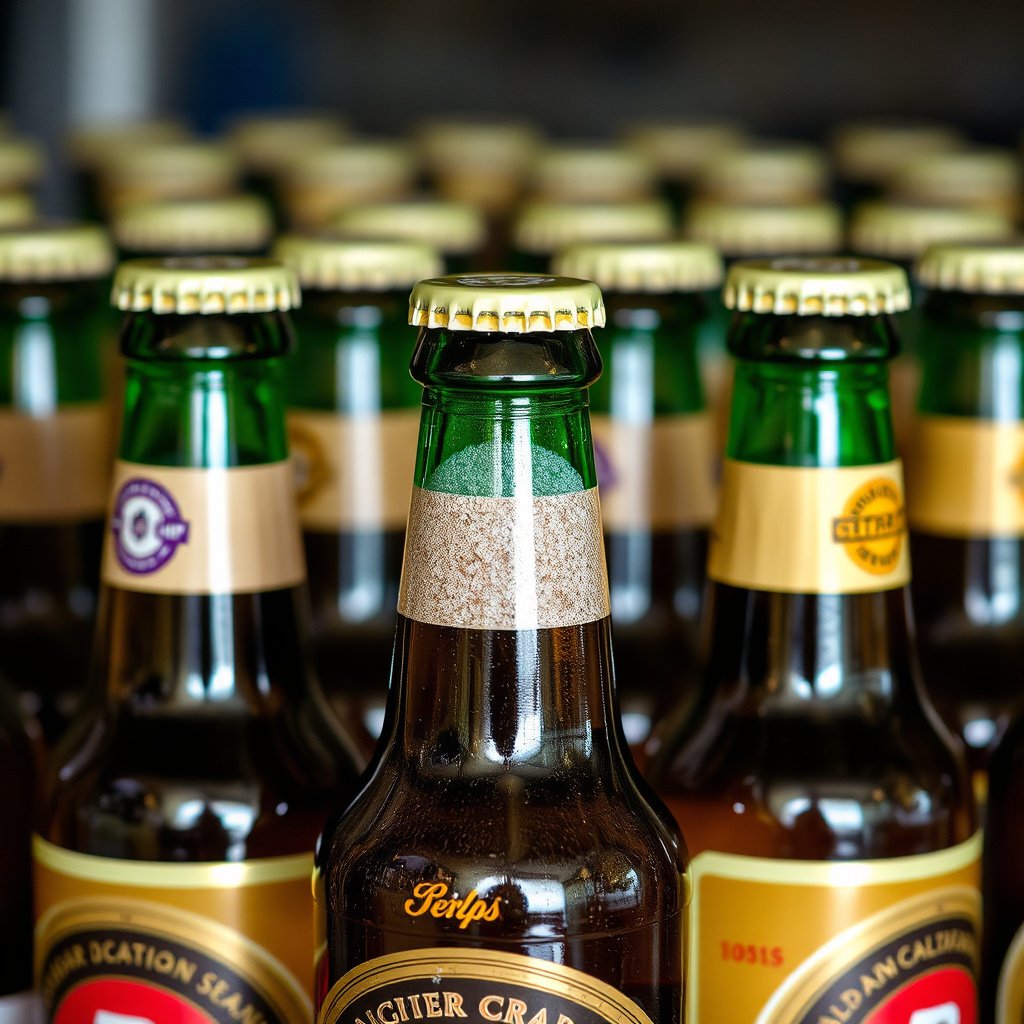
What is Bottle Conditioning?
Bottle conditioning is a natural carbonation technique where beer is bottled with a small amount of fermentable sugar, allowing yeast present in the beer to produce carbon dioxide inside the sealed bottle. This CO2 dissolves into the beer, creating bubbles over one to three weeks.
This method not only carbonates the beer but also allows it to mature and develop more complex flavors as yeast continues to interact with the beer in the bottle. Many homebrewers prefer this technique for its simplicity and traditional approach.
- Add priming sugar before bottling
- Use clean, sanitized bottles
- Store bottles at consistent temperature (65-75°F)
- Wait 1-3 weeks for carbonation
Choosing the Right Priming Sugar
The type and amount of priming sugar directly influence how much carbonation your beer will get. Common sugars include corn sugar (dextrose), table sugar (sucrose), and malt extract, each fermenting differently and imparting subtle flavor variations.
Calculating precise amounts of sugar based on batch size and desired volumes of CO2 helps avoid over or under carbonation. For example, 3/4 cup of corn sugar per five gallons is typical for a moderate carbonation level, but corrections may be needed for specific beer styles.
- Corn sugar: clean fermentation, neutral flavor
- Table sugar: slightly faster fermentation
- Malt extract: adds body and flavor
- Use priming calculators for accuracy
Forced Carbonation: Speeding Up the Process
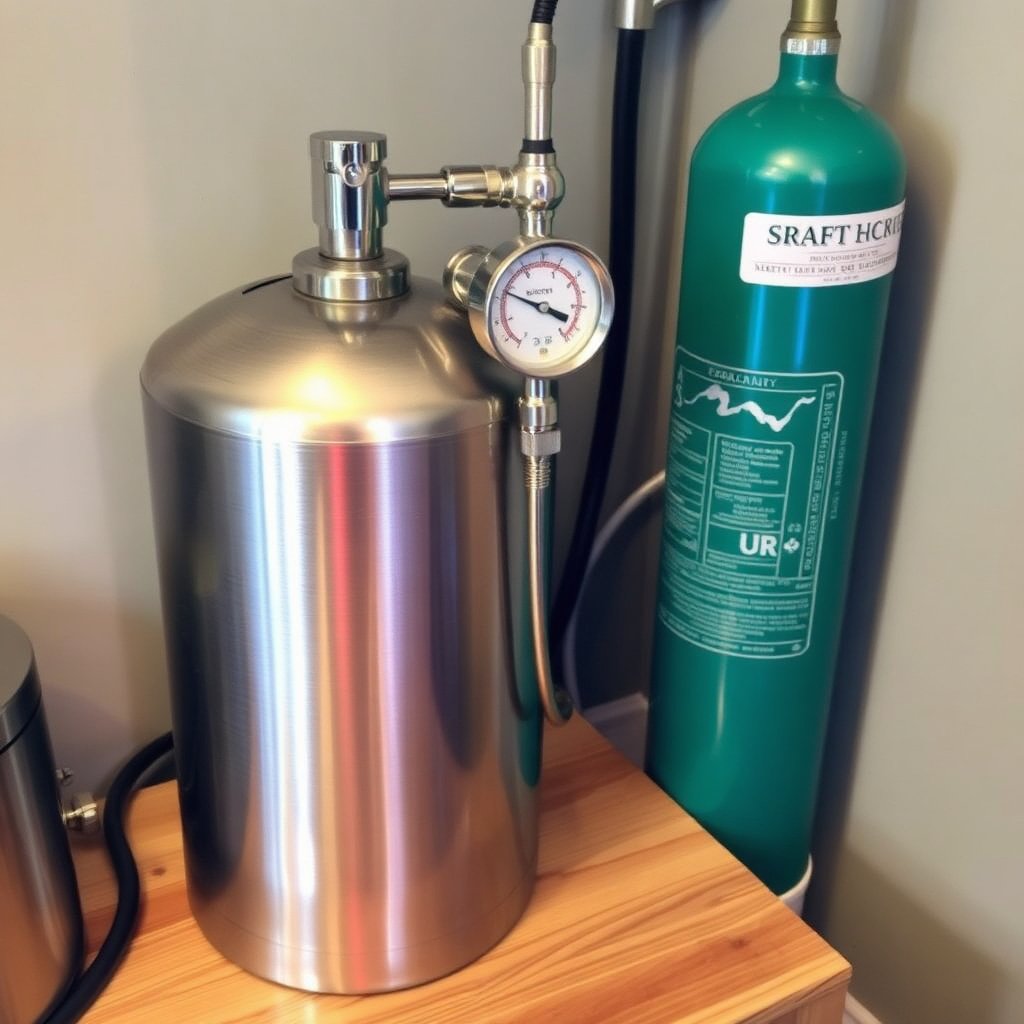
How Forced Carbonation Works
Forced carbonation uses external CO2 tanks with regulators to pressurize beer stored in kegs. Carbon dioxide quickly dissolves into the beer under pressure, enabling faster carbonation that can take as little as one to three days compared to weeks for natural conditioning.
This method provides precise control over carbonation levels, allowing brewers to adjust pressure and temperature to achieve the exact amount of fizz suited for different beer styles without affecting taste.
- Connect keg to a CO2 tank with regulator
- Set appropriate PSI based on desired carbonation
- Chill beer to 35-40°F for best CO2 absorption
- Carbonate over 1-3 days depending on method
Common Techniques in Forced Carbonation
There are usually two main approaches: the slow and steady method involves setting a low pressure and waiting several days; the quick burst method applies high pressure and shakes the keg to speed CO2 dissolution.
While the quick burst method is faster, it risks over-carbonation if not monitored carefully. Slow carbonation produces consistent results but requires more patience. Choosing the right technique depends on your equipment and timeline.
- Slow carbonation: 10-14 PSI for several days
- Quick carbonation: high PSI and agitation
- Use a carbonation stone for finer CO2 bubbles
- Always monitor pressure to avoid over-carbonation
Equipment Needed for Carbonating Beer
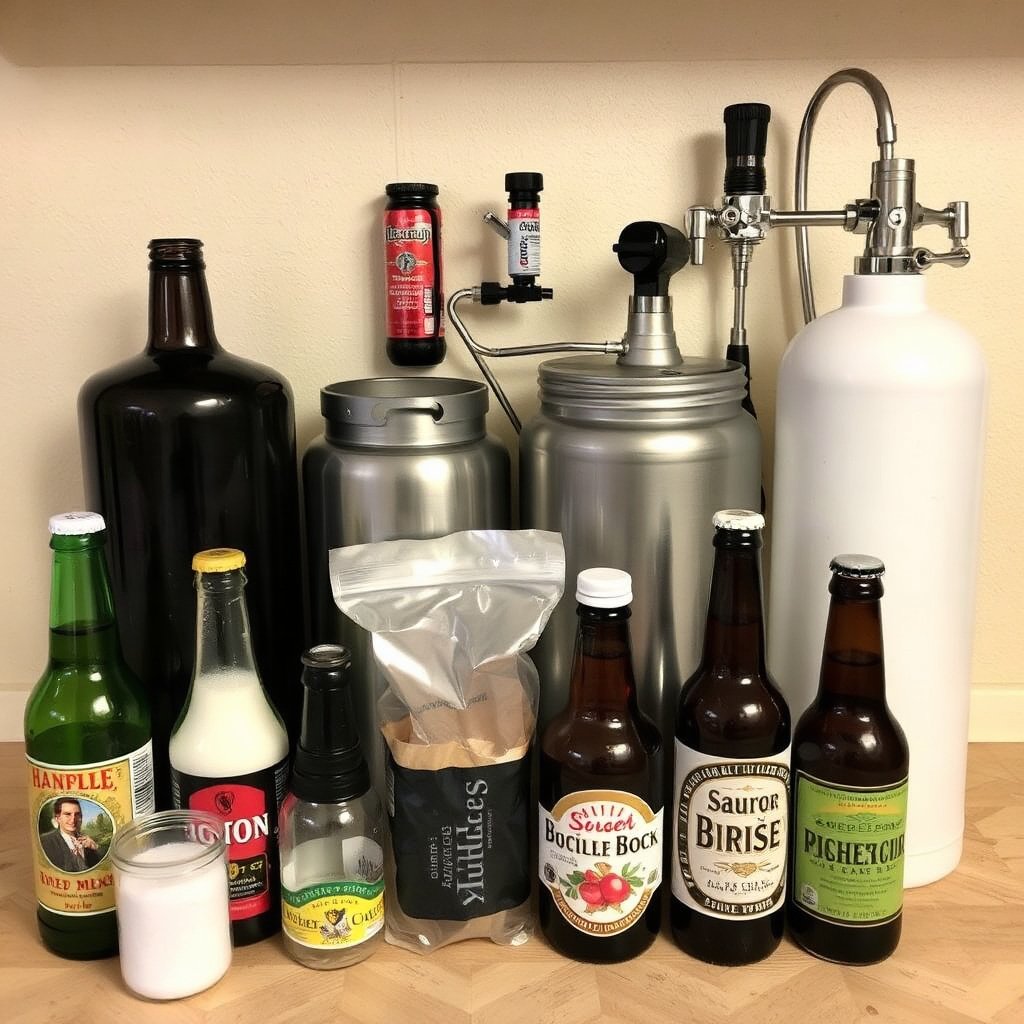
Essential Tools for Natural Carbonation
To naturally carbonate beer, you'll need sanitized bottles, a bottling bucket to mix priming sugar evenly with beer, a siphon or racking cane, and quality bottle caps or swing tops that seal tightly.
Temperature control gear like a fermentation chamber or consistent storage space helps create ideal conditions for yeast to produce CO2 without off-flavors or bottle explosions.
- Sanitized bottles (glass or PET)
- Bottling bucket with spigot
- Capper and caps or swing-top bottles
- Thermometer and storage area with steady temp
For more on this, see our related guide: What Is a Growler? A Complete Guide to Craft Beer Storage & Use.
Equipment for Forced Carbonation
Forced carbonation setups revolve around kegs compatible with CO2 tanks and regulators. Additional gear includes pressure gauges, gas lines, quick disconnects, and optionally carbonation stones to increase surface area for faster CO2 infusion.
A fridge or kegerator capable of maintaining low temperatures for the keg is important, as cooler beer absorbs CO2 more readily and ensures stable carbonation.
- Cornelius-style kegs or similar
- CO2 tank with regulator
- Gas hoses and fittings
- Refrigeration unit for keg storage
Troubleshooting Common Carbonation Problems
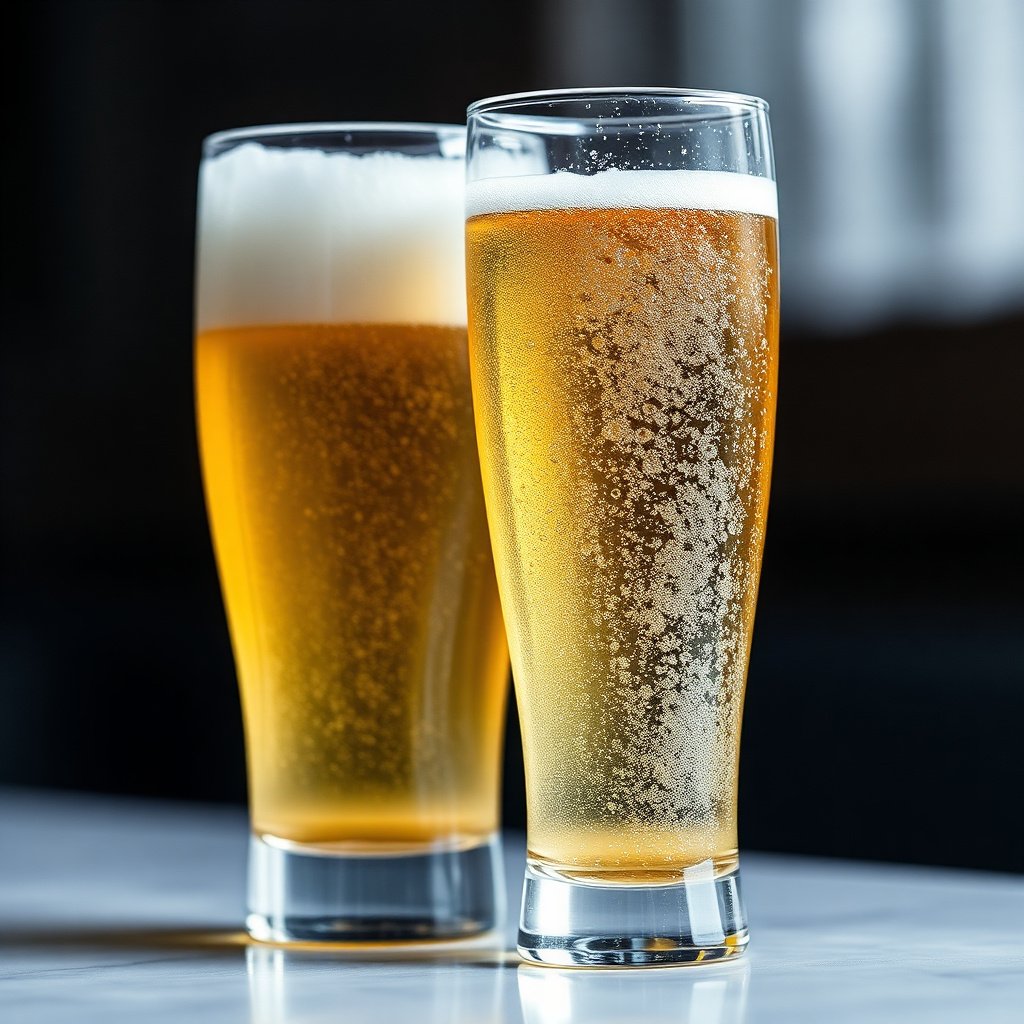
Fixing Under-Carbonated Beer
If beer remains flat after conditioning, it typically means inadequate priming sugar, inconsistent temperature, or inactive yeast. Gently warm bottles to around 70°F and give it more time before retesting carbonation.
In some cases, adding a small amount of priming sugar to the bottle and re-capping can restart fermentation, but be careful to avoid over-carbonation or bottle bombs.
- Check storage temperature consistency
- Ensure correct sugar amounts were used
- Verify yeast viability before bottling
- Consider re-priming if carbonation is very low
Dealing with Over-Carbonation
Over-carbonated beer may foam excessively or gush when opened. This can happen from too much priming sugar, warm storage, or contamination. Cooling bottles or kegs to low temperatures helps reduce pressure temporarily.
Sometimes releasing excess pressure slowly and storing beer cooler will stabilize carbonation. Adjust sugar measurements or pressure levels in future batches to prevent recurrence.
- Store at colder temperatures to reduce pressure
- Release excess CO2 carefully before serving
- Review priming sugar calculations
- Keep fermentation environment clean
Stylistic Considerations for Carbonation Levels
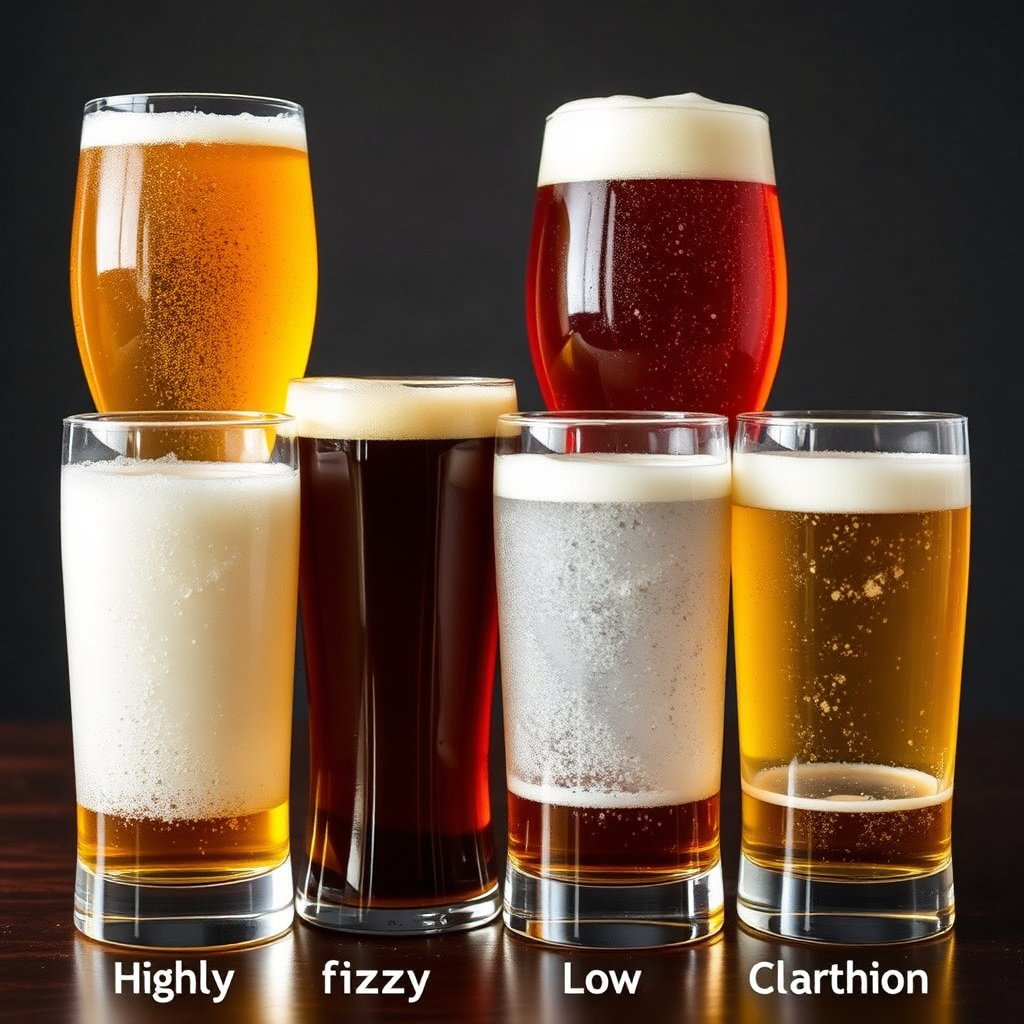
How Carbonation Impacts Beer Styles
Carbonation affects beer mouthfeel, aroma release, and perceived bitterness, so different styles call for different levels of fizz. For instance, Belgian ales and wheat beers often have higher carbonation to lift aromas and create a lively texture.
In contrast, stouts and porters typically have lower carbonation, allowing their malt and roasted flavors to come forward without excessive sharpness or bubble intensity.
- High carbonation: wheat beers, saisons, Belgian ales
- Moderate carbonation: IPAs, pale ales
- Low carbonation: porters, stouts, some lagers
- Adjust carbonation to complement style profile
For more on this, see our related guide: What Is a Draft Beer? A Complete Guide Explaining Its Taste, Serving & Types.
Measuring Carbonation Levels
Carbonation is measured in volumes of CO2, representing how much gas is dissolved in the beer. Beer styles usually range from 1.5 to over 3.0 volumes depending on tradition and preference.
Using online priming calculators and referencing style guidelines can help accurately target the right carbonation level for your beer, improving overall enjoyment and balance.
- Typical range: 1.5 to 3.0+ volumes CO2
- Use priming calculators for sugar amounts
- Force carbonation control via PSI and temp
- Adjust based on personal taste and style
Storing and Serving Carbonated Beer
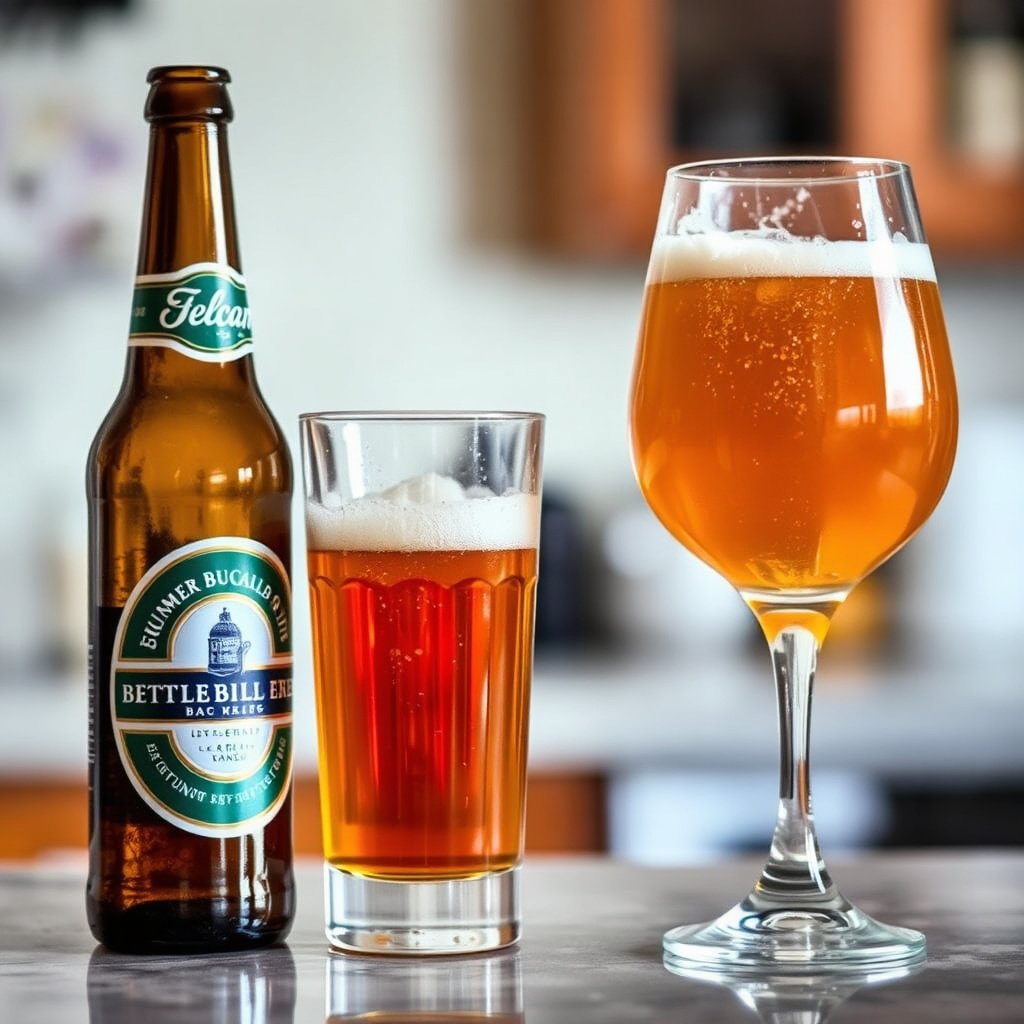
Proper Storage After Carbonation
Once beer is carbonated, storing it at appropriate temperatures preserves carbonation and flavor. For bottle-conditioned beer, keep at cellar or fridge temperatures between 50-55°F for longer aging or 65-72°F for active conditioning.
Kegged beer should stay refrigerated at 38-40°F after forced carbonation to maintain pressure and crispness. Avoid temperature fluctuations that can cause CO2 to come out of solution or lead to over-foaming.
- Store bottle-conditioned beer upright
- Refrigerate kegs after carbonation
- Avoid sunlight and temperature swings
- Monitor pressure regularly in keg setups
For more detailed scientific background on carbonation, refer to carbonation information on Wikipedia. carbonation information on Wikipedia.
Techniques for Serving Carbonated Beer
Serving temperature influences carbonation perception; colder beer retains more CO2, creating a crisp feel, while warmer beer releases more aroma but may foam more. Pour gently to control head size, often aiming for 1-2 inches of foam.
Using proper glassware shaped for the beer style enhances bubble retention and aroma delivery. For kegged beer, purge lines and pour slowly to avoid excessive foaming and wastage.
- Chill beer before serving (varies by style)
- Use clean, appropriate glassware
- Pour at an angle to reduce foam
- Purge keg lines for smooth pours
Natural vs Forced Carbonation: Method Comparison
Here's a comparison of natural and forced carbonation methods to help identify which approach suits your brewing needs and preferences.
| Method | Carbonation Time | Equipment Needed | Flavor Impact | Control over Carbonation |
|---|---|---|---|---|
| Natural Carbonation | 1-3 weeks | Bottles, priming sugar | Can add complexity | Less precise, batch variability |
| Forced Carbonation | 1-3 days | Kegs, CO2 tank, regulator | Clean, neutral flavor | Highly precise and adjustable |
| Natural Carbonation | Simpler for small batches | Minimal upfront cost | Yeast byproducts enhance profile | Dependent on yeast health |
| Forced Carbonation | Best for larger volumes | Higher initial investment | No yeast sediment in beer | Easily repeatable consistency |
Frequently Asked Questions
Can I carbonate beer without yeast?
No, yeast or an artificial CO2 source is necessary to carbonate beer naturally. Yeast produces CO2 during fermentation or bottle conditioning. Forced carbonation uses external CO2 tanks to add gas without yeast.
How do I know if my beer is properly carbonated?
Proper carbonation shows as a steady stream of bubbles in the glass and a noticeable but balanced effervescence on the palate. If beer tastes flat or overly fizzy, carbonation may be off.
What is the best temperature for bottle conditioning?
Usually, storing bottles at 65-75°F promotes active yeast fermentation to produce CO2 efficiently during bottle conditioning, speeding carbonation without off-flavors.
Can I bottle condition and force carbonate the same beer?
While possible, it’s generally redundant. Bottle conditioning allows natural carbonation, whereas forced carbonation quickly carbonates kegged beer. Using both can risk over-carbonation.
Why does my bottle-conditioned beer sometimes produce sediment?
Sediment results from yeast and protein particles settling after fermentation. This is normal in natural carbonation but can be minimized by careful racking and cold crashing before bottling.
Key Takeaways
- Natural carbonation uses yeast and priming sugar to create CO2 over weeks
- Forced carbonation offers faster, precise fizz control using CO2 tanks
- Equipment needs vary significantly between bottle conditioning and keg setups
- Choosing carbonation level depends on beer style and personal preference
Conclusion
Determining how to carbonate beer starts with understanding both natural and forced methods, weighing the time, equipment, and flavor impacts each brings. Natural carbonation is a hands-off approach that enriches flavor complexity but requires patience and careful sugar measurement. Forced carbonation speeds the process with precise control, ideal for brewers who want consistency and fast turnaround. Your choice depends on batch size, style targeted, and brewing resources.
For casual homebrewers making small batches, natural beer carbonation methods through bottle conditioning remain popular due to their simplicity and traditional charm. Meanwhile, brewers producing kegged beer or larger volumes favor forced carbonation for reliability and speed, particularly with styles needing exact carbonation levels like IPAs or lagers. Both methods work well if executed properly, so experimenting with each can help identify personal preferences.
If you’re starting out, try bottling some beer with priming sugar and storing it in a steady-temperature environment to experience natural carbonation firsthand. As you gain experience, consider investing in kegging equipment for faster, consistent carbonation control. Remember, attention to detail in sugar calculation, temperature control, and sanitation will ensure your beer is lively, flavorful, and thoroughly enjoyable.