How to Clean a Cutting Board Properly for Hygiene and Durability
Cleaning a cutting board thoroughly is essential to maintain food safety and prevent cross-contamination. The most effective method depends on the board's material, but generally involves washing with hot, soapy water immediately after use, followed by drying it completely to inhibit bacteria growth.
Neglecting proper cleaning can lead to harmful bacteria buildup, especially when switching between raw meats and fresh produce. Different cutting board materials—wood, plastic, bamboo, or composite—react uniquely to cleaning agents and moisture, so understanding these differences helps protect both the board and your health.
This article covers the best cleaning techniques for various cutting board types, including daily washing, sanitizing methods, maintenance tips, and when it’s time to replace your cutting board. By following these guidelines, you’ll keep your kitchen safer and your cutting boards in top condition.
Why Proper Cutting Board Cleaning Matters
Health Risks of Poorly Cleaned Boards
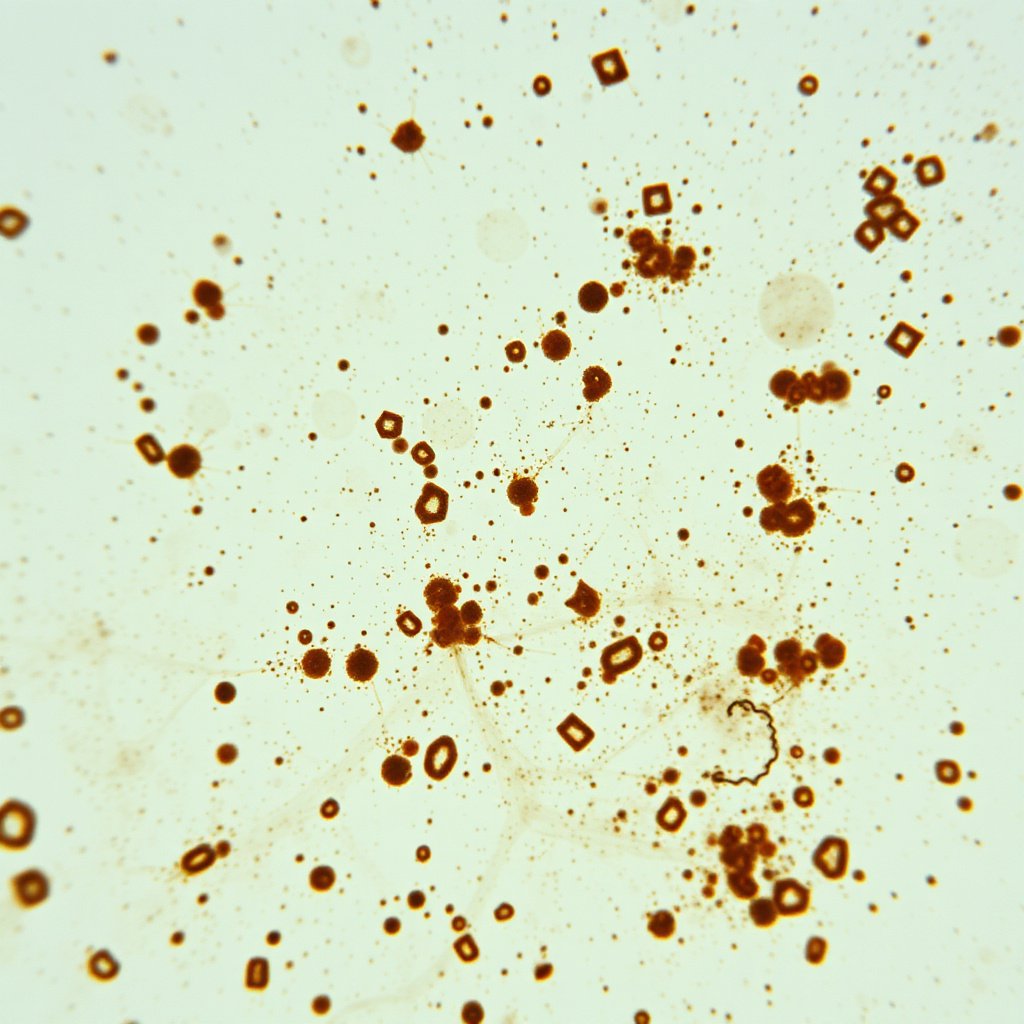
Improper cleaning of cutting boards can lead to bacterial contamination, which increases the risk of foodborne illnesses like Salmonella and E. coli. Raw meat juices often harbor these bacteria, which can linger if the board isn't cleaned properly.
Cross-contamination can happen easily if you use the same cutting board for meat and vegetables without disinfecting in between. This can transmit pathogens to fresh produce, making thorough cleaning and sanitizing essential for safety.
Materials Affect Cleaning Effectiveness
Each cutting board material absorbs and retains moisture differently. Wood boards are porous and can trap bacteria if not dried properly, while plastic boards are less absorbent but prone to knife grooves that can harbor germs.
Understanding how your cutting board’s material reacts with cleaning products and moisture helps select the right sanitizing routine, preventing damage and ensuring lasting hygiene.
- Wood: porous, needs thorough drying
- Plastic: less porous but shows deep cuts
- Bamboo: dense yet natural antibacterial properties
- Composite: durable but varies by brand
Daily Cleaning Techniques for Cutting Boards
Washing Wooden and Bamboo Cutting Boards
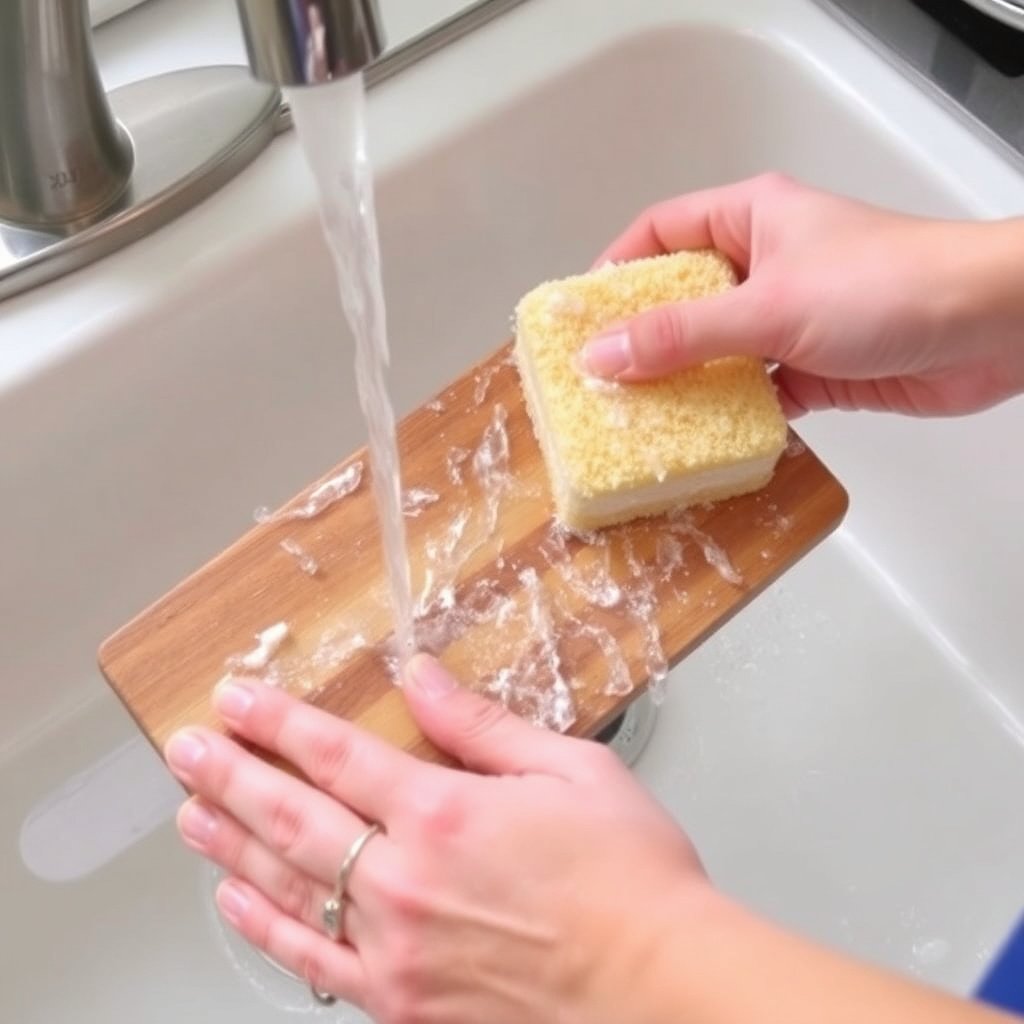
Start by scraping off any leftover food particles. Use a sponge or soft brush and hot water with mild dish soap to scrub the board thoroughly. Avoid soaking wooden boards as excess water can cause warping or cracking.
Rinse with hot water and dry immediately with a clean towel. Stand the board upright to air dry completely, preventing moisture retention which encourages bacteria.
- Avoid soaking to prevent warping
- Use mild dish soap
- Dry immediately and air dry standing
Cleaning Plastic and Composite Boards
Plastic boards can usually be submerged safely in hot, soapy water or run through a dishwasher if dishwasher-safe. The high-temperature rinse eliminates most bacteria.
For composite boards, refer to manufacturer instructions. Typically, hand washing with warm soapy water and thorough drying works best to maintain the board’s integrity.
- Dishwasher safe for most plastic boards
- Check composite board care instructions
- Dry completely after washing
Sanitizing Methods to Kill Bacteria Effectively
Using Common Household Sanitizers
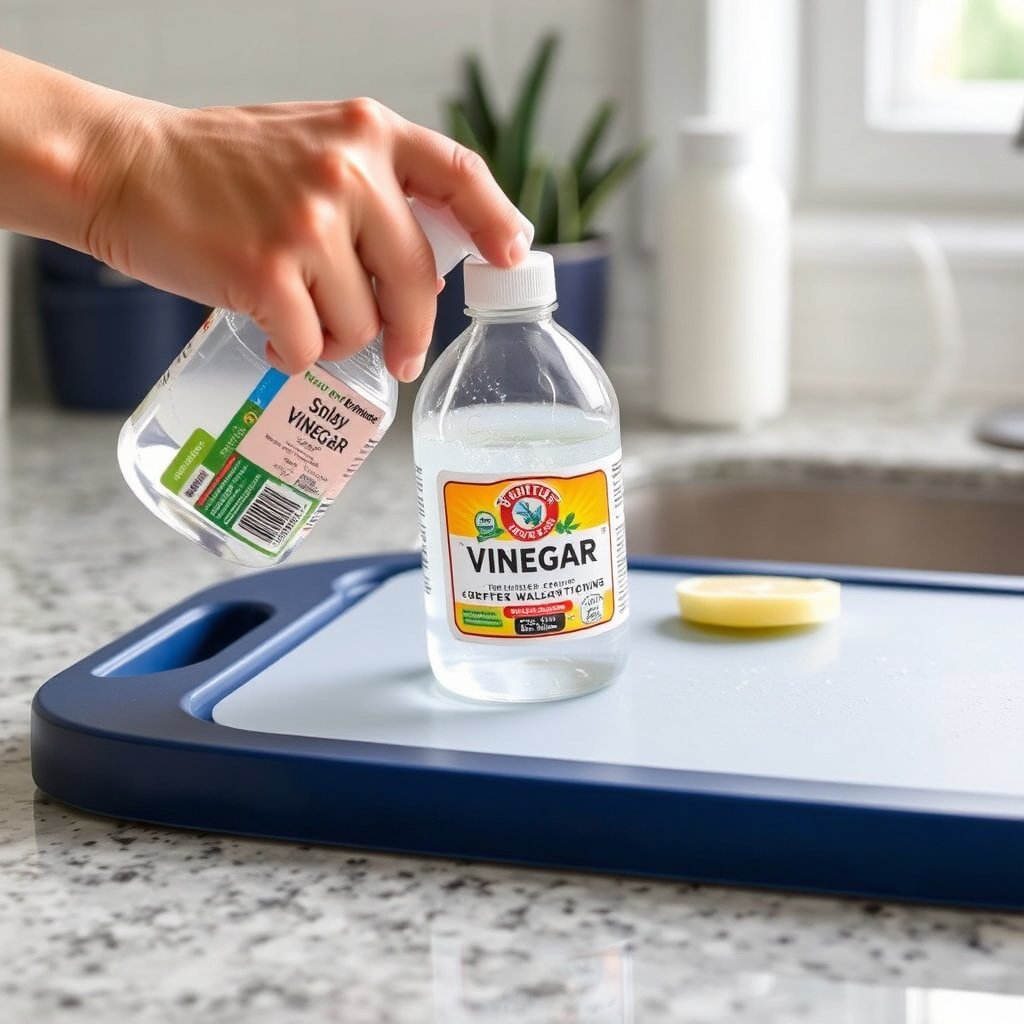
White vinegar is a natural sanitizer that can be sprayed or wiped onto boards after washing to reduce bacteria. Let it sit for a few minutes before rinsing and drying.
A diluted bleach solution (1 tablespoon bleach per gallon of water) can be used on plastic boards for a deeper sanitize, but should be rinsed off thoroughly to avoid residual chemicals.
- Vinegar: natural and non-toxic
- Bleach: effective but use with caution
- Hydrogen peroxide: alternative disinfectant
For more on this, see our related guide: How to Clean Kitchen: A Step-by-Step Guide.
Heat-Based Sanitizing
Plastic cutting boards can often be sanitized in the dishwasher with the hot water cycle. For wooden boards, avoid extreme heat which can cause damage; instead, rely on chemical sanitizers and thorough drying.
Boiling water poured over plastic boards can also sanitize effectively but is not recommended for wood due to the risk of warping.
- Dishwasher hot cycle for plastic boards
- Avoid boiling water on wood boards
- Combine heat with drying to reduce bacteria
Maintaining and Extending Your Cutting Board’s Life
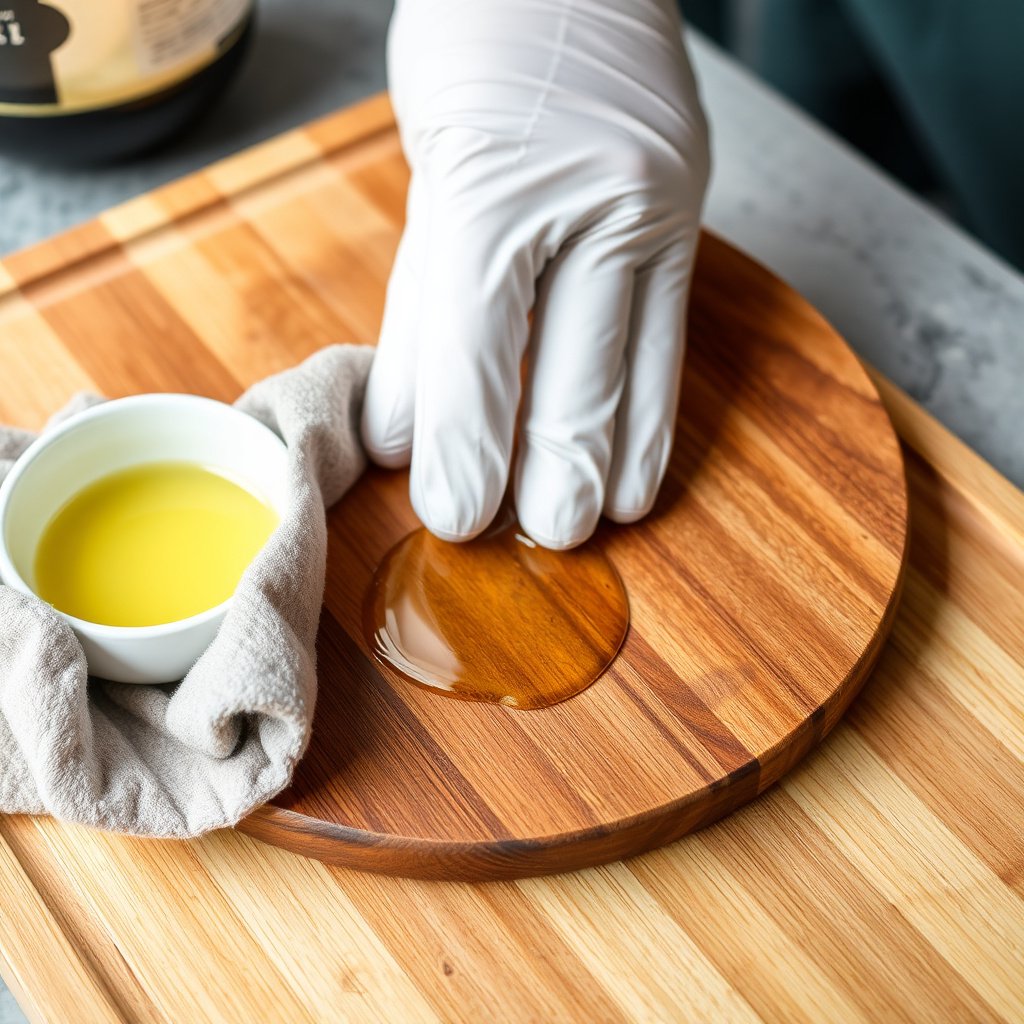
Oiling and Conditioning Wooden Boards
Regularly applying food-grade mineral oil keeps wooden boards from drying out and cracking. This also creates a water-resistant barrier that reduces bacterial intrusion.
Conditioning should be done at least once a month or whenever the board looks dry. Use mineral oil sparingly and allow it to soak overnight before wiping off excess.
- Use only food-safe mineral oils
- Avoid vegetable oils that can go rancid
- Reapply monthly for best results
Repairing and Resurfacing Boards
Minor knife marks on plastic or composite boards can harbor bacteria; sanding the surface smooth can refresh the board. Wood boards may also be sanded if rough or stained, but this requires some skill to avoid uneven surfaces.
Frequent repairs extend the board’s usable life and help maintain hygiene, but significant damage or deep grooves often signal replacement time.
- Light sanding to remove grooves
- Use fine-grit sandpaper for wood
- Replace if deep cuts cannot be smoothed
When to Replace Your Cutting Board
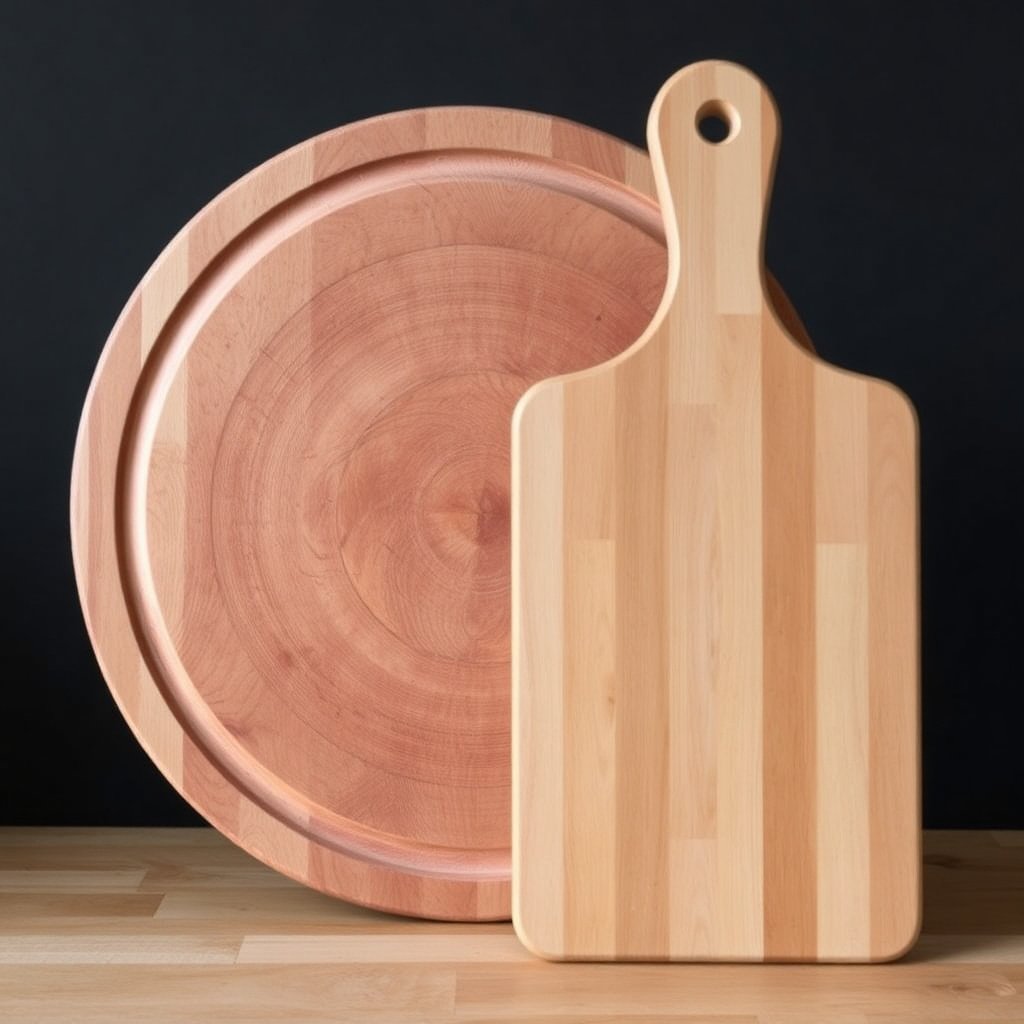
Signs Your Board Is Beyond Cleaning
Deep, permanent knife grooves that trap food scraps and bacteria are a clear indication. Persistent stains and odors that do not disappear after cleaning also suggest the board has deteriorated.
Cracks or warping, especially on wooden boards, create crevices where bacteria can hide, making replacement necessary to maintain safety.
For more on this, see our related guide: How to Clean a Kitchen: A Step-by-Step Guide.
Choosing a Replacement Board
Consider new boards made from non-porous materials like food-grade plastic or composite if you want easy cleaning and dishwasher compatibility. For an eco-friendly option, treated bamboo is hard and naturally resistant to bacteria.
Select size and thickness based on your kitchen space and use frequency. Larger boards provide more workspace but require more storage room.
- Plastic: easy to sanitize and inexpensive
- Bamboo: eco-friendly and durable
- Composite: blends hardness and easy care
Additional Tips for Keeping Cutting Boards Safe
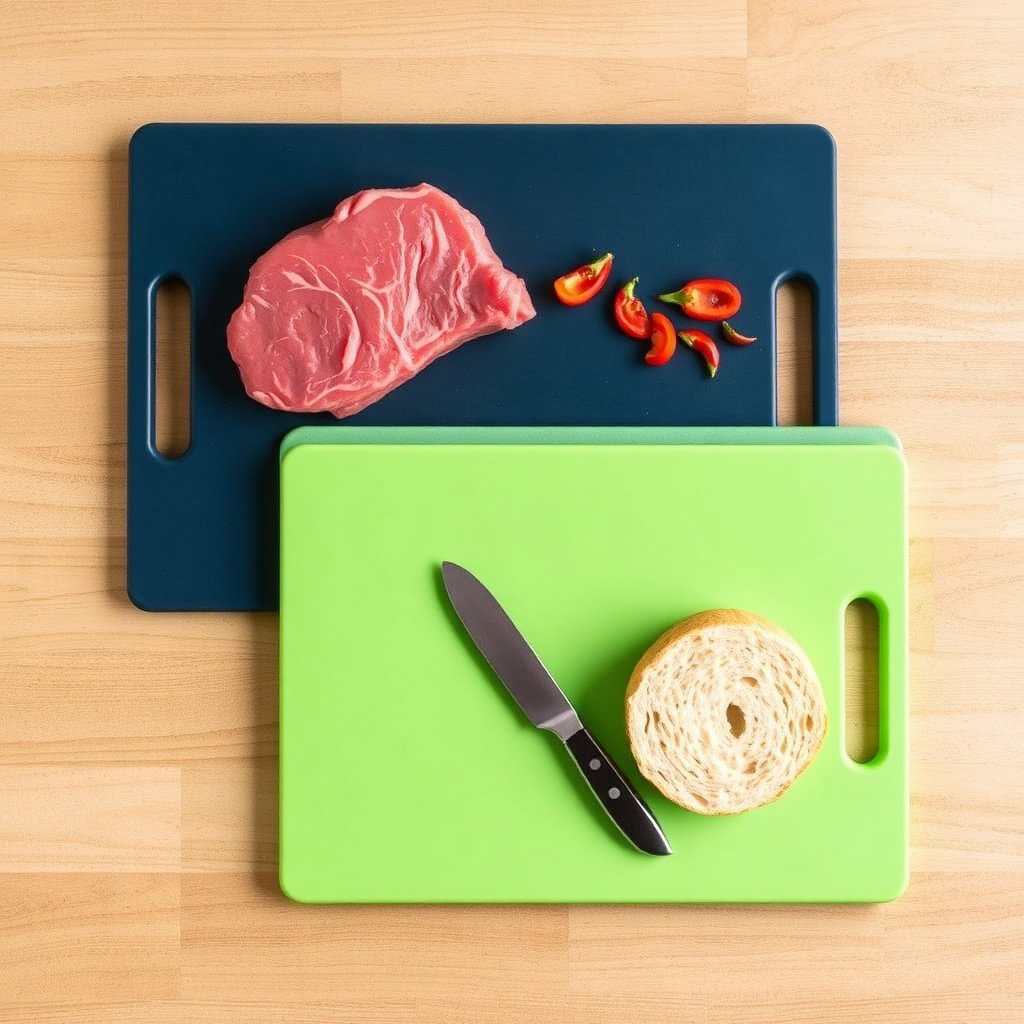
Using Color Coding to Prevent Cross-Contamination
Assign specific cutting boards to different food groups—red for raw meat, green for vegetables, and white for bread—to prevent bacteria transfer in shared kitchens.
Clear labeling or storage in separate areas helps reinforce this practice and improves kitchen hygiene.
- Red for raw meat
- Green for produce
- White for bread and cooked foods
For more detailed information about cutting boards and their uses, you can visit the cutting board article on Wikipedia. Cutting board article on Wikipedia.
Avoiding Common Mistakes
Don't leave cutting boards soaking in water for long periods as this damages the material and encourages bacterial growth. Avoid using harsh chemical cleaners that can degrade the surface and cause food contamination.
Always wash hands before handling multiple boards, and never use your cutting board as a trivet for hot pots, which may warp or damage the surface.
Cutting Board Types Comparison
This table summarizes common cutting board materials, highlighting their cleaning ease, durability, and ideal uses to help you decide.
| Material | Cleaning Method | Durability | Sanitizing Options | Best Use Case |
|---|---|---|---|---|
| Wood | Hand wash only, no soaking | High if maintained | Vinegar, mineral oil treatment | Vegetables, bread, delicate knives |
| Plastic | Dishwasher safe, hand wash | Moderate, prone to knife cuts | Bleach solution, dishwasher heat | Raw meat, versatile everyday use |
| Bamboo | Hand wash, avoid soaking | High, hard surface | Vinegar, mineral oil | Eco-friendly, general-purpose cutting |
| Composite | Hand wash recommended | Very durable | Dishwasher (varies), chemical sanitizers | Heavy-duty use, professional kitchens |
Frequently Asked Questions
Can I put my wooden cutting board in the dishwasher?
No, wooden cutting boards should not be put in the dishwasher. The high heat and water exposure can cause warping, cracking, and deterioration of the wood.
How often should I sanitize my cutting board?
Sanitize your cutting board at least once a week or immediately after cutting raw meat to greatly reduce bacterial contamination risks.
Is vinegar effective for killing bacteria on cutting boards?
Yes, white vinegar has natural antibacterial properties that help reduce bacteria, making it an effective, non-toxic sanitizer for cutting boards.
What’s the best way to remove odors from a cutting board?
Sprinkling coarse salt and rubbing the board with a lemon half helps neutralize odors effectively while adding a light natural disinfecting effect.
When should I replace my cutting board?
Replace your cutting board when deep knife grooves become difficult to clean or the board warps, cracks, or retains odors despite regular cleaning.
Key Takeaways
- Clean cutting boards immediately after use with hot, soapy water.
- Sanitize regularly using natural or chemical solutions appropriate for the board material.
- Maintain wooden boards by applying food-grade mineral oil to prevent cracking.
- Replace boards with deep grooves or permanent damage to avoid bacteria buildup.
Conclusion
Determining how to clean a cutting board properly involves factoring in the material and intended use. Wood boards require gentle hand washing, careful drying, and routine oiling to prevent cracking, while plastic boards benefit from dishwasher cleaning and bleach-based sanitizing. Regular cleaning and sanitation keep your kitchen safe by minimizing bacterial risks that emerge from raw ingredients.
For long-term use, wooden or bamboo boards are excellent for vegetables and bread due to their natural antibacterial qualities and durability, as noted earlier in the cutting board types comparison. Plastic boards suit meat preparation because they can withstand aggressive sanitizing, such as dishwasher heat or bleach solutions. When a board shows permanent knife grooves or odors, it’s safer to invest in a new one.
The best next step is to establish daily cleaning habits paired with weekly sanitizing for all your cutting boards. Consider implementing color-coded boards to further reduce cross-contamination. By following these strategies, you’ll keep your kitchen hygienic and your cutting boards lasting longer.