How to Make Wine at Home: A Step-by-Step Guide for Beginners
Making wine at home begins with choosing quality fruit, typically grapes, before crushing them to release the juice for fermentation. The core of the process involves fermenting this juice with yeast, allowing natural sugars to convert into alcohol over several weeks. Once fermented, the wine is clarified, aged for flavor development, and carefully bottled for storage or consumption.
Home winemaking is rewarding because it allows you to control flavor profiles and experiment with different grape varieties or fermentation methods. Understanding the basics of fermentation and sanitation can prevent common problems like spoilage, making your homemade wine safer and more enjoyable to drink.
This article will guide you through each stage of making wine at home in detail. You'll learn about equipment needed, preparing the fruit, managing fermentation, aging techniques, and bottling tips. By the end, you'll be equipped to craft your first batch of homemade wine with confidence.
Selecting and Preparing Fruit for Homemade Wine
Choosing the Right Grapes or Fruit
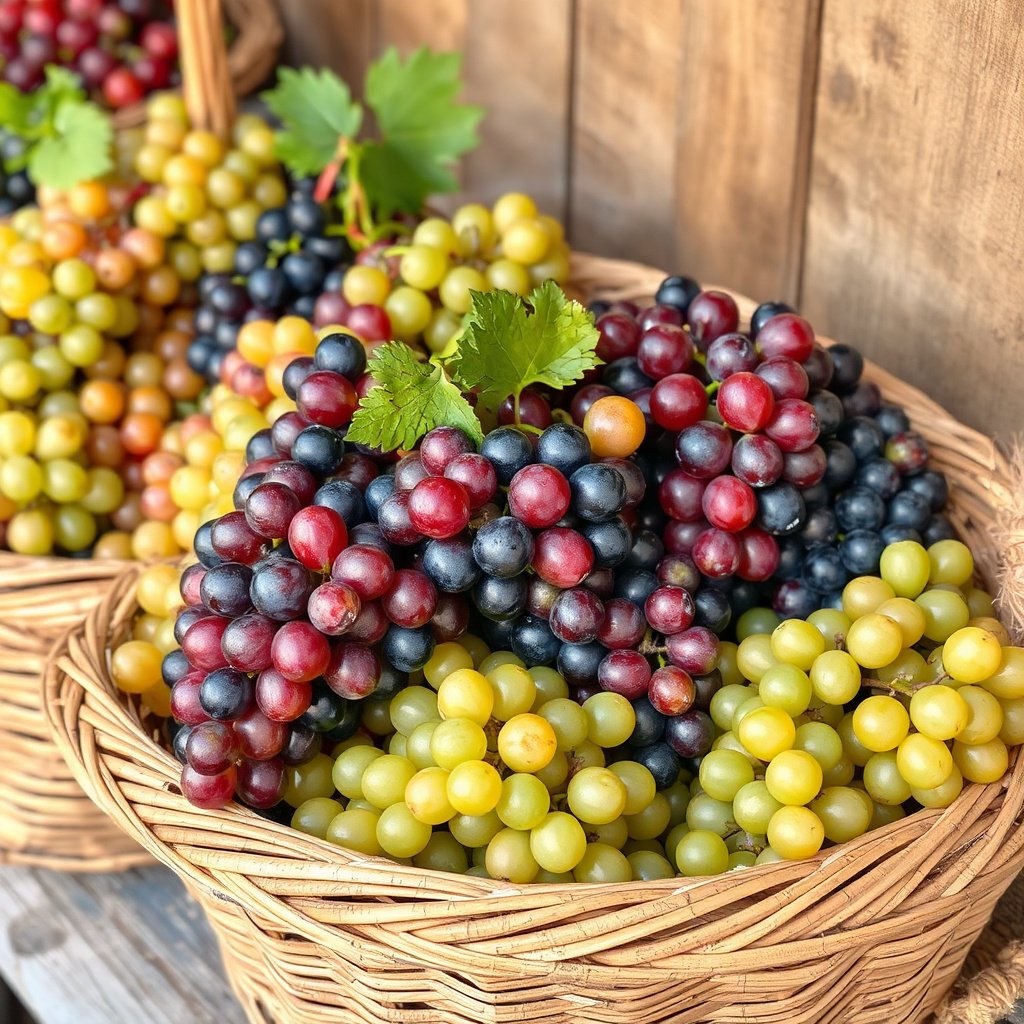
The quality of your homemade wine depends heavily on the fruit you select. For traditional wines, choose ripe, clean grapes with balanced sugar and acidity. Varieties like Cabernet Sauvignon, Merlot, or Concord work well. Alternatively, fruits like apples, berries, or peaches offer unique flavors for fruit wines.
Avoid damaged or moldy fruit as these can introduce unwanted flavors or detrimental bacteria during fermentation. Organically grown fruit is preferred to minimize chemical residues that might affect yeast performance.
- Pick ripe but not overripe fruit
- Inspect for bruises or mold
- Wash fruit thoroughly to remove dirt and pesticides
Crushing and Preparing the Fruit Juice
After washing, the grapes or fruit must be crushed to release juice for fermentation. Small batches can be crushed by hand or with a manual crusher, while larger amounts benefit from a mechanical crusher or press. Crushing breaks skins to expose sugars and flavors.
Take care not to over-crush seeds or stems, as these can impart bitter tannins. For some fruit wines, pressing juice rather than fermenting skins results in a clearer, milder wine.
- Use clean, sanitized equipment
- Avoid seed and stem crushing when possible
- Collect juice in sterilized fermentation containers
Managing Homemade Wine Fermentation

Choosing and Adding Yeast
Yeast selection shapes the flavor and alcohol level of your homemade wine fermentation. While natural wild yeasts may be present on fruit skins, most home winemakers add cultured yeast strains for consistency and control. Common strains include Saccharomyces cerevisiae varieties tailored for red or white wines.
Add yeast after juice temperature stabilizes between 65°F-75°F to help it activate effectively. Rehydrating dried yeast with warm water before adding improves fermentation reliability.
- Select yeast suited to grape or fruit type
- Use rehydrated dry yeast for best results
- Maintain consistent fermentation temperature
Controlling Fermentation Environment
Fermentation produces heat and carbon dioxide; controlling environment protects wine quality. Keep the fermenting juice in a cool, dark area to prevent spoilage and off-flavors. Use an airlock to allow CO2 release while preventing oxygen and contaminants from entering.
Monitor fermentation progress by observing bubbling in the airlock and checking specific gravity with a hydrometer. Most fermentations last 1-3 weeks, after which the wine begins to clarify.
- Keep fermentation temperature steady around 65°F-75°F
- Use an airlock during primary fermentation
- Regularly check specific gravity to track progress
Clarifying and Aging Your Homemade Wine
Racking and Clarification Processes
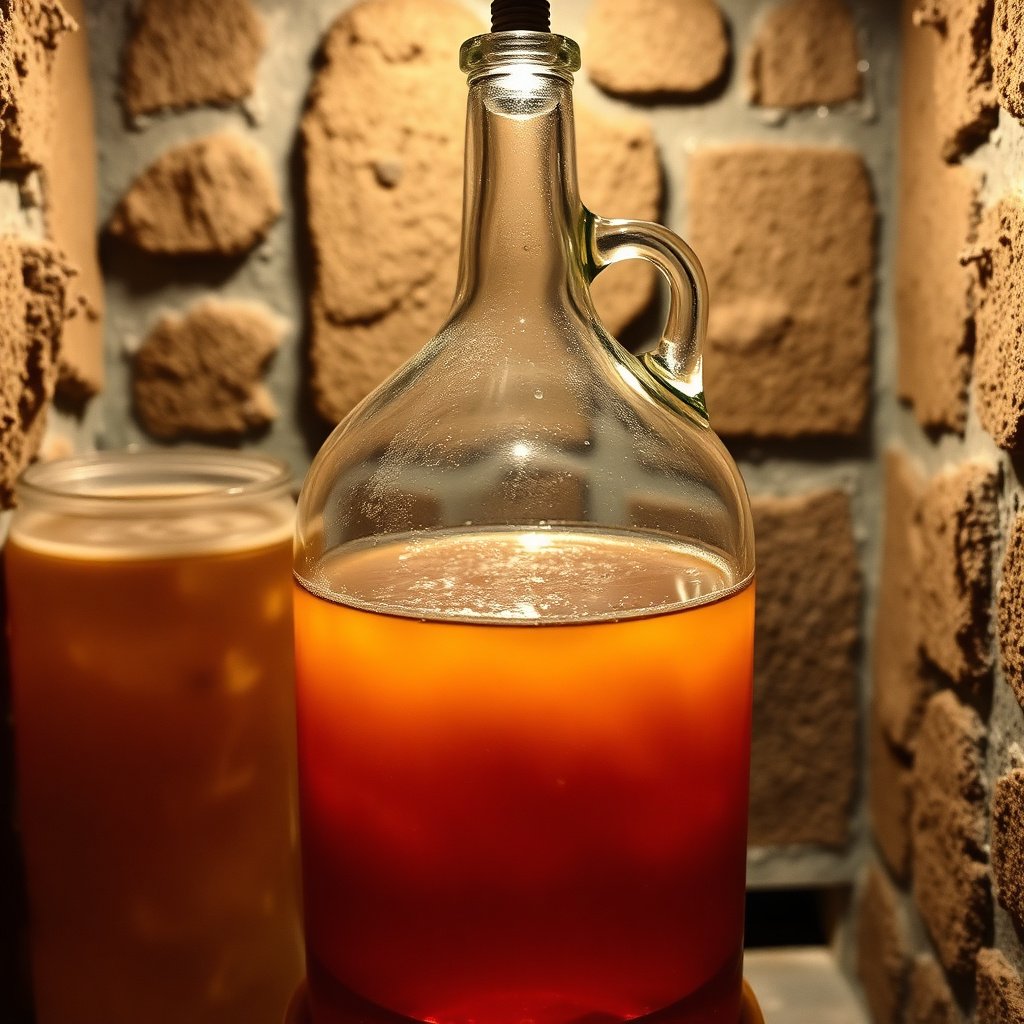
After primary fermentation, the wine often contains sediment known as lees. Racking involves siphoning the clear wine off this sediment into another sanitized container. This helps prevent off-flavors caused by decomposing lees.
Clarification may involve using fining agents like bentonite clay or egg whites to bind suspended particles. Proper timing and gentle handling maintain the wine's aroma and structure during this stage.
- Rack wine into clean container after fermentation slows
- Use fining agents if desired to clarify wine
- Handle wine gently to preserve aromas
For more on this, see our related guide: How to Make Omelette with Perfect Results: A Complete Guide for Beginners.
Aging for Flavor Development
Aging allows wine flavors to mature and soften. Red wines may benefit from months to years of aging in glass carboys or wooden barrels, while some white and fruit wines require shorter periods. Temperature and light exposure influence aging outcomes.
Store wine in a cool, dark place with stable temperatures around 55°F-60°F. Regularly check for unwanted odors or cloudiness that indicate spoilage during aging.
- Age wine in glass or food-grade containers
- Maintain a cool, stable environment for aging
- Monitor wine periodically and rack if necessary
Bottling and Storing Homemade Wine

Preparing Bottles and Equipment
Sanitation is critical during bottling to avoid contamination. Thoroughly clean and sterilize bottles, corks, and bottling tools with food-safe sanitizers. Use wine-specific bottles that can withstand pressure and have appropriate neck design for corks or screw caps.
Warm bottles to room temperature before filling and ensure wine is fully clarified to minimize sediment transfer. Organizing a clean, dry workspace optimizes bottling efficiency.
- Use food-grade sanitizers for all equipment
- Choose proper wine bottles and closures
- Fill bottles carefully to limit oxygen exposure
Sealing and Storing Your Bottled Wine
Cork or cap bottles securely to prevent oxidation and spoilage. When corking, use a clean corker tool and avoid damaging cork integrity. Screw caps offer convenience and a reliable oxygen barrier for most homemade wines.
Store bottles lying horizontally in a cool, dark cellar at stable temperatures to promote further maturation and avoid heat or light damage. Label bottles with vintage and variety details for future reference.
- Seal bottles tightly with corks or screw caps
- Store horizontally to keep corks moist
- Keep bottles away from direct sunlight and heat
Troubleshooting Common Homemade Wine Problems
Preventing and Fixing Off-Flavors
Off-flavors can arise from poor sanitation, unwanted bacteria, or temperature extremes. Smells like vinegar, sulfur, or wet cardboard indicate contamination. Proper sterilization at every step and controlling fermentation temperature minimize risks.
If off-flavors develop, attempt racking and filtration to remove spoilage agents. Severe cases may require discarding the batch to avoid health risks.
- Maintain strict hygiene throughout process
- Control fermentation temperature carefully
- Use appropriate additives to mask minor faults
For more on this, see our related guide: How to Make Bacon at Home: Safe, Simple Steps with Best Cooking Methods.
Dealing with Cloudiness and Sediment
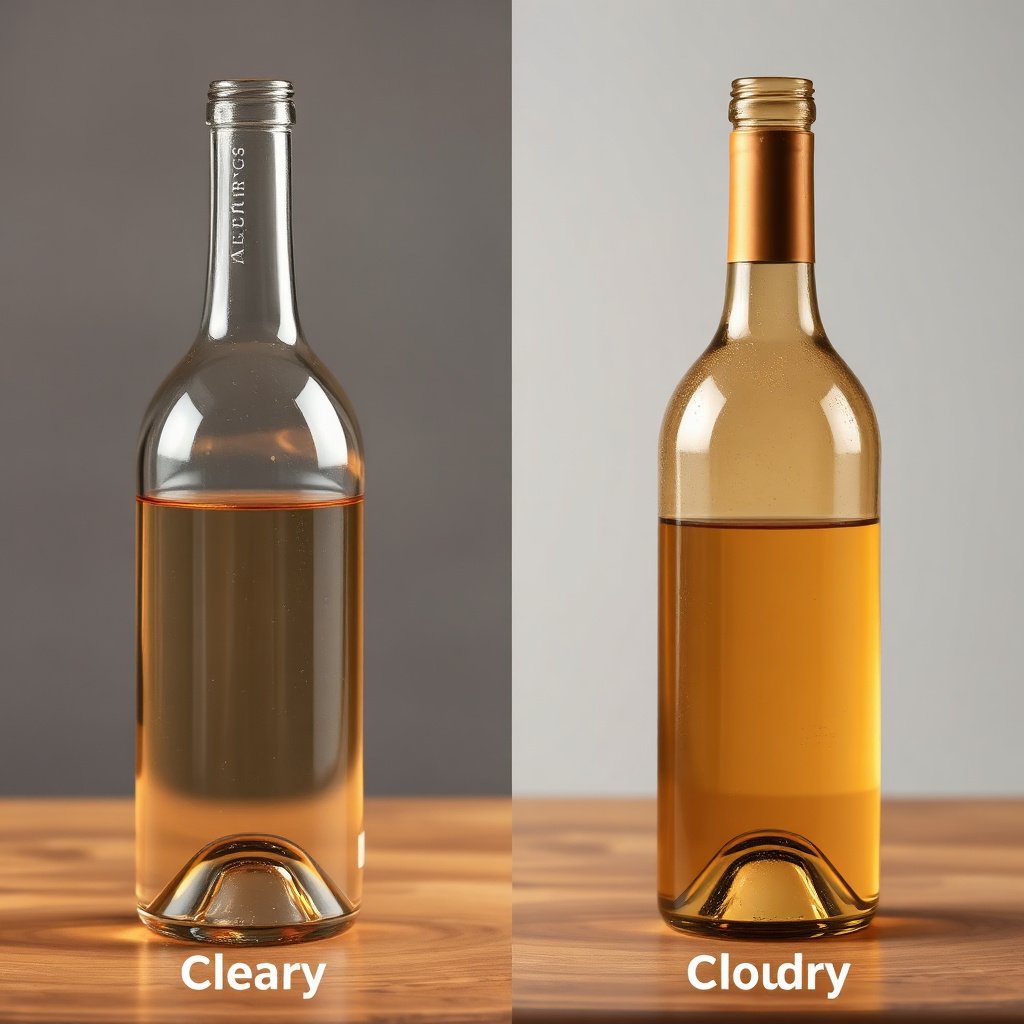
Cloudiness typically results from suspended yeast, proteins, or impurities. Using fining agents and allowing extended settling periods improves clarity. Cold crashing—cooling the wine to near freezing—helps sediments settle faster.
Avoid disturbing sediment during racking or bottling by siphoning gently. A clear appearance enhances wine's visual appeal and consumer confidence.
- Apply fining agents for faster clarification
- Employ cold crashing to settle sediments
- Rack wine carefully to avoid mixing sediment
Exploring Wine Styles and Flavor Enhancements
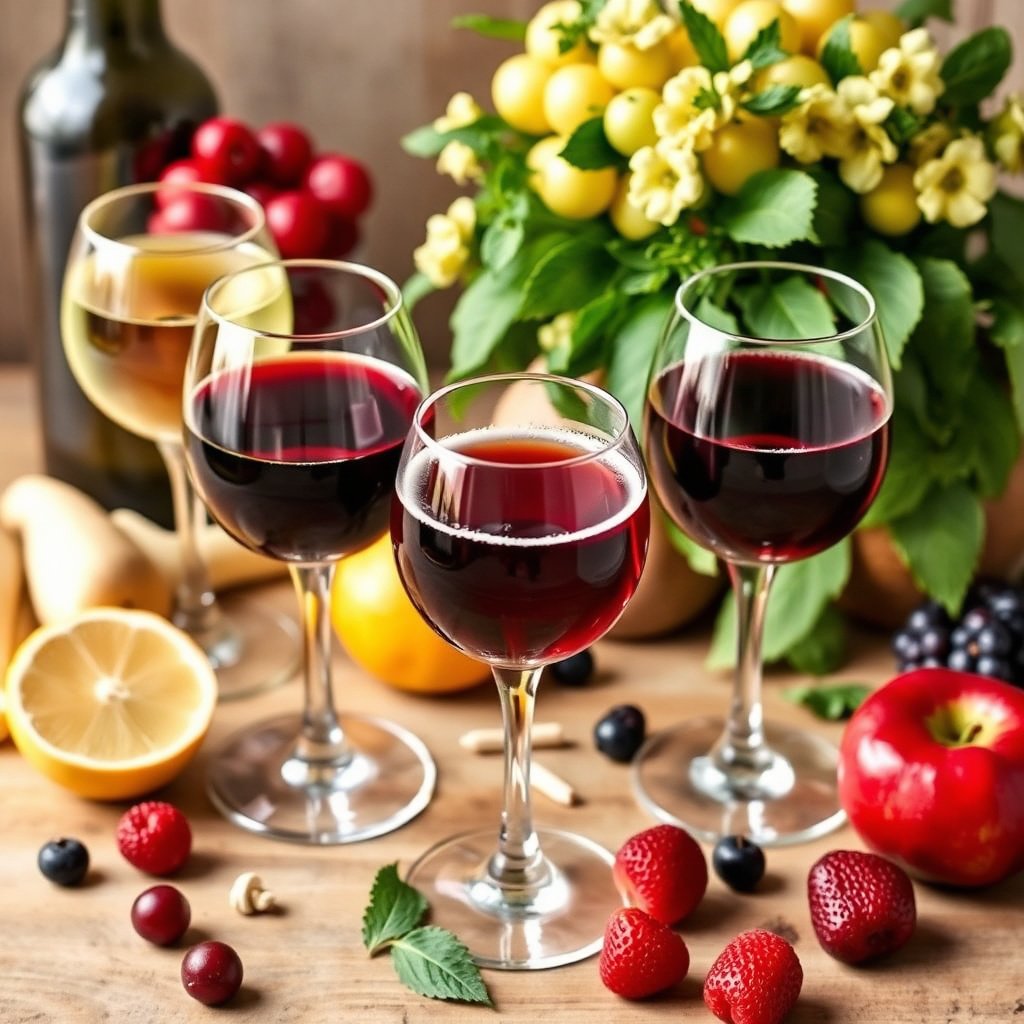
Experimenting with Different Wine Styles
Home winemaking allows for creativity in styles—dry reds with firm tannins, sweet whites with floral notes, or sparkling variants. Adjusting fermentation time, yeast strain, and aging impacts sweetness, body, and aroma profile.
Blending grape varieties or adding ingredients like oak chips or fruit extracts can further personalize flavors, giving you a signature homemade wine unlike commercial offerings.
- Try different yeast strains to change flavor
- Experiment with fermentation duration
- Blend fruits or add flavoring agents carefully
For a broader understanding of winemaking at home, the Wikipedia article on Home Winemaking offers detailed insights and historic context. Home Winemaking Basics.
Using Additives and Sweeteners
In some recipes, additives like sulfites help preserve freshness and prevent oxidation. Sweeteners such as grape concentrate, honey, or sugar can balance acidity or dryness post-fermentation. Use these cautiously to avoid overpowering natural wine qualities.
Always follow recommended doses and test small batches for flavor impact, as additives influence both taste and shelf life in your homemade wine.
- Consider sulfites to extend shelf life
- Add sweeteners gradually and taste frequently
- Avoid excessive additives to maintain natural profile
Homemade Wine Types Comparison
Comparing popular homemade wine styles highlights their characteristics, fermentation needs, and aging timelines.
| Wine Type | Best Fruit Used | Fermentation Time | Typical Aging | Flavor Profile |
|---|---|---|---|---|
| Dry Red Wine | Cabernet Sauvignon, Merlot | 1-3 weeks | 6 months to 2 years | Tannic, full-bodied, complex |
| Sweet White Wine | Chardonnay, Riesling | 1-2 weeks | 3-6 months | Fruity, light, refreshing |
| Fruit Wine | Berries, Apples, Peaches | 2-4 weeks | 3-12 months | Sweet to semi-sweet, aromatic |
| Sparkling Wine | Chardonnay, Pinot Noir | 2-3 weeks + secondary fermentation | several months | Effervescent, crisp, bright |
| Rosé Wine | Red grapes with brief skin contact | 1-2 weeks | 3-6 months | Light, fruity, delicate |
Frequently Asked Questions
How long does it take to make wine at home?
Typically, home winemaking takes about 4 to 6 weeks from fermentation to bottling, though aging can extend this to several months or years depending on the style.
Do I need special equipment to make wine at home?
Basic equipment includes fermentation containers, an airlock, siphoning tubes, bottles, and sanitizers. More advanced tools like hydrometers can help monitor fermentation but aren’t mandatory.
Can I use any fruit to make wine?
While many fruits can be used, grapes are classic for wine. Other fruits like berries, apples, and peaches also make flavorful wines but may require different techniques.
What types of yeast are best for homemade wine fermentation?
Cultured wine yeast strains such as Saccharomyces cerevisiae designed for red or white wines provide predictable fermentation and flavor profiles.
How can I prevent my homemade wine from spoiling?
Sanitizing all equipment, maintaining proper fermentation temperatures, and using airtight containers with airlocks prevent contamination and spoilage.
Key Takeaways
- Start with quality fruit and clean equipment for best wine flavors
- Monitor temperature and yeast during homemade wine fermentation for success
- Clarify and age wine properly to enhance taste and clarity
- Sanitize rigorously during bottling to protect your homemade wine
Conclusion
Understanding how to make wine at home effectively boils down to mastering fruit selection, fermentation management, and sanitation. Each step influences the final product's taste and stability, making a well-planned approach essential. Carefully controlling conditions during fermentation and aging safeguards against spoilage and helps develop desired flavors, resulting in satisfying homemade wine.
For beginners, starting with more forgiving sweet or fruit wines can build confidence before tackling dry red or sparkling styles that require more intricate control. Investing in essential equipment like fermentation vessels and yeast suited for your chosen wine style significantly improves outcome consistency, while experimenting with additives or blending can personalize your wines.
Once comfortable with the basics, advancing to aging techniques and bottling refinements will allow you to craft homemade wine unique to your tastes. The hands-on nature of winemaking at home offers creative satisfaction combined with the pleasure of sharing handcrafted bottles with friends and family, making the process as rewarding as the results.