How to Restore a Rusty Cast Iron Skillet to Like-New Condition
Restoring a rusty cast iron skillet is achievable with a few straightforward steps: removing the rust, thoroughly cleaning the skillet, and re-seasoning it to rebuild its protective coating. This process brings back the skillet's cooking surface and prevents further rusting.
Cast iron skillets are prized for their durability and heat retention, but rust can ruin their performance and longevity. Without proper care, moisture can cause oxidation, leaving unsightly and damaging rust patches that affect both the skillet’s appearance and food safety.
This article will guide you through effective techniques to restore a rusty cast iron skillet, including rust removal methods, cleaning tips, seasoning processes, and maintenance advice. By following these practical steps, you can extend the life of your cast iron and enjoy its benefits for years to come.
Identifying Rust Damage on Your Cast Iron Skillet
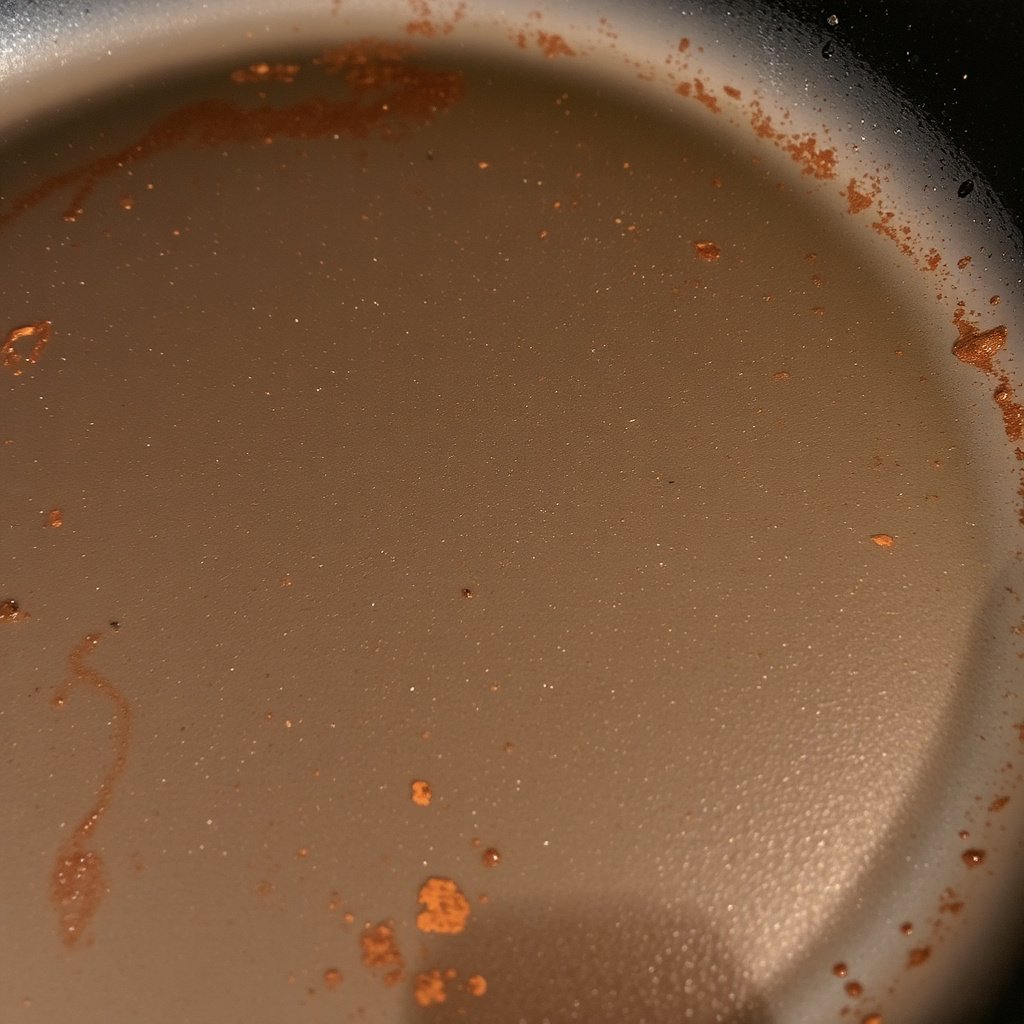
Recognizing Surface Rust vs. Deep Corrosion
Surface rust appears as light orange or brown patches that can be scrubbed off with moderate effort. Deep corrosion, however, indicates pitting or flaking metal caused by long-term neglect, requiring more intensive restoration or possibly replacement.
Knowing the extent of rust damage helps decide the restoration method. Light rust affects the skillet’s seasoning layer but leaves the core metal intact, while severe corrosion might compromise the skillet’s structural integrity.
- Surface rust: thin, flaky rust deposits
- Deep corrosion: visible pitting or metal loss
- Assessment guides restoration approach
Signs Your Skillet Is Ready for Restoration
When rust covers significant portions of the pan or flakes off during rinsing, it’s time to restore. Additional signs include an uneven cooking surface or metallic taste transfer during cooking.
Listening to these indicators can prevent further damage. Early attention to rust ensures cleaning and seasoning can revive your skillet without requiring replacement.
Removing Rust from Cast Iron Skillets

Manual Scrubbing Techniques
Start by scrubbing the skillet with steel wool or a stiff brush to remove loose rust. Use warm water and mild soap sparingly to avoid stripping natural oils completely. This process can take 10 to 30 minutes depending on rust severity.
If the rust resists, a paste made of baking soda and water can help as a gentle abrasive. Rinse thoroughly and dry immediately after scrubbing to prevent new rust from forming.
- Use steel wool or brass brushes
- Apply baking soda paste for stubborn rust
- Dry skillet promptly after cleaning
Chemical and Soaking Methods
For heavy rust, soaking the skillet in white vinegar diluted with water (typically a 1:1 ratio) is effective. Limit soaking to 1-2 hours to prevent metal etching. After soaking, scrub again to lift loosened rust, then rinse and dry completely.
Commercial rust removers can be used cautiously but are generally unnecessary. Always wear gloves and ventilate the area if using chemicals, and thoroughly rinse to prevent residue.
- Diluted vinegar soak for 1-2 hours
- Avoid extended soaking to protect metal
- Use chemical rust removers as a last resort
Cleaning and Drying the Restored Skillet

Washing Off Residues Thoroughly
After rust removal, wash the skillet with warm water and mild soap to eliminate any residual rust particles and debris. Use a non-metal scrubbing pad to avoid damaging the metal surface further.
Proper washing ensures the skillet is free of contaminants that would interfere with seasoning or food safety, restoring a clean metal base for the next step.
Drying to Prevent Future Rust
Immediately dry the skillet using a lint-free towel and then heat it on a stovetop or in an oven at low temperature (200°F) for 5-10 minutes. This removes moisture from pores where rust could reappear.
Consistent drying after every use or cleaning is vital to maintain a rust-free surface long term.
- Use a towel to dry thoroughly
- Heat skillet to evaporate moisture
- Avoid air drying without heating
Seasoning Your Cast Iron Skillet for Protection

Choosing the Best Oils for Seasoning
Oils with high smoke points and polymerization ability, such as flaxseed, grapeseed, or vegetable oil, make excellent seasoning agents. These oils form a durable non-stick coating when heated properly in the skillet.
Avoid butter or olive oil as they burn at lower temperatures and can leave sticky residues instead of a smooth finish.
- Flaxseed oil as a top choice
- Grapeseed and vegetable oil alternatives
- Avoid low smoke point oils
Step-by-Step Seasoning Process
Apply a thin, even layer of chosen oil over the entire skillet surface including the handle and bottom. Place the skillet upside down in an oven preheated to 450°F, with foil on the rack below to catch drips. Bake for one hour, then let cool inside the oven.
Repeat this seasoning cycle 2 to 3 times for best results, building up protective layers that restore the skillet’s non-stick qualities and combat rust.
- Coat skillet thinly with oil
- Bake at 450°F upside down for 1 hour
- Repeat 2-3 times for durable seasoning
Maintaining Your Cast Iron Skillet After Restoration

Regular Cleaning Practices
Clean the skillet after each use with hot water and a non-abrasive scrubber, avoiding soap when possible to preserve seasoning. Dry immediately and lightly oil the surface to maintain a moisture barrier.
This routine prevents buildup and rust recurrences without damaging the skillet's seasoned layer.
- Use hot water and a brush
- Limit soap usage
- Dry and oil after cleaning
Storage Tips to Prevent Rust
Store your cast iron skillet in a dry place. Placing a paper towel or cloth inside the skillet absorbs any residual moisture. Avoid stacking with damp cookware or storing in humid environments.
Proper storage complements seasoning for long-term corrosion resistance and cooking performance.
- Store in a dry cabinet
- Use absorbent liners like paper towels
- Avoid stacking when damp
Troubleshooting Common Issues Post-Restoration

Addressing Sticky or Uneven Seasoning
Sticky seasoning results from applying too much oil or not baking long enough. Remove excess oil by wiping with a cloth, then rebake at 450°F to harden the coating evenly. Multiple thin coats create a smoother layer than one thick application.
Patience with thin applications prevents sticky spots that attract dirt and degrade skillet performance.
For a broader understanding of cast iron cookware care, see the detailed cast iron skillet maintenance information on Wikipedia. Cast iron skillet maintenance on Wikipedia.
Fixing Rust Recurrence Quickly
If rust returns, clean affected areas promptly by gentle scrubbing and re-seasoning the skillet as needed. Keeping the skillet dry and oiled after each use prevents widespread rust development.
Acting fast on early rust is easier and protects your skillet from more serious damage.
- Scrub rust spots quickly
- Re-season immediately if rust appears
- Maintain dryness and oiling
Restoration Methods for Rusty Cast Iron Skillets Compared
Here's a comparison of common rust removal and seasoning techniques to help decide which restoration method suits your skillet’s condition and your preferences.
| Method | Time Required | Effectiveness | Ease of Use | Best For |
|---|---|---|---|---|
| Manual Scrubbing | 20-30 minutes | Moderate | Easy | Light to moderate rust |
| Vinegar Soak | 1-2 hours | High | Moderate | Heavy rust removal |
| Chemical Rust Removers | 30 minutes | High | Difficult | Severe rust (last resort) |
| Baking Soda Paste | 15-20 minutes | Low to Moderate | Easy | Light rust spots |
| Oil Seasoning Cycles | 3-4 hours total | Prevents future rust | Moderate | Post-cleaning protection |
Frequently Asked Questions
Can I use dish soap to clean a rusty cast iron skillet?
Yes, you can use mild dish soap in small amounts to assist rust removal during scrubbing, but avoid heavy soap use afterward, as it can strip seasoning oils.
How often should I season a cast iron skillet?
Season your skillet after every major cleaning or if food starts sticking. Regular light oiling after use reduces the frequency of full seasoning cycles.
Will soaking in vinegar damage my skillet?
Vinegar can etch cast iron if soaked too long. Limit soaking to 1-2 hours and monitor closely to safely dissolve rust without harming the metal.
What if my skillet has deep pitting from rust?
Deep pitting compromises the skillet’s surface and may be tough to restore fully. You can try extensive cleaning and seasoning, but replacement is often recommended in severe cases.
Is it necessary to apply oil after each use?
Applying a thin layer of oil after cleaning helps maintain the seasoning and prevents rust, especially if the skillet won’t be used for a while.
Key Takeaways
- Remove rust promptly using scrubbing or vinegar soaks based on severity.
- Thorough drying and heating prevent future rust development after cleaning.
- Seasoning with oils like flaxseed oil rebuilds the skillet’s protective coating.
- Regular maintenance involves gentle cleaning, drying, and light oiling.
Conclusion
Restoring a rusty cast iron skillet requires a practical approach focused on careful rust removal, thorough cleaning, and diligent re-seasoning. Understanding the skillet’s rust damage level guides your choice between manual scrubbing and soaking methods. Drying and moisture control are equally vital in preventing recurring corrosion. This stepwise process revives the skillet’s durability and enhances its cooking surface, returning a once neglected pan to a valuable kitchen tool.
For light surface rust, manual scrubbing combined with baking soda paste can be effective, while heavy rust may call for vinegar soaking, followed by repeated seasoning cycles with high smoke point oils such as flaxseed or grapeseed oil. Maintaining a consistent routine that includes drying after use and lightly oiling the skillet keeps the seasoning intact and shields the metal from moisture, indirectly limiting rust formation. If your skillet shows deep corrosion, restoration may be challenging, in which case evaluating the skillet’s usability or investing in a replacement might be best.
Ultimately, the best next step is to start with assessment and cleaning, applying the appropriate rust removal technique for your skillet’s condition. Once clean, committing to the seasoning and maintenance steps described will extend the life of your cast iron skillet, allowing you to enjoy many meals with its even heating and natural non-stick properties. Restoring and preserving your skillet honors its value in your kitchen and preserves the tradition of cast iron cooking.