How to Clean a Carbon Steel Pan: A Complete Care Guide
Cleaning a carbon steel pan requires a different approach than cleaning other types of cookware to preserve its seasoning and prevent rust. The best method involves using warm water and a soft sponge or brush immediately after cooking, avoiding harsh detergents and soaking. Drying the pan thoroughly and applying a thin layer of oil afterward maintains its non-stick surface and durability.
Carbon steel pans develop a natural non-stick patina over time through seasoning, which is crucial for their cooking performance. Aggressive cleaning with soap or soaking in water can damage this layer, leading to rust and a sticky surface. Proper maintenance keeps your pan performing well and extends its lifespan substantially.
This article breaks down step-by-step cleaning methods for your carbon steel pan, common mistakes to avoid, advice on seasoning maintenance, how to remove tough stains or rust safely, and tailored tips for different cooking styles. By the end, you'll know exactly how to care for your pan so it improves with age and use.
Understanding the Basics of Cleaning a Carbon Steel Pan
Why Standard Dish Soap Can Harm Your Pan
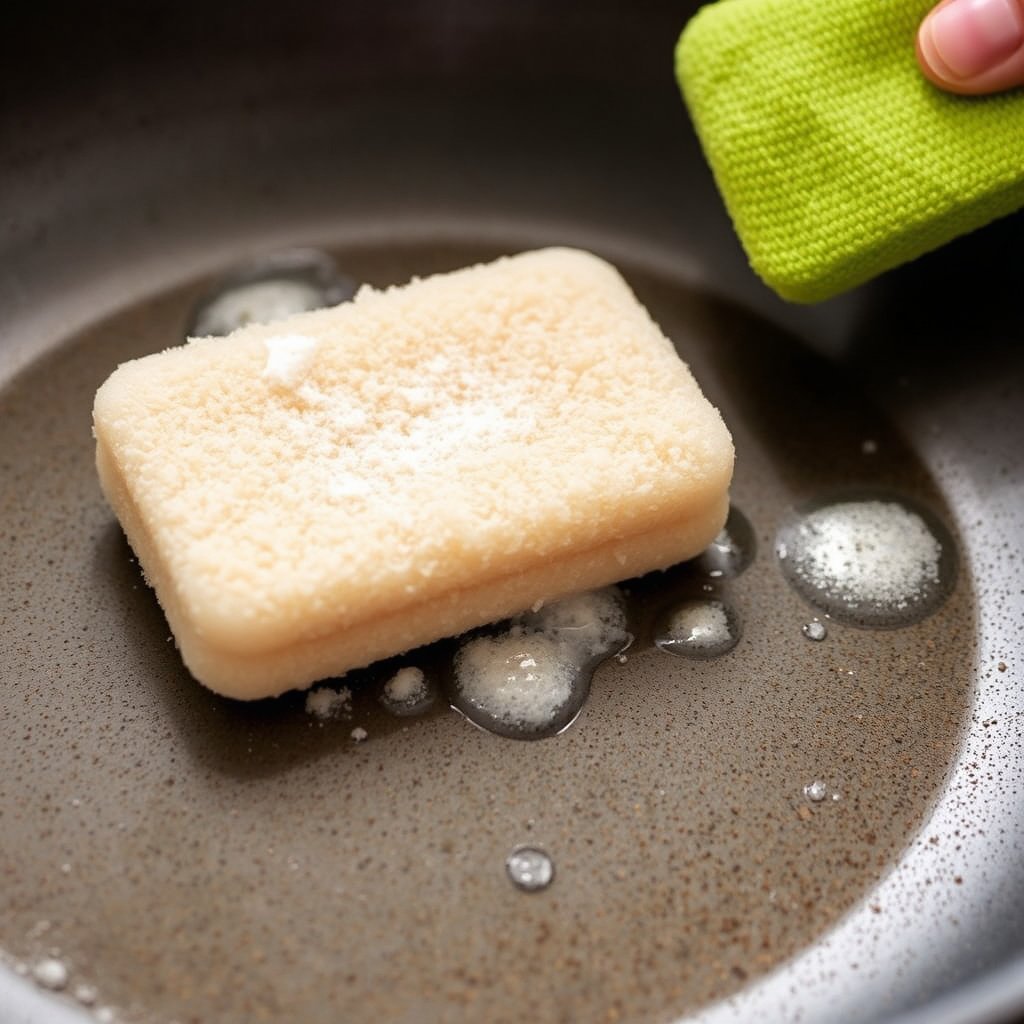
Regular dish soap is designed to strip away oils and residues, which undermines the seasoning layer on a carbon steel pan. This seasoning is a polymerized oil coating that prevents rust and creates a natural non-stick surface. Using soap regularly can wear down this protective patina, making the pan prone to rust and food sticking.
Instead of soap, most manufacturers and experienced cooks recommend cleaning with just hot water and gentle scrubbing. This retains the seasoning and avoids damaging the pan’s surface. Occasional mild soap use is acceptable only when necessary, but it should never be the default approach.
Immediate Cleaning and Drying Benefits
Cleaning the pan promptly after use helps prevent food from drying and sticking, which would require more aggressive scrubbing that could harm the seasoning. Warm water softens food particles for easier removal without harsh tools or chemicals.
Drying immediately after washing prevents moisture from lingering on the surface, which can cause rust. Wiping the pan dry with a towel, then heating it briefly on the stove to evaporate any remaining water is a reliable way to keep the pan safe.
Step-by-Step Cleaning Process for Your Carbon Steel Pan
Basic Cleaning Routine After Cooking
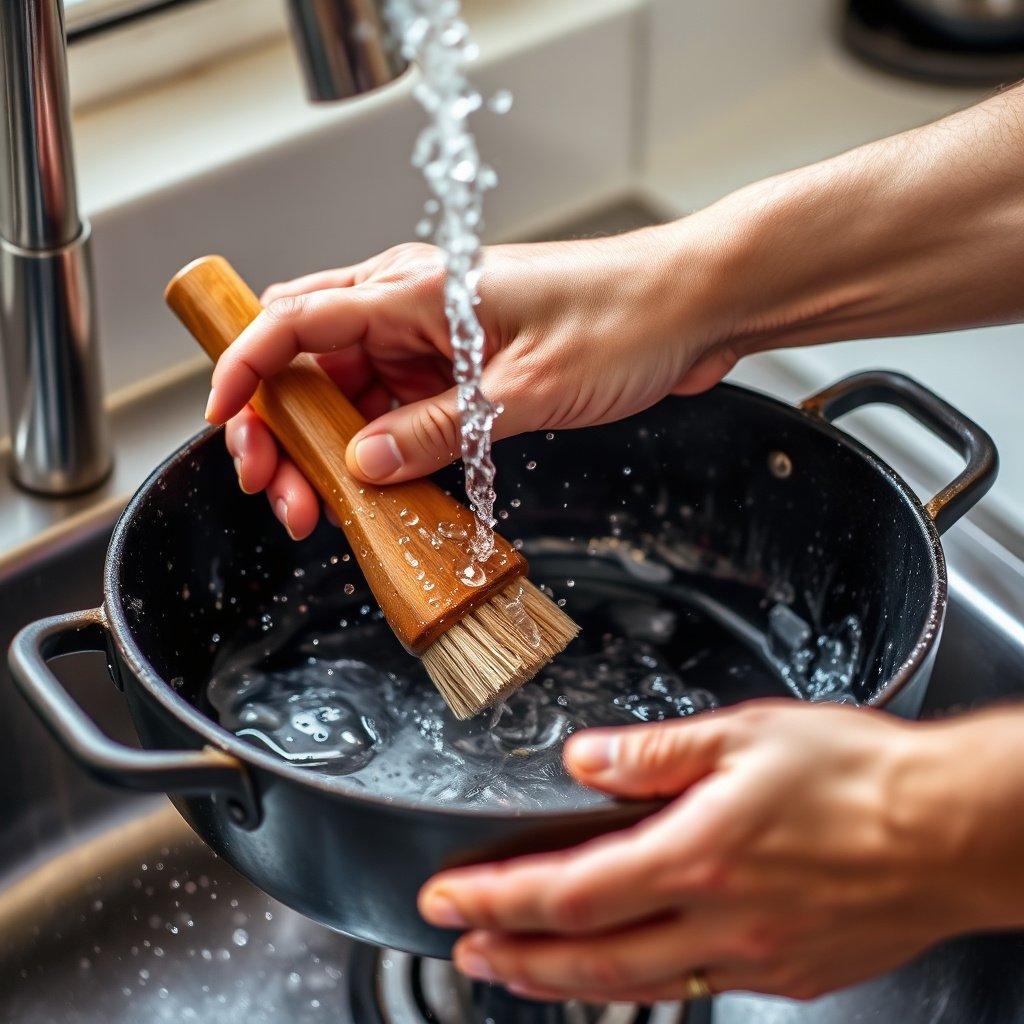
Once your food has been transferred out, rinse the pan under warm water to loosen residues. Use a non-abrasive sponge or a soft brush to gently scrub away any stuck bits. Avoid steel wool or harsh scouring pads as they can remove seasoning.
If stubborn residues remain, a small pinch of coarse salt can act as a mild abrasive to assist cleaning without damaging the pan. Rinse thoroughly to remove all particles, then dry immediately.
- Use warm water only
- Choose a soft sponge or brush
- Avoid steel wool or metal scrubbers
- Optional: coarse salt for tough spots
Re-seasoning Oils After Washing
After drying the pan completely, apply a thin layer of cooking oil using a paper towel across the entire surface. This replenishes the seasoning and prevents oxidation. Flaxseed, vegetable, or canola oil are popular choices due to their high smoke points and polymerization properties.
Heat the pan on medium-low heat for a few minutes to bond the oil and evaporate excess moisture. Allow it to cool before storing, keeping your pan ready for the next use.
Handling Stubborn Residue and Rust on Carbon Steel Pans
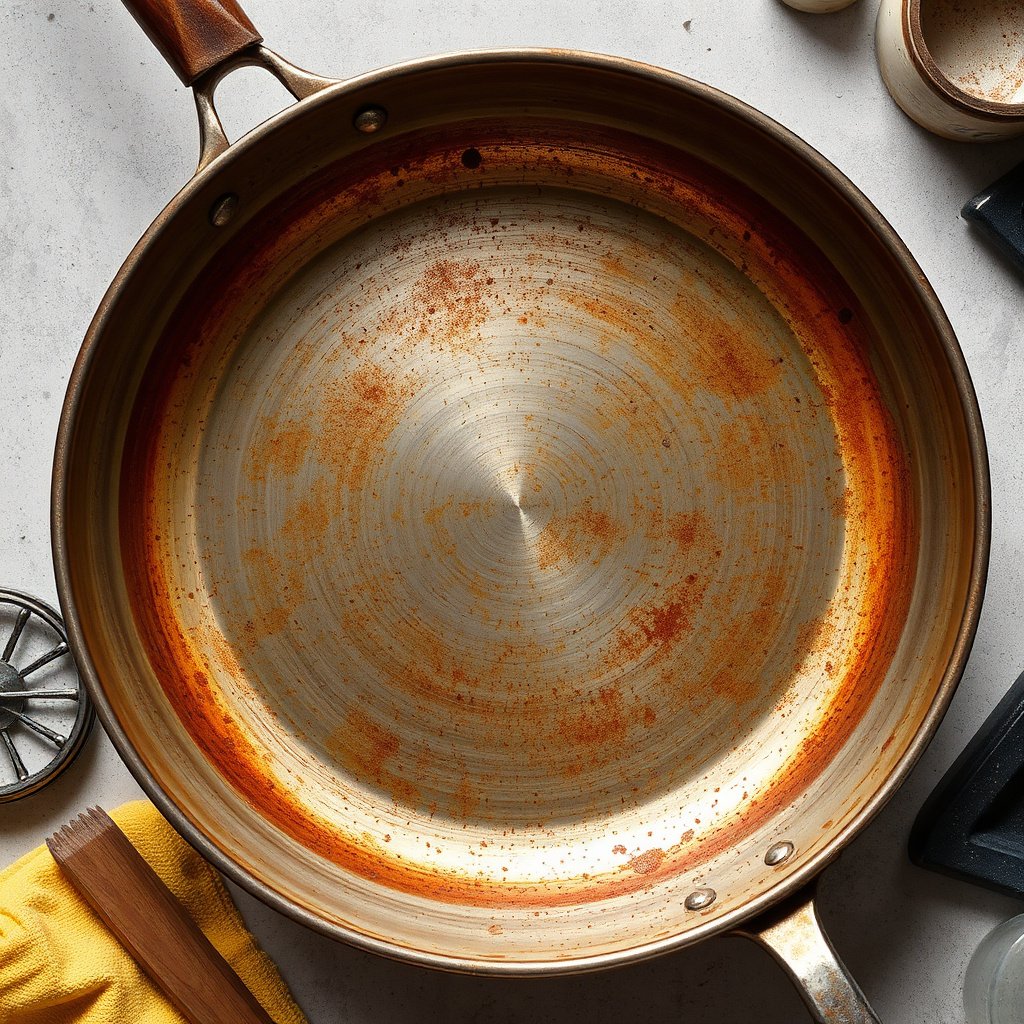
Removing Tough Stains and Carbon Build-up
For baked-on food, boil a little water in the pan to soften residues before scrubbing with a nylon brush or sponge. If that fails, sprinkle coarse salt and rub gently to lift deposits without damaging seasoning.
Avoid harsh chemicals or metal scouring pads; instead, repeat gentle cleaning cycles and consider light re-seasoning afterward to restore any minor wear.
- Boil water in-pan for softening
- Use coarse salt as a mild abrasive
- Avoid chemical cleaners and steel pads
For more on this, see our related guide: What Is Induction Cooking Pans? A Clear Guide to Choosing the Right Cookware.
Treatment Steps for Rust Removal
Rust can occur if moisture remains too long on the pan surface. To remove rust, use fine steel wool or a rust eraser to gently scrub away affected areas. Afterward, thoroughly wash, dry, and re-season the pan to rebuild the protective layer.
Prevention involves drying the pan promptly after washing and applying a light oil coating to limit exposure to moisture and air, which cause oxidation.
- Use fine steel wool lightly on rust spots
- Re-season the pan after rust removal
- Keep pan dry and lightly oiled to prevent rust
Maintaining Your Pan's Seasoning for Long-Term Use
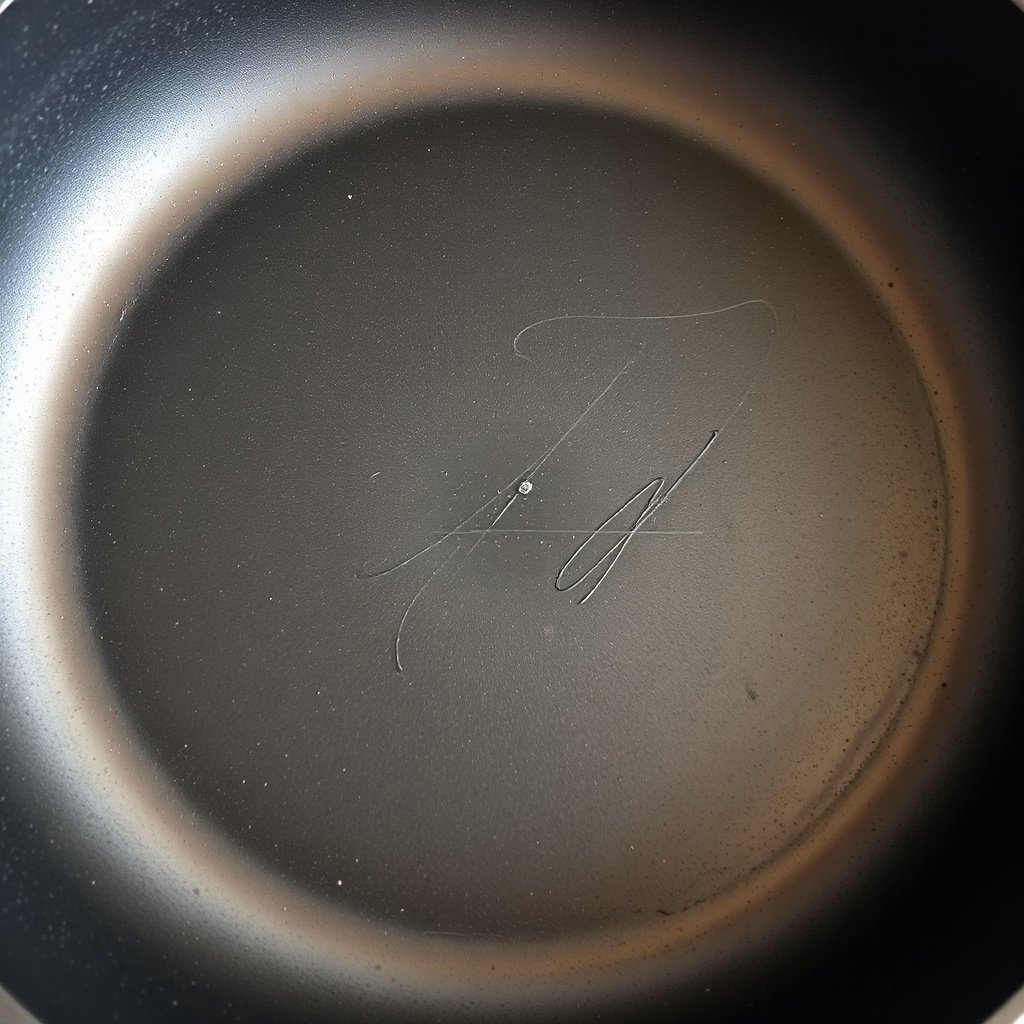
When and How to Re-season Your Pan
Re-seasoning is necessary if the pan’s surface looks dull, patchy, or sticky. To re-season, clean the pan thoroughly, dry it, then apply a generous coat of oil inside and out. Bake it upside down in an oven at 450–500°F for one hour to bake the oil into a hardened coating.
Repeat this process 2–3 times for a strong, durable surface. Avoid exposing the pan to acidic foods excessively as they can erode seasoning and require more frequent re-seasoning.
Common Mistakes That Damage Seasoning
Over-washing, using harsh detergents, soaking the pan for long periods, or using metal scrubbers will degrade the seasoning. Cooking highly acidic foods like tomato sauce regularly without re-seasoning also wears down the protective layer.
Avoid leaving the pan wet after cleaning, and never put a seasoned pan in the dishwasher as the detergents there remove seasoning rapidly.
- Do not soak pan in water
- Avoid dishwashers
- Limit acidic food exposure
- Use mild cleaning tools only
Special Tips for Different Cooking Styles

Cleaning After High-Heat Searing
After searing meats, the pan often has burnt-on bits called fond. Soaking briefly with hot water helps loosen these, followed by gentle scrubbing with salt if needed. Avoid using soap, which removes flavor-enhancing seasoning layers.
Apply oil and heat after cleaning to preserve seasoning for your next high-heat cooking session.
For more on this, see our related guide: Propane Kitchen Stove Range Guide: What to Know Before You Buy.
Care Following Acidic or Sticky Foods
Foods like tomato or vinegar-based sauces can erode seasoning quickly. Wash promptly after use with warm water and gentle scrubbing. Consider an additional light re-seasoning to maintain the protective layer.
Using silicone spatulas and avoiding prolonged cooking of acidic dishes in your carbon steel pan preserves seasoning and extends its usefulness.
Storage and Longevity Tips for Carbon Steel Pans
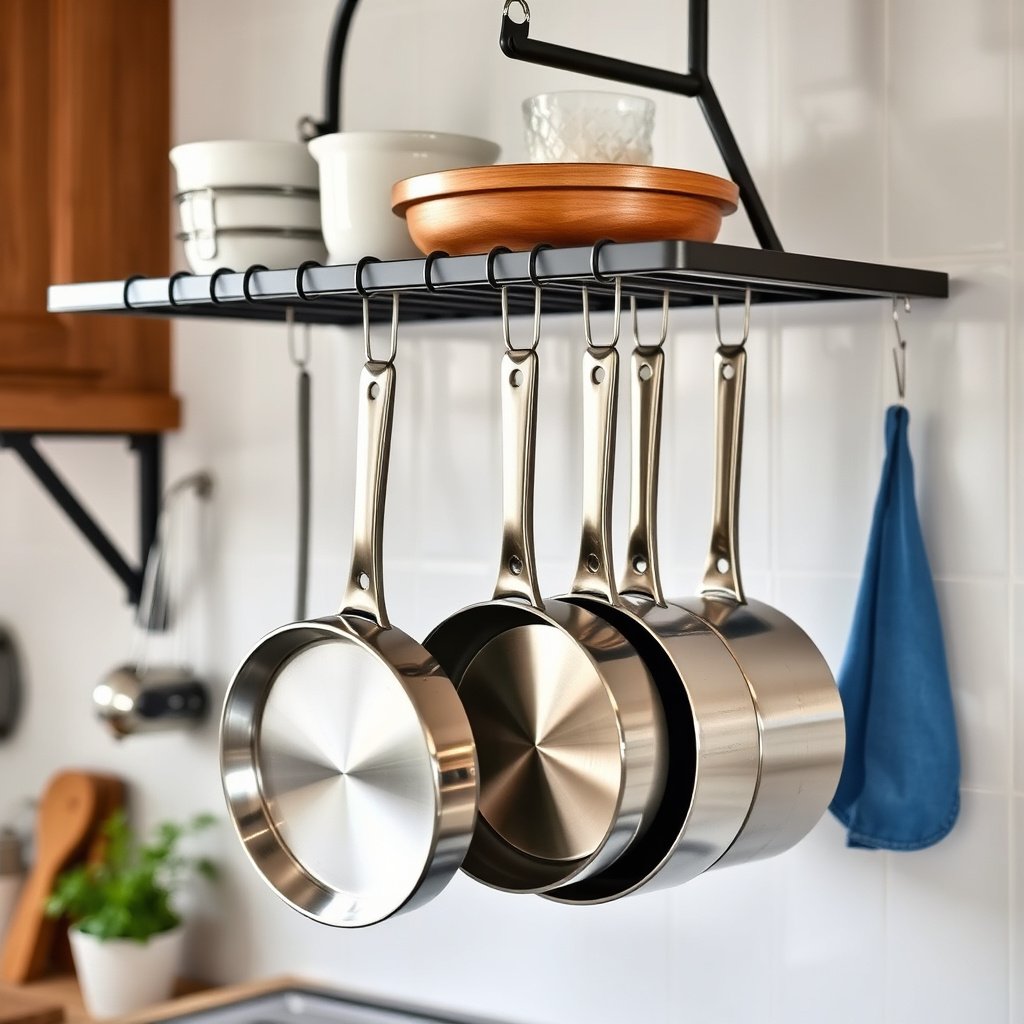
Storing Your Pan to Avoid Damage
Always store your carbon steel pan in a dry place to prevent moisture accumulation and rust. Hanging the pan or placing a paper towel inside absorbs residual moisture and protects the seasoning during storage.
If stacking with other cookware, place a cloth or paper between pans to avoid scratching the seasoned surface.
- Dry completely before storing
- Store in a moisture-free environment
- Use paper towels or cloths as protective layers
For more technical details about carbon steel cookware and its properties, refer to the dedicated Wikipedia page on carbon steel cookware. Carbon steel cookware.
Long-Term Maintenance Tips
Regular use and gentle cleaning naturally enhance your pan’s seasoning. Occasionally re-seasoning, especially after rust removal or aggressive cleaning, maintains performance. Periodically check for signs of wear or rust and address them immediately.
Properly cared for, a carbon steel pan can last decades, improving with each cooking experience.
Comparison of Carbon Steel Pan Cleaning Methods
This table compares popular carbon steel pan cleaning methods to help decide which suits your routine best.
| Method | Effect on Seasoning | Ease of Use | Best For |
|---|---|---|---|
| Warm Water and Soft Brush | Preserves seasoning well | Very easy | Daily cleaning |
| Coarse Salt Scrub | Gentle abrasion, safe if done carefully | Moderate effort | Stubborn food residue |
| Mild Soap Use | May degrade seasoning over time | Easy | Occasional deep cleaning |
| Steel Wool or Metal Scrubbers | Damages seasoning severely | Hard effort | Rust removal only |
| Oven Re-seasoning After Cleaning | Restores and strengthens seasoning | Requires time | Maintenance/recovery |
Frequently Asked Questions
Can I use dish soap occasionally on my carbon steel pan?
Using dish soap occasionally for a thorough clean is acceptable but should be avoided as a regular habit because it can strip the seasoning and increase rust risk.
How do I dry my carbon steel pan to prevent rust?
After washing, dry the pan immediately with a towel and then heat it on low on the stove for a few minutes to evaporate any remaining moisture, which helps prevent rust.
What is the best oil to use for seasoning a carbon steel pan?
Oils with high smoke points like flaxseed, canola, or vegetable oil work best for seasoning because they polymerize well to create a durable, non-stick surface.
How often should I re-season my carbon steel pan?
Re-season the pan when the surface appears patchy, dull, or sticky—usually every few months or after heavy cleaning, rust removal, or cooking acidic foods.
Is it safe to put a carbon steel pan in the dishwasher?
No, dishwashers use harsh detergents and prolonged water exposure that will destroy the seasoning and cause rust, so always hand wash and dry your pan thoroughly.
Key Takeaways
- Use warm water and a soft brush to clean your carbon steel pan routinely without soap.
- Dry your pan immediately after washing and lightly oil it to maintain seasoning.
- Avoid harsh detergents, soaking, and metal scrubbers that damage seasoning.
- Re-season your pan periodically to restore non-stick coating and prevent rust.
Conclusion
Properly cleaning a carbon steel pan involves gentle water-based cleaning methods that preserve the delicate seasoning essential to its non-stick capability and rust resistance. The main challenge is avoiding aggressive detergents, scrubbing tools, or soaking that erode this polymerized oil layer. Consistent prompt cleaning, thorough drying, and light oiling are simple but effective habits that protect the pan’s surface and extend its life. Understanding this care approach leads to a cookware piece that improves with use rather than deteriorating.
For everyday cooks, washing the pan after use with warm water and a soft sponge or nylon brush combined with a quick dry-and-oil routine is sufficient. When tougher residue or rust appears, treating with coarse salt scrubs or fine steel wool followed by prompt re-seasoning keeps the pan in strong condition. High-heat searing cooks and those using acidic recipes should be especially mindful of seasoning maintenance and re-season regularly. These approaches accommodate different cooking styles while preserving the pan’s performance and longevity.
If you recently acquired a carbon steel pan or want to optimize your current care routine, begin by committing to immediate cleaning with warm water and no soap. Add a thin oil coat after drying, and periodically oven re-season as needed. Avoid the dishwasher entirely. By following these tailored steps, you’ll enjoy a versatile pan that delivers excellent cooking results and gracefully ages into a seasoned kitchen workhorse.