How to Open a Wine Bottle Easily and Safely
Opening a wine bottle is straightforward when you follow the right steps. The most common method involves using a corkscrew to remove the cork smoothly without breaking it. With the correct technique and tools, any wine bottle, whether sealed with a cork or screw cap, can be opened easily and cleanly.
Understanding how to open a wine bottle correctly matters because a poorly opened bottle can lead to broken corks, spilled wine, or even injury. Whether you're serving guests or enjoying a quiet evening, knowing how to open your wine bottle enhances the overall experience and prevents unnecessary frustration.
This article will cover various methods for opening wine bottles, including different types of corkscrews, handling stubborn corks, opening screw caps, and practical tips for preserving leftover wine. You'll also find recommendations for the best wine opening tools to simplify this task.
Essential Tools for Opening a Wine Bottle
Waiter's Corkscrew: The Classic Choice
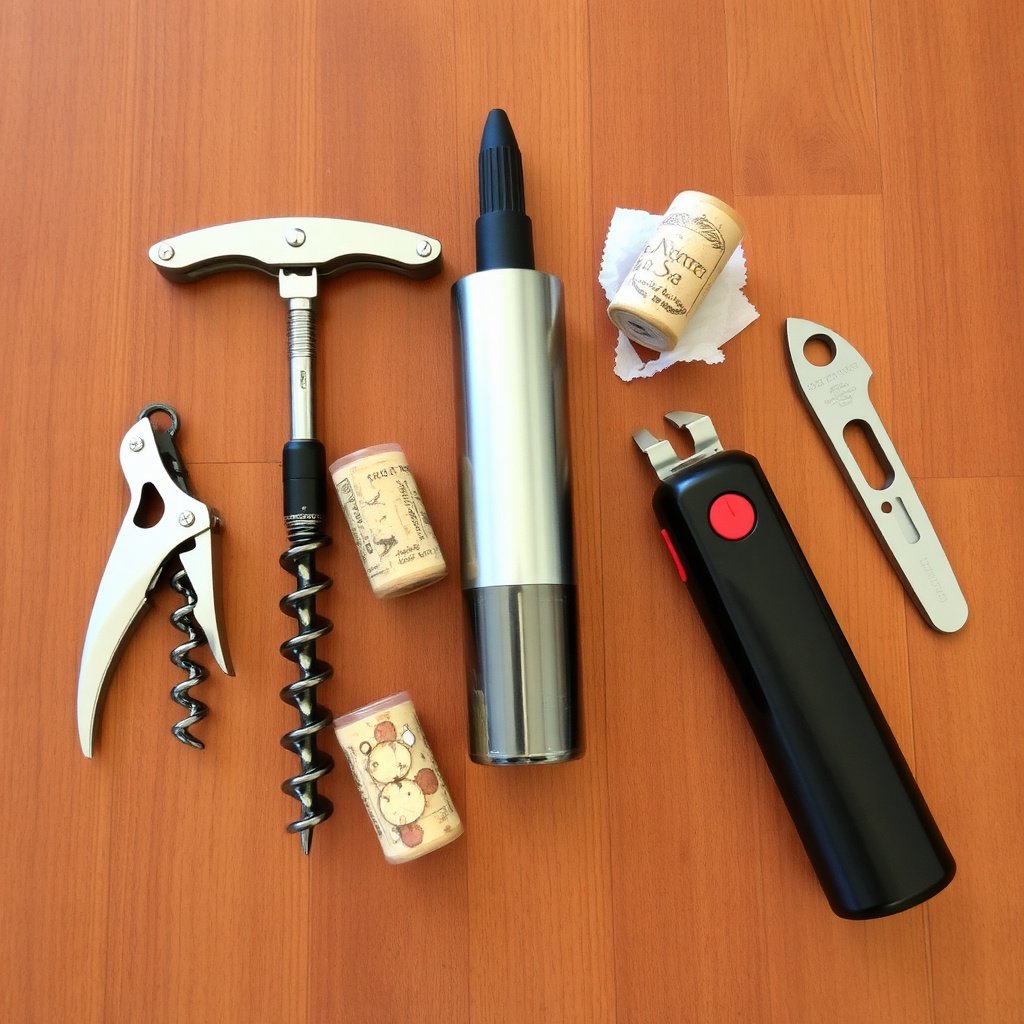
The waiter's corkscrew is favored by professionals for its compactness and efficiency. It includes a hinged lever that provides leverage, making cork removal smoother and reducing the risk of cork breakage.
Its design typically features a small knife to cut the foil and a worm (the spiral) to insert into the cork. Mastery of the two-step pulling process is key: first, inserting the worm, then levering the cork out carefully.
- Compact and portable
- Includes foil cutter
- Provides good leverage
Wing Corkscrew and Electric Openers
Wing corkscrews have two levers (“wings”) that rise as the worm is twisted into the cork, which are then pressed down to lift the cork out. They require less strength but can be bulkier to carry.
Electric wine openers are battery-powered and automate the cork removal process, ideal for those with limited hand strength. They work well on standard corks but may struggle with older, fragile ones.
- Wing corkscrew offers easy extraction
- Electric openers provide convenience
- Good for people with arthritis
Step-by-Step Guide to Opening a Cork-Sealed Wine Bottle
Preparing the Bottle and Removing the Foil
Start by wiping the bottle’s neck clean to prevent dust or debris from entering the wine. Use a foil cutter or the small knife on your corkscrew to cut the foil just below the lip of the bottle, creating a clean edge to avoid wine contact with the foil.
Peel away the cut foil carefully to reveal the cork. Avoid pushing the foil into the bottle or tearing it unevenly, which could complicate cork removal or affect wine presentation.
- Use a foil cutter or knife
- Cut just below the bottle lip
- Clean bottle neck before opening
Inserting the Corkscrew and Extracting the Cork
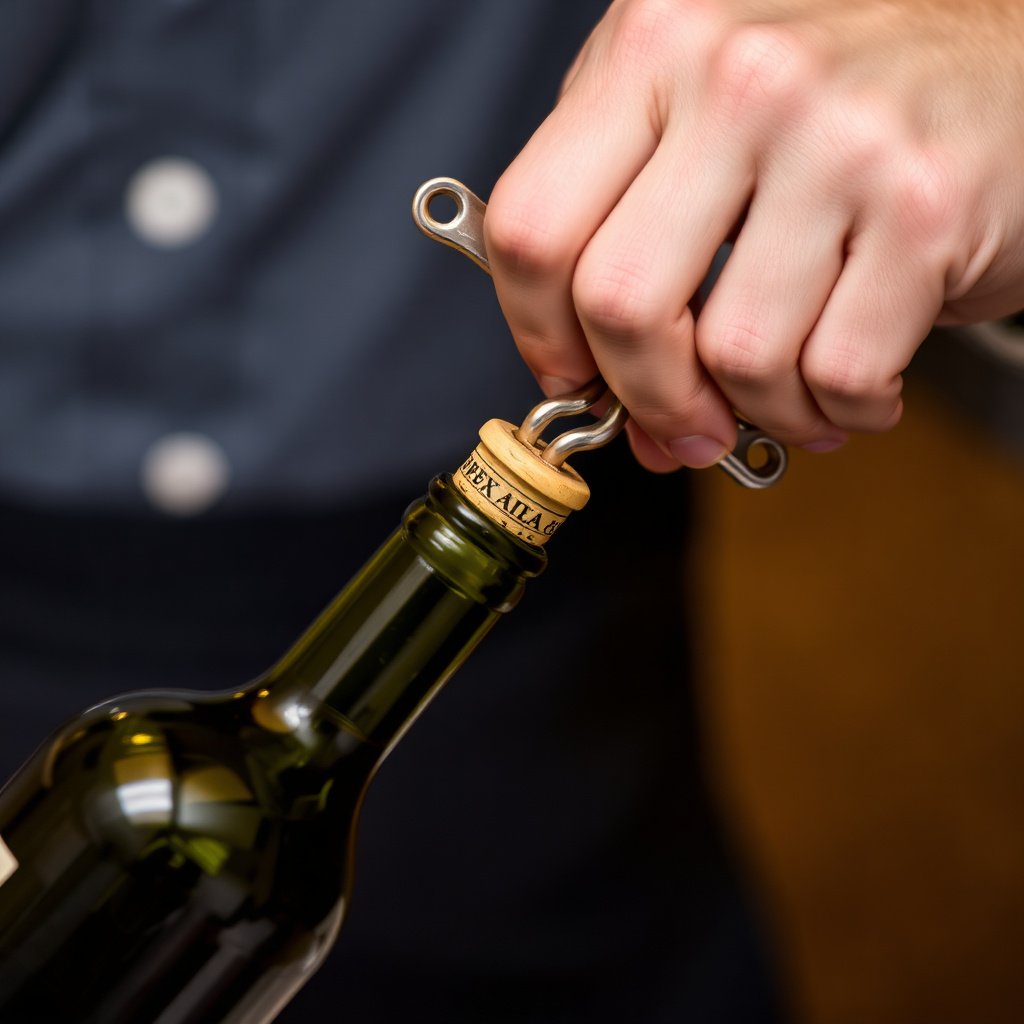
Center the worm at the cork's top and twist it in clockwise, stopping before it fully crosses the bottom to prevent cork crumbling. For waiter's corkscrews, place the lever on the lip and pull steadily upward to remove the cork.
If the cork resists, apply slow, steady pressure rather than force. Avoid twisting the cork excessively, which can break it. After removal, wipe the bottle neck again before pouring.
- Insert worm in cork center
- Stop before piercing through cork bottom
- Leverage cork gently to remove
Dealing with Stubborn or Damaged Corks
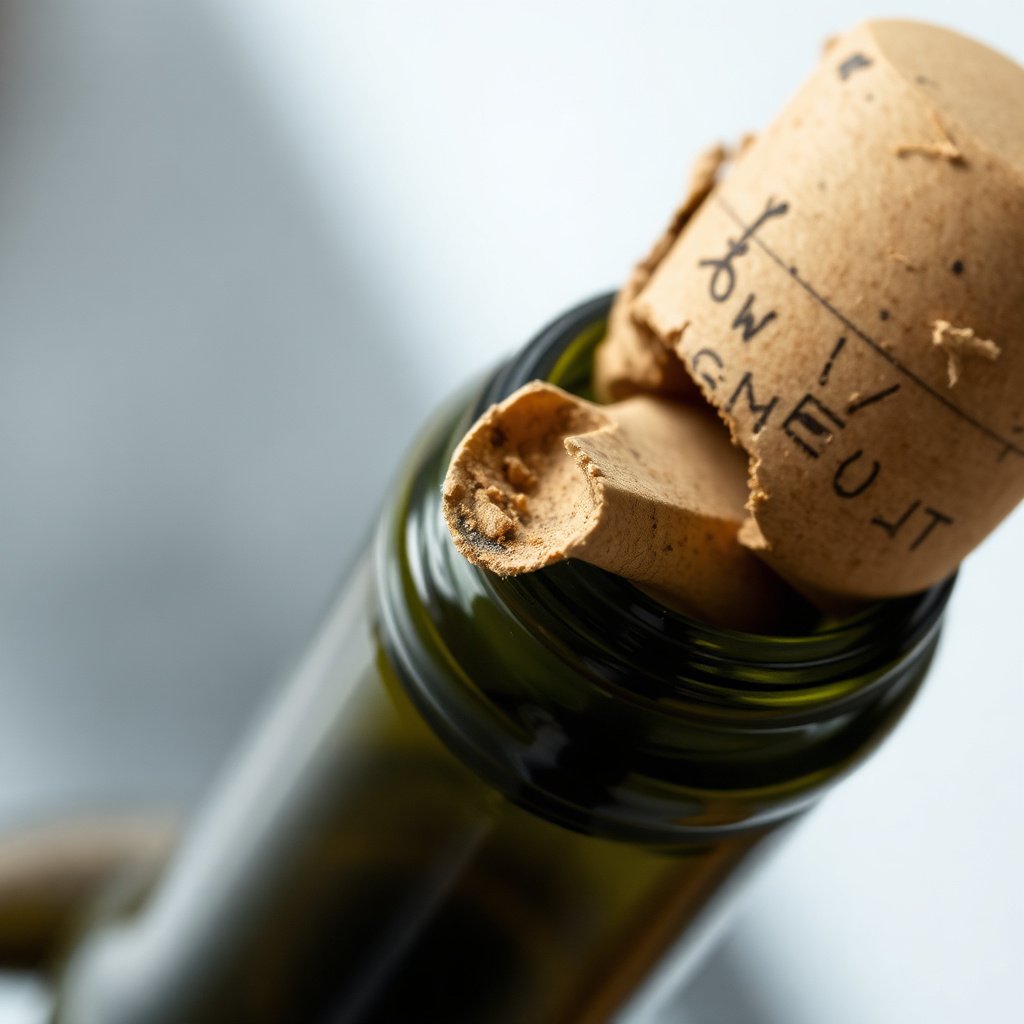
Handling Broken or Crumbled Corks
If the cork breaks or crumbles during removal, use a clean, thin object like a skewer or small knife blade to carefully fish out cork pieces to avoid debris in the wine.
Another option is to push the cork gently into the bottle. While not traditional, it allows enjoying the wine if no other tool is available. Filter the wine through a fine mesh before serving.
For more on this, see our related guide: What Is the Best Wine with Seafood: A Complete Guide for Perfect Pairings.
Special Tools for Difficult Corks
Ah-So openers have two flat prongs that slide along the cork’s sides, loosening it without piercing, making them excellent for old or fragile corks at risk of breakage.
A two-prong cork puller is especially effective on vintage bottles where corks are brittle, preserving them while ensuring access to the wine.
- Ah-So opener avoids cork damage
- Best for vintage wines
- Requires gentle insertion technique
Opening Screw-Cap Wine Bottles
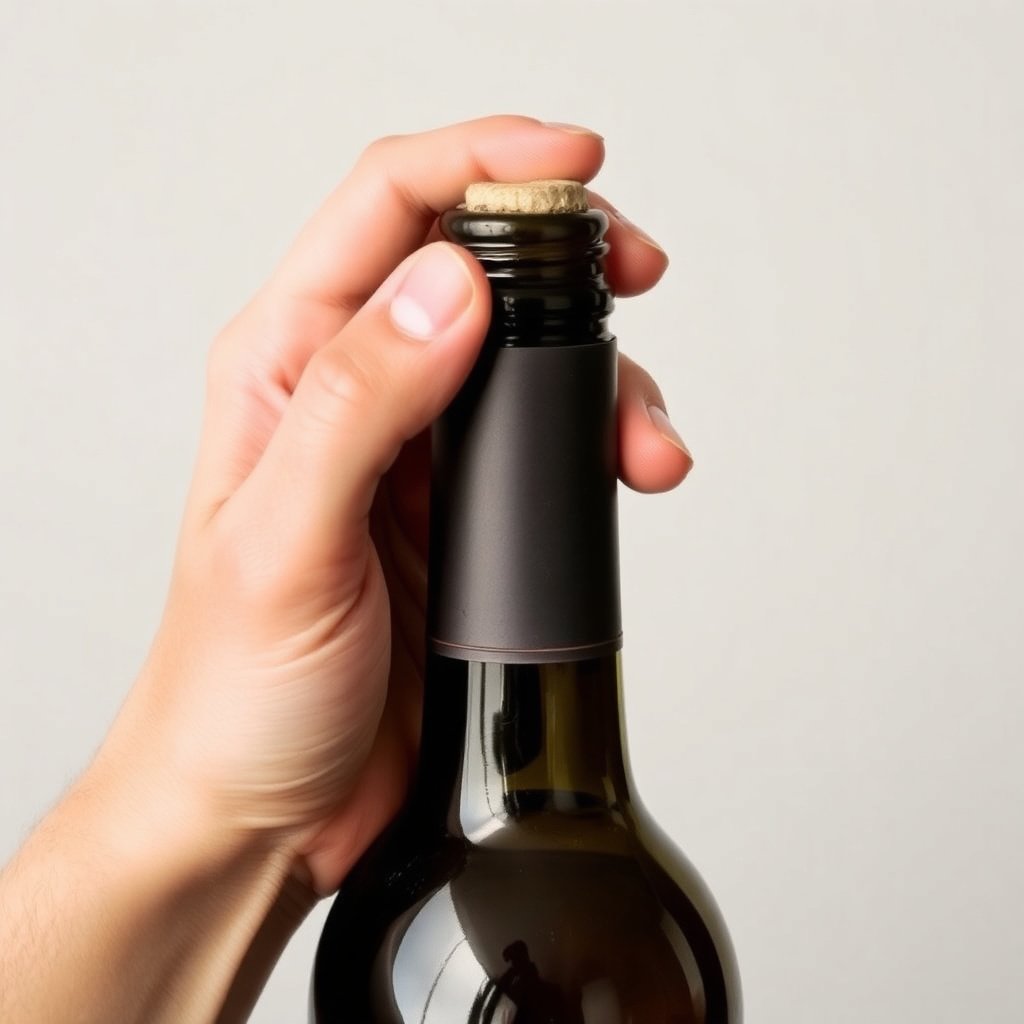
Identifying Screw Caps and Removing Them
Many modern wines use screw caps instead of corks, which are easier to open by hand. Locate the ridged edges on the cap and simply twist counterclockwise to remove.
If the cap is tight, use a rubber grip or a cloth for better traction. Avoid using tools that can damage the bottle top or spill wine.
Storing and Recorking Screw-Cap Bottles
Once opened, screw caps can often be resealed by twisting the cap back on securely, preserving freshness for a day or two.
For longer storage, pouring the wine into an airtight container is recommended, as screw caps don’t provide the same seal as new corks.
- Screw cap reseals easily
- Short-term preservation only
- Use airtight containers for storage
Tips for Serving and Storing After Opening
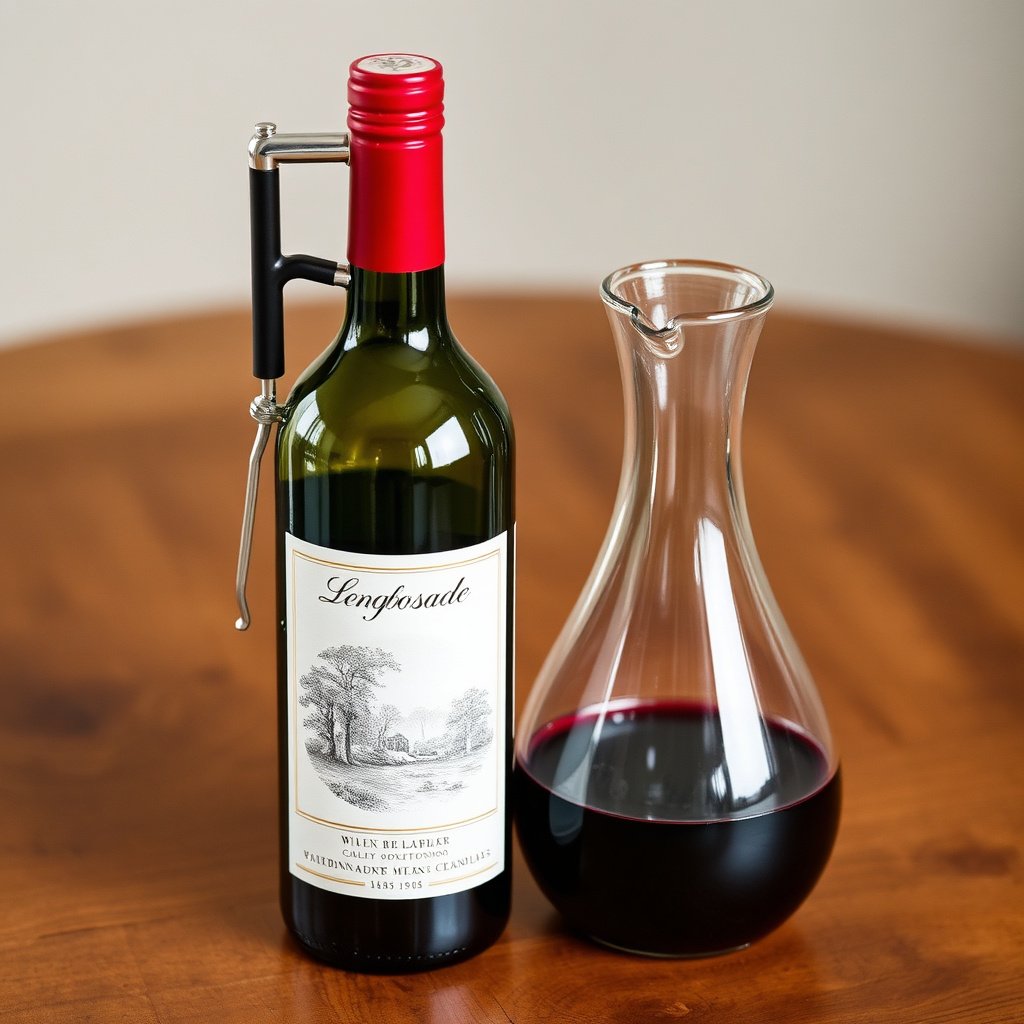
Pouring and Serving Wine Cleanly
After removing the cork or cap, wipe the bottle neck to avoid sediment or cork bits falling into glasses. Use a decanter for older wines that may have sediment or to aerate younger wines for enhanced flavor.
Pour steadily to prevent spills, and use drip-free pourers if possible. This keeps your serving area neat and your guests happy.
- Wipe bottle neck before pouring
- Use decanter for sediment or aeration
- Consider drip-free pourers
For more on this, see our related guide: What Is the Best Wine with Pasta? A Complete Guide to Perfect Pairings.
Preserving Leftover Wine
Re-cork the bottle tightly or use specialized vacuum wine stoppers to limit oxidation, which can degrade wine quality rapidly after opening.
Store the bottle upright in a cool, dark place or refrigerate, even red wines, to slow spoilage and maintain flavor for up to several days.
- Use vacuum stoppers to reduce air exposure
- Store upright in cool, dark place
- Refrigerate after opening for best preservation
Choosing the Best Wine Opening Tools for Your Needs
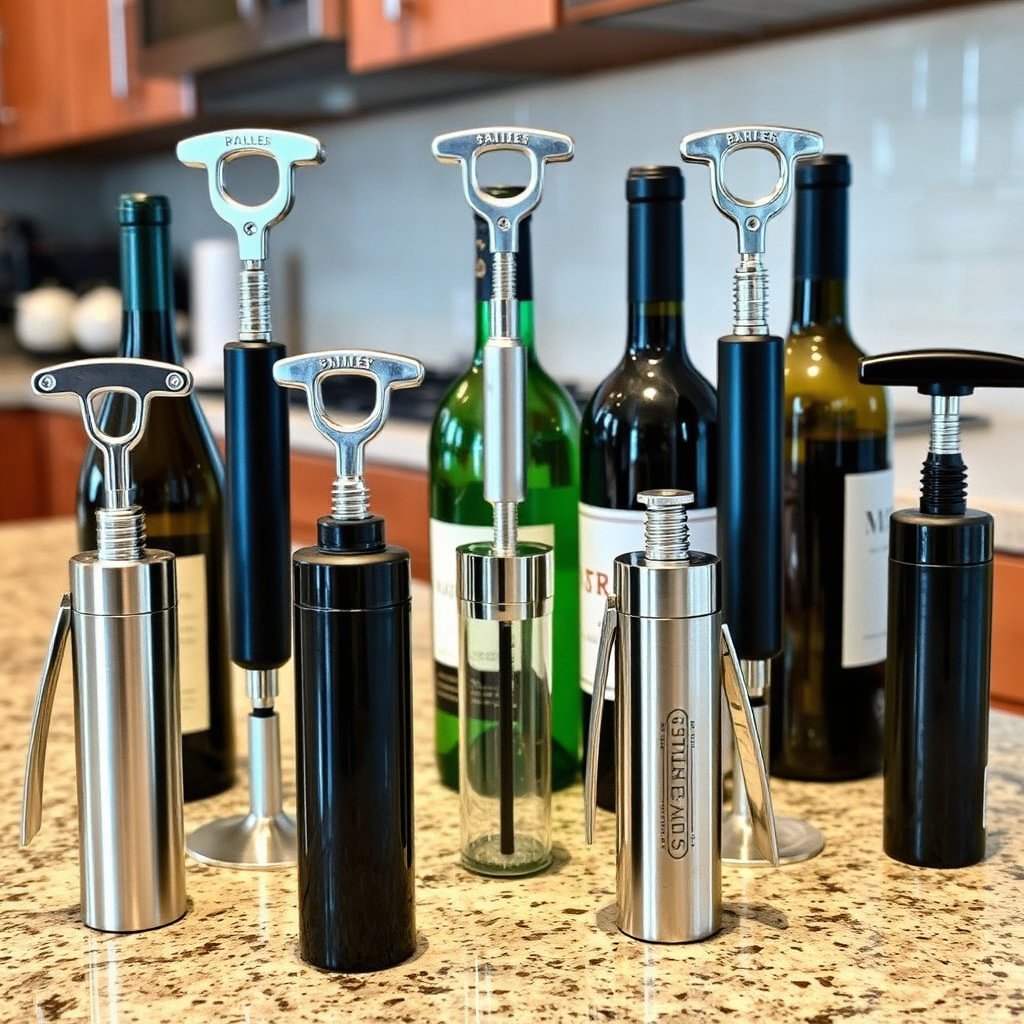
Comparing Manual Corkscrews
Manual corkscrews vary by design: waiter's style is portable and versatile; wing corkscrews require less strength; and Ah-So openers protect fragile corks. Choosing depends on your usage frequency and type of wine opened.
Consider comfort, durability, and ease of use. Simpler tools suit occasional drinkers, while serious enthusiasts benefit from higher quality, specialized openers.
For further detailed information on wine bottle opening techniques and tools, the Wikipedia article provides comprehensive coverage. wine bottle opening techniques.
Electric and Innovative Options
Electric wine openers provide convenience and speed, especially useful for people with limited hand strength or those opening many bottles at events.
Advanced gadgets also include foil cutters with built-in illumination and multi-function wine tool kits, combining several tools into one compact device.
- Electric openers require charging or batteries
- Perfect for frequent entertaining
- Multi-tools save drawer space
Wine Bottle Opening Tools Comparison
The following table highlights key differences among popular wine bottle opening tool categories to help you decide which suits your needs.
| Tool Type | Ease of Use | Portability | Best For | Price Range |
|---|---|---|---|---|
| Waiter's Corkscrew | Moderate | High | All-around use | $10-$30 |
| Wing Corkscrew | Easy | Medium | Casual users | $10-$25 |
| Ah-So Opener | Moderate | Medium | Vintage wines | $15-$35 |
| Electric Opener | Very Easy | Low | Frequent use, limited strength | $30-$100 |
| Foil Cutter | Easy | High | Removing foil cleanly | $5-$15 |
Frequently Asked Questions
Can I open a wine bottle with a knife?
While not recommended due to safety risks and potential bottle damage, some people use a knife to pry out corks, but it requires caution and skill. Using proper wine tools is safer and more effective.
What should I do if my cork falls into the wine?
If the cork falls in, decant the wine through a fine mesh strainer or cheesecloth to remove cork pieces before serving for a smoother experience.
How do I remove foil without a foil cutter?
You can use a small, sharp knife or the blade on a waiter's corkscrew to score the foil just below the bottle lip, then peel it off carefully.
Is an electric wine opener worth it?
Electric openers save effort and speed up the process, especially for people opening many bottles or with hand strength issues, but they require charging and cost more than manual options.
How long does wine last after opening?
Typically, wine stays good for 3 to 5 days when re-corked and refrigerated. Using vacuum stoppers helps extend freshness by minimizing air exposure.
Key Takeaways
- A waiter's corkscrew offers a reliable way to open most cork-sealed bottles.
- Electric and wing corkscrews help reduce effort for people with limited hand strength.
- Ah-So openers are best for preserving fragile vintage corks intact.
- Proper removing and storing techniques protect wine quality and flavor.
Conclusion
Opening a wine bottle effectively involves choosing the right tool and applying careful technique. Whether using a waiter's corkscrew, wing corkscrew, or electric opener, prioritizing control and leverage prevents damage to the cork and allows a smooth, elegant wine serving experience. Knowing how to handle stubborn corks and recognizing when to push them safely into the bottle can prevent accidents and preserve the wine's integrity.
If you open wine occasionally, a manual corkscrew like the waiter's type suffices, offering portability and versatility. For more frequent gatherings or limited hand strength, wing corkscrews and electric openers provide easier extraction. For collectors or fans of vintage wine, an Ah-So opener will protect delicate corks. Screw-cap wines simplify opening but require resealing care. Each approach fits different lifestyles and needs.
Ultimately, pairing the right tool with good technique improves both your enjoyment and the wine's presentation. Start with a trusty waiter's corkscrew and practice smooth movements. Consider electric options or specialized openers if you desire convenience or cater to fragile bottles. Store leftover wine properly to maintain its flavor and freshness. This methodical approach ensures every bottle opened enhances your wine experience.