How to Make Mocktails: A Simple Guide for Delicious Non-Alcoholic Drinks
Making mocktails is all about combining flavors, textures, and presentation to create tasty non-alcoholic drinks that anyone can enjoy. You just need a few basic ingredients like fruit juices, soda, herbs, and syrups, plus simple mixing techniques to whip up impressive drinks at home.
Mocktails matter because they offer delicious alternatives for those who prefer not to drink alcohol without missing out on the fun or flavor of a well-crafted cocktail. Whether for social events, family gatherings, or personal enjoyment, knowing how to make mocktails expands your beverage options and impresses guests.
This guide will walk you through the essentials of mocktail-making, including key ingredients, flavor combinations, techniques, and some popular recipes. We’ll also explore equipment choices and ways to garnish your mocktails for a beautiful presentation.
Understanding Key Ingredients for Mocktails
Base Liquids for Flavor and Body
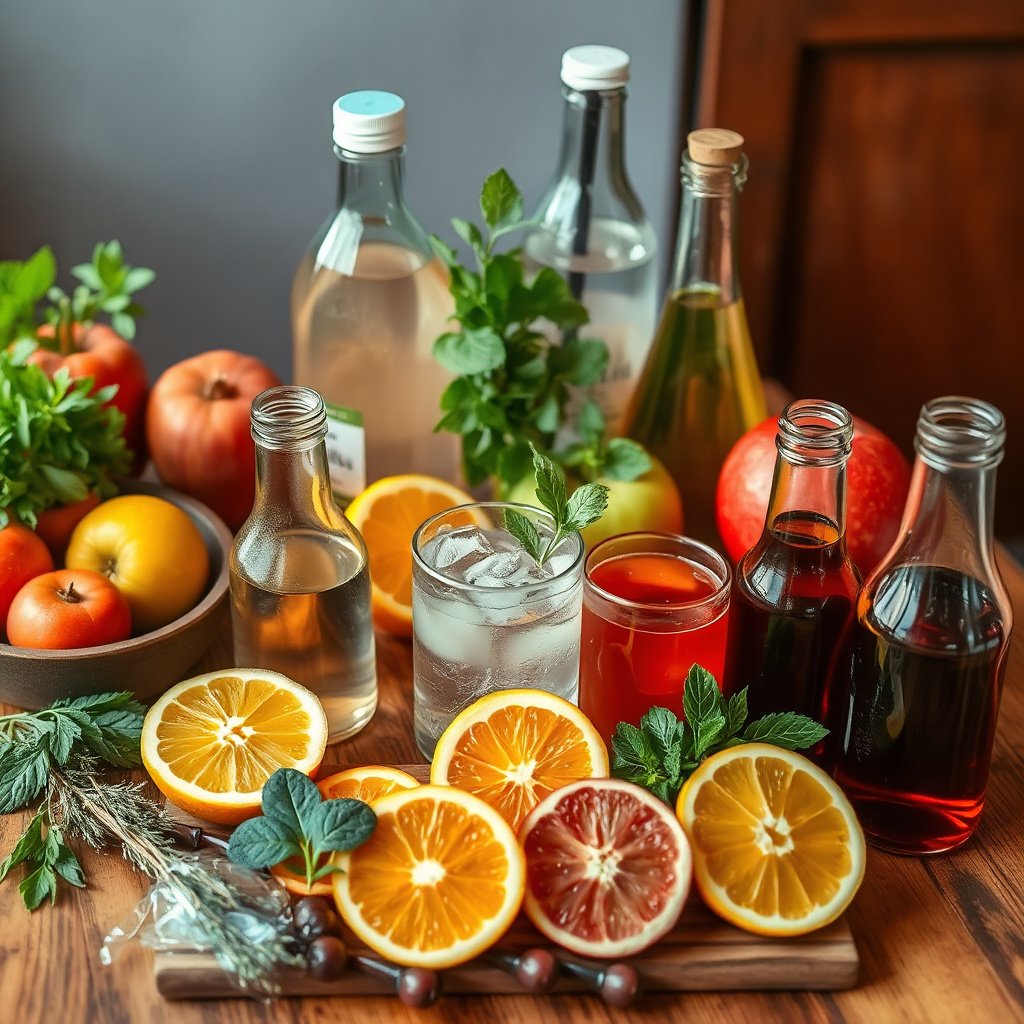
The base liquids define the foundation of your mocktail’s flavor and texture. Common options include fruit juices like orange, pineapple, and cranberry, as well as soda water, tonic, lemonade, or iced tea. Combining these can create balanced, refreshing layers.
Choosing fresh, high-quality juices whenever possible elevates the taste. Also consider coconut water or flavored sparkling waters for variety. The right base liquid will complement your added ingredients and determine the overall character of your drink.
- Fresh-squeezed juices for vibrant taste
- Sparkling water or soda for fizz
- Herbal teas for unique flavors
- Coconut water for mild sweetness
Flavor Enhancers and Sweeteners
To add depth and balance, incorporate sweeteners like simple syrup, honey, agave nectar, or flavored syrups such as grenadine or vanilla. Citrus juices like lemon and lime brighten the drink and help counteract sweetness.
Herbs like mint, basil, or rosemary bring aromatic notes while spices such as ginger or cinnamon can add warmth. Using bitters made from herbs and spices also adds complexity without alcohol.
- Simple syrup for sweetness control
- Fresh citrus juice for acidity
- Herbs for aroma (mint, basil)
- Spices for warmth (ginger, cinnamon)
Equipment and Techniques for Mixing Mocktails
Tools Every Mocktail Maker Should Have
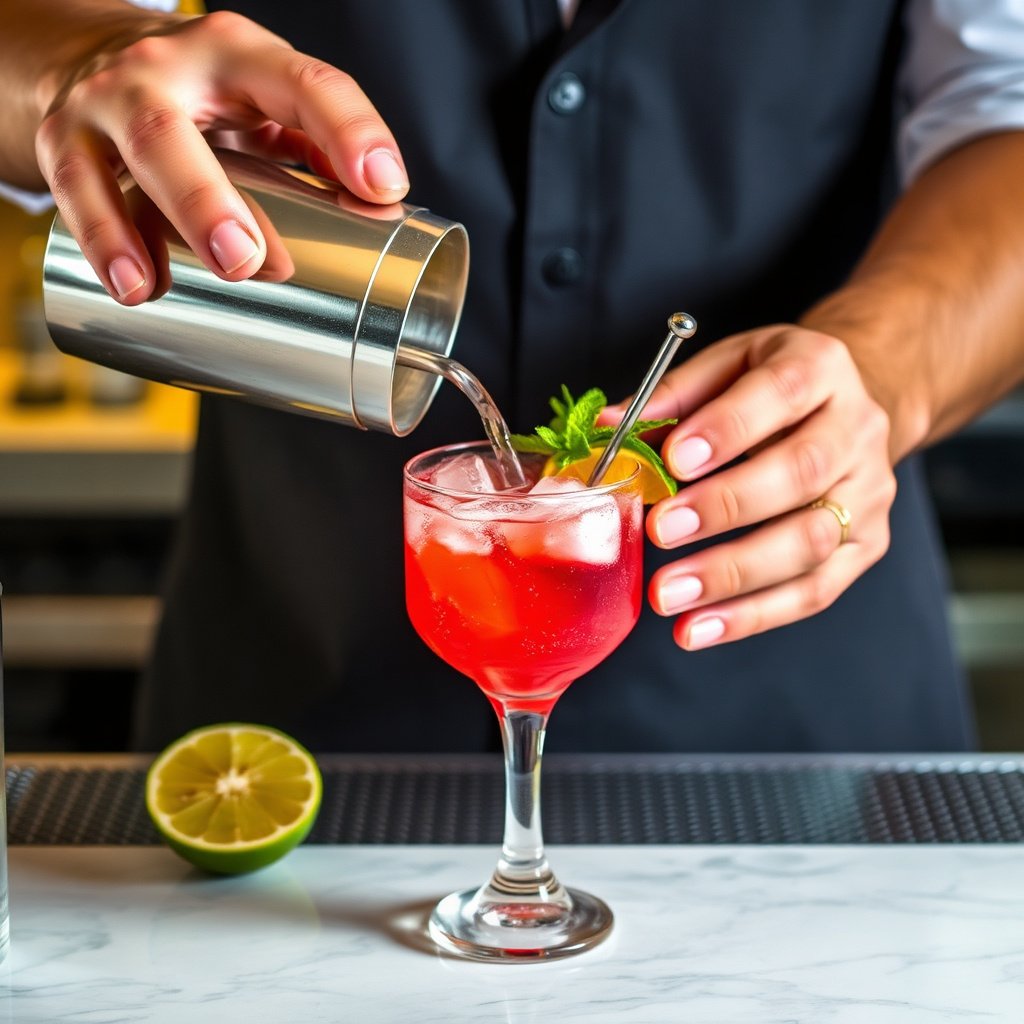
A few basic tools can improve your mocktail-making experience. Essential equipment includes a shaker for mixing ingredients thoroughly, a muddler to crush herbs and fruits, a strainer, and a jigger for measuring liquids accurately.
Using tall glasses for layered drinks and appropriate stirrers or spoons helps with mixing without breaking carbonation. These tools enable precise blending and beautiful presentation.
- Cocktail shaker
- Muddler
- Jigger/measuring tool
- Strainer
- Long bar spoon
Mixing Techniques to Master
Shake your ingredients with ice to chill and blend flavors, especially when using syrups and citrus. Muddling fresh herbs gently releases their oils without bitterness. Stirring is preferred for carbonated mocktails to retain fizz.
Layering creates visually appealing drinks by carefully pouring liquids of different densities over a spoon. Practice these techniques to enhance the taste and look of your mocktails.
- Shaking with ice for chilling
- Gentle muddling for herbs/fruits
- Stirring to mix carbonated drinks
- Layering liquids by density
Popular Mocktail Recipes to Try at Home
Classic Virgin Mojito
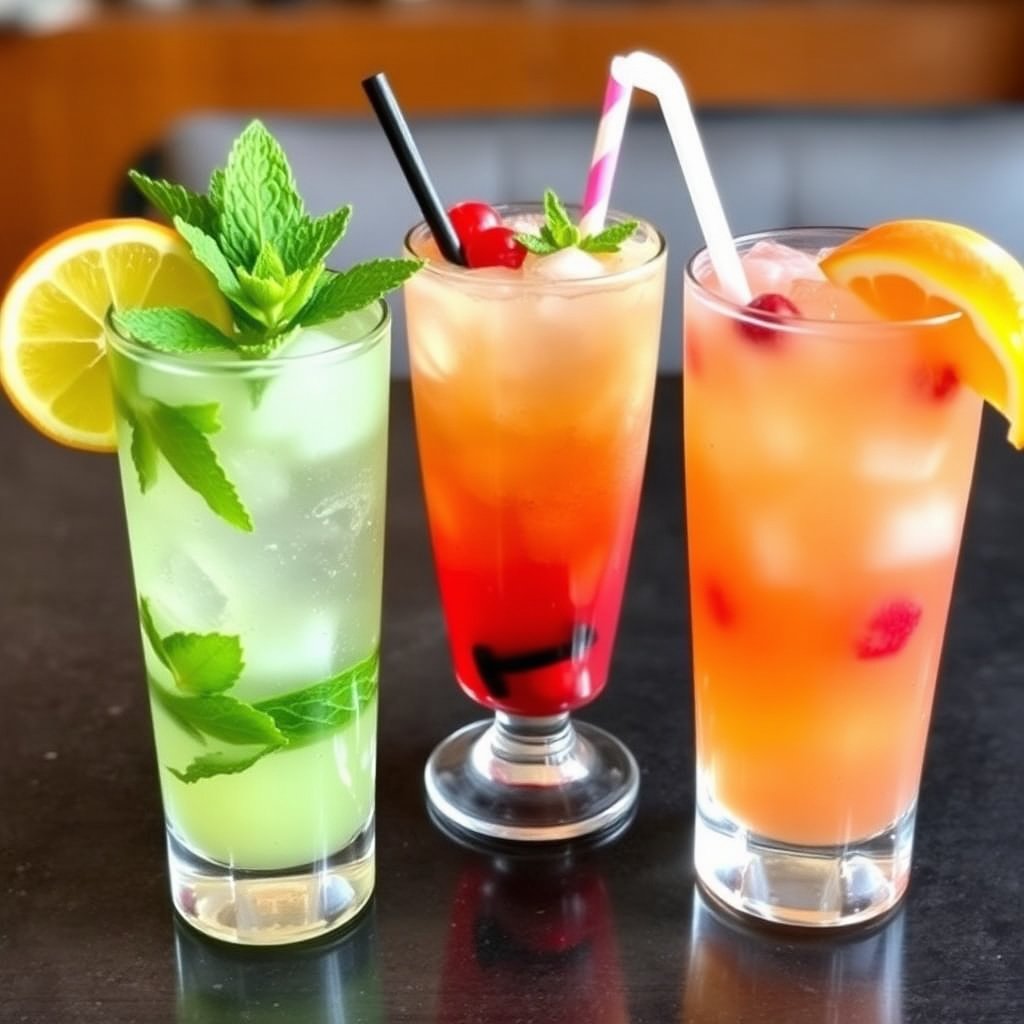
A timeless choice, the virgin mojito combines fresh mint leaves, lime juice, simple syrup, and sparkling water. Muddle mint and lime gently, then add syrup and ice before topping with bubbly water for a refreshing, crisp drink.
Garnish with a lime wedge and mint sprig. This recipe is easy to adjust for sweetness or tartness and is perfect for warm weather occasions.
For more on this, see our related guide: What Is a Pub? A Complete Guide to British Public Houses and More.
Fruity Virgin Pina Colada
Blend pineapple juice, coconut milk, and crushed ice for a creamy tropical mocktail that mimics the classic pina colada. Adding a splash of lime juice brightens the flavor and balances the sweetness.
Serve in a tall glass with a pineapple wedge and cherry garnish for a festive, non-alcoholic treat loved by many.
Garnishing and Presentation Tips for Mocktails

Choosing the Right Garnishes
Garnishes add visual appeal and a flavor hint that complements your mocktail. Fresh fruit slices, citrus twists, herbs like rosemary or mint, and edible flowers are popular options. Consider colors and textures that match your drink's profile.
Using skewered fruit or sugared rims can also elevate presentation, encouraging guests to enjoy the drink visually before tasting.
- Fruit slices (lemon, lime, berries)
- Fresh herbs (mint, basil)
- Edible flowers
- Sugared or salted rims
Glassware Selection and Serving
The right glass can change the impact of your mocktail. Use tall glasses for layered or tall fizzy drinks, coupe or martini glasses for sophisticated styles, and short tumblers for simpler mixes.
Chilling glassware before serving enhances the cold sensation. Fresh ice cubes or crushed ice also affect the drink's texture and refreshment.
- Tall Collins glass for fizzy drinks
- Coupe or martini glass for elegance
- Tumbler for casual serving
- Chill glasses ahead for best effect
Adapting Recipes for Different Dietary Needs
Sugar-Free and Low-Calorie Options
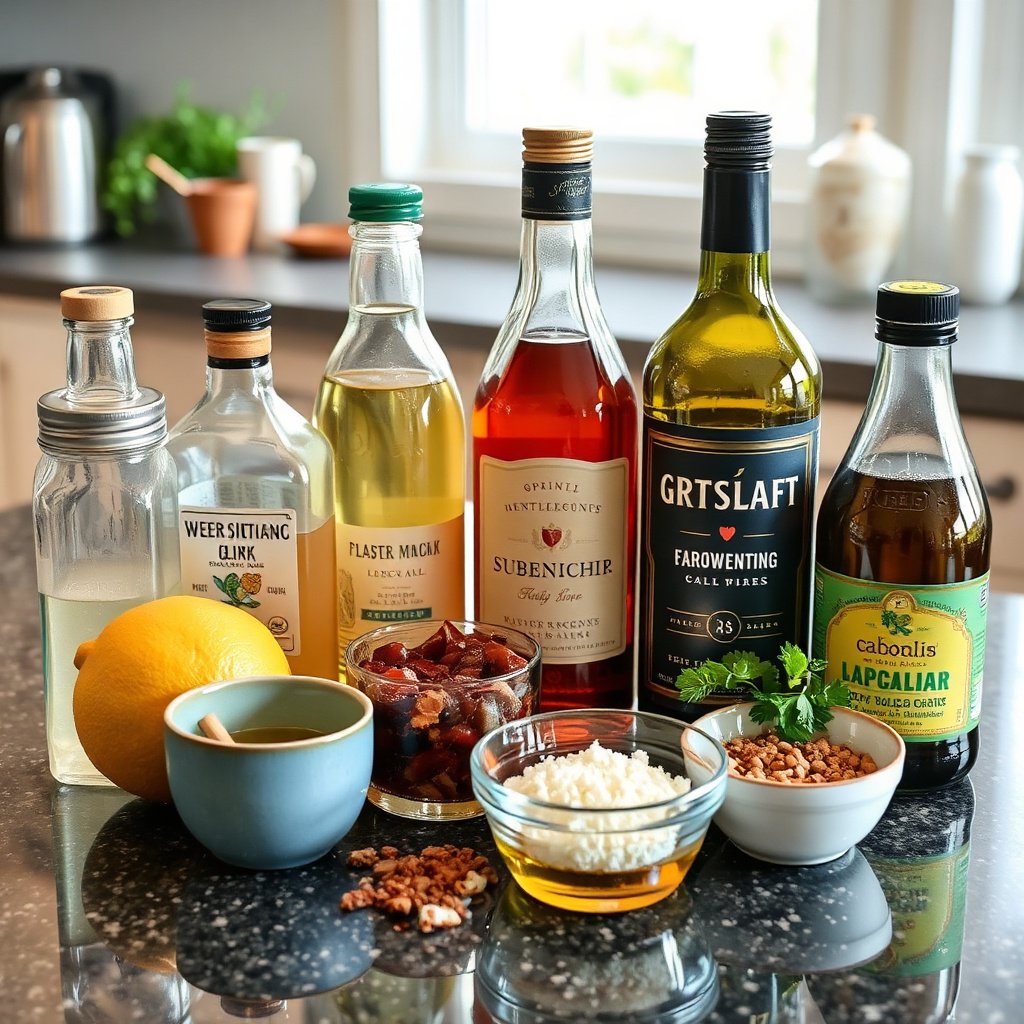
For guests watching sugar intake, replace simple syrup with natural sweeteners like stevia or monk fruit. Using soda water and fresh citrus reduces calories while maintaining flavor. Herbal infusions add complexity without added sugars.
Keep balance by tasting and adjusting acidity to avoid flat or overly tart drinks.
- Use stevia or monk fruit syrup
- Opt for soda water over sugary sodas
- Add citrus juices for flavor
- Infuse herbs for depth
For more on this, see our related guide: What Is a Drink Special? A Complete Guide with Types, Benefits, and Tips.
Allergen and Vegan-Friendly Choices
When accommodating allergies, avoid nuts, dairy, and any ingredients that cause sensitivities. Coconut milk is a great vegan alternative to dairy for creamy mocktails.
Always check labels on syrups and pre-made juices for hidden allergens. Using fresh and natural ingredients minimizes risk and keeps your mocktails inclusive.
- Avoid dairy; use coconut or almond milk
- Check syrups for allergens
- Use fresh juices to reduce additives
- Label drinks clearly at gatherings
Serving Mocktails at Events and Gatherings

Batch Prep vs. Made-to-Order
Batch-preparing mocktails in large pitchers or dispensers is efficient for big groups and keeps service smooth. However, made-to-order mocktails allow customization and fresher tasting drinks.
Consider the event size, style, and guest preferences to decide which method fits best.
- Batch prep for large crowds
- Make to order for customization
- Use dispensers for self-service
- Keep ingredients chilled during events
For a detailed overview of mocktails, including their history and cultural significance, you can visit the Wikipedia page on mocktail. mocktail.
Creating a Mocktail Bar Experience
Set up a dedicated mocktail station with ingredients, tools, and garnishes for interactive fun. Provide recipe cards and suggestions to guide guests in mixing their own drinks, making the experience engaging and memorable.
A mocktail bar can highlight the variety and creativity possible with non-alcoholic drinks.
- Arrange ingredients attractively
- Label tools and mixers clearly
- Offer garnish options
- Provide easy recipe cards
Mocktail Base Types Comparison
Here's a comparison of popular base types used in mocktails showing flavor profile, calorie content, and best use cases.
| Base Type | Flavor Profile | Calories per Serving | Best Used For |
|---|---|---|---|
| Fresh Fruit Juices | Sweet and tangy | 80-120 | Bright, fruity mocktails |
| Sparkling Water | Neutral, effervescent | 0 | Adding fizz without sweetness |
| Herbal Tea | Earthy and aromatic | 0-5 | Complex, warm mocktails |
| Coconut Water | Mildly sweet, nutty | 45 | Creamy tropical-style drinks |
| Lemonade | Sweet and sour | 90-110 | Refreshing, summery mocktails |
Frequently Asked Questions
Can I make mocktails in advance?
Yes, most mocktails can be prepared ahead, especially base mixtures. However, add carbonated mixers and ice just before serving to keep drinks fresh and fizzy.
What can I use instead of simple syrup?
Honey, agave nectar, or maple syrup are natural alternatives to simple syrup. Adjust quantity to taste since sweetness levels vary.
How do I make mocktails taste less sweet?
Add fresh citrus juice like lemon or lime to balance sweetness, or include ingredients like soda water to lighten flavor.
Are mocktails suitable for kids?
Yes, mocktails are perfect kid-friendly drinks offering fun flavors and fancy presentation without any alcohol.
Can I substitute ingredients due to allergies?
Definitely. Use allergen-free juices, dairy alternatives, and check syrups for hidden allergens to keep mocktails safe and tasty.
Key Takeaways
- Mocktails combine fresh juices, herbs, and sweeteners for flavorful non-alcoholic drinks.
- Basic tools like shakers and muddlers improve mixing and presentation.
- Popular recipes include the virgin mojito and fruity pina colada.
- Adjust recipes easily for dietary needs and event settings.
Conclusion
When deciding how to make mocktails, focus on ingredients that provide a well-rounded flavor and texture, such as fresh juices, quality sweeteners, and herbal elements. Equipment like a shaker and muddler helps integrate flavors, while creative garnishing elevates the drinking experience. Testing different flavor combinations lets you find what works best for you, whether you favor fruity, tangy, or creamy profiles.
If you want practical ideas, starting with classic recipes like the virgin mojito or virgin pina colada is a sure way to impress guests or enjoy a refreshing drink at home. For larger gatherings, batching your mocktail base can simplify service, while a mocktail bar with various mixers and garnishes invites personalization. Those managing dietary preferences will appreciate the flexibility to swap sweeteners or dairy alternatives to suit specific needs.
Begin your mocktail journey by gathering fresh ingredients and basic tools, then practice mixing and garnishing techniques. Experiment with pairing flavors and textures until you develop signature drinks that delight every palate. With these tips and recipes, you’ll soon be offering impressive, tasteful mocktails that rival any cocktail bar.