How to Clean a Cast Iron Skillet Properly for Longevity and Performance
To clean a cast iron skillet correctly, avoid soap and soaking, as these can strip the seasoning. Instead, use hot water and a stiff brush or scraper to remove food residue immediately after cooking. For stubborn bits, gently scrub with coarse salt as an abrasive before rinsing and drying thoroughly.
Maintaining a cast iron skillet’s seasoning is key to its non-stick surface and rust protection, so cleaning methods that preserve this layer matter. Proper cleaning extends the skillet’s lifespan and improves cooking results over time by keeping the metal seasoned and rust-free.
This article explains how to clean a cast iron skillet step-by-step, including how to handle tough residues, the role of seasoning in cleaning, drying and storing tips, and troubleshooting common problems like rust or sticky buildup.
Why Cleaning Method Matters for Cast Iron Skillets
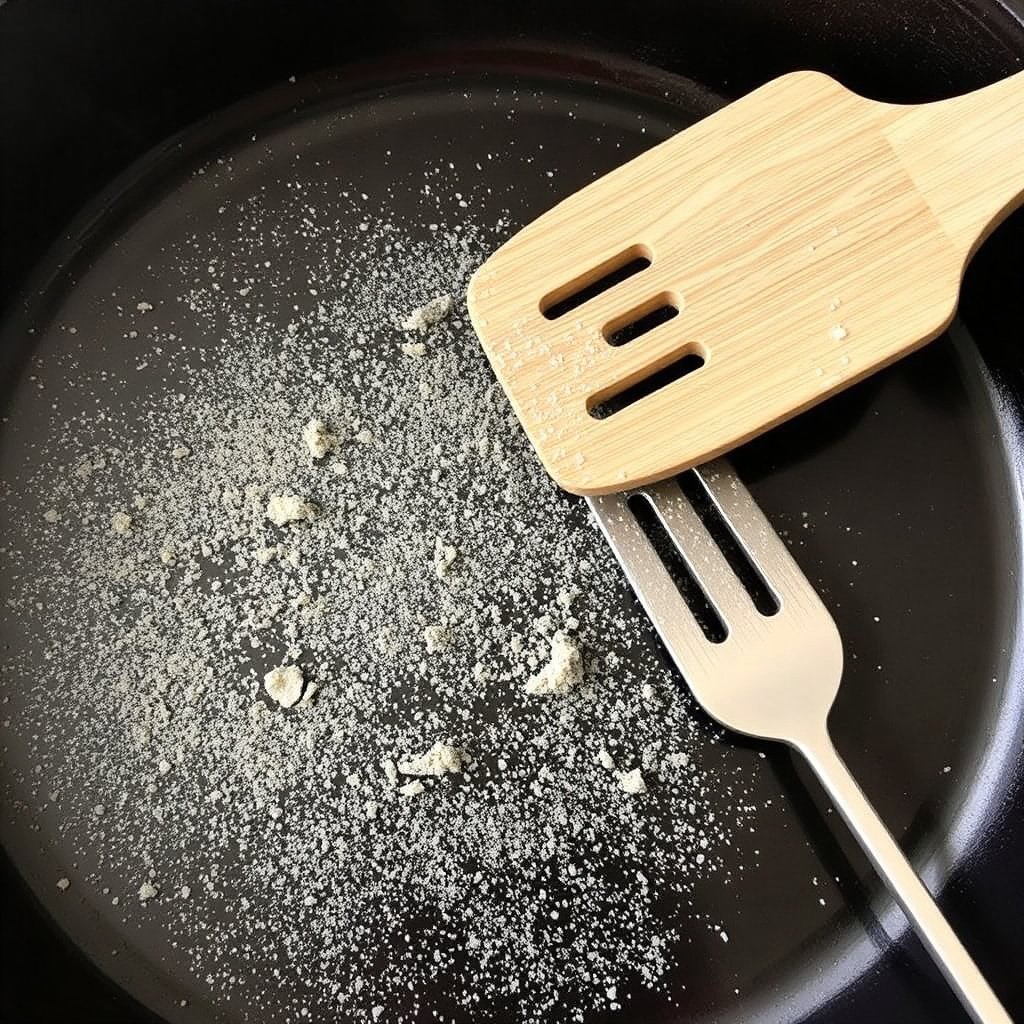
Understanding the Seasoning Layer on Cast Iron
Seasoning is a baked-on layer of polymerized oil that creates a natural non-stick surface on the skillet. Cleaning must avoid stripping this layer, which develops over time and with use.
Using harsh detergents or soaking can remove seasoning, exposing the metal to rust and food sticking. Proper cleaning respects this layer to maintain skillet performance.
Common Mistakes That Damage Cast Iron Skillets
Many cookers mistakenly scrub with soap or soak the pan in water, which dissolves the seasoning. Using metal scouring pads can also scrape the protective coating off.
To protect your skillet, clean it soon after use, avoid harsh chemicals, and handle gently when removing stuck food to preserve seasoning.
Step-by-Step Guide on How to Clean a Cast Iron Skillet

Routine Cleaning with Water and Scrubbing
Right after cooking, wipe excess oil and food bits from the skillet. Rinse it under hot water while scrubbing with a stiff brush or non-metal scraper to remove food particles without damaging the seasoning.
Avoid letting the pan soak. If food is stuck, sprinkle coarse kosher salt into the skillet, scrub with a paper towel or brush to act as a natural abrasive, then rinse.
- Use hot water, no soap
- Scrub promptly after cooking
- Use coarse salt for tough residue
Dealing with Tough Stuck-On Food Residue
For stubborn stuck food, boil a small amount of water in the skillet to loosen residue. After cooling slightly, scrap with a wooden or plastic spatula, then wash as usual.
Severe cases may require re-seasoning the skillet afterward to restore the protective layer that might be disturbed by heavy cleaning.
- Boil water in skillet to loosen residue
- Avoid harsh scrubbing tools
- Re-season if seasoning is compromised
How to Dry and Store Your Cast Iron Skillet

Proper Drying Techniques to Prevent Rust
After cleaning, your cast iron skillet must be completely dried to stop rust formation. Wipe it dry immediately, then warm the skillet on the stovetop for a few minutes to evaporate any remaining moisture.
Never air dry cast iron as residual moisture can cause rust spots quickly, especially in humid environments.
For more on this, see our related guide: How to Cook a Steak in a Cast Iron Skillet: Step-by-Step Guide That Works.
Oiling and Storing the Skillet
Once dry, lightly coat the skillet with a thin layer of cooking oil using a paper towel. This protects the metal and helps maintain seasoning.
Store the skillet in a dry place, preferably with a paper towel inside to absorb any moisture and prevent rust during storage.
- Apply a thin oil layer after drying
- Use paper towel in storage
- Store in a cool, dry place
Maintaining Seasoning Through Cleaning and Cooking

Cleaning Habits That Support Seasoning Build-Up
Consistently avoiding soap and harsh scrubbing preserves seasoning, allowing it to build and improve with each use.
Regularly applying a light oil after cleaning and drying encourages the polymerization process that strengthens seasoning.
Cooking Practices That Prevent Seasoning Damage
Cooking fatty foods like bacon or frying in oil helps maintain and improve the seasoning naturally.
Avoid acidic dishes like tomato sauce frequently, as acids can erode seasoning faster.
- Use oil-rich foods to build seasoning
- Limit cooking highly acidic foods
- Avoid prolonged soaking
How to Restore a Cast Iron Skillet When Cleaning Fails

Removing Rust and Stripped Seasoning
If rust or severe seasoning loss occurs, scrub the skillet with steel wool or a wire brush to remove all rust and old seasoning down to bare metal.
After cleaning, thoroughly wash with mild soap, dry completely, then proceed to re-season.
- Use steel wool for rust removal
- Remove all loose debris
- Wash and dry thoroughly before re-seasoning
For more on this, see our related guide: What Is a Flat Iron Steak? Complete Guide to Taste, Cuts & Cooking.
The Process of Re-Seasoning Your Skillet
Coat the skillet with a thin layer of high-smoke point oil and bake upside down in an oven at 450°F (232°C) for one hour. Let cool inside the oven before repeating for best results.
Multiple seasoning cycles rebuild the protective non-stick surface for excellent cooking performance.
- Use flaxseed or vegetable oil
- Bake upside down at 450°F
- Repeat seasoning 2-3 times for durability
Best Practices for Ongoing Care of Your Cast Iron Skillet

Routine Cleaning and Drying Tips
Clean your cast iron skillet promptly after cooking using hot water and minimal abrasive scrubbing. Dry thoroughly and always apply a thin coat of oil before storing.
This regimen minimizes rust risk and preserves seasoning for a smooth cooking surface.
For a thorough historical and technical background, the Cast Iron Skillet Wikipedia page is an excellent resource. Cast Iron Skillet Wikipedia.
When to Re-season and Replace Your Skillet
If food starts sticking, rust spots appear, or seasoning flakes off, it's time for re-seasoning. Despite robust build quality, very old or heavily abused pans might need replacement.
Re-season your skillet proactively to extend its functionality for decades.
- Watch for sticky or rusty surfaces
- Re-season before problems worsen
- Cast iron can last generations with care
Cast Iron Skillet Cleaning Method Comparison
Here’s a quick look at popular cleaning methods, their pros and cons, and suitability for maintaining cast iron seasoning.
| Cleaning Method | Ease of Use | Seasoning Preservation | Suitability for Tough Residue | Risk of Rust |
|---|---|---|---|---|
| Hot Water & Scrubbing Brush | Easy | High | Moderate | Low |
| Coarse Salt Scrub | Moderate | High | High | Low |
| Soap & Soaking | Easy | Low | High | High |
| Steel Wool or Metal Scrubbing Pad | Moderate | Low | Very High | Moderate |
| Boiling Water & Wooden Scraper | Moderate | Moderate | High | Low |
Frequently Asked Questions
Can I use soap to clean my cast iron skillet?
Mild soap can be used occasionally without major harm, but frequent use strips seasoning. It's best to avoid soap and rely on hot water and scrubbing to maintain the skillet's surface.
How often should I season my cast iron skillet?
Seasoning frequency depends on use and appearance. Generally, re-season when food starts sticking or the surface looks dull. Regular oiling after cleaning helps reduce frequent full seasoning.
Is it safe to put a cast iron skillet in the dishwasher?
Dishwashers should never be used for cast iron because detergent and moisture will strip seasoning and cause rust quickly.
What can I do if my cast iron skillet rusts?
Remove rust using steel wool, wash and dry thoroughly, then re-season the skillet by applying oil and baking it in the oven to restore the protective layer.
How do I store my cast iron skillet to prevent rust?
Store your skillet dry and lightly oiled in a cool place. Placing a paper towel inside absorbs moisture and prevents rust during storage.
Key Takeaways
- Avoid soap and soaking to preserve seasoning when cleaning cast iron skillets.
- Use hot water, scrubbing brushes, and coarse salt for effective cleaning.
- Dry skillet completely and apply a thin oil layer before storing.
- Re-season when food sticks or rust appears to maintain performance.
Conclusion
Choosing the right cleaning approach balances removing food residues with protecting the skillet’s seasoning layer. Prioritizing gentle methods like hot water and non-metal scrubbers preserves the skillet’s natural coating, which is why the main keyword 'how to clean a cast iron skillet' steers you towards these safe practices. This keeps the pan rust-free, non-stick, and able to perform well for years.
For routine cleaning, the best way to clean cast iron involves scrubbing away debris with salt abrasives and drying thoroughly with oil application. Tough residue can be managed with boiling water and careful scraping, while occasional re-seasoning restores any lost protection. Using these methods supports repeated seasoning build-up, enhancing durability and cooking quality. Avoiding soap and harsh scrubbing tools protects seasoning and prevents rust.
If you want to keep your cast iron skillet in excellent condition, begin by cleaning promptly with water and a brush or salt scrub, dry on the stove, lightly oil the surface, and store it in a dry place. Regular maintenance and periodic re-seasoning will ensure your skillet remains a versatile kitchen tool for decades to come.