Understanding Induction Cooktop Power Requirements for Your Kitchen
An induction cooktop typically requires a dedicated electrical circuit, generally operating at 220 to 240 volts and drawing between 30 to 50 amps, depending on the model’s wattage. Most residential induction cooktops have power ratings ranging from 1,800 to 3,700 watts per burner, with total wattage reaching around 7,200 watts for multi-burner units. This means your home wiring and circuit breakers must support these electrical demands to ensure safe and efficient operation.
Getting the power requirements right matters to avoid overloading your home’s electrical system, which could cause tripped breakers or even fire hazards. Induction cooktops work by creating electromagnetic fields to heat cookware directly, so their power consumption is both high and rapid. Knowing the electrical specifications in advance helps plan for installation, whether it’s a retrofit or new kitchen design.
This article covers the essential electrical factors for induction cooktop installation, including voltage needs, wattage distribution, circuit breakers, wiring guidelines, and energy consumption. We’ll also compare different cooktop categories by their power ratings and explore common questions about safely integrating induction technology into your kitchen.
Voltage and Circuit Requirements for Induction Cooktops
Typical Voltage Specifications
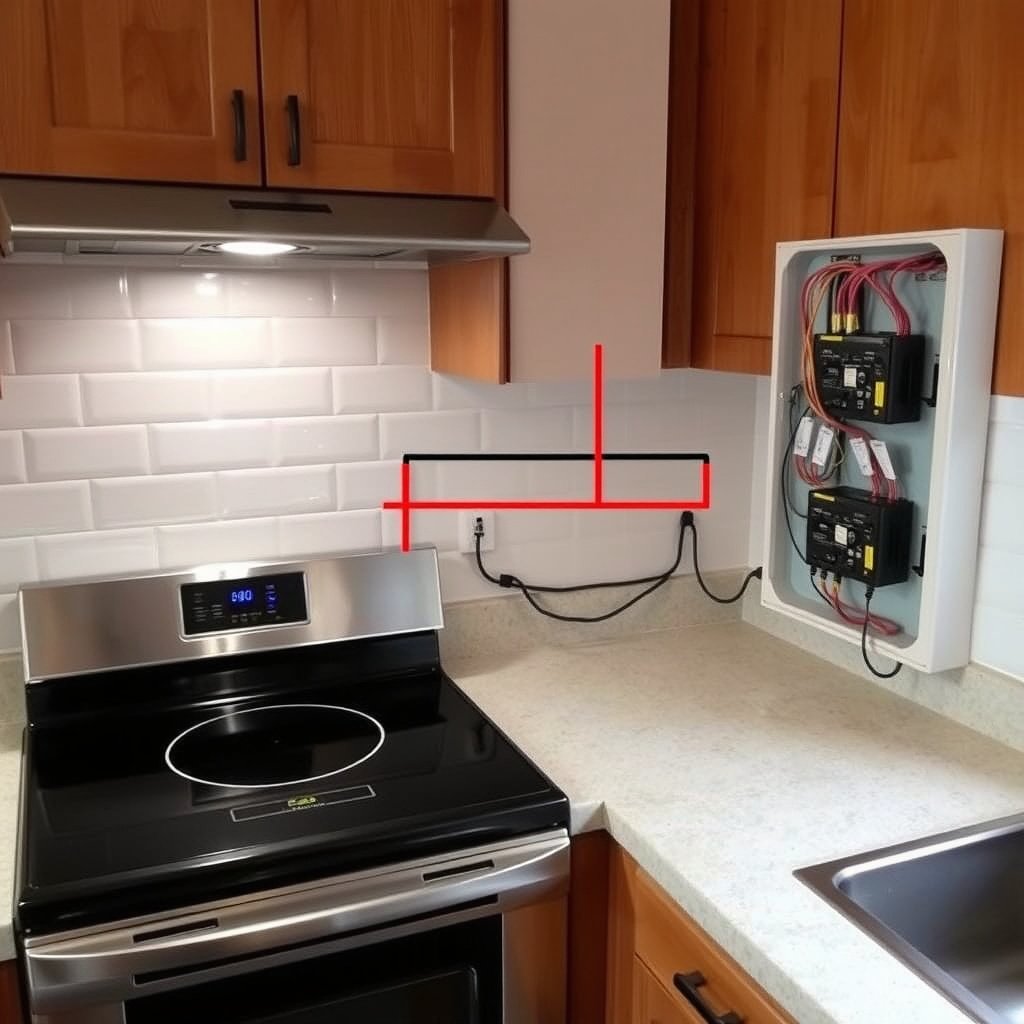
Most induction cooktops require a 220 to 240-volt electrical supply to function properly. This higher voltage allows the cooktop to deliver the rapid heating performance induction technology is known for. Residential kitchens usually have such circuits available for ovens and dryers, so this voltage level fits comfortably into standard home electrical setups.
Using the correct voltage ensures stable operation and avoids underperformance or damage. Lower voltages are generally inadequate for induction cooktops, as the device needs sufficient electrical power to create the magnetic fields that heat the cookware efficiently.
Circuit Breaker and Amperage Needs
Induction cooktops usually require a dedicated circuit breaker with an amperage rating between 30 to 50 amps. This rating depends on the maximum wattage of the cooktop, which dictates how much current the circuit must safely carry without tripping.
Installing a dedicated circuit breaker protects your home’s electrical system and ensures the cooktop’s demands don’t interfere with other appliances. Older homes may need electrical upgrades to accommodate these requirements.
- 30-50 amp circuit breaker recommended
- Dedicated circuit avoids overloads
- Older wiring might require upgrades
Power Consumption and Wattage Distribution
Understanding Wattage per Burner
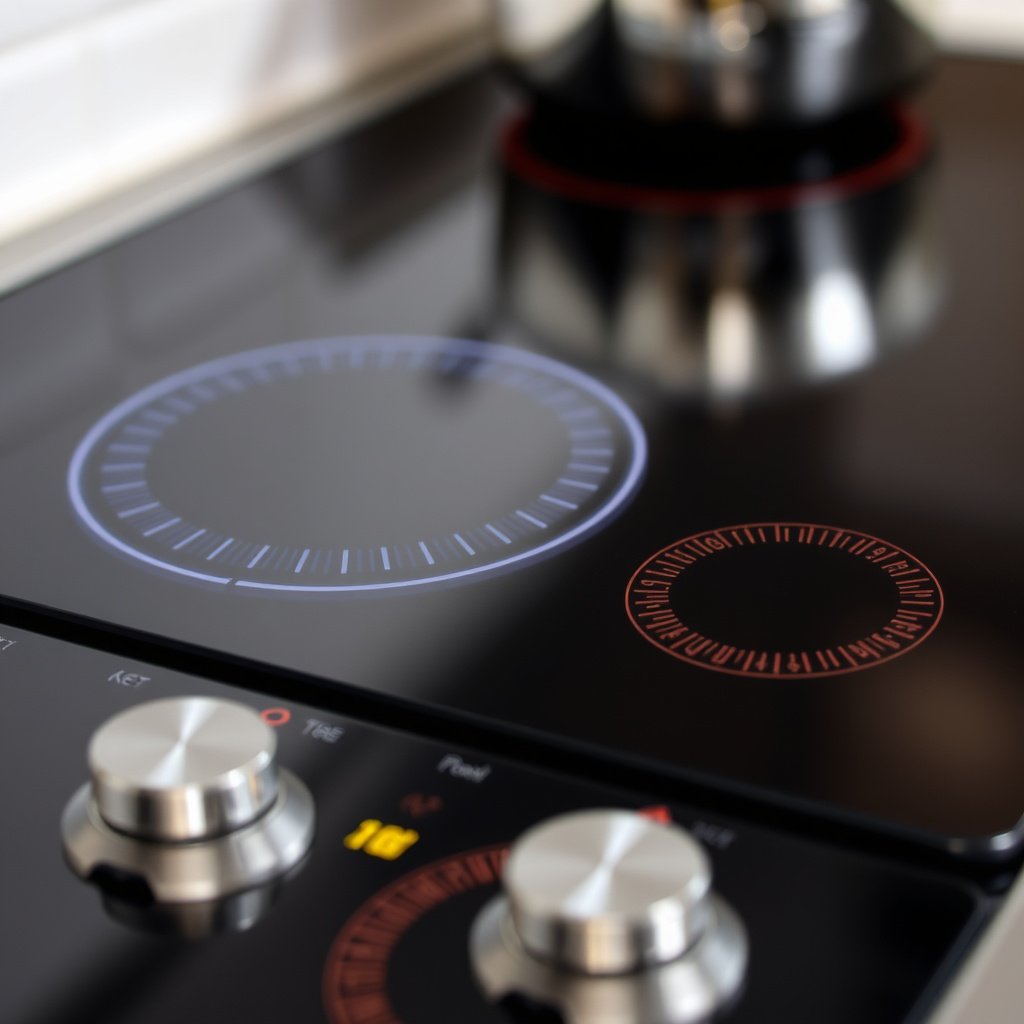
Individual induction burners typically offer power levels ranging from 1,800 watts for smaller burners to about 3,700 watts for larger ones. Some models allow power adjustments for simmering or rapid cooking by varying the wattage delivered.
Higher wattage means faster heating times but also higher total power consumption, which factors into choosing your kitchen’s electrical setup. Knowing wattage helps estimate both immediate power needs and energy consumption.
- Small burners: ~1,800 to 2,200 watts
- Large burners: up to 3,700 watts
- Adjustable power levels in many models
Total Power Requirements for Multi-Burner Units
Induction cooktops with four or more burners can sum to a total wattage of 7,000 to 7,200 watts or more, depending on max settings. However, most cooktops will not run all burners at maximum power simultaneously due to internal power management.
Understanding total wattage is key to wiring and breaker sizing. It also informs how you plan cooking sessions to avoid exceeding power limits in your home’s circuit.
Wiring and Installation Recommendations
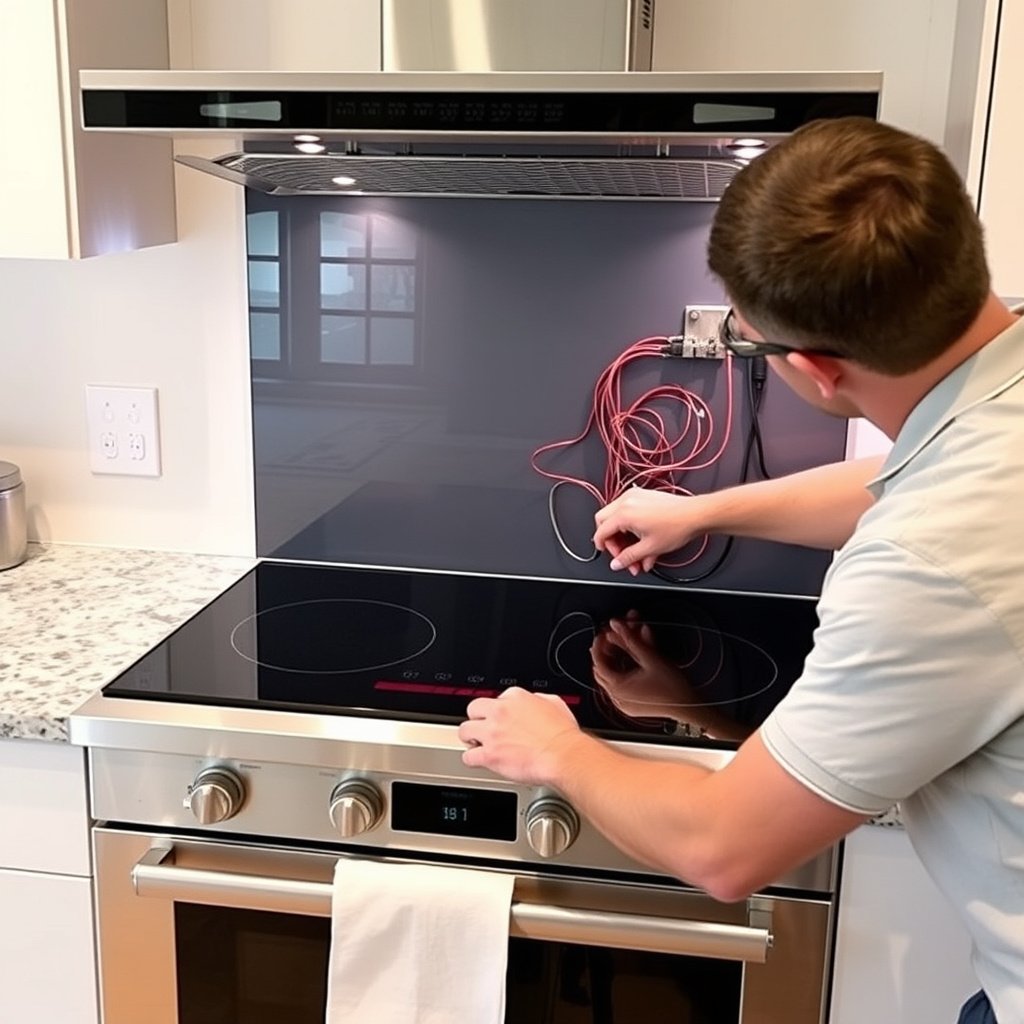
Appropriate Wire Gauge and Circuit Protection
The wire gauge used for an induction cooktop depends on the amperage of its circuit. For 30-50 amp circuits, wiring typically ranges from 10 to 6 gauge copper wire. Thicker wires reduce voltage drop and heat buildup, promoting safety and performance.
Circuit protection devices like AFCI breakers add safety by detecting arc faults that traditional breakers might miss, helping prevent electrical fires during cooktop operation.
- 10-6 gauge copper wire based on amp rating
- Use AFCI breakers where possible
- Wiring must meet local electrical codes
Professional Installation Best Practices
Hiring a licensed electrician familiar with induction cooktop requirements is highly advised. Proper installation ensures the cooktop safely interfaces with your home’s electrical panel and that wiring meets code requirements.
Electricians can verify voltage supply, test circuit breakers, and ensure the cooktop’s grounding and bonding comply with standards, reducing risk of shock or damage.
Energy Efficiency and Operational Power Use
How Induction Cooktops Save Energy
Induction cooktops use electromagnetic fields to heat cookware directly, which minimizes wasted heat and improves energy efficiency compared to electric coil or gas cooktops. Less residual heat means faster cooking and lower energy use.
This efficient transfer can reduce overall power consumption during cooking, compensating for the high immediate wattage many burners demand.
Measuring Operational Power Usage
Operational power use varies by cooking method and setting. Simmering or low-heat functions draw significantly less wattage, while boiling or rapid heating draws close to the maximum rated power.
Using power monitoring devices or checking manufacturer specifications helps understand real-world power needs, supporting energy-conscious cooking habits.
Comparing Different Induction Cooktop Power Categories
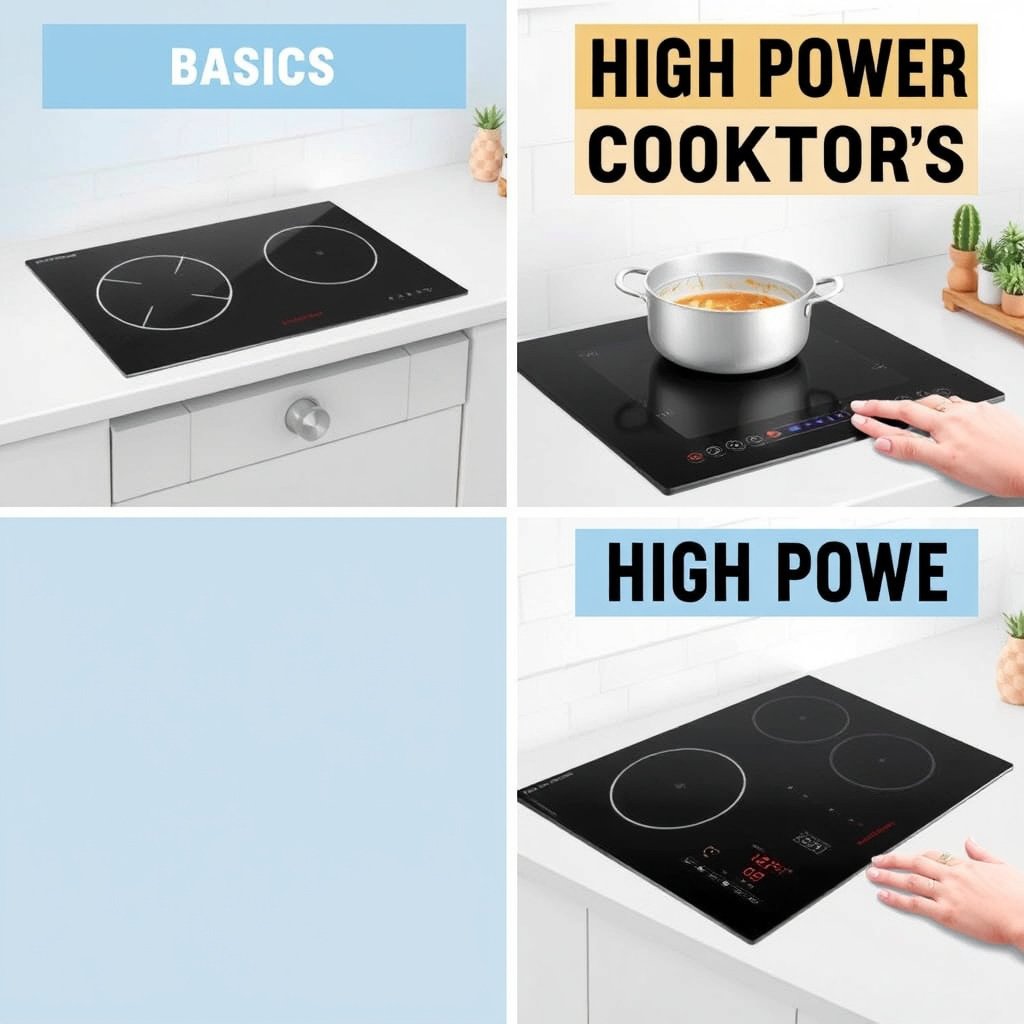
Entry-Level vs. High-Power Models
Entry-level induction cooktops tend to have lower maximum wattages, often around 1,800 to 2,200 watts per burner, suitable for basic cooking needs and smaller households. They typically require less robust electrical circuits.
High-power models designed for heavy cooking can reach 3,700 watts or more per burner, requiring higher amperage circuits and more extensive home wiring upgrades. These units support faster boiling and intensive cooking tasks.
- Entry-level: Lower wattage, less electrical load
- High-power: Faster heating, higher electricity needs
For a comprehensive explanation of how induction cooktops work, see this detailed induction cooking technology overview. Induction cooking technology overview.
Portable vs. Built-In Induction Cooktops
Portable induction cooktops often run on standard 120-volt outlets and have wattages around 1,200 to 1,800 watts, limiting them to lighter cooking. Their power requirements are less demanding, making them easy to use in various settings.
Built-in units typically require dedicated 220-240 volt circuits and higher amperage due to their larger size and multiple burners, offering more cooking flexibility and power.
- Portable: Standard voltage, lower wattage
- Built-in: Higher voltage, dedicated circuit
Induction Cooktop Power Category Comparison
Here’s a comparison of typical induction cooktop categories based on their electrical power requirements and features.
| Category | Voltage | Amperage | Wattage per Burner | Total Wattage | Circuit Breaker Size |
|---|---|---|---|---|---|
| Entry-Level | 120V (portable) or 220-240V (built-in) | 15-30A | 1,200-2,200W | 3,600-6,000W | 15-30A |
| Mid-Range | 220-240V | 30-40A | 2,200-3,200W | 6,000-7,200W | 30-40A |
| High-Power | 220-240V | 40-50A | 3,000-3,700W | 7,200-8,000W | 40-50A |
| Portable | 120V | 15A | 1,200-1,800W | 1,200-1,800W | 15A |
Frequently Asked Questions
Can I use a regular 120-volt outlet for an induction cooktop?
Most built-in induction cooktops need a 220-240 volt outlet; however, portable models designed for 120 volts exist but generally have lower power and fewer features.
Do I need a dedicated circuit for my induction cooktop?
Yes, a dedicated circuit is recommended to handle the high amperage and prevent interference with other appliances or tripped breakers.
What gauge wiring is suitable for induction cooktop installation?
Wire gauge depends on the circuit amperage but often ranges from 10 to 6 AWG copper wire for 30 to 50-amp circuits.
How does wattage affect cooking performance on induction cooktops?
Higher wattage burners heat faster and handle intensive cooking better, while lower wattage models may take longer to reach high temperatures.
Can I install an induction cooktop myself?
Due to electrical code requirements and safety, hiring a licensed electrician is strongly advised for installation.
Key Takeaways
- Induction cooktops need 220-240 volts and dedicated circuits typically between 30-50 amps.
- Wattage per burner ranges from 1,800 to 3,700 watts affecting power needs.
- Proper wiring gauge and circuit breakers safeguard safe operation.
- Portable models require less power but offer fewer features than built-in units.
Conclusion
Choosing an induction cooktop involves balancing your kitchen’s existing electrical capacity with the power demands of the cooktop. Understanding the voltage, amperage, and wattage requirements helps avoid electrical issues while leveraging the fast, efficient heating induction technology offers. Dedicated circuits and proper wiring are essential to safely support the high power draw these appliances require.
For standard residential kitchens, mid-range induction cooktops with 30 to 40 amp circuit needs and wattage around 2,200 to 3,200 per burner provide a good balance between performance and electrical feasibility. High-power cooktops deliver faster cooking but require more substantial electrical upgrades. Portable induction cooktops run on standard 120-volt outlets but come with lower power ratings and fewer burners, suitable for lighter or temporary cooking setups.
If considering an induction cooktop, start by consulting your home's electrical panel and an electrician to confirm voltage availability and circuit capacity. Selecting a cooktop that fits your power infrastructure, whether entry-level or high-power, ensures optimal performance and safety. Planning ahead about your household’s electrical specifications will lead to smooth installation and an enjoyable cooking experience.