Is an Induction Range Worth It? A Practical Guide to Energy-Efficient Cooking
An induction range is worth considering if you value quick, precise cooking and energy efficiency. Unlike traditional electric or gas ranges, induction cooktops heat cookware directly via magnetic induction, offering faster heating and superior temperature control. This technology also helps save energy since less heat escapes into the kitchen.
Induction ranges offer notable advantages such as safety enhancements, easier cleaning, and consistent cooking performance. While the upfront cost is generally higher than conventional ranges, many users find that benefits like reduced cooking times and enhanced safety features justify the investment. Additionally, induction-compatible cookware is required, which may mean extra initial expenses.
This article will explore the key factors involved in deciding whether an induction range is worth it for your kitchen. We’ll cover how induction cooking works, performance comparisons with gas and electric ranges, maintenance tips, safety features, and who benefits most from switching to induction technology.
How Induction Technology Works in an Induction Range
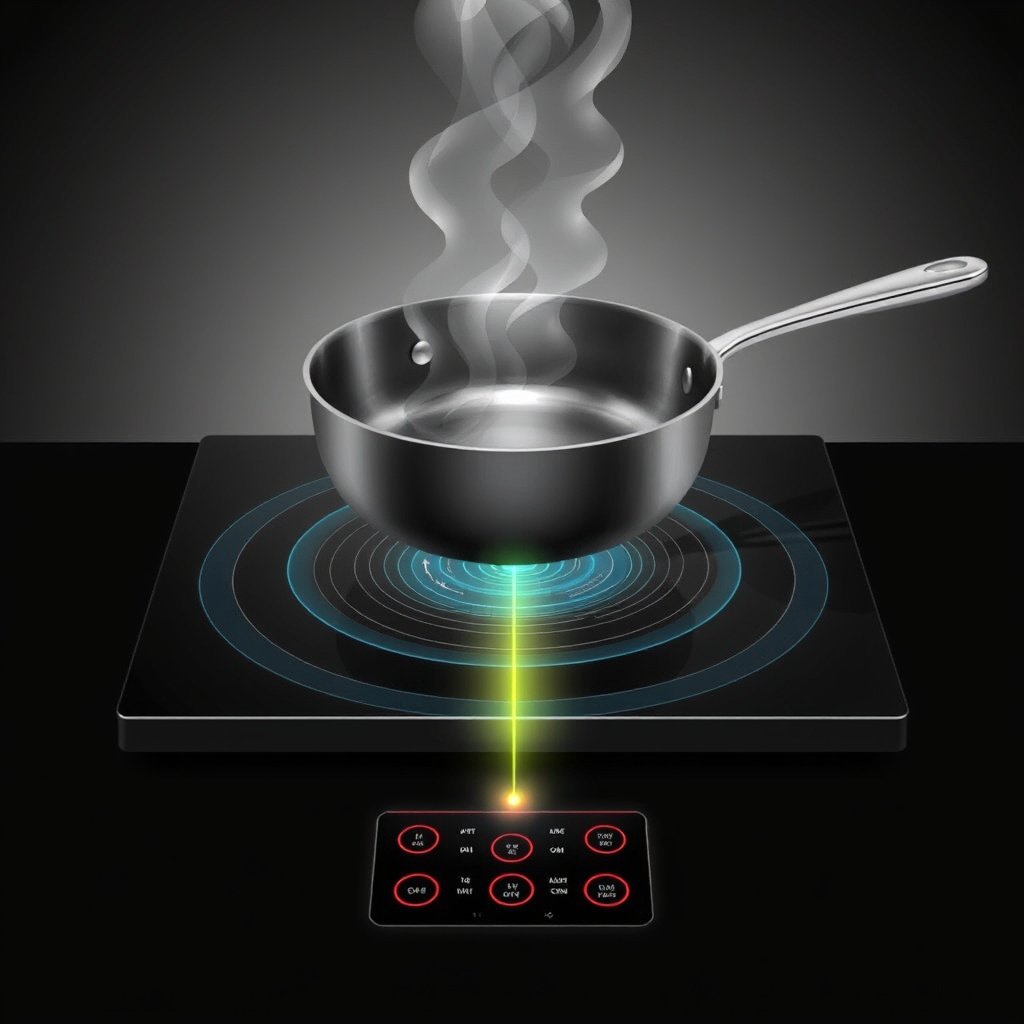
The Science Behind Induction Cooking
Induction cooking uses a coil of copper wire under the cooktop surface that generates a magnetic field when electric current passes through it. When induction-compatible cookware, typically ferrous metal, is placed on top, this magnetic field induces electric currents within the cookware’s base, generating heat directly in the pot or pan.
This method bypasses the traditional heating element or flame, which means the cooktop surface itself remains relatively cool except for heat transferred back from the cookware. As a result, induction ranges provide near-instant heat delivery and precise temperature control.
Required Cookware and Compatibility
For an induction range to work effectively, pots and pans must contain ferromagnetic material, such as cast iron or some stainless steels. Cookware made from aluminum, glass, or copper without a magnetic base will not heat on induction.
Many manufacturers now label cookware as induction-compatible, and inexpensive magnetic tests can determine suitability. Though this may require replacing some existing pots, many users find that investing in specialized cookware improves cooking performance overall.
- Magnetic test with a refrigerator magnet
- Common induction-compatible materials include cast iron and magnetic stainless steel
- Non-compatible materials include pure aluminum, glass, and copper
Performance Benefits of an Induction Range

Faster Cooking and Energy Efficiency
Induction ranges typically boil water up to 50% faster than conventional electric or gas cooktops. This efficiency arises from the direct heat transfer to cookware, reducing energy loss. Because cooking is quicker, less energy overall is consumed, making induction an environmentally friendlier choice.
Energy efficiency ratings show induction ranges can convert approximately 84% of energy into cooking heat, compared to about 74% for electric coils and 40-55% for gas burners. This reduced energy waste benefits those looking to lower utility bills and carbon footprints.
- Up to 50% faster boiling times
- About 84% energy conversion efficiency
- Reduced standby heat in the kitchen
Precise Temperature Control
The ability to finely adjust heat levels is a standout feature of induction ranges. Because the magnetic field heats cookware instantly when powered and stops immediately when turned off, temperature changes occur rapidly and predictably.
This precision supports cooking techniques like simmering, melting chocolate, or making delicate sauces that require stable, gentle heat levels. Induction’s responsiveness can improve cooking results for both amateur and professional chefs alike.
Safety and Cleaning Advantages

Enhanced Kitchen Safety Features
Induction ranges carry less risk of burns and fires since the cooktop surface itself stays cool during cooking except where the pot touches it. Many models include automatic shutoff features if no cookware is detected or if overheating occurs, reducing accidents.
This makes induction cooking particularly attractive for households with children or elderly individuals, offering peace of mind that open flames and hot surfaces are minimized.
- Cool cooktop surface
- Automatic shutoff without cookware
- No open flames or gas leaks
Ease of Cleaning
Since the glass or ceramic surface of an induction range remains relatively cool, food spills do not burn onto the surface as quickly. This enables easier wipe-down cleaning without the need for specialized scrubbing.
The smooth, flat surface also avoids crevices found on traditional coil or gas ranges, further simplifying maintenance. This convenience can save time, making induction ranges a preferred choice for busy kitchens.
Comparing Induction Ranges to Gas and Electric Alternatives

Gas vs. Induction: Pros and Cons
Gas ranges provide visible flames preferred by many for cooking style and heat control. However, they lose more heat to the kitchen environment, making energy efficiency lower than induction. Gas also requires proper ventilation to avoid indoor air quality issues.
Induction ranges eliminate combustion emissions and offer faster cooking times with more precise heat adjustments. They require compatible cookware and typically have a higher upfront cost but excel in safety and maintenance ease.
Electric Coil vs. Induction
Traditional electric coil cooktops are often less expensive but slower to heat and cool. Heat transfer is less efficient, causing longer cooking times and greater energy waste. Coil surfaces also trap spills, complicating cleaning.
Induction outperforms electric coils in speed, precision, and user safety, though with a higher price tag. This makes induction ranges a popular upgrade option for those prioritizing performance and convenience.
Who Should Consider Investing in an Induction Range

Home Cooks and Families
For families prioritizing safety and speed during meal preparation, an induction range offers clear benefits. The relatively cool surface reduces burn risks, while quicker boil times help manage busy schedules.
Home cooks who appreciate precise heat control to execute recipes accurately will find induction ranges enhance cooking quality. Easy cleanup also means spending less time on kitchen chores.
Professional Chefs and Culinary Enthusiasts
Many chefs value induction ranges for their rapid response and temperature accuracy, which aids in advanced cooking techniques. Induction’s ability to maintain consistent heat supports sensitive tasks like tempering chocolate or keeping sauces warm.
While some culinary purists prefer gas for its visual cues and flexibility, induction technology is gaining ground in professional kitchens seeking energy efficiency and safety compliance.
Costs and Considerations Before Purchasing an Induction Range

Initial Purchase Price and Installation
Induction ranges often have a higher upfront cost than gas or traditional electric models, influenced by advanced electronics and materials. Installation may also require electrical upgrades to accommodate higher power demands.
Planning your budget should include potential expenses for new cookware compatible with induction technology, which can add to initial outlay but enhance long-term cooking efficiency.
For a detailed explanation on the principles behind induction cooking technology, refer to this Wikipedia article. Induction cooking technology.
Maintenance and Long-Term Savings
Induction ranges tend to have fewer mechanical parts exposed to high heat, reducing wear and tear. Cleaning convenience can also lower maintenance costs over time.
Energy savings and faster cooking offset some initial expenses through reduced utility bills and less wasted food from uneven heating. Careful assessment of your cooking habits will help determine if these savings align with your investment.
- Potential need for electrical circuit upgrade
- Long-lasting glass ceramic surface
- Lower cleaning and maintenance effort
Induction Ranges Compared to Gas and Electric Cooktops
The following table summarizes key differences between induction, gas, and electric cooktops to help gauge which fits your cooking style and priorities.
| Category | Heat Efficiency | Safety Level | Cooking Speed | Initial Cost | Maintenance Ease |
|---|---|---|---|---|---|
| Induction Range | High (~84%) | Very High (Cool surface, auto shutoff) | Fast (up to 50% quicker) | High | Easy (smooth surface) |
| Gas Range | Medium (40-55%) | Moderate (open flame, burns risk) | Moderate | Medium | Moderate (grates, burners) |
| Electric Coil | Low (~74%) | Moderate (hot coils) | Slow | Low | Difficult (coils trap spills) |
| Electric Smooth Top | Medium | Moderate | Moderate | Medium | Easy (flat surface but heat lingers) |
Frequently Asked Questions
Will my current pots and pans work on an induction range?
Only cookware with ferromagnetic materials like cast iron or some stainless steel works on induction ranges. Non-magnetic cookware such as aluminum or glass will not heat properly.
Is induction cooking safer than gas cooking?
Yes, induction cooking is safer because the cooktop surface stays cooler, there are no open flames, and automatic shutoff prevents accidents if cookware is removed.
Do induction ranges use more electricity than other ranges?
Induction ranges are generally more energy-efficient than electric or gas ranges since they heat cookware directly, reducing energy loss.
Are induction ranges harder to clean than traditional cooktops?
Induction cooktops are easier to clean because their smooth, flat surfaces stay cooler, preventing spills from burning onto the surface.
Can induction ranges be used during power outages?
No, induction ranges require electricity to generate magnetic fields, so they do not work during power outages unlike gas ranges.
Key Takeaways
- Induction ranges heat cookware directly with magnetic induction for fast, efficient cooking.
- They offer superior safety and easier cleaning compared to gas and electric options.
- Higher upfront costs are balanced by energy savings and cooking precision.
- Choosing compatible cookware is essential for proper induction range performance.
Conclusion
Deciding if an induction range is worth it depends on evaluating what matters most in your cooking routine. Induction technology delivers fast, precise heat and improved safety at a higher upfront price. Factor in potential savings on energy and cooking time along with simpler maintenance to weigh long-term value. Your preference for cooking style, cookware compatibility, and kitchen environment also shape whether this investment fits your needs.
For those who prioritize energy efficiency, safety, and rapid cooking, an induction range offers notable advantages over traditional gas and electric models. Home cooks managing busy schedules will appreciate faster heat-up times, while culinary enthusiasts benefit from precise temperature control. If safety is paramount, especially with children present, induction’s cool cooktop surface is a compelling argument. Those favoring visible flames or a lower purchase price may prefer gas, while budget-conscious buyers may stick with electric coil cooktops.
Ultimately, testing out a range in-store or borrowing induction cookware to experiment with heat responsiveness can clarify the choice. Once you decide, consider buying from reputable brands known for durability and quality features. Installation and cookware costs should be accounted for upfront to avoid surprises. With these practical steps, upgrading to an induction range can enhance your kitchen’s performance and enjoyment for years.