How to Choose a Microwave Oven Recirculating Vent for Your Kitchen
A microwave oven recirculating vent is specifically designed for kitchens where external venting isn't feasible. It filters and recirculates the air back into the kitchen after removing grease, smoke, and odors, providing a practical ventilation solution without requiring ductwork.
This venting method matters because many renters or homes with structural limitations can’t install traditional external exhaust systems. Choosing the right recirculating vent ensures your kitchen stays free of cooking smells and airborne grease, maintaining better air quality and comfort.
This article will explore the key features of microwave oven recirculating vents, explain different filtration systems, discuss installation requirements, and compare various venting types so you can confidently select the best model for your kitchen setup.
Understanding Microwave Oven Recirculating Vents

How Recirculating Vents Work
Microwave oven recirculating vents operate by pulling cooking air through a filter before releasing it back into the kitchen. Unlike ducted vents which exhaust air outdoors, these vents clean the air internally, making them ideal for kitchens without duct access.
The air passes first through a grease filter to trap oils and particles, then through a charcoal filter that neutralizes odors. This dual filtering system helps minimize lingering food smells and grease buildup on kitchen surfaces.
- Grease filter captures airborne oils
- Charcoal filter reduces odors
- Air is recirculated indoors
- No external duct needed
Advantages and Limitations
One major advantage of recirculating vents is their flexibility in installation—since they don’t need ducting, they can fit into many kitchens where venting outdoors is impossible. They also help retain conditioned air by not exhausting it outside.
However, these vents don’t remove humidity or heat, and their filtration components require regular maintenance and replacement. This means they may not perform as effectively in heavy-cooking environments compared to ducted vent systems.
- Flexible installation location
- Retains indoor temperature
- Filters need frequent replacement
- Less effective at removing steam
Types of Filters in Recirculating Microwave Vents
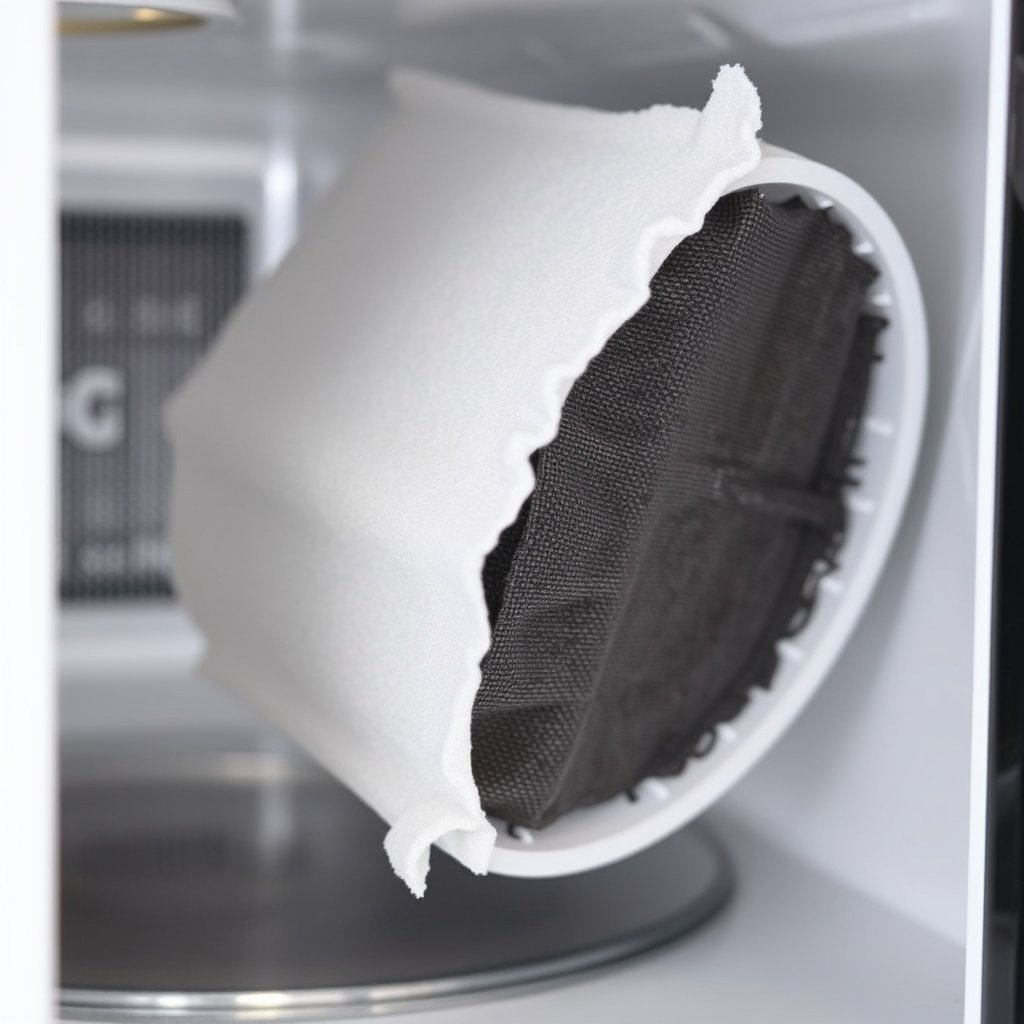
Grease Filters
Grease filters are typically made from metal mesh designed to trap grease particles from cooking fumes. They are washable and reusable, which keeps maintenance costs lower while maintaining effective grease capture.
Regular cleaning of grease filters is essential to prevent clogging, which can reduce airflow and vent efficiency. Most manufacturers recommend washing these filters every month or two, depending on cooking frequency.
- Metal mesh material
- Traps grease particles
- Washable and reusable
- Requires monthly cleaning
Charcoal Filters
Charcoal filters use activated carbon to absorb cooking odors and smoke. These filters are not washable and must be replaced periodically, usually every 6 to 12 months, to maintain optimal odor removal.
Choosing microwave oven recirculating vents with high-quality charcoal filters helps minimize persistent odors, improving kitchen air freshness even during frequent or heavy cooking sessions.
- Activated carbon material
- Absorbs odors and smoke
- Non-washable, replace every 6–12 months
- Critical for odor control
Installation Considerations for Recirculating Microwave Vents
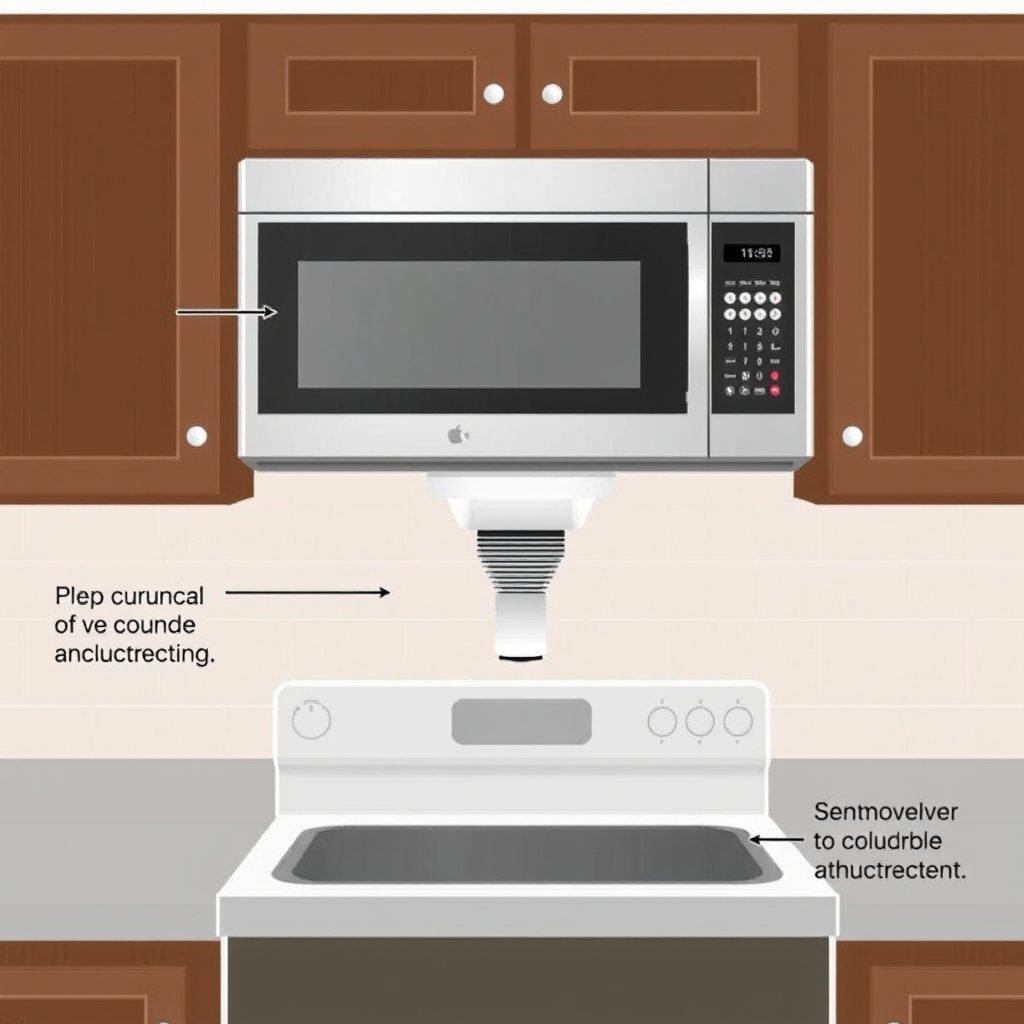
Space and Mounting Requirements
Most microwave models with recirculating vents are designed for over-the-range installation, saving valuable counter space. Ensure there is enough clearance above your stove and that cabinetry supports the microwave’s weight.
Proper mounting brackets and hardware included by the manufacturer should be used to secure the microwave safely. The vent’s recirculating components need unobstructed airflow paths to perform well.
- Over-the-range placement common
- Check clearance above stove
- Use manufacturer mounting kit
- Ensure no airflow obstruction
Electrical and Venting Setup
Recirculating vent microwaves require a grounded electrical outlet near the installation point with sufficient amperage for the fan and lighting. Because no external ducting is used, venting occurs through the microwave’s filter system.
It’s important to regularly replace charcoal filters and clean grease filters to uphold air circulation quality. The vent fan’s speed settings can be adjusted for cooking needs, which impacts noise and airflow levels.
- Grounded electrical outlet needed
- No external ducting required
- Regular filter maintenance
- Adjustable fan speeds
Performance and Maintenance of Recirculating Vents

Cleaning and Filter Replacement
Effective operation depends on keeping the grease and charcoal filters clean. Grease filters should be washed with warm, soapy water regularly, while charcoal filters need to be swapped according to manufacturer guidelines to avoid odor buildup.
Neglecting filter care reduces ventilation effectiveness, causes unpleasant smells, and can strain the vent fan. Scheduled maintenance prolongs the microwave’s lifespan and improves kitchen air quality.
- Wash grease filters monthly
- Replace charcoal filters biannually
- Check filters for damage or buildup
- Maintain filter schedules for best performance
Fan Performance and Noise Levels
Microwave oven recirculating vents often feature multiple fan speeds to balance ventilation power and noise. Higher speeds enhance air cleaning but increase sound, so selecting the right speed for your cooking activity improves comfort.
Quality models use efficient motors that minimize noise while delivering strong airflow. Review product specifications for decibel ratings to find a microwave vent suitable for quiet operation if needed.
- Multiple fan speed options
- Higher speeds produce more noise
- Look for low decibel ratings
- Efficient motors improve comfort
Comparing Recirculating and Ducted Microwave Vents
Airflow and Ventilation Efficiency
Ducted microwave vents exhaust cooking air outdoors, removing heat, humidity, odors, and grease more thoroughly. Recirculating vents filter the air internally, which is less effective at moisture removal but sufficient for kitchens without ducting options.
Airflow rates tend to be higher in ducted systems, promoting stronger ventilation. However, ducted vents may cool the kitchen by exhausting conditioned air, which recirculating vents avoid.
- Ducted vents: outdoors exhaust
- Recirculating vents: indoor filters
- Ducted: better moisture removal
- Recirculating: retains indoor air
For a detailed overview of microwave oven installation and ventilation options, refer to the Wikipedia article on microwave ovens. Microwave oven ventilation on Wikipedia.
Installation Flexibility and Costs
Recirculating microwave vents offer greater installation flexibility and lower upfront costs since they require no external ductwork. Ducted vents involve more complex installation often increasing labor and material expenses.
For renters or kitchens with structural limits, recirculating vents are a practical solution, while homeowners prioritizing performance may prefer ducted vents despite installation challenges.
- Recirculating: easy, inexpensive install
- Ducted: requires ductwork, higher cost
- Recirculating great for rentals
- Ducted favored in permanent setups
Microwave Oven Venting Options Comparison
This table compares common microwave oven venting types by airflow, installation complexity, noise, and cost to help you weigh pros and cons.
| Venting Type | Airflow (CFM) | Installation Complexity | Maintenance Frequency | Noise Level (dB) | Cost |
|---|---|---|---|---|---|
| Recirculating Vent | 100-300 | Low | High (filter changes) | Moderate (50-65) | Low |
| Ducted External Vent | 300-600 | High | Low (clean duct) | Variable (45-70) | High |
| Convertible Vent (Duct-/Recirc.) | 150-400 | Medium | Medium (filters + ducts) | Medium (50-60) | Medium |
| Downdraft Vent | 200-500 | High | Low (duct cleaning) | High (60-75) | High |
Frequently Asked Questions
Can a recirculating microwave vent remove humidity from cooking?
No, recirculating vents filter grease and odors but do not remove moisture or heat from cooking air. For humidity control, ducted venting is more effective.
How often should I replace the charcoal filter in a recirculating microwave vent?
Charcoal filters typically need replacement every 6 to 12 months depending on cooking frequency to maintain effective odor absorption.
Is installation of a recirculating microwave vent complicated?
Installation is generally straightforward since no ductwork is needed. It mainly involves proper mounting and electrical connections.
Do recirculating vents make more noise than ducted vents?
Recirculating vents often operate at moderate noise levels, especially at higher fan speeds, but sound levels vary by model and motor efficiency.
Are over-the-range microwaves with recirculating vents suitable for rental properties?
Yes, they are ideal because they require no external ducting changes, making them renter-friendly without permanent modifications.
Key Takeaways
- Microwave oven recirculating vents filter and recirculate air where ducting is unavailable.
- They use grease and charcoal filters for capturing oils and neutralizing odors.
- Installation is easier and cheaper than ducted systems but requires ongoing filter maintenance.
- Ducted vents remove humidity and odors more effectively but need external venting.
Conclusion
Choosing the right microwave oven recirculating vent involves weighing your kitchen’s structural limitations against ventilation needs. These vents provide a solid solution when external ducting is impossible or impractical, filtering grease and odors efficiently while recirculating air. Their convenience and installation flexibility make them a practical option for apartments, rentals, or kitchens with space restrictions. However, they do require commitment to regular filter cleaning and replacement to maintain air quality.
For households with light to moderate cooking activity and no external vent access, recirculating vents offer effective odor control without major alterations. If you cook frequently and prioritize removing steam and moisture, ducted vents or convertible models are better suited despite higher costs and installation effort. Over-the-range microwaves with recirculating vent systems combine space-saving design with reasonable ventilation performance, making them a popular choice for small kitchens.
Begin your selection by measuring your available space and checking electrical requirements. Look for models with high-quality washable grease filters and replaceable charcoal filters to prolong vent efficiency. Regular maintenance is key — set reminders for filter cleaning and replacement. This practical approach ensures your microwave vent keeps your kitchen air fresh and comfortable.