How to Make Ranch Dressing: A Simple Homemade Recipe Guide
Making ranch dressing at home is straightforward and requires just a few common ingredients like mayonnaise, sour cream, buttermilk, and herbs. You can create a creamy, tangy dressing in minutes without additives or preservatives found in store-bought versions.
Ranch dressing is a popular condiment used for salads, vegetable dips, and even as a topping for burgers or fries. Preparing it yourself allows you to adjust flavors to suit your taste, whether you want it thicker, zestier, or herb-heavy.
This article will walk you through the key ingredients, preparation steps, tips for flavor variations, storage advice, and even some serving suggestions to help you master homemade ranch dressing effortlessly.
Key Ingredients for Ranch Dressing
Essential Dairy Bases
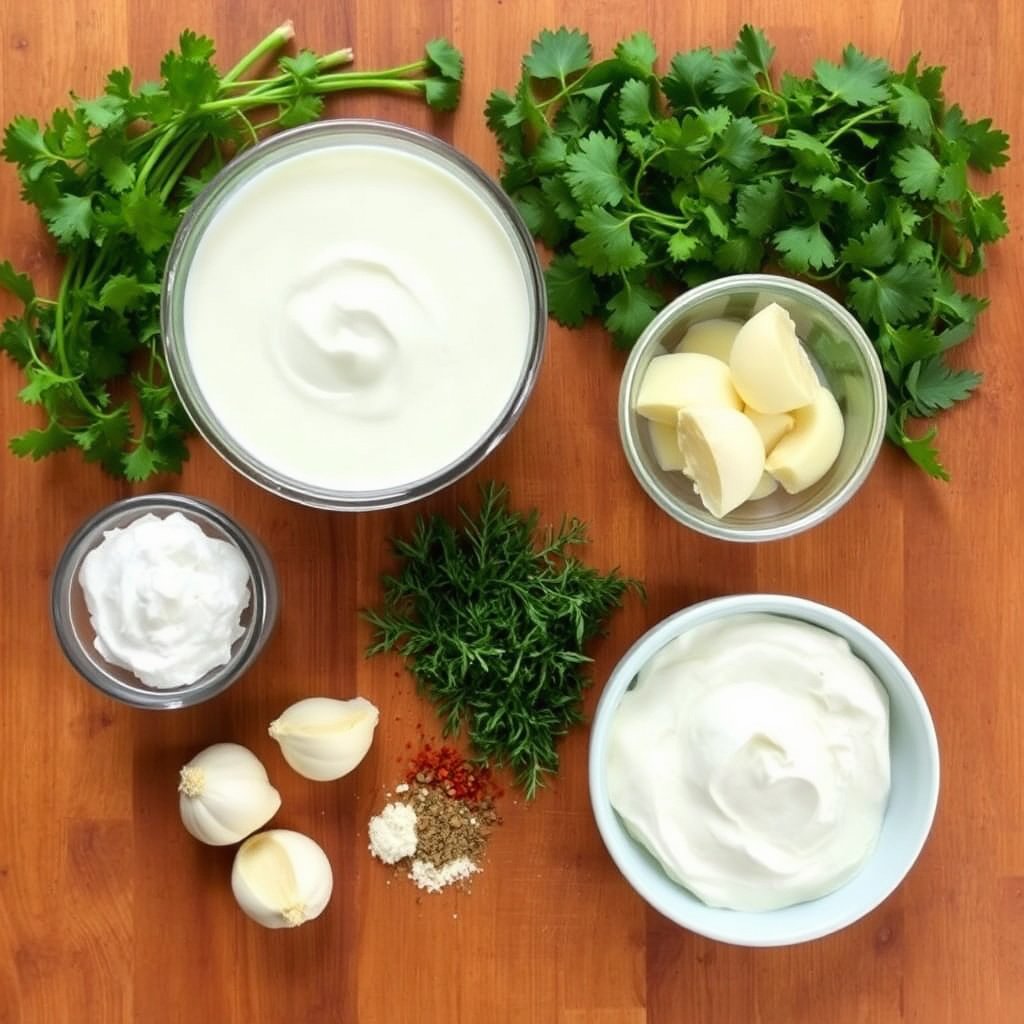
The creamy texture of ranch dressing primarily comes from a combination of mayonnaise, sour cream, and buttermilk. Mayonnaise provides smoothness and body, sour cream delivers a slight tang, and buttermilk adds lightness with its acidity.
For a thicker consistency, use more sour cream and less buttermilk; for a thinner, pourable dressing, increase the buttermilk proportion. This balance is important to achieve the classic ranch feel.
Herbs and Flavor Enhancers
Traditional ranch dressing uses dried or fresh herbs like parsley, dill, and chives, along with garlic powder, onion powder, salt, and black pepper. Fresh herbs offer brighter flavor, while dried herbs yield a more intense, concentrated taste after resting.
When using fresh herbs, finely chop them to release oils and maximize flavor infusion. Adjust seasoning gradually and let the dressing rest to allow flavors to meld fully.
- Parsley
- Dill
- Chives
- Garlic powder
- Onion powder
- Salt and pepper
Step-by-Step Preparation of Homemade Ranch Dressing

Combining the Base Ingredients
In a medium bowl, blend mayonnaise, sour cream, and buttermilk in the desired ratio. Start with half a cup each of mayonnaise and sour cream and a quarter cup of buttermilk. Whisk until the mixture is smooth and uniform in texture.
If you prefer a lighter dressing, gradually add more buttermilk until it reaches your preferred consistency. Maintain smoothness by whisking gently but thoroughly.
Adding Herbs and Seasonings
Stir in the dried or fresh herbs along with garlic powder, onion powder, salt, and pepper. Use about one tablespoon of mixed herbs for every cup of base, then adjust to taste.
After mixing, refrigerate your dressing for at least 30 minutes to let flavors marry. This resting period improves the overall taste and aroma.
Variations and Flavor Adjustments for Ranch Dressing
Spicy and Tangy Twists
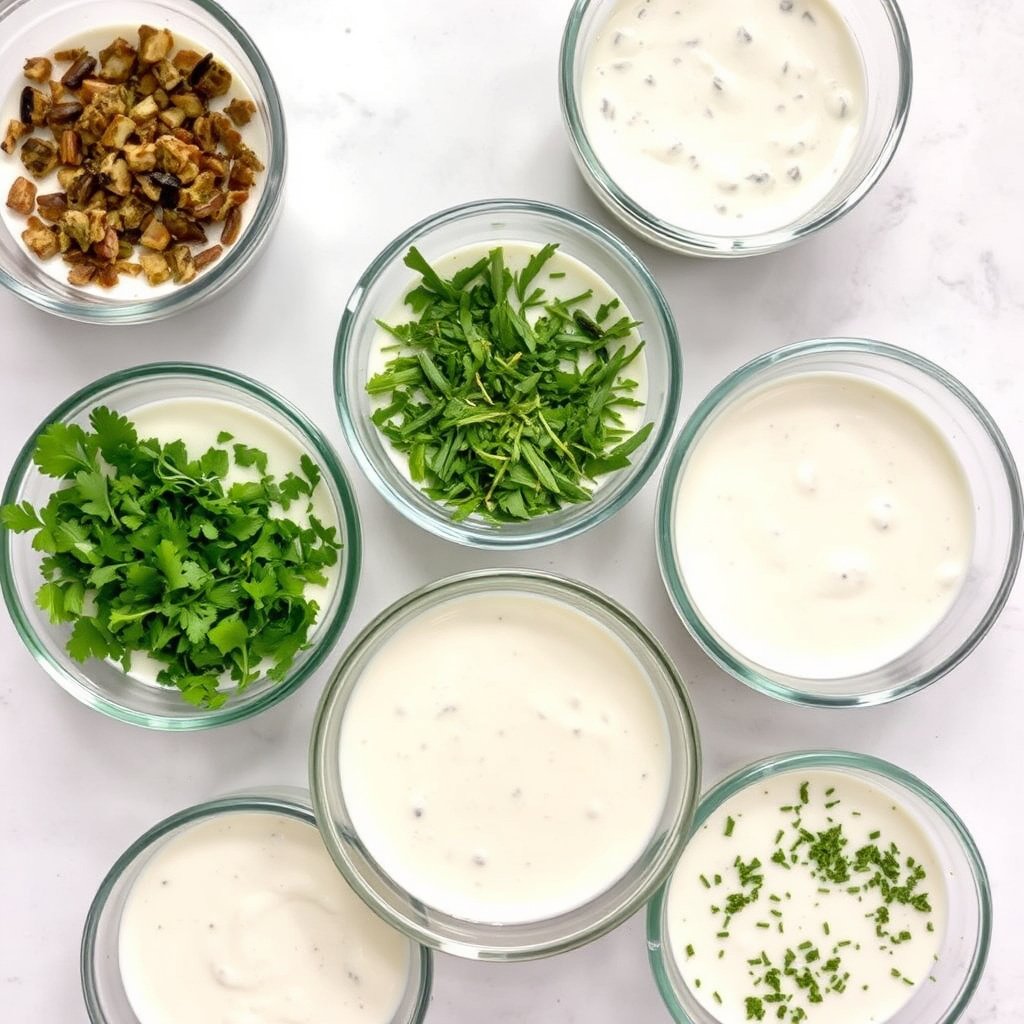
To add a kick, consider mixing in a teaspoon of hot sauce, cayenne pepper, or horseradish. These elements create a spicy ranch that pairs well with buffalo wings or grilled meats.
For tangy punch, add a tablespoon of lemon juice or white vinegar. This enhances brightness and balances the creamy bases.
- Hot sauce
- Cayenne pepper
- Horseradish
- Lemon juice
- White vinegar
For more on this, see our related guide: How to Make Wings: 8 Effective Methods for Crispy, Flavorful Results.
Dairy-Free and Vegan Options
If you prefer dairy-free ranch, substitute mayonnaise with vegan mayo and replace sour cream and buttermilk with plant-based alternatives like cashew cream or coconut yogurt blended with a splash of lemon juice.
These swaps will change the texture slightly but still deliver a creamy, flavorful dressing suitable for vegan diets.
Storage and Shelf Life of Homemade Ranch Dressing

Proper Refrigeration Practices
Store homemade ranch dressing in an airtight container in the refrigerator. It will generally keep fresh for up to one week. Avoid leaving it at room temperature for extended periods to maintain safety and flavor.
Stir well before each use as some separation may occur naturally, especially with fresh ingredients included.
Signs of Spoilage
If the dressing develops an off smell, discoloration, or mold, discard it immediately. Fresh herbs or dairy components can cause faster spoilage compared to commercial dressings.
Regularly check your dressing’s smell and appearance, especially after several days in the fridge.
Serving Suggestions and Uses for Ranch Dressing

Classic Pairings
Ranch dressing is a go-to for green salads, providing creamy contrast to crisp vegetables. It also complements fresh-cut veggies as a dip, making it a favorite appetizer offering.
Enjoy it alongside crispy chicken wings, use it as a sandwich spread, or drizzle over baked potatoes for rich flavor.
For more on this, see our related guide: How to Make Onion Rings: Simple Steps for Crispy, Perfect Results.
Creative Culinary Uses
Beyond traditional uses, ranch can be incorporated into pasta salads, mixed with cream cheese for spreads, or used as a marinade base for meats.
You can even use it as a sauce on burgers or tacos to add coolness and herbaceous notes.
Health Considerations When Making Ranch Dressing
Calorie and Fat Content
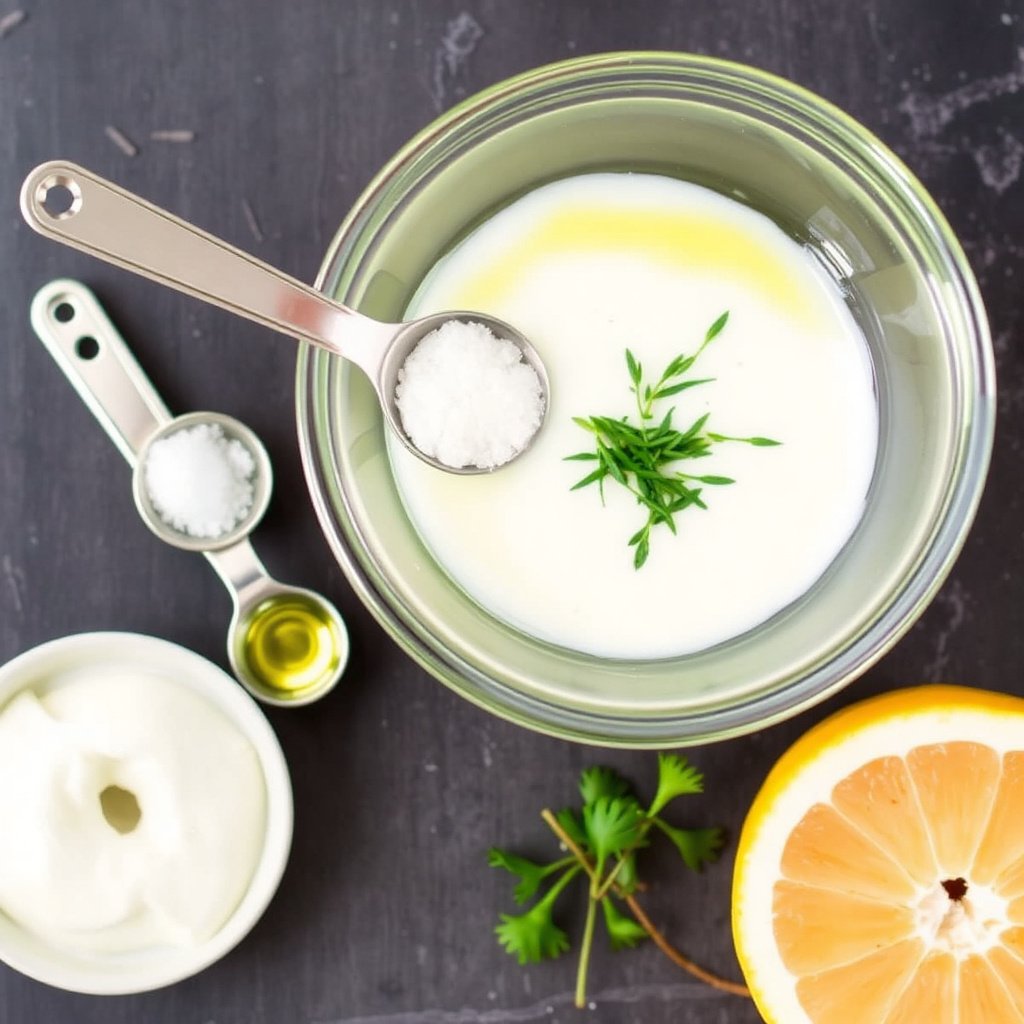
Classic ranch dressing is calorie-dense due to mayonnaise and sour cream. To reduce calories, swap full-fat mayo for light versions or substitute some mayonnaise with Greek yogurt for added protein.
Be mindful of portion sizes as ranch can quickly add fat and calories to your meals.
For additional historical context and variations on ranch dressing, see the detailed article on Ranch dressing information on Wikipedia. Ranch dressing information on Wikipedia.
Sodium and Allergens
Homemade ranch allows control over sodium content by adjusting salt levels. Store-bought versions often contain high sodium and preservatives.
Watch out for dairy allergies or intolerances in your ingredients, and consider dairy-free options if necessary.
Ranch Dressing Styles Comparison
Here is a comparison of common ranch dressing styles focusing on flavor, texture, calorie content, and best uses.
| Style | Flavor Profile | Texture | Calories per 2 tbsp | Best Use |
|---|---|---|---|---|
| Classic | Creamy, tangy, herbaceous | Smooth and thick | 140 | Salads, dips |
| Spicy Ranch | Creamy with a hint of heat | Medium thickness | 145 | Buffalo wings, sandwiches |
| Low-Calorie | Milder, less fat | Thinner consistency | 70 | Light salads |
| Vegan | Herb forward, slightly tangy | Creamy but less thick | 110 | Vegan dishes, dips |
Frequently Asked Questions
Can I make ranch dressing without buttermilk?
Yes, you can substitute buttermilk with regular milk mixed with a teaspoon of lemon juice or vinegar to mimic its acidity and texture.
How long does homemade ranch dressing last in the fridge?
Homemade ranch dressing typically lasts up to one week refrigerated in an airtight container before it starts to spoil.
Can I use fresh herbs instead of dried in ranch dressing?
Fresh herbs can be used and provide brighter flavor; however, you may need to use more to achieve the same intensity as dried herbs.
Is ranch dressing suitable for a vegan diet?
Traditional ranch contains dairy, but you can make vegan ranch by using plant-based mayonnaise, dairy-free sour cream, and substitutes for buttermilk.
What are good ways to make ranch dressing thicker?
To thicken ranch dressing, add more sour cream or decrease buttermilk. Letting it chill longer can also improve its body.
Key Takeaways
- Homemade ranch dressing uses a creamy base of mayonnaise, sour cream, and buttermilk.
- Fresh or dried herbs along with garlic and onion powders define ranch’s flavor.
- Adjust thickness by varying buttermilk quantity to suit your preference.
- Homemade ranch can be customized for spice, tang, or dietary needs like vegan options.
Conclusion
Choosing how to make ranch dressing at home offers full control over ingredients, taste, and texture—a benefit over generic store-bought bottles. Consider the balance between creaminess and tang, and the type of herbs you prefer. Experiment with the base ratio of mayonnaise, sour cream, and buttermilk until you find your preferred consistency and flavor profile.
For anyone seeking a classic flavor, sticking to the traditional combination of mayonnaise, sour cream, buttermilk, and common herbs like parsley and dill is ideal. Those wanting to spice it up can add hot sauce or cayenne, while individuals needing dairy-free options can switch to plant-based substitutes. Each variation serves different occasions from salad dressings to dips and spreads, demonstrating the versatility of ranch dressing.
Start by gathering your main ingredients and try the base recipe outlined here. Taste and tweak each batch to fit your favorite tastes—then store it properly to maintain freshness. Whether for casual dips or enhancing meals, homemade ranch dressing brings richer flavor with fewer additives, making it a rewarding kitchen staple.