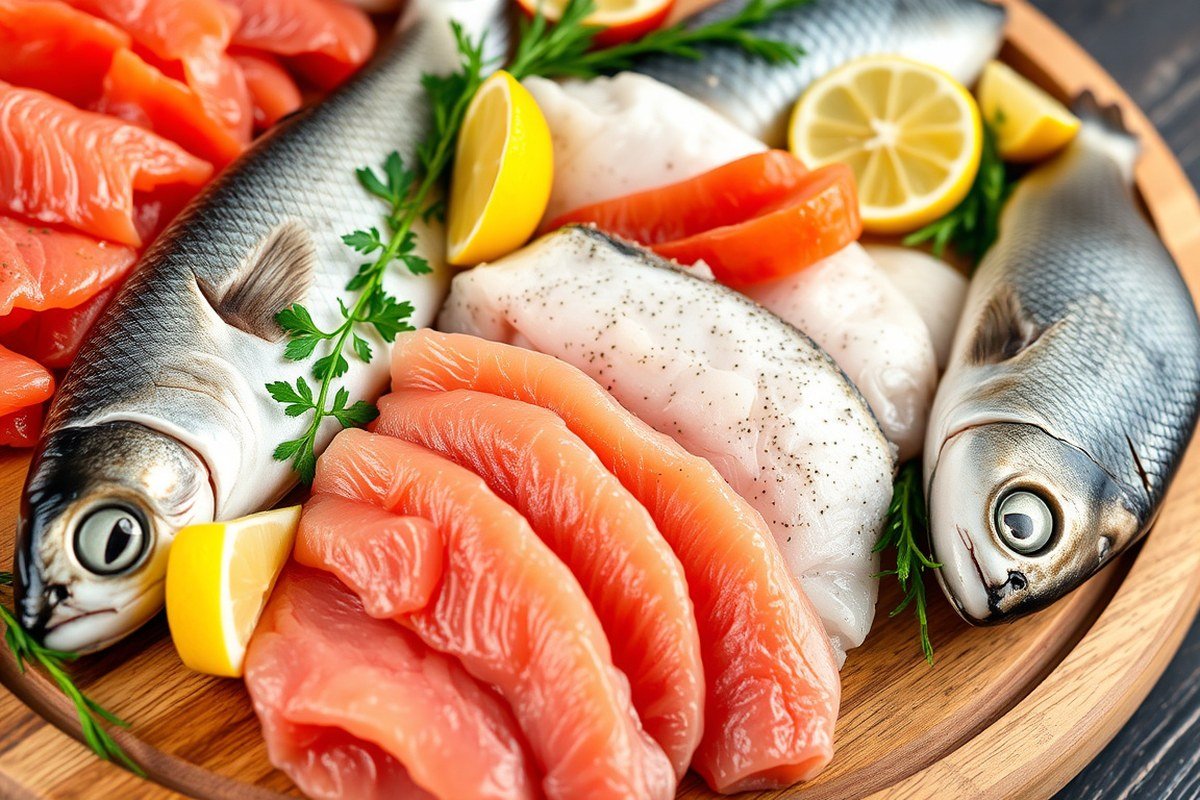
What Is the Best Fish to Eat for Health and Sustainability: A Complete Guide
The best fish to eat for health and sustainability are those rich in omega-3 fatty acids, low in mercury, and responsibly harvested. Prioritize fatty fish like salmon, sardines, and mackerel that support heart and brain health while minimizing environmental impact. These choices offer high protein, essential nutrients, and a balance between wild-caught and farm-raised sources that promote both your wellness and ocean preservation.
This information is ideal for health-conscious consumers and seafood lovers looking to increase fish intake safely. You’ll find clear guidance on the healthiest, most sustainable fish options, how to avoid contaminants, and tips to enjoy fish as a nutritious, tasty addition to your diet.
Key Takeaways
- Aim for two 4-ounce servings of fish weekly to get 250-500 mg of EPA and DHA omega-3 fatty acids.
- Choose low-mercury fish like salmon, sardines, and rainbow trout to reduce contaminant exposure risks.
- Pregnant women and children under 11 should limit high-mercury fish and focus on safer alternatives.
- Select sustainable fish certified by reputable organizations to support ocean health and prevent overfishing.
- Both wild-caught and responsibly farm-raised fish can fit into a healthy diet without limiting nutrient intake.
- Incorporate a variety of fish types to balance flavor preferences, nutrition, and environmental impact.
Top Fish to Eat for Health and Nutrition

Choosing the best fish for health means looking for types high in omega-3 fatty acids, quality protein, essential vitamins like D and B12, and low mercury levels. Coldwater fatty fish such as wild-caught salmon, sardines, and Atlantic mackerel meet these criteria well. They offer heart- and brain-healthy omega-3s known as DHA and EPA, along with vitamin D, selenium, and high protein quality.
Including these fish twice a week can provide notable benefits for cardiovascular and cognitive health. Wild salmon stands out for its nutrient density and low mercury. Sardines and Atlantic mackerel also offer very high omega-3 content with the added advantages of very low and low mercury levels, respectively. Other good choices include trout, herring, and anchovies, each bringing a strong mix of nutrients without the trade-offs of high contamination.
| Fish | Omega-3 Content | Mercury Level | Protein | Sustainability |
|---|---|---|---|---|
| Wild Salmon | Very High | Low | High | Excellent |
| Sardines | Very High | Very Low | High | Excellent |
| Atlantic Mackerel | Very High | Low | High | Excellent |
| Trout | High | Low | High | Excellent |
| Herring | Very High | Low | High | Good |
| Anchovies | High | Very Low | Moderate | Excellent |
| Pollock | Moderate | Low | High | Excellent |
Affordable seafood options like canned tuna, particularly skipjack, deliver valuable omega-3 fats, vitamin B12, iron, and selenium, though they carry some mercury and varying sustainability scores. Arctic char also ranks high in protein, omega-3s, vitamin B12, and selenium, which support cardiovascular, brain, and immune functions. Lean fish such as sole provide about 0.6 grams of omega-3s per serving, helping with heart and bone health while staying low in calories.
Incorporating fish rich in omega-3 fatty acids and key vitamins helps lower the risk of heart disease, supports brain function, and contributes to overall well-being. Prioritize wild-caught or sustainably sourced fish with low mercury when possible to maximize benefits and minimize risks. Cost or availability challenges can be managed by combining fatty, omega-3 rich fish like sardines or mackerel with more affordable canned tuna for a sensible and balanced seafood intake. Remember to vary your fish types to capture a broad spectrum of nutrients and reduce contaminant exposure.
How Mercury and Contaminants Affect Fish Choices
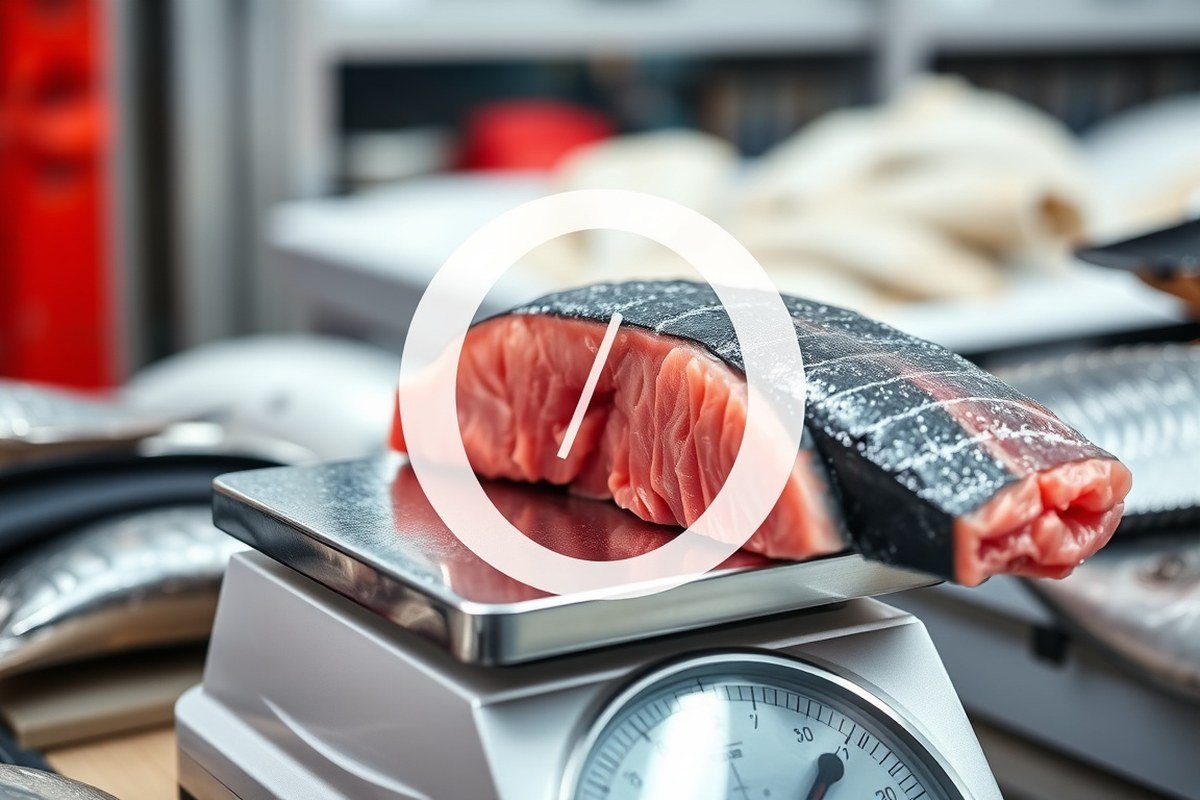
Mercury is a natural element that can become a harmful contaminant in fish, especially in larger, longer-living species. Mercury accumulates in the water and then bioaccumulates in fish through the food chain. This means fish higher up the food chain tend to have more mercury because they eat smaller fish that have already absorbed mercury. Eating too much mercury can affect the nervous system, which is why pregnant women, breastfeeding mothers, and young children need to limit their intake of certain fish.
The FDA advises avoiding certain fish known for higher mercury content, such as king mackerel, marlin, orange roughy, shark, swordfish, tilefish, and bigeye tuna. These species tend to accumulate mercury at levels that might pose health risks. Because swordfish and shark are top predators, they have especially improve mercury concentrations and should be consumed only rarely or avoided by vulnerable populations. Tuna, a popular fish, has moderate to high mercury, so adults are encouraged to keep consumption around 6 ounces per week, while children and pregnant women should eat less.
Fish lower on the food chain like catfish, herring, and farmed salmon usually have lower mercury levels and high nutritional value. Catfish is naturally low in mercury and a good protein source. Herring is also a beneficial choice because it reproduces quickly and carries omega-3s and vitamin B12 with less risk of contamination. Farmed salmon, both wild and farmed, shares similarly low mercury levels and essential fatty acids, making it safe for regular consumption.
Those most at risk, including children under 11 and pregnant or breastfeeding women, should follow specific consumption limits to reduce mercury exposure. The FDA recommends adults eat two 4-ounce servings of low-mercury fish per week. Pregnant or breastfeeding women should limit fish intake to one serving per week. For children under 5, certain fish with low mercury can be eaten up to two times per month, but fish with higher mercury levels should be avoided or limited accordingly. Monitoring portion size and frequency is essential to balance nutritional benefits with contaminant risks.
To decide which fish to buy and how often to eat it, apply this checklist: choose smaller, shorter-lived fish like herring or catfish; avoid or limit large predators like swordfish and shark; keep adult intake at two 4-ounce servings weekly; restrict pregnant or breastfeeding women to one serving per week of low-mercury fish; and limit young children to occasional servings of low-mercury types. Following this decision rule helps you enjoy the health benefits of fish while minimizing mercury risk.
Always check local advisories for mercury levels in fish caught from local waters before including them regularly in your diet.
Sustainable Fish: Choosing Eco-Friendly Options
Choosing sustainably sourced fish means selecting seafood caught or farmed in ways that protect ocean ecosystems and prevent overfishing. Look for trusted certifications and avoid species known to be overfished or farmed irresponsibly. Not all farm-raised fish are less sustainable than wild-caught; some farms follow strict environmental standards that make their products eco-friendly choices.
Key Sustainability Labels Explained
One reliable way to identify sustainable fish is to check for certification labels. The Marine Stewardship Council (MSC) blue label confirms that wild-caught seafood comes from fisheries managing their stocks responsibly and minimizing environmental impacts. For farmed fish, the Best Aquaculture Practices (BAP) seal and Aquaculture Stewardship Council (ASC) certification ensure the farm meets environmental and social standards.
Look for terms on packaging or menus such as pole-and-line-caught, troll-caught, or FAD-free. These methods avoid large nets that capture unintended species (bycatch) and reduce damage to the marine environment. Labels like these signal lower ecological harm from the fishing method.
Top Sustainable Fish to Include
The following fish are recognized for being both nutritionally beneficial and sustainably sourced, meaning they come from abundant populations or responsible farms.
- Wild-caught Alaskan salmon (MSC certified)
- Pacific sardines and anchovies, low on the food chain and reproduce quickly
- Farm-raised rainbow trout with BAP certification
- Pacific cod from well-managed fisheries
- U.S. Farmed striped bass raised with sustainable practices
- Mussels and oysters from certified farms
- Wild-caught mahi-mahi from pole-and-line fisheries
These choices often contain high levels of omega-3s and protein, supporting your health without risking ecosystem damage. Certified farm-raised fish such as rainbow trout can be more sustainable than some wild-caught options because farms can control feed, antibiotics, and environmental effects.
Fish to Avoid for Environmental Reasons
Some fish species are overfished or come from farms with harmful practices, and avoiding these helps protect marine life and supports sustainable fisheries overall.
- Atlantic bluefin tuna, heavily overfished with slow reproduction rates
- Chilean sea bass (Patagonian toothfish) due to illegal fishing and population decline
- Orange roughy, a long-lived species vulnerable to overfishing
- Wild-caught shrimp from trawling fisheries that cause bycatch damage
- Imported farmed salmon without certifications, linked to heavy antibiotic use
- Grouper and snapper from poorly managed fisheries
Checking for sustainability labels and favoring fish lower on the food chain or from certified farms reduces risks to ocean health. Ignoring these factors often leads to contributing to habitat destruction and loss of biodiversity.
Eating Fish Safely: Guidelines for Different Ages
Safe fish consumption varies depending on age and condition, particularly for children, pregnant, and breastfeeding women. Following tailored guidelines helps you get important nutrients like omega-3s while minimizing mercury exposure risks.
Fish Consumption Limits for Children
Children should eat fish in moderation due to their smaller body size and developing nervous systems that are more vulnerable to mercury. The EPA and FDA recommend limiting fish with high mercury content, such as shark, swordfish, king mackerel, and tilefish, completely for children. For safer options, children can consume 1 to 2 servings of low-mercury fish per week, with one serving generally defined as 2 to 4 ounces depending on the child’s age and size.
Fish selections low in mercury include salmon, sardines, and pollock. These types help supply essential nutrients needed for brain developmental growth.
- Avoid fish high in mercury completely
- Limit tuna varieties: no tuna for young children
- Offer small portions: 2 to 4 ounces per serving
- Serve 1 to 2 servings a week of “Best Choices” fish
- Check local advisories for freshwater fish safety
By carefully choosing which fish to serve and how often, you help your child gain necessary nutrients without unnecessary health risks.
Recommendations for Pregnancy and Breastfeeding
Pregnant and breastfeeding women benefit greatly from eating fish, getting nutrients like omega-3s, iron, and choline that support fetal and infant brain development. The EPA and FDA advise eating 8 to 12 ounces per week of fish from the “Best Choices” list or 4 ounces from the “Good Choices” list. These typically include lower-mercury fish such as salmon, shrimp, and canned light tuna.
It is critical to avoid fish known for high mercury levels during pregnancy and breastfeeding. These include shark, swordfish, king mackerel, and tilefish, due to potential harm to the baby’s developing nervous system.
- Eat 2 to 3 servings weekly (total 8-12 ounces) from low-mercury fish
- Include fish rich in omega-3s such as salmon and sardines
- Avoid shark, swordfish, king mackerel, tilefish entirely
- Limit albacore tuna to 4 ounces per week
- Check local advisories before eating locally caught fish
Eating a variety of safe fish during pregnancy and breastfeeding supports your health and your baby’s growth, while limiting mercury exposure risks.
General Adult Serving Guidelines
The 2015-2020 Dietary Guidelines recommend adults eat 8 ounces of fish weekly, split into two servings. These servings deliver between 250 and 500 milligrams of EPA and DHA, omega-3 fatty acids essential for heart and brain health.
Choose a variety of fish from the “Best Choices” list, which are lower in mercury and rich in nutrients. For example, Arctic char, salmon, and herring offer beneficial omega-3s without high mercury risks. Consuming fish from sources without a local advisory calls for limiting intake to one serving weekly to reduce potential contamination risks.
Comparing Wild-Caught vs Farm-Raised Fish
Both wild-caught and farm-raised fish offer good sources of protein and omega-3 fatty acids, but differences exist in omega-3 levels, contaminants, and environmental impact. Wild-caught fish generally contain slightly higher omega-3s and lower overall contaminants like mercury, especially in species like wild salmon and Arctic char.
Farm-raised fish usually have similar or slightly lower omega-3 content depending on feed quality. Their nutrient profile is often comparable, making farm-raised fish a sensible choice for those focused on affordability without sacrificing health benefits. Some concerns persist about contaminants and antibiotics in certain farmed fish, so choosing reputable sources is essential.
| Aspect | Wild-Caught Fish | Farm-Raised Fish |
|---|---|---|
| Omega-3 Levels | Moderately higher (e.g., 1.57-1.83 g EPA+DHA per 3 oz wild salmon) | Comparable but sometimes lower; depends on feed |
| Contaminants | Lower mercury in smaller species like Arctic char; risk varies with species | Possible contamination from antibiotics or chemicals if poorly managed |
| Nutritional Value | High protein, omega-3s, vitamin B12, selenium | Similar nutrient content; can vary by farming practices |
| Environmental Impact | Potential overfishing risks; water ecosystem disruption | Concerns over waste, feed sourcing, antibiotic use |
| Cost | Generally higher price | Often more affordable |
Choosing between wild and farm-raised fish depends on balancing your budget, health priorities, and environmental concerns. Selecting smaller fish such as Arctic char or sardines can reduce mercury exposure and still provide heart-healthy omega-3s. Prioritize fish labeled as responsibly sourced or certified sustainable.
Look for wild or farmed fish certified by reputable organizations to ensure quality and minimize environmental harm.
For regular inclusion in your diet, don’t let cost alone deter you from buying farm-raised fish, which generally offers a safe and nutritious option. When aiming to maximize omega-3 intake, wild varieties like salmon are preferred but should be balanced with concerns about overfishing and freshness.
How to Select, Store, and Cook Fish for Maximum Benefit
Choosing fresh fish starts with checking its appearance and smell. Look for firm flesh that springs back when pressed and clear, bright eyes. Avoid fish with dull, sunken eyes or a sour odor, as these indicate it’s past its prime. Fresh fish should smell like clean water or have a mild ocean scent, not fishy or ammonia-like. Depending on where you shop, ask for fish caught or delivered within the last 24-48 hours for the best quality.
Proper storage is key to keeping fish safe and retaining nutrients. Keep fresh fish below 40°F by storing it in the coldest part of your refrigerator, ideally on a bed of crushed ice inside a shallow pan covered loosely with plastic wrap. If you won’t eat the fish within two days, freezing is best. Wrap it tightly in moisture-proof paper or vacuum-seal it to prevent freezer burn. Frozen fish maintains its omega-3s and protein well when kept at 0°F, but consume it within 3-6 months for peak flavor and nutrition.
When cooking fish, the method you choose affects nutrient retention, especially omega-3 fats. Steaming, poaching, baking, or grilling are good choices to keep fish moist without adding unhealthy fats. Avoid deep frying, which adds calories and can damage delicate oils. Cooking fish to an internal temperature of 145°F ensures safety while preserving texture and nutrients. Thicker cuts may need longer cooking times, but keep an eye on the fish to avoid overcooking, which dries it out and reduces omega-3 benefits.
- Check for clear eyes, firm flesh, and mild smell to pick fresh fish
- Store fresh fish on ice in the fridge, consume within 2 days
- Freeze if storing over 2 days; keep at 0°F and use within 6 months
- Cook fish at 145°F internal temperature to preserve nutrients
- Prefer baking, grilling, steaming, or poaching over frying
- Wrap fish well before freezing to avoid freezer burn
- Avoid fish with a sour or ammonia smell to ensure freshness
For canned fish like tuna or salmon, check the label for low sodium and quality sourcing to maximize health benefits. These options are convenient and shelf-stable but can lose some vitamin content during processing. Use them in salads, sandwiches, or cooked dishes for a quick boost of protein and omega-3s. Paying attention to handling and cooking techniques helps you enjoy fish safely while preserving its valuable nutrients.
Fish That Support Heart, Brain, and Immune Health
Fish provide essential nutrients that support heart, brain, and immune health through their rich content of omega-3 fatty acids, vitamins, and minerals. Consuming fish regularly helps reduce inflammation, supports cognitive function, and strengthens your body’s defenses.
Role of EPA and DHA in Heart Health
The omega-3 fats eicosapentaenoic acid (EPA) and docosahexaenoic acid (DHA) found in fatty fish contribute directly to cardiovascular health. These fats help lower blood triglycerides, reduce inflammation, and improve artery function, which lowers your risk of heart disease. For example, eating at least two servings per week of salmon, sardines, or lake trout can supply adequate EPA and DHA to meet heart health recommendations from the American Heart Association.
To get the most benefit, aim for about 250 to 500 milligrams combined EPA and DHA daily, which two 3.5-ounce servings of fatty fish typically provide. Including these fish in your diet four or five times a week offers added protection, especially if you have high cholesterol or other risk factors. Avoid relying solely on supplements because whole fish also provide protein and minerals important to cardiovascular health.
Fish Nutrients for Brain Function
DHA is particularly important for brain development and cognitive function in all ages. Children require DHA for optimal brain growth, while adults benefit from its role in maintaining memory and slowing cognitive decline. Fish such as Arctic char and sardines supply ample DHA along with vitamin B12, which supports nervous system health. Tuna provides vitamin B6 and B12 to help with nerve function and hormone regulation that influences mood and brain activity.
To support brain function, include fish rich in DHA at least twice a week. For instance, one 3.5-ounce portion of Arctic char offers a substantial amount of these omega-3s. Children’s servings can be smaller, about 2 ounces, but should still be frequent. Choose fish low in mercury to avoid risks during development. If you want a practical approach, swap one or two weekly meals for fatty fish dishes like grilled salmon or sardine salad.
Immune-Boosting Properties of Fish
Beyond omega-3s, fish provide vitamins and minerals such as vitamin B12, selenium, zinc, and phosphorus that are essential for a strong immune system. Selenium and zinc found in scallops and perch, for example, support immune cell function and antioxidant protection. Adequate intake of these nutrients helps your body fight infections and recover faster.
Regular consumption of fish supplying at least 15 micrograms of selenium and around 8 to 11 milligrams of zinc daily supports immune defenses. Including a variety of fish like perch, scallops, and tuna in your meals ensures you obtain a broad balance of nutrients. Fish protein also contributes to immune health by supporting muscle repair and maintaining energy levels necessary for immune responses.
Flavor, Texture, and How to Include Fish in Your Diet
Fish flavor ranges from mild and delicate to rich and pronounced, which affects how you can use it in meals. For a subtle taste, choices like cod, flounder, sole, and haddock have mild flavors and tender, flaky textures. These white fish fit well in simple baked or pan-fried dishes without overpowering other ingredients. Salmon, trout, mahi mahi, and sablefish bridge mild and richer flavor profiles with firm, moist flesh and a slightly sweet note, making them versatile for many cooking methods.
Strong-flavored fish like mackerel offer a richer, oilier taste and a flaky texture that stands up in bold recipes, such as tomato-based pasta sauces or fish cakes. The choice between mild and strong flavor impacts what spices and sides work best, as well as your preference for the fish eating experience. Mild fish suit first-timers and lighter recipes, while stronger fish provide a hearty seafood option.
Cooking fish can be simple and quick, especially with mild-flavored types that cook evenly and are forgiving in texture. For everyday meals, pan-searing fillets over medium heat for 3-5 minutes per side or baking at 400°F for about 10-15 minutes yields tender, flaky results. Striped bass and rainbow trout spoil quickly, so fresh fillets are best used within two days or frozen if storing longer. Adding fish to your diet can be straightforward with some practical approaches:
- Start with mild fish like cod or sole for pan-fried or baked dishes seasoned lightly with lemon and herbs.
- Use salmon or trout for salads, grain bowls, or simple grilling to add texture and color.
- Try fish sticks made from mild white fish for a kid-friendly, quick option.
- Incorporate stronger-flavored fish like mackerel in sauces, soups, or fish cakes where other ingredients balance the taste.
- Mix flaked fish into pasta sauces, casseroles, or tacos for added protein without a heavy fish flavor.
- Prepare fish tacos with grilled mahi mahi paired with fresh salsa and avocado for a nutritious meal.
- Use leftovers to make fish salads using yogurt or light mayo, combined with crisp vegetables.
Simple fish recipes take little time and often require just a few ingredients. Adding herbs like dill, parsley, or cilantro improve mild fish without masking delicate flavors. Using citrus and garlic brightens taste, especially for fish with tender textures. Buying fresh fillets and cooking soon after purchase maintains best flavor and texture.
Always check fish for freshness: it should smell clean and not overly fishy, with firm flesh that springs back when pressed.
The easiest fish to cook typically have firm, flaky textures that hold up to common methods such as baking, grilling, or pan-searing. Mild fish offer more recipe flexibility for beginners or those sensitive to strong seafood tastes, while richer fish provide more flavor intensity and omega-3 fat content for health benefits. Variety and simple preparation can help you consistently include fish in your diet with enjoyable flavors and textures.
Your Quick-Start Plan for Eating the Best Fish
Follow these steps to choose, prepare, and enjoy fish that support your health, sustainability goals, and safety concerns.
- Before you shop: Check local advisories on mercury and contaminants for your area to avoid risky fish varieties.
- Day 1: Buy wild-caught salmon or sardines from a reputable source known for sustainable practices; confirm freshness by smell and firmness.
- Week 1: Include fish rich in omega-3s like mackerel or trout in your meals at least twice this week to support heart and brain health.
- Week 2: Practice safe storage by refrigerating fish at 32 to 38°F and cooking it within 1 to 2 days to preserve nutrients and prevent illness.
- Week 3: Experiment with different cooking methods, such as grilling or baking, to maintain flavor and nutrition without adding unhealthy fats.
- After 1 month: Monitor how you feel after incorporating these fish regularly and adjust your choices based on taste preferences and any digestive responses.
- Every shopping trip: Look for eco-labels like MSC or ASC to promote sustainable fishing and reduce environmental impact.
Frequently Asked Questions
What Is the Best Fish to Eat for omega-3 Fatty Acids?
Wild-caught salmon, sardines, and Atlantic mackerel provide some of the highest omega-3 levels. These fish are nutrient-dense, low in mercury, and support heart and brain health.
Can Children Under 5 Eat Fish Regularly?
Children under 5 should avoid eating fish high in mercury more than twice a month. This reduces exposure to contaminants that can affect development.
Which Fish Have the Lowest Mercury Levels?
Smaller fish like sardines and farm-raised trout typically have low mercury. Choosing these helps you gain health benefits with less contamination risk.
Is Farm-Raised Fish as Healthy as Wild-Caught Fish?
Both can be healthy but wild-caught fish often have higher omega-3s and fewer contaminants. Look for responsibly farmed fish with certification for safety.
How Often Should Adults Consume Fish for Health Benefits?
Adults should eat two 4-ounce servings of fish per week to meet omega-3 needs. Pregnant women should limit to one serving to avoid mercury exposure.
Can Fish Support Immune Health?
Yes, fish rich in omega-3s and vitamins like salmon support immune system function. Selenium and vitamin D in some fish also contribute positively.
The Bottom Line
Choosing the best fish means balancing health benefits, safety, and environmental impact. Focus on species low in mercury with high omega-3 content, sourced sustainably, and prepared safely. Start by selecting one new healthy, sustainable fish option this week and enjoy the rewards for your heart, brain, and overall well-being.



2 Comments