How to Choose a Microwave Oven Without Turntable for Even Cooking
A microwave oven without turntable uses a flatbed technology or advanced wave distribution to cook food evenly without the traditional rotating plate. This makes it ideal for larger or irregularly shaped dishes, as the flat cooking surface maximizes usable space while providing consistent heating.
These microwaves have gained popularity because they offer more cooking room, easier cleanup, and can accommodate a variety of containers that otherwise wouldn’t spin smoothly on a turntable. Choosing one without a rotating plate matters if you want flexibility in food placement or prefer a more spacious interior.
This article explains the main benefits and trade-offs of microwave ovens without turntables, including how flatbed designs work, what features to look for, performance aspects, and budget considerations. We’ll also compare models and offer buying suggestions based on common kitchen needs.
Understanding Microwave Oven Without Turntable Technology

How Flatbed Microwaves Distribute Heat
Flatbed microwaves replace the traditional rotating glass plate with a stationary flat surface and use a set of antennas or a rotating stirrer fan inside to distribute microwaves uniformly. This technology allows microwaves to bounce inside the cavity in multiple paths, promoting even cooking without turning the food.
Because the food doesn’t need to rotate, larger or odd-shaped dishes fit easily. The flatbed also reduces blind spots and hot or cold spots common with turntables, resulting in consistent heating and better texture.
Common Designs: Flatbed vs Turntable Microwaves
Traditional microwaves use a motorized turntable to rotate food, making sure microwaves hit the surface evenly. Flatbed models eliminate this component, leading to simpler internal mechanics and roomier interiors.
While turntable microwaves may be cheaper and more common, flatbed variants tend to offer higher reliability as the absence of a rotating mechanism reduces parts that can fail, making maintenance less frequent.
Advantages of Choosing a Microwave Oven Without Turntable

Maximized Cooking Space
Without a rotating plate, flatbed microwaves provide a completely flat cavity, allowing more usable space for dishes of varying shapes and sizes. You can fit trays, casseroles, or multiple plates side by side without worrying about clearance on the turntable.
This is particularly beneficial in families or households that often cook larger meals or prefer using non-round cookware, improving overall kitchen efficiency.
- Accommodates rectangular or odd-shaped dishes
- Can fit multiple plates simultaneously
- More accessible interior space
Easier Cleaning and Maintenance
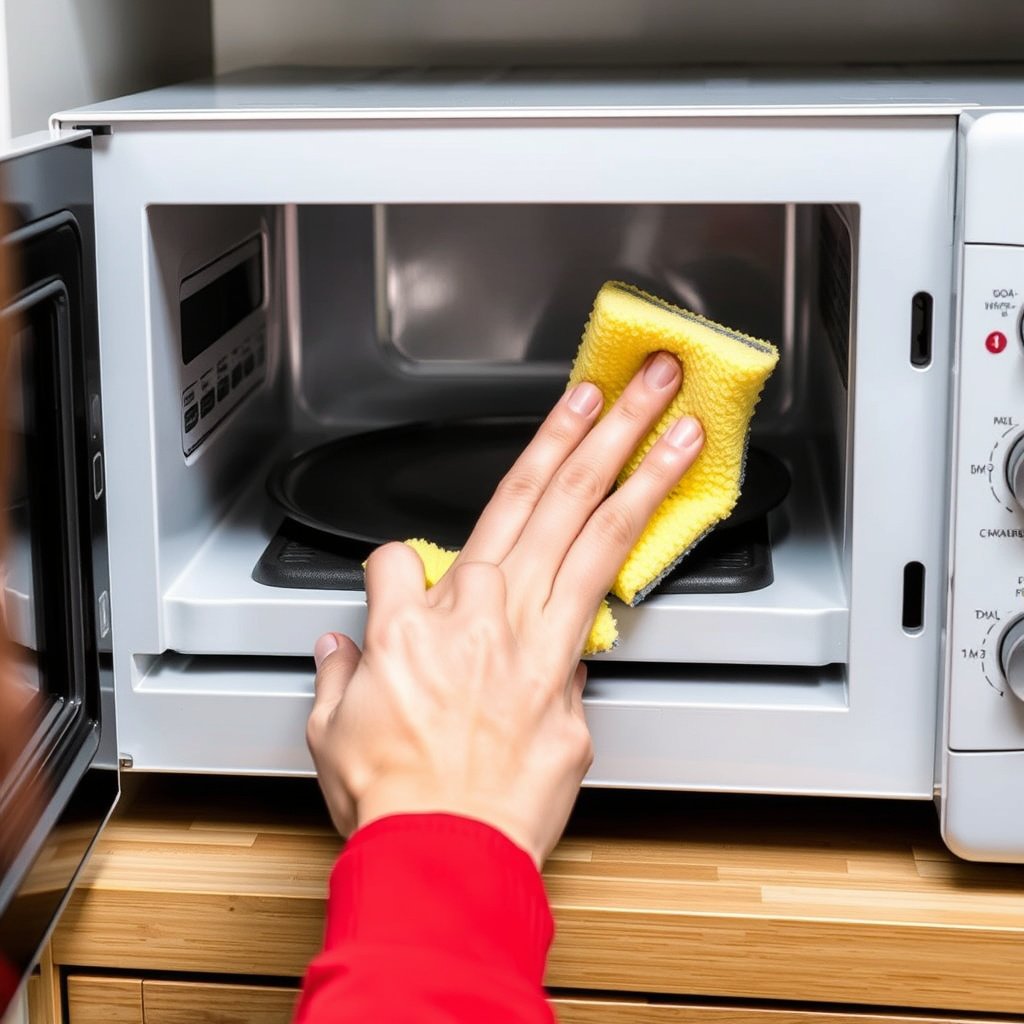
Flat, smooth surfaces without small parts like rotating motors and rollers mean fewer crevices where food spills and crumbs accumulate. Cleanup is faster and more straightforward, often requiring only a quick wipe with a damp cloth.
Additionally, the design reduces mechanical failures linked to turntable components, so you spend less time and money on repairs.
- No motorized parts to clean
- Simpler interior surface
- Fewer mechanical breakdowns
Potential Drawbacks and Considerations

Price and Availability
Microwave ovens without turntable tend to be priced higher than basic models with rotating plates since flatbed technology is newer and less widespread. Availability might be lower in some markets, limiting options if you specifically need this design.
However, growing demand means more brands and models are now produced, balancing out early shortages.
Learning Curve for Cooking Times
Even heat distribution changes how long food requires to cook and how power settings affect results. Some users may experience a brief adjustment period experimenting with cooking times to match their favorite recipes with a flatbed microwave.
Many manufacturers provide custom presets and manuals that simplify this transition and improve user experience.
Key Features to Look for in a Microwave Oven Without Turntable

Power Output and Wattage
Power rating impacts cooking speed and uniformity. Microwaves without turntable vary from 700 to 1200 watts; higher wattage cooks faster and heats more thoroughly but may consume more electricity.
Choosing a model with adjustable power levels is useful for delicate tasks like defrosting or reheating leftovers without overcooking.
- Standard wattage range: 700-1200W
- Adjustable power settings recommended
Control Options and Presets
Look for intuitive controls including digital touchpads or knobs for easy setting adjustments. Many flatbed microwaves come with preset functions for common foods like popcorn, pizza, or beverages that automatically optimize time and power.
These presets reduce guesswork and help users adapt quickly to the flatbed design's heating dynamics.
- Preset cooking modes
- Timer and child lock features
Cleaning and Maintenance Tips for Flatbed Microwaves
Routine Cleaning Practices
Wiping the flat interior after each use prevents buildup of splatters and odors. Use mild soapy water or microwave-safe cleaner with a soft cloth. Avoid abrasive sponges that could scratch the glass surface.
Removing and cleaning the front door glass with a regular glass cleaner keeps visibility clear for monitoring food.
- Wipe daily with damp cloth
- Use non-abrasive cleaners
- Clean door glass regularly
Preventing and Handling Odors
Microwaves sometimes retain odors from strong spices or foods. Ventilate by microwaving a cup of water with lemon slices for a few minutes to neutralize smells naturally.
Avoid heating containers with strong residual smells without covers, and clean spills promptly to prevent long-term odor retention.
- Microwave water with lemon to deodorize
- Cover foods to avoid splatter
- Clean spills immediately
Comparing Microwave Oven Without Turntable Models and Brands

Popular Brands Offering Flatbed Microwaves
Samsung, Panasonic, and Sharp are among top brands with established flatbed microwave lines known for quality and innovation. Their models often include advanced sensors, inverter technology, and stylish designs.
These brands frequently receive positive user reviews for cooking performance and reliability, justifying their price points.
- Samsung
- Panasonic
- Sharp
For more details about microwave oven technology and its evolution, consult the microwave oven Wikipedia page. microwave oven technology.
Where to Buy and Price Ranges
Flatbed microwaves are available through major appliance retailers, online stores, and manufacturer websites. Pricing varies from roughly $150 for basic models to over $400 for premium versions with added features.
Choosing a retailer with a good return policy and warranty support is advisable due to the relatively higher investment.
Microwave Oven Without Turntable Category Comparison
Here's a comparison of different flatbed microwave categories to help you choose the right model for your kitchen needs.
| Category | Power (Watts) | Capacity (Liters) | Price Range (USD) |
|---|---|---|---|
| Compact Flatbed | 700-900 | 20-23 | 150-200 |
| Mid-Range Flatbed | 900-1000 | 25-28 | 200-300 |
| Premium Flatbed | 1000-1200 | 28-32 | 300-450 |
| Smart Flatbed Models | 1000-1200+ | 28-32+ | 350-500+ |
Frequently Asked Questions
Can I use any type of dish in a microwave without turntable?
Yes, you can use most microwave-safe dishes including rectangular or oval containers more comfortably in a flatbed microwave since there is no rotating plate restricting shape or size.
Are flatbed microwaves more energy-efficient than those with turntables?
Energy efficiency primarily depends on power usage and cooking time rather than turntable presence. Flatbed microwaves can save energy by cooking evenly and preventing reheats, but wattage is the main factor.
Do microwaves without turntable take longer to cook food?
Generally, flatbed microwaves cook food faster or at similar speeds due to improved wave distribution, but exact times depend on wattage and food type rather than the lack of a turntable.
How do I clean a microwave oven without turntable?
Cleaning is easier with a flatbed model—simply wipe the flat surface with a damp cloth and mild cleaner after use, avoiding harsh scrubbing to protect the glass surface.
Are there any foods that don’t cook well in a microwave without turntable?
Most foods cook well in flatbed microwaves because of even heating, but very dense or large items might still need occasional stirring or repositioning to ensure uniform temperature.
Key Takeaways
- Microwave ovens without turntable use flatbed technology for even cooking without rotating parts.
- They offer more interior space and easier cleaning compared to traditional turntable microwaves.
- Prices tend to be higher, but models from major brands provide reliable performance and presets.
- Adjusting cooking times may be needed initially to optimize results in flatbed microwaves.
Conclusion
Selecting a microwave oven without turntable can enhance your cooking flexibility and ease of use thanks to the flatbed design. Evaluating how the even heat distribution aligns with your typical meal preparation and dish sizes helps in making a sound choice. Consider power output, capacity, and available features along with price to find a microwave that fits your kitchen lifestyle well.
If you regularly use large or irregular containers, or dislike cleaning rotating mechanisms, a mid-range or premium flatbed microwave from reputable brands like Samsung or Panasonic might be best. Smaller models serve compact kitchens perfectly, whereas smart variants add convenience with sensor cooking. Understanding your cooking habits guides these decisions effectively.
Ultimately, opting for a microwave without turntable offers practical benefits in everyday food preparation. Begin by measuring your available kitchen space and setting a budget, then explore models supporting your power and control preferences. Testing in-store or reading detailed user reviews can further assist before making your final purchase.