How to Choose the Best Microwave Range Hood Combination for Your Kitchen
A microwave range hood combination is a dual-purpose appliance that integrates a microwave oven with a vent hood, saving valuable kitchen space while providing essential ventilation above your cooking surface. It allows you to efficiently cook and remove smoke, steam, and odors without installing separate units.
Many kitchens struggle with limited counter and cabinet space, making this combination a popular choice for homeowners seeking both functionality and a streamlined look. These units help maintain air quality by filtering airborne grease and cooking fumes, which is particularly useful in open-concept kitchen layouts.
This article explores key factors to evaluate when choosing a microwave range hood combination, including ventilation types, size, power features, installation styles, and popular models. It will also compare various categories and answer frequently asked questions to guide your buying decision.
Understanding Microwave Range Hood Combination Ventilation Types

Vented (External Exhaust) Systems
Vented microwave range hood combinations channel cooking fumes and moisture outside through ductwork, offering superior air quality by expelling heat, smoke, and odors completely out of the kitchen. This type requires existing duct pathways or new installation to the exterior wall or ceiling.
While vented systems are often more effective in removing contaminants, they can be more complex and expensive to install due to the need for proper duct routing. Homeowners with the right kitchen layout and permanent ventilation needs usually prefer this option.
- Direct removal of smoke and odors outside
- Requires ductwork installation
- Typically quieter in operation
Recirculating (Ductless) Systems
Recirculating microwave range hoods filter air through charcoal or carbon filters and then release cleaned air back into the kitchen. This solution is ideal when duct installation is impossible or undesirable, offering flexibility in apartments and older homes.
However, recirculating models may not remove moisture or heat as efficiently, and their filters require frequent cleaning or replacement. They are generally easier to install and more budget-friendly but less powerful than vented counterparts.
- Filters grease and odors internally
- No ductwork needed
- Filters require regular maintenance
Evaluating Size and Capacity for Your Kitchen

Standard Dimensions and Fit
Most microwave range hood combinations come in standard widths of 24, 30, or 36 inches to match common stove sizes. Ensuring proper fit is critical for safety and performance, so it’s key to measure your cooking space and compare dimensions carefully.
The depth and height of these units also vary, affecting both storage capacity and head clearance. Shallow models may save space but offer less microwave volume, while taller models might limit overhead reach.
- Measure stove width and overhead cabinet space
- Consider microwave cavity volume
- Check manufacturer height recommendations
Ventilation Power and Fan Speeds
The ventilation power of a microwave range hood is rated in cubic feet per minute (CFM), indicating how much air it can move. For effective removal of smoke and steam, aim for at least 300 CFM for electric stoves and 400+ CFM for gas ranges.
Multiple fan speeds allow you to adjust ventilation levels according to cooking intensity. Some models include sensors that automatically adjust fan speed based on steam or smoke detection, enhancing convenience and efficiency.
- Look for variable fan speed settings
- Match CFM rating to cooking type
- Automatic sensors offer added control
Key Features and Controls to Consider
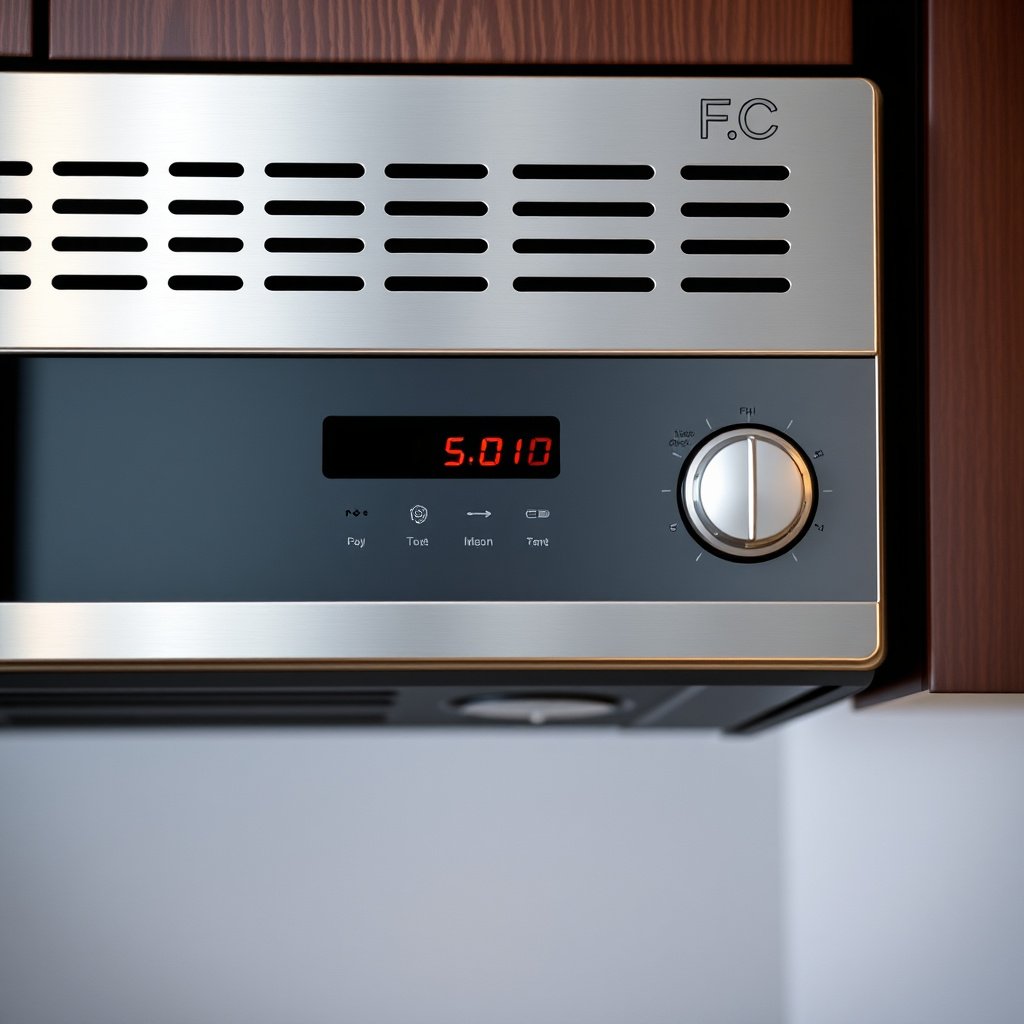
Control Options and Display
Microwave range hood combinations offer various control types, including push buttons, touchpads, and digital interfaces. Digital controls often provide timer settings, clock displays, and preset cooking modes for convenience.
Ease of use is essential, especially for frequently used appliances. Models with illuminated control panels and intuitive layouts help prevent cooking distractions and improve user experience.
- Touchpad vs. push button
- Illuminated control panels
- Preset cooking modes
Lighting Solutions
Most combinations include built-in task lighting to illuminate the cooktop. LED lights are more energy-efficient and last longer than incandescent bulbs, providing bright, even lighting without heat buildup.
Some units offer adjustable brightness or multiple lighting settings to customize cooking ambiance and visibility. Proper lighting improves cooking accuracy and safety.
- LED lighting preferred
- Adjustable brightness options
- Even cooktop illumination
Installation and Maintenance Insights

Installation Requirements
Installing a microwave range hood combination typically involves mounting the unit securely above the stove and connecting electrical wiring and, if applicable, ductwork. It often requires 120V power and adequate clearance from cooking surfaces as per manufacturer guidelines.
For vented models, proper duct size and routing are critical to avoid performance loss. Hiring a professional installer can ensure safety and compliance with local codes.
- Check clearance and electrical supply
- Ductwork dimensions and placement
- Consider professional installation
Cleaning and Filter Replacement
Regular cleaning of grease filters is required to maintain ventilation efficiency. Most combinations use dishwasher-safe metal baffle or mesh filters for grease capture. Charcoal filters in recirculating models need replacement every 6-12 months.
Microwave interiors should also be cleaned regularly to prevent buildup. Easy-to-remove filters and accessible components can simplify upkeep.
- Metal grease filters are reusable
- Charcoal filters require replacement
- Keep microwave cavity clean
Popular Microwave Range Hood Combination Brands and Models
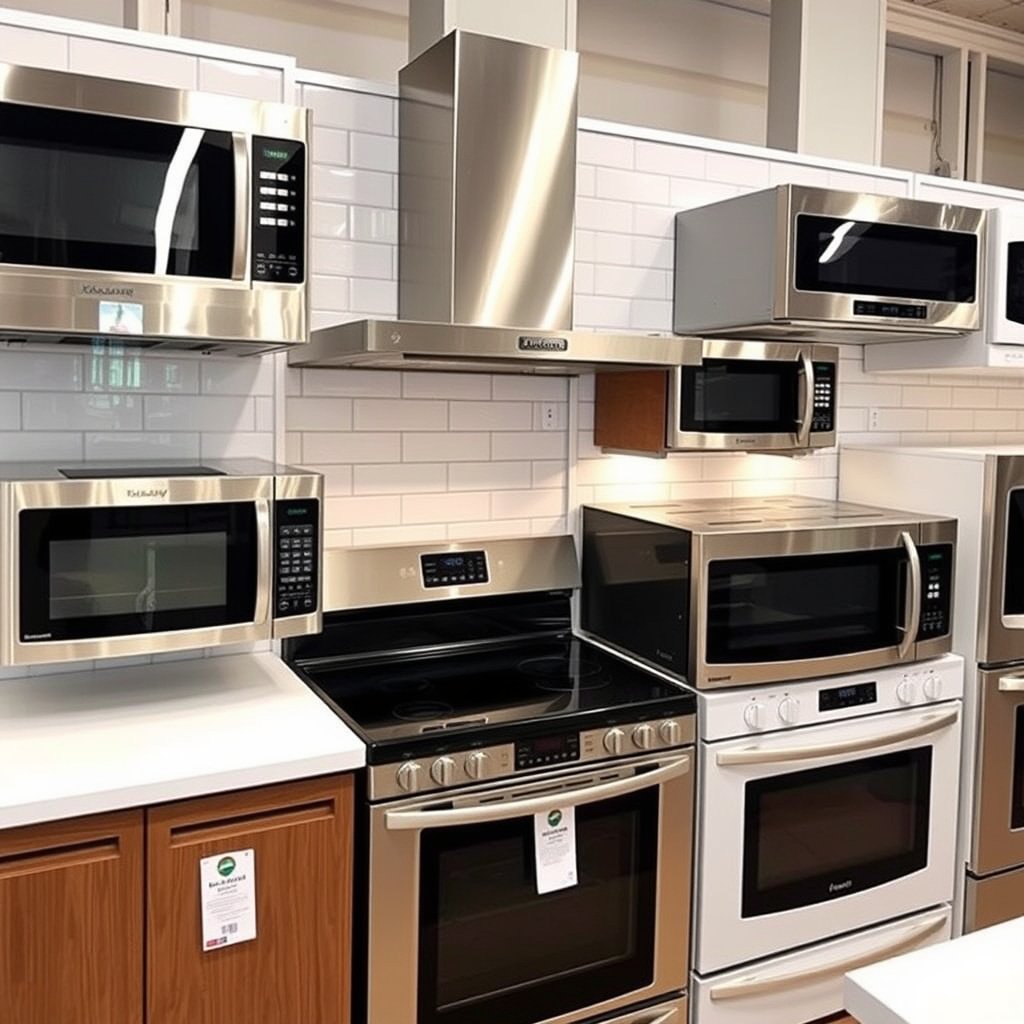
Leading Brands Overview
Brands like GE, Whirlpool, Samsung, and LG dominate the microwave range hood combination market, offering a range of products in different sizes and ventilation types. These manufacturers provide reliable performance, modern features, and strong warranties.
Researching brand reputation, customer reviews, and after-sales support is worthwhile to avoid common issues such as noisy fans or poor cooking performance.
- GE: reliable models with vented options
- Whirlpool: budget-friendly with user-friendly controls
- Samsung and LG: feature-rich, modern designs
Notable Models to Consider
The GE JVM3160RFSS offers a 30-inch vented microwave hood with 300 CFM and sensor cooking, suitable for mid-size kitchens. Whirlpool’s WMH31017HZ is a well-priced over-the-range microwave with hood combining effective ventilation and simple controls.
Samsung’s ME16K3000AS features a sleek design and recirculating ventilation, while LG’s LCRT2010ST includes high CFM rating and multiple fan speeds, ideal for more demanding cooking environments.
- GE JVM3160RFSS: vented, sensor cook
- Whirlpool WMH31017HZ: affordable, easy use
- Samsung ME16K3000AS: ductless, modern look
- LG LCRT2010ST: high airflow, versatile
How to Choose the Right Microwave Range Hood Combination

Balancing Ventilation and Cooking Needs
Assess your primary cooking methods before selecting a microwave range hood combination. Gas stovetops generally need higher ventilation power (at least 400 CFM) to manage combustion gases, whereas electric cooktops can suffice with 300 CFM units.
Choosing between vented vs. recirculating ventilation depends on your kitchen’s structure and whether external ducting is feasible. Proper ventilation improves indoor air quality and reduces buildup of grease and odors.
For additional background on microwave ovens and their technologies, you may refer to the Microwave oven article on Wikipedia. Microwave oven on Wikipedia.
Considering Space and User Lifestyle
Evaluate your kitchen’s cabinetry and overhead clearance to ensure the microwave fits without obstructing movement or sight lines. The microwave volume should reflect your cooking habits—larger interiors support bigger plates and containers.
Control preferences and lighting features should align with your usage patterns. Families cooking daily might appreciate sensor cooking and multiple fan speeds, while occasional users may prioritize simplicity.
Microwave Range Hood Combination Category Comparison
Below is a comparison of common microwave range hood combination categories to guide your selection based on ventilation, size, and installation.
| Category | Ventilation Type | Typical CFM Range | Installation Complexity | Suitable For |
|---|---|---|---|---|
| Basic Recirculating Models | Recirculating | 100-250 | Low | Apartments, rental units, no ducting |
| Standard Vented Units | Vented | 300-400 | Medium | Most kitchens with exterior ducts |
| High-Performance Vented | Vented | 400-650+ | High | Gas cooktops, heavy cooking |
| Compact Space-Saving Models | Vented or Recirculating | 150-300 | Low to Medium | Small kitchens, limited overhead space |
| Feature-Rich Smart Models | Vented or Recirculating | 300-500 | Medium to High | Tech-savvy users, sensor cooking |
Frequently Asked Questions
Can a microwave range hood combination replace a full-size range hood and microwave?
Yes, these combinations consolidate two appliances into one, saving space while providing microwave functions and ventilation. However, they may have lower ventilation power compared to dedicated range hoods.
How often should I clean or replace filters in a microwave range hood combination?
Grease filters should be cleaned every 1 to 3 months depending on usage. Charcoal filters in recirculating models need replacement every 6 to 12 months to maintain effectiveness.
Is professional installation necessary for these units?
Professional installation is recommended, especially for vented models, to ensure proper duct connection, electrical safety, and compliance with local building codes.
Do microwave range hood combinations work well with gas stoves?
They can, but ensure you choose a model with a higher CFM rating (400 or above) to effectively ventilate combustion gases and cooking fumes from gas stoves.
What is the difference between vented and recirculating microwave range hood combinations?
Vented systems exhaust air outside with ducts, providing better ventilation. Recirculating systems filter air internally and release it back into the kitchen, suitable where ducting isn’t possible.
Key Takeaways
- Microwave range hood combinations save kitchen space by combining two appliances.
- Vented units provide stronger ventilation but require ductwork installation.
- Match unit size and CFM rating to your stove type and kitchen space.
- Regular filter maintenance is critical for lasting performance.
Conclusion
Choosing the right microwave range hood combination involves balancing kitchen space constraints, cooking habits, and ventilation needs. Understanding key differences between vented and recirculating systems helps select a unit that maintains clean air effectively. Equally important are size compatibility and user-friendly features that align with your daily cooking routine. Assessing these factors carefully ensures your new appliance performs well and fits seamlessly into your kitchen layout.
For households with gas cooktops or heavy cooking volume, a high CFM vented microwave range hood combination is advisable to manage smoke and odors efficiently. If your kitchen lacks ductwork or has installation limitations, consider a recirculating model with quality charcoal filters for adequate odor control. Brands like GE and Whirlpool offer practical vented options, while Samsung and LG provide sleek designs with smart features, catering to various preferences and budgets.
Once you’ve narrowed down models by ventilation type and size, check installation requirements to determine if professional help is needed. Regularly cleaning or replacing filters will prolong the appliance’s effectiveness. With the right microwave range hood combination, you can maximize kitchen functionality, improve air quality, and enjoy convenient cooking and ventilation in one compact unit.