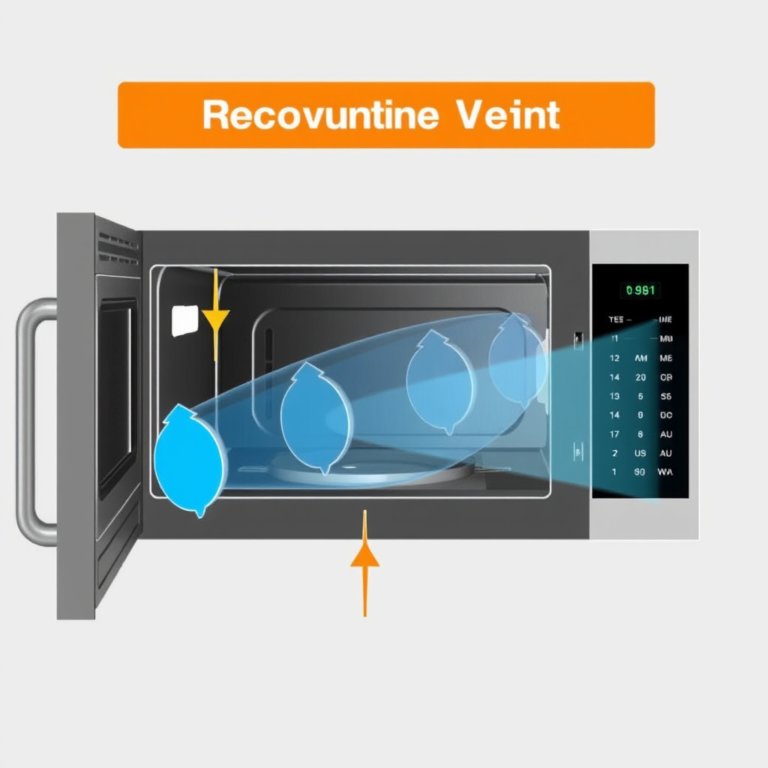
What Is Induction Cooking Pans? A Clear Guide to Choosing the Right Cookware
Induction cooking pans are specially designed cookware compatible with induction cooktops, which use magnetic fields to heat the pan directly rather than a flame or electric heating element. For a pan to work on an induction stove, its base must be ferromagnetic — essentially, it needs to contain iron or another magnetic metal to enable the magnetic induction process. Without this magnetic property, the pan won’t heat properly on an induction range.
This difference matters because not all traditional cookware works with induction technology. Understanding which pans function on induction allows home cooks and professionals alike to take advantage of induction cooking’s energy efficiency, precise temperature control, and rapid heating capabilities. Choosing suitable pans prevents kitchen frustration and improves cooking performance dramatically.
This article explains how induction cooking pans operate, explores various material options, covers key features for compatibility, and compares popular types of induction cookware. You’ll also find answers to common questions and a clear breakdown of models best suited for your kitchen’s induction stovetop.
How Induction Cooking Pans Work
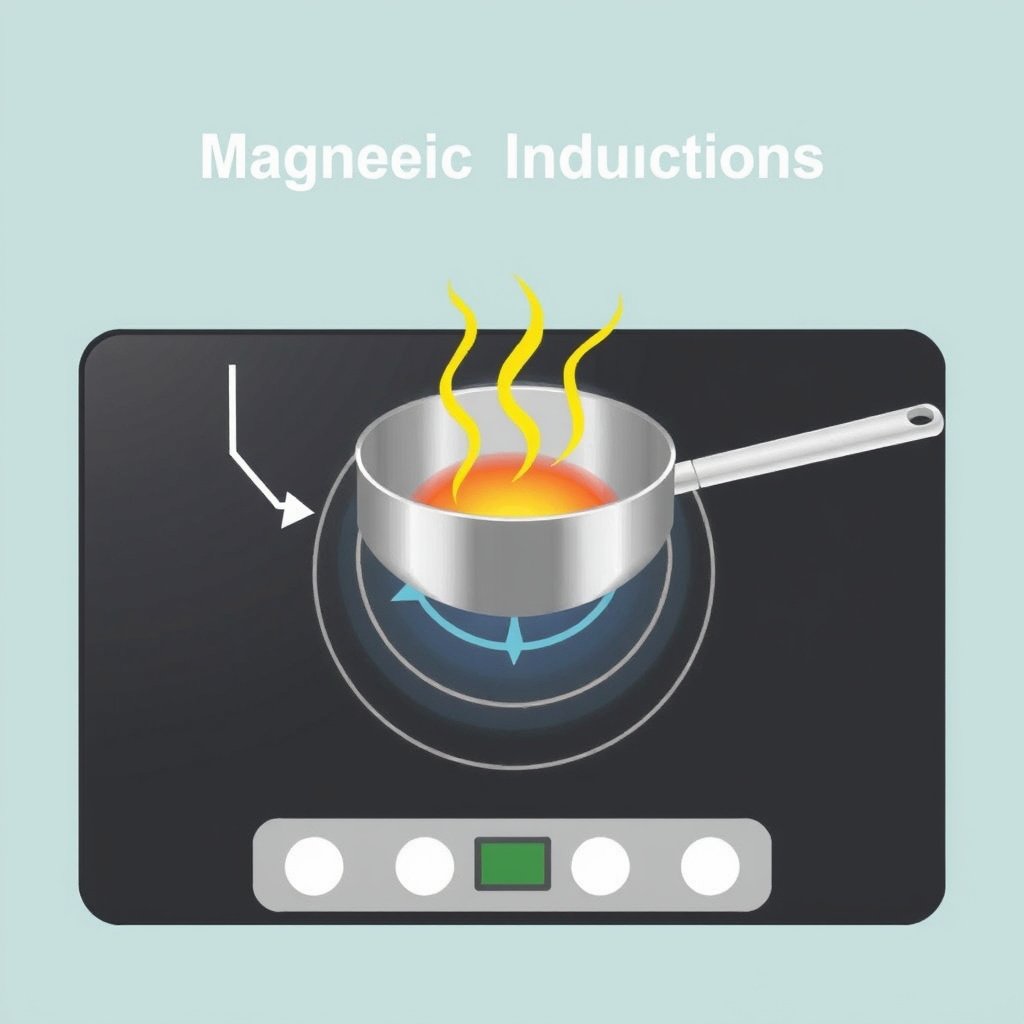
The Science Behind Induction Cooking
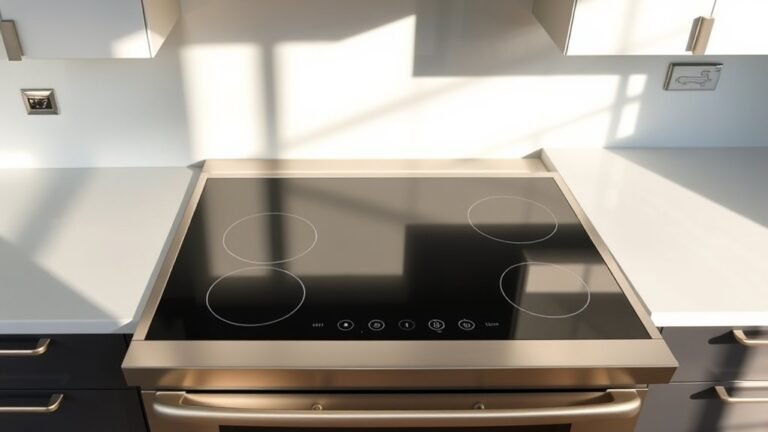
Induction cooktops generate a magnetic field through a coil beneath a glass-ceramic surface. When a ferromagnetic pan is placed on the burner, the magnetic field induces electric currents inside the pan's metal base. These currents produce heat directly within the pan due to electrical resistance, which then cooks the food efficiently and quickly.
Because the heat is created in the pan itself, the cooktop surface remains relatively cool except for heat transferred from the pan. This method reduces wasted energy and provides instant temperature adjustments, unlike traditional gas or electric stovetops.
Why Magnetic Material Matters
The magnetic requirement stems from the physics of induction heating: only conductive and ferromagnetic materials can induce the necessary electric currents to generate heat. Materials like cast iron and some types of stainless steel fulfill this condition.
Pans made from non-magnetic materials such as pure aluminum, copper, or glass do not respond to this process unless their base incorporates a magnetic layer. Consumers must verify pan base compatibility to avoid ineffective cooking on induction surfaces.
- Cast iron is highly magnetic
- Certain stainless steels are magnetic
- Aluminum and copper typically require layered bases
Materials Used in Induction Cooking Pans
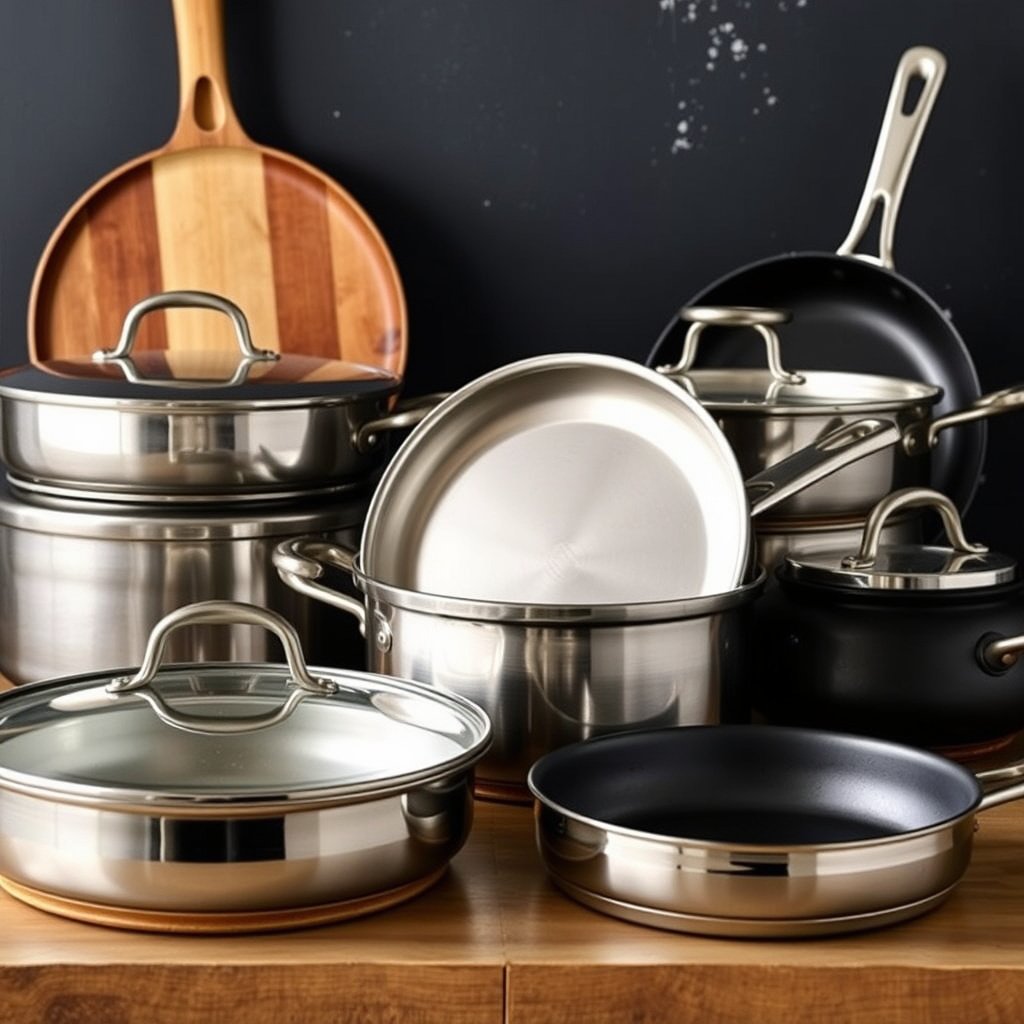
Cast Iron Pans for Induction
Cast iron is naturally magnetic and works excellently on induction cooktops. It holds heat very well, making it ideal for slow cooking and searing. Modern enameled cast iron pans also offer easy maintenance without sacrificing induction compatibility.
However, cast iron’s weight and longer heat-up time may not suit every cook. Still, its magnetic properties ensure reliable performance on any induction stove, making it a popular choice for traditional cooking styles.
- Excellent heat retention
- Heavy and durable
- Can be prone to rust without enamel coating
Stainless Steel and Layered Cookware
Not all stainless steel pans are magnetic, but many induction-compatible ones include a magnetic stainless steel or iron base layer bonded with other metals like aluminum for better heat distribution. This layered construction combines fast, even heating with induction functionality.
Layered pans can be relatively lightweight compared to cast iron and resist corrosion, making them versatile. It’s important to check product descriptions or test the pan with a magnet to confirm its induction compatibility.
- Multi-ply layering for temperature control
- Magnetic base required
- Resistant to corrosion and staining
Choosing the Right Induction Cooking Pans
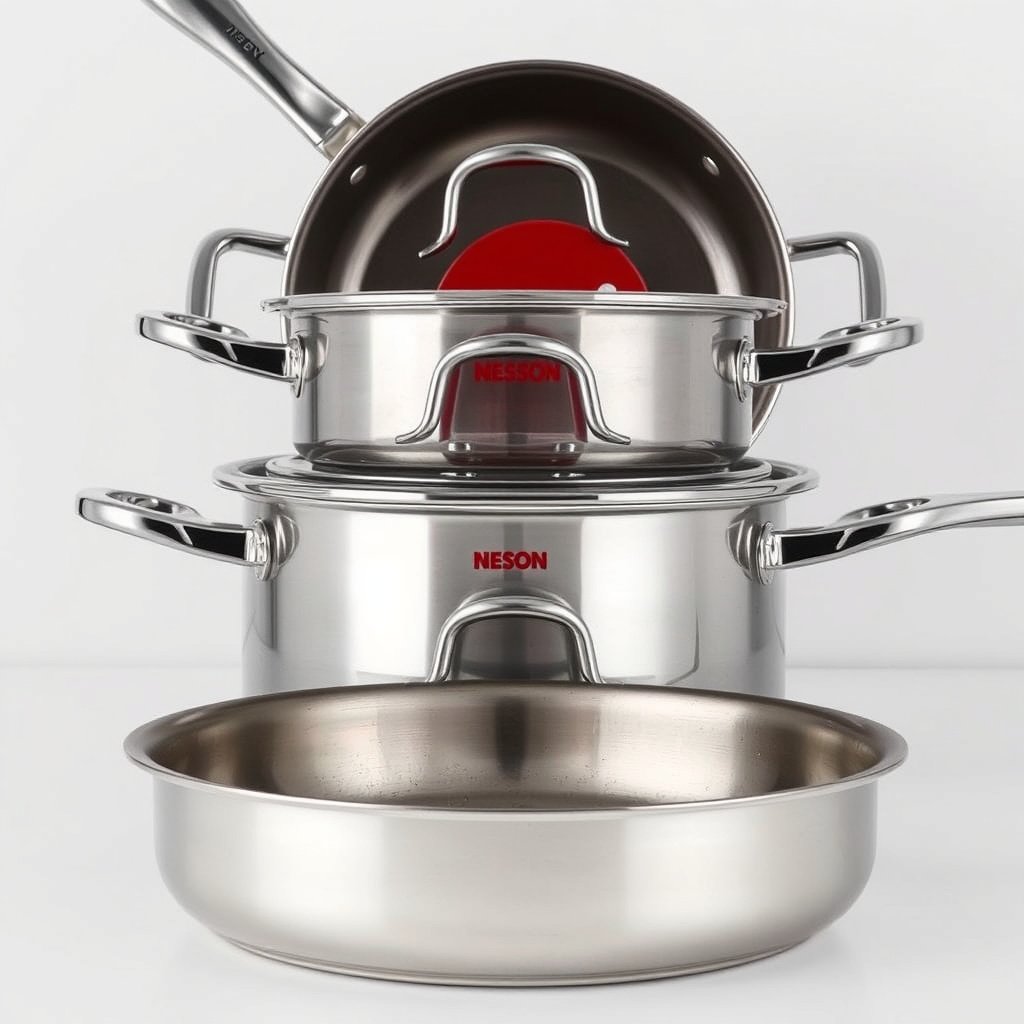
Key Features to Look For
When selecting induction cooking pans, look for clear labeling that confirms induction compatibility. A simple magnet test often works—if a magnet sticks strongly to the pan’s base, it will generally work on induction stoves. Also consider pan size, weight, and shape relative to your cooking needs.
Features like non-stick coatings, oven safety, and handle ergonomics also influence your cooking experience. Remember, pans with flat bases improve contact with the cooktop surface, enhancing induction efficiency.
- Induction-compatible label or symbol
- Flat, smooth base
- Suitable size for burner diameter
- Durable handles
Avoiding Common Pitfalls
Avoid pans made solely of glass, aluminum, or copper without a ferromagnetic base layer, as these won’t heat properly on induction cooktops. Pans with warped or uneven bottoms can reduce efficiency, so inspect the cookware for flatness.
Be cautious of very lightweight pans with thin bases; they can heat unevenly or warp quickly under high induction power.
- No purely non-magnetic bases
- Avoid warped bottoms
- Beware of ultra-light pans
Maintenance and Care for Induction Cooking Pans
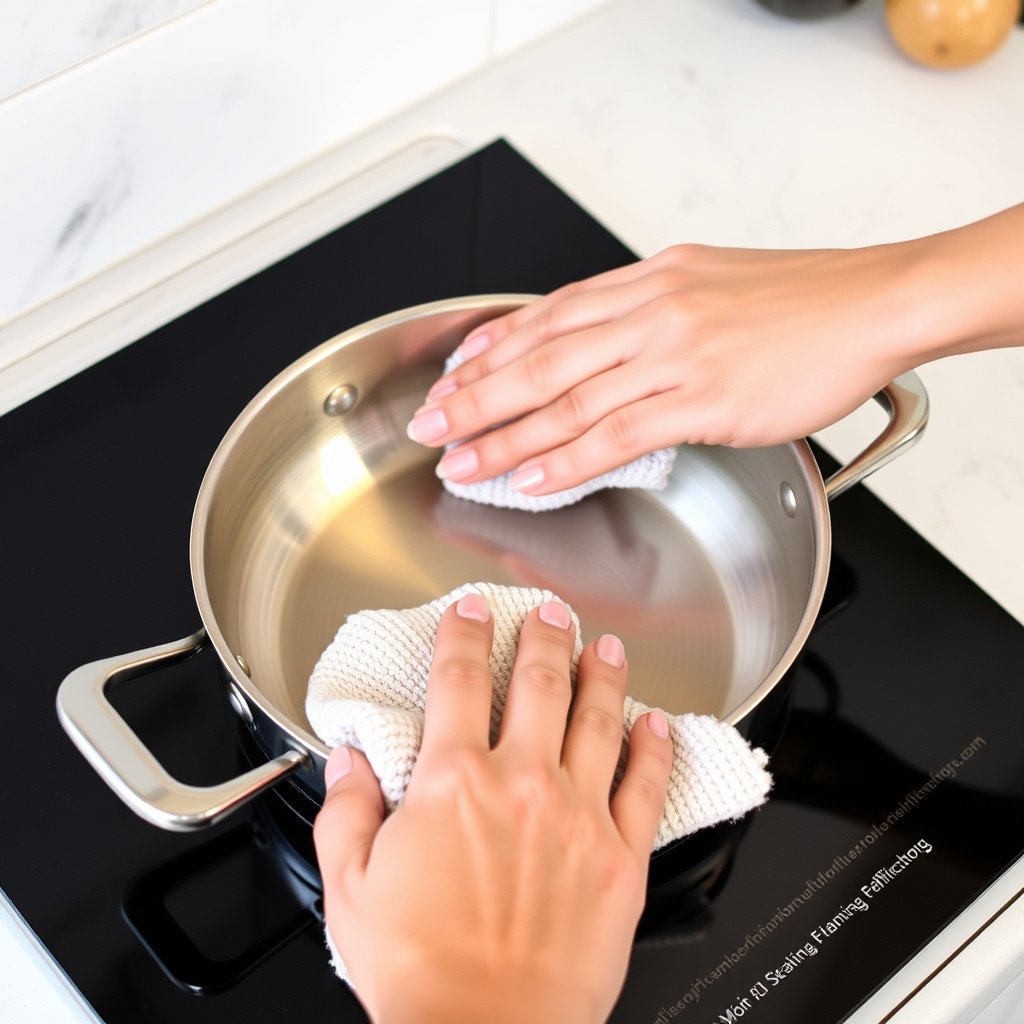
Cleaning Tips for Different Materials
Cast iron pans require seasoning or gentle cleaning to prevent rust when not enameled. Stainless steel pans can tolerate dishwasher cleaning, though hand washing extends their lifespan. Avoid abrasive cleaners that can damage coatings on layered pans.
Regularly inspect the base for residue buildup that can decrease magnetic contact and reduce cooking efficiency. Cleaning promptly after use helps maintain cookware performance.
- Season cast iron regularly
- Hand wash to prolong life
- Avoid harsh abrasives on coated pans
Handling and Storage Advice
Induction pans should be stored carefully to avoid scratches or warping. Use pan protectors or separate stacking layers to keep surfaces intact. Heavy pans like cast iron should be handled with care to avoid damage from dropping.
Heating pans too rapidly to extreme temperatures repeatedly can cause warping. Gradual heating is advisable, especially for layered or non-stick induction cookware.
- Use pan protectors for stacking
- Handle heavy pans with care
- Avoid rapid extreme heating
Comparing Types of Induction Cooking Pans
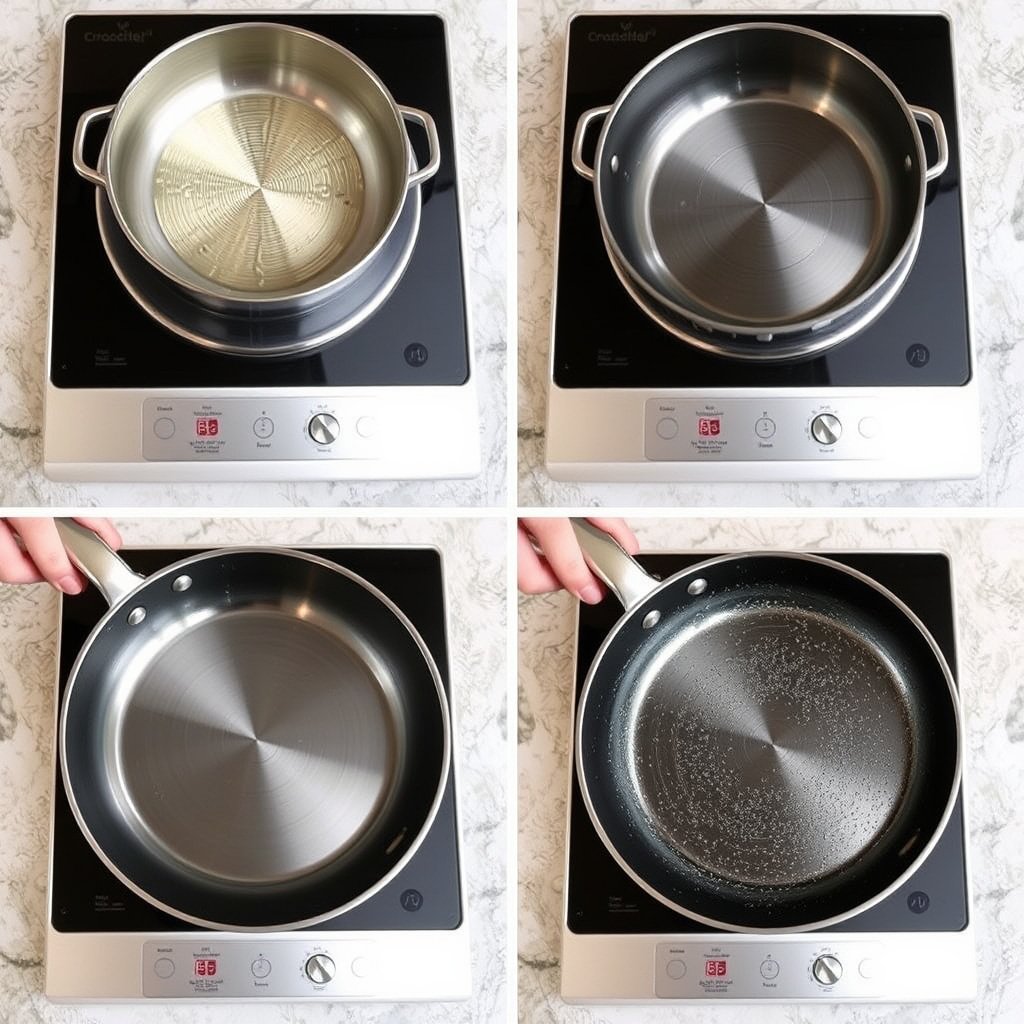
Cast Iron vs. Stainless Steel
Cast iron heats evenly and retains warmth long after the heat source is off, which is great for slow cooking and searing. Stainless steel pans, especially layered ones for induction, heat quickly and respond faster to temperature changes, offering nimble control for delicate dishes.
Weight is a big difference: cast iron is heavy and bulky, whereas stainless steel cookware can be lighter and easier to maneuver. Your choice depends on cooking style and comfort preferences.
Non-Stick Induction Pans
Many manufacturers offer induction-friendly non-stick pans with magnetic bases, combining convenience with induction benefits. These are perfect for cooking eggs, pancakes, or any food requiring low-fat preparation.
Non-stick coatings tend to wear out faster than bare metal surfaces, so maintaining them carefully and replacing when needed ensures optimal results on induction stoves.
- Magnetic base core
- Non-stick surface for easy cooking
- May require gentle handling
Environmental and Energy Considerations
Energy Efficiency of Induction Cooking
Induction cooktops transfer energy directly to the pan, reducing heat loss compared to gas or electric coil models. This results in faster cooking times and less wasted energy, contributing to lower utility bills and a smaller carbon footprint.
Using induction-compatible pans maximizes this efficiency, as inefficient pans waste energy and prolong cooking times.
For a detailed explanation of how induction cooking works, consider visiting this induction cooking explanation. induction cooking explanation.
Sustainable Cookware Choices
Materials like cast iron and stainless steel are durable and recyclable, offering environmentally friendly options for long-term cookware use. Investing in quality pans that last many years reduces waste compared to frequently replacing low-quality sets.
Choosing pans with induction compatibility encourages the use of energy-saving cooktops, creating a more sustainable kitchen overall.
Induction Cooking Pans Category Comparison
Here’s a comparison of popular types of induction cooking pans to help you understand their features and suitability for your kitchen.
| Category | Material | Weight | Heat Retention | Maintenance | Price Range |
|---|---|---|---|---|---|
| Cast Iron | Pure iron | Heavy | High | Season regularly, prone to rust | Medium |
| Enameled Cast Iron | Iron with enamel coating | Heavy | High | Easy to clean, no seasoning | Higher |
| Layered Stainless Steel | Stainless steel with aluminum core | Medium | Moderate | Dishwasher safe, resists corrosion | Medium-High |
| Non-Stick Induction Pans | Layered base with non-stick coating | Light-Medium | Moderate | Avoid abrasives, replace coating as needed | Low-Medium |
| Aluminum with Induction Base | Aluminum with magnetic stainless base | Light | Moderate | Hand wash recommended | Low |
Frequently Asked Questions
Can any pan be used on an induction cooktop?
No, only pans with a magnetic base, such as cast iron or certain stainless steels, work on induction cooktops. A magnet test can help determine if a pan is suitable.
How can I check if my pan works with induction stoves?
Place a magnet on the pan’s bottom; if it sticks firmly, the pan should work on an induction cooktop.
Are non-stick pans compatible with induction cooking?
Yes, many non-stick pans have magnetic bases designed for induction. Always check product specifications to confirm.
Is cast iron better than stainless steel for induction cooking?
Cast iron offers excellent heat retention but is heavy. Stainless steel heats faster and is lighter. Choice depends on cooking preferences and tasks.
Does induction cooking save energy compared to gas or electric?
Yes, induction cooking is more efficient because it heats the pan directly with minimal energy loss, reducing cooking time and energy use.
Key Takeaways
- Induction cooking pans must have magnetic bases to function.
- Cast iron and certain layered stainless steel are top material choices.
- Magnet test is a simple way to check induction compatibility.
- Using right pans maximizes energy efficiency and cooking control.
Conclusion
Understanding the nature of induction cooking pans is essential for using induction stovetops effectively. Since induction heat relies on magnetic properties in cookware, selecting pans made from or layered with ferromagnetic materials is fundamental. This knowledge empowers cooks to avoid incompatible cookware that wastes energy and delivers uneven heating.
For those focusing on traditional cooking styles requiring durability and heat retention, cast iron is a strong candidate. If versatility and lighter weight are priorities, layered stainless steel induction cookware sets provide fast heating and easy maintenance. Non-stick induction pans are ideal for delicate foods and everyday quick meals. By considering these categories, you can match cookware to your kitchen habits and maximize your induction stovetop’s performance.
To take the next step, test your current pans with a magnet and evaluate their shape and weight for induction use. When purchasing new cookware, prioritize labeled induction-compatible options and consider your cooking preferences carefully. With the right induction cooking pans, you’ll enjoy faster heating, better control, and energy savings.