What Temp Is Medium Steak? A Complete Guide for Perfect Results
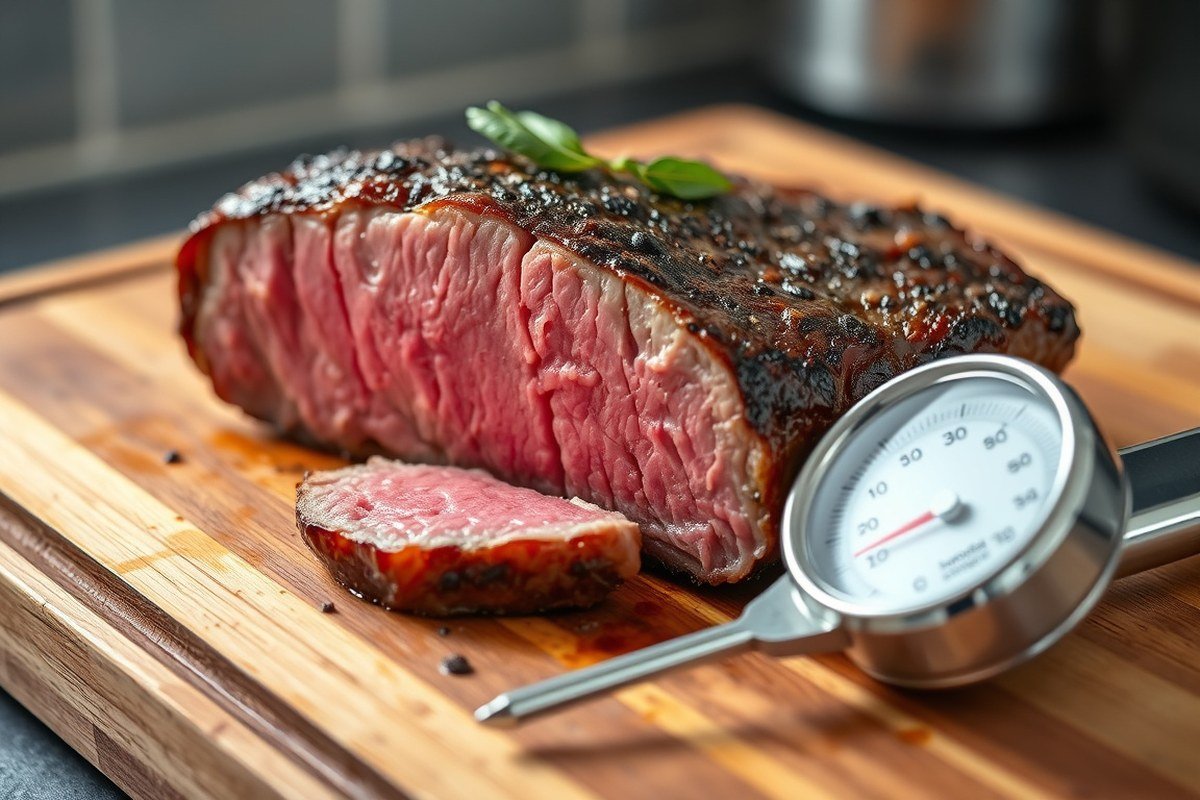
The internal temperature that defines a medium steak is 140, 145°F, delivering a warm pink center with some red tones. To achieve the perfect medium steak, remove it from heat around 135°F and let it rest, allowing the temperature to rise slightly. This guide is for home cooks and steak lovers aiming to master medium doneness with consistent, flavorful results.
You’ll learn how carryover cooking impacts temperature, the best way to use a meat thermometer, cooking methods, resting tips, and how to handle different steak thicknesses. Following these steps helps you avoid common mistakes while getting the exact medium temperature each time.
Key Takeaways
- Medium steak reaches 140, 145°F internal temperature for a pink, warm center.
- Pull steak from heat 5, 10°F before target temp to account for carryover cooking.
- Use an instant-read or probe thermometer inserted in the thickest part for accuracy.
- Preheat grill to 450°F, then reduce to medium heat once cooking steaks.
- Rest steak for 5, 10 minutes off heat to let juices redistribute and finish cooking.
- Thicker cuts need more time; thinner steaks cook faster, so watch temperature closely.
What Internal Temperature Defines Medium Steak?
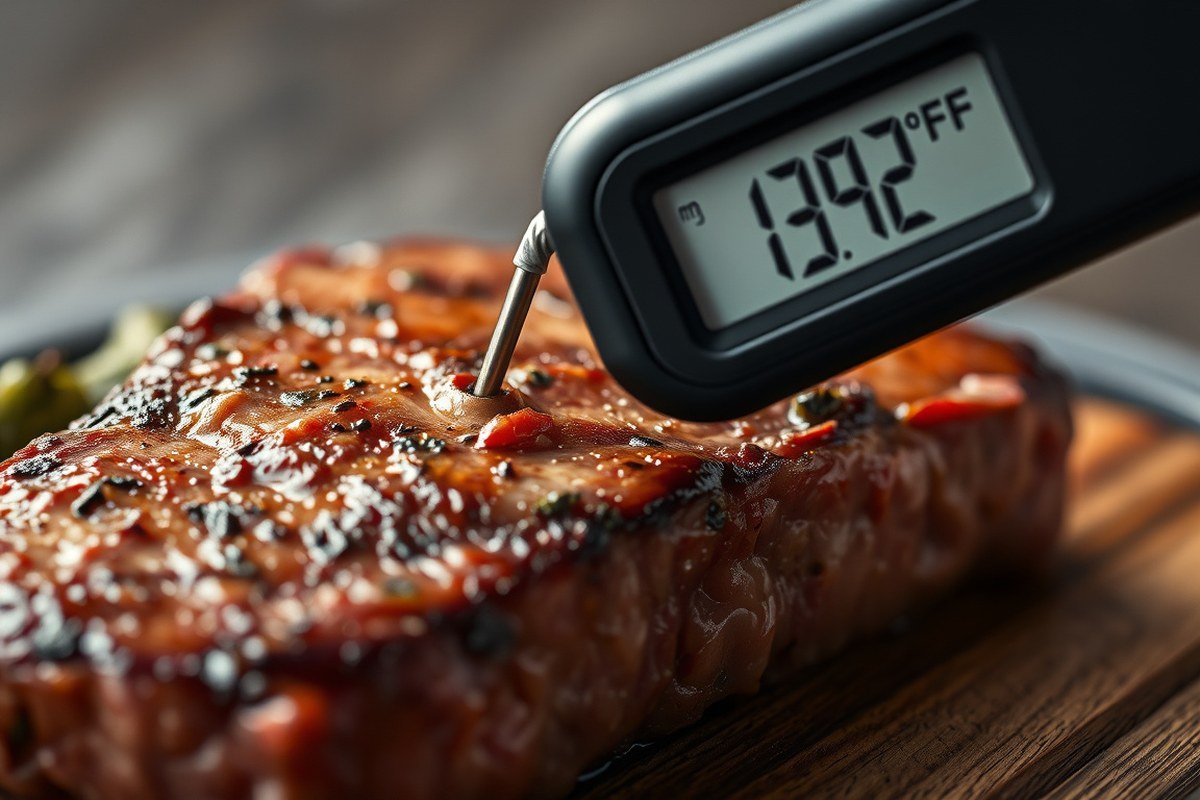
Medium steak is defined by an internal temperature ranging between 140 and 145 degrees Fahrenheit. This range is important because it balances taste, texture, and food safety. The USDA sets 145°F as the minimum safe internal temperature for whole cuts of beef, including steaks, ensuring harmful bacteria are destroyed. After reaching this temperature, the steak should rest for at least 3 minutes, which helps the temperature even out and improves tenderness.
Cooking a steak to this temperature range results in a center that is pink and firm. The edges of the steak usually turn brown while the center maintains a warm pink color with only slight red tones remaining. This doneness level offers a firmer texture compared to medium-rare but retains more juiciness than medium-well. The steak will feel slightly springy to the touch, and the surface will have a noticeable crust from the searing process.
Following USDA guidelines matters because it provides a safe eating experience without sacrificing flavor that many steak lovers prefer. Steaks cooked to below 140°F can pose health risks, especially for vulnerable groups. The 140, 145°F window hits a sweet spot where the meat is still moist and flavorful while meeting safety standards. Using a reliable meat thermometer helps you hit this exact temperature range and avoid overcooking.
Insert a thermometer probe into the steak’s thickest area to check for medium doneness. Remove the steak from heat at an internal temperature between 140°F and 145°F. Allow it to rest covered loosely with foil for 3 to 5 minutes before cutting. This resting period lets the heat raise the temperature a bit more and spreads the juices evenly.
Visual and tactile cues for medium steak include a pink center that contrasts with the browned exterior and a firmer feel when pressed with your finger. Medium steaks won’t have the butter-soft softness of medium-rare but won’t be as dry or tough as medium-well. Cooking to medium often suits those who want a balance of tenderness and doneness that ensures safety without overcooking.
How Carryover Cooking Changes Medium Steak Temperature

Carryover cooking happens when the steak keeps cooking after you remove it from the heat because of the residual heat stored inside. For medium steaks, you want to pull the steak off at about 135°F, knowing that its temperature will rise another 5 to 10 degrees as it rests. Pulling the steak early prevents it from overcooking and helps you hit the perfect medium doneness.
What Happens During Carryover Cooking
Carryover cooking is the process where the internal temperature of a steak continues to rise after it’s removed from the heat source. Heat from the outer layers moves inward, raising the internal temperature by as much as 5 to 10 degrees. This stored heat is enough to finish cooking the steak without any more direct heat applied.
Because the steak’s center absorbs heat from the hotter outer portions, the temperature balances out during resting. It’s important to account for this when cooking because failing to pull the steak early leads to overcooked meat, losing the desired medium texture and juiciness.
How Much Temperature Rise to Expect
For medium doneness, you should expect the steak temperature to rise between 5 and 10 degrees Fahrenheit after pulling it from the heat. The typical rule is to remove the steak when it is 5 degrees below your target final temperature. For a medium steak aiming for 140 to 145°F, you pull it off at about 135°F and let the residual heat finish the cooking during the rest period. The exact rise depends on factors such as thickness, initial meat temperature, and cooking method, but 5°F is a safe baseline to aim for, with up to 10°F possible in thicker cuts or hotter cooking environments.
When to Pull Your Steak Off the Heat
You should remove your steak from heat when it reaches roughly 135°F for medium doneness, about 5 degrees below the final desired temperature range of 140, 145°F. Pulling it at this point gives the steak time to rise to the correct temperature as it rests, avoiding overshooting and creating a dry or overly firm texture. Thicker steaks generally require a slightly earlier pull to compensate for greater carryover, while thinner cuts might need less adjustment.
Factors Affecting Carryover Cooking
Carryover temperature increase depends largely on steak thickness and cooking method. Thicker steaks, such as those 1.5 to 2 inches thick, tend to experience a greater temperature rise because they hold more residual heat. Conversely, thinner cuts usually see smaller increases, closer to 5°F.
Using high-heat methods like grilling or pan-searing results in more carryover heat because of the intense surface temperature. Lower heat methods, like sous vide followed by quick searing, typically have less carryover because of the lower initial temperature differential.
Always pull your steak from the heat about 5°F earlier than your target temperature to let carryover cooking finish the job without overcooking.
How to Use a Meat Thermometer for Accurate Medium Steak Temperature
Using a meat thermometer correctly is essential to hit the perfect medium steak temperature. Insert the probe properly, pick the right type of thermometer, and check temperatures at the right moments during cooking. These steps help ensure an accurate internal reading and a steak cooked just as you like.
Choosing the Right Thermometer Type
The best thermometer for precise medium steak cooking is an instant-read digital meat thermometer. It provides quick, reliable internal temperature readings in 2 to 3 seconds, making it perfect for steaks. Leave-in wireless probe thermometers work well for thicker cuts or when monitoring multiple pieces, but they may be less practical for thin or quick-cooking steaks.
Thin steaks can be tricky since smaller probes may be needed to avoid compromising the meat’s structure. A small-diameter instant-read thermometer is usually best for these cuts. Avoid bulky thermometers that push too far through thin meat, which can lead to inaccurate readings or over-puncturing.
Proper Insertion for Accurate Reading
Getting an accurate temperature reading requires placing the thermometer probe in the thickest part of the steak. Always avoid touching bone, fat pockets, or the cooking surface, which can skew the temperature. Aim to insert the probe horizontally from the side of the steak, pushing toward the center for the most representative internal temperature.
For steaks around 1 to 1½ inches thick, insert the probe at least halfway through the steak. This positioning helps avoid the hotter outer layers and the cooler surfaces, giving a true measure of doneness. For steaks thinner than an inch, gently insert the probe and check several areas without forcing it through.
Timing Your Temperature Checks
Start checking the internal temperature once the steak has cooked most of the way to your target doneness. Frequent early checks may slow cooking and dry out the meat. For medium steak, start checking about halfway through the estimated cooking time or when the steak surface is well browned.
Remove the steak about 5°F before it reaches your desired medium doneness temperature (around 140°F). Carryover cooking will raise the internal temperature another few degrees while resting. Using this strategy prevents overcooking and keeps the steak juicy and tender. Follow these steps to use a meat thermometer effectively for medium steak:
- Choose an instant-read digital thermometer for quick and accurate results.
- Clean the thermometer probe before use to avoid contamination.
- Place the probe sideways into the steak’s thickest portion, steering clear of any bones or fat.
- Wait 2 to 3 seconds for the reading to stabilize.
- Check the temperature starting halfway through cooking or when the steak’s surface is browned.
- Remove the steak when the thermometer reads about 135°F to 140°F for medium doneness.
- Rest the steak to let carryover cooking bring it to the perfect temperature.
Cooking Times and Methods to Reach Medium Steak Temperature
Cooking a steak to medium doneness usually means reaching an internal temperature around 140, 145°F. Cooking times vary based on thickness, heat source, and cooking method. Getting an even medium steak often requires balancing direct and indirect heat, especially on a grill or in the oven after a pan sear.
For grilling, preheat your grill to about 450°F (232°C). For a typical 1-inch steak, grill it over medium heat. Start with 5 minutes on the first side, flip and grill an additional 3 to 4 minutes on the second side. Thicker cuts, like 1.5-inch or 2-inch steaks, need a shorter sear of 1 to 2 minutes per side over high heat, then finish cooking over indirect heat until the internal temperature hits roughly 135°F. Remove it early due to carryover cooking, which raises the temperature by about 5°F while resting.
Pan searing usually heats faster and can require careful temperature control to avoid overcooking. Preheat the pan until very hot, about 450°F surface temperature, and sear the steak for about 2 to 3 minutes per side for 1-inch thickness. For thicker steaks, sear on both sides, then move the pan to a lower heat or finish in the oven to gently reach medium doneness. Pan searing often delivers a more intense crust, but grilling adds smoky flavor and requires adjusting cooking times slightly to avoid flare-ups or burning.
| Method & Thickness | Heat Level | Cook Time (per side) | Finish Technique |
|---|---|---|---|
| Grill – 1 inch | Medium (~450°F) | 5 min first, 3-4 min second | Direct heat only |
| Grill – 1.5 to 2 inches | High sear, then medium | 1-2 min sear each side | Indirect heat finish |
| Pan sear – 1 inch | High (~450°F surface) | 2-3 minutes | Optional oven finish |
| Pan sear – >1.5 inches | High sear, then low | 2 min sear per side | Lower pan heat or oven finish |
For thicker steaks, using direct heat alone may cook the exterior too quickly, risking a burnt crust while the inside stays undercooked. Finish thick steaks over indirect heat on the grill or with a lower oven temperature after searing. This approach maintains juiciness by avoiding too much surface heat while still cooking the middle to medium.
Reaching medium doneness properly also depends on the steak’s thickness. A 1-inch steak takes around 8 to 10 minutes total, while steaks over 1.5 inches may need 15 to 20 minutes or more, accounting for searing and indirect cooking. Checking the temperature with a meat thermometer ensures precision since timing varies with exact steak cut, grill heat level, and external conditions.
How Resting Steak Affects the Final Medium Temperature
Resting your steak for about 5 minutes before slicing is important when aiming for a medium cook. This period allows the steak’s internal temperature to continue rising by 3 to 5°F, a process known as carryover cooking, which completes the journey to your target medium temperature of 140 to 145°F. For example, if you’re targeting 145°F, you should take your steak off the heat at about 140°F and then let it rest. The temperature equalizes throughout the cut rather than being hotter near the surface than the center.
Resting also helps retain juices that otherwise would flow out when you slice immediately after cooking. The muscle fibers relax during this time, so the liquid redistributes evenly. Without resting, more juice escapes, leading to a drier steak.
The amount of resting time depends on the steak’s size and thickness. Thinner cuts may only need 3 to 4 minutes, while thicker cuts, especially those over 1.5 inches thick, benefit from at least 5 to 10 minutes. Larger steaks can retain heat longer and require a longer rest to finish cooking through and to stabilize the temperature. For example, a 2-inch thick ribeye might need a 10-minute rest to reach the perfect medium doneness without overcooking the edges.
When resting, loosely tent the steak with aluminum foil to keep it warm without trapping steam, which could soften the crust. After resting, slice against the grain in thin 1/4-inch strips for optimal texture. Not letting the steak rest before cutting causes the juices to spill out immediately, which reduces flavor and moisture.
Higher cooking temperatures result in more carryover cooking, so you may want to pull your steak off the heat 5 to 10 degrees lower than your target final temperature. For medium steaks, this pull temperature is typically around 135 to 140°F. Larger, thicker cuts may even require pulling at 130°F and resting longer to avoid overshooting the medium range.
Always pull your steak from the heat 5°F before your desired final temperature and let it rest at least 5 minutes to ensure a juicy, evenly cooked medium steak.
Adjusting Medium Steak Temperature for Thickness and Cut Differences
Different steak cuts and thicknesses influence how you reach the perfect medium doneness. The key point to remember is that the internal temperature targets for “medium” remain consistent across cuts, usually between 135°F and 145°F (57°C to 63°C). However, how you get there depends on the steak’s thickness and type.
Thicker steaks, such as a 2-inch porterhouse or ribeye, need a different approach than thinner cuts. Thick steaks take longer to cook through without overcooking the outside. A common method is the reverse sear: cook the steak gently in the oven or on low heat until the internal temperature reaches about 130°F to 135°F (55°C to 57°C). Then finish with a quick, high-heat sear to develop a crust. This technique helps the steak cook evenly to medium without burning the exterior.
Thinner cuts, like flank or skirt steak, heat through fast and can quickly overshoot the target temperature if not monitored closely. These cuts are easier to cook medium consistently because you watch closely and pull the steak when the thermometer reads around 3°F under your target. Thin steaks often do well with quicker, direct high-heat cooking methods such as grilling or pan-searing.
Leaner, thinner steaks might become tough or dry if you cook them long past medium doneness. Cuts like cube steak or thin skirt steak generally benefit more from braising or marinating if you plan to cook them well-done, and slicing thin helps. If your goal is a medium steak, leaner cuts still work but require precise timing and temperature checks. The table below summarizes target temperatures for common doneness levels and shows the consistent ranges, regardless of steak cut:
| Doneness Level | Internal Temperature (°F) | Internal Temperature (°C) |
|---|---|---|
| Medium Rare | 130, 135°F | 54, 57°C |
| Medium | 135, 145°F | 57, 63°C |
| Medium Well | 145, 155°F | 63, 68°C |
To consistently cook a medium steak, choose a cut that matches your method and thickness preference. Thick cuts like porterhouse and ribeye are ideal for slow heating plus searing, while thinner cuts such as skirt or flank are better for fast cooking over high heat with careful temperature monitoring. Avoid pulling a steak exactly at the medium temperature; instead, remove it when it is about 3°F below the target to account for carryover cooking, preventing overshoot of doneness.
Signs Your Steak Is Medium Done Without a Thermometer
You can tell if a steak is medium done without a thermometer by checking its color, firmness, and juice appearance. A medium steak typically shows a warm pink center, feels firmer than medium rare, and releases slightly pink juices. These sensory indicators help approximate doneness but have limits compared to using a thermometer.
Color and Pinkness of Medium Steak
Medium steak usually has a warm pink center with the outer edges beginning to brown. The pinkness is less intense than medium rare but still clearly visible. The steak’s surface will show more browning or crust, while inside remains gently pink, not red or gray.
Check the cut side after slicing or make a small incision in the thickest part. If you see a consistent warm pink color extending through the middle without any bright red or gray tones, that’s a good sign you’ve hit medium doneness. The meat should not look raw or very red, nor should it be completely brown or gray, which signals overcooking.
Touch and Firmness Tests
Press the steak gently with your finger or tongs to assess firmness. A medium steak feels firmer than medium rare but still offers some spring back. When pressed, it should have slight resistance without being hard or rubbery. Try the “finger test” for a rough comparison:
- Touch your thumb and middle finger together and press the fleshy part below your thumb, this mimics the firmness of a rare steak.
- Touch your thumb and ring finger, the same area feels like medium rare.
- Touch your thumb and pinky finger, the firmness matches a medium steak’s texture.
This method is subjective and depends on your hand’s natural firmness. Using tongs or pressing directly on the steak on the grill or pan can help you get a sense for how much the meat has firmed. Medium steak feels noticeably firmer and less soft than medium rare but still yields a bit to the touch.
Juice Color and Texture Indicators
The juices released by a steak also offer clues about doneness. A medium steak’s juices run pink or light red but are not bright red like rare steaks. When pressed or cut, medium steaks release moist and slightly pink juices that are less bloody and more opaque compared to rarer levels. Observe the juice color:
- Bright red or translucent juices indicate rare or medium rare cooking.
- Light pink or slightly cloudy juices suggest medium doneness.
- Clear or brown juices mean the steak is medium well or well done.
The texture of the meat is firmer and the juices less watery as proteins coagulate further at medium temperatures, which range roughly between 135°F and 145°F internally.
Limitations of Visual and Touch Methods
Visual and touch tests give rough guidance but are less reliable than using a thermometer. Variations in steak thickness, cut, fat content, and cooking method impact color and firmness. For example, a thicker steak may look less done on the exterior but be undercooked inside. Similarly, a well-seared crust can make a steak appear more cooked than it is.
Color can be affected by lighting conditions, type of meat, and marinade, making pinkness tricky to assess. Touch firmness varies based on individual perception and practice. Juice color changes slower and is less precise for exact doneness. Timing alone does not guarantee medium doneness because oven or grill temperatures and steak size vary widely.
Using sensory indicators requires experience and frequent checking to avoid overcooking or undercooking. For precise medium steak results, especially if cooking several steaks or unfamiliar cuts, combine these methods with an instant-read thermometer when possible.
Common Mistakes When Cooking Medium Steak and How to Fix Them
Steaks often overcook beyond medium because of poor timing and heat control, especially if you forget that carryover cooking will raise the temperature after pulling the meat off the heat. Cooking at too high a heat causes the outer layers to overcook before the center hits medium. Another common mistake is checking the temperature in a hot spot rather than the coolest, thickest part of the steak, giving a falsely high reading. Both errors lead to pulling the steak too late, resulting in a well-done edge and dry texture.
To avoid pulling your steak at the wrong time, remove it from heat when the thermometer reads about 5°F below the medium target of 140°F (135°F target pull-off). This cooling-in-progress during resting and carryover cooking raises the internal temperature to about 140°F to 145°F, ideal for medium doneness. Rest for at least 5 minutes to allow juices to redistribute, preserving moisture and flavour. Skipping or shortening rest time cuts this benefit, making steaks seem underdone despite sufficient cooking.
Uneven heat is another culprit. Directing too much heat in one spot can char the outside while the inside lags behind, causing inconsistent cooking. Flipping too frequently or overcrowding the pan reduces surface sear quality and prevents even heat distribution. Using moderately hot pan or grill zones is best, letting the steak cook gradually through from edge to center.
- Check temperature in the steak’s thickest part, avoiding fat or very thin areas.
- Cook over medium-high heat, not scorching hot, to balance inside and outside temperatures.
- Pull steak from heat 5°F before your target to allow for carryover cooking.
- Rest steak loosely tented with foil for 5 minutes after cooking.
- Use an instant-read thermometer for quick, accurate temperature checks.
- Allow steak to come to room temperature 20-30 minutes before cooking for even heat penetration.
Always let your steak rest; skipping this step risks juice loss and uneven final temperature.
Correcting these errors mostly takes patience and timing rather than special tools or high costs. Using a quality meat thermometer, which can range from $10 to $50, is key to consistent medium results. Adjust heat so the steak cooks steadily rather than charring quickly. Prepare your workstation so you can monitor and test temperature repeatedly, and take notes on cooking times per thickness and cut for your specific heat source. Making these adjustments ensures your medium steak is juicy, tender, and cooked just right every time.
Step-by-Step Action Plan for Perfect Medium Steak
Follow these steps to cook a medium steak with the right temperature and texture.
- Before cooking: Select a steak cut about 1 to 1.5 inches thick for predictable cooking. This thickness allows you to reach medium doneness without overcooking.
- Preheat your grill or pan: Get it hot enough to sear the steak, about 450°F. You’ll know it’s ready when a drop of water sizzles and evaporates on contact.
- Cook the steak: Sear each side for about 3 to 4 minutes. Use a reliable meat thermometer during cooking to check the internal temperature.
- Check temperature: When the thermometer reads 135°F, remove the steak. This allows carryover cooking to bring the steak up to the 140°F medium temperature.
- Rest the steak: Let it rest for 5 to 10 minutes covered loosely with foil. The temperature will rise about 5°F and the juices will redistribute, ensuring a juicy medium steak.
- Verify doneness: After resting, the internal temperature should be around 140°F. If you don’t have a thermometer, use the firmness test by comparing the steak’s feel to the fleshy area below your thumb when touching your middle finger to your thumb.
- Serve immediately: Slice the steak against the grain to maximize tenderness and enjoy your perfectly cooked medium steak.
Frequently Asked Questions
What Temperature Range Defines a Medium Steak?
Medium steak has an internal temperature between 140°F and 145°F, showing a pink center with some red tones. This range gives a balance of warmth and firmness without overcooking.
How Does the USDA’s Safety Recommendation Affect Medium Steak Cooking?
The USDA sets a minimum safe internal steak temperature at 145°F, which coincides with the medium steak range. Cooking to this temperature both ensures food safety and retains some pinkness.
Can You Tell If a Medium Steak Is Done by Touch Alone?
Yes, but it requires practice to feel the firmness. Medium steaks are firmer than medium rare but softer than medium well. Comparing to the feel of the fleshy part of your hand below the thumb helps gauge doneness.
Does Steak Thickness Change the Medium Steak Temperature?
Thickness does not change the target internal temperature for medium steak, which remains around 140, 145°F. Thicker steaks need longer cooking times to reach it without burning the surface.
Why Should Steaks Rest After Reaching Medium Temperature?
Resting lets the steak finish cooking from residual heat, raising the internal temp about 5°F. It also redistributes juices for a juicy, tender bite.
How Does Carryover Cooking Affect Measuring Medium Steak Temperature?
Carryover cooking raises an internal steak temperature about 5°F after removing from heat, so pull the steak at about 135, 140°F for a medium finish. Timing matters to avoid overcooking.
Final Thoughts
Medium steak is defined by an internal temperature of about 140°F after resting. Using a thermometer and allowing for carryover cooking ensures you hit that sweet spot between pink and slightly firm. Start by picking a good cut and thickness, then monitor the temperature closely. Your next action should be to try cooking one steak using these precise temperature guidelines and see the difference consistency makes.





One Comment