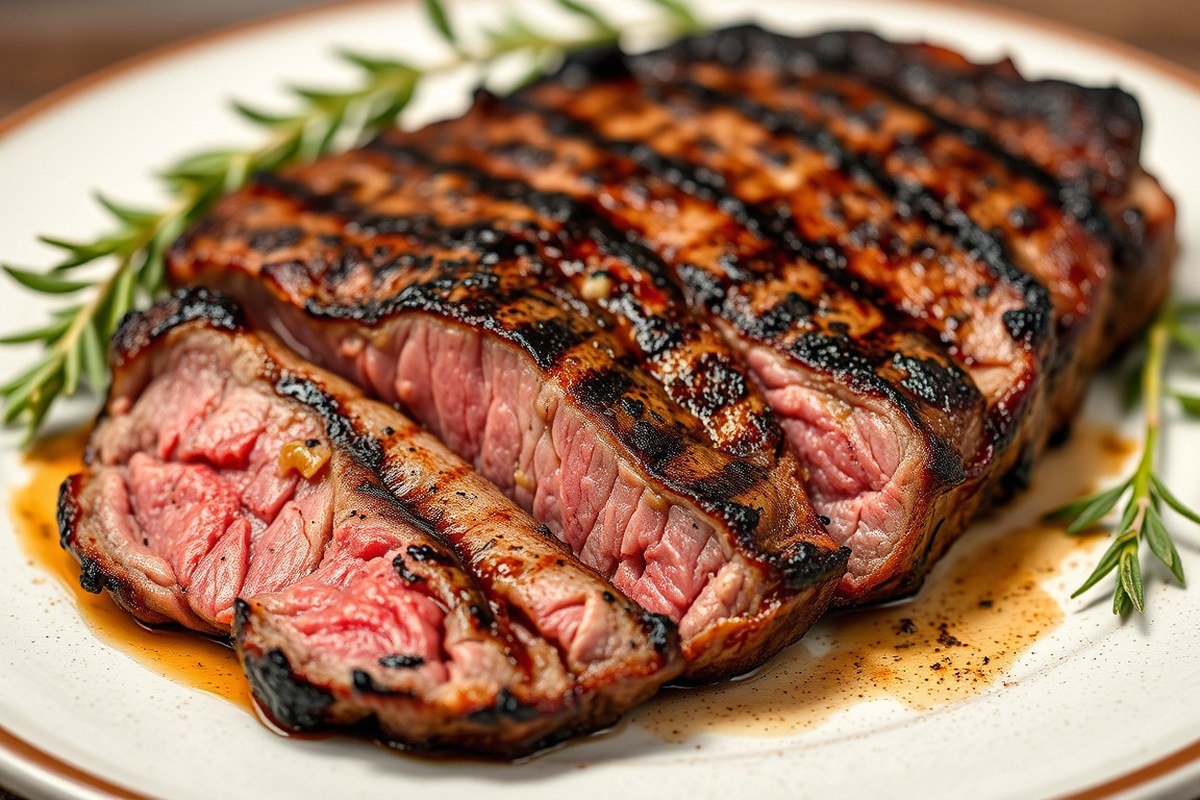
What Is a Well Done Steak? Complete Guide to Perfect Cooking and Texture
A well done steak is cooked thoroughly to an internal temperature of around 160°F, resulting in a firm texture with no pink inside. This level of doneness means the steak has lost much of its moisture and fat, making it drier and chewier than less cooked steaks. Understanding what is a well done steak can help you use proper cooking techniques to achieve the best possible taste and texture for this doneness.
This information is useful if you prefer your steak fully cooked or are preparing steak for someone who does. It covers safe temperature checks, ideal cooking methods, timing based on thickness, and tips to maintain juiciness despite the higher cooking temperature.
Key Takeaways
- Cook well done steak to an internal temperature of 160°F for safety and desired doneness.
- Use a reliable meat thermometer to check steak temperature accurately and avoid overcooking.
- Sear the steak for 3-4 minutes on each side before lowering heat to finish cooking evenly.
- Increase cooking time by thickness; thicker steaks need longer to reach well done without burning.
- Allow steak to rest after cooking to let carryover heat finish cooking and redistribute juices.
- Choose cuts with good marbling like ribeye to help retain some moisture and flavor at well done.
What Exactly Is a Well Done Steak?
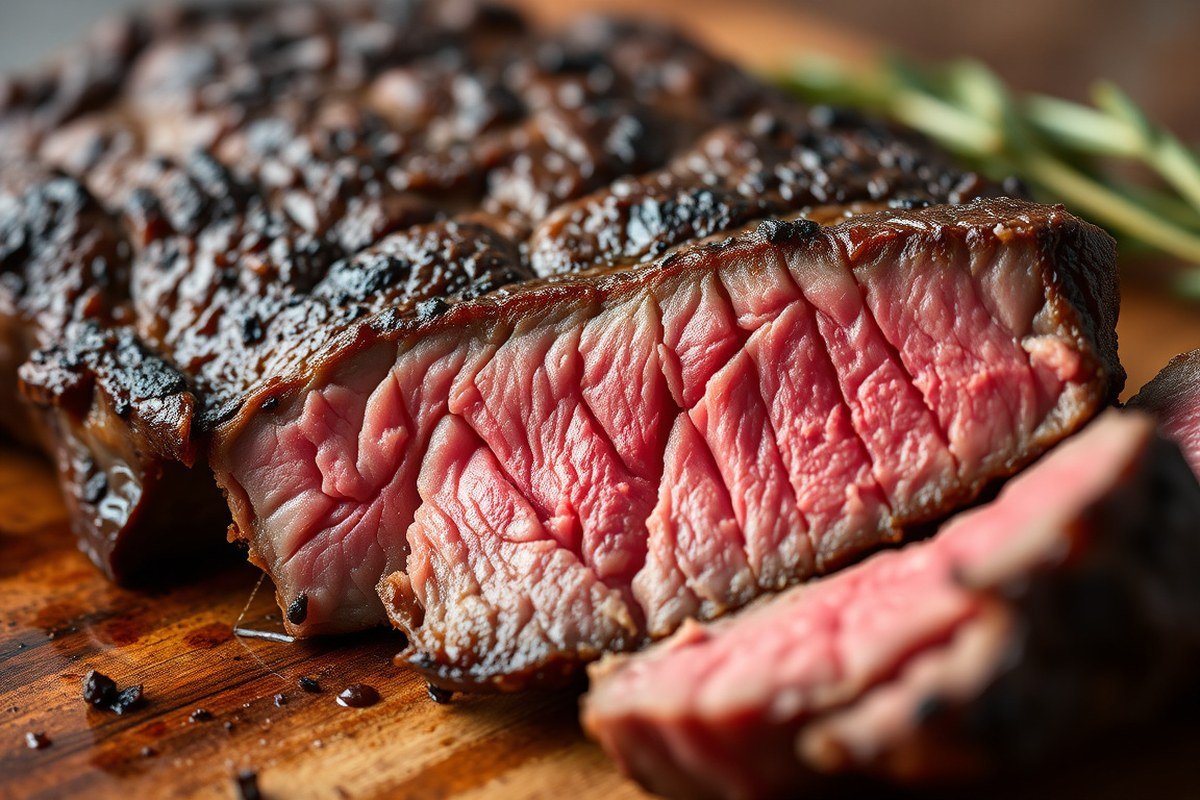
A steak is considered well done once it reaches an internal temperature of at least 160°F (71°C). At this stage, the steak loses all pink coloring and turns uniformly gray-brown. The meat’s texture becomes tighter and much firmer compared to steaks cooked to lower temperatures. Well done steaks usually have less moisture, resulting in a drier and chewier bite.
Steak doneness levels differ mainly by their internal temperatures and the resulting changes in texture and moisture. Rare steaks, cooked to about 120-125°F (49-52°C), have a bright red center and a very soft, buttery texture. Medium steaks, reaching 140-145°F (60-63°C), show a pink center with some brown edges and have a firmer yet still somewhat juicy texture. Medium-well steaks, at 150-155°F (66-68°C), retain a slight pink in the center but begin to dry out, becoming firm and noticeably drier. Well done steaks surpass these thresholds, cooked until 160°F or above, eliminating any pink and moisture.
As the temperature rises to well done levels, muscle fibers contract tightly, squeezing out much of the steak’s moisture. This process reduces the juiciness drastically, making the steak less tender and drier overall. In contrast, lower temperature steaks maintain more moisture, resulting in a softer, springier texture. Achieving well done requires longer cooking times or higher heat, which risks overcooking the exterior before the center reaches the desired temperature. This texture and moisture shift explains why well done steaks can feel tough and less flavorful if not cooked carefully.
Understanding these differences matters because it affects your cooking approach. For example, well done steaks demand more attention to avoid charring or drying out the outer layers. Using a meat thermometer to confirm the internal temperature of 160°F or more is critical to ensure the steak is properly cooked without guesswork. Knowing the exact temperature also helps differentiate well done from medium-well, preventing overcooking or undercooking.
How to Safely Check Well Done Steak Temperature
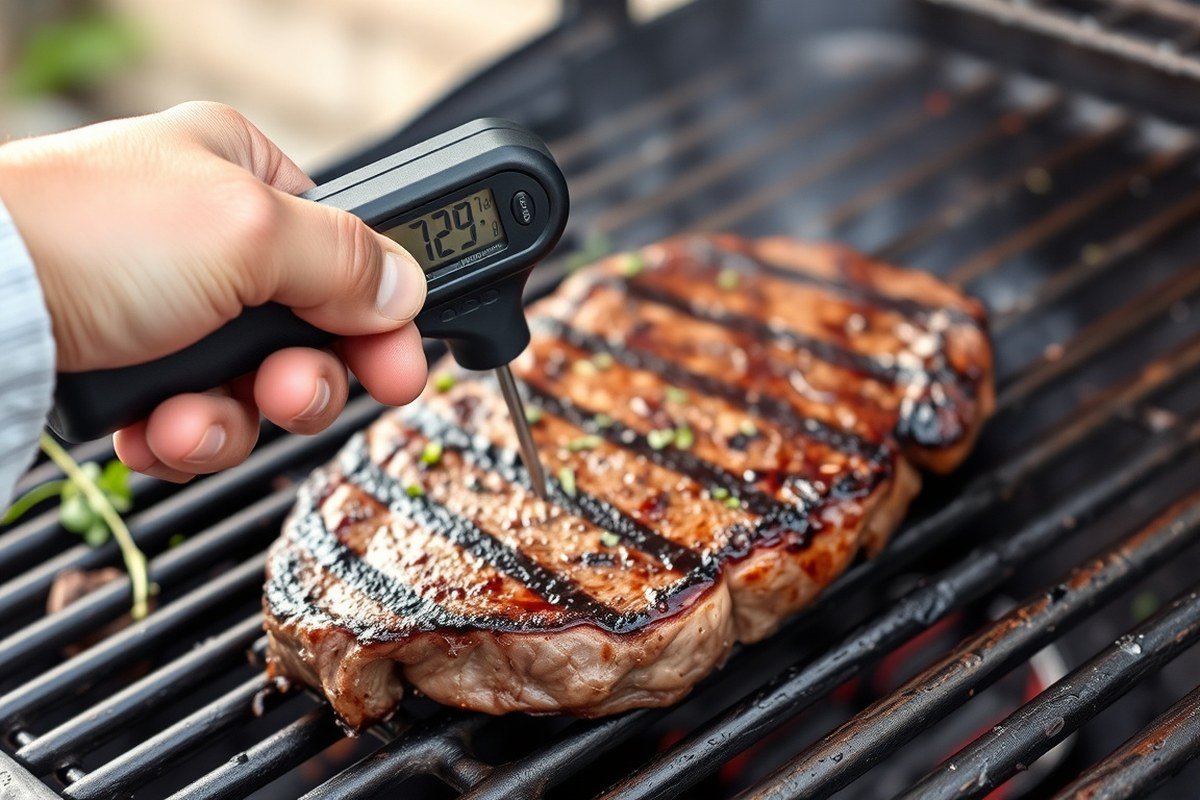
A meat thermometer provides the most accurate way to determine when your steak is well done. To measure correctly, place the probe in the thickest section of the steak. Remove the steak from heat about 5°F before it reaches your goal temperature, as the internal heat will rise during resting.
Choosing the Right Meat Thermometer
Instant-read thermometers are best for checking steak temperature because they provide quick, accurate readings within seconds. Digital models with a thin, pointed probe typically cost between $15 and $30 and are easy to clean. Avoid oven probes or dial thermometers that take longer to read or are designed for stationary use.
Look for waterproof or splash-resistant thermometers if you cook in a messy environment or use marinades. Some thermometers have backlit displays, making them easier to read outdoors or in dim kitchens. Investing in a reliable instant-read thermometer lets you measure temperature precisely and avoid overcooking.
How to Insert and Read Temperature Correctly
Getting an accurate temperature requires placing the probe in the thickest part of the steak, away from bone, fat, or the cooking surface. Insert the probe horizontally, aiming for the center of the meat to measure the true internal temperature. Hold it steady until the reading stops changing, usually about 3 to 5 seconds with an instant-read model. Follow these steps to measure your steak’s temperature:
- Remove the steak from the heat source briefly to test.
- Place the thermometer probe into the center of the steak’s thickest area, making sure to avoid any bone or fat for a precise reading.
- Hold the thermometer steady and wait for the reading to stabilize.
- Check the temperature displayed; for well done steak, target at least 160°F (71°C).
- When the steak hasn’t reached your desired temperature, put it back on the heat and test again after a minute or two.
- Pull the steak off the heat when reading shows about 155°F to 157°F to allow for carryover cooking.
- Let the steak rest for 5 minutes to reach the final well done temperature and redistribute juices.
Never insert the thermometer from the top; always insert sideways toward the center to avoid inaccurate readings.
Understanding Carryover Cooking for Well Done
Carryover cooking means the steak’s internal temperature rises around 3°F to 7°F after you remove it from the heat due to residual heat inside the meat. This continuation of cooking is why it’s important to pull the steak off the grill or pan before it reaches the exact target temperature for well done, usually around 160°F (71°C).
For example, if your goal is 160°F internal temperature, remove the steak when the thermometer reads about 155°F. As the steak rests, the internal heat will spread and raise the temperature to the proper well done level. This process prevents overcooking and helps the steak retain more moisture despite the higher doneness.
Resting the steak after cooking not only allows carryover cooking but also lets juices redistribute, reducing dryness common in well done steaks. Keep the steak loosely tented with foil during this period to maintain heat without sweating.
Cooking Methods Best Suited for Well Done Steaks
Grilling, pan-searing, oven-baking, and slow cooking each bring different benefits and challenges when preparing a well done steak. Choosing the right method impacts the steak’s moisture, texture, and cooking time, so it’s important to match your approach to your equipment and preferences.
High-heat methods like grilling and pan-searing cook steaks quickly and produce a crusty exterior. These are best for thicker cuts where a seared surface and a deep brown flavour are desirable. The risk is that the center reaches 160-165°F (71.1-73.9°C) quickly, causing muscle fibers to contract and push out moisture, resulting in dryness and toughness. Managing heat carefully, using a thermometer, and seasoning well plus finishing with butter can reduce dryness.
Oven-baking and slow cooking use lower, steady heat, which allows the heat to penetrate the steak more evenly. This tends to preserve more moisture and yield more even cooking through the steak. Slow cooking also allows connective tissue to break down over time, improving tenderness despite the high final temperature. However, these methods take significantly longer and don’t produce a crispy crust without an initial sear.
| Cooking Method | Temperature Range | Time Frame | Moisture Impact | Texture Outcome | Best Steak Type |
|---|---|---|---|---|---|
| Grilling | High heat (450-550°F) | 6-10 min per side for 1-inch steak | Low; moisture loss high | Firm, crusty exterior | Thick cuts |
| Pan-searing | Medium-high heat (375-450°F) | 4-7 min per side, then rest | Moderate; improved with butter | Crusty outside, dense inside | Most types, thinner cuts |
| Oven-baking | 250-300°F (120-150°C) | 20-30 min or more | Better retention | Evenly cooked, less crust | Thicker cuts |
| Slow cooking (e.g. Braising) | Low heat (200-250°F / 93-121°C) | 1.5-3 hours | Excellent moisture retention | Tender, sometimes softer texture | Tough, fatty cuts |
Grilling is popular for quick results but requires careful timing. For 1-inch thick steaks, grilling about 6 to 10 minutes per side can bring the internal temperature up to 160-165°F (71.1-73.9°C). Use an instant-read thermometer to avoid overcooking. The downside is a higher chance of drying out the steak, so you may want to baste with butter or oil.
Pan-searing works well indoors using a heavy skillet, preferably cast iron. Heat it medium-high and add fat after preheating to help form a crust. Cooking times are similar to grilling, but finishing with butter and herbs can improve flavor and reduce dryness. Remove the steak only when it reaches the target temperature, since carryover cooking is significant with this method.
Oven-baking takes more time but helps cook the steak evenly without as much evaporation of juices. Bake at a low temperature like 250 to 300°F (121 to 150°C) until the internal temperature hits 160°F (71°C). Starting with a quick sear before baking can give some browning outside.
Slow cooking, such as braising tougher cuts, offers the most forgiving approach. Cook at a low temperature for 1.5 to 3 hours with liquid, which breaks down the connective tissue and helps retain moisture. This works best for cuts like chuck or brisket that need both tenderness and are well suited for well done eating.
How Long to Cook a Well Done Steak by Thickness
To achieve a well done steak, cook until the internal temperature reaches 160°F. Cooking time depends on the steak’s thickness, so adjust your timing accordingly. For a steak that is 1 inch thick, plan on about 10 to 12 minutes of cooking per side over medium heat, roughly 450°F. Steaks that are 1.5 inches thick need more time, around 15 minutes per side total. Start by searing each side for 3 to 4 minutes on high heat to create a crust, then lower the heat to finish cooking the steak without burning it.
| Steak Thickness | Initial Sear Time per Side (High Heat ~450°F) |
Total Grill Time per Side (Medium Heat ~450°F) |
Remove-from-Heat Temp | Rest Time |
|---|---|---|---|---|
| 1 inch (2.5 cm) | 3-4 minutes | 10-12 minutes | ~155°F (5°F below 160°F target) | 5-10 minutes |
| 1.5 inches (3.8 cm) | 3-4 minutes | 15 minutes or more | ~155°F | 5-10 minutes |
Adjust cooking duration when using higher or lower heat. At very high temperatures, shorten total cooking time since the steak will cook faster but risk burning if unattended. Lower heat extends cooking time but offers more control over even doneness. Flip steaks once about halfway through the total grill time to avoid over-flipping and ensure even cooking.
Check the steak’s surface color and firmness to track progress: a well done steak will be uniformly browned without pink inside, and it feels firm to touch. Because carryover heat will raise the internal temperature about 5°F after removing it from the grill, take the steak off when it hits around 155°F. Rest the steak 5 to 10 minutes to redistribute juices and complete cooking internally.
How Resting Affects Well Done Steak Juiciness
Resting a well done steak after cooking is essential to keep it juicy and flavorful. Letting the steak rest for 5 to 10 minutes allows the juices, which heat forces toward the center and surface during cooking, to redistribute evenly throughout the meat. This step prevents dryness by ensuring the fluids do not all spill out when you cut into the steak.
Why Resting Matters More for Well Done Steak
Well done steaks are cooked longer, which squeezes more of the natural juices out toward the steak’s edges. Because of this, resting your well done steak is even more important than for lower doneness levels. Resting lets those juices flow back inside the meat fibers, making the steak less dry and tough. Without resting, cutting right away causes a large loss of juice on the plate, leaving the steak dry and less flavorful.
Heat continues to move inside the steak during resting, a process called carryover cooking. For well done steaks, this further finishes the cooking inside while the juices settle. This resting process reduces moisture loss when slicing and gives the steak a better texture and mouthfeel.
How Long to Rest Based on Thickness
The resting time depends mainly on the steak’s thickness. For thinner steaks under 1 inch thick, resting for about 5 to 7 minutes is usually enough to allow juice redistribution. Thicker cuts 1.5 to 2 inches can benefit from resting closer to 10 minutes. A longer rest helps thicker steaks cool evenly and maintain juiciness through the center.
Resting time for well done steaks does not need to extend as long as medium-rare steaks, which may require 10 to 20 minutes due to their lower internal temperature. Because well done steaks are hotter after cooking, the juices redistribute faster and more completely in a shorter time.
During resting, keep the steak loosely tented with foil to retain warmth without trapping steam, which could make the crust soggy. Avoid stacking or wrapping tightly as this traps condensation and reduces sear quality.
Serving Tips After Resting
After the resting period, cut the steak against the grain to maximize tenderness and reveal the juicy interior. This method shortens muscle fibers, making the steak easier to chew while showcasing the redistribution of juices clearly.
Serve the steak immediately after resting to enjoy the optimal balance of temperature and moisture. Delaying serving too long allows the steak to cool and dry on the surface, which detracts from the juicy experience you worked hard to preserve.
Always let your steak rest for at least 5 minutes to keep it juicy; skipping this step can cause most of the juices to leak out immediately upon cutting.
Preventing Dryness in a Well Done Steak
Dryness in a well done steak happens because extended cooking at high temperatures causes moisture to evaporate and muscle fibers to contract tightly. Fat content and marbling help retain moisture, but lean cuts like filet mignon tend to dry out quickly when cooked past medium. To keep your well done steak juicy, focus on preparation and technique.
Before cooking, let the steak rest at room temperature for a minimum of 30 minutes. This helps the steak cook evenly and prevents the outside from burning while the inside remains undercooked or dry. Next, marinate the steak for anywhere between 30 minutes and several hours using a mixture of acidic ingredients like vinegar or citrus juice combined with oil. This marinade improve flavor, tenderizes the meat by breaking down connective tissue, and helps lock in moisture.
Fat melts during cooking, which adds juiciness, so choose cuts with good marbling such as ribeye or strip steak for best results. Cooking methods that apply gentle heat, like oven roasting at low temperature or sous vide, allow the fat to render slowly without drying out the meat. Searing on a hot surface (between 300 and 500°F) creates flavor but shouldn’t last too long or the steak will toughen.
- Bring steak to room temperature for 30 minutes before cooking
- Marinate for a minimum of 30 minutes with an acid and oil-based marinade
- Choose well-marbled cuts for better moisture retention during long cooking
- Use slow cooking methods like oven roasting or sous vide for even heat
- Sear quickly on high heat to form crust without overcooking exterior
- Baste with butter or oil during cooking to add moisture and flavor
- Allow steak to rest after cooking to let juices redistribute
Basting your steak with butter or oil while cooking helps maintain surface moisture and improve flavor. This works well during pan-searing or grilling. Rest the steak after cooking for about 5 to 10 minutes. Resting reduces moisture loss by allowing the muscle fibers to relax and the juices to redistribute inside the meat. These careful steps prevent a dry, tough final result, enabling you to enjoy a tender well done steak. Avoid very lean cuts or cooking at too high a temperature for long periods, as that will cause inevitable moisture loss.
How Steak Cuts Affect Well Done Cooking Results
Steak cuts vary widely in fat content, muscle composition, and collagen levels, all of which affect how they handle the well done cooking process. Cuts with less fat dry out faster when cooked to 170°F (77°C) or higher because there’s less intramuscular fat to keep the meat moist. This makes lean cuts like filet mignon prone to becoming tough and dry if cooked well done.
On the other hand, steaks with moderate to high marbling, such as ribeye or sirloin, tend to hold up better. The fat melts during cooking, helping maintain juiciness even as the steak reaches a well done state. Cuts that are tougher to begin with, like chuck or round steaks, benefit from longer cooking times and are more forgiving when well done because their collagen breaks down and adds tenderness instead of drying them out quickly. Below is a comparison of common steak cuts, their typical fat content, and how they respond to well done cooking. This chart will help you pick the best steak for your preferred doneness:
| Steak Cut | Typical Fat Content | Well Done Cooking Outcome |
|---|---|---|
| Filet Mignon | Low | Tends to dry out and become tough due to little fat |
| Ribeye | High (marbled) | Retains moisture and tenderness better when cooked well done |
| Sirloin | Moderate | Good balance of flavor and juiciness at well done |
| Chuck | Moderate | More forgiving; collagen breaks down with longer cooking |
| Round | Low to moderate | Can dry out but benefits from slow, extended cooking |
Choosing cuts like ribeye or sirloin ensures that the steak stays moist longer due to their fat content. When you cook one of these cuts to well done, the rendered fat continues to provide flavor and moisture, which helps prevent the drying effect seen in leaner cuts. In contrast, lean cuts like filet respond poorly because the muscle fibers tighten and moisture escapes rapidly as the internal temperature surpasses 170°F (77°C).
Fat plays a critical role; it renders down into the steak during cooking, which buffers the meat against drying out. When selecting a cut for well done steak, aim for ones with marbling that runs through the muscle. Planning to cook a lean cut well done means you might need to use cooking methods that add moisture or slowly break down connective tissue, like braising, rather than direct high heat.
Common Mistakes When Cooking Well Done Steak and How to Fix Them
Common mistakes when cooking a well done steak often lead to a tough, dry texture and uneven doneness. Avoiding these errors requires controlling heat, resting the steak properly, and choosing the right cooking tools. Fixing these issues can significantly improve the steak’s flavor and tenderness.
Overcooking the Surface Without Consistent Internal Heat
Burning or charring the outside of the steak before the inside reaches the well done temperature causes dryness and toughness. This happens when heat is too high or cooking is too fast, sealing the exterior too early while the interior remains undercooked. To avoid this, cook the steak at a moderate temperature, around 225°F (107°C), allowing the internal temperature to rise steadily without overcooking the surface.
Slow cooking for about 10 to 12 minutes per side gives the steak time to reach a safe internal temperature of 145°F (63°C) or higher without burning. Finishing the steak over low heat after searing helps maintain a consistent temperature and prevents burnt crust.
Skipping Rest and Its Effects
Not letting a steak rest for at least 5 to 10 minutes after cooking causes juices to escape when cutting, which contributes to dryness. Resting allows juices to redistribute evenly, improving moisture and tenderness. After resting, the internal temperature can rise another 5°F (3°C), making the steak safely well done while staying juicy. Use this checklist to improve your resting process:
- Remove steak from heat at about 140°F (60°C) for medium-well or 145°F (63°C) for well done
- Place steak on a warm plate, loosely cover with foil
- Let it rest for 5 to 10 minutes without cutting or pressing
- Sprinkle sea salt after resting to improve flavor
- Slice against the grain to reduce toughness
Rest your steak; impatient slicing steals moisture, leading to a dry, tough bite.
Using Wrong Cookware or Heat Levels
Using cookware that heats unevenly or heats too quickly can cause hot spots that burn steak surfaces. Thin pans like cheap skillets transfer heat too rapidly, while cast iron distributes heat uniformly, ideal for controlled cooking. High heat should be reserved for searing only; use medium or low heat to cook through the steak gently. If your steak turns out dry or tough despite correct timing, try the following recovery steps:
- Slice the steak thinly across the grain to reduce chewiness
- Serve with a sauce or compound butter for added moisture
- Use sous vide or slow cooking next time to better control internal temperature
- Apply salt or marinade at least 30 minutes beforehand to improve tenderness and flavor
- Avoid high heat for prolonged periods; instead, finish the steak in a low oven or on indirect heat
Step-by-Step Action Plan for Cooking a Perfect Well Done Steak
Follow these steps to cook a well done steak that is safe, flavorful, and less dry.
- Before You Start: Choose a thicker cut like ribeye or sirloin to keep some juiciness after cooking well done.
- Preparation: Let the steak come to room temperature for about 20, 30 minutes before cooking to ensure even cooking.
- Cooking Phase: Preheat your pan or grill to medium heat and cook the steak for about 6, 7 minutes per side for a 1-inch thick cut, adjusting time for thickness.
- Temperature Check: Use a meat thermometer to check for an internal temperature of 160°F or above to confirm it is well done and safe to eat.
- Resting Time: Let the steak rest for at least 5 minutes after cooking; this allows juices to redistribute and prevents dryness.
- Final Step: Slice the steak against the grain to boost tenderness before serving.
Frequently Asked Questions
Can You Tell a Well Done Steak by Its Color Alone?
You can’t rely on color alone since a well done steak is brown throughout but can vary depending on cooking method. Using a thermometer gives a precise internal temperature of 160°F to confirm it’s well done.
Does Resting a Well Done Steak at Room Temperature Affect Its Safety?
Resting a well done steak for 5 to 10 minutes after cooking is safe and helps juices redistribute. Avoid leaving it out over two hours to prevent bacterial growth.
Is It Better to Marinate Steaks for Well Done Cooking?
Marinating can add flavor and moisture to steaks that are cooked well done, which often become dry. Use marinades with acid or oil to help tenderize and retain some juiciness.
Does the Thickness of a Steak Change How Long to Cook It Well Done?
Yes, thicker steaks require more time to reach 160°F inside without burning outside. Use lower heat after searing to cook evenly through the center.
Can Sous Vide Cooking Improve the Quality of a Well Done Steak?
Sous vide allows precise temperature control, cooking steak evenly to well done without overcooking edges. It keeps meat tender and reduces dryness common in well done steaks.
How Does Fat Content Affect Cooking a Steak to Well Done?
Higher fat content can help keep a steak moister and add flavor during long cooking to well done. Lean cuts tend to dry out faster when fully cooked.
Final Thoughts
Well done steak requires careful timing, temperature control, and the right cut to avoid dry and tough results. By using a thermometer and resting your steak, you ensure it reaches food-safe temperatures while maintaining as much juiciness as possible. Try this process with your next steak to get the best well done experience without sacrificing flavor.