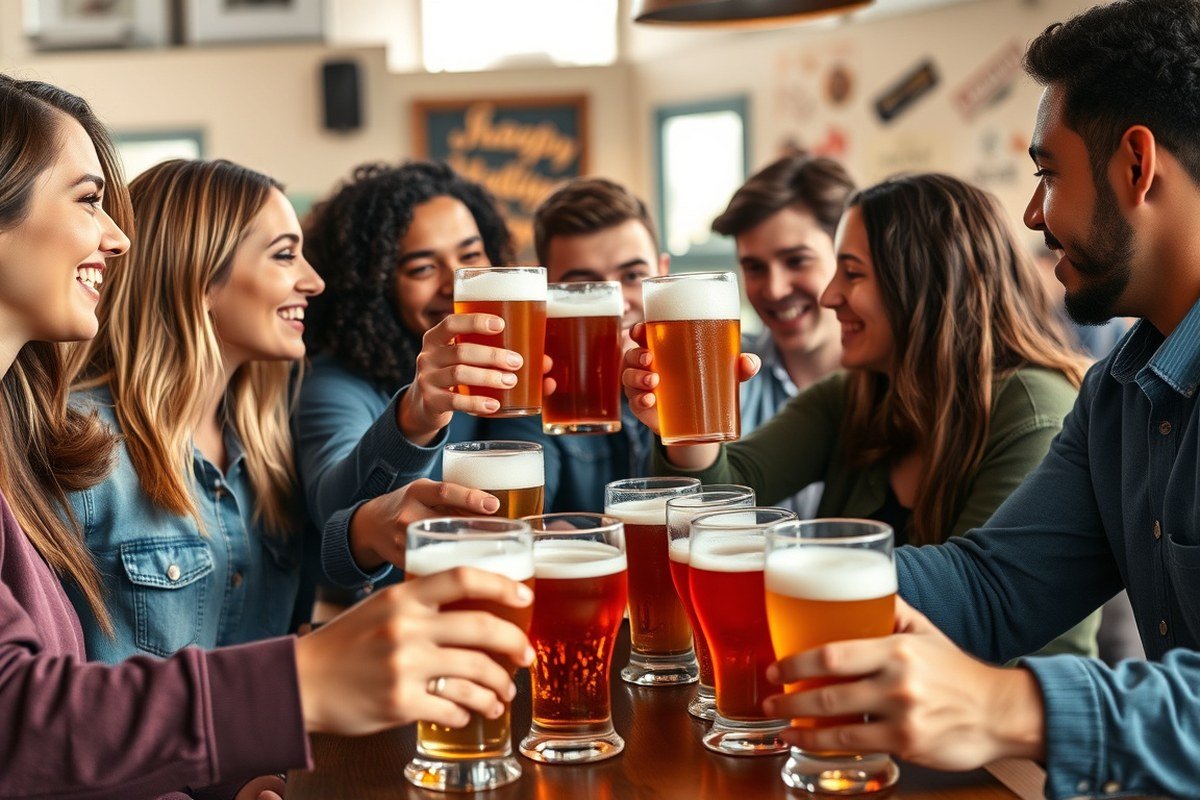
What Is the Best Beer for Beginners: A Complete Guide to Easy & Enjoyable Choices
The best beer for beginners usually has a low to moderate alcohol content, around 4 to 6 percent ABV, and a simple, enjoyable flavor. Styles like light lagers, session ales, and mild fruit-forward beers make it easier to appreciate beer without overwhelming your palate. These options keep the alcohol warmth gentle and the taste approachable, making them perfect if you’re new to craft beer.
This information is ideal for casual drinkers curious about craft beer or anyone wanting a smooth start without guesswork. You’ll find practical advice on picking styles, understanding flavors, and making your first craft beer experience positive and enjoyable.
Key Takeaways
- Choose beers with 4, 6% ABV to enjoy flavor without strong alcohol effects.
- Start with clear, crisp styles like light lagers or fruit-forward ales for easy drinking.
- Session beers under 5% ABV are great for longer drinking occasions without fatigue.
- Japanese-style rice lagers offer a light taste, ideal for people uncertain about beer.
- Order beers by mentioning flavor traits such as “fruity” or “mildly hoppy” to avoid guessing.
- Low-alcohol breweries like Notch provide flavorful beers safe for beginners.
What Is the Best Beer Style for Beginners?
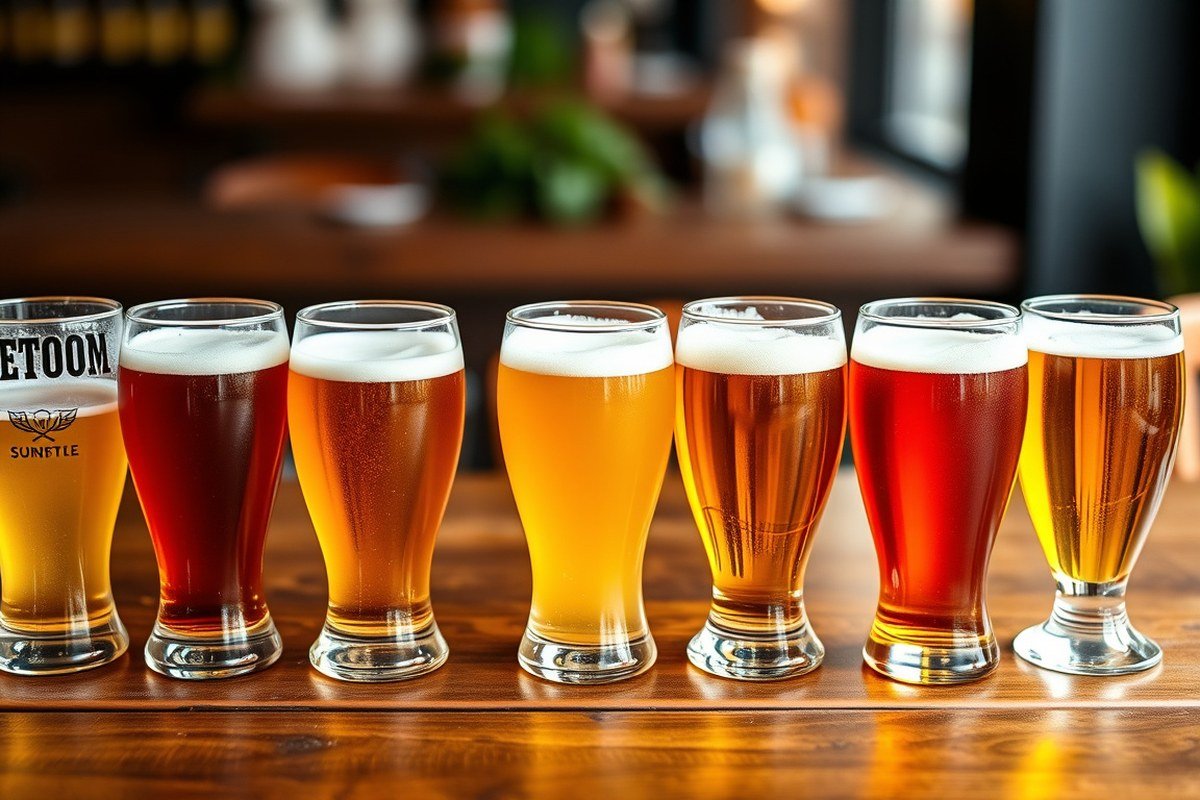
Begin your craft beer experience with styles that balance mild flavors, moderate alcohol, and easy drinkability. The best beers for beginners fall around 4.5% to 5% ABV. This range allows you to taste the beer’s character without being overwhelmed by bitterness or alcohol strength.
Choosing between lagers and ales depends on your taste preferences. Lagers, especially crisp styles like pilsners or classic lagers, offer a refreshing, clean profile that many find approachable. Ales such as blonde ales or wheat beers deliver gentle malt sweetness and subtle fruitiness, which can be easier on a new palate than highly bitter or complex beers. Sweetness tends to appeal more to beginners than bitterness, so malt-forward or mild styles make good first picks.
The IPA style, known for its strong bitterness and higher alcohol (around 7% ABV), is usually better saved until after you gain some experience. Similarly, dark beers like stouts and porters often have richer, fuller-bodied flavors that some beginners may find intense at first, although sweeter creamy stouts can be exceptions. Review this table for a practical comparison of beer style traits and what kind of beginner drinker each suits:
| Beer Style | Color | Bitterness (IBU) | Flavor Notes | ABV | Best For |
|---|---|---|---|---|---|
| Blonde Ale | Pale gold | Low | Light malt, slight fruit | 4.5% | First-time drinkers, gentle flavor |
| Wheat Beer | Hazy yellow | Low | Banana, clove spices | 5.0% | Fans of fruity, soft beers |
| Pilsner | Pale straw | Medium | Crisp, floral | 4.8% | Those wanting refreshing, clean tastes |
| Radler | Pale | Very low | Citrus, soda-like | 2.5% | For those preferring low alcohol and sweetness |
| Milk Stout | Dark brown | Low | Chocolate, coffee, creamy | 5.2% | Sweet dark beer fans new to stouts |
To pick the best style for your first beers, start by focusing on lightly bitter, less alcoholic options. Session beers under 5% ABV are a smart choice because they let you enjoy more than one without fatigue. Lagers like pilsners and amber ales offer crispness and balance. Wheat beers bring a soft, fruity character without strong bitterness. For a sweeter and softer taste, milk stouts or creamy dark beers are suitable newcomers’ options.
Begin by ordering or buying one beer from two or three of the styles listed in the table. Taste them side by side to understand which flavors appeal to you most. Avoid high-IBU beers like IPAs or very dark stouts until you develop a preference for bitterness and fuller-bodied styles. This step-by-step tasting helps build your palate thoughtfully without overwhelming your senses or spending on styles that feel too intense initially.
How Alcohol Content Affects Beginner Beer Enjoyment
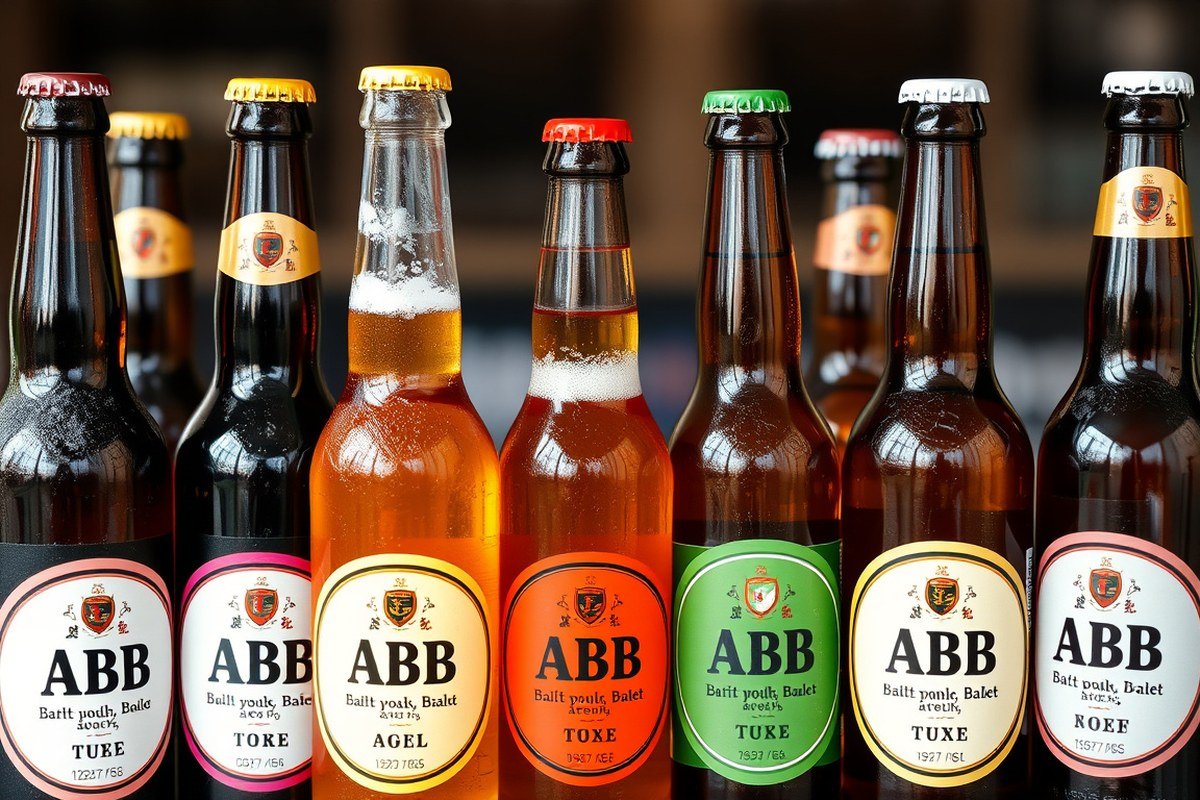
Alcohol by volume (ABV) plays a big role in how enjoyable a beer is for someone just starting to explore craft brews. For beginners, beers with an ABV between 4% and 6% hit a sweet spot. At this range, the alcohol doesn’t hit too hard, allowing your palate to focus on the flavors without feeling overwhelmed by warmth or bitterness from the booze. Choosing a beer with too high an ABV can mask flavors, making it difficult to appreciate the brew’s nuances or even cause discomfort.
Session beers often fall within this lower ABV range and are excellent for newcomers. These beers keep alcohol content mild but still offer plenty of hop character or malt richness. For example, session IPAs usually provide hoppy flavor without the strong alcoholic punch typical of standard or imperial IPAs, which often hit 7% ABV or higher. Starting with session beers lets you enjoy a full experience of craft beer flavors while reducing the chances of feeling overly intoxicated fast.
Alcohol also changes how you perceive flavor. Higher ABV beers tend to have a stronger “alcohol warmth,” which can overshadow subtle tastes or make the beer feel harsher. This effect can turn off beginners who expect a smoother, more refreshing experience. Lighter beers with lower alcohol content generally highlight the malt and hop profiles better, which helps newbies learn to identify different flavors.
Once you’re comfortable with beers around 4-6% ABV, you can slowly try stronger options. Beers in the 6-8% range, like some IPAs and amber ales, introduce more complexity and a noticeable alcohol presence. Taking it slow and tasting small amounts will keep you from being overwhelmed, and help you build a liking for more intense flavors and aromas.
Start with lower ABV beers to learn flavor basics, then try stronger ones in small pours so you don’t get overwhelmed.
Begin your beer tasting journey with familiar styles like blonde ales or light amber ales that usually fall near 5% ABV. These beers offer a smooth, easy drink with enough character to teach your palate without causing early frustration. Avoid jumping straight to high-ABV, heavily hopped beers like imperial IPAs or strong Belgian ales, which often have 8% ABV or more. Those are better saved for later in your tasting progress, once you recognize and appreciate lighter beer characteristics.
Choosing beers with moderate alcohol content also helps manage costs and drinking sessions. Lower ABV beers let you try a few different styles or brands in one sitting without reaching your limit too quickly. This approach is practical for learning and discovering what you enjoy without wasting money on beers that don’t suit your current taste or tolerance.
Understanding Flavor Profiles for New Beer Drinkers
New beer drinkers often notice malt sweetness, subtle hop bitterness, and fruity or creamy notes as the key flavors in beginner-friendly beers. Malt brings a smooth, mild sweetness, often described as bready or lightly caramel-like. This sweetness helps balance the bitterness of hops, making these beers more approachable. Hops contribute herbal, citrus, or grassy flavors and add mild bitterness that refreshes without overwhelming the palate.
American Pale Ales present a blend of gentle malt sweetness and mild hop notes, making them a good starting point. Wheat beers, like Belgian Witbier or German Hefeweizen, provide subtle fruit and spice aromas. Helles and Pilsner lagers deliver a smooth malt profile with a touch of bitterness, creating an easy-to-enjoy experience.
- Malt sweetness: smooth, bready, or caramel-like flavors
- Hop bitterness: mild and herbal or citrusy, not sharp or overpowering
- Fruity notes: hints of citrus, peach, raspberry, or cherry in some wheat or sour beers
- Creamy or smooth texture: common in darker beers like nitro stouts or some amber ales
- Refreshing carbonation: brightens flavors without harshness
- Balanced bitterness: bitterness complements but does not dominate malt sweetness
To identify which flavors you like, taste several beginner beers side by side. Pay attention to what stands out, fruitiness, sweetness, bitterness, or creaminess. Malt sweetness draws many drinkers to amber ales or lagers that show caramel flavors. Mild citrus or herbal notes come through nicely in pale ales with gentle hop profiles. Avoid beers with strong bitterness at first, such as Imperial IPAs, which can overwhelm a new palate.
Sampling small amounts at a taproom or buying sampler packs allows you to explore without committing to a full six-pack. Take notes on your favorites, focusing on balance and mouthfeel. Over time, your taste buds will adjust, making it easier to pinpoint flavors you enjoy in new beers.
How to Order Your First Craft Beer Without Guessing
Ordering your first craft beer can feel overwhelming, but using a few simple steps can help you pick a beer you’ll enjoy without guessing. Focusing on the beer style, alcohol content, and describing your taste preferences to the bartender makes the process smoother. Starting with small pours or samples also takes the pressure off and lets you explore what you like.
Step 1: Read the Menu for Style and ABV
Most bars and breweries list beers with their style and alcohol by volume (ABV) percentage. Styles like Pale Ale, Kölsch, or Cream Ale often come with flavor expectations and different bitterness levels. The ABV typically ranges from about 4% to 7% for beginner-friendly beers, with lower ABV offering lighter, easier-drinking options.
Skimming the menu for known styles like Pale Ale or Kölsch can guide your choice. These styles are usually mild, with moderate malt and hop flavors. The ABV helps you avoid very strong beers, which may be too intense for your first try. Knowing a beer’s style and ABV before ordering saves time and reduces uncertainty.
Step 2: Ask Bartenders About Beginner-Friendly Options
Bartenders are a great resource for recommendations, especially if you explain you’re new to craft beer. You can say, “I’m new to craft beer and looking for something smooth and easy to drink, with maybe around 4 to 5% ABV. What would you suggest?” This precise request helps them narrow down options tailored to your taste and budget.
Avoid vague questions like “What should I get?” Instead, mention if you prefer sweeter, maltier, or less bitter beers. Letting the bartender know your price range, for example, under $7 for a pint, also helps avoid surprises on your tab. Most bartenders appreciate clear and friendly requests.
Step 3: Start with a Sample or Tasting Flight
A 5-ounce tasting pour or flight sampler lets you try several beers without committing to a full glass. This way, you can compare flavors and decide what suits your palate. Many breweries and bars offer flights ranging from three to five small pours, often priced between $8 and $15.
Ordering a sample first is a low-risk way to find your favorite beer style. You can say to the bartender, “Can I get a 5-ounce pour of that Pale Ale to see how I like it?” This avoids wasting money on a full pour you might not enjoy. Sampling keeps the experience fun and educational.
Step 4: Share Your Flavor Preferences
Describing what you like helps bartenders suggest beers closer to your taste. Use simple terms such as Light, fruity, malty, sweet, bitter, smooth, or citrusy. For example, you might say, “I usually like sweeter drinks with a little fruitiness, and I want to avoid anything too bitter.”
You can also mention drinks you already like outside of beer as references. Saying “I enjoy white wine with some acidity or a light cider” Gives a baseline. Clear, honest descriptions help bartenders match you with beers that feel inviting, not challenging.
Step 5: Order Confidently and Take Notes
After narrowing down your choices, place your order confidently. Saying, “I’ll have the Pale Ale, please,” shows you’re sure and gives the bartender a clear direction. Don’t hesitate to ask questions about how a beer is served, like glass size or if it’s served cold.
Consider keeping a small notebook or using your phone to jot down beer names and your impressions. Noting flavor, bitterness, and ABV helps track what you enjoy over time. If a beer doesn’t suit your taste, simply move on quietly and try the next recommendation. Your taste will evolve, and every order is a step forward.
- Scan the menu for beginner-friendly beer styles and moderate ABV (4%, 6%).
- Ask the bartender for beers with smooth, easy flavors and share your taste and budget.
- Request a small sample or tasting flight to explore multiple options affordably.
- Use simple flavor words to describe what you like, avoiding beer jargon.
- Order your preferred beer confidently, and take notes for future reference.
Examples of Easy-to-Find Beginner Beers in the USA
Finding easy-to-find beers that suit new drinkers starts by looking for options with mild, approachable flavors and moderate alcohol content. Mass-market beers like Corona and Guinness can be good beginner choices, especially because they are widely available and well-known. Corona offers a light, crisp taste that many find refreshing without being too bitter. Guinness’s Irish Stout represents a darker style but comes in lighter-bodied variants such as dry stouts or milk stouts that new drinkers often find easier to enjoy.
Craft beers that are gentle on first-time palates tend to be lagers, wheat beers, and pale ales with balanced bitterness. Sierra Nevada Pale Ale is famous for converting light lager fans to craft beer lovers with its smooth hop flavors. Wheat beers and hefeweizens are another popular entry point, known for their fruity and yeast-driven notes. For affordable beginner craft options, many breweries offer six-packs in the $10 to $11 range, making it easy to experiment without a big commitment.
| Beer | Type | Flavor Profile | Price Range (6-pack) | Why It Works for Beginners |
|---|---|---|---|---|
| Corona Extra | Light Lager | Light, crisp, refreshing | $8-$10 | Widely available and mild taste |
| Guinness Irish Stout (Dry or Milk Stout) | Stout | Lighter-bodied, smooth, roasted | $9-$11 | Dark but approachable versions exist |
| Sierra Nevada Pale Ale | Pale Ale | Balanced hop bitterness, smooth finish | $10-$11 | Craft classic that converts lager drinkers |
| Bike Path Pilsner | Pilsner | Crisp, clean, slightly bitter | Varies, usually ~$8-$12 | Classic beer style with a beginner-friendly taste |
| Hefeweizen (Various Brands) | Wheat Beer | Fruity, yeasty, smooth | $8-$12 | Recognizable, fun flavors popular with beginners |
| Everyday IPA (Kit or Packaged) | IPA | Less bitter, often fruity, unfiltered | Homebrew kits ~$40; six-pack ~$10-$12 | Approachable craft choice with balanced bitterness |
For beginners exploring affordable and approachable beers, checking the local grocery or liquor store’s craft beer section usually reveals options like these. Many stores carry Sierra Nevada Pale Ale and mass-market staples like Corona and Guinness. For a more hands-on experience, craft beer kits that brew about 2 gallons can offer a beginner-friendly taste while teaching brewing basics.
Start with beers priced under $12 for a six-pack to explore without overspending while getting a sense of what you enjoy.
Choosing milder craft beers and mass-market lagers lets you taste the core beer styles without overwhelming bitterness or strong sour/tart notes that can be off-putting early on. From there, expanding into wheat beers, lighter stouts, and approachable IPAs offers variety while keeping flavors accessible. This approach makes your first beer choices manageable and enjoyable, encouraging you to learn and grow your taste with confidence.
When and How to Explore More Complex Beer Styles
Start exploring hoppier, stronger, or darker beers after you feel comfortable with lighter and milder styles like pilsners, wheat beers, or easy pale ales. These lighter beers help you get used to carbonation, mild bitterness, and basic malt sweetness without overwhelming your palate. Signs you’re ready for more complex flavors include enjoying slightly bitter tastes without discomfort and appreciating subtle malt notes. You might notice cravings for richer aromas, like toasted bread, caramel, or even a hint of smoke.
Begin your transition by trying amber or brown ales, which offer a smooth middle ground. These styles balance malt richness with moderate hop bitterness, often carrying caramel or toasted flavors without the heavy bitterness found in many IPAs. For example, amber ales can deliver caramelized notes similar to toasted bagels, making them approachable for beginners curious about darker beers. Dark Mexican lagers, like Y’all Be Easy Dark, provide a smooth, roasty flavour while remaining light and crisp. These beers are excellent steps before jumping into stouts or porters, which tend to be richer and sometimes more bitter.
Trying these beers in a bar or brewery setting can be helpful since you can order small pours or flights, allowing you to taste multiple styles without committing to a full pint. This approach helps you compare flavors side by side, notice differences more clearly, and avoid waste. It also gives you a chance to ask bartenders or servers for recommendations tailored to your taste level. At home, you have full control over pacing. Pour 6 to 8 ounce servings so you can sip slowly, preferably with food that cleanses your palate, such as mild cheese or bread. A slow pace, about 10 minutes per sample, allows your senses to adjust and reduces the risk of flavor overload.
When trying hoppier beers like IPAs, start with those labeled “session” or “West Coast” styles, which usually contain around 4.5% to 6% alcohol by volume and offer bright, herbal, or floral hop notes without excessive bitterness. Keep in mind that IPAs sharply ramp up bitterness, so pacing is critical to avoid becoming overwhelmed. Take small sips and pause to breathe and note the flavor evolution, which often shifts from citrus or pine to a dry finish. When a beer tastes too bitter, pair it with food or choose a malt-forward style that tastes more balanced.
Stronger beers with higher alcohol content, sometimes called “imperial” versions, should be approached only after you have developed tolerance for regular-strength versions. These beers can cost more, and their intense flavors can be tiring if you’re not ready. Sample them in smaller quantities, such as 4-ounce tasters, and consider sharing with friends to avoid drink fatigue. For the most enjoyable experience, enjoy these stronger or darker styles in a relaxed environment focused on tasting rather than just drinking.
Progressing at your own pace and paying attention to your palate help you enjoy beer more. Transitioning from light beers through amber ales to more challenging porters or IPAs is a rewarding way to increase your craft beer appreciation. Exploring beer gradually in a bar with expert advice or at home with measured pours keeps you from feeling overwhelmed and builds confidence.
Tips for Developing Your Personal Beer Taste over Time
Your personal beer taste usually takes a few months to develop, depending on how often you try new beers and how openly you approach different styles. Keeping track of what you like and do not like helps you refine your preferences over time. Experiment safely by sampling small amounts, focusing first on similar styles, and learning without pressure to enjoy the process more.
Keep a Beer Tasting Journal
Writing down your impressions after tasting each beer sharpens your memory and helps you spot patterns in what you enjoy. Note the beer’s name, style, alcohol content, flavors you detect, and overall rating. This can be as simple as a notebook or a notes app on your phone.
Journals matter because they turn vague preferences into concrete information. You may find you consistently like nutty or citrusy notes, which points to certain beer styles. Over time, these notes guide you toward beers you’ll likely enjoy more.
Sample Small Amounts to Avoid Overload
Trying multiple beers in one session works best when you start with small servings such as 4-ounce pours or flights. Sampling limited ounces keeps alcohol intake moderate and your palate fresh. Here’s a basic decision rule for tasting:
- Start with lighter styles before moving to heavier or more bitter beers.
- Take sips slowly, giving yourself 5 to 10 minutes between samples.
- Use water and plain crackers to cleanse your palate after each beer.
- Limit tasting sessions to 3 to 5 different beers to avoid overwhelming your senses.
- Make notes immediately or soon after each tasting to capture fresh impressions.
Controlling portions and pacing your tasting allows you to notice subtle differences and prevents early fatigue or discomfort.
Try Similar Styles Before Switching Flavors
Exploring related beer styles side by side helps you understand the impact of small differences in ingredients or brewing techniques. For example, try a pilsner, then a lager, then a cream ale to detect distinctions in bitterness, maltiness, and carbonation.
This approach builds your taste buds gradually instead of shocking them with drastically different flavors too soon. Once you become comfortable distinguishing nuances within one group, it’s easier to branch out to new styles like IPAs or stouts. Following a progression pattern like:
- Light lagers and wheat beers
- Amber ales and session ales
- IPAs and other hoppy beers
- Dark ales and stouts
Helps you get a solid foundation before tackling intense or sour beers.
Join Tasting Events or Beer Clubs
Participating in organized tastings or beer clubs connects you with newcomers and experts. Such events usually offer beers in flights and provide context for styles and flavors. They remove pressure by framing your experience as discovery and learning.
Local breweries, bottle shops, or community centers often host tastings for $10, $25 per session. Beer clubs can range from free meetups to paid monthly subscriptions that send curated beers with tasting notes. These social settings also expose you to recommendations and different perspectives.
Ask Questions and Learn from Enthusiasts
Engaging with more experienced beer drinkers helps you understand common terminology and brewing techniques. Don’t hesitate to ask what makes a beer taste fruity or bitter or about good food pairings. Many enthusiasts enjoy sharing knowledge and tasting tips. Use questions such as:
- What style is this, and what should I notice?
- Why does this beer taste sweeter than the last?
- Can you recommend something similar but milder?
- What food goes well with this beer?
Your curiosity is key to expanding your appreciation and might point you toward your next favorite beer.
Is Homebrewing a Good Option for Beginners?
Homebrewing can be a rewarding way for beginners to learn about beer, but it requires some upfront investment and patience. Starter kits offer a convenient all-in-one solution with reusable equipment and clear instructions, making it easier to try brewing simple beer styles. The process takes around 30 minutes on brew day but includes waiting for fermentation and conditioning to finish before you get to taste your beer.
Popular Beginner Homebrew Kits Compared
Beginner homebrew kits generally include all the basic equipment and ingredients needed to make your first batch. The most common size is around 23 liters, producing a good amount without being overwhelming. Popular kits come with fermenters, reusable bottles, yeast, and carbonation drops, along with cleaning supplies and step-by-step instructions.
| Kit Name | Batch Size | Included Equipment | Price | Ingredients Included | Average Brew Day Time |
|---|---|---|---|---|---|
| Beer Complete Kit | 23 liters | Fermenter, bottles, caps, cleanser, bottling equipment | Varies | Brewing extract, yeast, carbonation drops | ~30 minutes |
| Complete Bonus Kit | Varies | Fermenter, bottles, caps, cleanser, brewing extract | $79.95 | Brewing extract, yeast, carbonation drops | ~30 minutes |
| Coopers DIY Brewing Systems | Varies; sometimes larger size | Fermenter, bottles, caps, cleanser (additional equipment extra) | More than $79.95 | Typically does not include all ingredients | ~30 minutes |
Choosing a kit depends on your budget and whether you want ingredients included so you can get started immediately. The Beer Complete Kit is well-suited for beginners planning to try several styles without brewing too much at once. Larger batch systems or kits that require buying extra equipment might be better when you decide to brew more frequently or increase batch sizes.
Steps to Brew Your First Batch at Home
Homebrewing starts with assembling the equipment and ingredients from your kit. The process begins by mixing the brewing extract with water in the fermenter, usually heated to around 70°F to 75°F for optimal yeast activity. After stirring the mixture and adding yeast, the fermenter is sealed with an airlock to allow gases to escape while preventing contamination.
Brew day itself typically takes about 30 minutes, including cleaning, mixing, and bottling. Next, you let the beer ferment for about one to two weeks, followed by bottling and conditioning for another two weeks or more. Carbonation drops make it easier to control carbonation levels in bottles without additional equipment.
- Clean and sanitize all equipment thoroughly.
- Mix brewing extract and water in fermenter at 70°F to 75°F.
- Add yeast and seal fermenter with airlock.
- Allow fermentation for 1, 2 weeks at stable temperature (65°F to 75°F).
- Bottle beer using provided bottles and carbonation drops.
- Condition bottles at room temperature for 2+ weeks before chilling and drinking.
Managing Time and Expectations for Homebrewing
Expect your first brew to combine active time of about 30 minutes with several weeks of fermentation and conditioning. The yeast does most of the work during this time, so patience is essential. Brewing styles like pale ales, wheat beers, or lagers tend to be easier for beginners due to straightforward fermentation needs and forgiving flavor profiles.
Beginners may find it challenging to avoid off-flavors caused by improper sanitation, temperature fluctuations, or premature bottling. The good news is that most kits come with detailed instructions to help avoid common mistakes that impact flavor. Recognize that each batch is a learning experience and homebrewing skills improve with practice.
Keep fermenter temperature consistent to avoid off-flavors that can spoil your first batch.
Maintaining and Reusing Equipment
Most beginner homebrew kits include reusable equipment such as fermenters, bottles, caps, and siphons that you can use for multiple batches. Proper cleaning and sanitizing after every use are critical to prevent contamination and ensure good beer quality. Using the same equipment for different styles is common, as long as thorough cleaning is performed.
Investing once in a complete kit saves money over time since you won’t need to repurchase expensive gear for each brew. Equipment lifespan depends on quality and care but can last several years if maintained well. Some kits offer upgrades or additional accessories as your brewing skills develop and you want to experiment with larger volumes or different beer types.
Tips for Enjoying Your Brewing Journey
Start with simple beer styles such as pale ales or wheats that are forgiving for new brewers and help you develop your palate gradually. Take good notes on each batch to track what you like or want to improve. Connect with local homebrewing clubs or online forums for advice, recipes, and support.
Expect surprises in flavor and don’t hesitate to try multiple batches. Reusing equipment and experimenting with small batch sizes gives you flexibility without waste. Homebrewing deepens your understanding of beer taste by exposing you to all stages from raw ingredients to finished product.
Your First 30 Days: A Quick-Start Plan
Follow this step-by-step guide to discover the best beginner beers and start enjoying craft beer with confidence.
- Day 1: Choose a light, low-alcohol beer like a pilsner or blonde ale. Taste it slowly to notice its mild flavors and check if it feels smooth and easy to drink.
- Week 1: Try a few beers with different but similar profiles, such as a wheat beer or a cream ale. Note which ones you like best by how enjoyable and balanced they taste.
- Week 2: Visit a local brewery or bar and ask for their best beginner-friendly recommendations. See if you enjoy the new options and how your taste preferences line up.
- Week 3: Experiment with slightly hoppier or maltier beers like an amber ale or session IPA. Assess if you can appreciate the added complexity without feeling overwhelmed.
- Week 4: Pair your favorite beers with simple snacks you like to observe how food affects flavor and enjoyment.
- End of Month: Reflect on your favorites and pick one or two to share with friends or to try again. Recognize your growing confidence in choosing beer yourself.
- Ongoing: Slowly introduce homebrewing kits or tasting events to deepen your understanding as your palate matures.
Frequently Asked Questions
What Is the Best Beer Style for Someone New to Craft Beer?
The best beer style for a newcomer is typically light and balanced, like a Pale Ale or a Hazy IPA, because they’re crisp and friendly on the palate. These styles offer a pleasant introduction without overwhelming flavors or high alcohol content.
How Does Alcohol Strength Impact My Choice as a Beginner?
Beginners should opt for beers with low to moderate alcohol by volume (4, 6%) to avoid strong alcohol warmth. This range helps you enjoy flavors without feeling the effects too quickly, making it easier to focus on tasting the beer itself.
Can I Start Brewing Beer at Home as a Complete Beginner?
Using a beginner-friendly kit such as the Coopers DIY 2 Gallon Beer Making Kit is ideal for those who prefer smaller batches and need helpful brewing equipment. Crafting beer at home allows you to learn about brewing basics and discover your taste preferences directly.
What Should I Look for When Ordering My First Craft Beer at a Bar?
Pick beers that are described as crisp, bright, fruity, or gently hoppy to keep things simple and approachable. Asking bartenders for something with these characteristics will likely keep your first experience enjoyable and educational.
Are Dark Beers Suitable for Someone Just Starting with Craft Beer?
Dark beers tend to be best saved for later since their flavors can be intense. However, sweet and creamy dark ales are exceptions and can serve as a gentle introduction to this style for beginners willing to explore beyond lighter brews.
How Can I Develop My Beer Taste Without Feeling Overwhelmed?
Start by exploring session beers with less than 5% ABV, which let you sample flavors without heavy alcohol effects. Gradually trying different styles at a comfortable pace helps you identify what you enjoy without rushing into complex varieties.
Before You Go
Starting with mild, approachable beers gives you the best chance to develop a taste for craft beer without feeling overwhelmed. Enjoy your first beer slowly and let your preferences guide your next choices. Visit a local craft beer bar this week to try something new and discuss your tastes with the staff. This simple step can open the door to many rewarding beer experiences ahead.



2 Comments