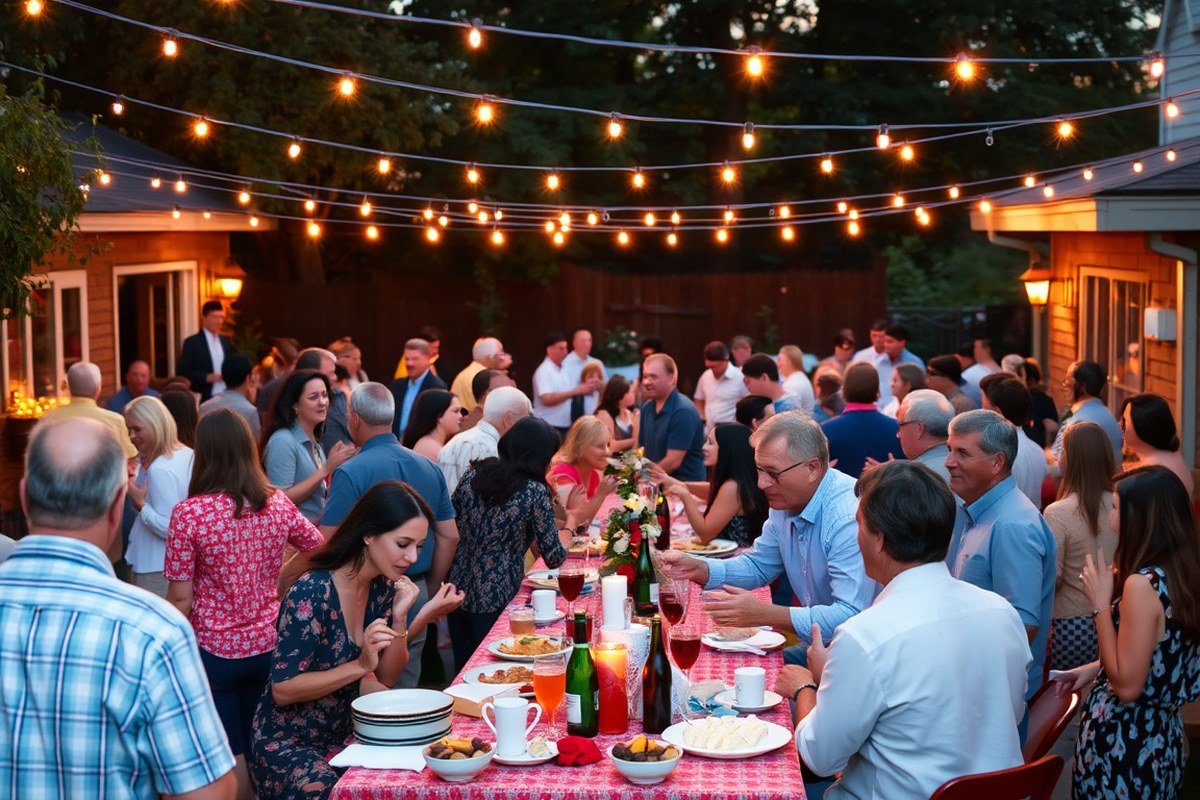
How to Plan a Party for 50 People: A Complete Guide with Practical Tips
Start planning your party for 50 people by setting a clear timeline, budgeting carefully, and choosing the right location to fit your needs. Focus on guest list management, menu planning, and entertainment booking to keep things on track and enjoyable.
This advice suits anyone organizing a medium-sized social or family event. You’ll find practical tips on budgeting, seating, food quantities, and day-of logistics to help your party run smoothly from start to finish.
Key Takeaways
- Invite 20-30% more guests than you want, as only about 60% typically accept cocktail invitations.
- Set your budget around $30-$60 per person for food, drinks, and supplies to avoid surprises.
- Decide early whether to host at home or rent a venue based on space and convenience.
- Book entertainers or professional services 4-6 weeks before the event to secure availability.
- Prepare a party supplies list including cups, plates, napkins, ice, and trash bags to cover basics.
- Start your detailed planning at least 8 weeks in advance, adjusting timelines as the party nears.
Start Planning Your Party for 50 Guests with a Clear Timeline
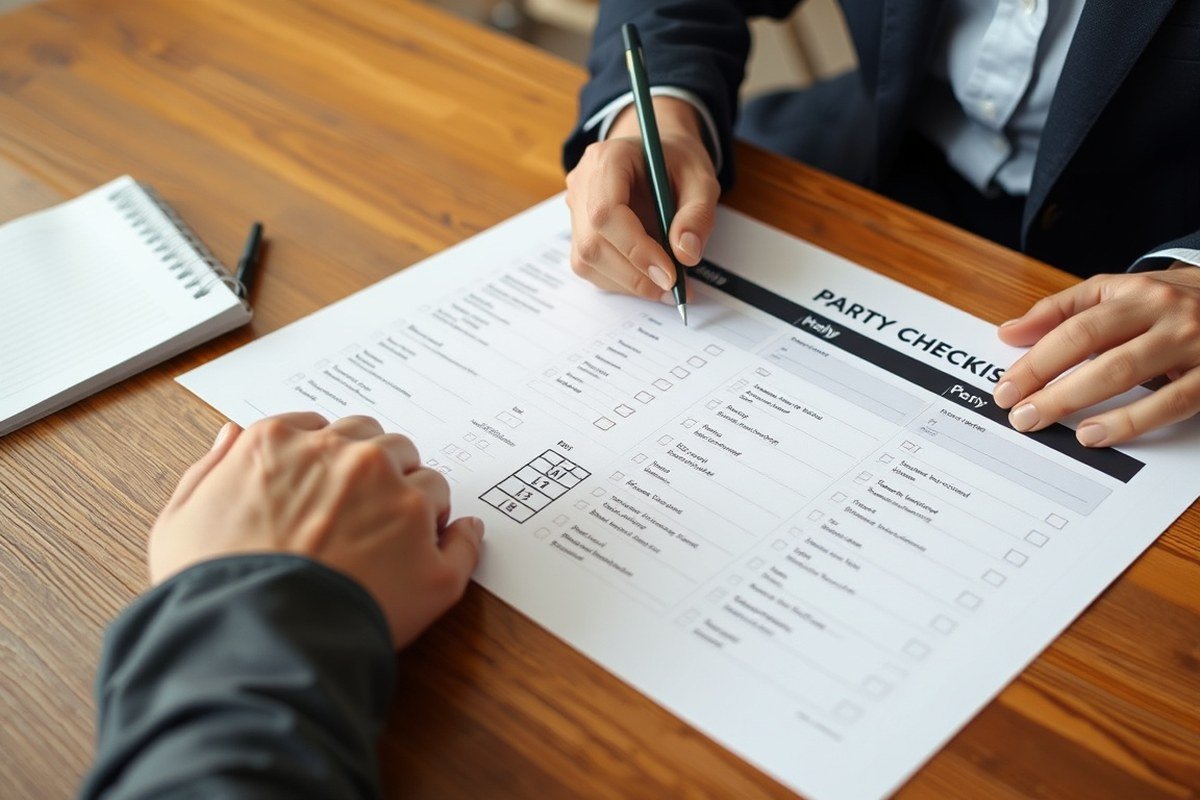
Start planning your party at least six to eight weeks before the event date to ensure you have enough time to secure a venue, order supplies, and coordinate vendors. Breaking the process into clear milestones helps avoid last-minute stress and missed details. Setting a timeline means you’ll know exactly what to tackle each week, from sending invitations to confirming entertainment and catering.
A well-structured timeline keeps tasks manageable and the party preparation organized. For example, sending invitations around two weeks before the party gives guests a fair chance to RSVP and enables you to finalize headcounts and food quantities. Failing to allow enough lead time can mean rushed decisions, limited vendor availability, and guest no-shows. Adjust your timeline if you’re planning something formal or require specialized vendors, which often means starting earlier. Use a step-by-step approach with clear deadlines to keep your planning on track. Here’s a simple timeline to follow for a 50-person party that balances preparation with pacing:
- Set the Date and Budget (6-8 weeks before): Pick a date that works for most guests and establish your budget. The budget influences every decision, so have it clear early.
- Book Venue and Vendors (5-6 weeks before): Reserve your venue and hire caterers, entertainment, and rentals. Popular vendors can book up quickly, so early booking is key.
- Create and Send Invitations (3-4 weeks before): Finalize the guest list and send invitations, opting for digital or paper based on your event style.
- Plan the Menu and Drinks (3 weeks before): Decide on food and beverages, allowing time to shop or arrange catering details once you have accurate RSVP numbers.
- Arrange Decorations and Seating (2 weeks before): Buy or rent decorations and plan the layout to comfortably accommodate 50 guests.
- Confirm All Arrangements (1 week before): Check in with vendors, confirm RSVPs, and finalize party day timelines and setups.
- Prepare for Setup (Day before): Organize supplies, pack what you need, and clean or prep the venue or home.
This timeline can be condensed or expanded depending on your party type and how much you handle personally. For casual home parties, you might simplify steps, but for milestone events or outside venues, sticking to this timeline avoids costly last-minute issues. Writing down your schedule and updating it weekly helps keep everything visible and manageable.
Budgeting for a 50-Person Party Without Surprises

Expect a party for 50 people to cost between $1,500 and $3,000 depending on your choices for food, drinks, venue, and extras. Allocating your budget carefully helps avoid surprises and lets you focus spending on what matters most, like good food and entertainment.
Typical Cost Breakdown by Category
Planning your budget starts with understanding where the money goes. The biggest expenses typically are food, drinks, venue rental, decorations, and entertainment. Food and drinks together often make up around 50% to 60% of your total budget. Venue charges vary widely, but can take another 20% to 30%. Decorations and extras fill out the rest, usually around 10% to 20%.
Below is a table showing a common budget breakdown for a casual party of 50 guests, estimating at $40 per person, or $2,000 total. Adjust these percentages based on your priorities and local costs.
| Category | Estimated Cost per Person | Estimated Total Cost |
|---|---|---|
| Food | $15 | $750 |
| Drinks | $10 | $500 |
| Venue Rental | $8 | $400 |
| Decorations & Party Favors | $4 | $200 |
| Entertainment & Extras | $3 | $150 |
This breakdown serves as a baseline to help you assign realistic targets for each area and spot where you might cut back or invest more.
Affordable Food and Drink Options
Food and drinks can consume a large part of your budget, so plan carefully. Offering varied but affordable options like food stations allows guests to graze and socialize, which is both fun and economical. Grab some crowd-pleasing snacks, finger foods, and one main dish rather than a full buffet to keep costs down without skimping on quality.
For drinks, plan on providing about two drinks per person in the first hour and one drink per person each subsequent hour. Separate drink stations from the food area to reduce bottlenecks and keep guests comfortable. You can save money by buying in bulk from warehouse stores and selecting a mix of alcoholic and non-alcoholic beverages to suit all tastes.
Set up a separate drink station to prevent crowding around the food and keep the celebration flowing smoothly.
When to Splurge and When to Save
Spend more on what your guests will notice most, like good food, drinks, and entertainment. These elements create the party atmosphere and leave lasting impressions. Hiring a caterer might save time and stress, allowing you to allocate more to quality food without extra hassle.
Save money by handling decorations yourself or using simple DIY ideas. Hosting at home cuts venue costs, but requires more effort unless you hire professional help. If your budget is tight, choose a venue that offers bundled packages including food and décor, which can lower overall expenses and simplify planning.
Choosing Between Hosting at Home or Renting a Venue
Choosing between hosting your party at home or renting a venue comes down to weighing space, cost, comfort, and local considerations. Hosting at home typically saves money but requires you to manage more logistics and neighbour relations. Renting a venue often provides more space and amenities but adds rental fees and sometimes strict rules. Applying a clear comparison helps you make the best choice based on your priorities and situation.
Space is a key factor. The general rule for a standing party is to allow about 10-12 square feet per guest. For 50 guests, you’ll need around 500 to 600 square feet. At home, consider available rooms or outdoor areas combined. When your home lacks enough space or suitable layouts, a venue with dedicated event rooms could be a better choice. Venues usually handle furniture, lighting, and sometimes cleaner restrooms, while those responsibilities fall to you at home.
Neighbour considerations matter when hosting at home. It’s a good idea to inform neighbours about your party to mitigate noise complaints. Sharing party details and even inviting them to join can reduce tension. Some venues avoid this problem entirely but might require permits or insurance based on local laws.
| Factor | Hosting at Home | Renting a Venue |
|---|---|---|
| Cost | Minimal to moderate; mostly supplies (around $20-$30) | Typically $300-$1,000+ |
| Space | Limited to available rooms or yard; approx. 500-600 sq ft needed | Dedicated event space sized for 50+ guests |
| Amenities | You provide furniture, restrooms, cleanup | Usually furnished with tables, chairs, restrooms, cleanup service |
| Noise & Neighbours | Notify neighbours, risk of complaints | Usually soundproofed and permitted, fewer issues |
| Permits | Usually none needed unless music is loud or outdoors | May require permits, especially for alcohol or outdoor spaces |
| Setup & Cleanup | You manage all | Often included or available for extra fee |
Assess the comfort level by visiting your space or the venue ahead of time. Ensure there’s adequate seating or room for renting furniture. Check restrooms, parking, and kitchen or catering access. Ask about rules and any extra costs before booking a venue. Your home may feel cramped, or the party might go late and get loud, making a venue a more suitable option. On the other hand, if avoiding rental fees and keeping a casual atmosphere is a priority, your home can work well with solid planning and neighbour communication.
This decision can follow a simple rule: rent a venue if your home cannot comfortably hold the square footage needed, lacks necessary amenities, or you prefer not managing noise and cleanup alone. Opt to host at home when budget constraints exist, your space fits the guest list, and you have a good relationship with neighbours. This approach helps you balance costs, logistics, and the quality of the guest experience effectively.
Create and Manage Your Guest List Effectively
Inviting and tracking 50 guests efficiently requires a clear guest list and the right tools. Start by creating a prioritized list that includes 20-30% more people than you want to attend to accommodate no-shows, which means inviting about 60 to 65 people for your 50-person party. Focus on those most important to the event to keep your list manageable and meaningful. Use digital invitations to save time and effort; they simplify both sending and monitoring RSVPs without follow-ups.
Send invitations about 3 to 4 weeks before the event date. This timeframe gives guests enough time to respond, while leaving you room to confirm numbers and plan accordingly. For casual gatherings, you can shorten this window to 2 weeks. Invitations should include essential details such as date, time, venue, dress code, RSVP deadline, and any special instructions. The tone of the invitation should match your party’s theme to create excitement and set expectations.
Handling RSVPs smoothly means having a method that centralizes responses and updates them automatically. Mixily, a free tool, lets you design and send attractive invitations, monitor RSVPs instantly, and keep all event details in one spot. This approach minimizes lost responses and helps you get a reliable headcount. Regularly update your guest list as replies arrive, and provide the final number to your caterers or assistants.
- Make a guest list with 20-30% extra people beyond your target attendance
- Choose a digital invitation service like Mixily for design and tracking
- Send invitations 3-4 weeks before the party date
- Include all important details and a clear RSVP deadline
- Regularly update and share the confirmed guest list with vendors
- Follow up politely with anyone who hasn’t responded by the deadline
Using ready-made RSVP templates saves time and standardizes responses. Here’s a simple example you can adapt for your invitations:
“Please RSVP by [date] to [email or phone number]. Will you be attending? [ ] Yes, I’ll be there [ ] Sorry, I can’t make it
Tracking attendance realistically helps you plan food, seating, and activities without scrambling last minute. Low response rates close to the RSVP deadline call for a polite reminder message to encourage guests to respond. For casual parties, it’s fine to accept walk-ins, but for more formal occasions, stick to confirmed guests only. Keeping your guest list and RSVP management organized contributes to a smooth, enjoyable event for you and your guests.
Plan Food and Drinks: Quantities, Menus, and Budget
For a party of 50 people, plan on about 1 to 1.5 pounds of food per person, considering appetizers, main courses, and sides. Drink quantities vary with guest preferences but budgeting 2 drinks per person for the first couple of hours and 1 drink per hour after that will help you avoid shortages or waste. A menu that balances ease, variety, and crowd appeal saves money and stress.
Estimating Food Quantity per Guest
Providing 1 to 1.5 pounds of food per guest covers an assortment of appetizers, main dishes, and desserts. For example, if you plan two appetizers, one main dish, two sides, and a dessert, allocate roughly 6 ounces of each appetizer, 8 ounces of the main, and 4 ounces per side. When your group has many kids or light eaters, reduce the amount to 1 pound total per person. For hearty eaters or longer events, increase to 1.5 pounds. Don’t rely solely on adult meal rules, take into account the mix of ages and dietary restrictions to avoid over or under-buying. Cooking at home or buying from a restaurant affects costs. Preparing a batch of pasta salad plus a meat-based main dish offers a good cost-to-volume balance.
For budgeting, expect to spend between $10 and $20 per person on food depending on menu choices. Cooking at home reduces costs but adds prep time. Hiring caterers usually means higher costs, but they take care of quantity calculations. Track how many guests confirm early to adjust food quantities precisely. Avoid ordering too many specialized items because uneaten expensive dishes increase waste.
Drink Planning and Bar Options
Start by deciding whether you want a full bar, limited beer and wine, or just non-alcoholic drinks. For 50 guests, purchasing about two drinks per person for the first two hours (100 drinks) and one drink per person for each additional hour is a reliable guideline. For a four-hour party, plan for about 200 drinks total. Include a mix of alcoholic and non-alcoholic options such as water, soda, and mixers. Buying in bulk from warehouse clubs frequently lowers prices.
Consider guest preferences and local drinking laws when stocking alcohol. A semi-supervised bar where guests serve themselves helps manage consumption and cost. For a simplified selection, one bottle of wine typically serves about five glasses and a 12-pack of beer covers 12 servings. Plan on 50% wine, 40% beer, and 10% spirits as a starting split, then adjust based on your crowd. Provide plenty of ice and refill stations to keep drinks cold and minimize waste.
Stock extra non-alcoholic drinks to accommodate designated drivers and non-drinkers so no one feels left out.
Menu Ideas for Different Party Types
Catering the menu to the party style affects cost and guest enjoyment. For casual backyard barbecues, grill favorites like hamburgers, hot dogs, and corn on the cob with simple sides like potato salad and baked beans. These options keep food prep simple and costs manageable while pleasing a broad audience. For cocktail parties, offer finger foods such as mini quiches, shrimp cocktail, cheese platters, and crudité with dips, which are easy to eat standing and promote mingling.
For family celebrations, include both adult and kid-friendly dishes to accommodate all ages. Dishes such as baked pasta, roasted chicken, and fresh fruit platters work well because they suit diverse tastes and are easy to scale. Look for recipes that can be partially prepped in advance to reduce stress on the party day. Focus on ingredients available locally and in season to keep food fresh and budget-friendly.
Decorations, Seating, and Layouts for a Comfortable Party
Creating an inviting atmosphere for 50 guests begins with decorations that set the mood without overwhelming the space. Focus on a consistent color scheme and simple but effective accents like string lights, balloons, or themed table centerpieces. Choose decorations that complement your party’s theme or season, keeping in mind ease of setup and cleanup. A designated photo spot with a tasteful backdrop can add a fun, interactive element that guests will enjoy and remember.
Seating arrangements should balance comfort and social interaction. For a mixed crowd of 50, avoid placing all chairs around one large table. Instead, use several smaller tables with 6 to 8 chairs each, encouraging natural mingling. Position lounge areas with sofas or chairs in clusters for casual conversation, ideally spaced 6 to 8 feet apart to avoid crowding and allow smooth movement. Have a few standing tables for guests who prefer to stand and chat.
Planning the layout requires attention to flow and accessibility. Leave wide aisles, at least 3 feet wide, between tables and seating groups to prevent bottlenecks. Set food and drink stations away from main seating to reduce crowding but keep them visible. Consider the location of restrooms and entry points to maintain guest comfort and convenience. Lights should be warm and dimmable to create a cozy mood but bright enough to navigate safely. Outdoor or indoor space dimensions vary, but ensure about 10 to 12 square feet per person to maintain comfort.
- Choose decorations that can be reused or easily disposed of to stay on budget.
- Arrange seating to accommodate guests of different ages and mobility levels.
- Use signage or a small map to guide guests to key areas like restrooms and food.
- Include some high-top tables for guests who prefer standing spots.
- Test lighting levels before the party to balance ambiance with visibility.
- Place personal touches like photos or themed favors at tables to make guests feel welcome.
Determining these details around three weeks before the event allows you to order any specialty items in time and make adjustments as guest RSVPs finalize. Preparing a checklist of decoration supplies, seating inventory, and layout plans can prevent last-minute stress. When executed thoughtfully, these steps create a comfortable, inviting environment that encourages your guests to relax and enjoy themselves.
Booking Entertainment and Coordinating Extras Smoothly
Booking entertainment and arranging extras early helps avoid last-minute stress. For a party of about 50, pick entertainment that keeps guests engaged without overwhelming the space. Coordinate rentals and deliveries carefully to keep everything on schedule and ensure a smooth event.
Choosing Suitable Entertainment
Entertainment for 50 guests should create a fun atmosphere without crowding the event. Live music with a small band or solo performer, a DJ with a playlist tailored to the crowd, or interactive options like a photo booth work well. These choices balance energy and space, improving guest enjoyment without demanding a large stage or extensive setup.
Consider your guests’ preferences and the party’s tone when selecting entertainment. For example, a family gathering might benefit from a magician or a caricature artist, whereas a casual social party could lean toward a DJ.
Booking and Confirming Vendors
Book entertainers and vendors at least 4 to 6 weeks before the party to secure availability. This lead time allows you to review contracts, discuss specific needs, and adjust plans without rushing. Confirm all booking details, including arrival times, setup requirements, and payment terms, about one week before the event to prevent surprises.
Clear communication reduces the risk of misunderstandings. Ask entertainers about their space needs and equipment so you can prepare accordingly.
Coordinating Equipment and Extras
Rent any needed equipment such as sound systems, lighting, tables, or tents early and schedule delivery for the day before or the morning of the event. Having gear on-site ahead of time provides a buffer for setup issues or last-minute adjustments. Organize delivery windows to fit your venue’s access hours and avoid blocking entrances during peak traffic times.
Be sure to have a contact person available on the delivery day to oversee unloading and inspect equipment condition. This helps avoid damage claims or missing items on party day. Steps to book entertainment and coordinate extras smoothly:
- Research entertainment options suited for 50 guests based on your event type.
- Contact vendors to check availability and request quotes 6 weeks before the party.
- Compare offers, reviewing contracts and cancellation policies carefully.
- Book your chosen entertainers and rental companies with deposit payments.
- Schedule equipment and rental deliveries for the day before or morning of the event.
- Confirm all booking details and logistics with vendors one week before the party.
- Assign a point person to oversee vendor arrivals and equipment setup.
- Prepare a contingency plan for outdoor setups, such as tents or indoor backup spaces.
Managing the Day Before and Day-Of Logistics
About 24 hours before your party, focus on finalizing key details to avoid stress on the day of the event. Confirm vendor or venue arrangements if applicable, and check that all necessary supplies, decorations, and food items are ready or scheduled for pickup. Make a detailed checklist tailored to your event to keep track of these tasks efficiently. Preparing food that can be made ahead, such as desserts or items served cold, will save time on party day.
On party day, start setting up decorations and arranging tables and seating about 2 to 3 hours before guests arrive. Organize food and drink stations to streamline service and keep traffic flowing smoothly. Keep perishable foods refrigerated until serving time to maintain safety and freshness. If you have guests helping, assign clear roles like greeting, food replenishment, or music management to avoid last-minute confusion.
- Confirm venue setup responsibilities if not hosting at home
- Arrange furniture and decorations 2-3 hours before arrival
- Prepare and chill food items in advance where possible
- Create a station for coats and belongings near the entrance
- Place clear labels on food and drink items to assist guests
- Prepare a welcome area with seating and refreshments
- Review your checklist once more before guest arrival
Welcoming your guests with confidence sets the tone for the party. Greet each person warmly, introduce guests to each other, and provide a quick overview of the space and refreshments. Use the following simple script to stay calm and efficient:
“Hi [Guest Name], I’m so glad you could make it! Let me show you where you can hang your coat and find drinks and snacks. Feel free to mingle, and let me know if you need anything.”
Being organized with your last-minute preparations makes managing your party less overwhelming. Staying calm helps you connect with guests and enjoy the event alongside them. Avoid rushing or multitasking excessively as this can create missed details or a stressed impression.
Post-Party Follow Up: Thank Yous and Feedback
Sending thank you notes within a week after your party shows appreciation and leaves a positive impression. A brief, sincere message works best. For example: “Thank you for coming to the party and for the thoughtful gift. It meant a lot to me to celebrate together.” You can send handwritten cards or personalized digital messages depending on your preference and budget. Handwritten notes cost about $1 to $3 each for cards and postage and feel more personal, while emails are free and faster. Tailor your message if guests helped with set-up or brought something specific.
Managing clean-up after a 50-person event can feel overwhelming but organizing it saves time and effort. Start by having trash bags, recycling bins, and cleaning supplies ready before the party ends. Encourage guests to dispose of cups and plates properly as the event winds down. Enlist a few reliable friends or hire cleaning help if your budget allows; professional services for post-party clean-up typically charge between $100 and $250 depending on location and work needed. Divide tasks like collecting decorations, clearing tables, and storing leftovers into manageable steps to speed the process. This approach prevents missed messes and makes your space ready for everyday use again.
Gathering feedback helps you improve for future gatherings. Simple questions work best, such as: “What was your favorite part of the party?” “Did you find the food and drink options satisfying?” and “Any suggestions for next time?” Use a short digital survey or casually ask guests via text or social media within a few days after the party, when memory is fresh but not intrusive. Aim to get input from a mix of attendees to notice patterns and preferences. Feedback can help adjust food quantities, music choices, timing, or even venue layout for a smoother experience next time.
Here’s a basic checklist to guide your post-party follow up: within 1 to 3 days, send tailored thank you notes; immediately after the party, begin trash sorting and clearing with helpers; within 5 days, review leftover food for storage or donation; within 1 week, request guest feedback and evaluate responses for improvements. Handling these steps promptly preserves goodwill and provides clear insights for your next 50-person event.
Step-by-Step Action Plan for Your 50-Person Party
Follow these steps in order to keep your party planning organized and on track. Each step includes a clear goal to help you confirm progress.
- 8 Weeks Before: Set your budget and decide on your venue, confirm your reservation or prepare your home space. You’ll know it’s done when you have a firm location and a spending limit in place.
- 6 Weeks Before: Create and finalize your guest list, then send out invitations. You’re on the right track when you have a list of RSVPs starting to come in.
- 4 Weeks Before: Plan your menu and order any special food or drinks needed. Confirm quantities based on RSVPs to avoid shortages or waste.
- 3 Weeks Before: Arrange entertainment and any additional party extras. It’s confirmed when contracts or bookings are signed and deposits paid.
- 2 Weeks Before: Shop for decorations, seating, and rental equipment. Check off items on your list as purchased or reserved.
- 1 Week Before: Prepare a detailed schedule for the party day and assign tasks to helpers or staff. You’ll know it’s set when everyone understands their roles and the timeline.
- Day Before: Set up your venue with decorations and seating, check the food and drink delivery times, and confirm entertainment arrival times.
- Day Of: Follow your schedule closely, greet guests, and troubleshoot any issues. Success means the party runs smoothly and guests are enjoying themselves.
Frequently Asked Questions
How to Plan a Party for 50 People?
Start with a clear timeline and budget, then choose a venue, create a guest list, plan food and drinks, arrange seating, book entertainment, and manage logistics day-of. This ensures you cover all key areas without last-minute stress.
How Much Food Do I Need for a 50 Person Party?
Plan for about 1 to 1.5 pounds of food per guest, considering appetizers, main dishes, and desserts. Adjust portions based on your guest’s appetite and type of party.
How to Organise a Party for 50 People?
Organise by breaking tasks into stages: timeline creation, budget setting, venue booking, menu planning, and entertainment scheduling. Use checklists and assign helpers to keep things on track.
What Are the 5 C’s in Event Planning?
The 5 C’s are Concept, Coordination, Communication, Control, and Celebration. They guide your event’s purpose, logistics, team management, problem-solving, and guest enjoyment.
How Can I Feed 50 Guests Cheaply?
Choose bulk ingredients, offer simple but filling dishes, and consider potluck-style or finger foods to keep costs down. Shopping sales and preparing food yourself also help reduce expenses.
What Size Tables and Seating Do I Need for 50 Guests?
Use a mix of 5- to 8-seat tables to comfortably fit 50 guests, allowing space for movement. Round tables encourage conversation, while rectangular ones save floor space.
Key Points to Remember
Planning a party for 50 people requires clear steps and good timing to keep everything running smoothly. Start by securing your venue and setting your budget to provide a strong foundation. Your next move should be to finalize the guest list and send out invitations so you can accurately plan food, drinks, and seating. Taking these actions now helps you avoid last-minute stress and ensures your event will be enjoyable for everyone involved.



One Comment