What Is the Difference Between Lunch and Dinner Menu: A Complete Guide with Clear Comparisons
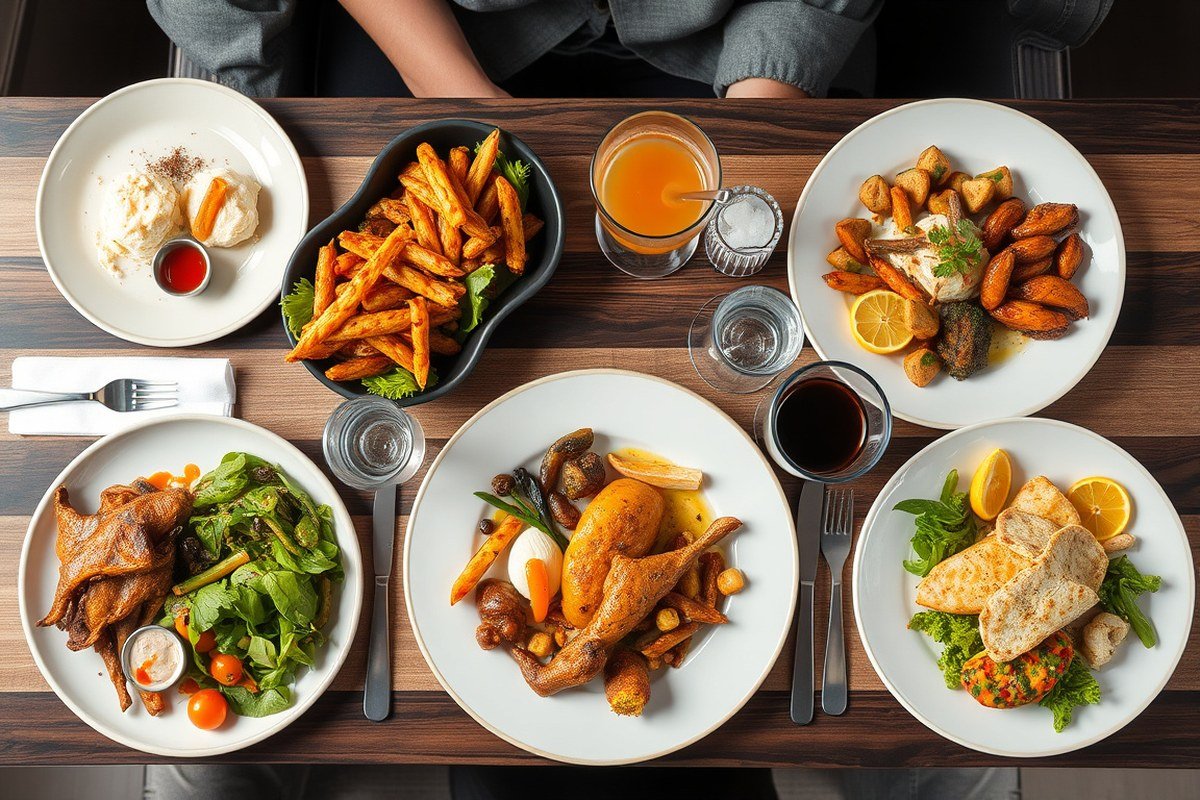
The difference between lunch and dinner menus mainly lies in their timing, portion sizes, and the meal’s purpose. Lunch menus typically offer lighter, quicker options suited for midday breaks, while dinner menus feature heartier dishes meant for longer, more leisurely meals. This distinction helps customers decide what to order based on their schedule and dining preferences.
This information is useful for casual diners, culinary students, and restaurant-goers who want to understand menu options better. Knowing these differences also helps you choose the right meal for different times of the day and occasions, whether at home or dining out.
Key Takeaways
- Lunch menus usually offer smaller portions and faster service to fit into a limited midday break.
- Dinner menus often include more elaborate dishes with larger portions and higher prices.
- Many restaurants price lunch dishes lower than dinner items, reflecting simpler preparation and shorter meal times.
- Meal timing varies locally, with lunch often running until 4 pm and dinner starting afterward without a gap.
- Cultural traditions influence what is served at lunch and dinner, such as a full meal at lunch in Italy but lighter supper.
- Late afternoon meals around 4 pm can be classified as either late lunch or early dinner depending on local custom.
How Lunch and Dinner Menus Differ in Timing and Purpose
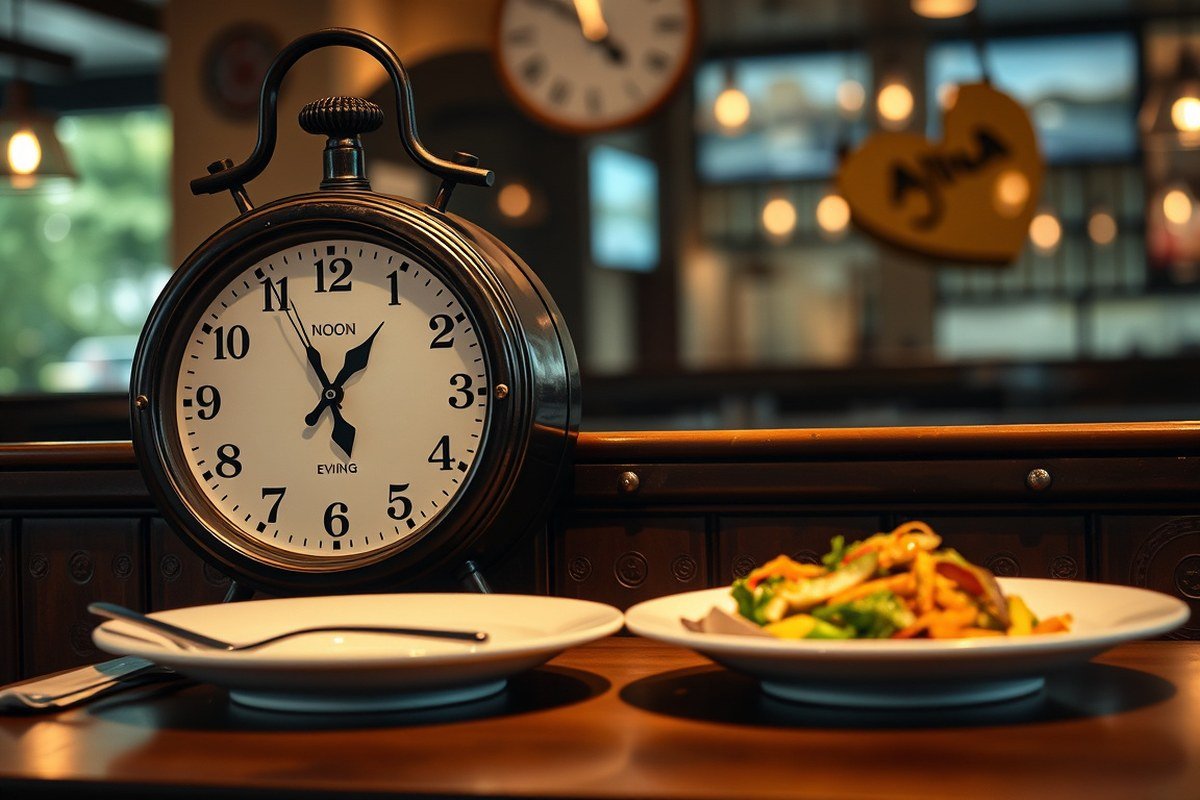
Lunch and dinner differ primarily in when they are eaten and the role they play during the day. Lunch is typically a midday meal consumed between 12 p.m. And 2 p.m. It follows breakfast and is designed to provide energy to sustain activity through the afternoon. Dinner usually occurs later, from 7 p.m. To 9 p.m., serving as the main meal in many cultures and marking the end of the day’s eating. This timing reflects an important daily rhythm where lunch breaks up the workday and dinner offers relaxation and nourishment after the day’s tasks.
Determining whether a meal at 3 p.m. Is lunch or dinner depends on local habits and your schedule. In most places, a 3 p.m. Meal falls outside the standard lunch hours and before typical dinner hours, classifying it as a late lunch or early snack. In Spain, for instance, the midday meal, called almuerzo, may extend until 3 p.m. And closely resembles the main dinner meal in other cultures. In other regions, 3 p.m. Might be seen as too late for lunch yet too early for dinner, so it could be considered a light meal or tea rather than either main meal.
The typical meal sequence begins with breakfast in the morning, then lunch around midday, and finally dinner in the evening. Dinner used to be the main meal served at noon, but as breakfast took the first spot, lunch moved to the middle of the day and dinner shifted to later hours. Supper, the late-night meal once common, has mostly been replaced by dinner as the last meal. Knowing this order makes it easier to schedule your meals and understand restaurant menus for lunch or dinner.
Lunch menus tend to focus on lighter dishes, like salads and sandwiches, suited for a quick but satisfying break during daytime hours. They often cost less than dinner menus; for example, a full lunch at a Brazilian steakhouse might be around $32 compared to a $56 dinner. Dinner menus usually offer heavier or more complex dishes such as roti, curries, and other main courses that fit the cultural role of this meal as the day’s largest and most leisurely. The distinction in timing matters because each meal is tailored to different energy needs and social occasions.
To decide which menu is appropriate, consider the time and your daily routine. Eating between 12 p.m. And 2 p.m. Fits the traditional lunch slot and often means choosing from lighter, quicker options designed to keep you going until dinner. Meals after 7 p.m. Are typically dinner, with more elaborate dishes intended for a longer sit-down. A meal around 3 p.m. Could be either a late lunch or a small dinner depending on local customs or personal habits, but it is generally not considered the main meal of the day.
Common Food Types and Portion Sizes on Lunch Versus Dinner Menus
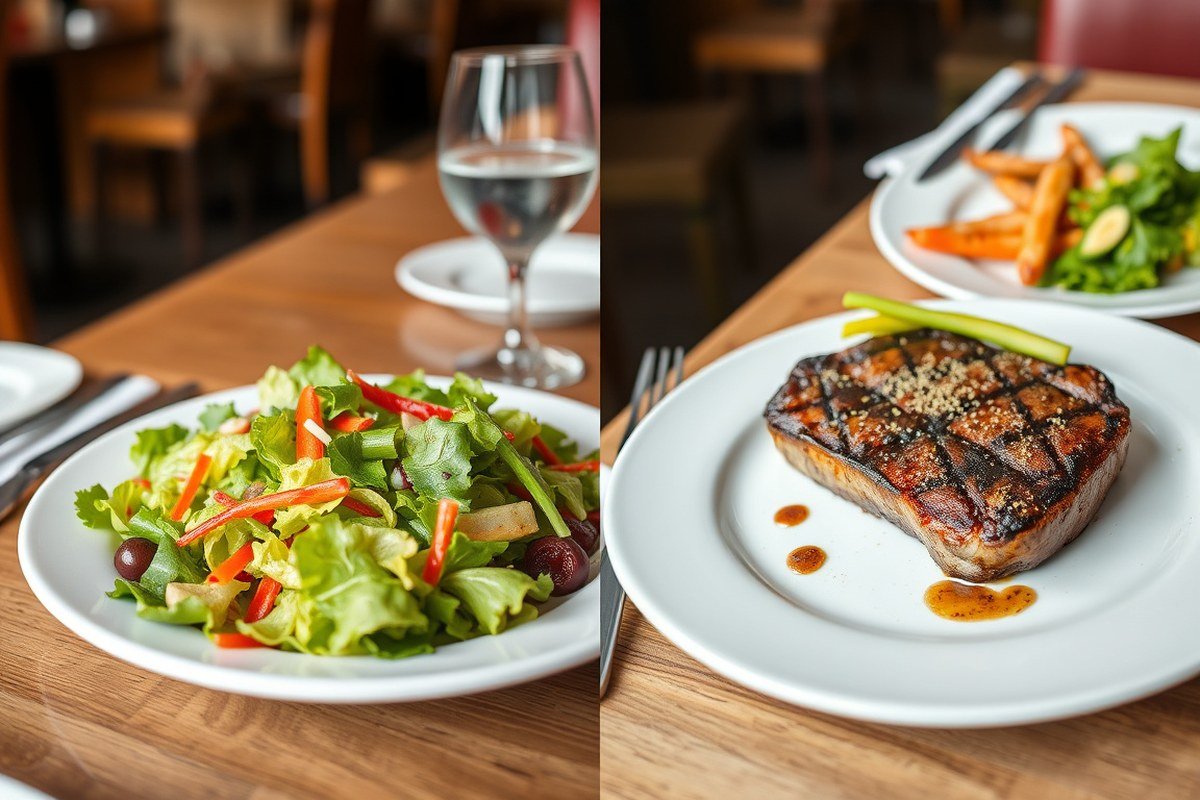
Lunch menus typically include lighter and smaller portions compared to dinner menus. Lunch items often focus on convenience and speed, featuring sandwiches, salads, soups, pasta, and smaller meat dishes. Dinner menus tend to offer larger portions and heavier meals, such as multi-course meat or fish dishes, richer sauces, and more elaborate sides, reflecting dinner’s role as the main social and nutritional meal of the day.
Portion size is a key difference. Lunch servings are designed to be substantial enough to fuel the afternoon but light enough to avoid sluggishness, usually ranging from 400 to 700 calories per meal. Dinner portions often exceed 700 calories, providing a more filling experience. This difference matters because lunch often fits into a workday schedule with limited time for dining, while dinner allows for a more relaxed, extended meal.
Menu availability also varies by price point and location. Lower-priced lunch menus may exclude premium items typically reserved for dinner, such as specialty steaks or seafood, making lunch more budget-friendly. Some places set strict lunch hours, often ending by 3 or 4 pm, to differentiate the service from dinner offerings. Understanding these nuances helps you choose meals based on timing, appetite, and budget.
| Aspect | Lunch Menu | Dinner Menu |
|---|---|---|
| Typical Food Items | Sandwiches, Salads, Soups, Pasta, Lighter Meat Dishes | Steaks, Fish, Multiple Courses, Heavier Meat Dishes, Rich Sauces |
| Portion Size | Smaller to Moderate (400, 700 calories) | Larger and Heavier (700+ calories) |
| Meal Heaviness | Lighter, Designed for Quick Energy | Heavier, Main Meal of the Day |
| Menu Premium Items | Often Excludes Premium or Specialty Dishes | Includes Premium Steaks, Seafood, and Specialty Courses |
| Typical Time Range | 11:00 am to 1:00 pm (earlier in Mexico and Argentina) | After 5:00 pm, Often Later in Some Cultures |
Many international cultures treat lunch as either the main meal or a full hot meal resembling dinner, as in Portugal or Mexico. However, in the United States and Canada, lunch tends to be a moderate, lighter meal. This distinction affects menu design and customer expectations significantly.
Choose lunch over dinner menus if you want quicker service with lighter portions and lower prices, but expect fewer premium options during lunch hours.
How Cultural Traditions Shape Lunch and Dinner Menus Around the World
Cultural traditions play a major role in shaping lunch and dinner menus around the world. Different regions set their main meal at varying times and choose dishes that reflect local customs, climate, and daily work patterns. These variations affect not just what you eat but also when and how meals are served, influencing the entire dining experience.
European vs. Asian Lunch Traditions
In many European countries like Hungary and Poland, lunch is the main meal of the day and often includes multiple courses, such as a soup followed by a meat or vegetable dish. This tradition dates back to a time when workers needed a substantial midday meal to sustain energy for the afternoon. For example, a traditional Hungarian lunch might start with “leves” (soup) and proceed to a hearty entrée, making lunch a substantial social event.
In contrast, many Asian countries tend to have lighter lunches or share a consistent level of meal size throughout the day. For instance, in Japan, lunch menus often feature simple, smaller portions like bento boxes with rice, fish, and vegetables, allowing flexibility across a busy workday. Dinner in these regions then becomes the time for larger, more elaborate meals shared with family. These differences stem from cultural work rhythms and family structures, shaping how restaurants and home meals prioritize lunch versus dinner.
Latin American Dinner Customs
In much of Latin America, lunch is considered the main meal and is usually eaten from around 11:30 a.m. To 2:00 p.m. In Brazil specifically, lunch is often a full meal featuring multiple courses, commonly consisting of rice, beans, meat, and salad, providing the primary nutritional intake for the day. Dinner tends to be served later and is generally lighter than lunch.
This pattern contrasts with many U.S. And European dining habits where dinner is the main meal. The emphasis on a heavier lunch in Latin America arises from historical practices and climate considerations, as a large midday meal provides energy during hot afternoons when productivity may decline. Restaurants may offer a fixed “tagesmenü” or set lunch menu that’s substantial but often cheaper than the dinner menu, catering to this cultural norm.
Workday Meal Patterns Worldwide
Modern work patterns have influenced meal timing and size, but cultural habits still prevail. In some Middle Eastern countries, lunch is eaten later, between 1:00 p.m. And 4:00 p.m., serving as the main meal and a social gathering point after morning tasks. Here, lunch menus frequently feature rich dishes like stews or grilled meats, supporting energy for the rest of the afternoon.
Conversely, in many Western countries, busy work schedules promote quicker, lighter lunches with larger dinners. Restaurants commonly provide shorter, more affordable lunch menus to accommodate shorter breaks, while dinner menus include wider options and higher prices. For example, a meal like a burger and fries may cost around $10 at lunch but increase to $15 at dinner. Understanding these workday shifts helps you decide when to eat and what to expect from menus.
Meal Timing Variations by Region
Meal timing varies substantially by region, affecting menu content and style. For much of Europe, lunch typically occurs between 12:00 p.m. And 2:00 p.m., emphasizing a sit-down multi-course meal. Dinner usually starts later, around 7:00 p.m. To 9:00 p.m., and may be lighter depending on the culture.
In southern European countries like Spain, dinner can begin even later, sometimes after 9:00 p.m., reflecting warmer climates and social habits. In contrast, northern countries often have earlier dinners. These timing differences affect restaurants’ menu offerings and portions, with late dinners encouraging smaller meals, whereas earlier lunches can be quite substantial.
Knowing your region’s meal customs can help you choose what to order and when. Choosing a filling, substantial meal might mean having lunch where it’s the main meal, while in other places, dinner provides the best variety and portions. Recognizing these nuances ensures a better dining experience and aligns expectations with local culture.
Price Differences Between Lunch and Dinner Menus and Why They Matter
Restaurants often price dinner menus higher than lunch menus for several strategic reasons. Dinner is generally considered the main meal of the day and typically features larger portions, more complex dishes, and a broader selection. This justifies a higher price point. Conversely, lunch menus tend to be simpler, with smaller portions and fewer options, allowing restaurants to offer lower prices. This difference helps attract customers during midday hours without undercutting their evening revenue.
The pricing strategy also takes into account restaurant operation hours and customer volume. Dinner service usually runs from around 4 pm to 10 pm, often featuring full service and a more extensive menu. Lunch tends to occur between 12 pm and 4 pm, sometimes with a limited menu and partial service. This split enables restaurants to maximize profitability by catering to different customer needs and meal expectations. Some venues even choose to keep a price gap between lunch and dinner times to discourage customers from taking advantage of lower lunch prices but dining during dinner hours.
| Factor | Lunch Menu | Dinner Menu |
|---|---|---|
| Time Frame | 12 pm, 4 pm | 4 pm, 10 pm |
| Menu Size | Limited (approx. 7 options) | Full menu with many selections |
| Portion Size | Smaller | Larger |
| Price Range | Lower, sometimes with lunch specials | Higher, to cover larger portions and ingredient costs |
| Service Level | Partial service | Full service |
| Customer Volume | Moderate | Higher, often peak business hours |
| Purpose | Quick, convenient meal | Longer, more social meal |
Charging less for lunch helps restaurants attract diners during slower times of the day. Some accept smaller profit margins on lunch items to bring in customers who might otherwise skip eating out. The limited menu and smaller portions lower food costs and preparation time. Meanwhile, dinner pricing often compensates for these lunch discounts and the higher costs of running a full dining service. This balance keeps the business sustainable across different mealtimes.
In some cases, dinner menus are the only option after certain hours, such as restaurants that open only at 4 or 5 pm for dinner service. This exclusivity allows them to maintain premium prices without competition from a lower-priced lunch menu. Understanding these pricing factors helps you see why ordering dinner tends to cost more but often includes added value like larger portions and a wider variety of dishes.
Historical Origins of Lunch and Dinner and Their Evolution
Lunch and dinner originated from different customs influenced by social patterns and work schedules. In England during the late 1600s and 1700s, the largest meal of the day gradually moved from noon to the evening. At that time, people ate a substantial midday meal similar to what we now call dinner. Over years, this large meal moved later, lengthening the time between breakfast and dinner. Changes in city living and job hours made a heavy midday meal less convenient.
Originally, lunch did not exist as a formal meal. Instead, people had a lighter meal or snack between breakfast and dinner. This lighter meal later became known as lunch and settled into the midday slot. Meanwhile, dinner moved later into the day and became associated with being a larger, more social event. The exact time for dinner varies, but it typically falls in the early to late evening. The transition was gradual and influenced by factors like work hours, transportation improvements, and social customs.
By the 18th century, the naming of meals also adapted as dinner, supper, and lunch switched places or evolved in meaning. For example, lunch is sometimes described as the result of dinner and supper switching positions, with the term supper itself having unclear origins. Today, lunch often serves as a lighter sit-down experience that fits within a busy day, while dinner remains a more substantial meal, often enjoyed as an opportunity to unwind.
Understanding this timeline helps in recognizing why lunch menus usually offer lighter options and smaller portions, while dinner menus tend toward heartier dishes and more elaborate courses. This historical context also explains why some establishments serve a full dinner menu at lunchtime, catering to customers who prefer a more traditional or flexible meal schedule.
Plan your main meals based on your daily routine and hunger levels; eating heavy lunch and dinner too close together can cause energy slumps or late-night cravings.
Practical Tips for Choosing Between Lunch and Dinner Menus
Choosing between lunch and dinner menus depends largely on your available time, hunger level, and the purpose of the meal. Lunch menus usually offer quicker, lighter options suitable for shorter breaks, while dinner menus provide more filling, often elaborate dishes to enjoy during longer, more social meals. Knowing how to match your meal choice to your situation will help you get the best dining experience.
Consider Your Schedule and Hunger Level
When you have limited time, such as during a work break, the lunch menu is typically the best choice. Lunch options usually feature faster preparation and serving times, allowing you to eat quickly and comfortably without rushing. For example, grain bowls or wraps can be ordered in smaller portions if time is tight, while still satisfying your hunger.
When you’re hungrier or have more time to spare, like in the evening, dinner menus offer heartier dishes with bigger portions. Dinner should be more filling to sustain you, especially if your next meal won’t be for several hours. Adjust your portion sizes by choosing from grain bowls or customizable plates that fit your appetite, based on how much time you can dedicate to eating.
Assess the Occasion and Setting
The type of event or setting influences whether lunch or dinner menus work better. For informal and quick outings, such as a weekday lunch with coworkers, the lunch menu often provides simple and convenient options that keep the meal efficient. On the other hand, dinners tend to suit celebrations, date nights, or family gatherings where a relaxed pace and variety of flavors are more appreciated.
Lunch can be a practical choice if you’re dining solo or are in a hurry, while dinner invites more time to socialize and enjoy a broader menu. Choosing the right menu helps you align your meal with your expectations for atmosphere and interaction.
Check Menu Availability and Pricing
Many restaurants have distinct lunch and dinner menus with different items and prices, so checking availability is key. Lunch menus are often less expensive due to smaller portions or simpler dishes, which helps when you want to save money or eat lightly. Some establishments offer specials or set menus at lunch that are not available at dinner.
Dinner menus typically have a wider array of choices, including appetizers, entrees, and desserts that come at higher average costs. Before ordering, confirm whether the lunch menu is still available or if the dinner menu is the only option, this varies by restaurant and time of day.
- Verify lunch menu hours, usually ending between 2:30 and 3:30 p.m.
- Ask if portions differ between lunch and dinner items
- Consider weekday lunch specials for cost savings
- Check if dinner menus include more protein or toppings options
- Look for combo meals during lunch to save time
- Expect more detailed plating and presentation at dinner
- Confirm whether takeaway affects menu choices
Keep these factors in mind to avoid ordering disappointment and to choose a menu that fits your budget and timing needs.
Balance Nutrition and Portion Needs
Lunch menus offer flexibility to choose lighter or moderate meals ideal for maintaining energy without feeling overly full later in the day. Selecting dishes from lunch menus with balanced protein and vegetables helps sustain you without interrupting your afternoon productivity. For dinner, you might want something more substantial to replenish energy after the day.
Grain bowls and wraps are good examples for both menus since you can customize portions, toppings, and proteins to match your appetite and nutritional goals. Opt for a smaller portion with lean protein for lunch if you prefer a light meal, or choose a larger portion with richer toppings when ordering dinner. Paying attention to portion size and ingredients ensures you won’t feel hungry too soon or forced to overeat.
Navigating Late Afternoon Meals: Is It Lunch or Dinner?
Meals eaten in the late afternoon, around 3 to 5 pm, fall into a gray area between lunch and dinner. In the US, a meal at 3 pm would typically be considered an extended lunch or an early dinner, depending on context and personal habits. Many restaurants view meals served until about 4 pm as part of the lunch menu, often lighter and smaller portions, while meals offered after 4 pm tend to shift to the dinner menu, which features larger, more formal courses. You can decide by checking the menu designation at the place you eat or the meal’s size and style, lighter fare and sandwiches usually signal lunch, while heavier dishes with multiple courses suggest dinner.
Different cultures handle late afternoon meals differently. For example, in Poland, the main meal, called obiad, often occurs between 1 pm and 5 pm and includes multiple courses like soup and a main dish. This means a meal at 4 pm in Poland would generally be regarded as dinner. In contrast, in many Middle Eastern countries, a late lunch around 3 to 4 pm is common, especially when timed to family schedules such as children coming home from school. These variations matter because they influence restaurant menus, portion sizes, and pricing, in addition to how you might schedule your own meals.
For deciding what a late afternoon meal is called, use this simple rule: choose lunch if you eat before 4 pm and prefer lighter, quicker dishes. Choose dinner if it’s after 4 pm or if the meal is more formal and substantial. This approach works well for most dining situations and aligns with common restaurant policies, helping you order appropriately. Some restaurants maintain distinct lunch and dinner menus with different prices, so knowing the cutoff can also save money. If you’re dining between 3 and 4 pm and unsure, ask your server if you’re ordering off the lunch or dinner menu.
Costs and menu choices often shift after 4 pm because dinner menus may include pricier ingredients and more complex preparations. Late afternoon meals might cost less and feel less formal during lunch hours. This timing affects your dining experience straightforwardly: the later you eat, the more likely you are to encounter a dinner menu. Remember that in some states or during special occasions, menus might shift hours, so checking ahead or calling the restaurant ensures you get what you expect. This clarity helps you plan meals, avoid surprises, and enjoy dining at your comfort level.
Understanding Brunch and Related Meals Linked to Lunch and Dinner
Brunch is a meal that blends breakfast and lunch, typically eaten late in the morning or early afternoon. It bridges the timing and food styles between lunch and dinner menus. Dinner and supper often mean the same evening meal, but supper generally refers to a lighter or more informal version.
Origins and Timing of Brunch
Brunch emerged as a social meal popular in the late 19th and early 20th centuries, particularly among upper-class Londoners. Its timing usually falls between 10 a.m. And 2 p.m., later than typical breakfast but before the usual lunch hour. This timing explains why brunch menus combine breakfast staples with heartier dishes more common to lunch. It fits into the day as a leisurely option for those who skip breakfast or want a late, substantial morning meal.
A brunch’s placement between lunch and dinner means it can serve as a main meal for many people, often replacing lunch altogether. In busy food service settings, brunch menus link the lighter early-day fare to richer, more filling dishes of later meals.
Brunch Menu Typical Foods
Brunch menus often feature a hybrid of breakfast and lunch foods. For example, classic breakfast items like eggs Benedict, pancakes, or omelets appear alongside lunch-style sandwiches, salads, and small plates. Including foods like smoked salmon, quiche, or avocado toast adds variety and helps bridge the gap between the two meals.
The portion sizes for brunch tend to be more generous than breakfast but smaller or lighter than a typical dinner plate. Brunch also often includes beverages like coffee, tea, cocktails (mimosas or Bloody Marys), which complement the meal’s often social and relaxed nature.
Differences Between Dinner and Supper
Dinner usually refers to the day’s main meal and takes place in the evening. It’s typically the heaviest meal of the day, particularly in families or cultures where lunch is lighter. Supper is often a lighter, informal evening meal that can come either before or after dinner, depending on regional usage.
In many parts of the US, supper and dinner are used interchangeably, though supper may suggest a simpler or quicker meal. In rural areas or traditional households, supper might be a light dish like soup or sandwiches eaten later at night. The key difference lies in formality and portion size rather than exact timing.
Health Considerations for Brunch
Brunch can be a healthy meal if it balances nutrients without excess calories. Choosing dishes rich in protein and fiber, like eggs, fruit, whole grains, and vegetables, helps maintain energy for the afternoon. Opting for water or unsweetened beverages instead of sugary cocktails reduces empty calories.
It’s easy for brunch to become indulgent or overly heavy, especially with fried foods, creamy sauces, or pastries. Moderation and mindful choices allow brunch to fit within a balanced diet. Paying attention to how much fried or processed food you include will help prevent extra calories and maintain overall meal quality.
Plan your brunch meal to balance protein, fiber, and healthy fats while limiting sugary drinks and fried items for a better nutritional outcome.
Quick-Start Action Plan for Choosing Between Lunch and Dinner Menus
Use this plan to decide which menu fits your meal time, appetite, and budget best. Follow each step to tailor your dining experience.
- Before your meal: Check the restaurant’s menu online or call ahead to see if it offers separate lunch and dinner options. This ensures you know what food choices and prices to expect.
- At lunchtime (11 a.m., 2 p.m.): Opt for lunch menus with lighter portions and dishes meant to be quicker to eat. Your goal may be a quick, affordable meal; check whether the portion size satisfies your hunger.
- Late afternoon (2 p.m., 5 p.m.): Determine if the restaurant serves a late lunch or early dinner menu. Unsure about portion size or price differences? Ask staff to help you choose according to your appetite.
- Evening meal (5 p.m., 9 p.m.): Choose dinner menus for more elaborate dishes and larger servings suited for relaxed dining. Check if the price reflects added ingredients or special preparation to match your expectations.
- When considering cultural preferences: Explore menus that highlight regional specialties or traditions for lunch and dinner. Look for dishes unique to the time of day to experience authentic food culture.
- On budget-conscious days: Prioritize lunch menus that often offer lower prices while still providing good nutrition. Confirm price transparency and portion to maximize value.
- When dining socially or formally: Select dinner menus as they typically cater to extended meals and occasions. Assess if the menu variety and pricing align with your event style.
Frequently Asked Questions
What Is the Difference Between Lunch and Dinner Menu?
Lunch menus usually offer lighter meals and smaller portions, while dinner menus feature heavier dishes and larger portions. Dinner tends to include more courses and richer foods, reflecting its status as the main evening meal in many cultures.
Why Do Some People Say Dinner Instead of Lunch?
Some use “dinner” for the main midday meal, especially in rural or regional dialects. This older tradition sees dinner as the biggest meal of the day, regardless of time, while “supper” may refer to a lighter evening meal.
What Is the Correct Order of Meals?
The typical order is breakfast, lunch, and then dinner. Breakfast starts the day, lunch serves as a midday meal, and dinner is the last, usually evening, meal. Other meals like brunch or supper can fit depending on timing and culture.
Is 3pm Lunch or Dinner?
A 3pm meal is usually considered a late lunch or an early dinner depending on local habits. Most restaurants treat it as part of lunch service, but some may start dinner offerings by then, especially on weekends or holidays.
What Is a Meal at 4pm Called?
Meals at 4pm are often called either late lunch or early dinner, based on regional customs. This time falls in the gap where lunch winds down and dinner begins, making the classification flexible.
Does Lunch Always Cost Less Than Dinner on Restaurant Menus?
Lunch menus generally cost less than dinner menus because the portions and ingredients tend to be lighter and simpler, making lunch a more affordable meal choice. This price difference encourages customers to dine out during midday hours.
Before You Go
You can confidently pick between lunch and dinner menus by focusing on timing, portion size, price, and cultural context. Making informed choices helps you enjoy meals suited to your schedule, appetite, and occasion. Next time you eat out, try scanning the menu details ahead to see how options change from midday to evening for the best dining experience.