How to Make Pulled Pork: A Step-by-Step Guide for Tender, Flavorful Results
To make pulled pork, start by selecting a pork shoulder or butt, then season it well and cook it low and slow until the meat is tender enough to shred effortlessly with forks. The key to perfect pulled pork is cooking at a low temperature over a long period, usually in a smoker, oven, or slow cooker.
Pulled pork is popular for its rich flavor and melt-in-your-mouth texture, making it a favorite for sandwiches and barbeque plates. Understanding how to prepare and cook it properly lets you enjoy restaurant-quality results at home, whether you’re serving a family meal or crowd-pleasing party dish.
This article will cover the essential ingredients, cooking techniques including seasoning, cooking methods, shredding tips, and finishing touches to create delicious pulled pork. You'll also find comparisons of cooking options and answers to common questions about pulled pork preparation.
Choosing the Right Cut of Meat for Pulled Pork

Pork Shoulder vs. Pork Butt: What’s Best?
Both pork shoulder and pork butt are actually parts of the shoulder region but differ slightly in fat content and texture. Pork butt, which is the upper part, tends to have more marbling, making it ideal for pulled pork that will stay moist and flavorful after hours of slow cooking.
Pork shoulder, sometimes called picnic shoulder, has a bit more connective tissue and can be a bit tougher but works well when cooked slowly. For most pulled pork recipes, pork butt is preferred for its fat content and tenderness.
- Pork butt: more marbling, better for shredding
- Pork shoulder: slightly leaner, can be tougher
- Size options: 4 to 8 pounds typical
Selecting the Right Size and Quality
Choose a pork cut with a good balance of fat and meat to maintain juiciness over hours of cooking. Look for fresh meat with a pinkish hue and firm texture. The size depends on how many people you plan to serve; around 6 to 8 pounds yields a hearty amount for a group.
If possible, select meat with some fat cap intact, since this layer helps baste the pork internally during cooking, preventing dryness and enhancing flavor.
- Fresh, firm pork with pink color
- Fat cap is beneficial for moisture
- Adjust size to number of servings
Preparing and Seasoning the Pork for Maximum Flavor

Dry Rubs: Ingredients and Application
A dry rub is a blend of spices that adds depth and a smoky, spicy aroma to pulled pork. Common ingredients include brown sugar, paprika, salt, black pepper, chili powder, garlic powder, onion powder, and cayenne pepper. The sugar helps caramelize the crust during cooking, enhancing flavor and texture.
Apply the dry rub liberally to all surfaces of the pork, massaging it in well to ensure good adhesion. Letting the seasoned pork rest, ideally overnight in the refrigerator, helps the flavors penetrate the meat.
- Brown sugar for sweetness and crust
- Paprika and chili powder for smokiness
- Salt enhances natural pork flavor
- Rest seasoning for at least a few hours
Optional Brining and Injection for Juiciness
While not mandatory, brining the pork in a saltwater solution before seasoning adds moisture and tenderness. You can also inject the meat with a seasoned liquid, such as apple juice mixed with spices, to boost juiciness internally during cooking.
Brining usually takes 12 to 24 hours, and injection can be done immediately prior to applying the dry rub when you're ready to cook. These techniques increase flavor depth and help prevent dryness.
- Brining adds moisture and tenderness
- Injection boosts internal juiciness
- Use apple juice or broth-based mix
Cooking Methods for Pulled Pork
Smoking: Traditional Low and Slow Technique
Smoking pulled pork at around 225°F for 8 to 12 hours imparts a signature smoky flavor and tender texture. Use wood chips like hickory, apple, or pecan to complement the pork’s richness. Maintaining steady temperature and humidity inside the smoker is crucial for even cooking.
After hours of slow smoking, the meat develops a flavorful bark and becomes easy to shred. Smoking is ideal for authentic BBQ enthusiasts willing to invest time.
- Maintain 225°F temperature
- Use fruit woods for mild smoke
- Cook 1.5-2 hours per pound
- Monitor internal temp (195-205°F)
For more on this, see our related guide: What Internal Temperature Is Pork Chops Done? Proven Tips for Juicy, Safe Meat.
Oven and Slow Cooker Alternatives
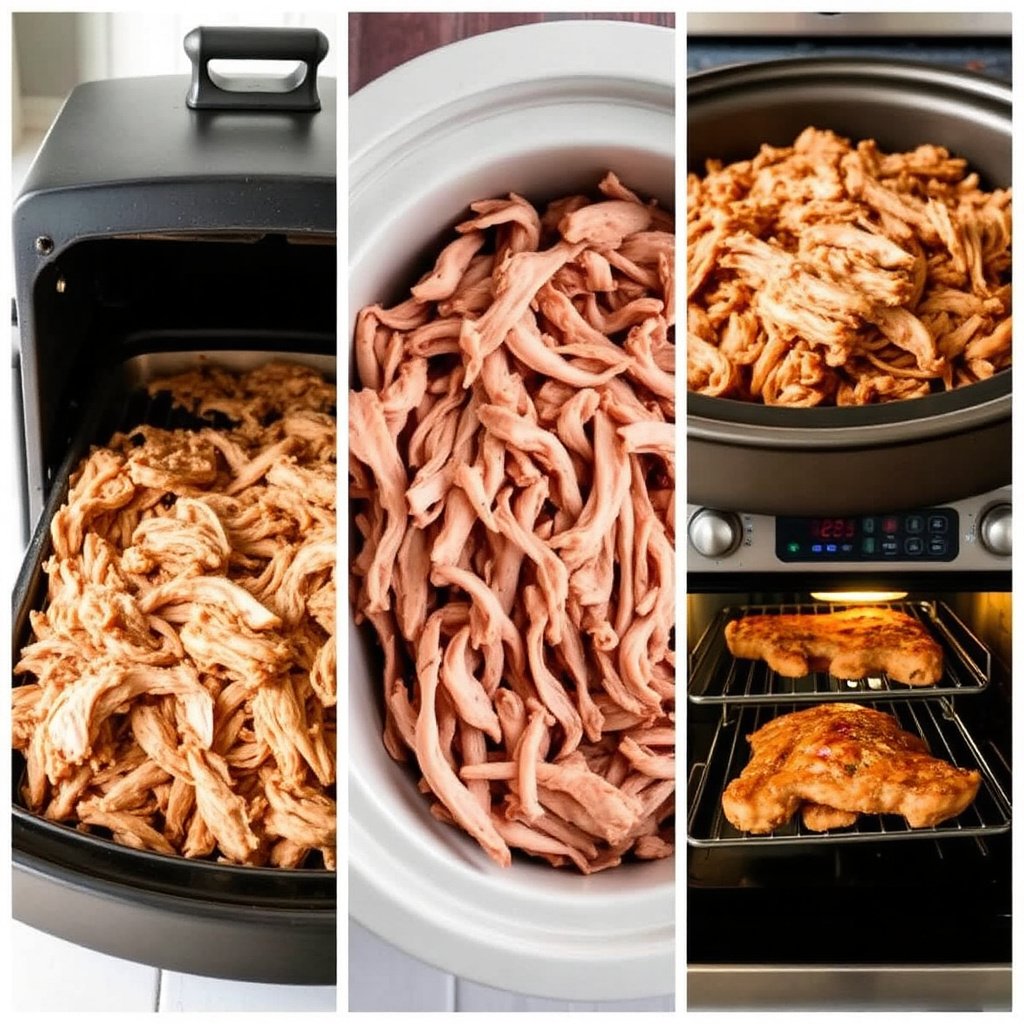
For those without a smoker, cooking pulled pork in a low oven or slow cooker can produce tender results. Oven roasting at 275°F wrapped in foil steams and softens the meat over 4 to 6 hours. A slow cooker set on low for 8 hours also breaks down connective tissue effectively.
Both methods lack the smoky flavor of traditional smoking but can incorporate smoked paprika or liquid smoke in the rub to imitate some taste.
- Oven roast at 275°F, wrapped
- Slow cooker on low for 8 hours
- Use smoked spices to add flavor
- Check tenderness before shredding
Shredding and Serving Pulled Pork

Techniques for Tender Shredding
Once the pork reaches an internal temperature of about 195°F or higher, it’s ready for shredding. Use two forks or meat claws to pull the meat apart gently into shreds. If the meat resists, cook it longer to allow more collagen breakdown.
Shredding while the pork is warm makes the process easier. Retain any juices and mix them back into the shredded meat to keep it moist and flavorful.
- Use forks or meat claws
- Shred warm meat for ease
- Mix in cooking juices for moisture
Serving Ideas and Sauce Pairings
Pulled pork works great in sandwiches, tacos, or as a main meat with sides. Classic accompaniments include coleslaw, pickles, or baked beans. Barbecue sauce styles vary widely: tangy vinegar-based sauces, sweet and smoky tomato-based sauces, or spicy mustard sauces.
Apply sauce sparingly if desired to let the rub and pork flavor shine or serve sauce on the side for dipping.
- Serve on buns or tortillas
- Pair with coleslaw or beans
- Choose sauce to complement rub
- Sauce on side or lightly mixed
Storing and Reheating Pulled Pork
Proper Cooling and Refrigeration
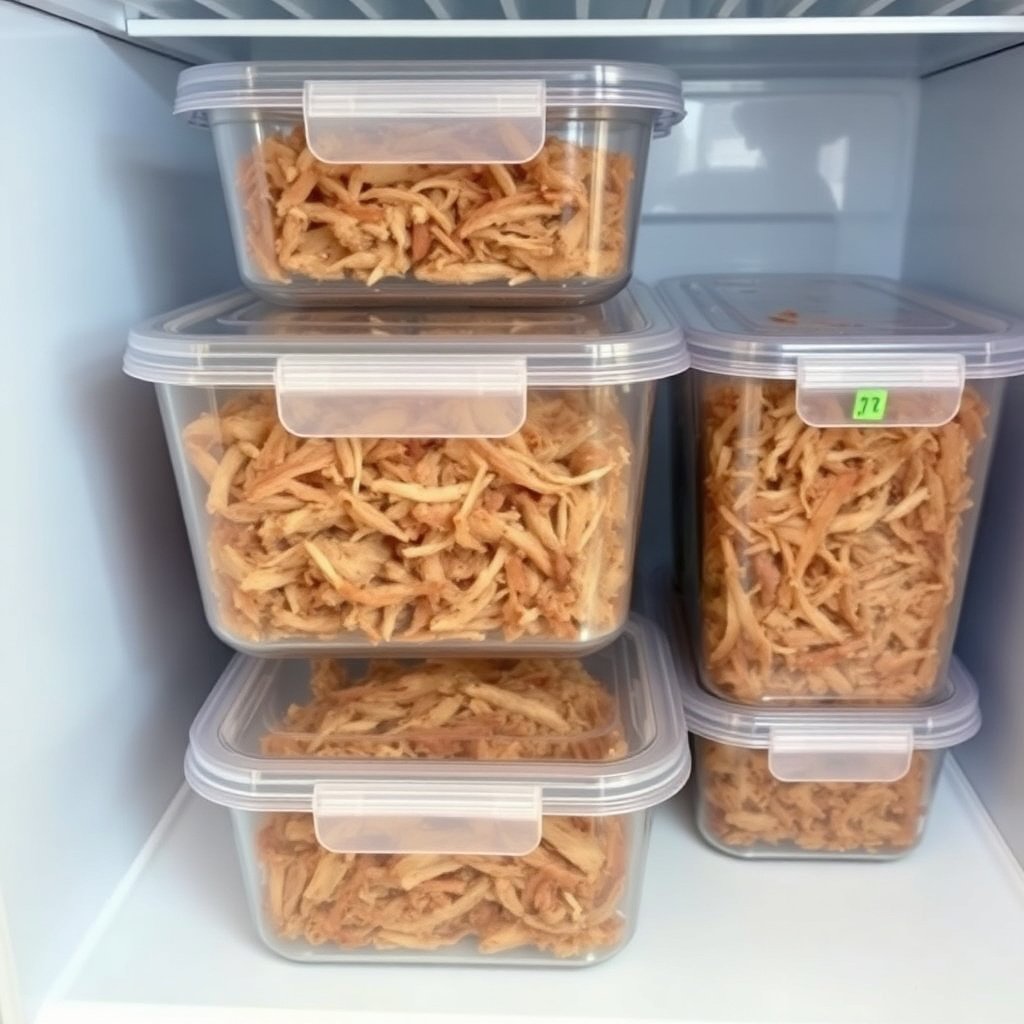
Cool pulled pork quickly after cooking by spreading it out in a shallow container before refrigerating. Store it in airtight containers and consume within 3 to 4 days to maintain safety and freshness. Labeling with date helps keep track.
Pork freezes well for longer storage; freeze in portioned containers or bags to avoid waste.
- Cool before refrigerating
- Use airtight containers
- Consume within 4 days refrigerated
- Freeze for up to 3 months
For more on this, see our related guide: How to Make Loaded Potato Skins: A Complete Guide with Tips & Variations.
Reheating Without Drying Out
Reheat pulled pork gently to avoid drying out using methods like steaming, slow warming in a covered pan with a splash of broth, or microwaving with moisture added. Keeping the meat covered traps steam to keep it juicy.
Avoid high heat reheating as it can toughen the pork. Stir occasionally to heat evenly.
- Steam or warm with broth
- Cover while reheating
- Microwave with moisture added
- Avoid high direct heat
Health and Safety Tips for Cooking Pulled Pork

Safe Internal Temperatures and Handling
Ensure pork reaches an internal temperature of at least 195°F to 205°F for optimal tenderness and safety. Use a reliable meat thermometer to check. Undercooked pork can harbor bacteria and parasites.
Handle raw pork carefully with clean utensils, wash your hands thoroughly, and avoid cross-contamination by using separate cutting boards and surfaces.
- Cook pork to 195-205°F internal temp
- Use a meat thermometer
- Practice strict hygiene
- Avoid cross-contamination
For more detailed history and variations of pulled pork, visit the Pulled pork Wikipedia page. Pulled pork Wikipedia page.
Managing Fat and Caloric Content
Pulled pork is flavorful but can be high in fat depending on the cut used. Trimming excess fat before cooking can reduce calories if desired but keep some fat for moisture. Serving with fresh vegetables and lean sides balances the meal nutritionally.
Draining excess fat after cooking, especially when reheating, can also lighten the dish.
- Trim excess fat if preferred
- Keep some fat for juiciness
- Pair with healthy sides
- Drain fat when reheating
Pulled Pork Cooking Method Comparison
Compare popular cooking methods for pulled pork by factors like flavor, cooking time, and equipment needs in this side-by-side overview.
| Method | Flavor Profile | Cooking Time | Equipment Needed | Ease of Use |
|---|---|---|---|---|
| Smoking | Rich smoky flavor with bark | 8-12 hours | Smoker with wood chips | Requires monitoring and experience |
| Oven Roasting | Mild, relies on spices | 4-6 hours | Conventional oven, foil wrap | Easy and accessible |
| Slow Cooker | Tender, less smoky | 6-8 hours | Slow cooker | Set and forget |
| Instant Pot (Pressure Cooker) | Juicy, no bark | 1.5-2 hours | Pressure cooker | Fast, requires precise timing |
Frequently Asked Questions
What is the best cut of meat for pulled pork?
Pork butt is generally the best choice due to its marbling and fat content, which keeps the meat tender and flavorful during long cooking.
How long should pulled pork be cooked?
Pulled pork typically takes 8 to 12 hours when smoked at low temperatures, or about 6 to 8 hours in a slow cooker, until it reaches an internal temp of 195°F to 205°F.
Do I need to use a dry rub on pulled pork?
Using a dry rub is highly recommended as it enhances flavor and helps form a tasty crust during cooking, but it's not strictly required.
Can I make pulled pork without a smoker?
Yes, you can use an oven or slow cooker to make pulled pork with tender results. Adding smoked spices or liquid smoke can help mimic smoker flavors.
How should I store leftover pulled pork?
Cool leftovers quickly, then refrigerate in airtight containers for up to 4 days or freeze for longer storage, up to 3 months.
Key Takeaways
- Use pork butt for best tenderness and marbling
- Apply a flavorful dry rub and let it rest before cooking
- Low and slow cooking methods produce the best pulled pork
- Store properly and reheat gently to maintain juiciness
Conclusion
Making pulled pork is fundamentally about patience, seasoning, and selecting the right piece of meat. By choosing a well-marbled pork butt and applying a robust dry rub, then cooking it low and slow to the correct internal temperature, you achieve that tender, shreddable texture and rich flavor that defines great pulled pork. Maintaining food safety and moisture are also part of making a dish that’s enjoyable and reliable.
For those seeking authentic taste and bark, smoking the pork shoulder over several hours with wood chips is the preferred method. However, slow cookers and ovens offer convenient alternatives that still produce tender results for busy home cooks. Enhancing flavor with a quality dry rub and serving with a complementary barbecue sauce or fresh sides creates a satisfying meal. Keep seasoning approachable and cooking techniques straightforward for consistent success.
If you're ready to try pulled pork, start by purchasing a pork butt about 6 pounds, apply a spice rub of brown sugar, paprika, and salt, then plan your cooking method based on your equipment and schedule. Whether you smoke it, slow cook it, or roast in the oven, follow the internal temperature guidelines and shred while warm to enjoy pulled pork that rivals any barbecue joint.