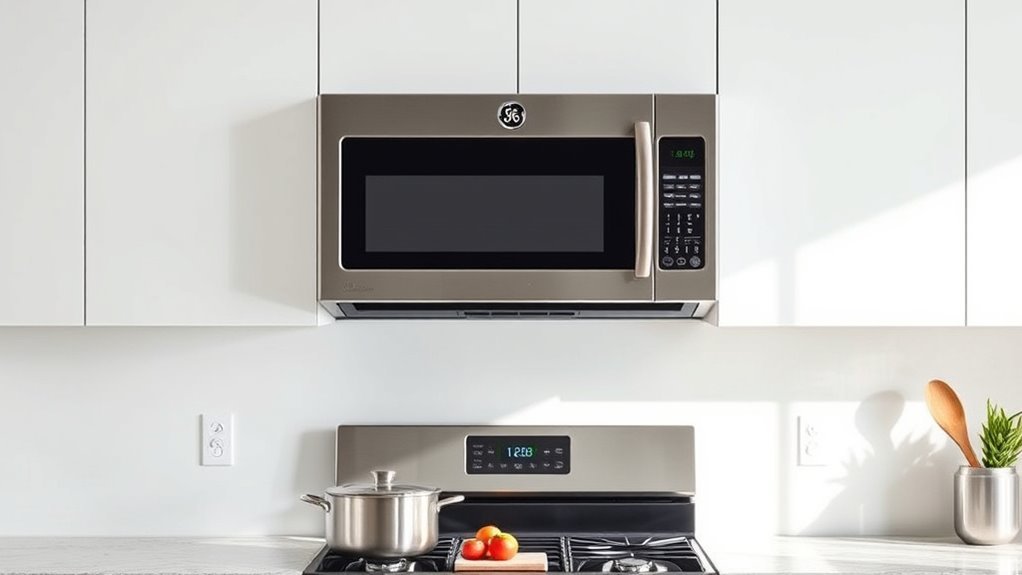
GE Microwaves Over the Range: A Complete Buying Guide
Are you tired of dealing with outdated or unreliable microwaves that don’t quite fit your kitchen needs? Many people struggle with finding the perfect over-the-range microwave that combines style, power, and functionality. You’re not alone—navigating the options can feel overwhelming.
If you want a reliable, stylish GE over-the-range microwave, you’ll find models with power ranging from 1000W to 1100W and versatile venting options like recirculating or external.
Choose from user-friendly controls—push buttons or touchscreens—and finishes that match your kitchen’s vibe. Properly measuring your space and picking the right venting system makes installation easier.
Plus, features like Energy Star ratings and safety locks keep things efficient and safe. Keep exploring to uncover all the details to make the best choice for your kitchen.
Key Takeaways
- GE over-the-range microwaves offer reliable performance, sleek design, and quiet operation that fit well with various kitchen décors.
- Key features include power efficiency (1000-1100W), venting options, control types, and adjustable installation for easy fitting.
- Popular models like JVM6175SKSS and JES1751SNSS differ in power, vent speed, and sensor cooking to meet different kitchen needs.
- Proper installation involves measuring space accurately, choosing the right venting system, securing the mount, and ensuring electrical outlet compatibility.
- Maintenance includes regular cleaning, caring for filters, and using non-abrasive products to keep the microwave running safely and smoothly.
Why Choose GE Over-the-Range Microwaves?
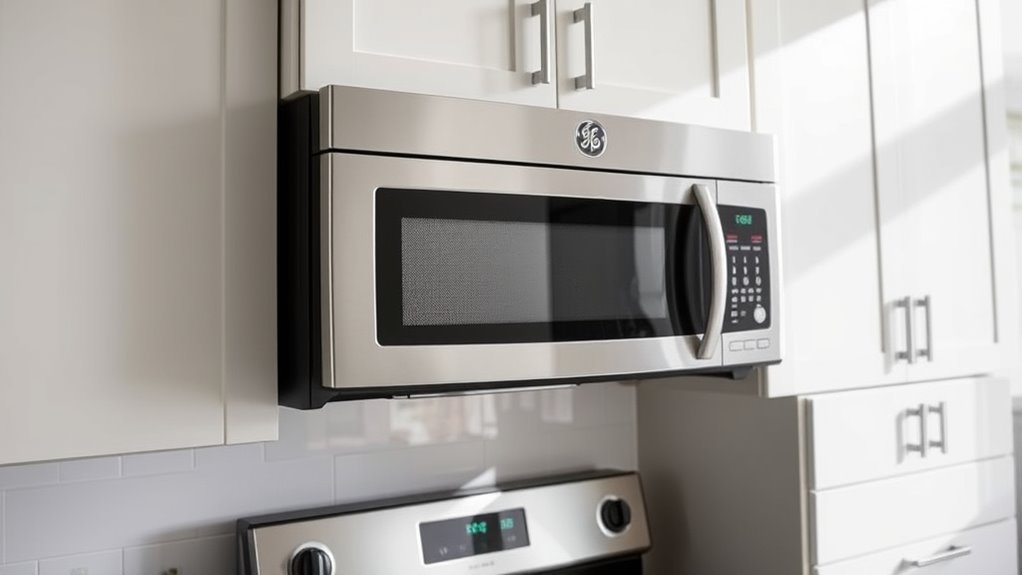
When you choose GE over-the-range microwaves, you get reliable performance combined with a sleek design that fits seamlessly into your kitchen. These microwaves stand out for their modern style and practical functionality.
You’ll appreciate how GE models complement various kitchen décors, adding a polished look without overwhelming your space. User reviews often mention how easy they are to install and operate, showing they’re user-friendly and dependable.
Many users also praise the quiet operation and even cooking results, which speaks to the quality you can expect. GE focuses on durable materials and finishes, helping your microwave keep its look over time.
Key Features to Look For: Power, Venting, and Controls
Choosing a GE over-the-range microwave shows you value quality and good design. But understanding key features like power, venting, and controls helps you pick the right model for your cooking style.
Power efficiency is important. Most models run between 1000 and 1100 watts, giving you quick cooking and energy savings at the same time.
Venting options are crucial for keeping your kitchen airflow fresh. You can choose recirculating or external venting, depending on your setup.
Control options range from simple push-buttons to advanced touchscreens. Pick what feels easiest and most convenient for you.
Here’s a quick look at these features:
| Feature | Options | Benefits |
|---|---|---|
| Power Efficiency | 1000W – 1100W | Fast, energy-smart cooking |
| Venting | Recirculating, External | Reduces odors and smoke |
| Control Options | Push-button, Touchscreen | Easy and customizable |
| Installation | Standard, Adjustable | Fits various kitchens |
Knowing these details will help you find a microwave that fits your needs perfectly.
Comparing Popular GE Over-the-Range Microwave Models
A variety of GE over-the-range microwave models offer different features and price points to match your kitchen needs. When comparing models, focus on what matters most—power, size, and added conveniences.
Here are three popular GE models with key features to consider:
Discover three popular GE microwave models with standout features to enhance your kitchen experience.
- GE JVM6175SKSS. This model has 1,000 watts of power and a two-speed venting system, making it great for everyday cooking and ventilation.
- GE JES1751SNSS. With 1,100 watts and sensor cooking, it adjusts cooking time automatically for perfect results.
- GE PVM9179SKSS. It offers 1,000 watts, a sleek stainless steel finish, and a three-speed venting system for heavy-duty ventilation.
How to Measure Your Space for Installation
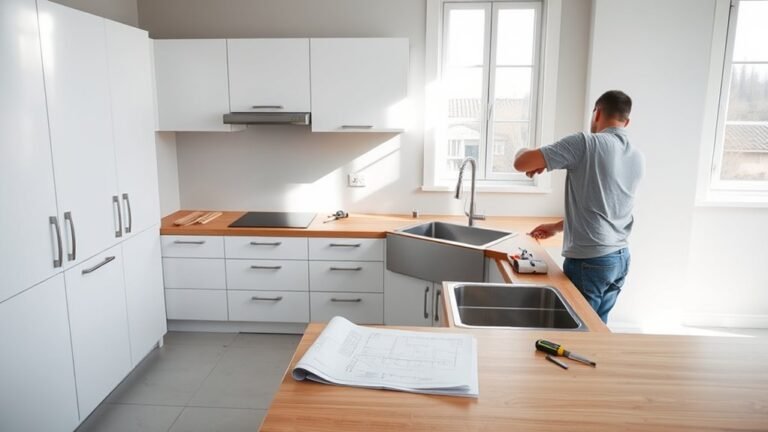
Before you make a purchase, it’s a good idea to measure the width and depth of the spot where you plan to put your microwave. You want to be sure it’ll fit comfortably and look just right.
Also, don’t forget to check the clearance requirements for proper ventilation. Giving your microwave enough space around it is super important for safe and efficient operation.
Taking these simple steps will help you pick a microwave that fits perfectly and works just the way you want it to.
Measure Width And Depth
Start by measuring the width and depth of the space where you plan to install your GE microwave. Accurate measurements help ensure a perfect fit and prevent installation issues.
Use a tape measure to record the exact width of the cabinet or wall space, noting any irregularities. Then, measure the depth by considering how far back the microwave will sit, including any overhangs or trim.
Double-check your measurements to account for factors like ventilation or countertop edges that might affect placement. Taking these steps will make the installation process smoother.
Check Clearance Requirements
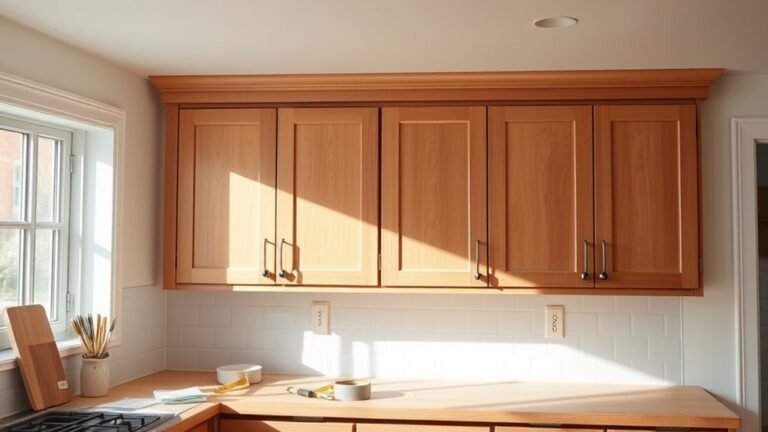
Two key clearance areas you’ll need to check are above and around your GE microwave to ensure proper ventilation and safe operation. Start by reviewing the installation guidelines provided with your model to understand the exact clearance measurements needed.
Usually, you’ll need at least a few inches of space between the microwave and the cabinet above, along with enough side clearance. Use a tape measure to verify these dimensions in your kitchen before buying.
Making sure these clearances are correct helps prevent overheating and allows the microwave’s exhaust to work effectively. Don’t forget to check the distance between the microwave’s bottom and the stovetop to avoid heat damage.
Getting accurate clearance measurements makes installation easier and helps keep your microwave running safely and efficiently.
How to Choose the Right Venting System for Your GE Microwave
Picking the right venting system for your GE microwave is really important if you want to keep your kitchen smelling fresh and free of smoke. So, it’s a good idea to look into the different types of venting options out there, how they get installed, and how well they work at removing odors and steam. Let’s explore what might be the best fit for your space and how you like to cook.
Types Of Venting Systems
When installing a GE microwave, understanding the types of venting systems available can help you maintain proper airflow and keep your kitchen fresh. Choosing the right venting type depends on your kitchen layout and preferences.
Here are the main venting options to consider:
- Upward Venting: Directs air through the cabinet above. It’s ideal if you have ductwork in the ceiling.
- Rear Venting: Channels air through the wall behind the microwave. This works well if you have an exterior wall.
- Recirculating Venting: Filters and recycles air back into the kitchen. It’s a good choice when ductwork isn’t an option.
Each venting system has different installation options. Evaluating your kitchen setup will help you choose the most efficient and practical solution for your GE microwave.
Venting System Installation
Understanding the different venting options helps you choose the right installation method for your GE microwave.
First, figure out which venting type works best for your kitchen—recirculating, vertical, or horizontal venting.
Each one needs specific tools like drill bits, screwdrivers, and vent clamps to ensure a secure fit.
Before you start, measure your space carefully to line up the vent with existing ducts or plan for new ductwork.
Make sure the venting system you select matches your microwave’s specifications to avoid airflow problems.
Following the manufacturer’s instructions closely will help you use the right tools efficiently and avoid common mistakes.
Proper installation ensures your venting system works well and keeps your kitchen fresh.
Venting Efficiency Considerations
How can you guarantee your GE microwave’s venting system works efficiently and keeps your kitchen comfortable? Choosing the right venting setup is key to managing noise and airflow.
First, pay attention to duct size and length. Use the recommended duct size to ensure good airflow, and avoid long or complicated duct runs that can reduce performance and increase noise.
Next, decide between recirculating or external venting. External vents usually provide better airflow and quieter operation compared to recirculating systems.
Finally, look for a microwave with multiple fan speed settings. This allows you to control noise levels and adjust airflow based on what you’re cooking.
How to Match Your Microwave’s Style With Your Kitchen Décor
Choosing a microwave that blends seamlessly with your kitchen décor boosts both style and functionality. Start by considering your kitchen color scheme. If your space features warm tones like beige or brown, microwaves with stainless steel or black finishes create a balanced contrast. For cooler palettes, think blues, grays, or whites—white or silver appliances keep things fresh and cohesive.
Next, pay close attention to appliance finishes. Matching your microwave’s finish with other major appliances, such as your refrigerator and oven, guarantees a unified look. Matte finishes work well in modern kitchens, while glossy options complement traditional styles.
Don’t forget about hardware and accent details. Coordinating these subtle elements ties everything together. By aligning your microwave’s style with your kitchen color and appliance finishes, you’ll improve the room’s overall aesthetic without sacrificing practicality.
This thoughtful approach makes your kitchen more inviting and raises your cooking experience.
Understanding Energy Efficiency and Safety Features in GE Microwaves
Because energy efficiency and safety are top priorities in today’s kitchens, GE microwaves come with advanced features designed to save power and protect your household. When choosing your microwave, pay attention to energy ratings, which show how well the appliance uses electricity. This helps you lower utility bills without sacrificing performance.
Many GE models also have important safety certifications, ensuring they meet strict standards for electrical safety and fire prevention. Look for features like Energy Star Certification, which confirms the microwave is energy-efficient.
Other key safety features include Child Lock and Auto Shutoff. These prevent accidents by disabling controls or turning off the unit if it’s left unattended. Overheat Protection automatically stops the microwave if it gets too hot, protecting both the appliance and your kitchen.
Installation Tips and Common Challenges to Avoid
Installing a GE microwave can be simple if you keep a few key tips in mind. First, gather all your tools like a drill, screwdriver, and stud finder before starting.
Make sure to securely mount the microwave to wall studs to prevent issues like uneven mounting or unstable support. Measure carefully to ensure there’s enough space above your range.
Also, double-check that your electrical outlet matches the microwave’s power cord location. Here’s a quick guide to help you avoid common problems:
| Challenge | Tip | Tool Needed |
|---|---|---|
| Uneven mounting | Use a level during install | Level |
| Insufficient clearance | Measure height precisely | Tape measure |
| Finding wall studs | Use a stud finder | Stud finder |
| Loose screws | Tighten all screws securely | Screwdriver |
| Electrical mismatch | Check outlet placement | None |
Maintenance and Cleaning Tips for GE Over-the-Range Microwaves
To keep your GE over-the-range microwave working like a champ, it’s a good idea to stick to a regular cleaning routine. Just use safe, non-abrasive products—nothing too harsh—that can keep everything sparkling without damaging the surface.
And don’t forget about the filters! Checking and maintaining them is super important because they help your microwave perform at its best. Following these simple tips will not only help your microwave last longer but also keep it running efficiently every day.
Regular Cleaning Schedule
While regular use is convenient, it also means your GE over-the-range microwave needs consistent cleaning to perform at its best. Keeping up with a proper cleaning schedule helps prevent buildup and keeps odors away.
Here’s a simple routine using effective techniques:
- Weekly Wipe Down: Use a damp cloth to clean the interior and exterior surfaces, removing splatters and fingerprints. It’s quick and keeps everything looking neat.
- Monthly Deep Clean: Remove the turntable and clean it separately. Wipe down the interior walls with a mild solution to tackle grease buildup.
- Quarterly Vent Check: Clean the vent filters regularly to ensure proper airflow and prevent overheating.
Stick to this routine to keep your microwave working efficiently and looking fresh.
Safe Cleaning Products
How do you guarantee your GE over-the-range microwave stays clean without damaging its surfaces? The key is choosing safe cleaning products that protect its finish and electronics.
Opt for eco-friendly cleaners that avoid harsh chemicals, so you won’t risk discoloration or corrosion. Non-toxic options like mild dish soap mixed with water or vinegar solutions work wonders on grease and grime.
Avoid abrasive scrubbing pads or bleach-based sprays, which can scratch or wear down surfaces. Always apply cleaners to a soft cloth rather than directly on the microwave to prevent liquid seeping into vents or controls.
Using gentle, effective products regularly keeps your microwave spotless and extends its lifespan while protecting your health and the environment.
Filter Maintenance Tips
Since over-the-range microwaves rely on filters to trap grease and odors, keeping these filters clean helps your unit run efficiently and keeps the air quality good. GE microwaves usually use charcoal and metal mesh filters, each needing different care.
Check your microwave’s manual to see how often to maintain the filters. Most metal mesh filters should be cleaned every month, while charcoal filters typically need replacing every six months.
To clean metal mesh filters, soak them in warm, soapy water and gently scrub. Never put charcoal filters in water, as that can damage them.
Replace charcoal filters as needed to keep odors under control because they can’t be washed and reused.
Regular filter maintenance helps your microwave work better and keeps your kitchen smelling fresh.
Finding the Best GE Microwave Within Your Budget
Where should you start when looking for the best GE microwave that fits your budget? Begin by evaluating your budget constraints realistically. Knowing your spending limit helps narrow down options without wasting time on models beyond your range.
Next, identify your feature priorities. Do you need sensor cooking, convection capabilities, or just basic reheating functions? Focusing on what matters most ensures you don’t pay extra for unnecessary features.
Compare models within your budget by checking energy efficiency, size, and warranty coverage. Don’t overlook user reviews—they reveal real-world performance and durability.
Remember, the best microwave balances cost with functionality. Prioritize features that improve your cooking routine.
By clearly defining your budget constraints and feature priorities upfront, you can confidently select a GE microwave that offers great value and meets your needs without overspending.
This strategic approach saves time and makes sure you’re happy with your purchase.
Frequently Asked Questions
Can GE Over-The-Range Microwaves Connect to Smart Home Systems?
Yes, some GE over-the-range microwaves come with smart connectivity. This lets you control cooking settings right from your smartphone or voice assistant.
It makes kitchen tasks much easier, so you can start, stop, or adjust your microwave without leaving your spot.
If you want a smart home system that works with your kitchen appliances, look for models with built-in Wi-Fi.
Make sure they are compatible with platforms like Alexa or Google Assistant for seamless integration.
Are Replacement Parts for GE Microwaves Readily Available?
Think of your GE microwave as a reliable compass in your kitchen journey. It rarely steers you wrong.
When it comes to maintenance, you’ll be happy to know that replacement parts are readily available. This makes sure your appliance keeps pointing true.
Plus, parts compatibility is usually straightforward. You won’t waste time hunting for mismatched components.
This ease helps you keep your microwave’s performance on point without any hassle, so your cooking stays on course.
Do GE Microwaves Come With a Manufacturer Warranty?
Yes, GE microwaves come with warranty coverage that protects you against defects in materials and workmanship. This typically lasts one year from the purchase date.
You’ll appreciate the manufacturer support GE provides during this period, helping you resolve any issues quickly. If something goes wrong, you can count on GE’s customer service to assist with repairs or replacements.
This ensures your microwave stays reliable and hassle-free, giving you peace of mind with your purchase.
What Is the Typical Lifespan of a GE Over-The-Range Microwave?
Think of your GE over-the-range microwave as a reliable kitchen buddy that usually lasts about 7 to 10 years. Its lifespan can vary based on how often you use it and how well you take care of it.
To keep it running smoothly, make sure to clean the filters regularly and avoid slamming the door. Proper care can help extend its life and keep those quick meals coming without any hassle.
Can GE Microwaves Be Used for Commercial Purposes?
GE microwaves aren’t really made for commercial settings, so you shouldn’t rely on them for heavy use. They’re designed more for home kitchens and might not hold up under constant, high-demand use.
If you run a business, it’s a good idea to invest in a microwave built specifically for commercial use. That way, you get better safety, durability, and performance without the hassle of frequent breakdowns or repairs.
Conclusion
Choosing the perfect GE over-the-range microwave isn’t just about picking a kitchen gadget. It’s about inviting a reliable sous-chef into your culinary dance.
With the right power, venting, and features, your cooking flows smoothly like a well-rehearsed symphony.
Measure wisely, install carefully, and maintain with care. Your microwave will shine bright like a kitchen star.
Trust GE to enhance your cooking experience, turning everyday meals into effortless masterpieces.