How to Use a Salad Spinner for Crisp, Perfect Greens Every Time
A salad spinner is a handy kitchen tool that quickly removes excess water from washed greens, herbs, and vegetables by spinning them dry. Using a salad spinner properly saves time and prevents sogginess in your salads and dishes. To use it, simply place clean salad greens inside the basket, secure the lid, and spin the handle or press the mechanism to spin off water; then remove the basket and dry greens are ready to serve or store.
Wet salad leaves tend to wilt quickly and can dilute dressings, making them less enjoyable. A salad spinner efficiently extracts moisture by centrifugal force, which speeds up drying compared to towel drying or air drying. This process helps keep the texture crisp and the flavors fresh. Understanding the right steps to use a salad spinner means better salads and less hassle in your kitchen routine.
This article explains the practical steps for using a salad spinner, tips for cleaning and maintaining it, and what features make a salad spinner effective. Additionally, you'll find comparisons of various types to help choose the best salad spinner for kitchen use.
Choosing and Preparing Greens for Your Salad Spinner
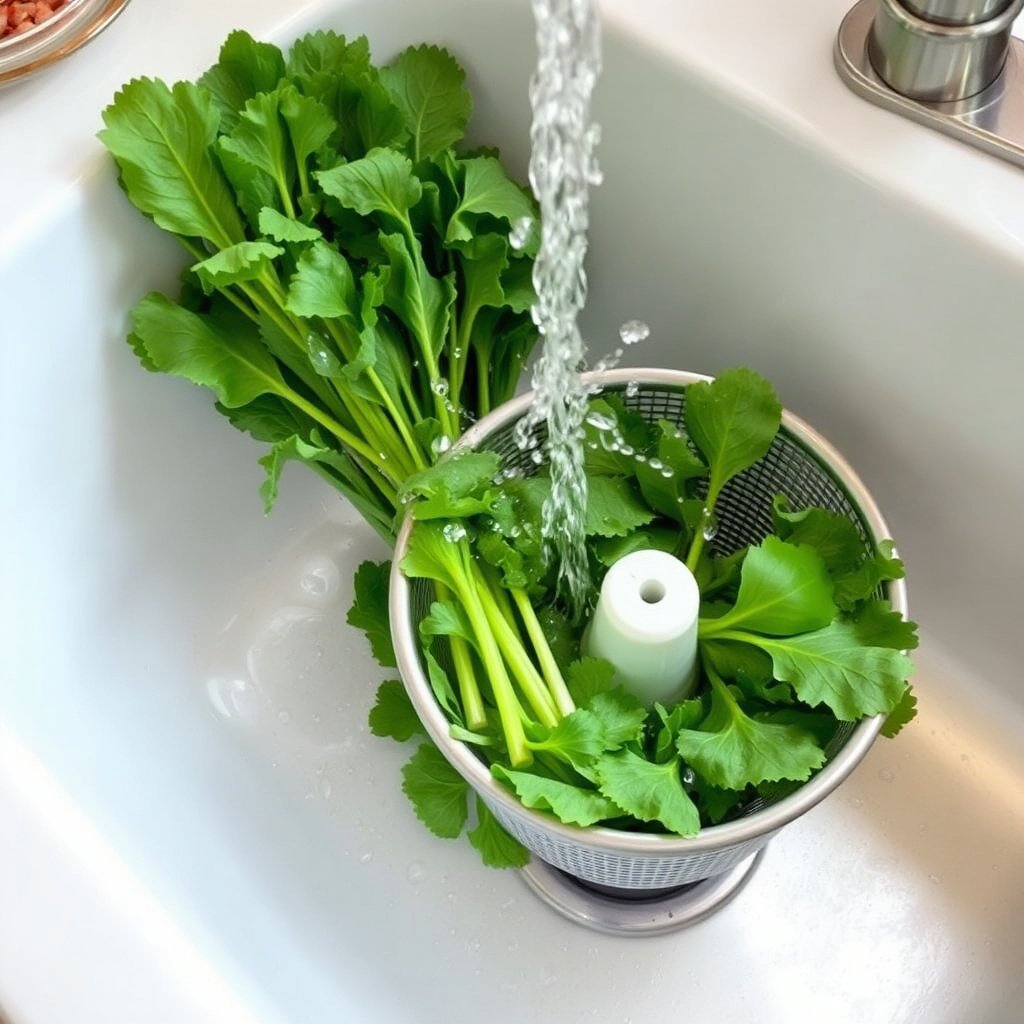
Selecting the Right Greens
Not all greens are best suited for spinning. Tender lettuces like romaine, butter lettuce, and leaf lettuces dry well in a salad spinner, as do herbs such as parsley and cilantro. Heavier or waxy greens like kale require slightly more spinning to remove water but still benefit greatly. Avoid using the spinner for very delicate greens like microgreens, which can get damaged.
Preparing greens properly before spinning is key. Rinse thoroughly under running water to remove dirt and grit, then give a gentle shake to remove large droplets of water. This helps the spinner work more efficiently and prevents water pooling at the bottom.
- Use a colander or strainer for initial rinsing
- Shake off excess water before placing greens in spinner basket
Loading the Salad Spinner Correctly
Fill the spinner basket loosely with greens to avoid overcrowding. Crowding restricts movement, causing water to remain on leaves and uneven drying. It's better to spin in batches if you have a large quantity. The basket’s perforations allow water to escape while keeping greens inside.
Once filled, align the basket inside the outer bowl and secure the lid firmly. Ensuring the lid is properly locked prevents spills during spinning and allows the spinner to operate smoothly.
- Do not overfill basket for best spinning motion
- Check that lid is tightly secured
Operating Your Salad Spinner Effectively

Manual Spinning Techniques
Most salad spinners feature a pump mechanism, pull cord, or crank handle to activate spinning. Start by pumping or turning steadily to increase the basket’s spin speed. Spinning for 15 to 30 seconds is usually enough to remove water on most greens. Pause to check moisture levels and spin again if needed.
Maintaining a moderate, consistent spin reduces stress on the basket and lid and helps achieve even drying. Avoid over-spinning delicate greens which can bruise or tear leaves.
- Pump or crank 10-15 times per spin
- Spin in short bursts with breaks to check dryness
Electric Salad Spinners
Electric salad spinners automate the spinning process using a motorized base. Simply load greens and press a button for a preset spin duration. These models provide consistent results and are ideal for those who prepare salads regularly or in larger quantities.
Be sure to read the manufacturer’s instructions to avoid overloading and damaging the motorized parts. Electric spinners often have removable bowls and baskets for easy cleaning.
- Do not exceed maximum capacity marked
- Use preset spin times for best results
Cleaning and Maintaining Your Salad Spinner
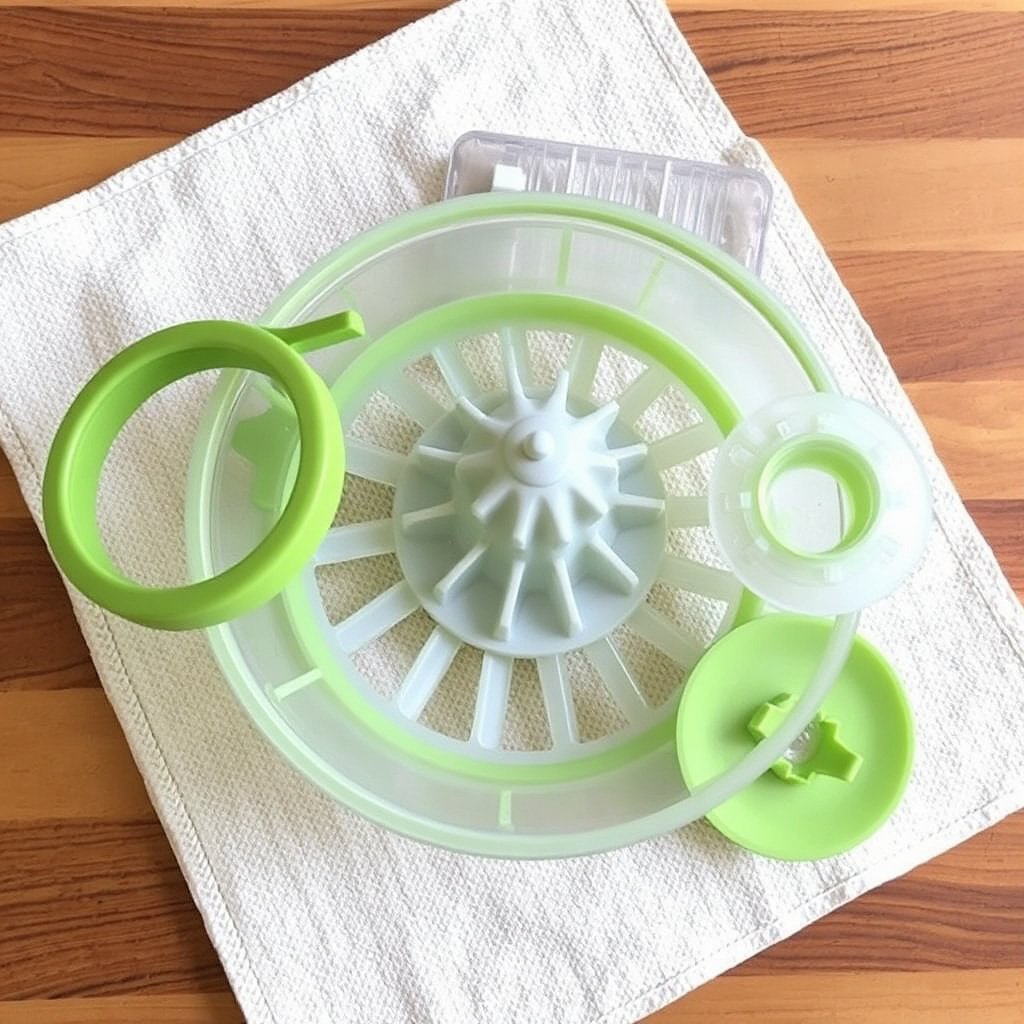
Regular Cleaning Tips
After each use, disassemble the spinner and wash the bowl, basket, and lid with warm soapy water. Removing all food particles prevents mold and odors. Most salad spinners are dishwasher safe, but check the user manual to confirm which parts can be cleaned this way.
Pay special attention to crevices around the lid mechanisms where water can accumulate. Dry all parts thoroughly before reassembling to avoid rust or damage.
- Hand wash or use dishwasher per manufacturer guidelines
- Dry parts completely before storage
For more on this, see our related guide: How to Make a Caesar Salad with Classic Dressing and Homemade Croutons.
Extending Your Salad Spinner’s Lifespan
Avoid applying excessive force on spinning mechanisms; this prevents wear and breakage. Store the spinner in a dry place away from direct sunlight to protect plastic components. If the spinner develops any cracks or malfunctions, consider replacement parts or a new unit to maintain safety and hygiene.
Lubricate moving parts occasionally if recommended by the manufacturer. Regular care keeps spinning smooth and quiet.
- Store in a cool, dry location
- Handle lid and spinning parts gently
Benefits of Using a Salad Spinner for Crisp Greens
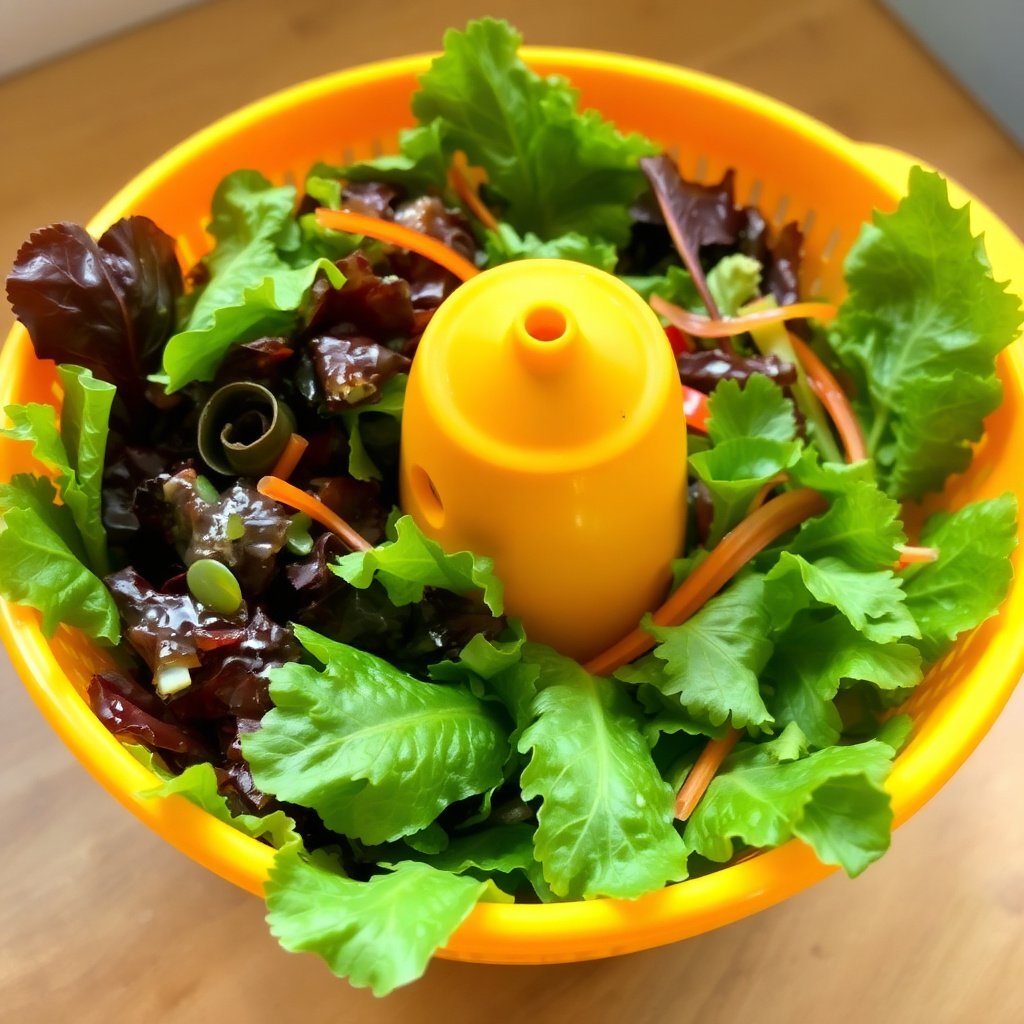
Improved Salad Texture and Taste
Removing excess water from greens prevents sogginess and helps salad dressings stick better. Crisp leaves create a more appealing texture and enhance flavor experience. Using a salad spinner ensures a quick and uniform drying process that towel-drying often cannot achieve consistently.
Dry greens also store longer and maintain freshness if refrigerated after spinning. This makes the salad spinner a helpful tool for meal prep and reducing food waste.
Saving Time and Reducing Waste
Using a salad spinner speeds up the drying process from several minutes of air drying or towel blotting to just seconds. This efficiency encourages more frequent consumption of leafy greens and herbs, contributing to healthier eating habits.
Spinning rather than towel drying also reduces the chance of damaging delicate leaves or spreading contaminants from cloths. It’s a more hygienic method overall.
How to Choose the Best Salad Spinner for Kitchen Use

Features to Look For
Choose a salad spinner with a sturdy basket and bowl made of BPA-free plastic or stainless steel for durability and food safety. Ergonomic handles or pump tops make spinning easier, especially if you prepare large salads frequently.
Consider spinners with non-slip bases to secure them during use and clear bowls to see water levels. Some models include locking lids for compact storage and dishwasher-safe parts for convenience.
- Durable BPA-free plastic or stainless steel
- Ergonomic spinning mechanism
- Non-slip base and clear bowl
For more on this, see our related guide: How to Make a House Salad: A Complete Guide for Fresh, Crisp Results.
Size and Capacity Choices
Salad spinners come in various sizes, from compact one-liter to large four-liter bowls. Choose size based on how much salad you typically prepare. Smaller spinners suit singles or couples; larger ones benefit families or those who entertain often.
Too large a spinner may be bulky and waste storage space, while too small requires multiple spins for big salads. Balance size, capacity, and kitchen storage availability.
- 1 to 4 liters typical range
- Match capacity to household salad consumption
Tips and Tricks for Using a Salad Spinner
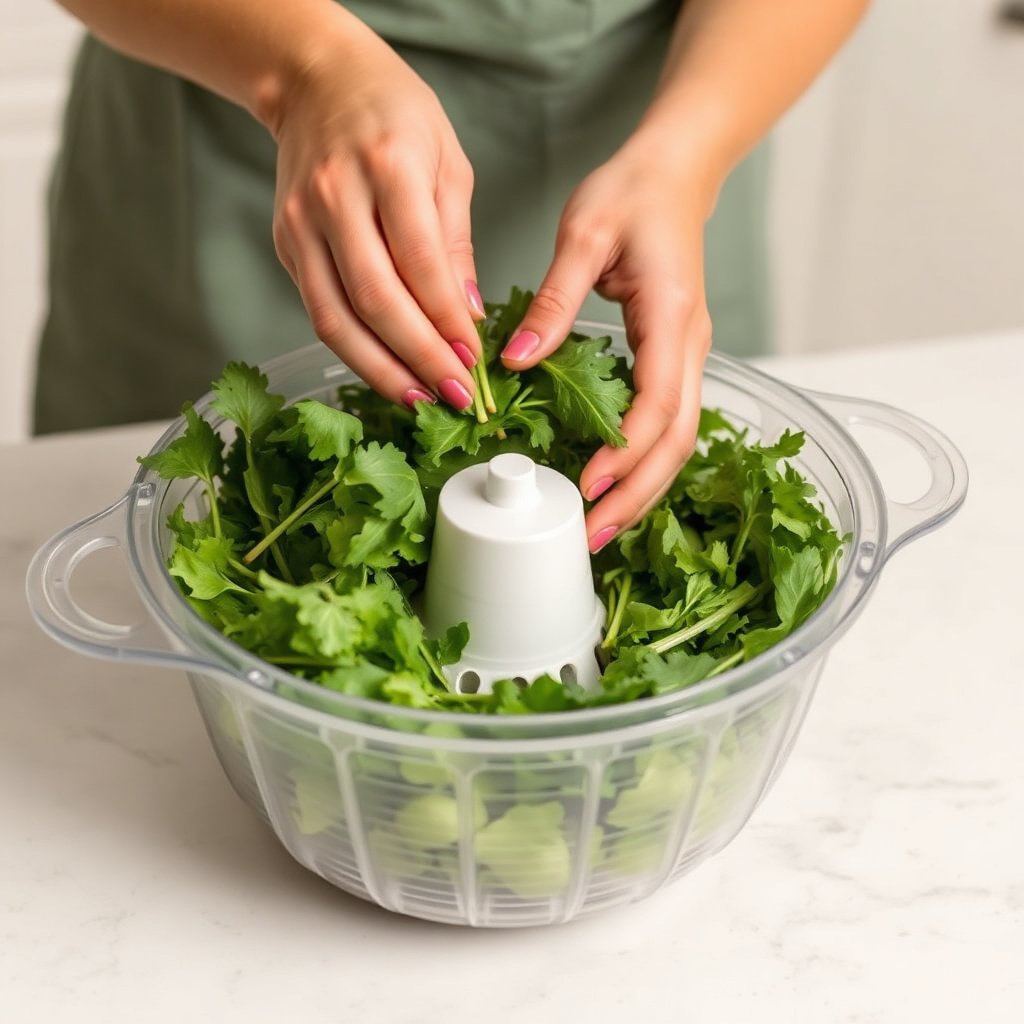
Avoiding Common Mistakes
Do not overfill the basket which reduces spinning efficiency and risks greens flying out when the lid is removed. Also, avoid spinning unwashed greens which can push dirt further into leaves.
Ensure the basket and bowl are free of cracks that could leak water or break under spinning force. Check lids for secure locking before spinning to avoid messes.
- Spin only clean, loosely packed greens
- Inspect spinner parts regularly for damage
For a detailed history and various designs of salad spinners, you can visit the salad spinner information on Wikipedia. Salad spinner information on Wikipedia.
Extending Use Beyond Greens
A salad spinner can also dry delicate fruits like berries, wash and dry shredded vegetables, or rinse and spin fresh pasta. This versatility makes it a useful multi-purpose kitchen tool beyond salads.
Experimenting with different uses helps you maximize the value and practicality of your spinner.
Comparison of Salad Spinner Types and Sizes
Here’s a quick look at common salad spinner types and size options to help weigh their features, capacity, and suitability.
| Type | Capacity | Spinning Mechanism | Best For | Price Range |
|---|---|---|---|---|
| Manual Pump Spinner | 2-4 liters | Pump Handle | Medium to large salads, families | $15-$30 |
| Manual Crank Spinner | 1.5-3 liters | Crank Handle | Small to medium salads, individuals | $12-$25 |
| Pull-Cord Spinner | 2-3 liters | Pull Cord | Frequent use, easy control | $18-$35 |
| Electric Salad Spinner | 3-5 liters | Electric Motor | Large quantities, efficiency seekers | $40-$70 |
| Compact Mini Spinner | 1 liter or less | Manual Spin | Singles, compact kitchens | $8-$15 |
Frequently Asked Questions
Can I spin fruits like berries in a salad spinner?
Yes, gently spinning fruits like berries to dry them after rinsing works well, but use a slower spin to avoid bruising delicate fruits.
How often should I clean my salad spinner?
Clean your salad spinner after every use to remove food residue and prevent mold, washing all parts with warm, soapy water or in the dishwasher if safe.
Is a salad spinner necessary if I have a good salad towel?
While a salad towel can blot moisture, a salad spinner dries greens faster and more evenly with less bruising, preserving crispness and flavor better.
Can I leave greens in the salad spinner bowl after drying?
You can store spun dry greens briefly in the spinner bowl, but ensure the bowl is covered and refrigerated to maintain freshness.
What should I do if my salad spinner’s lid won’t lock properly?
Check for debris or damage around locking parts; cleaning or minor repairs may help. If unresolved, contact manufacturer support or consider a replacement lid.
Key Takeaways
- Spin greens in loosely packed batches for best drying results
- Clean and maintain your salad spinner regularly to extend its life
- Choose a spinner size and type that fits your salad prep needs
- Using a salad spinner preserves salad texture and flavor better than towel drying
Conclusion
Using a salad spinner is the most effective and convenient method for drying salad greens. The centrifugal force quickly removes water, preventing soggy textures and allowing dressings to cling effectively. To make an informed choice, consider how much salad you usually prepare, your kitchen space, and your preferred spinning mechanism—manual pumps, cranks, pull cords, or electric options each have their strengths. Maintaining your spinner through regular cleaning and careful use ensures it keeps performing smoothly for years.
For casual salad eaters or small households, compact manual spinners or crank types offer excellent value without taking much space. Families or frequent entertainers might find larger manual pump or electric models more efficient as they handle bigger batches with less effort. If budget is a concern, mid-sized manual spinners with ergonomic handles give a strong balance between capacity and price. Regardless of choice, regular use of a salad spinner will improve your salad quality noticeably by keeping leaves crisp and flavorful.
Next time you prepare greens, try the salad spinner method to save time and enjoy fresher salads. If you do not have one yet, explore options that suit your cooking habits and storage needs so you can make salad preparation easier and more enjoyable. For additional information on the science of salad and vegetable preparation, trusted culinary resources and food safety guidelines can offer more insights.