How to Use a Honing Rod for Sharp, Precise Knife Edges
Using a honing rod correctly is the key to maintaining sharp, precise edges on your kitchen knives without grinding away metal. The process involves gently realigning the blade’s microscopic teeth by stroking it against the rod at the proper angle, restoring sharpness between sharpenings.
This technique is essential because even high-quality knives lose their edge gradually with everyday use, affecting cutting accuracy and safety. Honing with a rod keeps your knives performing like new and can extend the lifespan of the blade significantly while reducing the need for frequent sharpening with stones or machines.
This article will cover how to use a honing rod effectively, common mistakes to avoid, selection tips for the best honing rod techniques, and how to maintain your knives and rods for consistent results. Following these steps will help you keep your knives razor-sharp and your kitchen more efficient.
Understanding the Honing Rod and Its Purpose
What Is a Honing Rod?
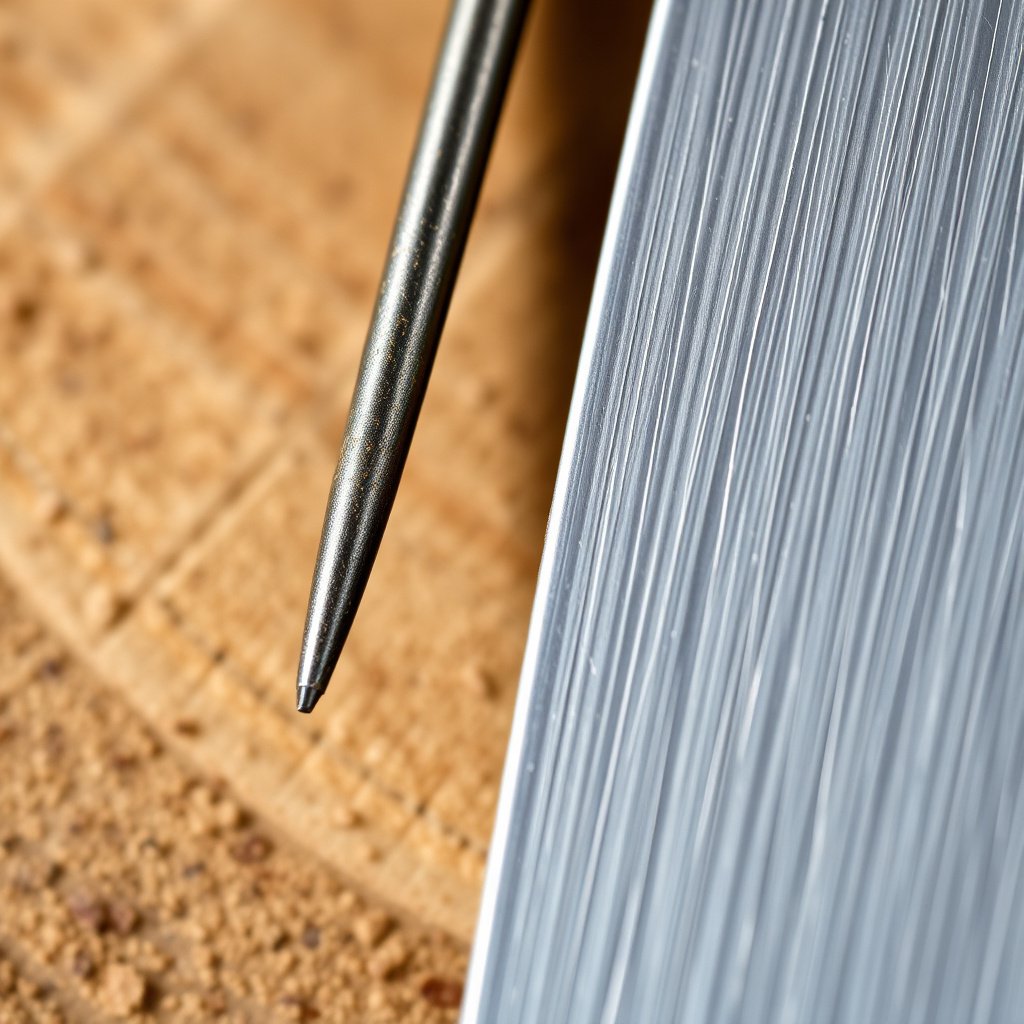
A honing rod is a cylindrical steel tool designed to straighten and realign the tiny edge teeth that bend during normal knife use. Unlike sharpening, which removes metal, honing simply corrects the blade’s edge angle without wearing it down.
Common honing rods are made from steel or ceramic materials, offering varying levels of abrasion. Ceramic rods provide some mild sharpening benefits, while steel rods primarily realign the blade. Understanding these differences helps pick the right rod for your maintenance routine.
- Steel rods are traditional and durable
- Ceramic rods offer light abrasive sharpening
- Proper rod choice depends on blade type and usage
Why Use a Honing Rod Regularly?
Daily knife use causes microscopic bends and misalignments on the edge, which reduce cutting efficiency and cause a dull feel. Using a honing rod realigns these imperfections almost immediately, restoring sharpness.
Regular honing decreases the frequency of intense sharpening sessions that actually remove blade material, preserving the knife’s lifespan. Skilled use of the honing rod also keeps edges safer by preventing slips caused by uneven blades.
Step-by-Step Guide on How to Use a Honing Rod
Preparing Your Tools and Workspace
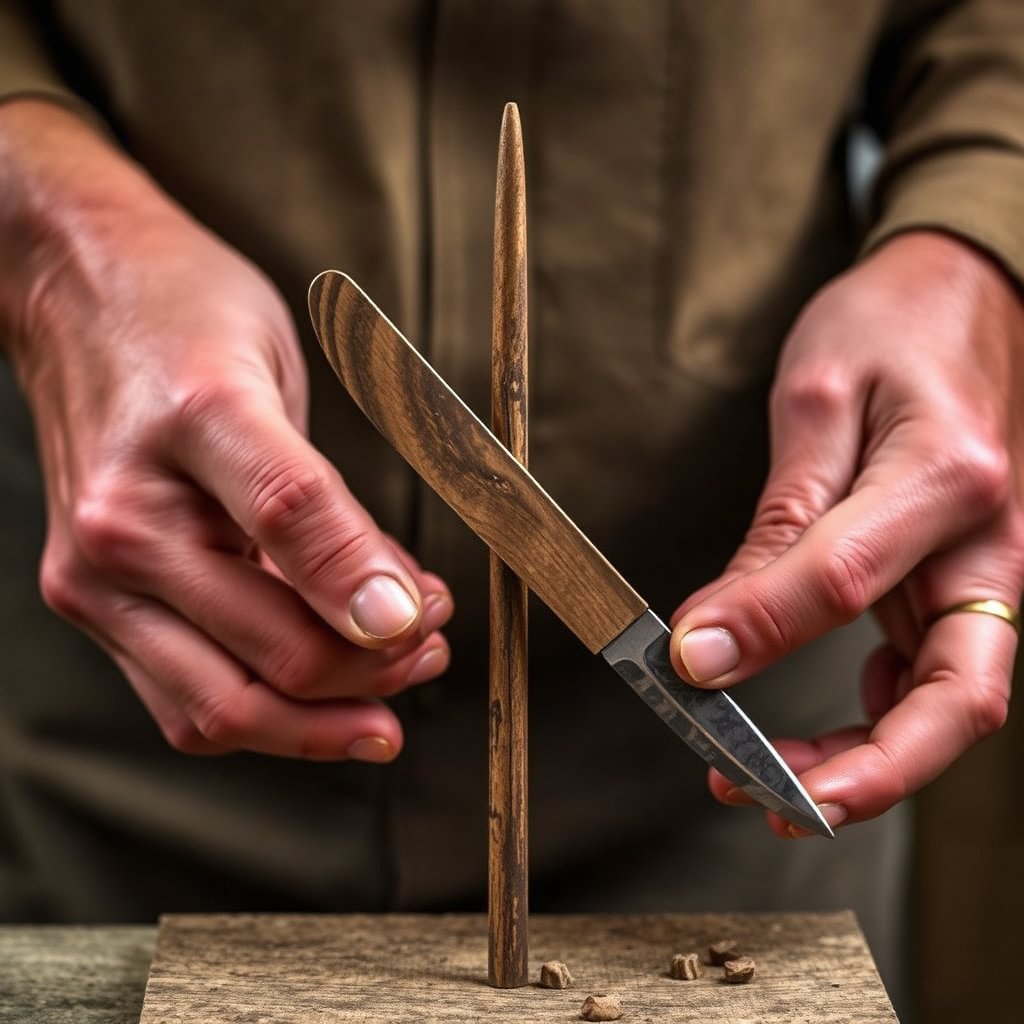
Start by securing your honing rod vertically on a counter or holding it firmly downward with the tip resting on a stable surface. Ensure your knife and rod are clean and dry to prevent slips and uneven honing strokes.
Good lighting and a comfortable grip on both the rod and knife enhance control and safety. Wearing protective gloves is optional but recommended for beginners to avoid accidental cuts.
- Clean and dry honing rod and knife
- Firmly hold rod tip down on a non-slip surface
- Use bright lighting for visibility
- Wear cut-resistant gloves if unsure
The Correct Stroking Technique
Hold the knife at approximately a 15 to 20-degree angle to the rod, matching the blade's existing bevel. Starting at the base near the handle, draw the blade down and toward you in a sweeping motion along the rod’s length, finishing at the tip of the blade.
Repeat this motion 5-10 times on one side, then switch to the other blade edge. Always alternate sides to keep the blade balanced. Avoid pressing too hard – gentle pressure is enough to realign the blade’s edge without causing damage.
- Maintain consistent 15-20 degree angle
- Stroke smoothly from base to tip
- Alternate sides evenly
- Use light, controlled pressure
Common Mistakes and How to Avoid Them When Honing
Avoiding Incorrect Angles and Pressure
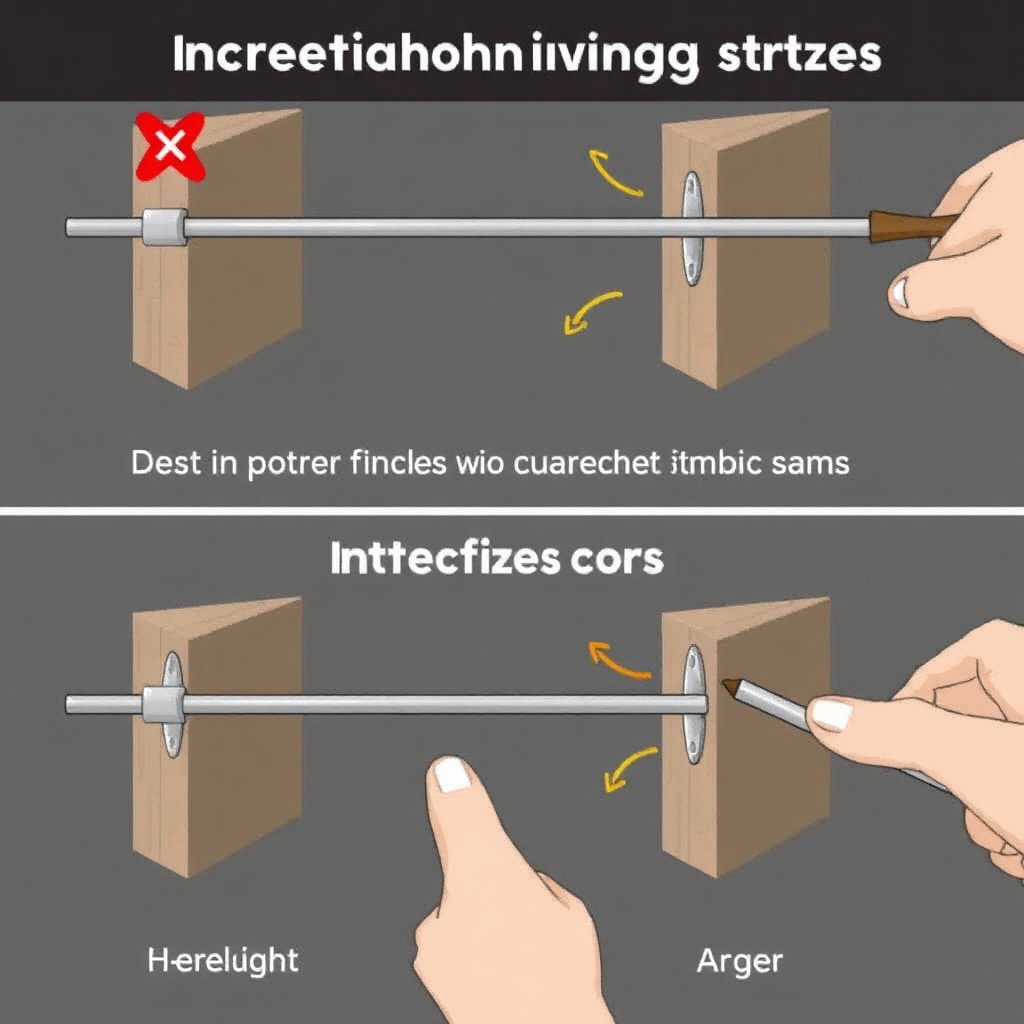
One of the most frequent errors is holding the knife at too steep or shallow an angle, which fails to realign the blade properly or can even dull it further. Practicing with a consistent reference angle helps prevent this problem.
Applying excessive pressure can round the blade’s edge instead of straightening it, causing premature wear. Light pressure combined with proper stroking ensures effective honing without harming the blade.
- Use a 15-20 degree angle
- Practice steady control
- Apply gentle pressure
- Avoid rushing through strokes
For more on this, see our related guide: How to Sharpen Kitchen Knives With Rod: a Step-By-Step Guide.
Not Honing Often Enough or Skipping It
Skipping honing leads to quick blade dullness and makes sharpening more necessary. Many users neglect honing because they confuse it with sharpening or don’t notice gradual edge decline.
Integrating honing into your knife-use routine—such as before or after daily meal prep—keeps edges consistently sharp and maximizes overall blade performance and longevity.
Selecting the Right Honing Rod for Your Knives
Material and Coating Options
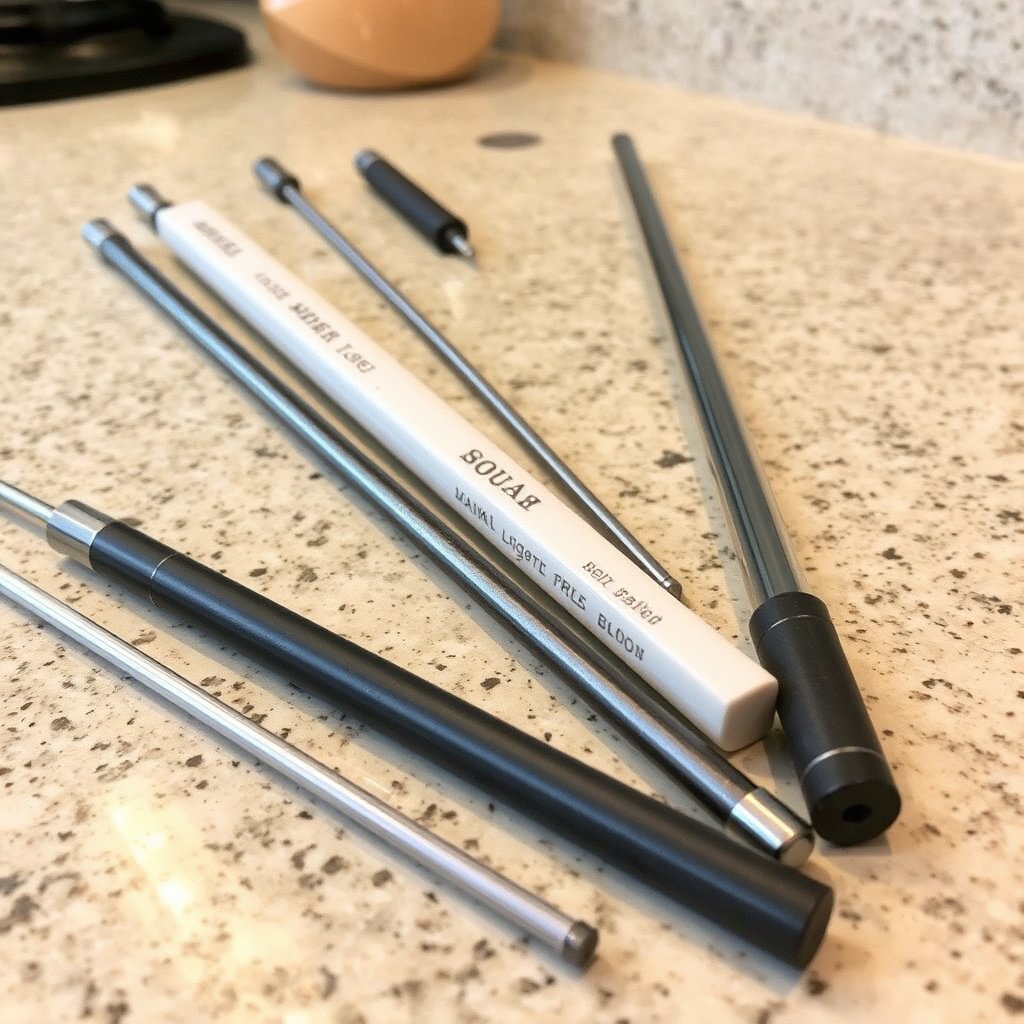
Steel honing rods are the classic option, durable and effective for straightening most kitchen knives. Ceramic rods offer a mild abrasive quality that can slightly sharpen edges while honing.
Diamond-coated rods provide more aggressive metal removal and are suited for very dull knives or hard steels but require more experience to avoid overgrinding.
- Steel rods for gentle realignment
- Ceramic rods combine honing and fine sharpening
- Diamond rods for tougher blades and edge correction
Size and Handle Design
Choose a rod length appropriate for your knives—typically between 8 to 12 inches—to ensure full blade contact during honing. The handle should offer a secure, comfortable grip to maintain control throughout the process.
Some rods include finger guards for safety and textured grips to prevent slipping, features especially useful for beginners and frequent use.
- Select rod length matching blade size
- Look for ergonomic, non-slip handles
- Consider safety features like finger guards
Maintaining Your Honing Rod and Knives for Best Results
Cleaning and Care Tips for Honing Rods
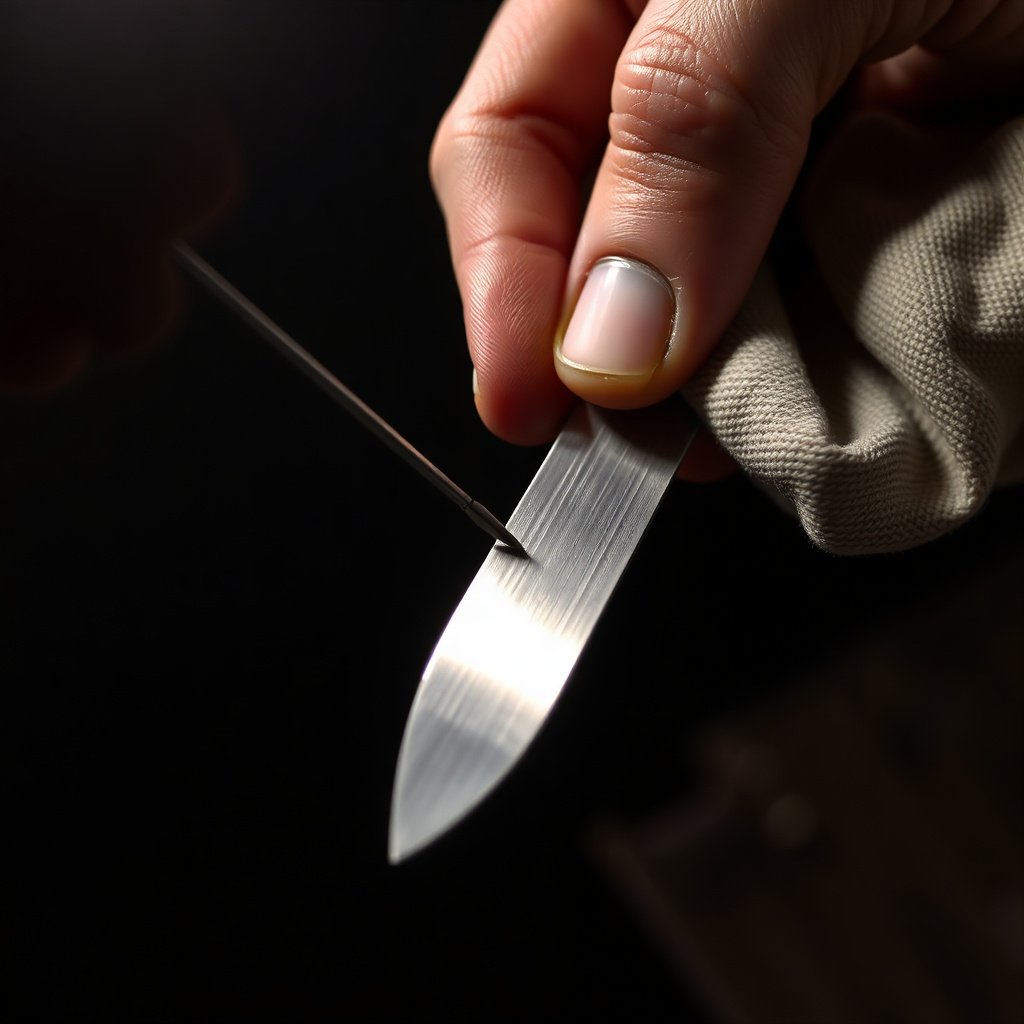
Over time, honing rods accumulate fine metal residue and kitchen debris that can reduce effectiveness. Clean your rod periodically with warm soap and water or a soft brush to maintain its surface.
Avoid harsh chemicals and store the rod in a dry place to prevent rust, especially with steel rods.
- Wash regularly with mild soap
- Dry fully after cleaning
- Store in a dry environment
For more on this, see our related guide: How to Sharpen Kitchen Knives: A Step-by-Step Guide.
Knife Storage and Handling to Preserve Edge
Proper storage in knife blocks, magnetic strips, or protective sheaths prevents blade damage and dulling. Avoid tossing knives loosely in drawers where edges can nick or bend.
Handle your knives carefully, using appropriate cutting surfaces like wood or plastic boards to reduce wear on the edge and complement your honing efforts.
- Use protective knife storage
- Avoid cutting on glass or stone surfaces
- Keep knives clean and dry after use
When to Shift from Honing to Sharpening
Signs That Honing No Longer Suffices
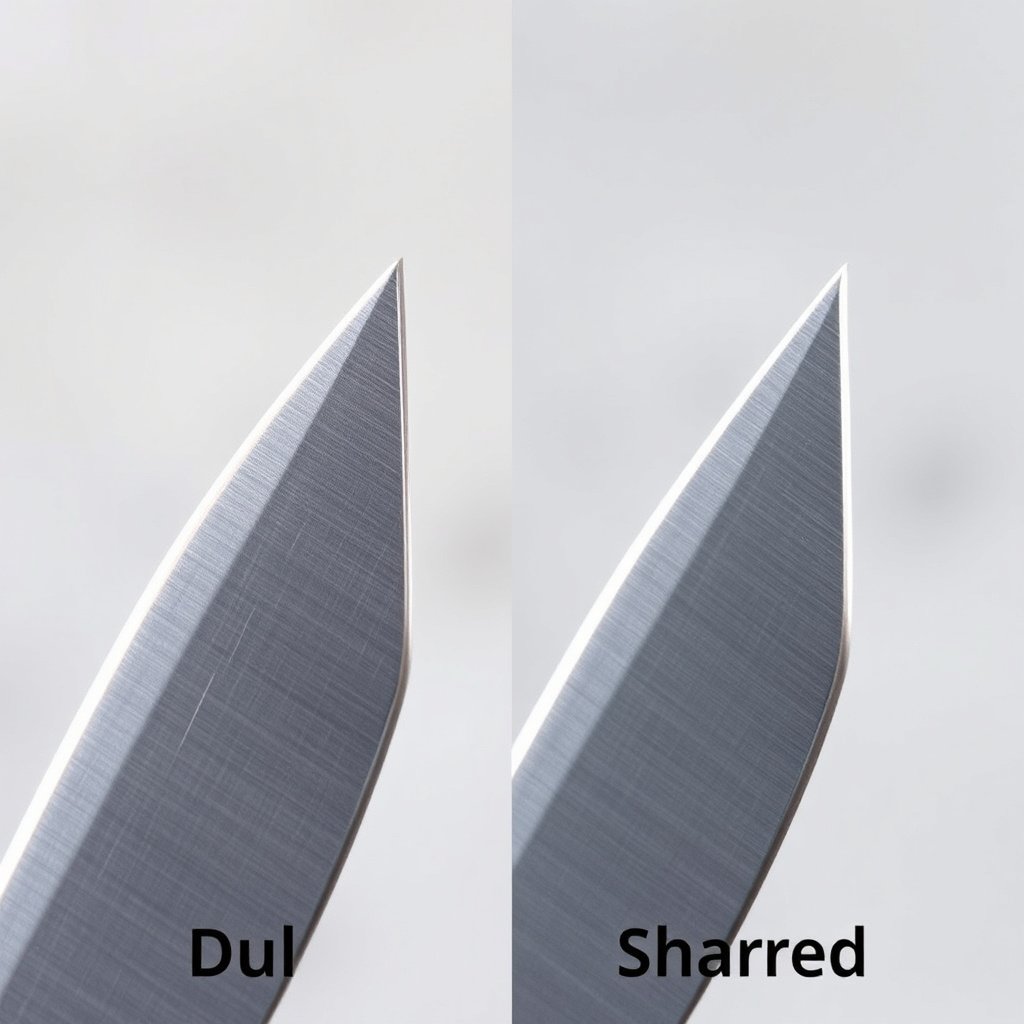
If your knife struggles to slice cleanly or shows visible nicks, honing will no longer restore the edge adequately. These issues indicate that metal must be removed to create a new edge bevel through sharpening.
Recognizing this turning point helps avoid frustration and maintains kitchen efficiency by applying the right maintenance method at the right time.
For further details on honing rod techniques, refer to the Honing article on Wikipedia. Honing rod techniques on Wikipedia.
Sharpening Methods Complementing Honing
Sharpening with whetstones, pull-through sharpeners, or professional services removes metal to refresh the blade shape. Honing maintains this newly sharpened edge between sessions.
Choosing a sharpening method depends on blade steel, knife use, and your comfort level with tools, but regular honing always supports extending intervals between sharpening.
- Whetstones for precise edge control
- Pull-through sharpeners for convenience
- Professional sharpening for advanced blades
Comparing Honing Rod Types: Steel vs. Ceramic vs. Diamond
This table highlights key differences among common honing rod types to help you choose the best option for your knives.
| Rod Type | Material & Coating | Effectiveness | Maintenance | Price Range |
|---|---|---|---|---|
| Steel | Stainless steel | Excellent for edge realignment | Low – occasional cleaning | $15-$30 |
| Ceramic | Ceramic coated | Mild abrasive; hones and light sharpens | Medium – careful cleaning to avoid chipping | $20-$40 |
| Diamond | Steel with diamond grit | Strong abrasive; sharpens aggressively | High – clean after each use | $30-$60 |
| Combination | Steel and ceramic sides | Versatile for honing and mild sharpening | Medium – maintain both surfaces | $25-$50 |
Frequently Asked Questions
Can I use a honing rod on all types of knives?
Most kitchen knives can be honed with a steel or ceramic rod, but serrated knives require special tools or professional sharpening.
How often should I hone my knives?
For home use, honing before or after every few uses keeps knives sharp; professional chefs often hone daily during work.
Is honing the same as sharpening?
Honing realigns a blade’s edge without removing metal, while sharpening grinds and reshapes the blade by removing metal.
What angle should I hold my knife when honing?
A 15 to 20 degree angle to the honing rod matches most kitchen knives and effectively realigns the edge.
Can I damage my knife by honing incorrectly?
Yes. Using the wrong angle or excessive pressure can dull or damage the edge, so proper technique is essential.
Key Takeaways
- Honing rods realign blade edges without removing metal.
- Use a 15-20 degree angle for effective honing strokes.
- Select rod material based on your knife type and maintenance needs.
- Regular honing extends time between full sharpenings.
Conclusion
Using a honing rod skillfully keeps your kitchen knives sharp and precise, providing cleaner, safer cuts and prolonging blade life. The core approach involves gentle, consistent strokes at the proper angle to realign the microscopic teeth along your knife edges without removing metal. This simple upkeep dramatically reduces the need for full sharpening sessions and helps maintain cutting performance in daily kitchen tasks. Maintaining your honing rod clean and pairing it with correct knife storage further improves its effectiveness.
When selecting a honing rod, consider your knives’ steels and how you use them. Steel rods suit most traditional blades, ceramic rods offer light abrasive benefits suitable for frequent maintenance, and diamond-coated rods handle tougher edges or occasional light sharpening. Regular honing every few uses is ideal for home cooks, while professionals often hone daily for steady edge control. Know when your blade has dulled beyond honing—signs like difficulty slicing and visible edge damage indicate sharpening is necessary.
Start by practicing the proper honing technique: hold the rod firmly, maintain a 15-20 degree knife angle, and perform smooth alternating strokes with light pressure. Integrate honing into your routine to keep knives performing well between sharpenings. With patience and consistency, your knives will maintain their sharpness longer, enhancing safety and efficiency in the kitchen.