How to Store Kitchen Knives Safely and Effectively
Properly storing kitchen knives involves protecting the blades from damage while keeping them accessible and safe from accidents. The main methods include using knife blocks, magnetic strips, knife guards, or specialized knife drawers. The goal is to maintain sharpness and prevent injuries.
Kitchen knives are essential tools, and how you store them impacts their longevity and safety in the kitchen. Poor storage can dull edges quickly or cause accidental cuts. Choosing the right storage solution depends on your kitchen space, knife types, and personal convenience.
This article covers the most effective ways to store kitchen knives, compares popular storage methods, explains their benefits and drawbacks, and offers practical advice on maintaining both safety and blade quality.
Common Knife Storage Methods
Knife Blocks
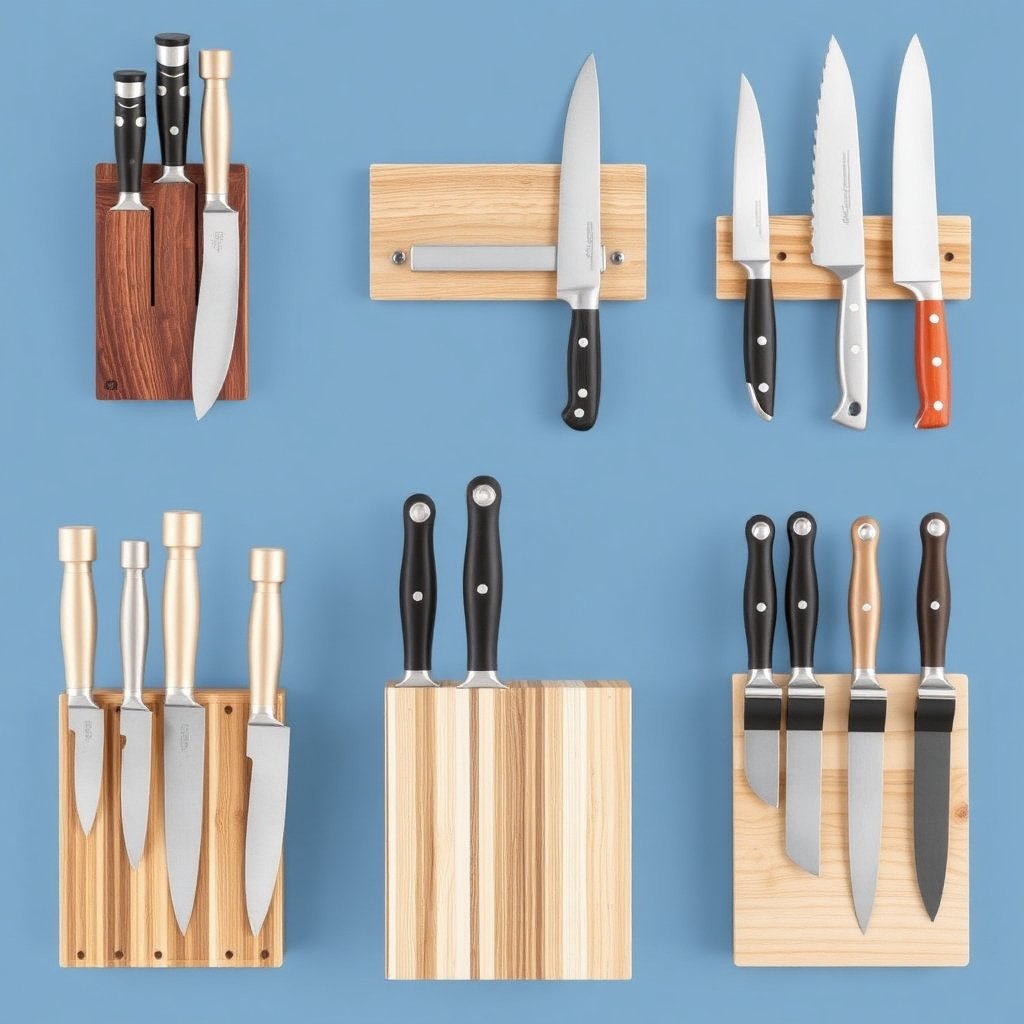
Knife blocks are one of the most traditional ways to store kitchen knives. They usually hold knives upright in pre-sized slots, which keeps blades protected from nicks and exposure to air.
However, slots that are too narrow or poorly maintained can trap moisture and cause blade corrosion. Also, inserting or removing knives improperly may damage blade edges over time.
- Wooden or bamboo construction
- Simple, accessible design
- Limitations for odd-sized knives
Magnetic Knife Strips
Magnetic strips mount on kitchen walls and hold knives by their metal blades. This keeps blades visible, dry, and prevents drawer clutter.
Since blades don’t touch other surfaces, they stay sharp longer. Caution is needed to attach knives gently to avoid chipping. Clean magnetic strips regularly to prevent buildup.
- Space-saving vertical storage
- Easy access and cleaning
- Requires strong magnets and secure installation
Protective Covers and Guards
Individual Blade Guards
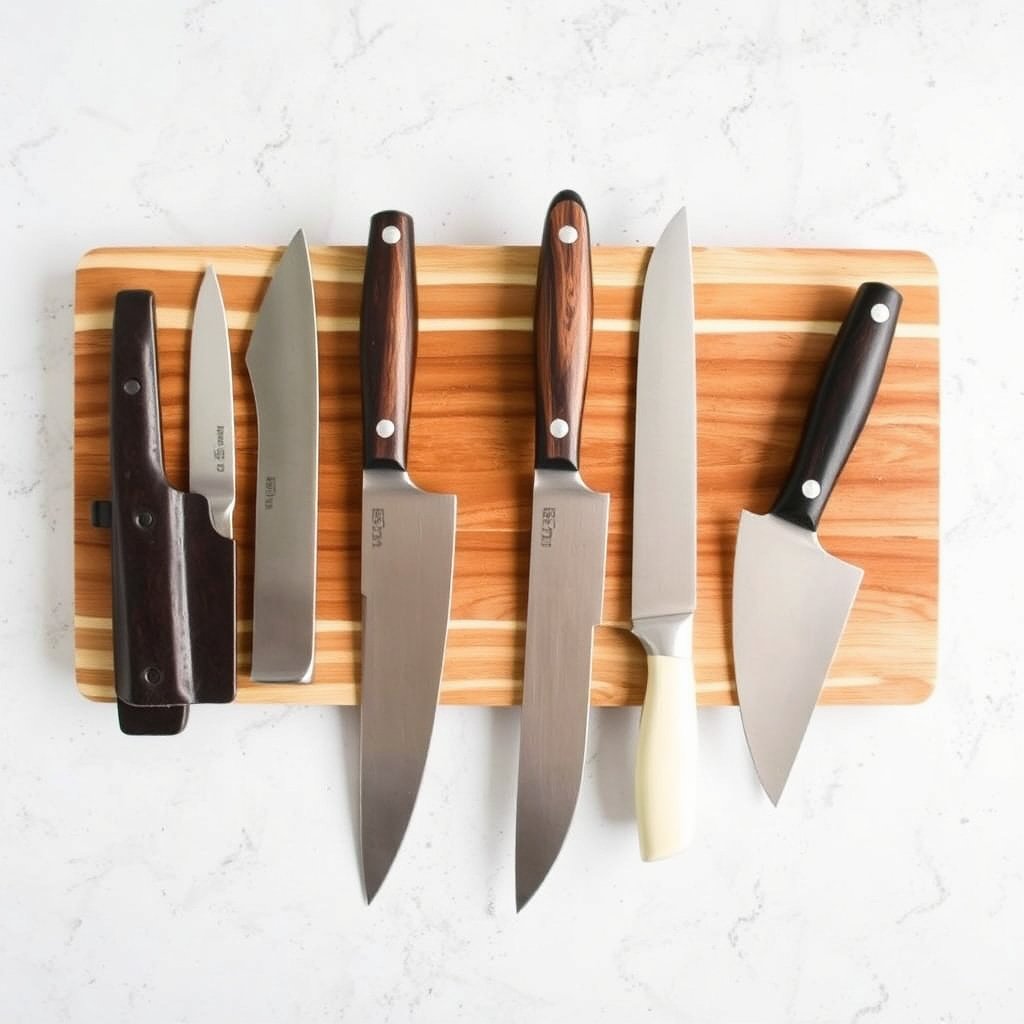
Blade guards or sheaths slip over the edge of individual knives, protecting blades from damage and preventing accidental cuts when stored in drawers or bags.
They’re inexpensive and lightweight but require consistent use. Guards come in plastic, silicone, or leather, each offering different levels of protection and ease of cleaning.
- Protect blades during drawer storage
- Portable for travel or outdoor use
- Must be sized correctly for each knife
For more on this, see our related guide: How Do You Spell Kitchen? The Complete Answer.
Knife Rolls and Cases
For chefs or enthusiasts on the go, knife rolls provide organized storage with dedicated slots wrapped in durable material.
They protect knives during transport and keep them separated to prevent contact damage. However, knife rolls are generally not practical for daily kitchen storage.
- Ideal for transport and professional use
- Keeps knives secure and separated
- Not suitable for quick daily access
Storing Knives in Drawers
Knife Drawer Inserts
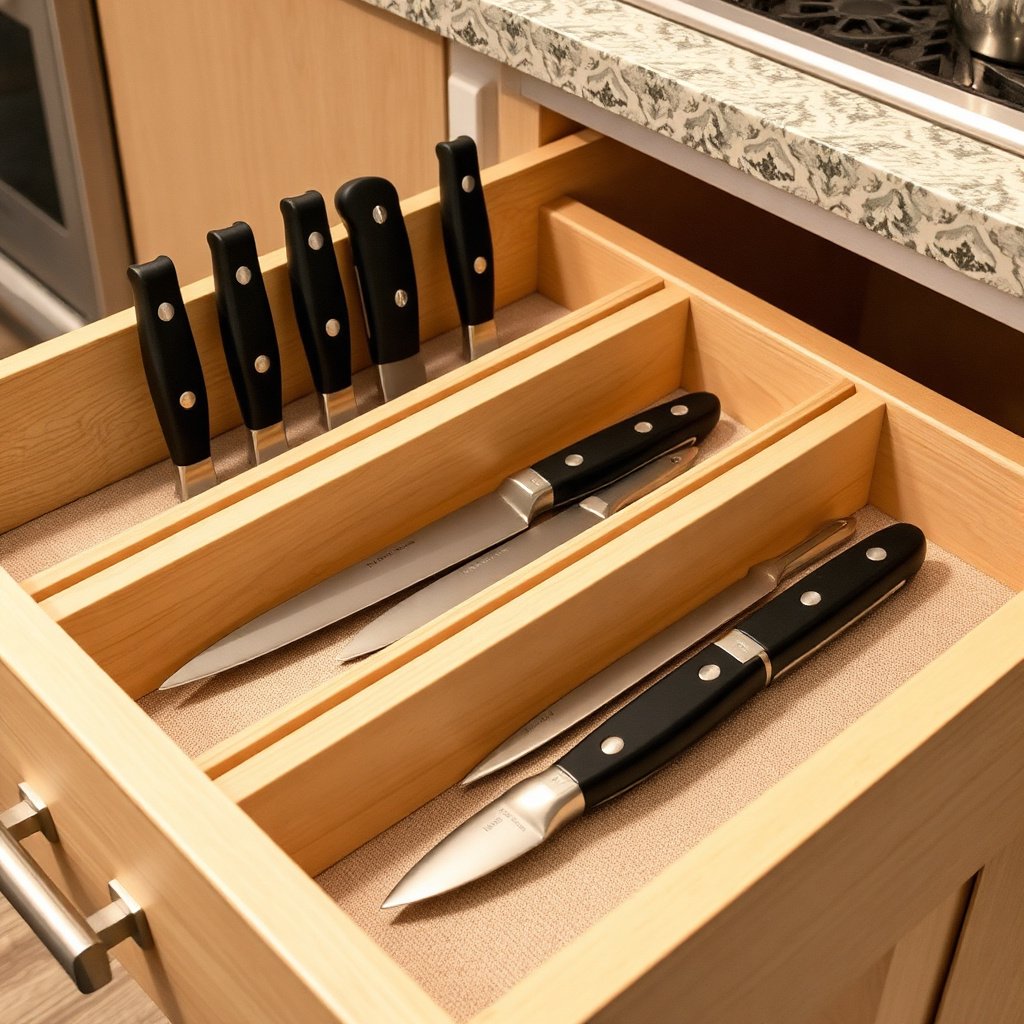
Knife drawer inserts provide dedicated slots for knives inside a drawer, organizing them securely and reducing blade contact.
Materials vary from bamboo to plastic or metal. Inserts reduce clutter and protect knives but require a drawer wide enough to accommodate their size.
- Keeps knives organized and separated
- Protects blades from damage
- Drawer size must match insert dimensions
Lining Drawers for Protection
If no insert is used, lining a drawer with soft materials like silicone mats or felt strips helps cushion knives during storage.
This method minimizes blade dulling but is less secure than inserts, and knives may shift or jostle when the drawer opens.
- Budget-friendly option
- Reduces blade scratches
- Knives are less contained
Factors Affecting Knife Storage Choices
Space and Kitchen Layout
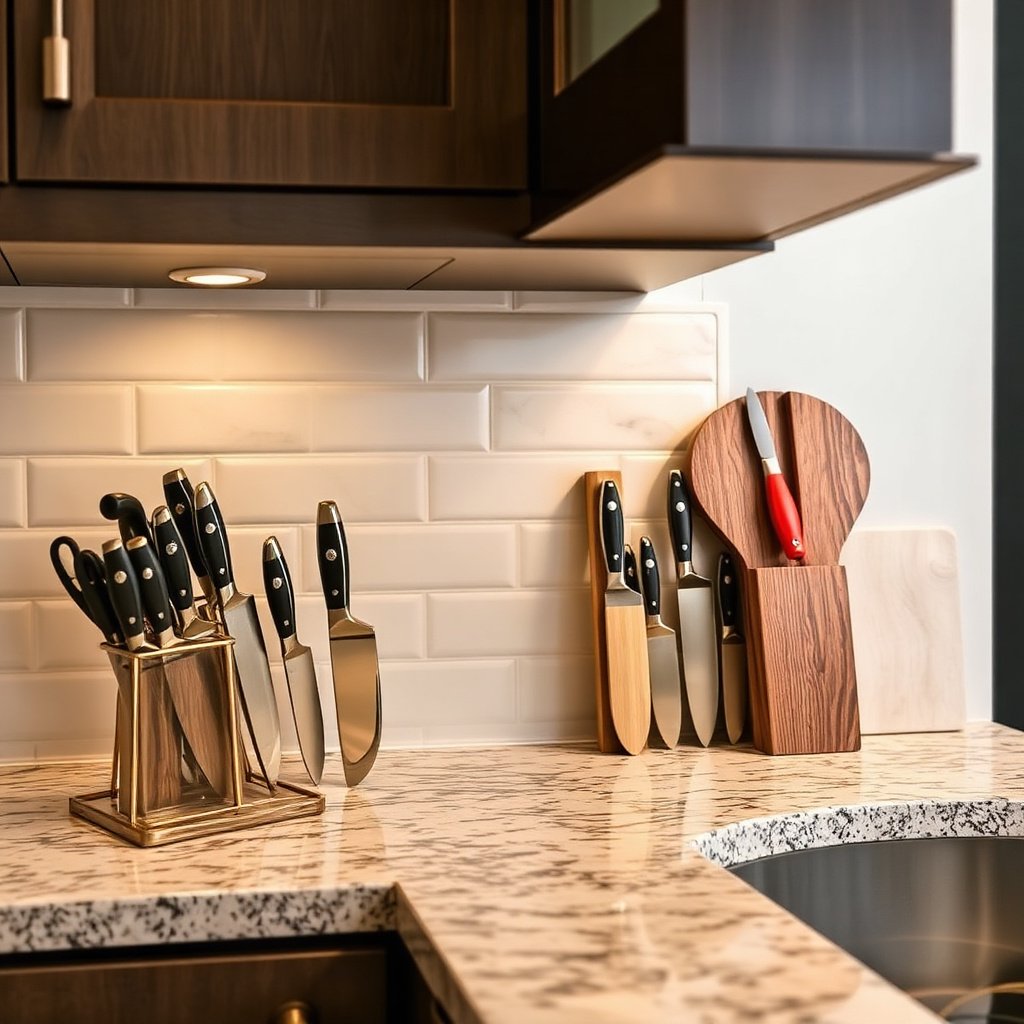
Available kitchen space heavily influences knife storage decisions. Small kitchens may benefit more from compact options like magnetic strips or drawer inserts compared to bulky blocks.
Counter space constraints and placement near cooking areas also dictate convenience and safety for the type of storage utilized.
- Consider countertop versus drawer needs
- Wall space for magnetic strips
- Ease of access during food prep
For more on this, see our related guide: How to Sharpen Kitchen Knives: A Step-by-Step Guide.
Knife Collection and Usage Patterns
The number and types of knives you own affect storage choices. Larger collections may need combined storage solutions to keep all knives accessible and protected.
Frequency of use plays a role too—daily-use knives should be easier to reach, while specialty knives might be stored separately.
- Match storage to knife variety
- Separate daily-use blades from occasional ones
- Keep specialty knives protected
Maintaining Knife Quality Through Storage
Cleaning Knives Before Storage
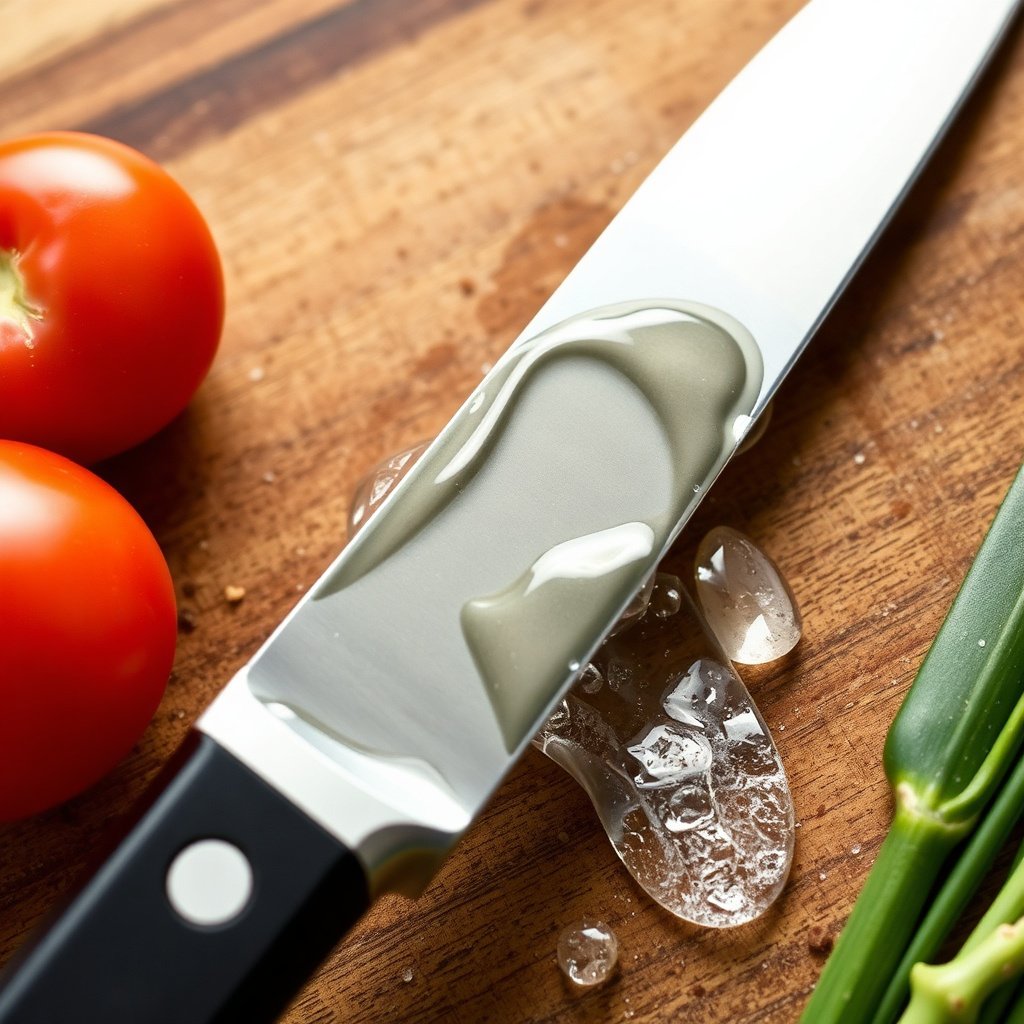
Always clean knives thoroughly and dry them completely before storing. Residue or moisture on blades accelerates corrosion and dulling.
Hand washing is preferred over dishwasher use to maintain blade and handle integrity.
- Use warm, soapy water
- Dry immediately with a towel
- Avoid dishwasher cycles
For additional details on proper kitchen knife storage and care, refer to this resource. proper kitchen knife storage.
Regular Sharpening and Inspection
Proper storage protects the blade but sharpening is necessary to maintain cutting performance. Regular inspection can catch nicks or rust early.
Consider honing rods for frequent blade touch-ups and professional sharpening annually or as needed.
- Hone blades regularly
- Inspect for damage
- Sharpen professionally when dull
Knife Storage Options Comparison
This table compares key features, advantages, and drawbacks of popular kitchen knife storage methods.
| Category | Protection Level | Accessibility | Maintenance | Space Required | Cost |
|---|---|---|---|---|---|
| Knife Block | High – protects blades in slots | High – quick access | Moderate – clean and dry slots | Moderate – countertop space | Medium |
| Magnetic Strip | Medium – careful placement needed | Very High – visible and easy | Low – wipe magnets regularly | Low – wall-mounted | Low |
| Blade Guards | High – protects individual blades | Low – slower access | Low – wash guards separately | None – stored with knives | Low |
| Drawer Inserts | High – keeps blades separated | Medium – drawer access | Moderate – clean insert | Moderate – drawer size | Medium |
| Knife Rolls | High – secure transport | Low – not for daily use | Low – wash fabric materials | Low – portable | Medium |
Frequently Asked Questions
Is it safe to store knives in a drawer without any protection?
Storing knives loosely in a drawer can dull blades quickly and increase the risk of cuts when reaching in. Using drawer inserts or blade guards is recommended to keep knives safe and sharp.
Can magnetic strips damage knife blades?
If knives are placed carefully, magnetic strips do not damage blades. Dropping knives onto metal or slamming them can chip edges, so gentle placement is important.
How often should I sharpen my kitchen knives?
Sharpening frequency depends on knife use. Regular home users might sharpen every few months, while professional chefs do it more often. Honing between sharpenings helps maintain edges.
Are knife blocks hygienic for kitchen use?
Knife blocks can harbor moisture and bacteria if not cleaned regularly. To keep them hygienic, clean the block slots frequently and allow knives to dry thoroughly before storing.
What materials are best for knife storage accessories?
Bamboo and hardwood are popular for blocks due to durability and moisture resistance. Silicone and plastic are good for guards and inserts because they protect blades without damage.
Key Takeaways
- Store knives to protect blades and ensure user safety.
- Magnetic strips and drawer inserts save space and provide good protection.
- Blade guards are essential for drawer storage and transport.
- Regular cleaning and sharpening complement proper storage.
Conclusion
Selecting the right way to store kitchen knives hinges on balancing protection, accessibility, and space availability. Knowing your kitchen layout, knife collection, and usage patterns guides a storage method that preserves blade sharpness and prevents accidents. Whether using a block, magnetic strip, or drawer insert, keeping knives dry and clean before storage is key.
For those with limited countertop space, magnetic strips and drawer inserts offer compact solutions that keep knives within easy reach while avoiding clutter. Larger collections benefit from a combination of storage types, like blocks for everyday Chef’s knives, and blade guards for specialty tools. Portable options like knife rolls suit professionals and enthusiasts who travel or demonstrate culinary skills.
Ultimately, the best approach is practical and consistent. Use protective storage to help maintain knife quality and safety, clean knives before placing them away, and sharpen blades as required. Start by evaluating your kitchen setup and knife habits, then select storage that fits naturally into your cooking routine for years of reliable use.