How to Deep Fry at Home: A Practical Guide for Safe and Delicious Results
Deep frying at home is straightforward if you understand the basics: use the right oil, maintain proper temperature, and prepare your food correctly. With these steps, you can achieve restaurant-quality crispy dishes without the hassle or safety risks.
Knowing how to deep fry at home helps expand your cooking options with popular recipes like fried chicken or tempura. It also lets you control ingredients, avoiding commercial additives and ensuring fresher meals tailored to your taste.
This article covers essential equipment, oil selection, temperature control, safety practices, and easy recipes. Whether you’re frying vegetables, meats, or snacks, you’ll get practical tips to perfect your frying technique.
Choosing the Right Equipment for Deep Frying

Deep Fryers vs. Stovetop Frying Pots
Deep fryers provide controlled heating, built-in temperature gauges, and often baskets for easy food handling. They minimize oil splatter and are convenient for frequent frying. In contrast, stovetop pots require vigilance to maintain temperature but can be versatile and affordable.
If you plan to deep fry occasionally, a heavy-duty pot and a thermometer might suffice. However, for regular cooking, investing in a good deep fryer is safer and more user-friendly.
- Deep fryers: temperature control, baskets, safety features
- Stovetop pots: flexible, affordable, require a thermometer
- Consider kitchen space and frequency of use
Essential Accessories for Safety and Efficiency
Using the right accessories prevents accidents and improves results. A reliable kitchen thermometer ensures oil stays at the right temperature, preventing undercooking or burning. A slotted spoon or frying basket assists in removing food safely, while splatter screens minimize mess.
Heat-resistant gloves can protect hands when handling hot pots or baskets. Additionally, having a fire extinguisher rated for grease fires nearby is a critical safety precaution.
- Thermometer to monitor oil temperature
- Slotted spoon or frying basket to handle food
- Heat-resistant gloves for safe handling
- Fire extinguisher for grease fires
Selecting and Preparing Oils for Deep Frying

Understanding Smoke Points and Oil Types
Choosing an oil with a high smoke point is crucial for deep frying to avoid burning and off-flavors. Oils like peanut, canola, sunflower, and safflower have smoke points typically above 400°F (204°C), making them suitable for deep frying.
Avoid oils with low smoke points such as unrefined olive or flaxseed oil. Refined oils are usually better choices for deep frying since they've been processed to increase heat stability.
- High smoke point oils: peanut, canola, sunflower
- Avoid low smoke point oils for deep frying
- Refined oils provide better heat stability
Proper Oil Handling and Reuse
Use fresh oil for each deep frying session to maintain flavor and food quality. After frying, let oil cool, strain out food particles, and store in a clean container for up to a few uses. Avoid mixing different oil types or repeatedly heating oil past its smoke point.
Discard oil showing signs of deterioration such as darkening, foaming, or a rancid smell. Proper oil management extends its life and keeps foods tasting fresh.
- Strain and store oil after use
- Do not mix oils or overheat
- Discard oil that smells or looks off
Mastering Temperature Control in Deep Frying
Maintaining the Ideal Frying Temperature
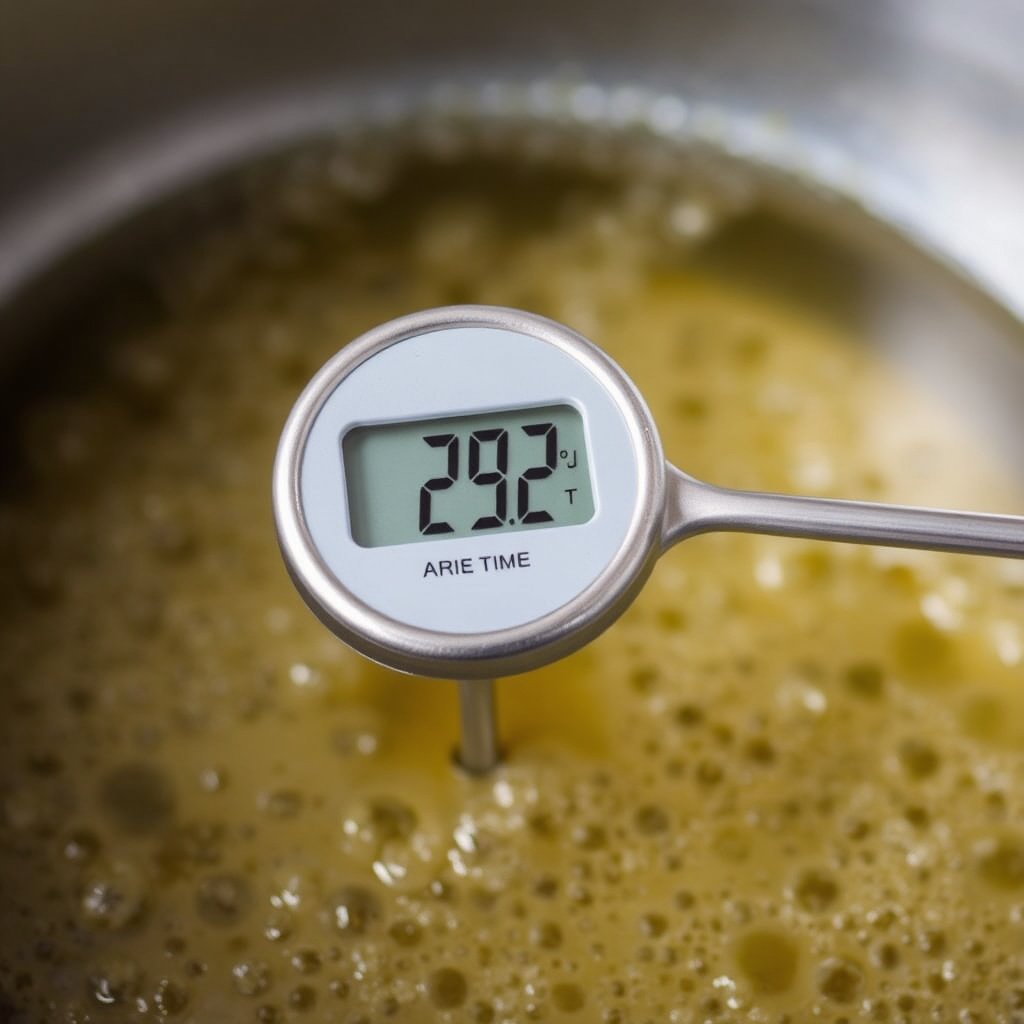
The ideal frying temperature typically ranges between 350°F and 375°F (177°C–191°C). Maintaining this range ensures food cooks evenly and develops a crispy texture without absorbing excess oil.
Monitor oil temperature regularly using a thermometer, adjusting your heat source as needed. Avoid overcrowding the fryer, which causes temperature drops and greasy food.
- Ideal temperature range: 350°F to 375°F
- Use a thermometer to constantly check heat
- Avoid overcrowding for consistent temperature
For more on this, see our related guide: How to Make Pizza at Home Fast and Easy with Perfect Dough and Baking Tips.
Signs of Overheated or Too Cool Oil
Overheated oil may smoke, produce burnt flavors, and degrade quickly. This can be harmful and ruin your food’s taste. Conversely, oil that is too cool absorbs more grease, resulting in soggy or oily food.
Watch for smoking oil as an immediate warning to reduce heat. Check that food bubbles vigorously but not excessively when placed into the oil.
- Smoke indicates oil is too hot and should be cooled
- Low bubbling or no sizzling indicates too cool oil
- Adjust temperature gradually to find balance
Safety Tips for Deep Frying at Home

Preventing Burns and Fires
Always dry food thoroughly to reduce oil splatter caused by water. Never leave hot oil unattended on the stove or deep fryer. Use heat-resistant gloves and keep children and pets away from the cooking area.
Have a metal lid nearby to smother any grease fire. Never use water to extinguish hot oil flames, as it can cause flare-ups.
- Dry food to prevent oil splatter
- Never leave hot oil unattended
- Keep a metal lid handy to smother flames
- Avoid water on grease fires
Cleaning Up Safely After Frying
Allow oil to cool completely before disposal or storage. Avoid pouring oil down the drain; instead, use a sealed container for disposal or recycling. Clean all utensils and surfaces carefully to remove grease residue and prevent slipping hazards.
Regular kitchen safety practices, like wiping spills immediately, help keep the frying area safe and prevent accidents.
- Cool oil fully before handling
- Dispose of oil responsibly, not in drains
- Clean grease spills promptly
- Store utensils safely after use
Preparing and Cooking Foods for Deep Frying
Battering and Breading Techniques
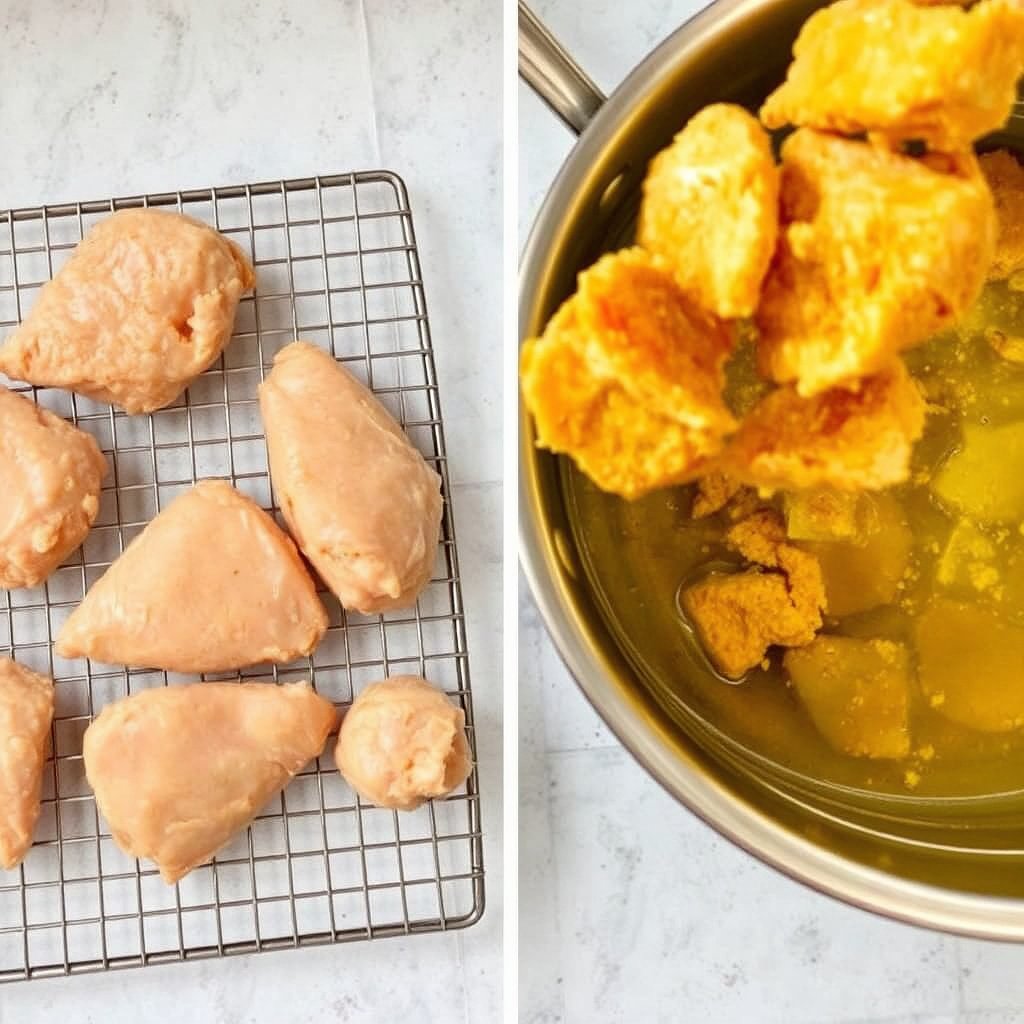
A light, even batter or breading helps achieve a crispy exterior while locking moisture inside the food. Use cold wet batters or dry seasoned breading depending on your recipe. Ensure the coating is firm by letting it rest before frying.
Avoid thick coatings that can remain doughy inside or fall apart during frying. Pat food dry before coating to enhance batter adhesion.
- Use cold wet batter or seasoned dry breading
- Let coated food rest to set batter
- Pat food dry before coating
For more on this, see our related guide: How to Make a Caesar Salad with Classic Dressing and Homemade Croutons.
Common Foods to Deep Fry at Home
Popular items for home deep frying include chicken wings, fries, fish fillets, onion rings, and donuts. Each requires slight adjustments in cooking time and temperature for best results.
Vegetables like zucchini or mushrooms also fry well when prepared properly. Understanding each food’s moisture and thickness helps determine frying approach.
- Chicken wings and fish fillets: cook 3-7 minutes
- Fries: soak potatoes to remove starch before frying
- Vegetables: slice thinly for even cooking
Troubleshooting Common Deep Frying Issues
Avoiding Greasy and Soggy Results
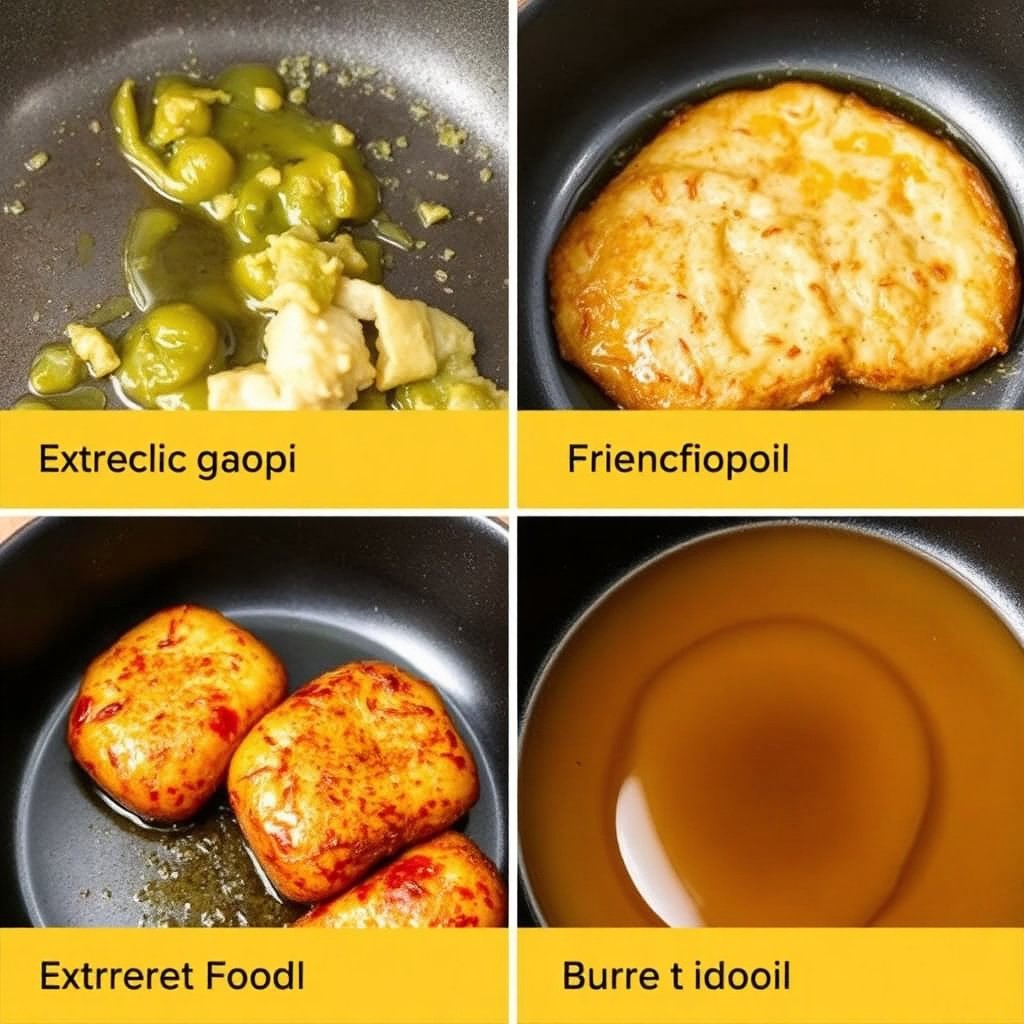
Greasy food usually results from frying at too low a temperature or overcrowding. Maintain proper oil temperature and fry in small batches to allow oil to recover heat. Drain fried items on wire racks or paper towels to remove excess oil.
Using the right batter thickness and moisture control also reduces sogginess.
- Maintain proper frying temperature
- Fry small batches to prevent temperature drops
- Drain food properly after frying
For further details on frying methods and science, the deep frying basics on Wikipedia offers comprehensive information. deep frying basics on Wikipedia.
Dealing with Uneven Cooking and Oil Quality
Uneven cooking can be caused by overcrowding or uneven food size. Cut food uniformly and avoid putting too much in the oil at once. Regularly check and replace oil to prevent off-flavors or burnt residues.
Proper stirring and flipping during frying ensures even exposure to heat.
- Cut food into uniform sizes
- Avoid overcrowding fryer
- Replace oil regularly
- Turn food for even cooking
Deep Frying Equipment Category Comparison
This table compares popular deep frying equipment options by cost, ease of use, and suitability for home frying.
| Category | Average Price | Temperature Control | Capacity | Ease of Cleaning |
|---|---|---|---|---|
| Electric Deep Fryer | $60 – $150 | Precise thermostat | 2 to 4 liters | Moderate |
| Stovetop Heavy Pot | $20 – $50 | Requires external thermometer | Varies (3 to 6 liters) | Easy |
| Cast Iron Dutch Oven | $40 – $100 | Manual temperature control | 3 to 7 liters | Requires seasoning |
| Air Fryer (Alternative) | $80 – $200 | Digital control | 1.5 to 3 liters | Easy |
Frequently Asked Questions
What is the best oil for deep frying at home?
Oils with high smoke points like peanut, canola, or sunflower oil are best for deep frying because they resist burning and provide a neutral flavor.
How hot should the oil be for deep frying?
Maintain oil temperature between 350°F and 375°F (177°C–191°C) to cook food evenly and achieve a crispy texture.
Can I reuse oil after deep frying?
Yes, you can reuse oil a few times if you strain out food particles and store it properly; discard it if it smells rancid or changes color.
How do I prevent oil splatter while deep frying?
Dry food thoroughly before frying and avoid overcrowding the oil to minimize splatter. Using a splatter screen can also help contain mess.
Is deep frying safe to do at home?
Yes, deep frying is safe when following key precautions like not leaving hot oil unattended, drying food, and keeping safety gear handy.
Key Takeaways
- Choose equipment based on your frying frequency and space.
- Use oils with high smoke points for best results.
- Maintain consistent oil temperature between 350°F and 375°F.
- Practice safety to avoid burns and fires.
Conclusion
Mastering how to deep fry at home involves understanding your equipment, selecting the right oil, and controlling oil temperature precisely. Keeping safety front and center not only protects your home but also ensures your food turns out crisp and delicious. This knowledge allows you to confidently enjoy various fried favorites prepared to your taste and standards.
For occasional frying, a heavy pot combined with a reliable thermometer and peanut or canola oil works well. If you fry frequently, consider investing in an electric deep fryer for precise control and convenience. Recipes like chicken wings, fries, or tempura vegetables benefit from maintaining proper frying conditions described earlier.
Start by assembling your equipment and choosing the right oil, then try a simple recipe like fries to practice temperature control and timing. With experience, you can expand your repertoire of fried dishes while keeping meals flavorful and your kitchen safe. Regular cleaning and oil care will enhance your results and enjoyment for future frying sessions.