How to Use a French Press for Rich, Flavorful Coffee Every Time
Using a French press is a straightforward way to brew coffee that delivers rich flavor and fullness you won’t get from typical drip machines. Start by adding coarsely ground coffee and hot water directly to the press, steep it for about four minutes, then press the plunger slowly to separate the grounds from the brewed coffee. This method extracts more oils and subtle notes, resulting in a deeply satisfying cup.
This brewing technique matters because it lets you control time, temperature, and coffee-to-water ratio, which impacts strength and taste. Unlike paper filter methods, the French press’s metal mesh filter preserves essential oils, adding body and depth. This makes it popular among coffee aficionados seeking a more authentic and complex flavor experience.
This article will guide you through the equipment needed, the step-by-step brewing process, grind size considerations, cleaning tips, and common mistakes to avoid. In addition, you'll find comparisons of different French press types and advice on pairing coffee beans for the best results.
French Press Equipment and Setup
Essential Tools Explained
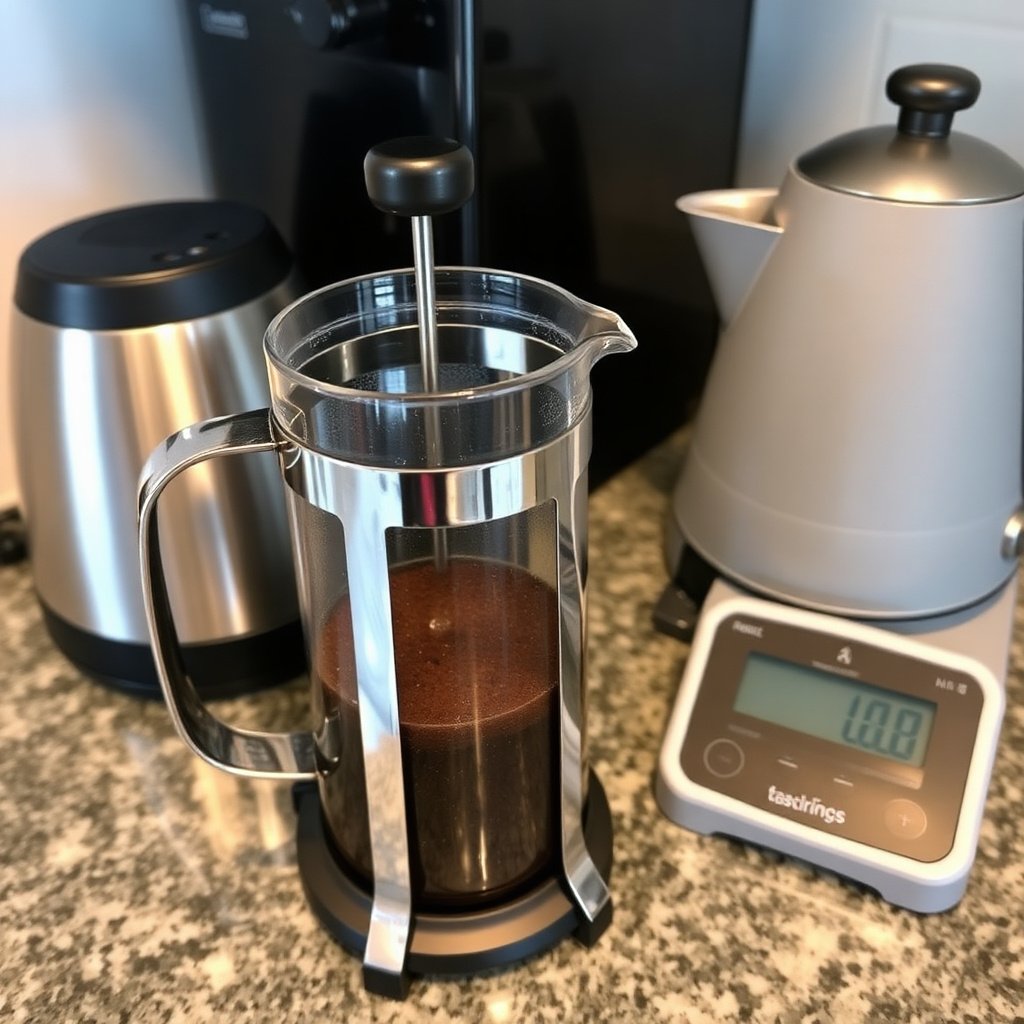
To brew coffee using a French press, you need a few basic items: the French press itself, a kettle for boiling water, a grinder for fresh coffee grounds, and a timer. The French press consists of a glass or stainless steel beaker and a plunger with a mesh filter. Freshly ground coffee is crucial for flavor, so a burr grinder is preferred over blade grinders.
Measurement tools help maintain consistency. Use a digital scale to measure coffee and water precisely—generally, a 1:15 coffee to water ratio works well. A gooseneck kettle is helpful for controlled pouring, though any kettle will suffice. Setting up your equipment accurately ensures a repeatable, high-quality brew.
- French press with mesh plunger
- Burr coffee grinder
- Digital kitchen scale
- Water kettle (preferably with temperature control)
- Timer or stopwatch
Preparing Your French Press for Brewing
Before brewing, rinse the French press with hot water to warm the glass or metal, which prevents temperature loss during extraction. Discard the rinse water afterwards. Preheating also cleans the press and removes any residual flavors from earlier use, promoting better taste.
Measure out the coffee grounds and water in advance. Use coarsely ground beans to avoid over-extraction and sediment in the cup. While some presses come with markings, weighing your ingredients will produce the most consistent results. The goal is to create a balanced brew that highlights your coffee’s character.
Step-by-Step Brewing Process Using a French Press
Adding Coffee and Blooming
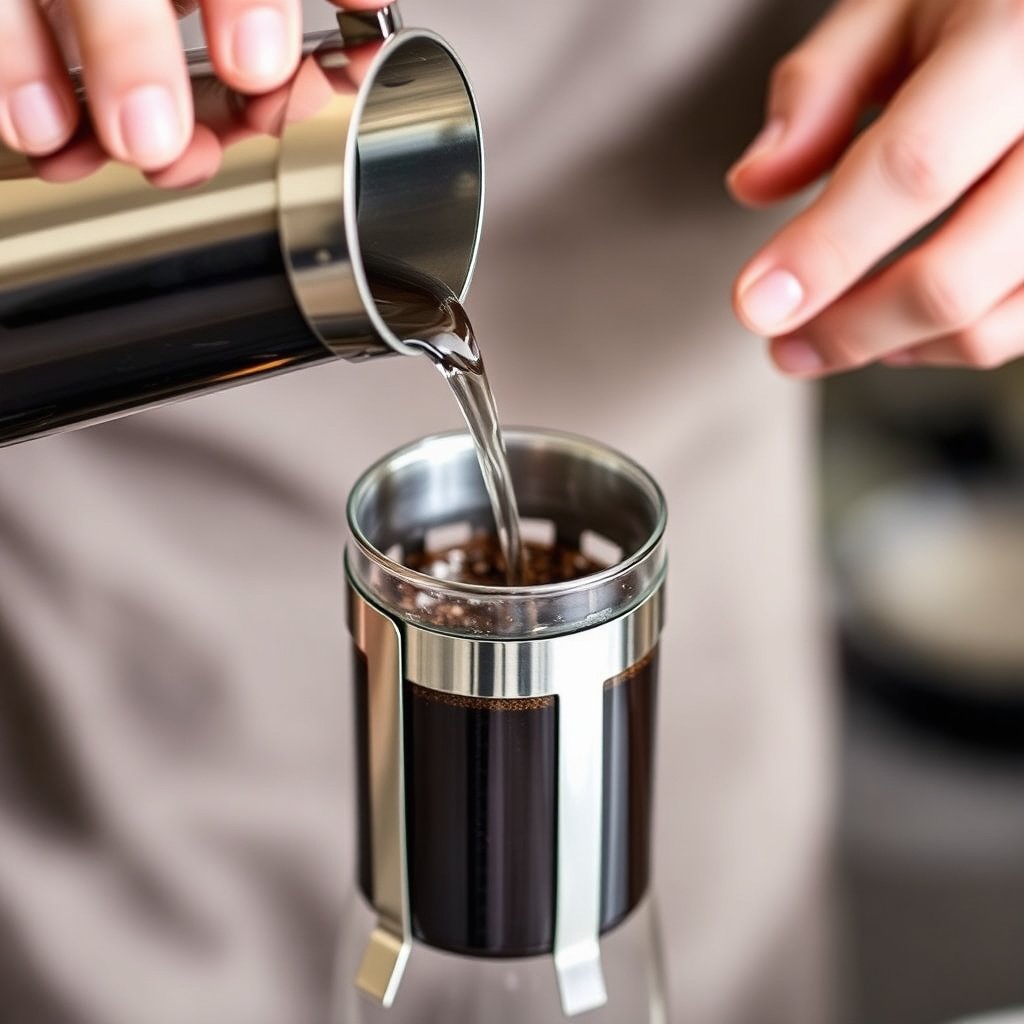
Start by placing your measured coarse coffee grounds into the French press beaker. Then pour a small amount of hot water (about 30 seconds off the boil, around 200°F or 93°C) evenly over the grounds to saturate them. This 'blooming' step releases carbon dioxide trapped in the beans, allowing better extraction later.
Let the coffee grounds bloom for about 30 seconds. You’ll notice bubbling and a slight foaming on the surface, which signals freshness. Blooming enhances flavor clarity by preventing uneven extraction during the full brew.
- Use water just off the boil (195-205°F / 90-96°C)
- Bloom for 30 seconds before adding remaining water
Steeping and Pressing
After blooming, add the rest of the hot water to reach your desired volume. Stir gently with a wooden or plastic spoon to break the crust of coffee grounds that forms to ensure even extraction. Then place the lid on the press with the plunger pulled fully up.
Let the coffee steep undisturbed for about 4 minutes. When time’s up, press the plunger down slowly and steadily. The mesh filter separates the grounds from the brewed coffee, stopping extraction and preparing your coffee for pouring. Avoid forcing the plunger down fast to prevent grit in your cup.
- Gentle stir after adding water
- 4-minute steep time
- Press plunger slowly and evenly
Choosing the Best Coffee Grind for French Press
Why Coarse Grind Works Best
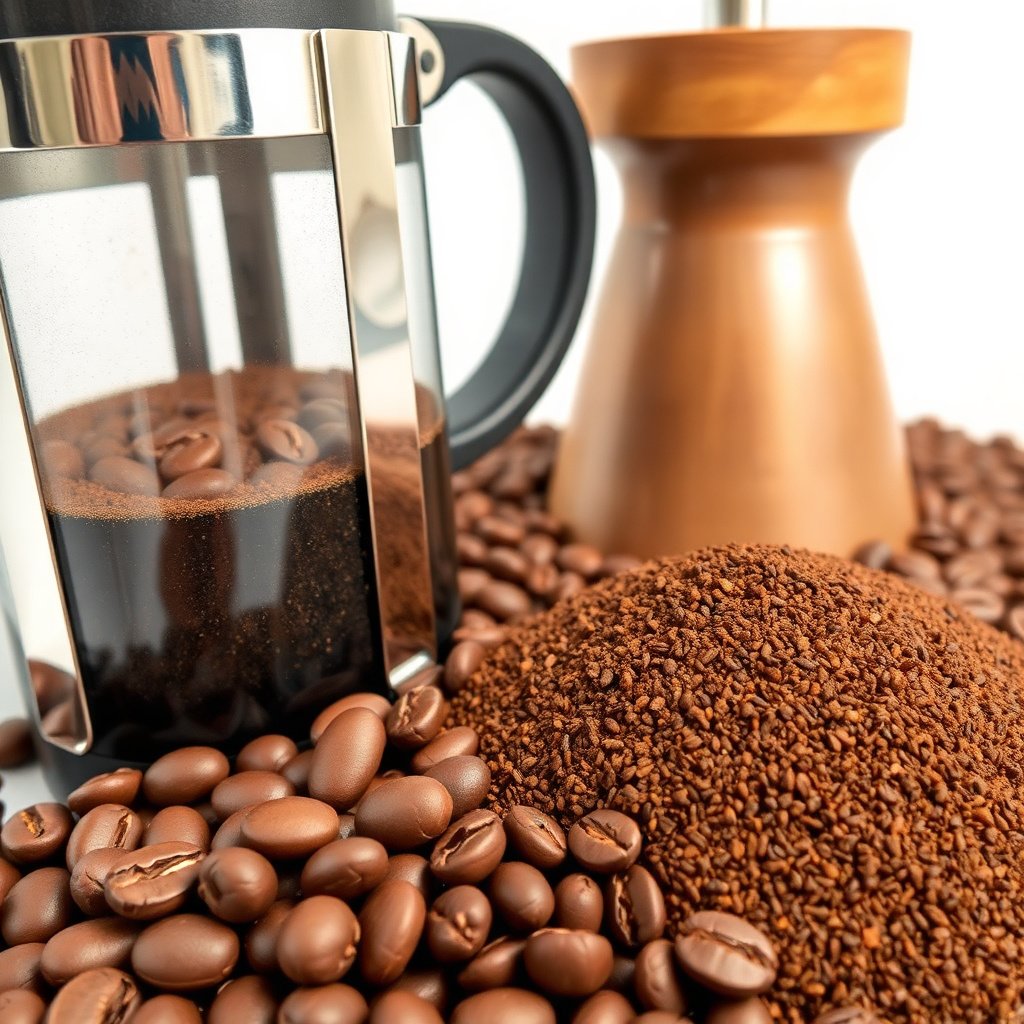
The French press demands a coarse grind to keep the coffee particles from passing through the metal filter mesh. Finely ground coffee can seep through and create a gritty texture in your cup while also leading to over-extraction and bitterness.
Coarse grounds provide optimal surface area for the relatively long steeping time. This balance prevents over-extraction and muddiness, producing smooth, full-bodied coffee. Grinding immediately before brewing preserves freshness and flavor.
- Grind size similar to coarse sea salt
- Avoid fine or medium grinds
- Use a burr grinder for consistency
For more on this, see our related guide: What Is a French Door Refrigerator? Definition and Buying Guide.
Adjusting Grind for Taste Preferences
If your brew tastes too weak or watery, try a slightly finer grind to increase extraction, but avoid going too fine to prevent sediment. Conversely, if it tastes too bitter or over-extracted, coarsen the grind slightly.
Experimentation with grind size can help tailor brew strength and mouthfeel to your preferences. Remember, any change in grind size should be paired with minor adjustments in steeping time or coffee dose for best results.
Maintaining and Cleaning Your French Press
Daily Cleaning Routine
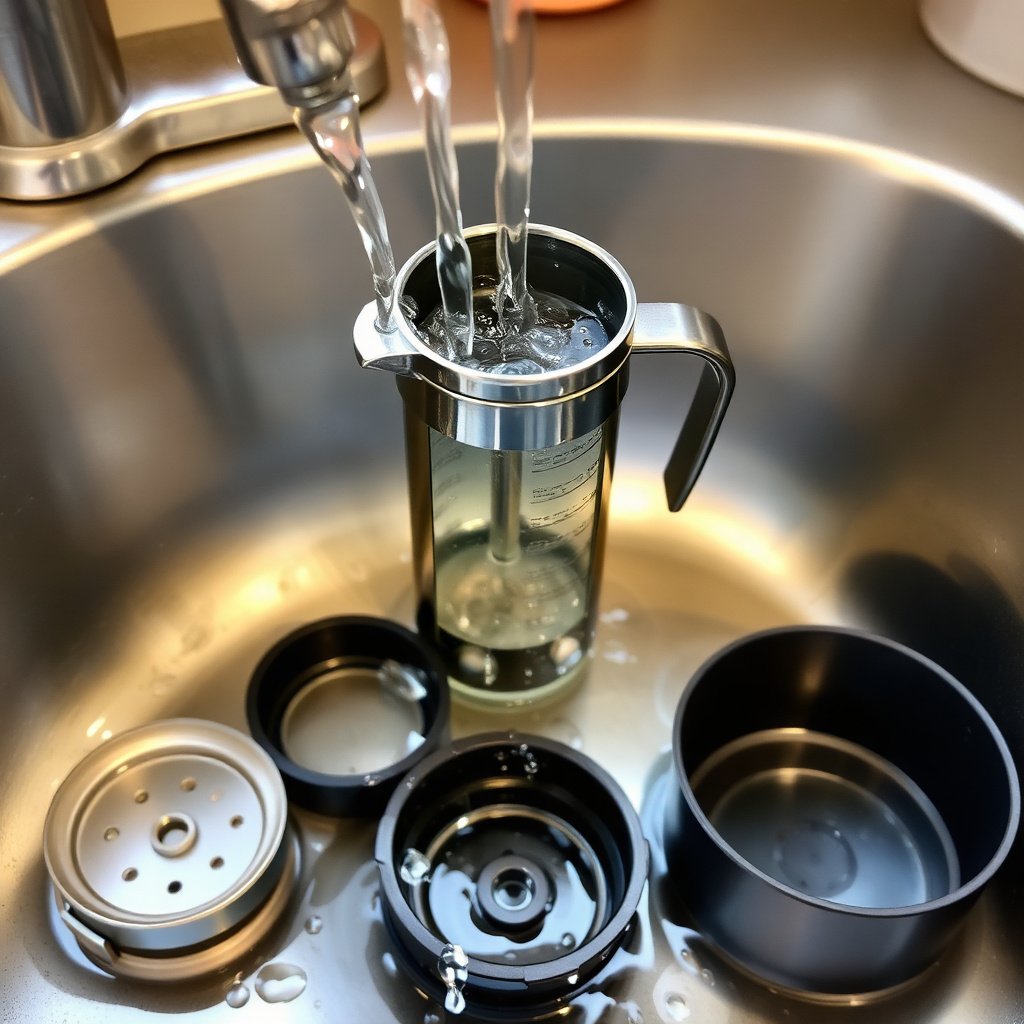
After each use, remove the grounds and rinse all parts with warm water. Clean the plunger’s mesh filter by gently disassembling it to clear trapped grounds, which can affect future brews and cause unpleasant flavors.
Avoid using harsh detergents or abrasive scrubbing tools to preserve the French press’s finish and filter mesh. Regular cleaning keeps your coffee tasting fresh and prevents buildup of oils and residue.
- Rinse parts immediately after use
- Disassemble and clean plunger mesh
- Avoid abrasive cleaners
Deep Cleaning and Maintenance Tips
Periodically, deep clean by soaking parts in a solution of warm water and white vinegar or baking soda to dissolve oils and coffee stains. Rinse thoroughly before next use.
Check the mesh filter and seal for wear and replace if damaged. Well-maintained parts ensure proper function and prolong the lifespan of your French press.
- Soak parts monthly in vinegar solution
- Replace worn filter screens
- Inspect seals and replace if leaking
Common Mistakes to Avoid When Using a French Press
Avoiding Over- and Under-Extraction
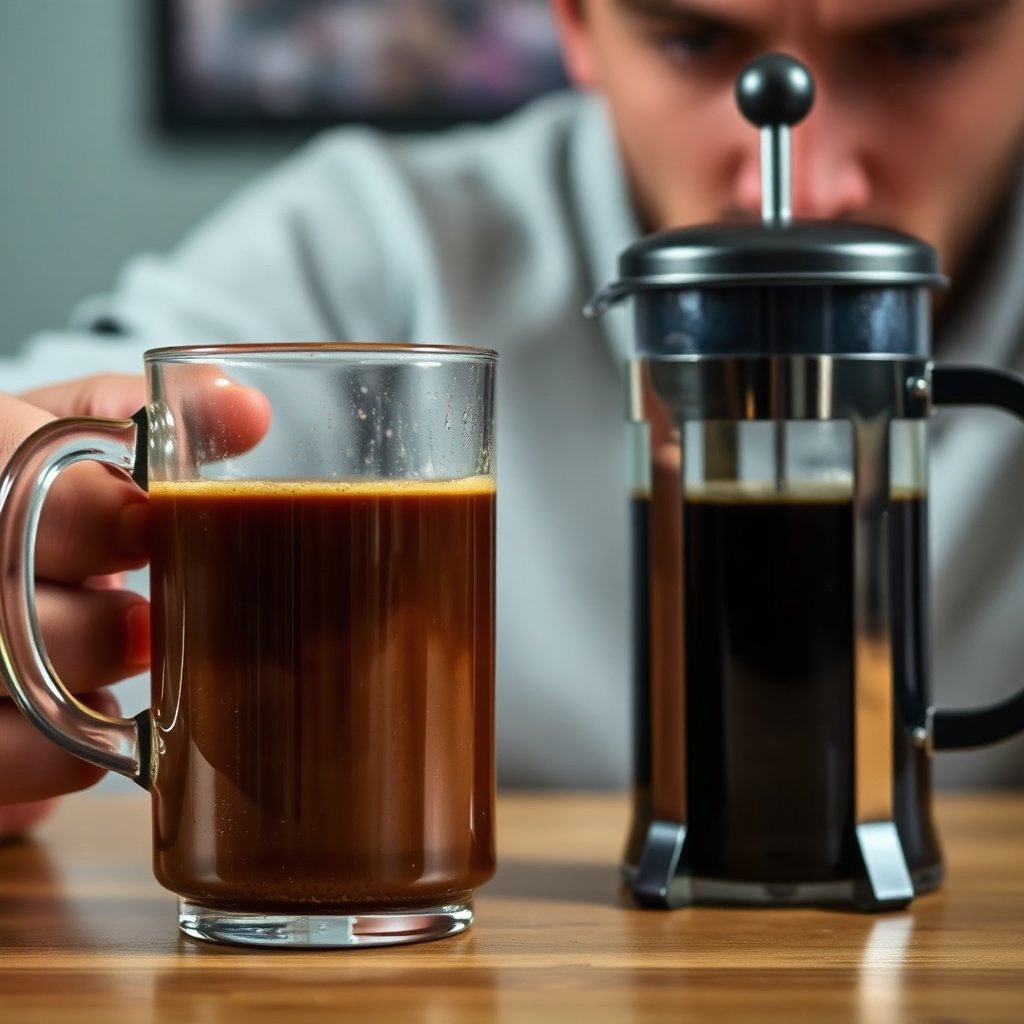
Brewing for too long or with water that’s too hot can cause over-extraction, giving your coffee a bitter, astringent taste. Keep steep time around four minutes and use water temperature near 200°F (93°C) to maintain balance.
Conversely, brewing too briefly or with water that’s not hot enough results in sourness or weak flavors. Monitoring time and temperature helps prevent these issues.
- Keep steeping time ~4 minutes
- Use water just off boiling (195-205°F)
For more on this, see our related guide: How to Make French Toast: A Complete Guide for Perfect Results.
Preventing Sediment in Your Coffee
Using too fine a grind or forcing the plunger down quickly can cause sediment to enter your cup, making it gritty and unpleasant. Stick to a coarse grind and press the plunger firmly but gently and steadily.
Also, ensure your French press filter is properly cleaned and intact to minimize grounds slipping through the mesh.
- Use coarse grind only
- Press plunger slowly
- Regularly clean filter mesh
Selecting the Right French Press for Your Needs
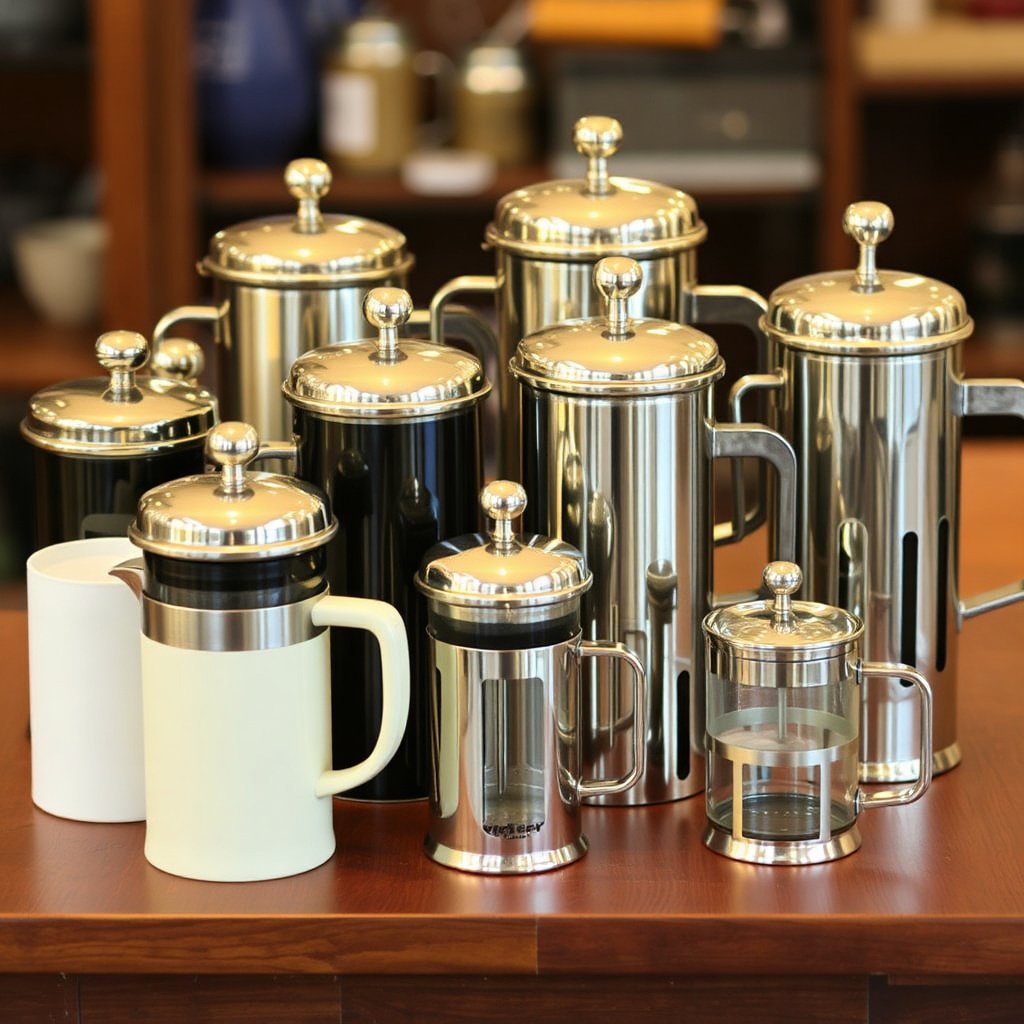
Material Options and Their Benefits
French presses come mainly in glass, stainless steel, and plastic. Glass models are visually appealing and allow you to watch the brewing process but can be fragile. Stainless steel is durable, excellent for heat retention, and suitable for travel or rough use. Plastic presses are lightweight and affordable but often lack heat retention.
Choosing material depends on your lifestyle and priorities, such as durability, aesthetics, or insulation needs.
- Glass: elegant, fragile
- Stainless steel: durable, heat-retentive
- Plastic: lightweight, inexpensive
For a detailed history and technical description of the French press coffee method, consult the French press coffee Wikipedia page. French press coffee Wikipedia page.
Size and Capacity Considerations
French presses range in size from single cups (about 12 ounces) to large models (up to 51 ounces). If you brew coffee just for yourself, a smaller model is more efficient and easier to clean. For groups or office use, larger presses reduce the need to make multiple batches.
Select a size that matches your typical coffee consumption to avoid wasting coffee or brewing repeatedly.
- Small (1-2 cups)
- Medium (3-4 cups)
- Large (8 cups or more)
French Press Types Comparison
Here is a comparison of French press types based on material, durability, heat retention, and ease of cleaning to help you choose the one that suits you best.
| Type | Material | Durability | Heat Retention | Ease of Cleaning | Typical Price Range |
|---|---|---|---|---|---|
| Glass French Press | Borosilicate glass with stainless steel frame | Fragile, handle with care | Moderate | Easy, but glass is breakable | $20-$50 |
| Stainless Steel French Press | Double-walled stainless steel | Highly durable and sturdy | High, keeps coffee hot longer | More parts, careful cleaning | $40-$100 |
| Plastic French Press | BPA-free plastic with metal filter | Moderately durable | Low, coffee cools faster | Easy and lightweight | $15-$30 |
| Ceramic French Press | Ceramic glass body with metal | Fragile but insulated | Good insulation | Careful cleaning required | $25-$60 |
Frequently Asked Questions
What is the best water temperature for French press coffee?
Use water just off the boil, about 195-205°F (90-96°C). Water that’s too hot can cause bitterness, while cooler water leads to weak extraction.
How coarse should the coffee grind be for a French press?
The grind should be coarse, similar to sea salt, to prevent grounds from slipping through the mesh and avoid over-extraction.
Can I use pre-ground coffee with a French press?
You can, but freshly ground coffee offers better flavor and prevents excessive sediment. If using pre-ground, choose a coarse grind specifically labeled for French press.
How long should I steep coffee in a French press?
A common steep time is around four minutes. This balances flavor extraction without bitterness or weak taste.
How do I clean and maintain my French press?
Rinse it immediately after use, disassemble and clean the mesh filter regularly, and occasionally deep clean parts with vinegar or baking soda to remove oil buildup.
Key Takeaways
- Use freshly ground coarse coffee for the best flavor and minimal sediment.
- Maintain steep time around four minutes with water just off the boil.
- Clean your French press thoroughly after each use to preserve taste.
- Choose a French press type and size that matches your brewing needs.
Conclusion
Using a French press is a straightforward process that rewards attention to detail. By controlling your coffee grind size, water temperature, and steeping time, you can produce a richly flavored, full-bodied coffee that highlights your beans’ characteristics. Regular cleaning is essential to keep those flavors pure and prevent oil buildup that might bitterness your brew. When you understand these key variables, brewing with a French press becomes a reliable way to enjoy consistently great coffee at home.
If you want portability and durability, a stainless steel French press with a double wall is ideal, especially for longer heat retention. For those who prefer elegance and enjoy watching the brewing process, a glass model offers visual appeal but requires careful handling. Smaller sizes suit single-person use, while larger capacities excel for sharing. Adjusting your grind size slightly and following the bloom and steep procedures outlined here help adapt the brew to your personal taste preferences.
For your next step, gather the right equipment, including a burr grinder and a kitchen scale, and experiment with the brewing ratios shared in this guide. Start brewing with water just off boiling, blooming your grounds, and steeping for about four minutes. Over time, you’ll develop a rhythm and palate for French press coffee that fits your routine and taste, turning each brewing session into a simple yet enjoyable ritual.