Microwave Built in Cabinet Guide: What to Know Before You Buy
Many people struggle with choosing the right built-in microwave cabinet that fits perfectly in their kitchen. It can be tricky to navigate size, style, and installation details without feeling overwhelmed. You’re not alone in wanting a sleek, functional space that makes cooking easier.
When planning for a built-in microwave cabinet, you’ll want to measure your space carefully, considering width, height, and ventilation clearance to guarantee a perfect fit.
Choose the right microwave size based on your household needs, and confirm electrical requirements like a dedicated 20-amp circuit are met.
Proper ventilation prevents overheating and keeps your kitchen safe. You’ll also want to think about style and installation specifics to keep your kitchen functional and sleek.
Keep exploring to get all the details you need for a smooth setup.
Key Takeaways
- Measure the cabinet width, height, and depth carefully to make sure your microwave fits well. Don’t forget to leave enough space for proper ventilation.
- Decide between built-in and over-the-range models based on your kitchen’s layout and what looks best to you.
- Keep ventilation clearances in mind: 3 inches at the back, 1 inch on the sides, and 2 inches at the top. This helps with safety and performance.
- Use a dedicated 20-amp circuit with grounded outlets, and follow local electrical codes during installation.
- Choose a microwave size and features that match your household needs. Focus on capacity, cooking options, and energy efficiency for the best fit.
Comparing Built-in and Over-the-Range Microwaves: Which Is Right for You?
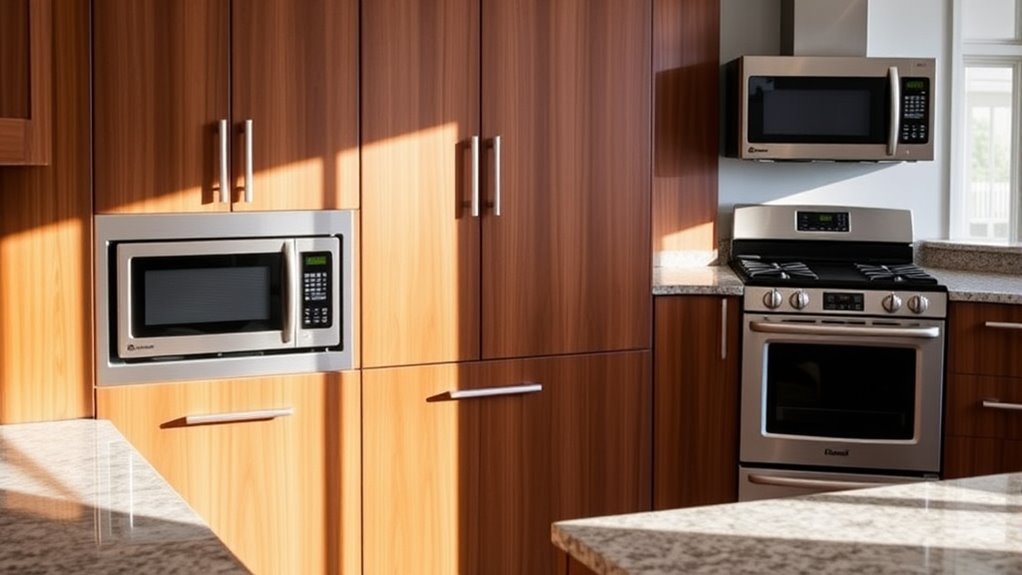
How do you decide between a built-in microwave and an over-the-range model? It mostly depends on your kitchen’s layout and what matters most to you.
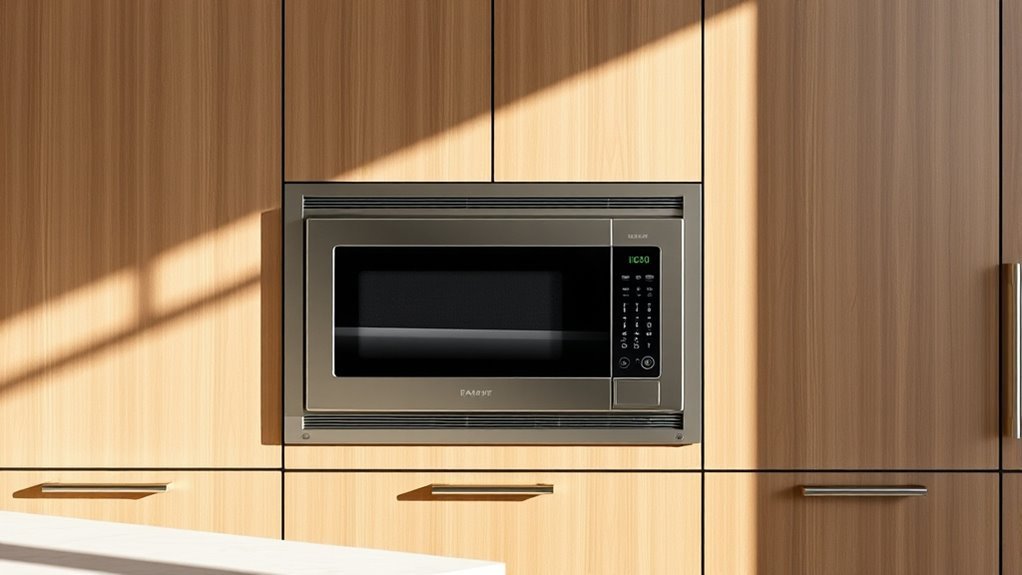
Built-in microwaves blend seamlessly into your cabinetry, which makes them more efficient because they reduce heat loss. They also often have better ventilation and give your kitchen a sleek, modern look that’s uncluttered.
Built-in microwaves integrate smoothly with cabinets, enhancing efficiency and adding a sleek, modern touch to your kitchen.
Over-the-range microwaves save counter space and combine a microwave with a vent hood. This can be really handy if you want both in one appliance. But they might not match your cabinets perfectly, which could disrupt your kitchen’s style.
If you’re after a streamlined, high-efficiency appliance that looks great, a built-in microwave is usually the way to go. But if space-saving and functionality are your priorities, an over-the-range model might be better for you.
Measuring Your Cabinet for a Built-in Microwave
Before you install your built-in microwave, it’s a good idea to measure your cabinet’s width and height carefully. Just take your time to get these measurements right — it’ll make the whole process much smoother. And don’t forget to check the depth too, so your microwave fits comfortably without feeling cramped.
While you’re at it, make sure to leave enough space around the microwave for proper ventilation. That way, it can run safely and efficiently without overheating. Taking these small steps now will save you headaches later!
Accurate Width And Height
Measuring the accurate width and height of your cabinet is essential to guarantee your built-in microwave fits perfectly. Start by using a tape measure to record the exact interior width and height of the cabinet space.
Compare these measurements against the microwave dimensions listed by the manufacturer to confirm cabinet compatibility. Remember, the microwave’s width and height must fit comfortably within the cabinet without forcing or gaps.
Pay close attention to any trim or mounting requirements that might affect space. Taking precise measurements prevents costly mistakes and guarantees a clean, seamless installation.
Depth Considerations Matter
Although width and height are important, don’t forget about the depth of your cabinet when planning for a built-in microwave. Getting the cabinet depth right ensures the microwave fits flush and looks seamless.
Before you buy, measure the cabinet depth carefully, considering any obstacles like wiring or hinges inside. Then, compare those measurements to the microwave dimensions listed by the manufacturer.
Keep in mind that microwave dimensions include not just the body but sometimes the trim or frame, which adds to the total depth needed. If your cabinet is too shallow, the microwave might stick out or not fit at all, ruining your kitchen’s sleek look.
Taking precise depth measurements now can save you from costly adjustments later.
Allow For Ventilation
Getting the cabinet depth right is just one part of fitting your built-in microwave properly.
You also need to allow for ventilation to prevent overheating and keep things safe.
Think about options like rear vents or side vents, and always consider airflow when measuring your cabinet.
Leaving enough space around the microwave helps air circulate freely and keeps it running smoothly.
Here’s a quick guide to ventilation space requirements:
| Ventilation Type | Minimum Clearance | Notes |
|---|---|---|
| Rear Vent | 3 inches | Requires open back |
| Side Vents | 1 inch each side | Needs side air gaps |
| Top Vent | 2 inches | Allows heat to escape |
Checking these clearances helps your microwave run efficiently and safely.
Choosing the Right Size Built-in Microwave for Your Kitchen
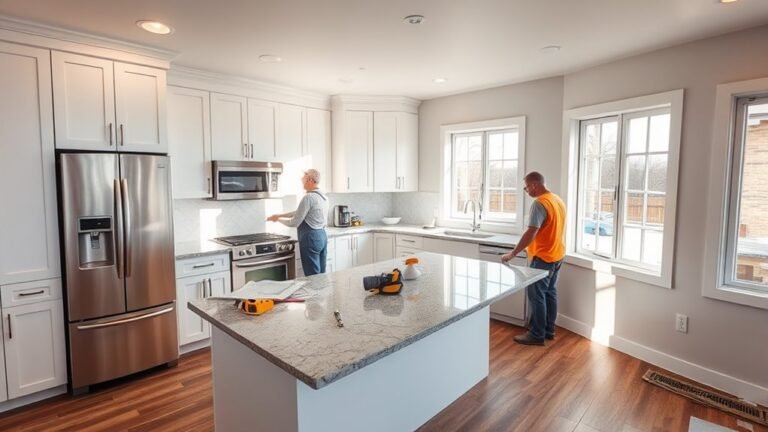
How do you determine the perfect size built-in microwave for your kitchen? Start by evaluating your kitchen layout to find the best spot for installation. Measure the available cabinet space carefully to make sure the microwave fits seamlessly without crowding other appliances or work areas.
Next, think about your cooking habits to decide on capacity. Larger families or those who cook big meals often need 1.5 cubic feet or more, while smaller households might find 1.0 to 1.2 cubic feet enough. Keep in mind that bigger microwaves need more space, so find a good balance between capacity and your kitchen’s size.
Also, check the interior dimensions to ensure your favorite dishes and containers will fit comfortably. Matching the microwave size with your kitchen layout and cooking needs will help you avoid awkward installations and create a more functional, streamlined space.
Built-in Microwave Ventilation Requirements Explained
Since built-in microwaves generate heat and steam during use, proper ventilation is essential to keep your kitchen safe and comfortable. Understanding ventilation types and airflow considerations will help you choose the best setup.
You’ll want to evaluate exhaust options, including recirculating vents or direct venting outside. Noise levels can vary by system, so consider how much sound you’re comfortable with.
Here are some key points to keep in mind:
- Ventilation Types: Choose between recirculating or external venting based on your kitchen layout.
- Airflow Considerations: Make sure vents have enough clearance to prevent overheating.
- Exhaust Options: Direct vents outside remove moisture and odors more effectively.
- Installation Tips & Maintenance Needs: Follow the manufacturer’s guidelines for installation and clean filters regularly to keep performance optimal.
Matching Your Built-in Microwave to Kitchen Design and Cabinets
When you choose a built-in microwave, you’ll want to make sure it complements your kitchen’s style and fits smoothly within your cabinets. Think about design cohesion: your microwave should match your kitchen’s look, whether it’s modern, traditional, or somewhere in between.
Pay attention to cabinet materials, too. Matching the microwave’s finish to your cabinets—like wood, laminate, or metal—creates a unified appearance. For example, stainless steel microwaves go well with sleek, modern cabinets, while black or white finishes might suit more classic designs.
Also, consider the microwave’s size compared to your cabinet dimensions to avoid gaps or crowding. Using integrated handles or trim kits can help it blend seamlessly, making it look like part of your cabinetry.
Focusing on these details will help you achieve a polished, cohesive kitchen that feels intentional and stylish.
Essential Features to Consider in Built-in Microwaves
Although built-in microwaves save space and give your kitchen a sleek look, it’s important to focus on key features that ensure they perform well and meet your cooking needs. These features help you get the best value while making cooking easier and more efficient.
Here are four essential features to keep in mind:
- Cooking Options: Look for microwaves with multiple presets and sensor cooking. This adds versatility and makes cooking more convenient.
- Energy Efficiency: Choose models with energy-saving modes to cut down on electricity use without sacrificing power or performance.
- Capacity and Size: Make sure the microwave fits in your cabinet space and has enough room for your usual dishes.
- Control Panel & Display: Pick a model with intuitive, easy-to-use controls and clear displays for hassle-free operation.
Built-in Microwave Installation: What to Know
Before you install a built-in microwave, it’s important to understand the specific requirements and steps involved to ensure it fits well and performs at its best. Start by measuring the cabinet space carefully to make sure your microwave will fit without gaps or pressure points.
Use installation tips like securing the microwave with mounting brackets and screws made for your model. This helps prevent movement or vibrations while using it.
Pay close attention to safety precautions. Make sure the cabinet material can handle the microwave’s heat output, and always follow the manufacturer’s guidelines to avoid fire risks.
Verify proper ventilation too. Built-in units need enough airflow behind and around them to prevent overheating.
Double-check that the microwave is level to avoid door misalignment or operational problems. Following these steps carefully will help you install your built-in microwave safely and efficiently, making your kitchen both functional and stylish.
Electrical Requirements for Built-in Microwave Installation
Since built-in microwaves draw significant power, you’ll need to check if your kitchen’s electrical system can handle the load safely. Proper wiring and circuit requirements are key to avoiding overloads or hazards.
Built-in microwaves demand proper wiring and circuits to prevent electrical overloads and ensure safe operation.
Here’s what to focus on:
- Dedicated Circuit: Usually, a built-in microwave needs a 20-amp circuit that’s dedicated to just that appliance to prevent breakers from tripping.
- Proper Wiring: Use wiring that meets local codes, typically 12-gauge wire, to support the microwave’s power needs.
- Correct Outlet Type: Install a grounded, three-prong outlet inside the cabinet or wall cavity for a clean, safe connection.
- Circuit Protection: If required by your local electrical code, include a GFCI or AFCI breaker to protect against electrical faults.
Make sure these electrical requirements are met before installation. This helps ensure your microwave operates safely and efficiently without risking damage or fire hazards.
If you’re unsure about anything, it’s best to consult a licensed electrician for a professional assessment.
Troubleshooting Common Built-in Microwave Installation Issues
Verifying your built-in microwave meets electrical requirements is just the start. Installation can still have some common challenges.
One frequent issue is wiring problems. Double-check that all connections are secure and follow local codes to prevent power failures or shorts. If your microwave doesn’t turn on, start by inspecting the wiring.
Another common hurdle is cabinet alignment. If the cabinet isn’t perfectly level or the opening is slightly off, your microwave might not fit snugly or sit flush. This can cause gaps or make it unstable. Use a level and measure twice before securing the unit.
Make sure mounting brackets are firmly attached and compatible with your microwave model. If you notice strange noises or vibrations, it’s often due to poor cabinet alignment or loose mounting hardware.
Addressing these issues early helps prevent damage and ensures your built-in microwave functions safely. Plus, it’ll look seamless in your kitchen setup.
Cleaning and Maintaining Your Built-in Microwave
Keep your built-in microwave running smoothly by cleaning and maintaining it regularly. Proper care not only keeps it looking good but also helps it last longer.
After each use, wipe the interior with a damp cloth and mild detergent to prevent food from building up. This quick step keeps your microwave fresh and clean.
Clean the microwave door and control panel with a soft cloth and gentle cleaner to avoid damaging sensitive parts. It’s a simple way to keep everything looking and working well.
Once a week, remove and wash the turntable and any removable components. This helps everything run smoothly and prevents odors or residue from building up.
Don’t forget to check and clean the ventilation slots every month. Proper airflow is key to preventing overheating and keeping your microwave in top shape.
Frequently Asked Questions
Can I Install a Built-In Microwave in an Existing Cabinet?
Yes, you can install a built-in microwave in an existing cabinet, but you’ll want to check the installation requirements carefully. Make sure your cabinet dimensions match the microwave’s specs, leaving enough space for ventilation and electrical connections.
You might need to modify the cabinet by cutting openings or reinforcing the structure. Always measure twice to avoid mistakes and consider professional help to ensure a safe, secure fit that meets all guidelines.
Are Built-In Microwaves More Energy-Efficient Than Countertop Models?
You might think built-in microwaves save energy just because they fit snugly into your kitchen, but their energy use is usually similar to countertop models.
However, built-ins can reduce stray heat in your kitchen, which may slightly improve efficiency. Keep in mind, though, the higher installation costs for built-ins might offset any energy savings.
Do Built-In Microwaves Come With Child Safety Locks?
Yes, built-in microwaves often come with child safety features, including child safety locks. These locks help prevent little ones from accidentally operating the microwave.
They enhance overall safety and accessibility in your home. When choosing a built-in model, look for ones with easy-to-activate locks so you can keep your family safe without sacrificing convenience.
This way, you maintain control over who can use the microwave and when.
How Long Do Built-In Microwaves Typically Last?
Wondering how long your built-in microwave will last? Typically, they last around 7 to 10 years.
To get the most out of it, follow some simple maintenance tips. Regularly clean the interior, avoid putting metal inside, and check the door seal.
Taking these small steps helps keep your microwave running smoothly and can extend its lifespan. That way, you save money and avoid hassle down the line.
Can I Use a Built-In Microwave Without a Dedicated Ventilation System?
You can use a built-in microwave without a dedicated ventilation system if it’s designed for recirculating options, which filter and redirect air back into your kitchen.
But you’ll need to follow specific installation requirements to ensure proper airflow and safety.
Check the microwave’s manual for compatible ventilation setups so you don’t risk overheating or damage.
Proper installation helps keep your microwave working efficiently without needing external venting.
Conclusion
Choosing a built-in microwave can completely transform your kitchen, making cooking easier and your space sleeker. Did you know that 70% of homeowners prefer built-in models for their seamless look and convenience?
By measuring carefully, understanding ventilation needs, and matching your style, you’ll find the perfect fit. Keep installation and maintenance in mind to avoid common issues.
With the right prep, your new microwave built-in cabinet will blend beautifully and work flawlessly for years to come.