How to Make a Bar at Home: A Step-by-Step Guide to Building Your Own Home Bar
Creating a bar at home involves finding the right space, selecting functional furniture, and stocking it with essentials. By planning carefully and focusing on your budget and available area, you can build a practical and inviting bar where you can entertain friends and enjoy your favorite drinks.
Having a bar at home offers convenience and personal flair, turning any room into a social hub. Whether you choose a simple countertop or a full custom-built unit, a home bar can elevate your living experience and save money on nights out by having everything at your fingertips.
This article explores the key steps for how to make a bar at home, including selecting the best location, choosing materials and furniture, organizing storage, and customizing your bar with lighting and décor. We'll guide you through creating a stylish and functional space tailored to your needs.
Choosing the Right Location for Your Home Bar
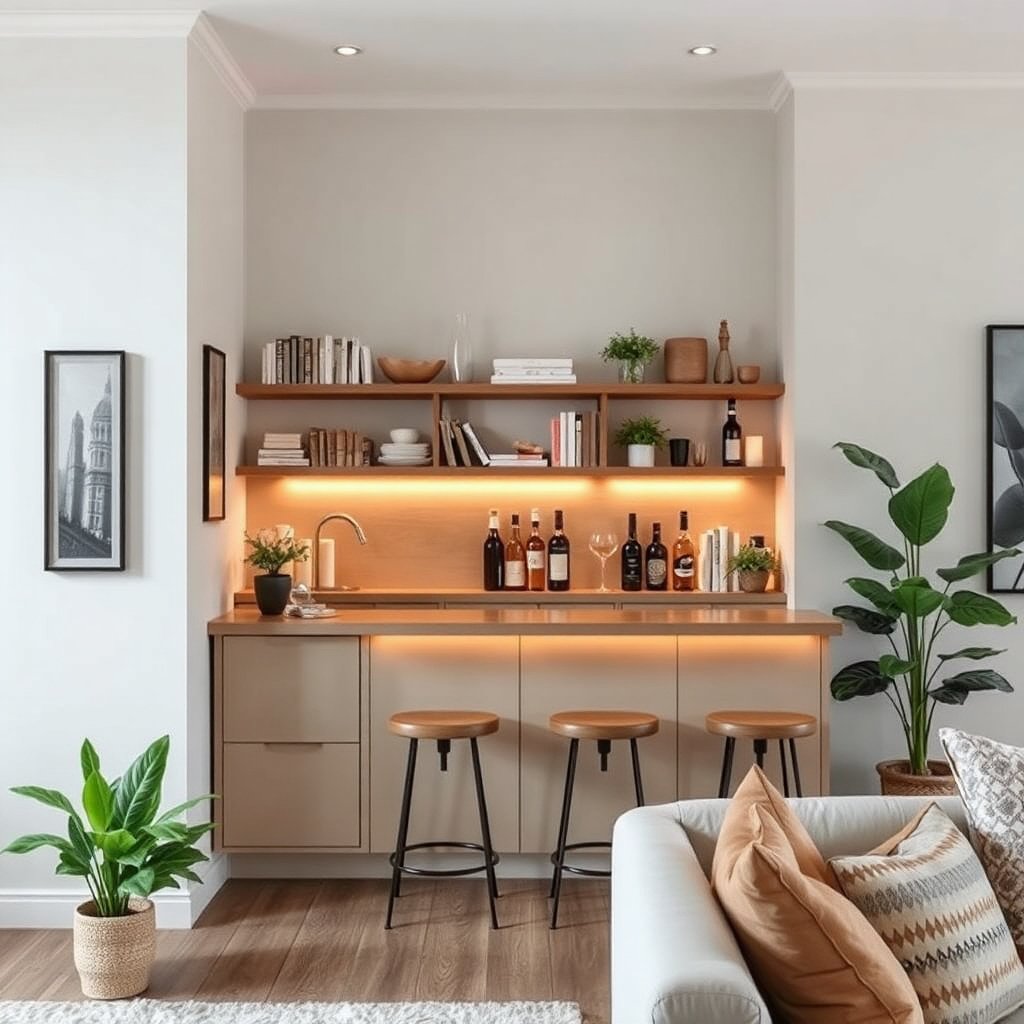
Assessing Available Space and Layout
Start by scouting areas in your home that can comfortably accommodate a bar setup without disrupting traffic flow. Popular spots include basements, spare rooms, or under-utilized corners of living or dining areas. Consider dimensions that allow enough room for bar stools and movement behind the bar.
A bar’s location affects both functionality and ambiance. Opt for a spot near existing plumbing if you want a sink or refrigerator. Natural lighting can enhance the mood during the day, while proximity to power outlets allows for lighting fixtures and appliances.
Designing the Bar to Complement Your Home
Your bar’s style should align with your home's interior to create cohesion. Whether you prefer a rustic wooden bar, a modern minimalist design, or a classic vintage look, choose materials and colors that blend well with nearby décor.
Ergonomics play a role too. The height of the bar countertop, stool design, and storage placement should all support comfortable use. Planning with a sketch or 3D software helps visualize how the bar fits within the space and connects with the rest of your home.
Selecting Materials and Building Components
Choosing Durable and Attractive Materials
Popular options for bar countertops include hardwoods like oak or maple for warmth, or stone surfaces like granite and quartz for durability and polish. These materials resist spills and wear while offering a refined look.
The base structure can be built from plywood, MDF, or reclaimed wood depending on your budget and style goals. For a modern twist, metal and glass accents add sleekness and contrast with wood textures.
- Hardwood for countertop
- Plywood or MDF for base
- Stone surfaces for durability
- Metal accents for modern style
For more on this, see our related guide: How to Make Pizza at Home Fast and Easy with Perfect Dough and Baking Tips.
Incorporating Storage and Functional Features
Incorporate shelves, wine racks, and cabinets to keep bottles, glassware, and tools within easy reach. Adjustable shelves maximize versatility for different-sized items.
Don’t overlook practical additions like under-counter refrigeration, built-in sinks, or LED lighting strips to enhance usability. Efficient storage helps maintain a tidy bar and improves workflow during gatherings.
- Adjustable shelving
- Cabinets for glassware
- Built-in mini fridge
- LED strip lighting
Setting Up Your Bar Essentials and Equipment
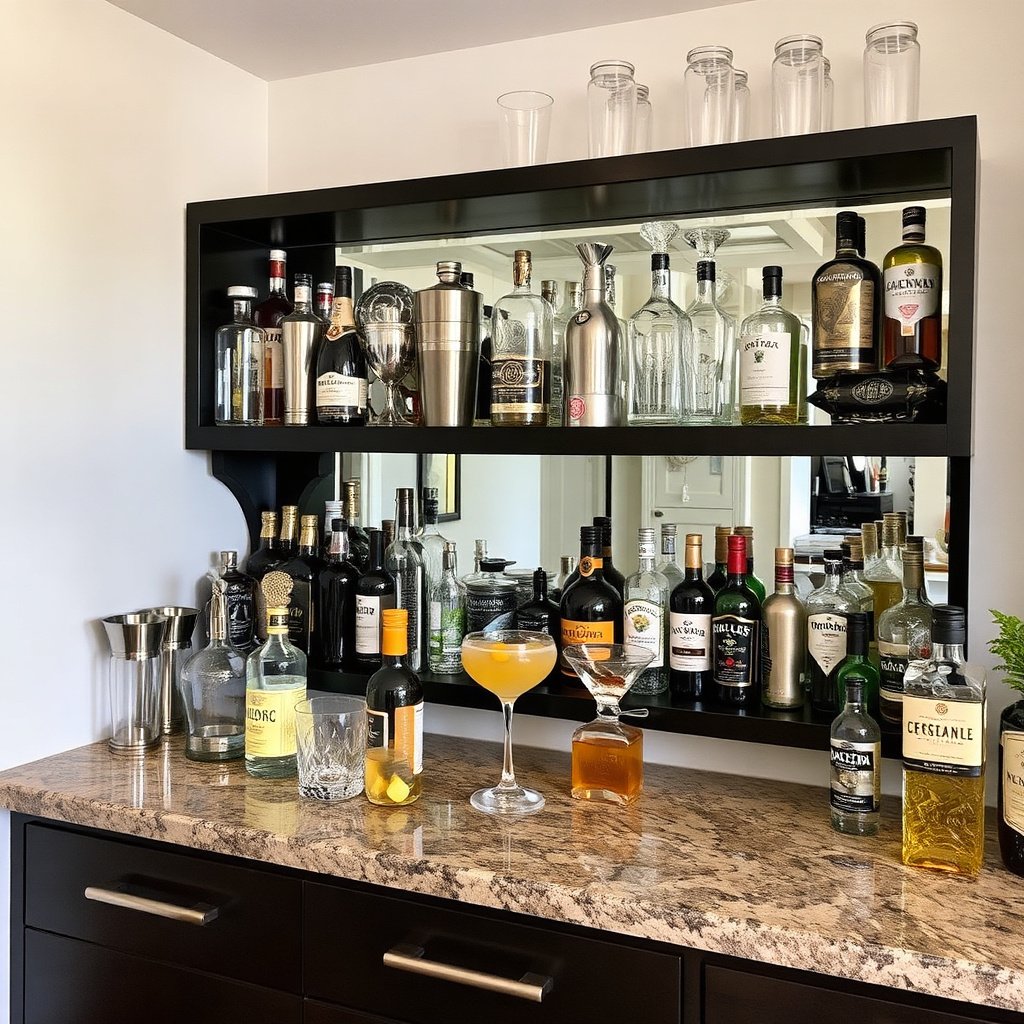
Stocking Your Bar with Glassware and Tools
A well-equipped home bar should include multiple types of glassware such as tumblers, wine glasses, martini glasses, and highballs. Invest in quality cocktail tools like shakers, strainers, muddlers, and jiggers to craft diverse drinks.
Keeping tools organized with dedicated holders or small drawers saves time and reduces clutter. Regularly replenishing common mixers and garnishes enriches the experience for guests and hosts alike.
- Various glassware types
- Cocktail shakers and strainers
- Measuring jiggers
- Storage holders
Choosing the Right Spirits and Mixers
Your preferred drink styles influence which spirits to stock. A basic selection might include vodka, whiskey, rum, gin, tequila, and a selection of liqueurs. Complement these with popular mixers like soda, tonic water, and fruit juices.
Regularly updating the inventory based on guest preferences and your favorite cocktails maintains freshness. Consider local or artisanal spirit brands for unique flavors and conversation starters.
- Vodka, gin, whiskey stocks
- Variety of mixers
- Liqueurs for flavor
- Local and artisanal spirits
Lighting and Ambiance for Your Home Bar
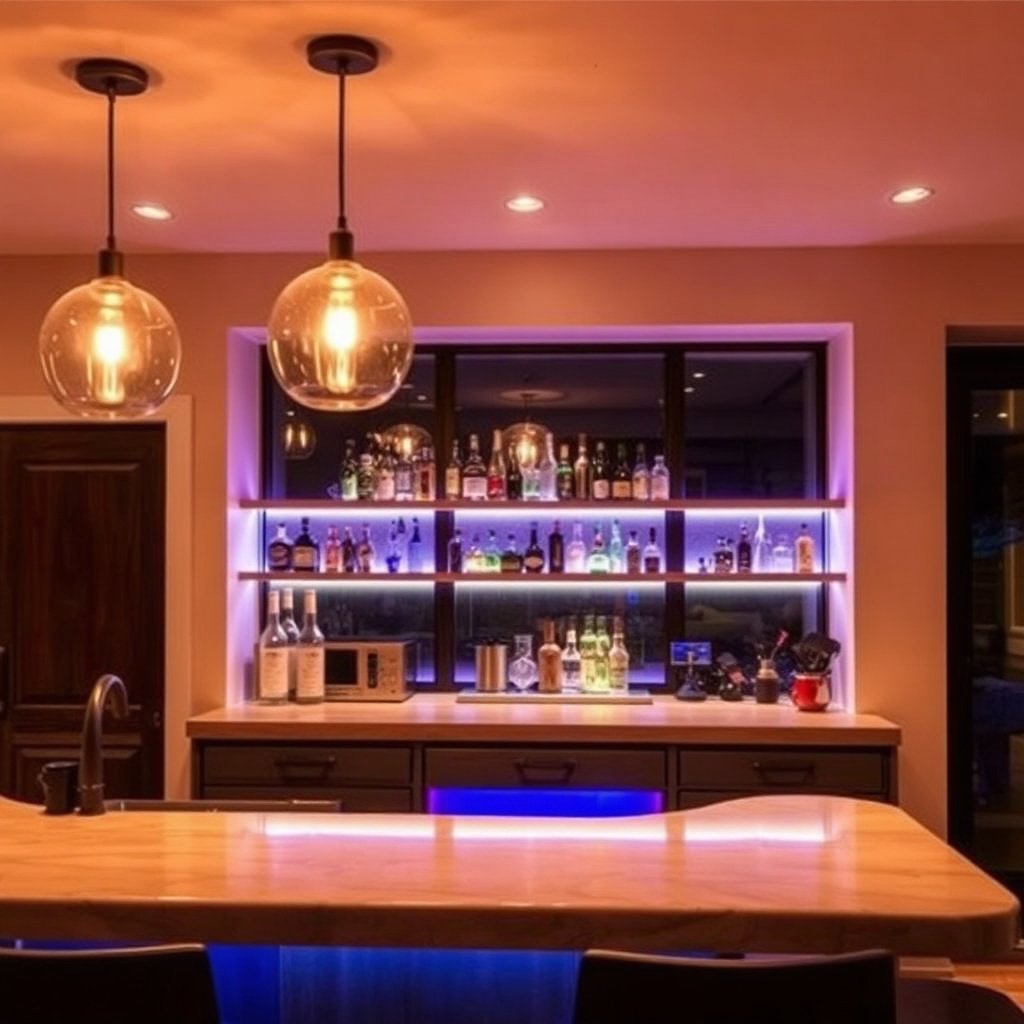
Selecting Lighting Options for Mood and Function
Layered lighting is key: combine overhead pendant lamps with softer accent bulbs to create warmth and visibility. Dimmable fixtures allow you to adjust brightness based on occasion.
LED strip lights under counters or shelves add a dramatic glow and enhance the display of bottles and glassware. Lighting choices affect both aesthetics and ease of drink preparation.
- Pendant overhead lights
- Dimmable bulbs
- Under-counter LED strips
For more on this, see our related guide: How to Watch the World Series at a Bar: 12 Tips for the Best Game Day Experience.
Adding Decorative Elements to Enhance Style
Decor items like framed posters, unique bottle openers, or vintage signs add personality. Mirrors behind the bar create the illusion of space and showcase your collection.
Plants or small sculptures can soften the look and create a welcoming vibe. Use colors and textures that complement your bar’s style for a cohesive environment.
Maintaining and Using Your Home Bar
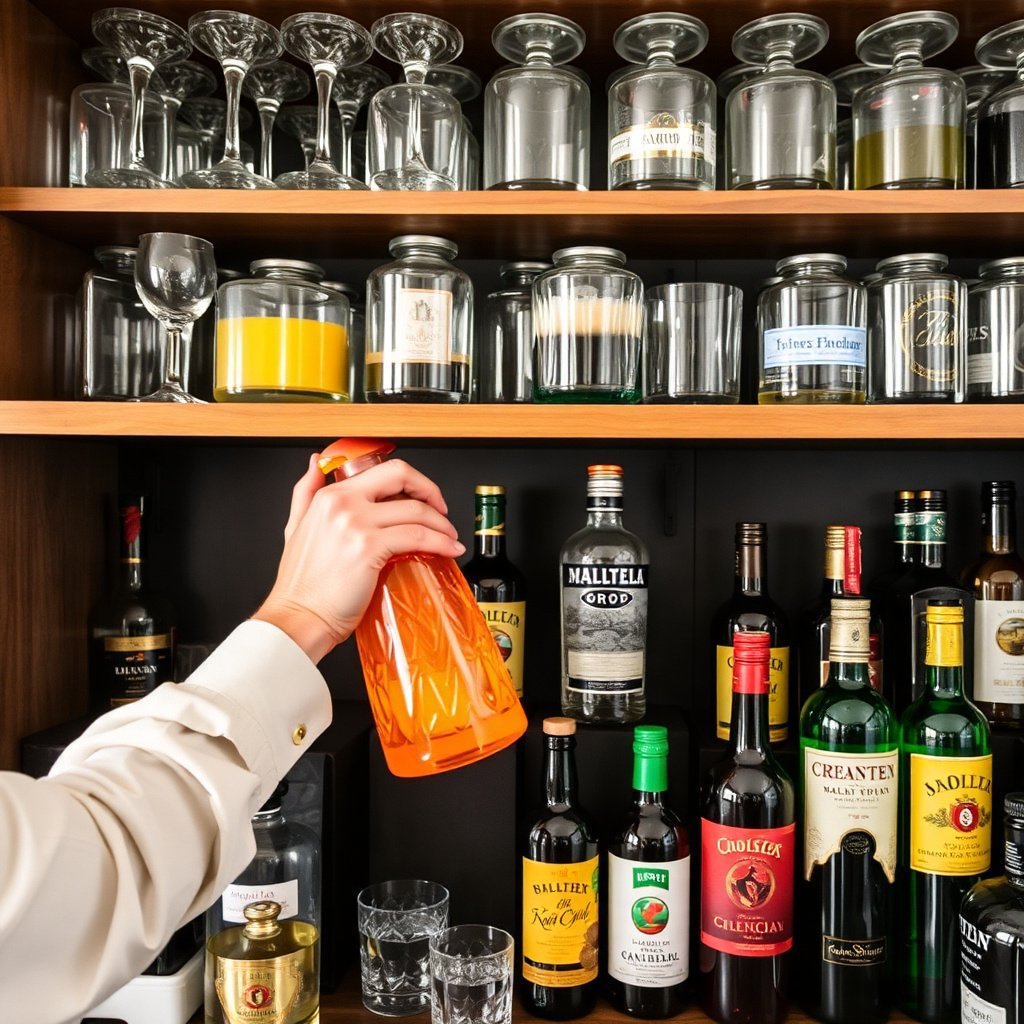
Cleaning and Organizing Your Bar Regularly
Regularly wipe down surfaces to prevent stickiness from spills and dust buildup. Clean glassware and tools immediately after use to maintain hygiene and prolong lifespan.
Organize bottles by type or frequency of use to streamline drink-making. Declutter periodically to remove expired mixers or empty bottles.
- Daily surface cleaning
- Glassware maintenance
- Organized bottle storage
For more detailed information about home bar history and styles, check the home bar Wikipedia article. home bar Wikipedia article.
Hosting and Enjoying Your Home Bar
Use your DIY home bar setup to entertain friends or enjoy quiet evenings. Practice mixology to impress guests with cocktails tailored to their tastes.
Rotate featured spirits or create themed nights to keep the bar experience fresh. Hosting at home lets you experiment without pressure and control your environment fully.
Home Bar Types Category Comparison
Here’s a comparison of common home bar types to help you decide which suits your space and style best.
| Bar Type | Space Required | Cost Range | Customization Level | Ease of Setup |
|---|---|---|---|---|
| Portable Cart Bar | Small | $100-$300 | Low | High |
| Built-in Bar Counter | Large | $800-$5000 | High | Low |
| Wall-mounted Folding Bar | Medium | $200-$600 | Medium | Medium |
| Corner Bar Unit | Medium | $400-$1200 | Medium | Medium |
| Basement or Room Bar | Large | $1500-$7000 | Very High | Low |
Frequently Asked Questions
What is the ideal bar countertop height for a home bar?
A standard bar countertop height is about 42 inches, which suits most bar stools and provides comfortable standing and sitting posture during use.
Can I add a sink to my home bar?
Yes, if your space has plumbing access, installing a small sink is an excellent addition for rinsing glasses and quick cleanup.
What basic tools are essential for a home bar?
Essential tools include a shaker, strainer, jigger, muddler, and a set of bar spoons to mix and serve a variety of drinks effectively.
How much should I budget for building a simple home bar?
A simple bar setup can cost between $200 and $800 depending on materials, furniture, and stocked items you choose.
How do I keep my home bar organized?
Use shelves, cabinets, and labeled containers for glassware and tools, and regularly clean and declutter to maintain an efficient setup.
Key Takeaways
- Select a bar location that fits your space and complements your home style.
- Choose durable materials and functional storage for a practical home bar.
- Stock essential glassware, tools, and spirits tailored to your preferences.
- Create inviting lighting and décor to enhance ambiance and usability.
Conclusion
Deciding how to make a bar at home starts with understanding your space limitations, budget, and the style you want to bring to your environment. By focusing on functionality alongside design, you can craft a bar that feels both natural at home and inviting for guests. Taking time to plan storage and equipment ensures your bar stays organized and useful.
For those with limited space or a flexible budget, portable cart bars or wall-mounted folding bars offer convenient, affordable options that can be enhanced with personal touches. More permanent solutions like built-in counters or dedicated basement bars suit larger homes and offer extensive customization. Your choice depends on how you envision using your home bar—whether casual gatherings or elaborate mixology.
Start by evaluating your ideal location and sketching a design that balances aesthetics and practicality. Using readily available materials and focusing on a few staple spirits and tools will get you up and running quickly. As your skills and tastes develop, you can expand your bar’s range and style, making it a centerpiece of your home’s social life.


