How to Grind Coffee Beans for the Perfect Brew Every Time
Grinding coffee beans correctly is vital for brewing a flavorful cup of coffee. The grind size affects extraction, influencing taste and aroma. Whether you use a coarse grind for French press or a fine grind for espresso, knowing how to grind coffee beans properly makes all the difference.
Choosing the right grind size is essential because it controls water contact time with coffee grounds during brewing. If grounds are too coarse or too fine, it can lead to over-extraction or under-extraction, resulting in sour or bitter flavors. Knowing the right grind style for your brewing device helps you unlock the full potential of your beans.
This article will cover the main methods of grinding coffee beans, explain how grind sizes differ by brewing method, discuss grinding equipment options, offer tips for grinding consistency, and present a comparison of popular grinder types to help you decide the best coffee grinder for home use.
Understanding Coffee Grind Sizes and Their Impact
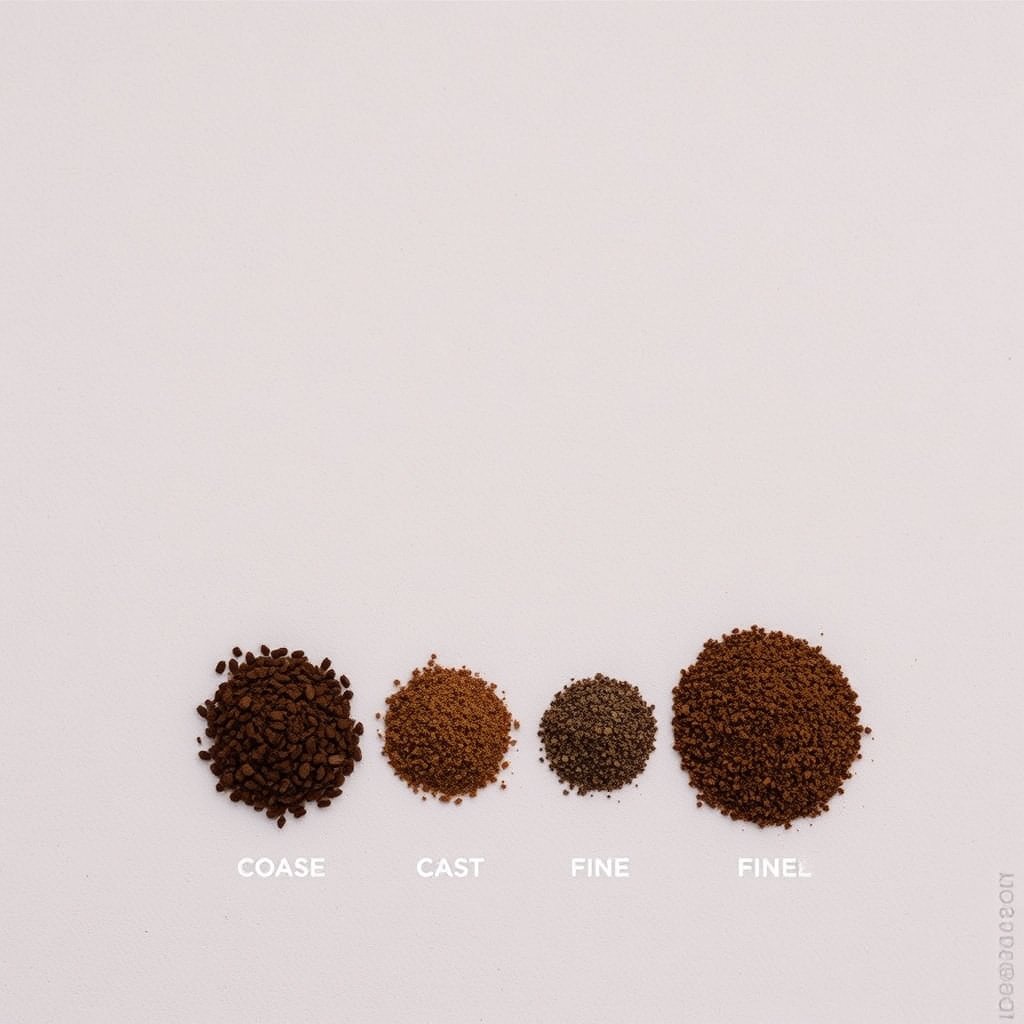
Coarse to Fine: Matching Grind Size to Brew Method
Different brewing methods require distinct grind sizes to optimize extraction. French press needs a coarse grind to avoid sediment, while espresso demands a fine grind to extract flavors quickly under pressure. Drip coffee makers typically use a medium grind for balanced extraction.
Selecting the appropriate grind size controls extraction duration and surface area exposure to water. A mismatched grind can produce weak, sour, or overly bitter coffee. Experimenting with grind size adjustments can tailor flavor profiles to personal taste.
- Coarse grind for French press or cold brew
- Medium grind for drip coffee makers and pour-over
- Fine grind for espresso and AeroPress
Why Consistency in Grinding Matters
Even particle size ensures uniform extraction. Inconsistent grounds lead to uneven brewing: small particles over-extract and cause bitterness, while large chunks under-extract, leaving sour or weak flavors. Consistency in grinding elevates the coffee’s clarity and balance.
Blade grinders often produce uneven particles, whereas burr grinders deliver a more consistent grind size by crushing beans uniformly. Using a burr grinder is recommended to achieve the consistency needed for quality coffee.
Choosing the Right Coffee Grinder for Your Needs
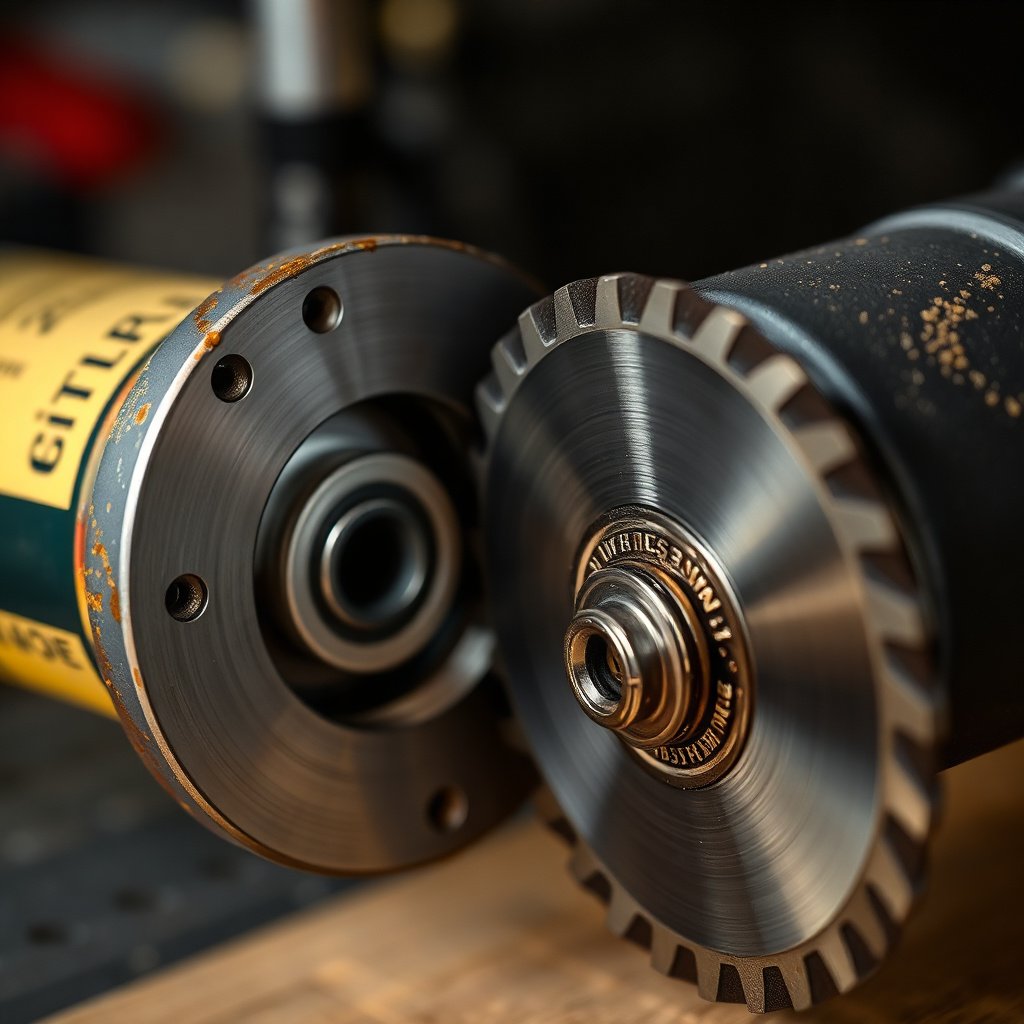
Blade Grinders: Affordable but Less Precise
Blade grinders chop beans unevenly with a spinning blade, often resulting in a mix of coarse and fine particles. While affordable and easy to use, their inconsistency makes them less suitable for brewing methods that require precise grind sizes, like espresso.
Because of uneven grind, coffee brewed using blade-ground beans may taste inconsistent. Blade grinders work better for drip coffee or French press where grind uniformity is less critical.
- Generally lower price point
- Easy to store and clean
- Less consistent grind size
Burr Grinders: Precision and Consistency
Burr grinders crush beans between two abrasive surfaces to produce uniform particles. They allow precise adjustment of grind size, making them ideal for various brewing methods. Burr grinders come in flat and conical varieties, each with different cleaning and noise levels.
Though more expensive, burr grinders provide consistency that enhances flavor extraction. For coffee enthusiasts aiming for quality, investing in a burr grinder is a worthwhile choice.
- Consistent grind size for all brew methods
- Adjustable settings for grind size
- Higher price but better performance
Grinding Coffee Beans Properly Using Different Methods
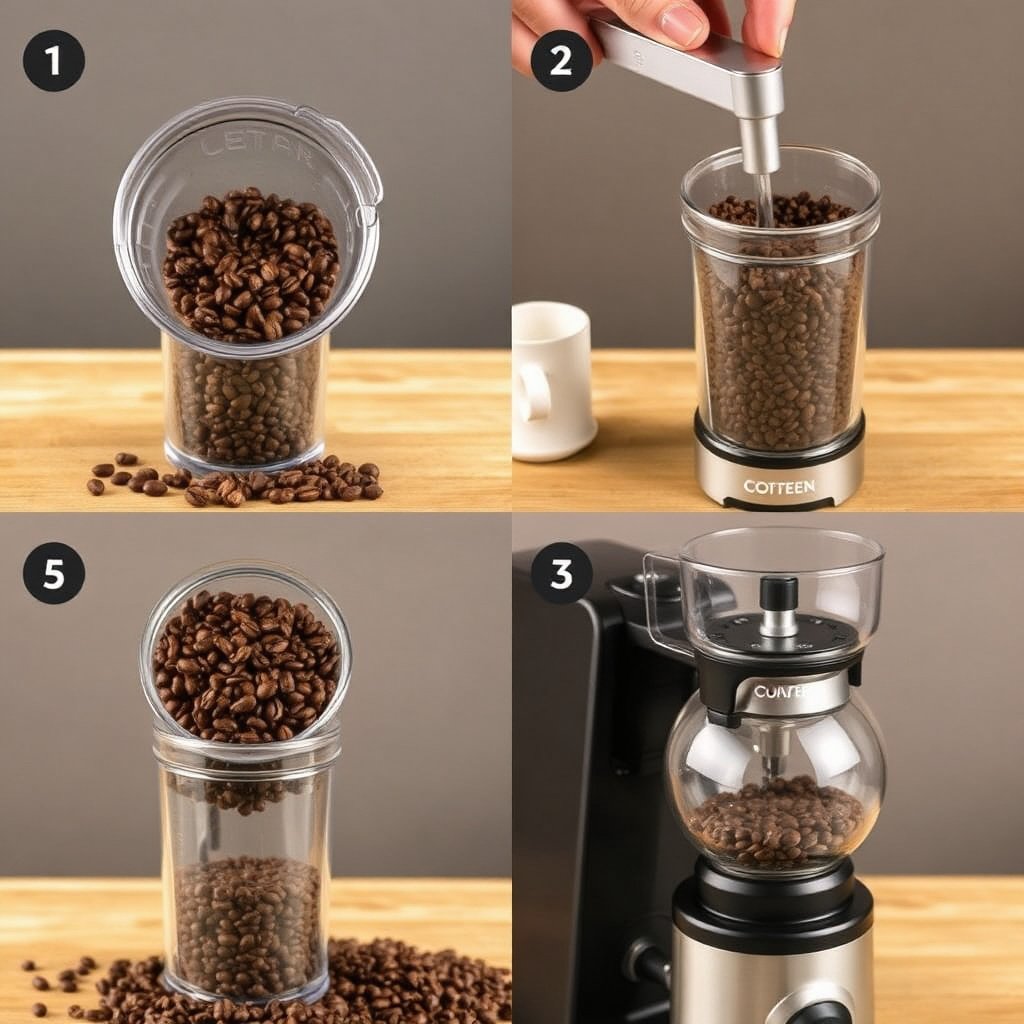
Manual Grinding Techniques
Manual coffee grinders use hand-operated mechanisms to grind beans and suit small quantities or travel use. They often feature burrs for consistency and allow control over grind size through adjustable settings.
Grinding manually requires physical effort but results in a uniform grind appropriate for drip or French press brewing. They are quieter and more compact than electric grinders but are slower, making them less practical for large batches.
- Affordable and portable
- Quiet operation
- Requires effort and time
Electric Grinding for Speed and Convenience
Electric grinders quickly process large amounts of coffee beans at the press of a button. They usually have timer or dose controls, enabling repeatable grinding amounts. Most electric burr grinders deliver excellent consistency.
Electric grinders suit home and professional brewers prioritizing speed and ease without sacrificing grind quality. Some models include additional features like multiple grind presets and storage compartments.
- Fast grinding
- Consistent settings
- Requires power source
Maintaining Your Coffee Grinder for Longevity and Performance
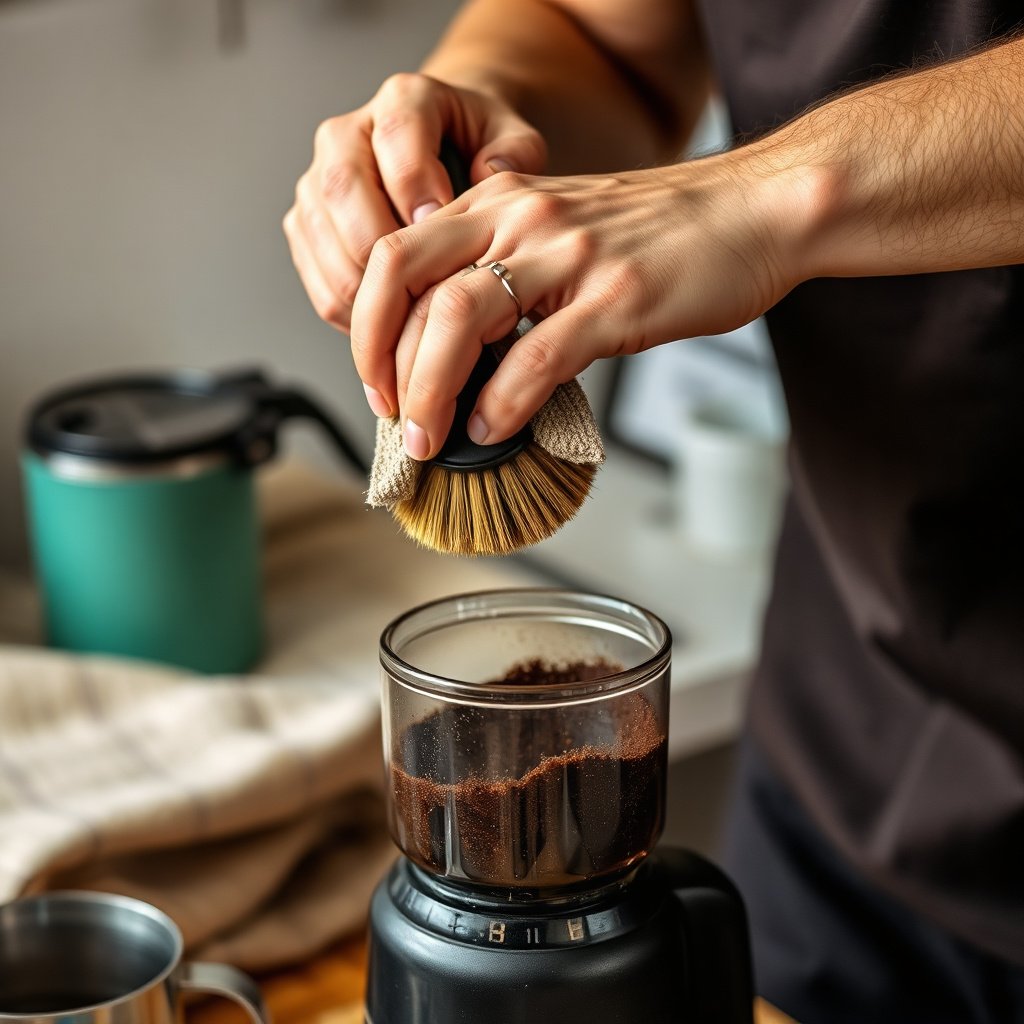
Cleaning Frequency and Steps
Regular cleaning is essential to prevent old oils and grounds from affecting flavor. For burr grinders, brush out grounds after each use and deep clean monthly by dismantling burrs and wiping surfaces with a dry cloth.
Blade grinders require thorough cleaning every few uses by wiping blades and the grinding chamber to avoid buildup. Avoid water contact unless manufacturer specifies that components are washable.
- Brush out residual grounds after each grind
- Monthly deep cleaning of burrs and chambers
- Do not use water on non-washable parts
Troubleshooting Common Grinder Issues
If grinding slows or produces uneven results, check for clogs or dull burrs. Replace burrs periodically depending on usage to maintain optimal performance. Unusual noises may indicate misalignment or debris obstructing the mechanism.
Proper storage away from moisture and humidity preserves grinder components. Following manufacturer guidelines helps extend grinder life and maintains consistency.
- Inspect for clogged grounds regularly
- Replace burrs every 6-12 months based on use
- Store grinder in a dry environment
Adjusting Grind Size for Different Coffee Beans and Roasts
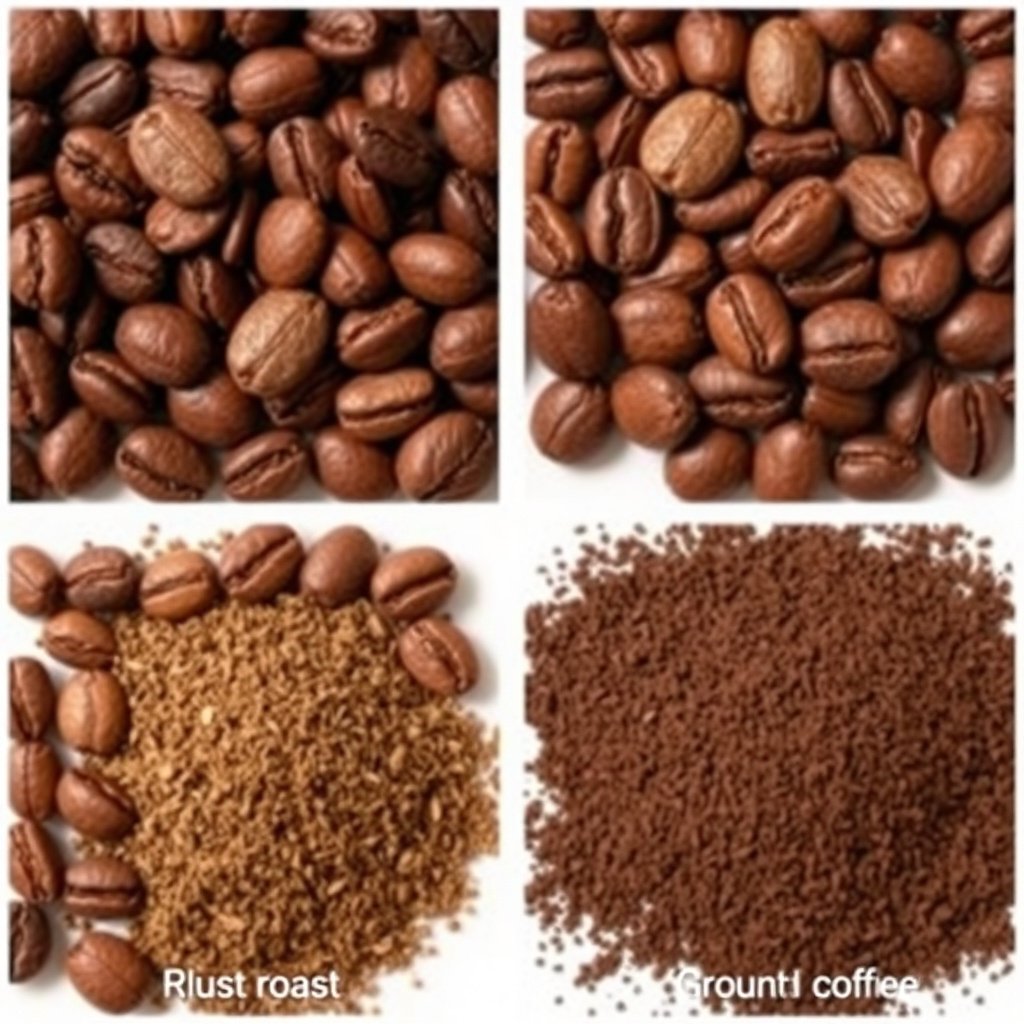
Grinding Light vs. Dark Roasts
Light roast beans are denser and benefit from slightly finer grinds to extract nuanced flavors without over-extracting bitterness. Dark roasts are more brittle and require coarser grinds to prevent overly bitter notes.
Adjusting grind size for roast type helps balance acidity and body in the cup. Trial and error can help find the sweet spot specific to your beans and preferred brew.
Adapting Grind Size for Single-Origin and Blended Coffees
Single-origin coffees may highlight delicate flavors that come through with precise grind adjustments, especially fine tuning for pour-over or espresso. Blends generally require a middle-ground grind size for balanced extraction across bean varieties.
Customizing grind based on bean characteristics preserves unique taste profiles and enhances brewing control tailored to the coffee’s origin or composition.
How to Store Ground Coffee to Preserve Freshness
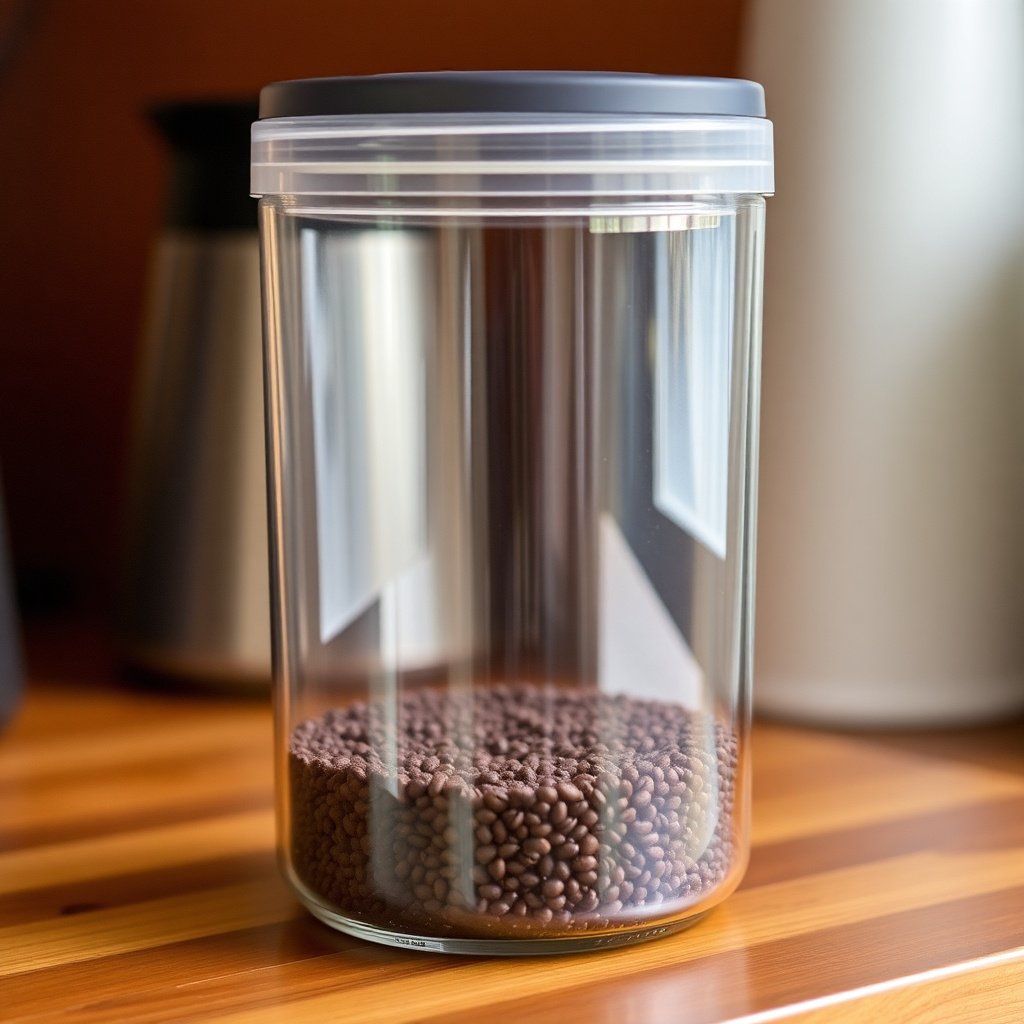
Best Practices for Coffee Storage
Once coffee beans are ground, oxidation and moisture exposure accelerate flavor loss. Store ground coffee in airtight, opaque containers kept in a cool, dark place to slow degradation.
Avoid storing ground coffee in the refrigerator or freezer if regularly opened, as moisture and odor absorption can harm flavor. Instead, grind only the amount you need immediately for peak freshness.
- Use airtight, opaque containers
- Keep away from heat, light, and moisture
- Grind fresh daily if possible
For more detailed scientific background on the grinding process, refer to the coffee grinding on Wikipedia. coffee grinding on Wikipedia.
How Long Does Ground Coffee Stay Fresh?
Ground coffee generally maintains peak flavor for 15-30 minutes after grinding, with noticeable decline after an hour due to exposure to air. Even stored properly, ground coffee loses aroma and oils within a few days.
Grinding beans just before brewing is recommended to extract maximum flavor and aroma. Buying whole beans and grinding at home supports the best coffee taste.
Comparison of Coffee Grinder Types
Below is a comparison of popular coffee grinder categories highlighting their consistency, price, suitability, and maintenance.
| Category | Grind Consistency | Price Range | Best For | Maintenance |
|---|---|---|---|---|
| Blade Grinder | Low | $15 – $40 | Basic brewing, budget-friendly | Easy, frequent cleaning needed |
| Manual Burr Grinder | High | $40 – $100 | Travel, small batches, precise control | Requires regular cleaning, easy to maintain |
| Electric Burr Grinder – Flat Burrs | Very High | $100 – $300 | Home and commercial use, espresso | Moderate, periodic burr replacement |
| Electric Burr Grinder – Conical Burrs | Very High | $100 – $350 | Home brewing, quiet operation | Moderate cleaning, burr replacement |
| Commercial Grinders | Exceptional | $300 and up | Coffee shops, high volume | Professional maintenance required |
Frequently Asked Questions
What grind size should I use for espresso?
Espresso requires a fine grind size similar to table salt. This allows quick extraction under pressure for a rich, concentrated flavor.
Can I use a blade grinder for espresso?
Blade grinders produce inconsistent grounds, making them unsuitable for espresso which demands uniform fine grind for proper extraction.
How often should I clean my coffee grinder?
You should brush out your grinder after every use and perform a deep cleaning monthly to remove oils and residual grounds affecting flavor.
Does grind size affect coffee taste?
Yes, grind size controls extraction rates. Too coarse or too fine grinding can produce sour, bitter, or weak coffee.
Should I grind all my coffee at once?
For best flavor, grind beans right before brewing. Ground coffee quickly loses aroma and freshness within 30 minutes.
Key Takeaways
- Grind size must match brewing method for best flavor extraction
- Burr grinders offer superior consistency over blade grinders
- Regular cleaning improves grinder performance and coffee taste
- Grinding just before brewing preserves freshness and aroma
Conclusion
Determining how to grind coffee beans involves understanding the interplay between grind size, brewing method, and bean type. Since grind size directly affects extraction rates, matching it precisely to your brewing device is the cornerstone of flavorful coffee. Consistency in grinding particles ensures balanced extraction, avoiding off-flavors caused by uneven grounds. Selecting a grinder that offers clarity and precision contributes to repeatable quality in your daily brew.
For those beginning their coffee journey or on a budget, blade grinders may suffice for methods like French press or drip coffee where absolute grind uniformity is less critical. However, investing in a burr grinder, manually operated or electric, significantly improves consistency and personalized grind size adjustment. This investment pays off in the superior flavor delivery across pour-over, espresso, and other specialized methods. Experimenting with grind settings tailored to your preferred bean roast and brew method helps unlock diverse taste notes.
If fresh-tasting coffee is your goal, prioritize grinding beans minutes before brewing and storing whole beans properly to maintain freshness until use. Regular grinder maintenance keeps your equipment functioning at its best. Ultimately, choosing the best coffee grinder for home use and mastering the grind size variation will elevate your coffee experience. Consider your brewing style, budget, and maintenance willingness to guide your purchase decision.