How to Make Irish Coffee: A Classic Warm Cocktail Recipe
Irish coffee is a simple yet delightful cocktail made by combining hot coffee, Irish whiskey, sugar, and topped with lightly whipped cream. To make authentic Irish coffee, start by warming a glass, then mix freshly brewed strong coffee with a measured amount of Irish whiskey and brown sugar, stirring until dissolved. Finally, float fresh cream on top by pouring it gently over the back of a spoon.
This drink stands out because its rich, robust coffee flavor melds perfectly with the sweetness of sugar and the smooth warmth of Irish whiskey, all complemented by the creamy texture of the whipped cream. Irish coffee is ideal for chilly evenings or as a comforting after-dinner treat, offering a blend of stimulating and relaxing effects.
This article will guide you through making the classic Irish coffee step-by-step, explain variations and ingredient choices, discuss serving tips, and offer advice for perfecting the balance and presentation. Whether making it at home or for guests, you'll get everything you need to craft this iconic beverage.
Ingredients and Their Roles in Irish Coffee

Choosing Your Coffee: Strength and Type
The foundation of Irish coffee is strong, hot coffee, which helps balance the sweetness and whiskey flavors. Use freshly brewed dark roast or espresso-style coffee to ensure boldness without bitterness. Avoid drip coffee that's weak, as it dilutes the drink and diminishes its character.
For the smoothest texture and flavor, freshly ground beans brewed just before preparation are preferable. The coffee temperature should be near boiling to keep the drink warm when mixed. This makes the coffee component essential to both taste and experience.
Selecting the Irish Whiskey and Sugar
Irish whiskey adds warmth, depth, and a subtle sweetness to Irish coffee. Popular choices include Jameson, Bushmills, or Tullamore Dew due to their smooth, approachable profiles. The whiskey quality affects the drink’s balance, so opt for mid-range bottles for the best mix of affordability and taste.
Brown sugar is traditional in Irish coffee, as it contributes nuanced caramel notes and dissolves easily. Some recipes use white sugar or simple syrup, but brown sugar maintains authenticity and a richer flavor profile.
Steps for Making the Perfect Irish Coffee
Preparing the Coffee and Whiskey Mixture
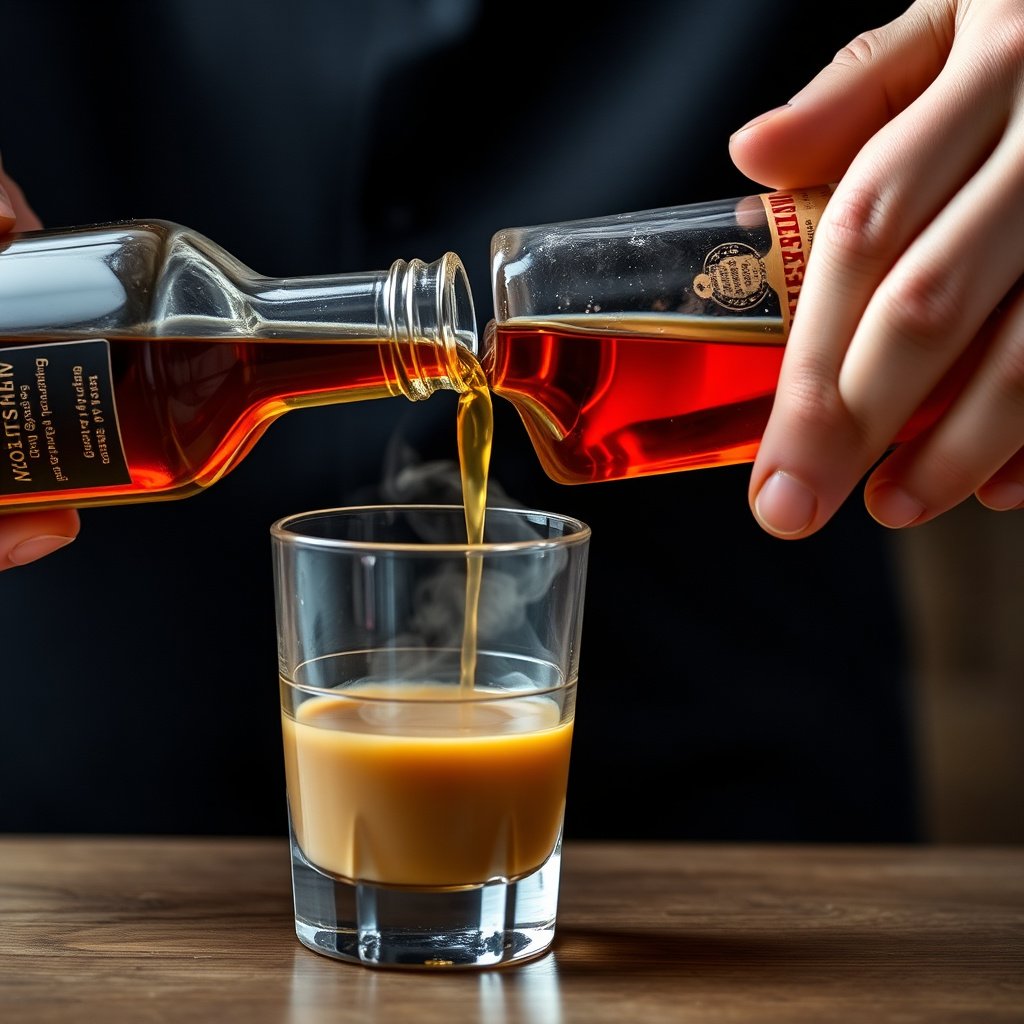
Start by pre-warming a heat-resistant glass with hot water, then discard the water. Add two teaspoons of brown sugar, pour in about 4 oz of hot strong coffee, and stir until sugar fully dissolves. Next, measure 1.5 oz of Irish whiskey and add it gently to the mixture, stirring once more to combine flavors evenly.
The warmth of the coffee is crucial for dissolving sugar and blending the whiskey properly. Maintaining temperature prevents the cream topping from mixing in too quickly, preserving the classic layering effect.
For more on this, see our related guide: What Is a Pub? A Complete Guide to British Public Houses and More.
Floating the Cream Topping Correctly
Lightly whip fresh cream until it thickens slightly but remains pourable. To float the cream, tilt the coffee glass slightly and pour the cream gently over the back of a spoon positioned just above the coffee’s surface. This method allows the cream to rest on top without sinking.
Proper floating creates the iconic layered look where the dark coffee and whiskey mixture sits below a silky cream cap, ready to be sipped through. Avoid heavy whipping or stirring once cream is added to keep the layers distinct.
Presentation and Serving Tips

Choosing the Right Glassware
Traditional Irish coffee glasses are clear, stemmed, and heat-resistant, typically holding around 6-8 oz. Their transparency showcases the layered effect and invites the drinker to savor the visual appeal. A handle or stem keeps hands from warming the drink too quickly.
Avoid mugs or opaque cups for authentic presentation. If you lack Irish coffee glasses, a small heatproof tumbler or stemmed glass from your barware can work effectively.
Garnishes and Enhancements
Though classic Irish coffee relies on cream alone, optional garnishes can enhance aroma and flavor. Lightly grated nutmeg or a dusting of cocoa powder on the cream adds complexity without overpowering. Some prefer a twist of orange peel or a whole coffee bean as a simple adornment.
Avoid overly sweet or heavy toppings, which clash with the delicate balance. Minimalism emphasizes the interplay between coffee, whiskey, sugar, and cream.
Variations of Irish Coffee to Try
Cold Irish Coffee and Iced Versions
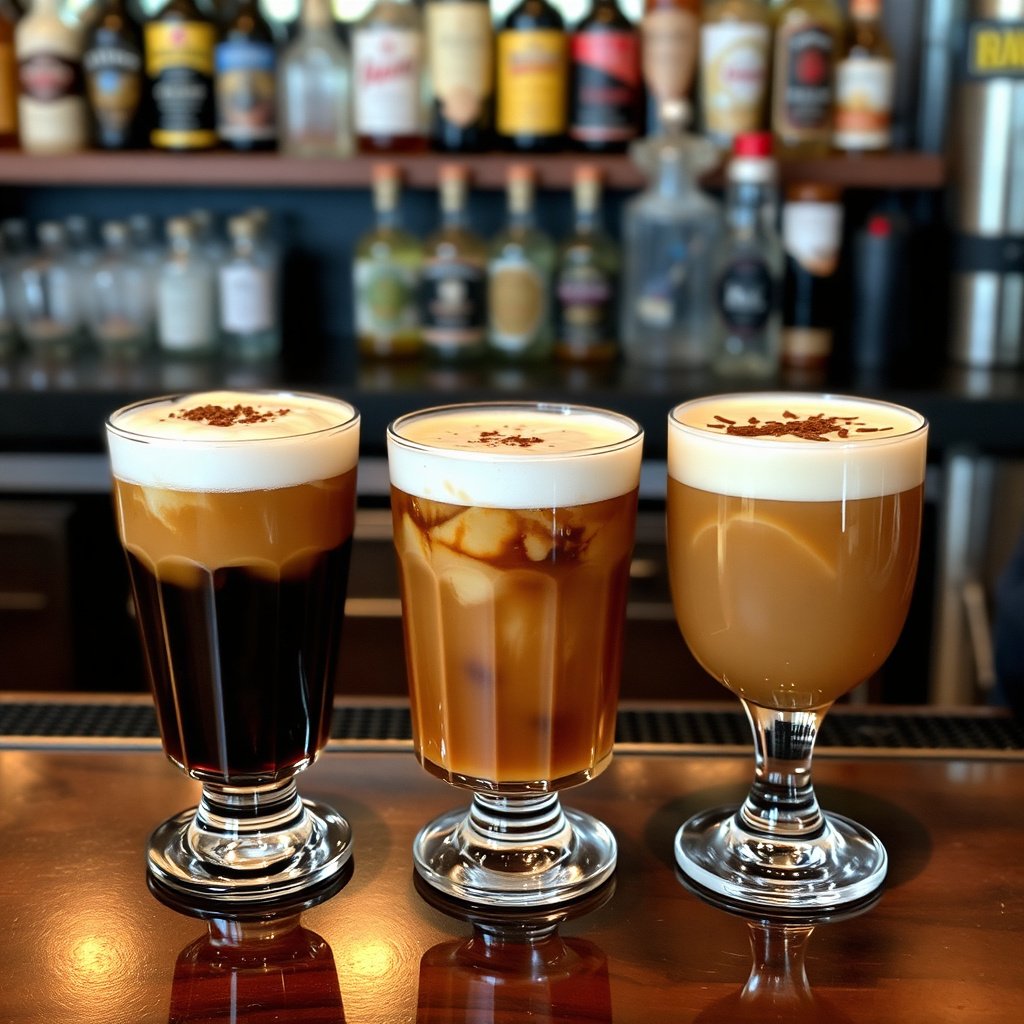
For warmer months, cold or iced Irish coffee uses chilled coffee with Irish whiskey and simple syrup instead of brown sugar. Served over ice and topped with cold cream or whipped cream, it offers the same comforting flavors in a refreshing way.
Adjust sweetness to taste since cold temperatures can mute flavors. This variation suits those who love Irish coffee but want a lighter, cooler drink.
For more on this, see our related guide: What Is the History of Market Square Millersburg: A Detailed 8-Part Guide.
Spiced and Flavored Irish Coffee
Adding spices like cinnamon, cloves, or vanilla to the coffee or whipping the cream with a splash of liqueur creates seasonal or festive twists. For example, a pinch of cinnamon and a drop of Irish cream liqueur in the cream adds warmth and richness.
Such variations should complement, not overwhelm, the traditional balance. Experiment carefully to find combinations that enhance personal preferences.
Common Mistakes to Avoid When Making Irish Coffee

Improper Temperature and Mixing Errors
Using coffee that is too cool or cream that is too thick causes poor layering and mixing issues. Avoid stirring after adding cream, as it dissolves the layers and dulls the drink’s character. Ensure coffee is freshly brewed and hot enough to dissolve sugar completely.
Adding icy or chilled whiskey reduces warmth and causes the cream to mix in prematurely. Use room temperature or slightly warmed whiskey for best results.
For more detailed background and history, check out Irish coffee on Wikipedia. Irish coffee on Wikipedia.
Over or Under Sweetening the Drink
Using too much sugar can mask whiskey’s subtle taste, while too little leaves Irish coffee bitter or overly strong. Brown sugar should be balanced with coffee strength and whiskey volume. Start with two teaspoons and adjust slightly based on coffee bitterness or personal preference.
Avoid substitutes like artificial sweeteners or overly flavored syrups that disrupt the traditional flavor framework.
Irish Coffee Variations Category Comparison
Here is a comparison of popular Irish coffee variations based on key characteristics and suitability.
| Variation | Temperature | Sweetener | Cream Style | Best For |
|---|---|---|---|---|
| Classic Irish Coffee | Hot | Brown sugar | Lightly whipped fresh cream | Traditional experience, winter evenings |
| Iced Irish Coffee | Cold, with ice | Simple syrup | Cold or whipped cream | Summer refreshment, lighter taste |
| Spiced Irish Coffee | Hot | Brown sugar with spices | Whipped cream with flavorings | Holiday or festive occasions |
| Quick Irish Coffee | Hot | White sugar or dissolvable sweetener | Ready-to-use whipped cream | Convenience and speed |
Frequently Asked Questions
Can I use regular milk instead of cream?
Regular milk won’t float on top to create the classic layering effect. Fresh, lightly whipped cream is recommended for authentic texture and appearance.
Should I use fresh whipped cream or ready-made?
Fresh whipped cream provides the best texture and flavor, floating properly on the drink. Ready-made creams can be too heavy or thin, affecting consistency.
Is brown sugar necessary for Irish coffee?
Brown sugar adds caramel notes and dissolves well, but white sugar can be used in a pinch. Brown sugar is preferred to maintain traditional flavor.
How strong should the coffee be for making Irish coffee?
Use strong, freshly brewed dark roast or espresso-style coffee to balance the whiskey and sugar, preventing dilution of flavors.
Can I prepare Irish coffee in advance?
It’s best made fresh to preserve temperature and layering. Pre-mixing causes cream to blend in and can dilute the drink.
Key Takeaways
- Irish coffee blends strong hot coffee, Irish whiskey, brown sugar, and lightly whipped cream for a warm layered cocktail.
- Using fresh, dark roast coffee and quality Irish whiskey ensures the drink’s balanced flavor.
- Proper temperature and slow cream pouring are critical for the signature layering effect.
- Classic Irish coffee suits cold weather, with variations available for different tastes and seasons.
Conclusion
Crafting an authentic Irish coffee involves more than just mixing a few ingredients; it requires attention to the quality and temperature of each component and mastering the layering technique. By starting with strong freshly brewed coffee and a smooth Irish whiskey, then sweetening it correctly, you lay a solid flavor foundation. Floating lightly whipped cream gently on top creates the signature look and mouthfeel that defines this classic cocktail. Approaching the process thoughtfully yields a rewarding drink experience.
For those who enjoy tradition, the classic Irish coffee with brown sugar and Jameson or Bushmills whiskey is a reliable choice that delivers comforting warmth. If a refreshing twist is desired, iced Irish coffee offers a cool version suitable for warmer days, maintaining the balance with simple syrup and chilled cream. Experimenting with spices or flavored creams can enhance festive occasions, while quick versions serve well when speed is necessary, though they may sacrifice some texture or subtlety.
Next time you want a cozy after-dinner drink or a special treat on a brisk evening, make Irish coffee fresh, with attention to temperature and layering, to enjoy a rich, smooth, and visually appealing beverage. Starting simple, then experimenting with variations, will allow you to discover the favorite approach and make Irish coffee a personal signature in your home bar.