How to Season a Griddle for Perfect Non-Stick Cooking
Seasoning a griddle involves coating its surface with oil and heating it to create a protective, non-stick layer. This process transforms raw metal into a slick cooking surface that releases food easily and resists rust. To season a griddle effectively, you need clean cookware, a suitable oil with a high smoke point, and controlled heat—usually done by applying a thin oil layer and heating it until it smokes and polymerizes. This seals the surface and builds up over multiple seasoning cycles.
Understanding how to season a griddle matters because it directly affects cooking performance. A well-seasoned griddle prevents food from sticking, makes cleanup easier, and improves the griddle’s durability. Without seasoning, your griddle can rust quickly and deliver inconsistent cooking results. Whether your griddle is cast iron, steel, or carbon steel, seasoning creates the barrier between metal and food to enhance both safety and flavor.
This guide covers the essential steps of seasoning a griddle, including cleaning, selecting the right oil, heating techniques, and maintenance tips. Additionally, you'll find comparisons of different oils used for seasoning and answers to common questions about the best practices to maintain your griddle's performance for years to come.
Preparing Your Griddle for Seasoning
Cleaning the Griddle Surface
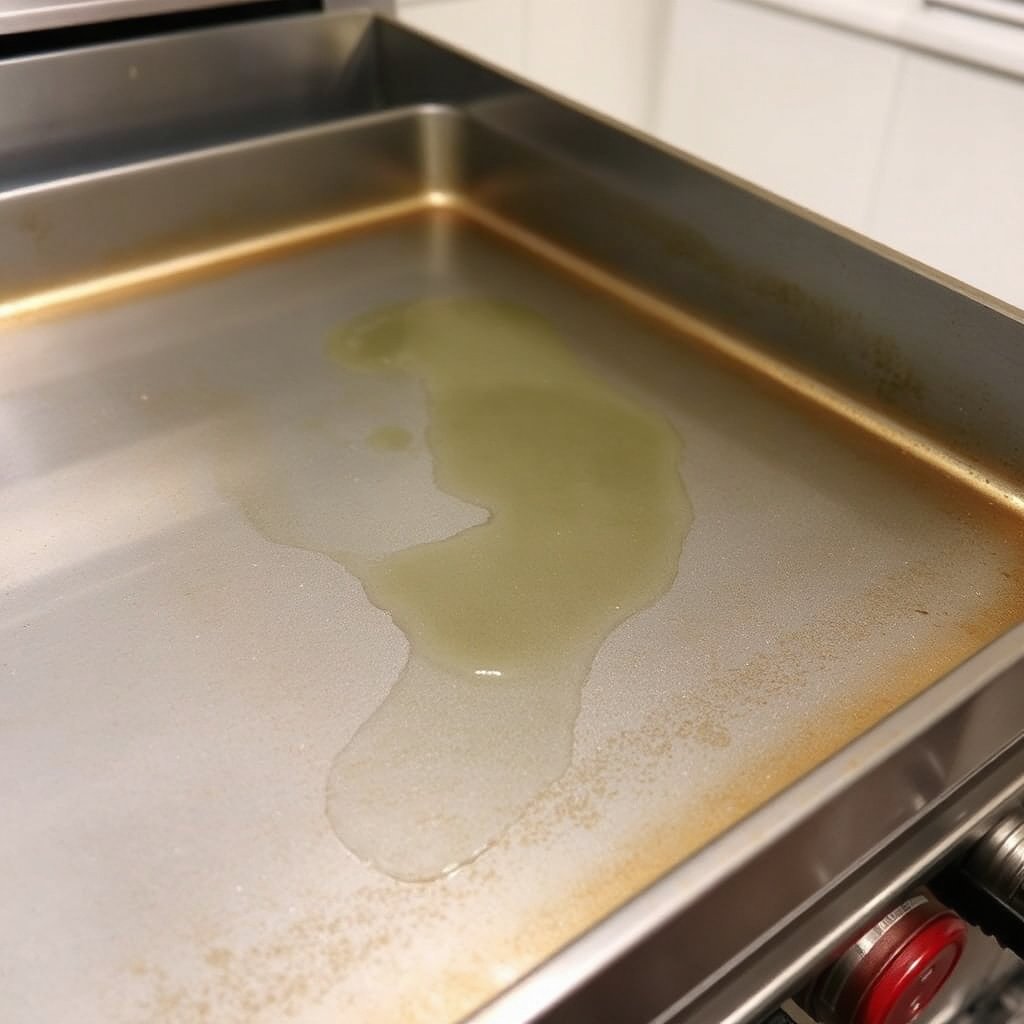
Before applying oil, the griddle must be thoroughly cleaned to remove any factory coatings, dust, or debris. Use hot soapy water and a scrub brush or steel wool to scrub the surface gently. Rinse with hot water and dry completely, as moisture can cause rust and interfere with seasoning.
If your griddle is new, some manufacturers may include a protective wax coating—ensure it is completely removed to avoid sticky residue during seasoning. Warming the griddle slightly can help dry it faster, preventing moisture from trapping under the oil.
Choosing the Best Oil for Griddle Seasoning
Not all oils perform the same during seasoning. You want an oil with a high smoke point and the ability to polymerize under heat, forming a hard, durable layer. Common choices include flaxseed oil, grapeseed oil, canola oil, and vegetable oil.
Flaxseed oil is often favored for its drying properties and ability to form a strong layer, though it can be more expensive. Canola and vegetable oils are widely available and work well for beginners. Avoid butter or olive oil due to their low smoke points, which cause sticky buildups.
- Flaxseed oil: high polymerization, strong seasoning layer
- Canola oil: affordable, high smoke point
- Vegetable oil: readily available, versatile
Step-by-Step Griddle Seasoning Process
Applying Oil Evenly
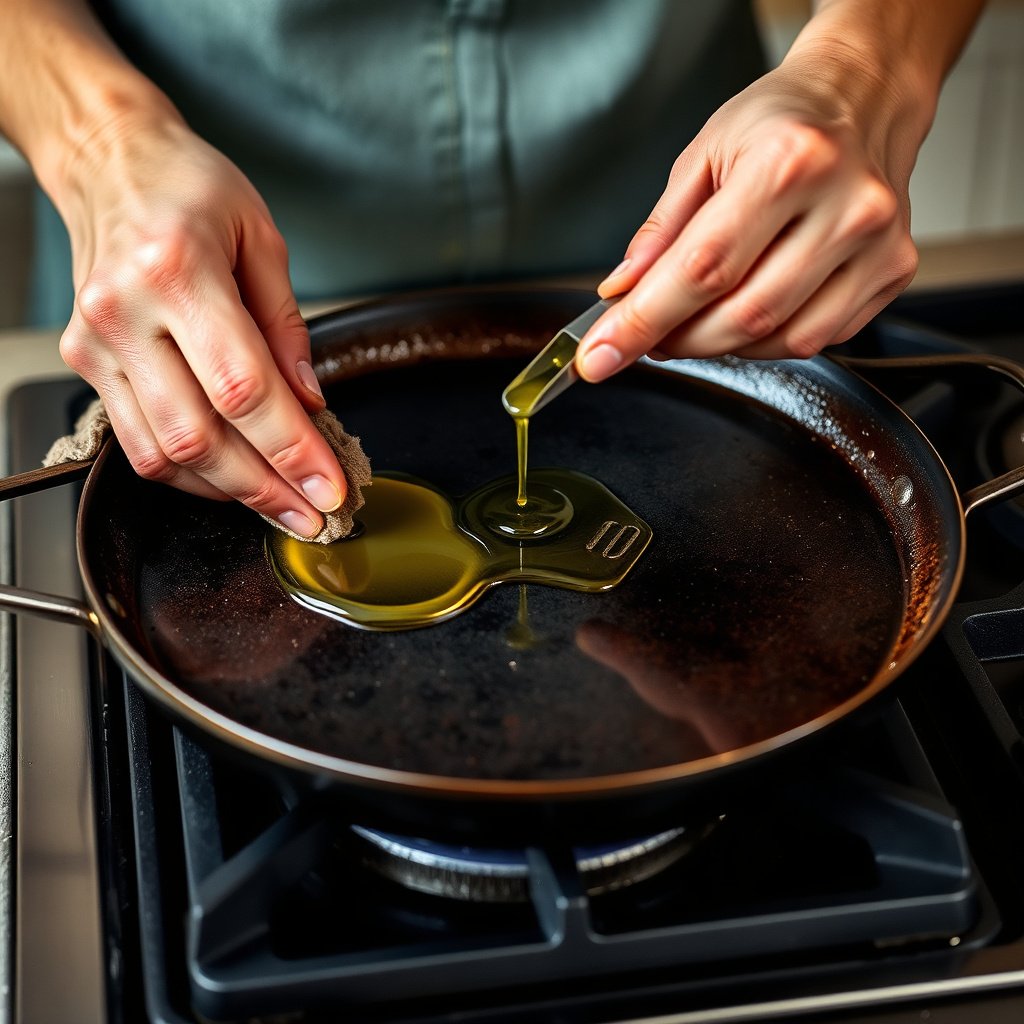
Use a clean cloth or paper towel to apply a thin coat of your chosen oil evenly across the entire griddle surface, including edges. Avoid any pools of oil as excess oil causes sticky or uneven seasoning layers.
The thin oil layer should coat the surface lightly and uniformly. Massage it gently into any porous spots or scratches. Seasoning works best when the oil bonds closely with the metal surface beneath.
Heating During Seasoning
Heat the griddle on medium-high heat until the oil begins to smoke, indicating it’s reaching its smoke point. This smoking means the oil molecules are breaking down and bonding onto the metal surface, creating the polymerized seasoning layer.
Maintain heat for 10-15 minutes, then turn off or reduce the heat and let the griddle cool naturally. Repeating this cycle multiple times builds a stronger, more resilient seasoning layer over time.
- Use medium to medium-high heat
- Watch for oil to smoke, then time heating for 10-15 minutes
- Allow gradual cooling before reapplying oil
Maintaining Your Seasoned Griddle
Cleaning After Use
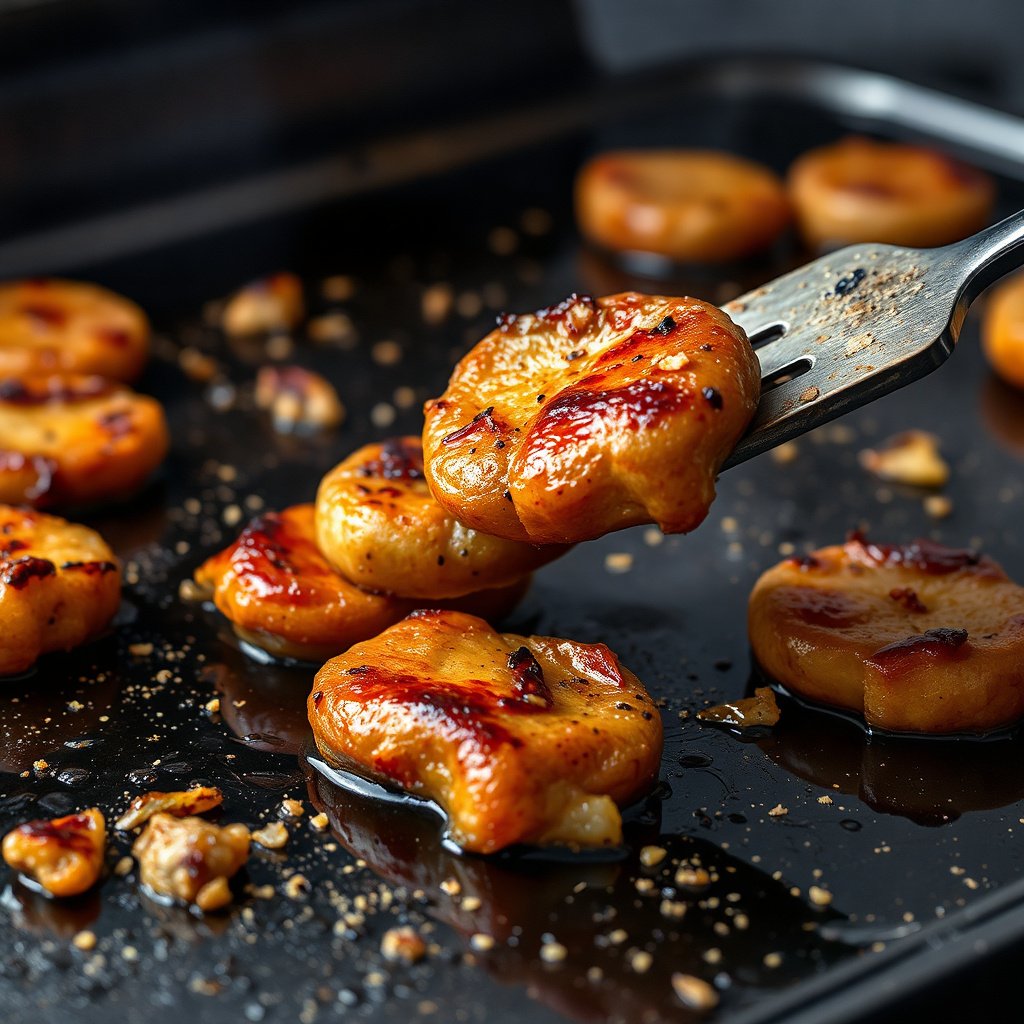
After cooking, allow the griddle to cool slightly, then scrape off food residue using a metal spatula or scraper. Avoid harsh detergents that can remove the seasoning. Instead, clean with warm water and a soft scrub pad if necessary.
Dry the griddle thoroughly after washing to prevent rust. You may also rub a thin layer of oil onto the surface to protect the seasoning between uses.
For more on this, see our related guide: Your Guide to Electric Range With Griddle: Choosing With Confidence.
When to Re-Season Your Griddle
Signs that your griddle needs reseasoning include dullness, rust spots, or food sticking more than usual. Light rust can often be scrubbed off and re-seasoned by repeating the initial process.
Frequent maintenance seasoning, like applying a thin oil coat after each use, prolongs the base seasoning and reduces the need for heavy reseasoning. However, a full reseasoning cycle may be needed every few months depending on usage.
- Look for rust, dullness, and sticking as indicators
- Apply maintenance oil coating regularly
- Perform full reseasoning every few months
Common Mistakes When Seasoning a Griddle
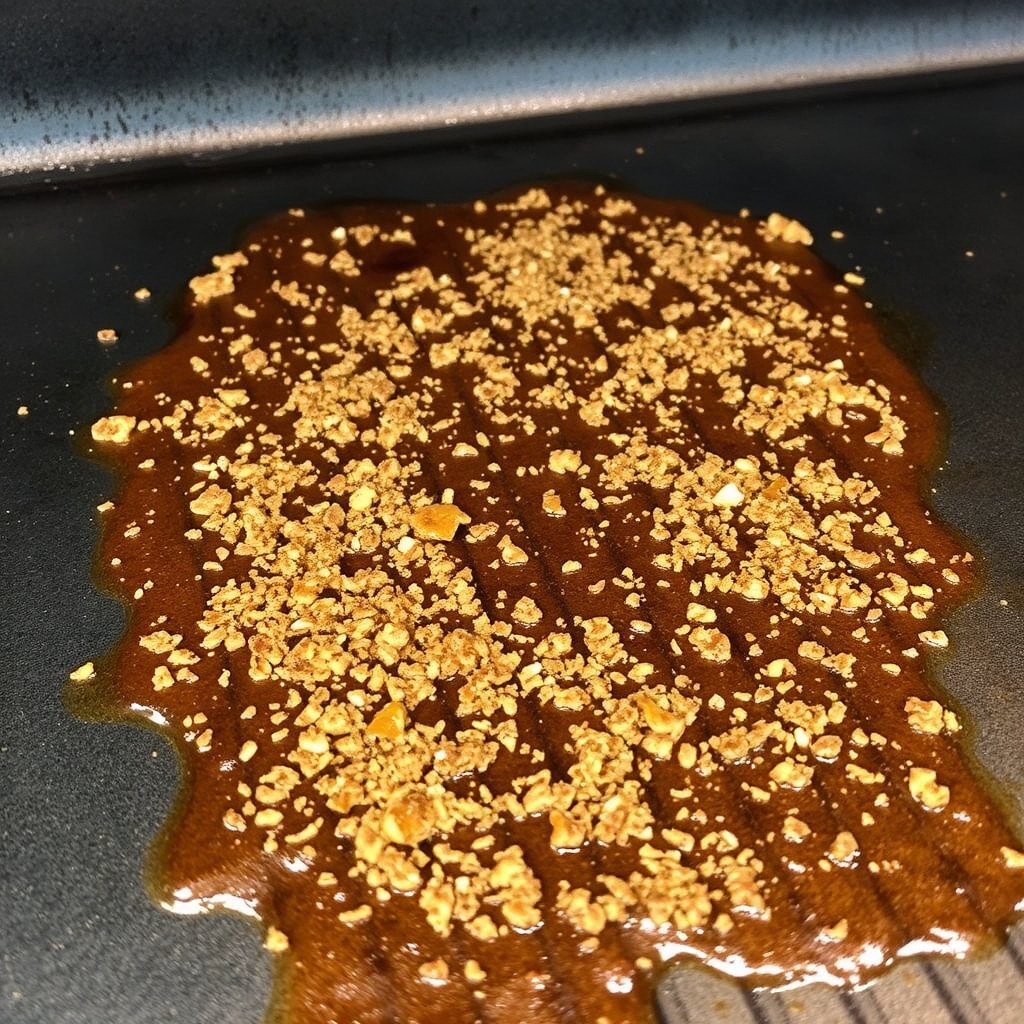
Using Too Much Oil
One of the most frequent errors is applying oil too thickly. Excess oil pools do not bond properly and result in sticky, gummy patches that ruin the smooth surface.
Always wipe back any excess so only a thin sheen remains. Multiple thin coats applied over time create a stronger seasoning than a single thick coat.
- Avoid pooling or dripping oil
- Apply thin coats with cloth or paper towel
Using Low Smoke Point Oils
Low smoke point oils like butter or olive oil burn too quickly during seasoning, causing sticky residues rather than hard polymerized layers.
Choose oils with high smoke points instead, like canola or flaxseed oil, which cure evenly and form a durable surface.
- Avoid butter, olive oil, or unrefined oils
- Prefer refined oils with smoke points above 400°F
Seasoning Variations for Different Griddle Materials
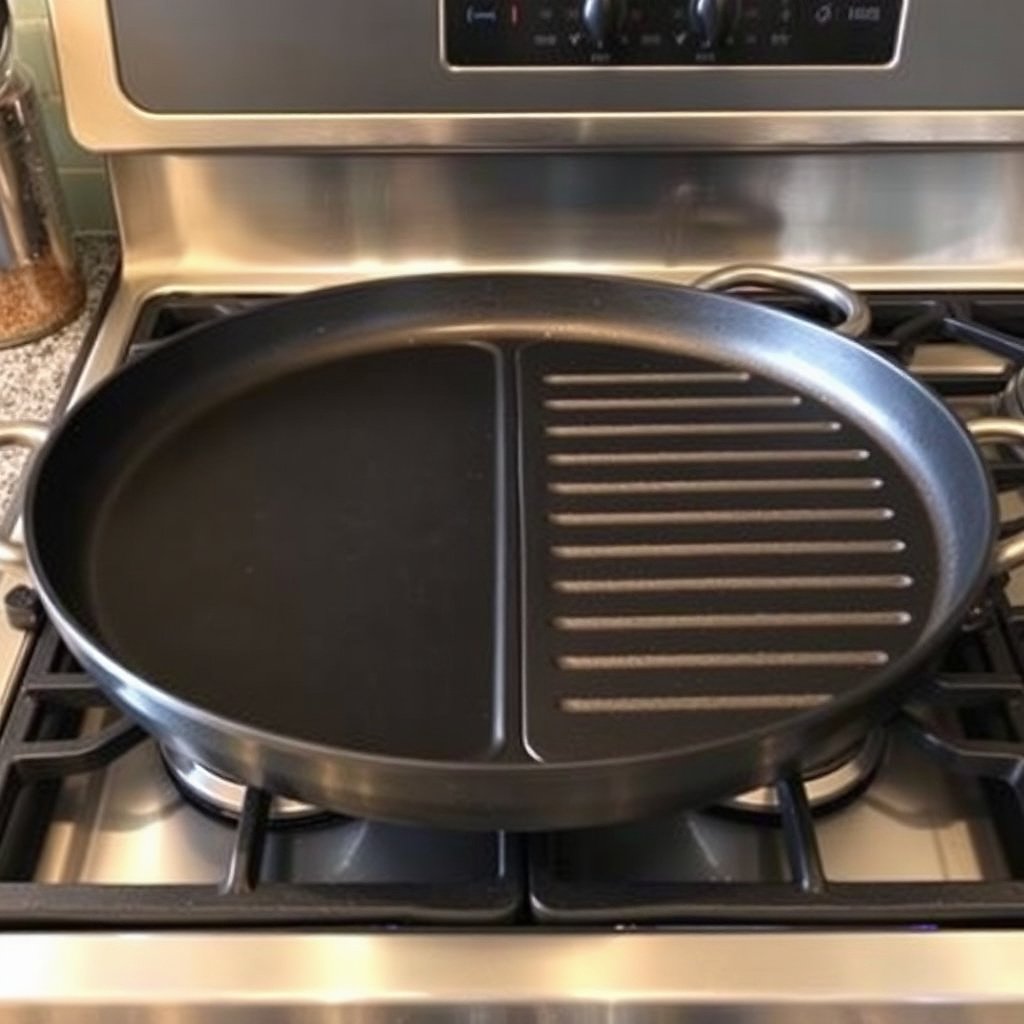
Cast Iron Griddles
Cast iron griddles benefit the most from seasoning because their porous surface absorbs oil and builds protective layers that prevent rust and create non-stick performance.
Due to cast iron’s superior heat retention, seasoning should be done gradually with multiple thin oil layers, focusing on even coverage.
- Highly porous surface absorbs oil
- Multiple seasoning cycles recommended
For more on this, see our related guide: Your Guide to Electric Stove With Griddle: Choosing With Confidence.
Stainless Steel and Other Metals
Stainless steel griddles don’t absorb oil like cast iron, so seasoning primarily creates a surface polymer coating rather than penetrating layers. These metals need careful oil application and consistent heating for proper seasoning.
Carbon steel griddles behave similar to cast iron but require a bit more frequent seasoning to maintain their non-stick surface due to higher reactivity.
- Polymerized surface layer rather than deep oil penetration
- More frequent seasoning may be necessary
Choosing the Best Oil for Griddle Seasoning
Properties of Effective Seasoning Oils
Effective seasoning oils should have high smoke points, ability to polymerize, and be food safe. Linseed (flaxseed) oil has drying properties that help form a hard, durable layer. Neutral oils like canola provide an affordable option with good heat tolerance.
Choosing the right oil impacts how quickly and well your seasoning develops as well as its longevity between maintenance.
- Smoke point above 400°F
- Polymerizes to form a solid layer
- Food safety for cooking surfaces
For a technical overview of the seasoning process, you can consult the Wikipedia article on seasoning cast iron. Wikipedia article on seasoning cast iron.
Comparing Popular Oils for Seasoning
Flaxseed oil forms a strong bond but can flake if applied too thickly. Canola and vegetable oils are user-friendly, stable options suitable for beginners. Grapeseed oil offers a high smoke point and mild flavor but is more costly.
Avoid cooking oils like olive oil that burn quickly and create sticky or uneven seasoning layers.
- Flaxseed: strong but delicate layer
- Canola: good balance of cost and performance
- Grapeseed: high smoke point, premium choice
Griddle Seasoning Oil Category Comparison
Here’s a comparison of common oils used for griddle seasoning based on smoke point, polymerization quality, and cost.
| Oil Type | Smoke Point (°F) | Polymerization Strength | Cost per Ounce | Best Use |
|---|---|---|---|---|
| Flaxseed Oil | 430 | High | $0.50 | Durable seasoning, advanced users |
| Canola Oil | 400 | Medium | $0.10 | Affordable daily seasoning |
| Vegetable Oil | 400 | Medium | $0.08 | General use, beginner-friendly |
| Grapeseed Oil | 420 | Medium-High | $0.45 | High smoke point, mild flavor |
| Olive Oil | 375 | Low | $0.30 | Not recommended for seasoning |
Frequently Asked Questions
How many times should I season my griddle initially?
For best results, season your griddle 3 to 4 times in succession during initial setup. Each time, apply a thin oil layer and heat until smoking to build a strong, even seasoning layer.
Can I use vegetable oil instead of flaxseed oil?
Yes, vegetable oil is a suitable alternative for seasoning your griddle. It has a high smoke point and is affordable, though the seasoning may not be as durable as flaxseed oil’s.
Should I season a stainless steel griddle the same way as cast iron?
Stainless steel griddles require seasoning to create a polymerized coating, but their metal is less porous. Apply oil thinly with repeated heating, but seasoning won’t penetrate like with cast iron.
How often do I need to re-season my griddle?
Light maintenance seasoning after each use can preserve the surface, but a full re-seasoning is recommended every few months or whenever food starts sticking or rust appears.
What happens if I use too much oil when seasoning?
Using too much oil causes thick sticky layers that don’t properly polymerize, resulting in uneven coating and a gummy surface that’s hard to cook on.
Key Takeaways
- Thin, even oil coatings and heating to smoke point build effective seasoning.
- Use high smoke point oils like flaxseed or canola for best results.
- Regular maintenance seasoning protects your griddle and prevents rust.
- Avoid excess oil and low smoke point oils to prevent sticky buildup.
Conclusion
Learning how to season a griddle properly shapes your cooking experience by creating a reliable, non-stick surface that enhances flavors and lifespan. Focus on thorough cleaning, selecting the right high-smoke-point oil, and repeating thin oil applications with heating cycles to achieve a durable seasoning. This protective layer not only prevents food from sticking but also shields the metal against moisture and rust, ensuring your griddle remains a kitchen staple for years.
For cast iron or carbon steel griddles, multiple seasoning cycles with flaxseed oil are ideal for deep polymerization and durability. Beginners inclined toward ease and cost-effectiveness might prefer canola or vegetable oil, which work well for regular upkeep and initial seasoning. Stainless steel griddles benefit from lighter seasoning cycles, mainly creating surface polymer films rather than deep layers. Recognizing the best oil option and seasoning frequency based on your griddle’s material and usage will provide consistent cooking performance with minimal effort.
Starting with a clean griddle and quality oil, apply thin coats followed by adequate heating to smoke point, then cool gradually. Maintain seasoning by cleaning gently and applying light oil layers after each use. When signs of rust or sticking arise, re-season completely to restore optimal performance. In time, seasoning your griddle will become a straightforward routine, transforming your cooking results and protecting your investment.