How to Cook with Beer: Enhancing Flavor in Your Recipes
Cooking with beer unlocks a world of flavor possibilities, adding depth, richness, and subtle bitterness that can enhance both savory and sweet dishes. Using beer as an ingredient can tenderize meats, deglaze pans, and infuse stews and sauces with unique aromas. The key is understanding the type of beer to use and the cooking method best suited for it.
Incorporating beer in your cooking matters because its natural carbonation, maltiness, and hops contribute layers of taste that water or broth alone can't provide. Whether you're braising ribs, baking bread, or creating a beer-based marinade, choosing the right beer and timing its addition can transform simple recipes into memorable meals.
This article covers the basics of cooking with beer, including selecting appropriate beers, methods for incorporating beer in your dishes, recipe ideas across different cuisine types, and safety tips when cooking with alcohol. By the end, you’ll be ready to experiment confidently with beer in your kitchen.
Choosing the Right Beer for Cooking

Understanding Beer Styles and Flavors
Beers range from light lagers to robust stouts, each imparting different flavors to your dish. Light beers like pilsners offer subtle malt sweetness and mild bitterness, suitable for delicate dishes. Darker beers, such as porters or stouts, provide rich, roasted notes ideal for heartier recipes.
Knowing beer styles helps you match the beer to your dish’s flavor profile. For example, fruity Belgian ales complement spicy dishes, while hoppy IPAs add bitterness that can cut through rich, fatty foods. Avoid overly bitter or sour beers for dishes where you want mellow flavors.
- Lagers: light, crisp, and mild
- Ales: varying maltiness with moderate bitterness
- Stouts/Porters: deep roasted, coffee-like notes
- Sour beers: tart and acidic, use cautiously
Selecting the Best Beers for Cooking
When selecting beers, choose those you enjoy drinking because their flavors will concentrate during cooking. Budget beers with harsh tastes can impart undesirable notes. Mid-range craft beers are often a safe bet.
For general cooking, pick versatile beers like amber ales or brown ales. Strong beers work well in braises and stews, while lighter beers suit marinades and batters. Some recipes call for specific styles, such as pilsners in beer batter or stouts in chili.
- Use fresh, quality beer
- Avoid heavily flavored craft beers with intense experimental hops
- Match beer strength to recipe cooking time
- Prefer complementary flavors over contrasting
Techniques for Cooking with Beer

Beer as a Marinade and Tenderizer
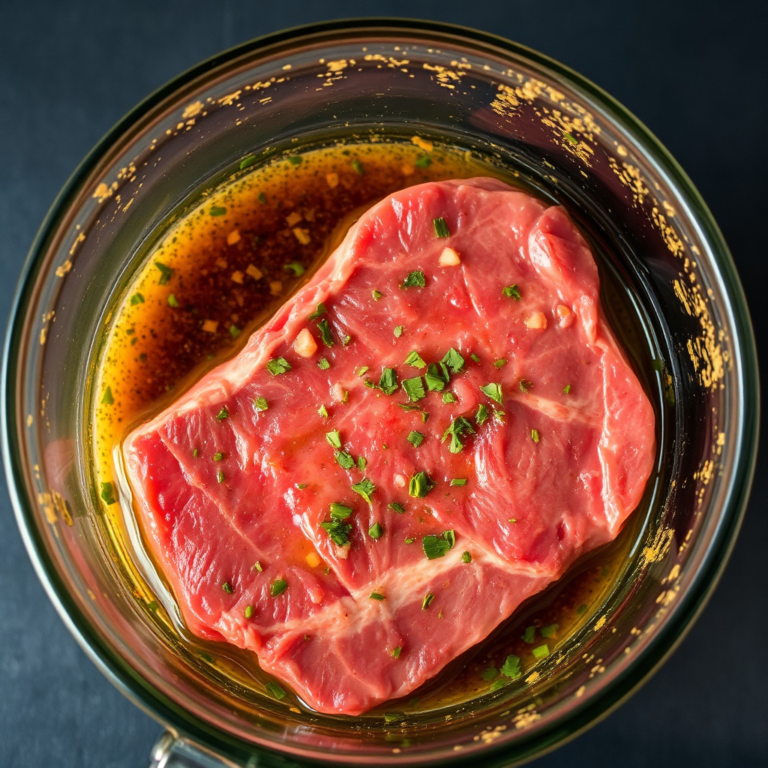
Beer’s acidity and carbonation make it an excellent marinade base, helping to tenderize meats by breaking down proteins. Combine beer with herbs, spices, and acidic components like vinegar or citrus for balanced marinades that enhance flavor and texture.
Marinate meats for at least 2-4 hours up to overnight, depending on the cut. Dark, malty beers offer depth for beef or pork, while lighter beers work well with chicken and fish. Avoid over-marinating as it may overly soften the meat.
- Use beer plus salt and aromatics
- Marinate in the refrigerator
- Discard marinades after use to avoid contamination
- Pat meat dry before cooking for better sear
Cooking Methods That Use Beer
Beer can be added during cooking to braise, simmer, or steam foods, infusing flavors gradually. Beer batters use the carbonation to create light, crispy coatings for fried foods. Deglazing pans with beer lifts browned bits for flavor-packed sauces and gravies.
When cooking with beer, add it early to allow alcohol to evaporate, leaving behind flavor. Short cooking times keep more beer character intact, while long slow cooking softens beer flavors and tenderizes tough cuts.
- Braising meats in beer-based liquid
- Simmering soups and stews with beer
- Using beer in batters for frying
- Deglazing skillets to make sauces
Popular Dishes Made with Beer

Classic Beer-Based Recipes
Beer-braised ribs are a beloved dish that uses dark beer to tenderize pork ribs and add complexity. The beer's maltiness balances smoky and savory elements, making the ribs juicy and flavorful.
Beer batter fried fish is another classic, where light lager or pilsner beer aerates the batter, creating a crisp exterior while maintaining moist fish inside. Beer bread, combining beer with basic baking ingredients, produces a soft, slightly sweet loaf perfect for sandwiches or sides.
- Beer-braised ribs
- Beer batter fried fish
- Beer bread
- Beer cheese soup
For more on this, see our related guide: What Is Fried Calamari? A Complete Guide with Cooking Tips & Recipes.
International Recipes Featuring Beer
In German cuisine, beer is used in dishes like Weisswurst and beer-braised sauerbraten. Irish stew often includes stout beer for depth. Mexican beer can complement spicy dishes such as fish tacos or enchiladas with beer-based sauces.
Japanese cuisine occasionally uses beer in tempura batters for a lighter texture. These diverse uses show beer’s versatility across cultural dishes, each pairing different beer styles with regional flavors.
- German sauerbraten with beer
- Irish beef and stout stew
- Mexican beer-battered fish tacos
- Japanese tempura with beer batter
Common Mistakes When Cooking with Beer
Using the Wrong Beer Style
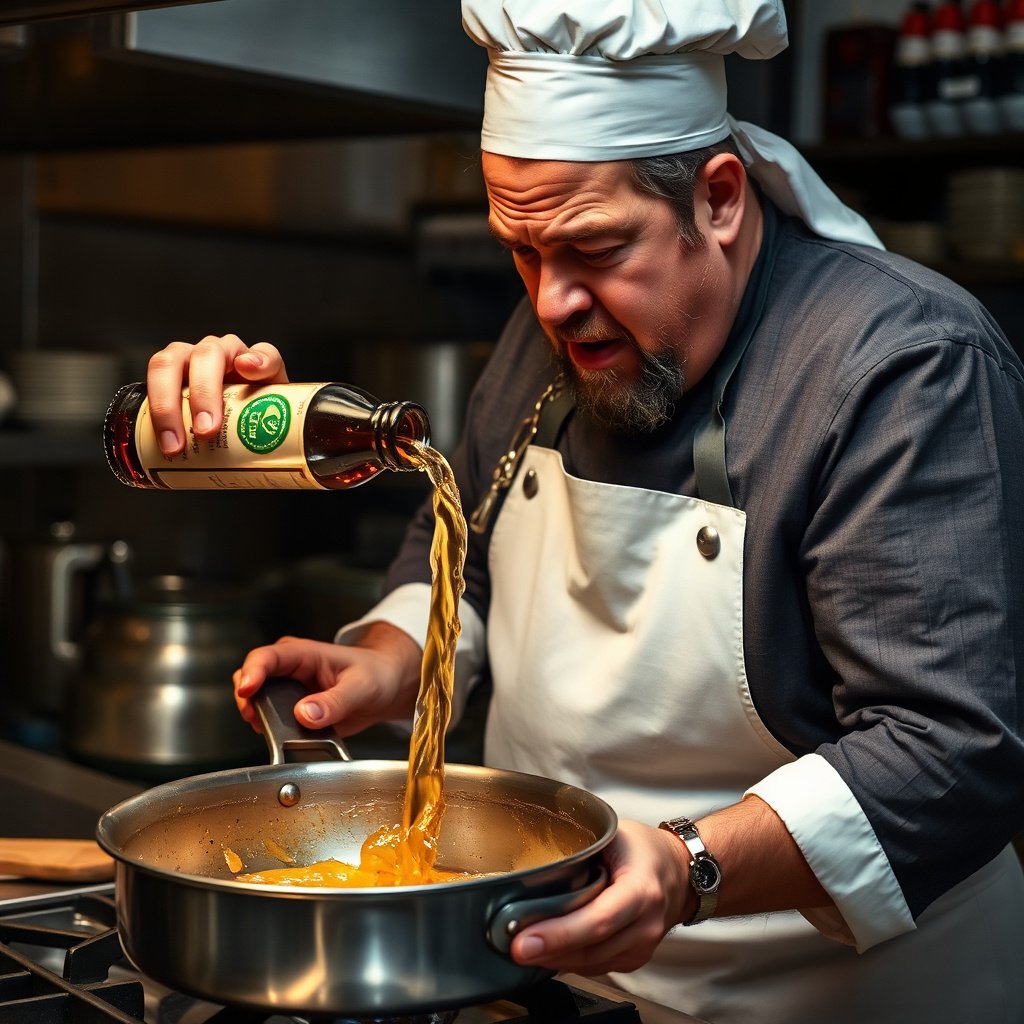
One frequent error is using overly bitter or sour beers that overpower the dish or clash with other flavors. Strong IPAs with intense hops can create bitterness that’s unpleasant when cooked down.
It’s better to taste the beer first and think about how its flavor complements the ingredients. Light, mild beers are generally more forgiving, while richer beers should be reserved for hearty dishes.
Adding Beer at Inappropriate Times
Adding beer at the wrong stage can affect flavor and texture. For instance, adding it too late in simmering retains alcohol’s sharpness; too early may lose beer’s character entirely.
Best practice usually involves adding beer earlier in the cooking to allow alcohol to cook off while flavors meld, unless a raw beer flavor is purposely desired in marinades or batters.
Safety and Storage Tips for Cooking with Beer

Storing Beer for Culinary Use
Store beer in a cool, dark place away from heat and sunlight to maintain freshness, especially if you plan to use it for cooking over several days. Avoid using skunky or flat beer as it will negatively affect dish flavor.
Opened beer should be refrigerated and used within a day or two for best taste. If using leftover beer from the fridge for cooking, always check for off odors or sourness before adding it to dishes.
For more on this, see our related guide: What Is the Best Beer for Steak: A Complete Pairing Guide That Works.
Handling Alcohol Content While Cooking
Alcohol from beer evaporates during cooking but the rate depends heavily on time and temperature. Long cooking reduces alcohol content substantially, while short cooking may leave residual alcohol.
For dishes intended for children or sensitive individuals, simmer beer-based recipes longer or substitute non-alcoholic beer to maintain flavor without alcohol.
Pairing Beer-Flavored Dishes with Beverages

Matching Dish and Beer Flavor Profiles
To enhance your meal, pair beer-flavored dishes with beers that complement or contrast without overpowering. Rich, malty dishes pair well with caramel-forward beers, while lighter dishes balance nicely with crisp, citrusy brews.
Consider the dominant flavors in the dish and select beers either echoing those notes or providing brightness to cleanse the palate between bites.
- Light dishes with pale ales or wheat beers
- Hearty dishes with stouts or brown ales
- Spicy dishes with fruity Belgian ales
- Sweet desserts with dessert beers
For additional insights on cooking with beer, the Wikipedia article offers detailed history and technical explanations. Cooking with Beer on Wikipedia.
Non-Beer Beverage Alternatives
If you or guests prefer not to drink beer, you can serve sparkling water, cider, or certain wines that complement the flavors introduced by beer in cooking. These alternatives offer refreshing contrast or subtle sweetness aligned with the dish.
Non-alcoholic beers are also an option to pair with beer-flavored meals, providing similar taste elements without additional alcohol content.
Cooking with Beer: Beer Styles Comparison
This table compares popular beer styles, their common flavor notes, and ideal cooking uses to help you select the right beer for your recipe.
| Beer Style | Flavor Profile | Best Cooking Uses | Alcohol Content |
|---|---|---|---|
| Lager | Mild, crisp, slightly sweet | Batters, marinades, light dishes | 4-5% |
| Amber Ale | Mild malt sweetness, balanced hops | Stews, braises, general-purpose | 5-6.5% |
| Stout | Roasted, coffee, chocolate notes | Hearty braises, sauces, desserts | 5-7% |
| IPA | Hoppy, bitter, citrusy | Use sparingly in strong-flavored dishes | 5.5-7.5% |
| Belgian Ale | Fruity, spicy, complex | Spicy dishes, marinades | 6-9% |
Frequently Asked Questions
Does cooking with beer make the dish taste like alcohol?
Cooking with beer usually reduces the alcohol content, especially with longer cooking times, leaving behind the flavors without strong alcohol taste.
Can I use any beer for cooking?
It's best to use beers you enjoy drinking, avoiding overly bitter or sour beers, as their strong flavors can overwhelm the dish.
How long should I marinate meat in beer?
Marinate for 2 to 4 hours for tender cuts and up to overnight for tougher meats to get optimal flavor and tenderization.
Is non-alcoholic beer good for cooking?
Non-alcoholic beer works well to add beer flavor without alcohol, suitable for dishes when alcohol needs to be avoided.
Does beer make fried batter crispier?
Yes, the carbonation in beer lightens the batter, creating a crispier texture compared to batter mixed with water.
Key Takeaways
- Choose beer styles that complement your dish's flavors.
- Use beer early in cooking to mellow flavors and reduce alcohol.
- Beer marinades tenderize meat while adding depth.
- Pair beer-flavored dishes with complementary beverages.
Conclusion
Cooking with beer is an accessible way to bring richer flavors and new textures to your meals. The main decision is matching beer type to your recipe, balancing maltiness, bitterness, and alcohol content to enhance rather than overpower. Understanding beer’s role in tenderizing, flavoring, and texturizing puts you in control of the final dish.
For lighter dishes, use lagers or pilsners to maintain subtle flavors, while amber ales and stouts suit heartier meals like stews and braised ribs. Beer batter fried foods benefit from crisp carbonation of pale ales or lagers. Beginners can experiment with versatile beers such as amber ale before exploring more complex styles like Belgian ales or IPAs.
Start by trying simple recipes like beer bread or beer-braised chicken to appreciate how beer influences cooking. Gradually add your own twists by selecting beers matching your palate and dish style. With practice, cooking with beer becomes a valued culinary skill, contributing flavor complexity and moisture to many dishes.