Understanding Induction Stove Electrical Requirements for Safe Installation
Induction stoves require specific electrical requirements to operate safely and efficiently. Typically, a single or double induction stove will demand a dedicated circuit rated between 30 to 50 amps, and the voltage requirement is usually 240 volts. Proper wiring and circuit breakers matching these specifications are critical to avoid hazards and ensure consistent performance.
Knowing these electrical needs is key for installing your induction stove correctly and preventing potential damage to the appliance, electrical system, or home. Induction cooktops use electromagnetic fields for rapid heating, but this technology also means higher power demands compared to traditional electric or gas ranges.
This article will cover the detailed electrical specifications induction stoves require, installation guidelines, differences among various models, safety tips, and common questions. Whether you're remodeling your kitchen or installing a new cooktop, understanding the electrical setup ensures your stove performs well and remains reliable.
Electrical Voltage and Amperage Specifications for Induction Stoves

Required Voltage for Induction Cooktops
Most home induction stoves operate on a 240-volt circuit, which is the standard for high-power kitchen appliances. This voltage allows the cooktop to generate the strong electromagnetic fields needed for quick heating.
Some smaller or portable induction models may function on 120 volts, but these typically have lower power output and are less common in built-in kitchen units.
Amperage Needs Based on Stove Size
The amperage rating depends on the cooktop's size and power. Common residential induction stoves usually require between 30 and 50 amps. For instance, a 30-inch model might demand 30 amps, while a 36-inch or larger unit could require 40 or 50 amps.
Circuit breakers should match these amperage levels exactly to avoid tripping or electrical overheating.
Circuit and Wiring Requirements for Induction Stove Installation

Dedicated Circuit Breaker for Safety
Induction stoves must have a dedicated circuit breaker separate from other kitchen appliances. Sharing a circuit can cause overloads, tripped breakers, or damage to the cooktop.
This dedicated breaker typically matches the stove's amperage rating, generally between 30 and 50 amps, offering optimal protection and performance.
Appropriate Wiring Gauge and Materials
The electrical wiring must support the current loads safely. Usually, 8-gauge wire is used for 40-50 amp circuits, while 10-gauge wires serve 30-amp circuits. Copper wiring is preferred for better conductivity and long-term reliability.
Proper grounding is essential to prevent electrical shocks and ensure code compliance.
Safety Considerations and Code Compliance for Induction Stoves
Local Electrical Codes and Permits
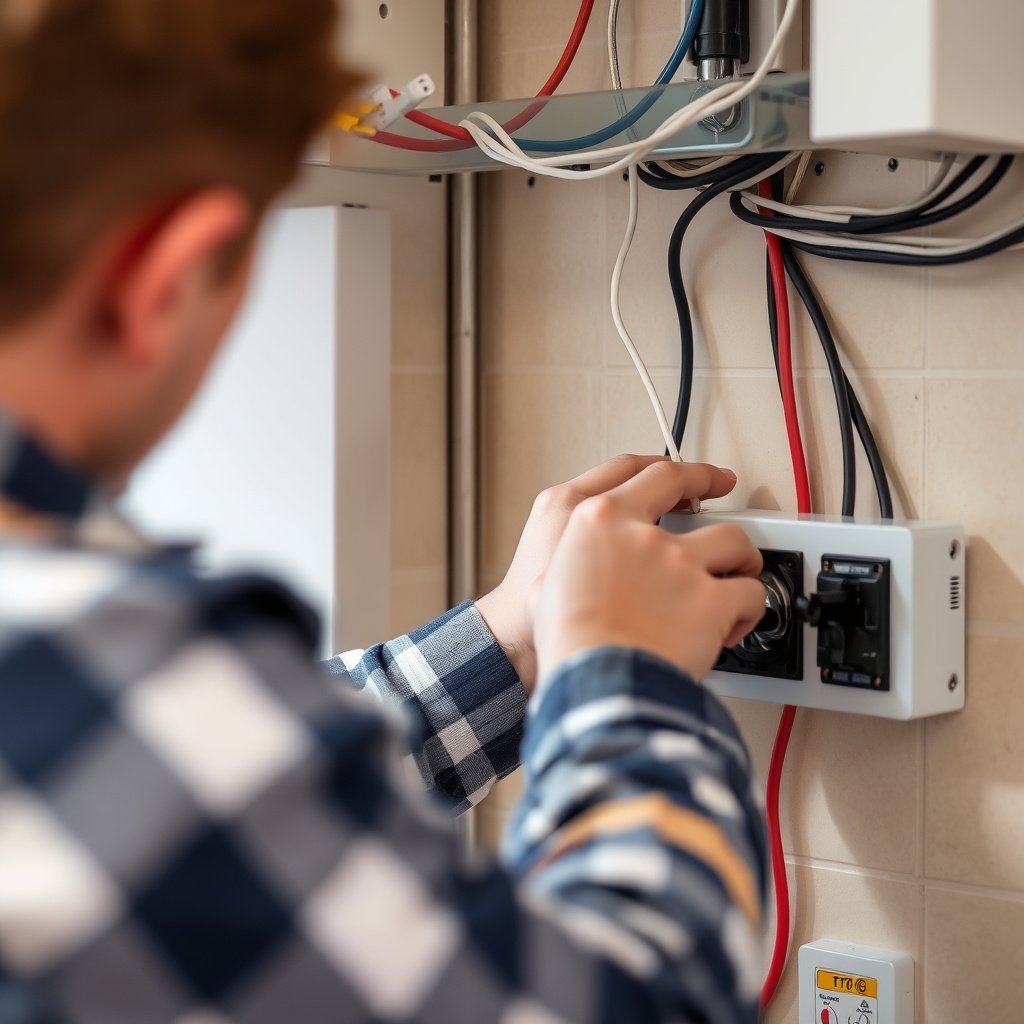
Before installation, check local electrical codes and permit requirements. Many jurisdictions require licensed electricians to perform or inspect the wiring for induction stoves to meet safety standards.
Ensuring compliance avoids legal issues and reduces risks connected with incorrect wiring or undersized breakers.
Ground Fault Circuit Interrupters (GFCI) and Induction Stoves
Unlike some kitchen outlets, most induction stoves do not require GFCI protection per the National Electrical Code (NEC). However, this depends on local regulations, and some inspectors may recommend it for added safety.
Consulting a professional electrician clarifies whether GFCI devices are necessary in your installation.
Differences Between Built-In and Portable Induction Cooktops’ Electrical Needs
Built-In Induction Cooktop Requirements
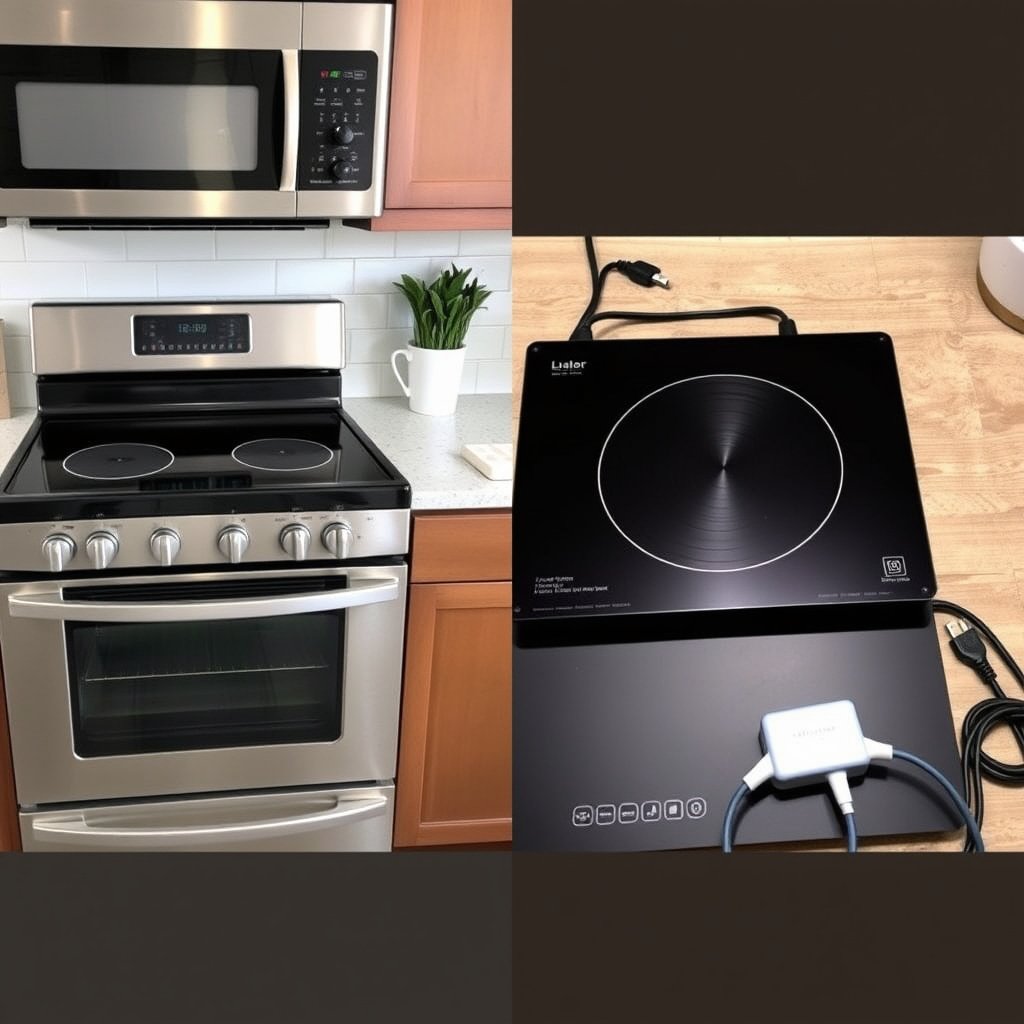
Built-in induction stoves typically require permanent hardwiring to a dedicated high-amperage circuit. These units have higher power ratings and generally need 240 volts with appropriate breakers and wiring in place.
Installation often includes professional electrical work to integrate the cooktop safely within kitchen cabinetry.
Portable Induction Cooktop Electrical Setup
Portable cooktops are more flexible in power needs and usually run on standard 120-volt outlets. They often come with power cords compatible with standard kitchen receptacles, making them easier to plug in without rewiring.
However, their power output is limited compared to built-in models, affecting cooking speed and burner size.
Common Installation Pitfalls and How to Avoid Them
Incorrect Circuit Sizing
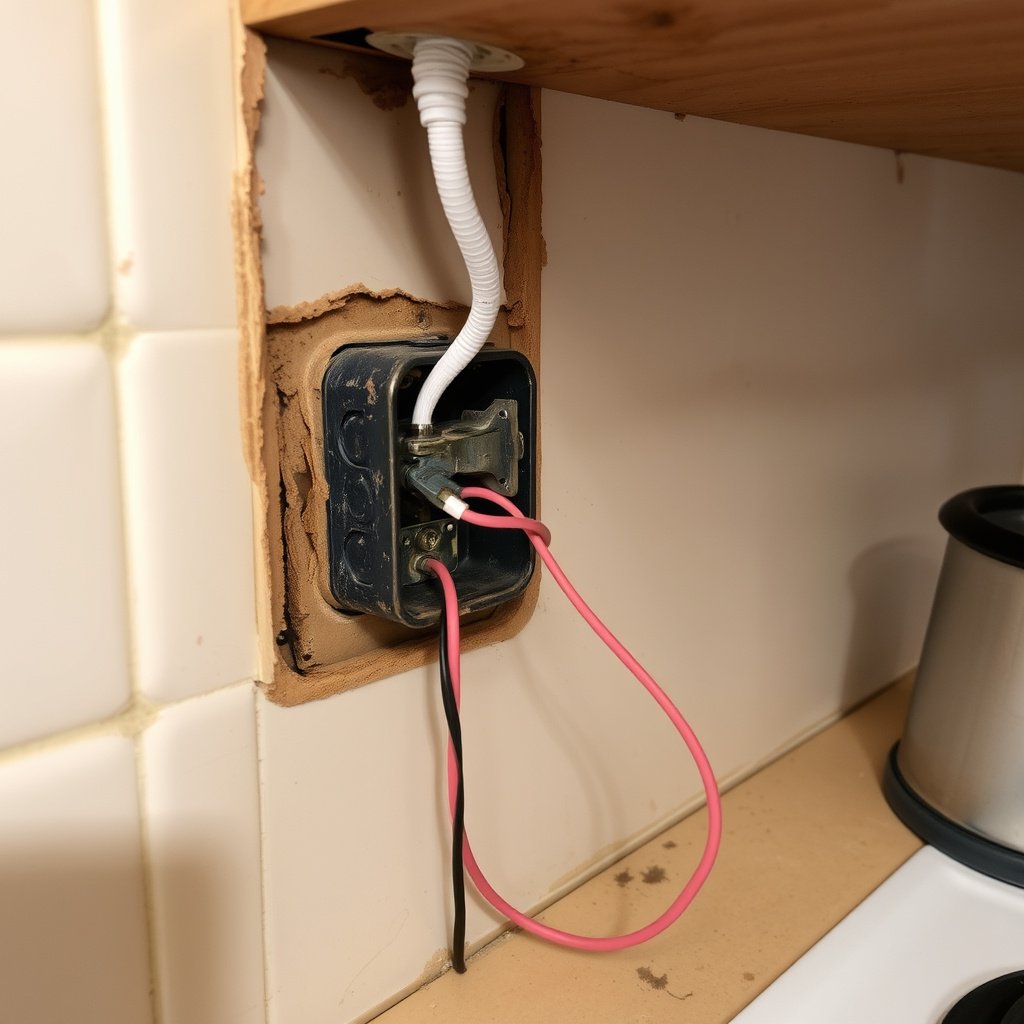
Using a circuit breaker or wiring that doesn’t match the cooktop’s amperage rating can cause frequent breaker trips or electrical fires. Undersized wiring may overheat under load, leading to potential damage.
Always confirm the appliance’s specifications and match the wiring and breaker accordingly.
Improper Grounding and Wiring Connections
Skipping or improperly completing grounding can create shock hazards, especially in kitchens where moisture is common. Loose or incorrect wiring might cause intermittent power or damage the induction stove’s electronics.
Hiring a qualified electrician ensures all connections meet safety standards.
Expert Tips for Efficient and Safe Induction Cooktop Installation
Verifying Power Supply Compatibility Before Purchase
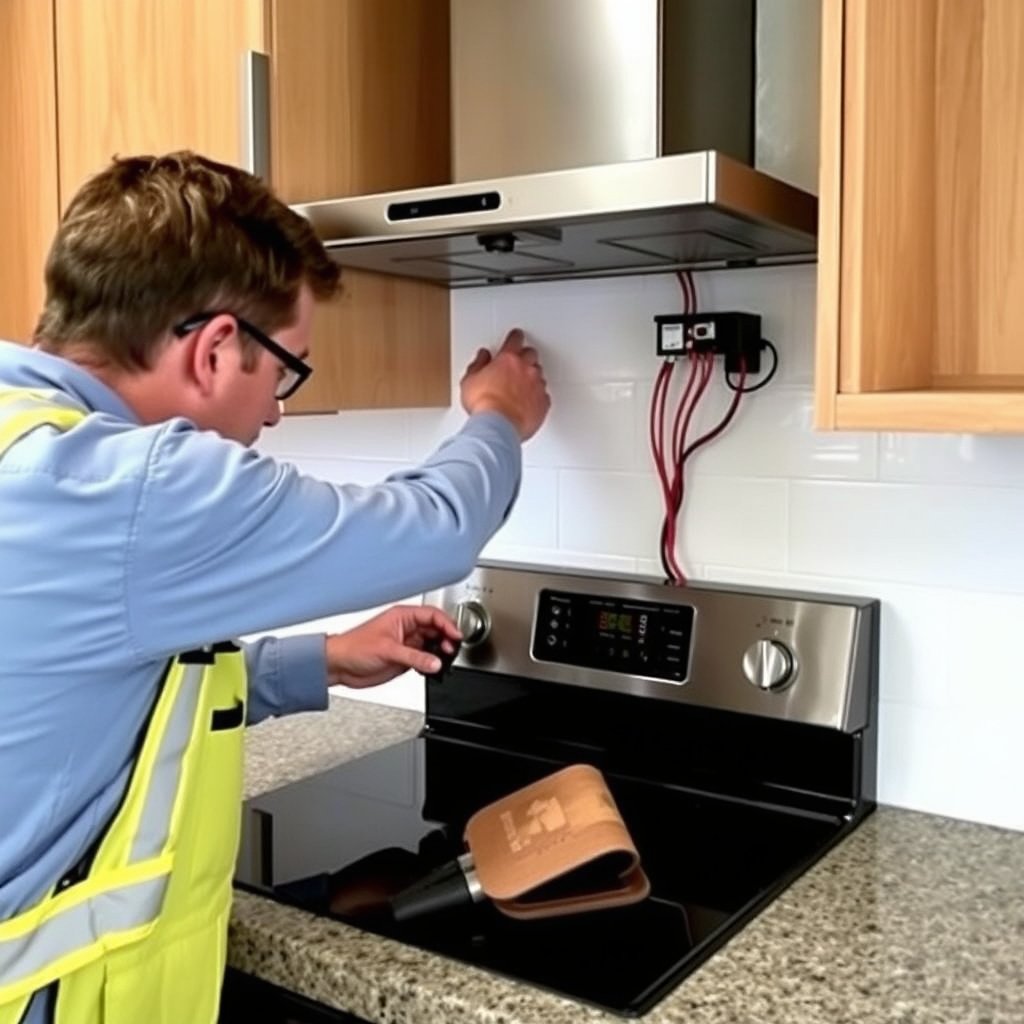
Check your home’s existing electrical panel for available capacity and correct voltage before buying an induction stove. This prevents unexpected installation challenges and extra costs.
If upgrades are needed, scheduling electrical work in advance avoids delays.
For more technical details on how induction cooking works and its electrical demands, see the induction cooking electrical requirements on Wikipedia. Induction cooking electrical requirements on Wikipedia.
Regular Maintenance and Inspections
Periodic inspection of wiring, breakers, and connections helps detect wear or issues early. Ensuring the electrical system remains sound extends the life of your induction stove and keeps cooking safe.
Visual checks for discoloration, loose wires, or tripped breakers can uncover problems.
Induction Stove Electrical Requirements Category Comparison
Here's a comparison of common induction stove categories outlining their electrical specifications to help you match your home setup.
| Category | Voltage | Amperage Requirement | Recommended Circuit Breaker | Wiring Gauge |
|---|---|---|---|---|
| Portable Induction Cooktop | 120 V | 15-20 A | 15 A | 14-12 AWG |
| 30-inch Built-In Induction Stove | 240 V | 30 A | 30 A | 10 AWG |
| 36-inch Built-In Induction Stove | 240 V | 40 A | 40 A | 8 AWG |
| 48-inch Professional Induction Range | 240 V | 50 A | 50 A | 6 AWG |
Frequently Asked Questions
Can I use my existing electrical circuit for an induction stove?
Most existing circuits are not suitable since induction stoves require dedicated circuits with specific amperage ratings. Using the wrong circuit risks electrical hazards and inconsistent operation.
Why is a dedicated circuit necessary for an induction cooktop?
Dedicated circuits ensure the stove receives consistent power without interference from other devices, reducing the risk of breaker trips and electrical fires.
Do portable induction cooktops require special wiring?
Portable units usually operate on standard 120-volt outlets and don’t need special wiring, but their power output is limited compared to built-in models.
Is it safe to install an induction stove without a professional electrician?
Electric stoves involve high voltage and amperage; professional installation is strongly recommended to ensure safety and code compliance.
How often should I have my induction cooktop’s wiring inspected?
Annual inspections or whenever you notice issues like tripped breakers or flickering burners can help maintain safe and efficient operation.
Key Takeaways
- Induction stoves generally require 240-volt dedicated circuits rated 30-50 amps depending on size.
- Correct wiring gauge and proper grounding are essential for safety and performance.
- Built-in and portable induction cooktops differ significantly in electrical needs and installation complexity.
- Professional installation and adherence to local electrical codes prevent hazards and equipment damage.
Conclusion
Understanding the induction stove electrical requirements is fundamental for anyone preparing to install or upgrade their kitchen cooktop. The power demands of these advanced appliances necessitate careful matching of the electrical circuit’s voltage, amperage, and wiring to the stove’s specifications. This planning prevents electrical faults that could lead to equipment malfunction or safety hazards. Evaluating your home’s electrical panel capacity and circuit options aids in selecting the appropriate induction stove model and ensures you can provide a reliable power source that meets safety codes.
Specific recommendations depend on your cooking needs and existing infrastructure. For compact setups or portable use, models designed for 120 volts with standard 15-amp outlets suffice but deliver less power. Larger built-in induction stoves, usually around 30 to 40 amps and requiring 240 volts, offer high-performance cooking but demand dedicated circuits and appropriately gauged wiring. Professional advice is invaluable for choosing the right model and conducting any necessary electrical upgrades. This approach supports smooth installation, maximizes cooking efficiency, and aligns with electrical safety practices.
Before purchasing an induction stove, confirm your home can support its electrical needs or prepare for panel upgrades with an electrician. Prioritize hiring licensed professionals for wiring work and inspections to ensure installations meet code and protect home occupants. With the correct setup, your induction cooktop will provide fast, efficient heating and a modern cooking experience without electrical compromise. Taking these steps safeguards your investment and makes your kitchen a safer, more enjoyable space.