Why Is My Oven Not Heating Up? The Complete Answer
Are you frustrated because your oven isn’t heating up when you need it most? You’re not alone—many people struggle with this common kitchen issue, and it can be pretty stressful when your favorite recipes are on hold.
Understanding why your oven isn’t working can help you figure out whether it’s a quick fix or time to call in a pro.
If your oven isn’t heating up, it’s likely due to a faulty heating element, a broken thermostat, or an electrical issue like a blown fuse or wiring problem. These parts regulate and supply heat, so if any fail, cooking won’t be consistent or happen at all.
Sometimes, the control board can also cause heating failures.
Understanding these causes can help you spot the issue faster and decide whether to fix or replace your oven—keep exploring to uncover the full picture.
Key Takeaways
- A faulty heating element often causes ovens not to heat. You might notice visible damage or see that it doesn’t glow red during use.
- A broken thermostat can give inaccurate temperature readings, leading to slow heating or the oven shutting off too early.
- Electrical problems like blown fuses, tripped breakers, or a malfunctioning control board can cut off power and disrupt the heating cycle.
- If your food cooks unevenly or takes longer than usual, it’s a sign that the oven’s heating system might not be working properly.
- Always unplug the oven before inspecting it, and don’t hesitate to call in a professional for electrical or more complex repairs.
Common Signs Your Oven Isn’t Heating
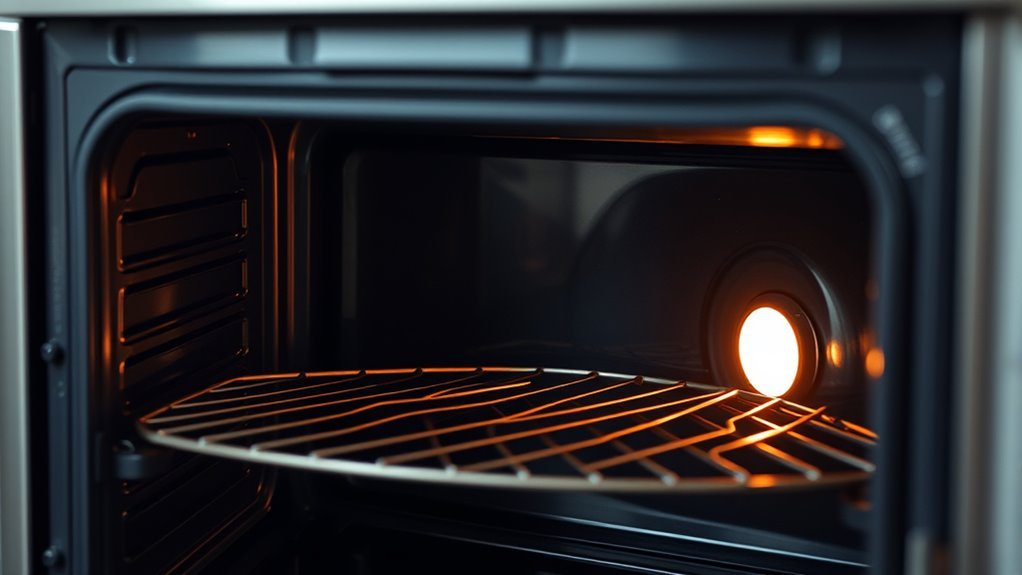
Although you might not notice it right away, there are clear signs your oven isn’t heating properly. One common indicator is temperature fluctuations during cooking. You might set the temperature, but your dishes come out unevenly cooked or underdone. This inconsistency often means the oven isn’t maintaining a steady heat.
Another warning sign is unusual oven smells. If you detect odd or burning odors when the oven is on, it could signal electrical issues or failing components inside. These smells shouldn’t be ignored, as they may indicate safety risks.
You might also notice longer cooking times or food that remains cold despite the oven being on. Paying attention to these signs helps you catch problems early before they worsen. If you experience any of these symptoms, it’s a strong cue that your oven isn’t heating as it should and needs inspection or repair.
How Oven Heating Works Normally
Understanding how your oven heats up can help you figure out when something’s not working right. Your oven relies on a few key parts working together during the heating cycle.
When you turn your oven on, the thermostat tells the heating element to produce heat. This element warms the air inside the oven to the temperature you set.
The thermostat keeps an eye on the temperature and switches the heating element on and off to keep things steady. Inside, components like the heating element, thermostat, and temperature sensor work together to make this happen.
The heating cycle starts with the element heating up quickly. Then, the thermostat measures the oven’s temperature and adjusts power as needed. This cycle repeats to maintain a consistent temperature while you bake or roast.
Knowing these basics can help you recognize when your oven isn’t heating properly and make troubleshooting easier.
How a Faulty Heating Element Stops Oven Heating
When the heating element fails, your oven can’t reach or hold the temperature you set. It’s responsible for generating the heat inside, so if it’s damaged or burned out, the oven won’t heat properly.
You might notice visible signs like cracks, blisters, or complete breaks on the element. Sometimes, it won’t glow red when you turn the oven on, which is a clear sign of a faulty heating element.
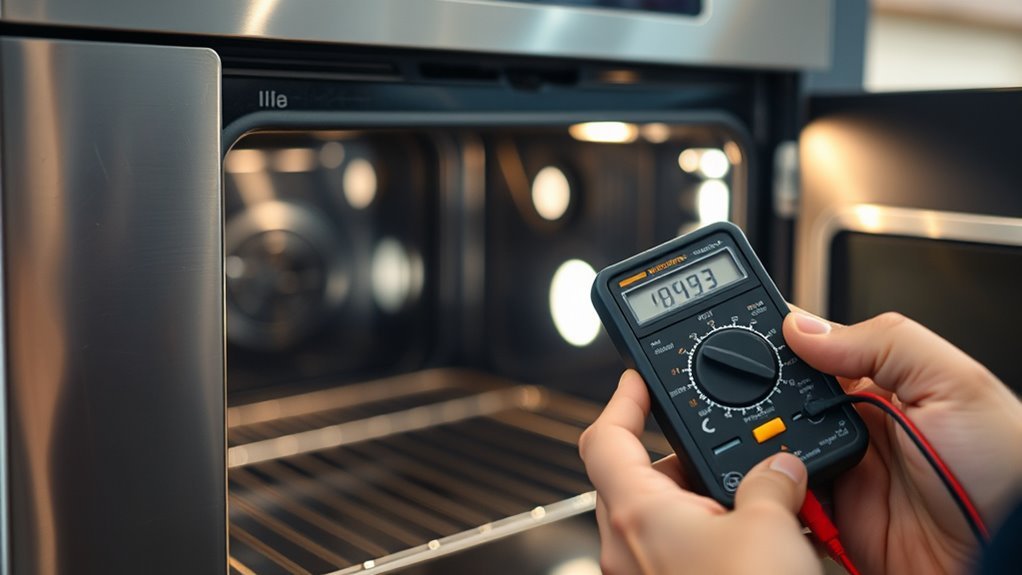
To troubleshoot, start by unplugging your oven and inspecting the element for physical damage. Use a multimeter to check for continuity—if there’s no continuity, it needs replacing.
Even if the element looks fine, it could still be faulty internally. Swapping out a bad heating element is usually straightforward and can quickly restore your oven’s heating.
Fixing this early can prevent further issues and keep your oven working efficiently.
How a Broken Thermostat Disrupts Oven Temperature
If your oven isn’t heating correctly even though the heating element looks fine, a broken thermostat might be the cause. The thermostat controls the oven’s temperature by cycling the heating element on and off to keep the heat steady.
When it malfunctions, it can’t accurately read the oven’s internal temperature. This leads to poor calibration, causing temperature fluctuations. Your oven might get too hot or not warm up enough at all.
You’ll notice inconsistent cooking results because the oven isn’t reaching or holding the set temperature. Sometimes it heats slowly or shuts off prematurely. To fix this, test the thermostat’s resistance or temperature sensor with a multimeter.
If it’s faulty, replacing it will restore proper temperature control. This will eliminate those frustrating fluctuations and ensure your oven heats up as expected every time you use it.
Can a Blown Fuse or Breaker Stop Oven Heating?
How can a simple blown fuse or tripped breaker bring your oven’s heating to a halt? When your oven stops heating, one of the first things you should check is the electrical supply.
A blown fuse or tripped breaker cuts power to the oven’s heating elements, preventing them from warming up. If your oven isn’t heating, inspect your home’s circuit breaker panel for any tripped switches.
If you find one, a quick breaker reset could restore power and get your oven working again. Likewise, ovens have internal fuses that protect their circuits. If a fuse blows, it stops electrical current, causing the oven to lose heat.
You’ll need to perform a fuse replacement to fix this issue. Always make sure the oven is unplugged or the power is off before handling any fuse replacement or breaker reset.
How the Oven Control Board Affects Heating Performance
Since your oven relies on precise electronic signals to regulate temperature, the control board plays an essential role in its heating performance. This board acts like the oven’s brain, receiving input from the temperature sensor and timer, then directing power to the heating elements accordingly.
If the control board malfunctions, it might send incorrect signals, causing your oven to heat unevenly or not at all. You’ll notice problems like inconsistent temperature or failure to reach the set heat when the control board is faulty.
In some cases, the display might flash error codes or the oven won’t respond to your commands. Because the control board controls every stage of the heating cycle, any damage or wear can directly impact heating performance.
If you suspect the control board is the issue, it’s best to have a professional test and replace it if needed to restore your oven’s proper functionality.
How Wiring Problems Prevent Your Oven From Heating
Although wiring issues might seem minor, they can completely stop your oven from heating. Faulty or damaged wiring disrupts the electrical flow, preventing power from reaching the heating elements. If your oven isn’t warming up, it’s important to do a wiring inspection.
Look for signs of wear, frayed wires, or loose connections. These problems can cause interruptions in the circuit that prevent the oven from heating properly. During a circuit check, you’ll test for continuity and voltage to make sure electricity is flowing correctly.
Even a small break or short circuit can stop the oven from heating. Sometimes wiring problems come from improper installation or aging insulation that wears out over time. Addressing these issues can help get your oven back in working order.
When to Repair vs. Replace Oven Parts
When deciding whether to repair or replace oven parts, it’s a good idea to think about the cost of repairs compared to how old your oven is. If your oven is pretty old, fixing things might not be worth it because you could end up spending more than it’s worth in the long run. Plus, newer models tend to be more energy-efficient, which can help lower your utility bills and give you better performance overall.
Assessing Repair Costs
When deciding whether to repair or replace oven parts, understanding the cost implications is essential. Start with a DIY assessment to identify the faulty component and estimate the repair cost.
Simple fixes like replacing a heating element or thermostat often cost less than buying new parts or calling a professional. However, if the repair cost approaches half the price of a new oven, replacement might be more economical.
Don’t forget to factor in labor charges if you’re not doing the repair yourself. Also, consider the availability and price of parts for your specific oven model.
Evaluating Oven Age
After weighing repair costs, it’s important to think about your oven’s age to decide if fixing parts makes sense. Most ovens last about 10 to 15 years. If your oven is close to or past this age, repairs might only be temporary.
Older ovens tend to break down more often, so replacing it might be the smarter choice. But if your oven is fairly new and well-maintained, fixing parts can help extend its life effectively.
Keep track of any recurring issues and how often you need repairs. This will help you decide if fixing it is worth it or if buying a new oven will save you money and hassle in the long run.
Considering Energy Efficiency
Although repairing your oven might seem like the cheaper option, thinking about energy efficiency can help you decide whether to fix or replace parts. Older or damaged components often lead to higher energy use, which costs you more over time.
Use these tips to guide your decision. First, compare repair costs to the price of newer, energy-efficient parts or ovens. If replacing is affordable, it might be worth it.
Check if the faulty part causes excessive energy consumption. If it does, replacing it could be a smarter choice. Also, consider the oven’s overall energy rating.
Upgrading to an energy-efficient model could cut your bills significantly in the long run.
Safely Test and Troubleshoot Oven Heating Problems
Before you start fixing your oven, make sure you test it safely to prevent accidents or damage. First, unplug the oven or turn off its circuit breaker to eliminate any electrical hazards. Always wear oven mitts when handling internal parts and avoid touching the heating elements directly.
Once you’ve secured safety, you can begin troubleshooting. Check that the oven’s control settings are correct and that the timer isn’t stopping it from heating. Visually inspect the heating elements for any obvious damage like burns or breaks.
If you have a multimeter, you can test the resistance of the heating element to see if it’s faulty. Also, take a look at the oven’s thermostat and temperature sensor to make sure they’re working properly.
These tips help you identify the problem without risking injury. By combining safe practices with careful checks, you’ll find the cause of your oven’s heating issues safely and effectively.
Should You Call a Professional for Oven Heating Issues?
When should you call a professional for oven heating issues? While some problems can be fixed with simple troubleshooting, certain situations really call for expert help to avoid further damage or safety hazards.
Consider reaching out to a pro if you notice electrical concerns. If your oven sparks, shows signs of faulty wiring, or keeps losing power, don’t try to fix it yourself. A professional can safely inspect and repair the electrical parts.
If you’ve already tried troubleshooting—like checking the heating coil, thermostat, or fuses—and nothing works, it’s time to get help from an expert. Don’t keep guessing; a professional can identify the root cause.
When issues involve complex parts like sensors, control boards, or gas valves, it’s best to call in a specialist. These components require specialized tools and knowledge to fix properly.
Getting a professional to handle repairs ensures your oven is fixed correctly and reduces the risk of costly mistakes. Plus, it keeps you safe, especially when dealing with electrical or gas appliances. When in doubt, it’s always better to seek expert help.
Frequently Asked Questions
Can Using the Wrong Cookware Affect Oven Heating Efficiency?
Yes, using the wrong cookware can affect your oven’s heating efficiency. Different materials conduct heat differently, which can impact how evenly your food cooks.
For example, glass or ceramic heats slower than metal, and that can affect heat distribution inside the oven. Using the right cookware helps your oven stay at consistent temperatures.
This way, your food cooks more evenly and efficiently, saving you time and energy.
Does Oven Age Impact Its Heating Speed?
If your oven is over 10 years old, like Sarah’s, you’ll notice it heats slower because the heating elements wear out over time. As the oven gets older, those parts degrade, which means less efficiency.
Regular oven maintenance is key to keeping it working well. If you neglect it, your oven might take longer to reach the right temperature, which can throw off your cooking times.
How Does Oven Door Seal Condition Influence Temperature?
The condition of your oven door seal directly affects temperature consistency. If the seal is worn or damaged, heat escapes, causing temperature fluctuation inside.
This makes it harder for your oven to maintain the desired heat level. Regular door seal maintenance, like cleaning and inspecting for cracks, helps keep the seal tight and your oven efficient.
Can Regular Cleaning Improve Oven Heating Performance?
Yes, regular cleaning can improve your oven’s heating performance. Keeping your oven clean prevents grease and food buildup from blocking heat distribution.
Follow oven maintenance tips like wiping spills promptly and deep cleaning every few months. Adjust your cleaning frequency based on how often you cook—more often if you cook a lot.
This helps your oven maintain consistent temperatures, guarantees efficient heating, and extends its lifespan. Don’t overlook this simple step in oven care!
Are Gas and Electric Ovens Equally Prone to Heating Issues?
No, gas and electric ovens aren’t equally prone to heating issues. Gas ovens rely on burners and ignition systems, which can clog or fail over time.
Electric ovens depend on heating elements that can burn out or short circuit. You’ll often see electric ovens having problems with their heating elements, while gas ovens might struggle more with pilot lights or gas flow.
Knowing whether you have a gas or electric oven can really help you troubleshoot heating problems more effectively.
Conclusion
If your oven isn’t heating, don’t ignore the signs—remember, “a stitch in time saves nine.” Spotting issues early can prevent bigger problems down the line.
Checking whether it’s a faulty heating element, a broken thermostat, a blown fuse, or wiring problems can help you troubleshoot effectively.
You might try some simple, safe fixes yourself. But if things seem complicated or out of your reach, calling a professional is the smartest move.
Acting quickly to fix your oven ensures it stays reliable and your cooking stays on track. When your oven isn’t heating up, addressing the problem promptly is key.