How Long Does an Oil Change Take? A Complete Guide with Time Comparisons
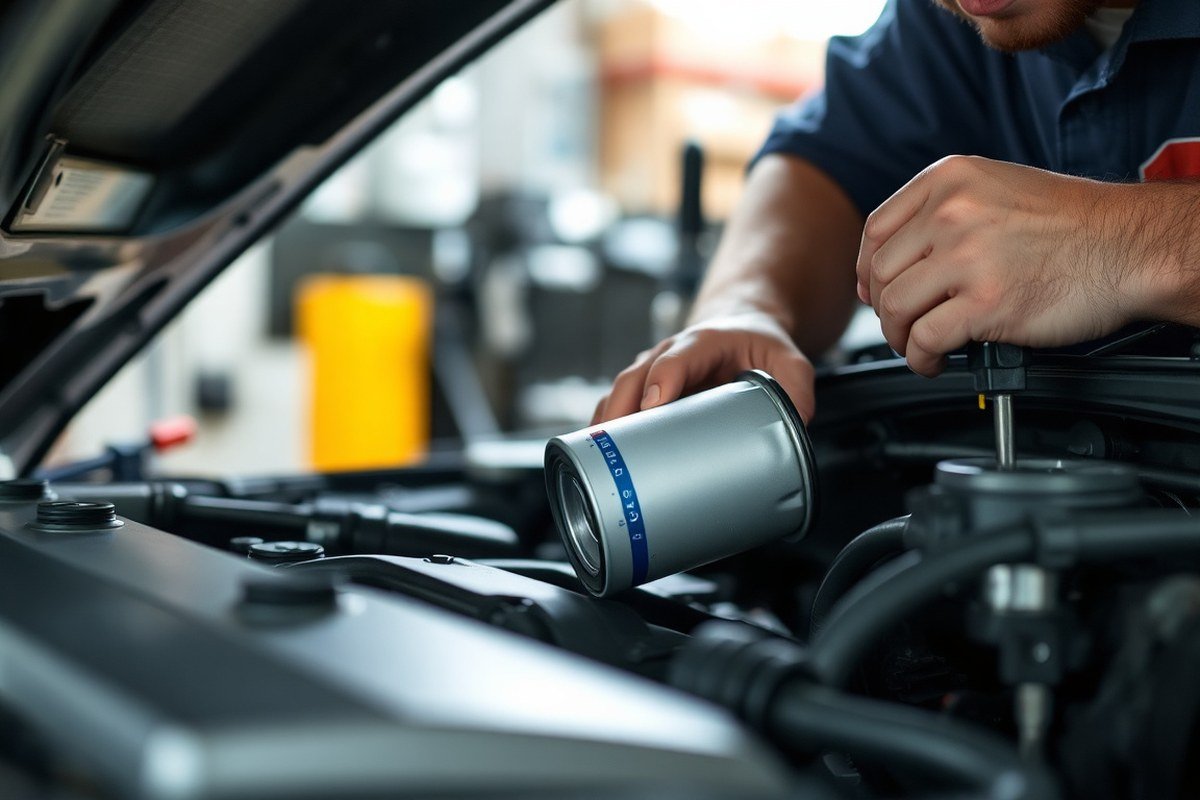
How long does an oil change take? Usually, the actual oil change work lasts 30 to 45 minutes. This time includes draining old oil, swapping the filter, and adding fresh oil.
Some quick-lube places finish an oil change in 15 minutes or less. Dealerships often take longer since they add inspections and checks to the service. These checks include looking over brakes, tire pressure, and fluid levels.
You’ll spend extra time waiting for a service bay to open. Booking an appointment or visiting during slow hours can cut wait time significantly. Weekday mornings tend to be less busy at most shops.
The type of oil and your vehicle’s needs affect the time as well. Synthetic oil changes might require more care but usually don’t take longer. Older cars with tough access points can slow down the process too.
Key Takeaways
- Expect between 20 and 45 minutes for a typical oil change service.
- Quick-lube shops usually complete oil changes faster, around 15 minutes.
- Dealerships take 45 minutes or more due to added inspections.
- Waiting for a service bay often adds to your total visit time.
- Scheduling appointments reduces waiting and speeds up your oil change.
- Combined oil change and tire rotation usually take 30 to 60 minutes.
How Long Does an Oil Change Typically Take?
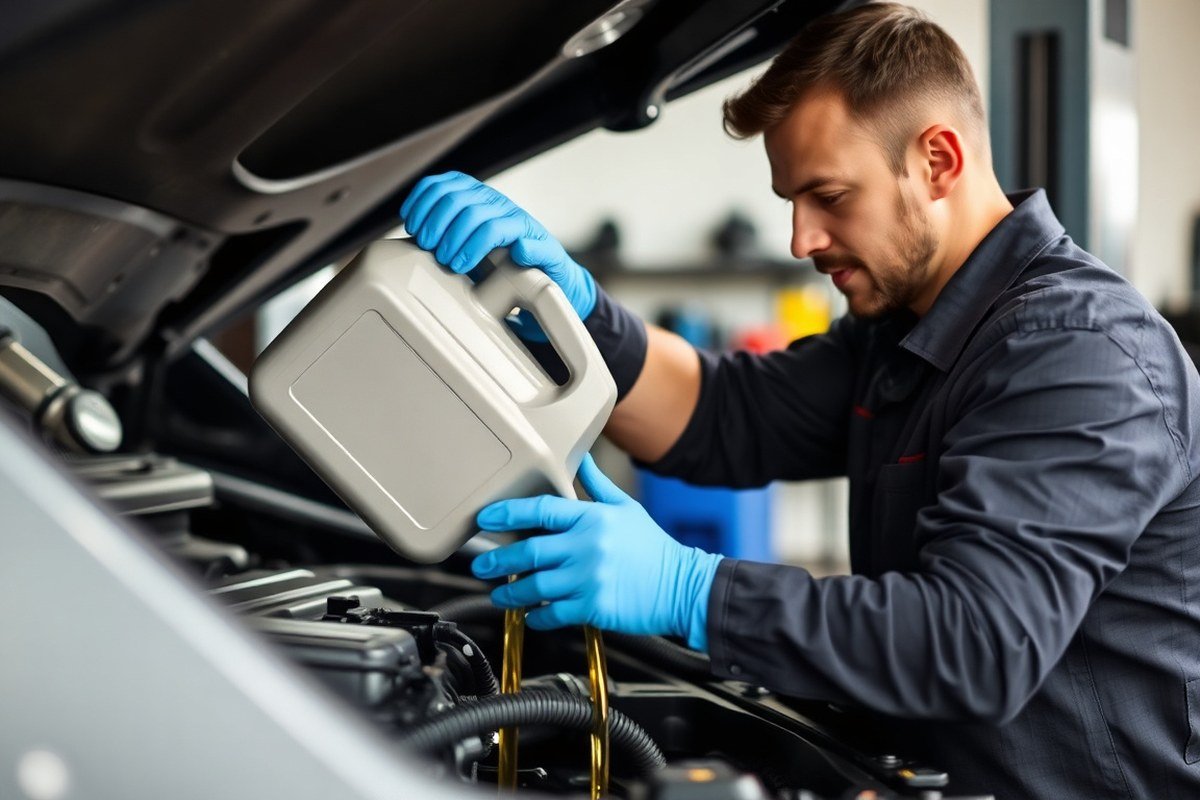
An oil change usually takes between 15 and 45 minutes at a service center. The oil swap usually takes 15 to 30 minutes. This includes draining old oil, adding new oil, and replacing the filter.
Full-service oil changes take about 30 to 45 minutes. They include extra checks. These checks cover fluid top-ups and belt inspections.
Waiting adds time beyond just the work itself. You might wait if you arrive during busy hours. A technician or service bay may not be free yet.
A quick lube shop may promise a 15-minute oil change. This time starts once your car is in the bay.
Waiting for your turn can add time. The total can reach an hour or more with the wait.
Quick oil changes cover the essentials: draining old oil, changing the filter, and adding new oil. Full-service changes also include a thorough multi-point inspection and minor maintenance work. Dealerships usually spend 45 minutes to over an hour due to extra care steps that can spot problems early, making the longer wait worthwhile for many owners.
What Factors Influence How Long an Oil Change Takes?
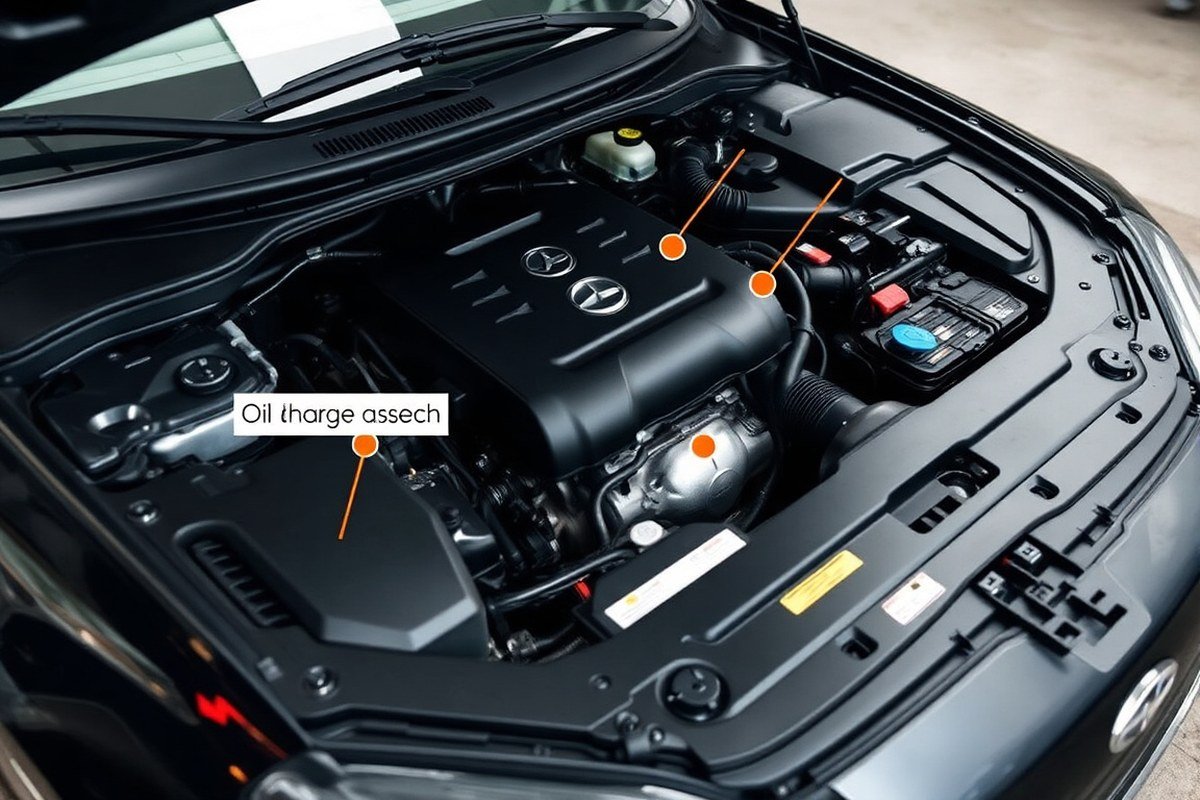
Vehicle type is a big factor in how long an oil change takes. Smaller cars with easy-to-reach engine parts usually get done faster, often within 15 to 30 minutes. Larger or older vehicles may require more time because of harder-to-access plugs or filters.
Some engines have parts deep inside. This can add 10 to 20 minutes. That extra time usually depends on how hard it is to reach them.
The kind of oil you use affects timing less than you’d expect. Synthetic and regular oils take about the same time to change. Shops usually spend 20 to 45 minutes on this.
Timing depends more on the shop than on oil type. Synthetic oil lasts much longer.
That means fewer oil changes for you. So, it saves time over months or years.
How you schedule your service matters, too. Booking an appointment usually cuts down wait time. Walk-ins might spend extra time waiting for a technician.
Early morning or late afternoon visits tend to be quicker since shops can be less busy. Adding other services like tire rotations adds 15 to 20 minutes.
They use the same lift, so it takes extra time. This combined service is common during oil changes.
- Vehicle size and engine design affect access to drain plugs and filters
- Synthetic and conventional oil changes take about the same time
- Appointments reduce waiting compared to walk-ins
- Busy times can increase total service duration
- Extra services like tire rotation add around 15, 20 minutes
- Dealerships offering full inspections may take 2, 3 hours
Keep in mind, dealerships often include many checks alongside the oil change. This can stretch the process to a few hours. Walk-in shops might rush or miss details, so planning ahead helps avoid delays.
Scheduling your oil change during quiet times helps you wait less. You can save at least 10 minutes in line. This means a quicker visit overall.
How Long Does an Oil Change Take at Different Service Centers?
An oil change at quick lube shops usually takes 15 to 30 minutes. Dealerships take longer, often 45 to 90 minutes, because they add inspections and paperwork. Independent mechanics need about 30 to 60 minutes for oil changes.
It depends on how busy they are and which services you want. They usually fall between quick lube shops and dealerships.
Quick Lube Shops
Quick lube chains like Jiffy Lube or Valvoline focus on speed and efficiency. They advertise oil changes in about 15 minutes, and under ideal conditions, that’s doable. Your wait might be anywhere from 25 to 50 minutes.
This depends on how many cars they are working on. Busier shops take longer to get to you.
These shops mostly do basic inspections like checking fluid levels and visual wear. They skip extras that take more time, which keeps the process fast. Customers come here when they want a no-frills, fast oil change without appointments.
Dealership Services
Dealerships take longer because they include multi-point inspections with the oil change. These inspections cover brakes, tires, and engine components to catch other issues early. Dealership paperwork and billing adds extra wait time too.
That can push your total time to 45 to 90 minutes. Counting waiting, servicing, and payment slows the whole process.
They may also bundle your oil change with other scheduled maintenance or recalls. Service times get longer when bays are full and busy. You may have to wait more before your car is worked on.
This can extend the usual oil change time. Dealership oil changes cost more, usually $75 to $130, reflecting the extra care and inspection.
Independent Mechanics
Independent shops offer a balance between speed and thorough service. They typically need 30 to 60 minutes for a synthetic oil change. This depends on how busy they are and if you ask for other repairs or checks.
Some independents do detailed inspections similar to dealerships, but it varies widely. Pricing is usually $45 to $80, offering more affordable options than dealerships. Since they often handle multiple jobs, wait times can lengthen if other repairs queue up.
How Long Do DIY Oil Changes Take and What Are the Steps?
A DIY oil change usually takes between 30 and 90 minutes. Your experience level and the tools you have will affect the time. Knowing the exact steps helps you plan better and avoid mistakes.
Preparing Tools and Vehicle
First, get the right tools. You’ll need new oil and a filter. Also grab a wrench, an oil pan, and gloves.
Make sure you have a jack or ramps to lift your car safely. Check your owner’s manual for the type and amount of oil you need.
Next, park your car on a flat surface and let the engine cool if it’s hot. Lift the front of the car with a jack or drive it up on ramps. This setup can take 10 to 15 minutes if you aren’t familiar with the equipment.
Draining and Replacing Oil and Filter
Place the oil pan under the drain plug and use a wrench to remove it carefully. Let the oil drain fully, which usually takes 5 to 10 minutes.
Removing the old filter takes another 5 minutes. So have a rag handy to catch leaks.
After draining, screw in the new oil filter and tighten it by hand. Add the new oil through the fill cap, using a funnel to avoid spills. Filling the oil and checking the level should take about 5 to 10 minutes.
Having some experience helps. Draining and filling usually takes 20 to 30 minutes. Beginners might spend closer to 45 minutes on these steps.
Cleaning Up and Disposal
Clean any spilled oil with rags or paper towels right away. Properly dispose of the used oil by storing it in a sealed container. Many auto parts stores will accept used oil for free.
Dispose of the old oil filter the same way, as it contains oil residue. The cleanup process can take 10 to 15 minutes depending on how careful you are. A quick cleanup saves you from slippery floors and environmental problems.
Can You Get an Oil Change and Tire Rotation Done Simultaneously?
Adding a tire rotation to your oil change usually adds about 15 to 30 minutes. Together, both services typically take between 30 and 60 minutes. The exact time depends on how busy the shop is and the vehicle type.
Some facilities handle combined services more efficiently because they plan their workflow. They might lift the car once, doing the oil change and tire rotation back to back. Smaller or busier shops may slow down if they can’t schedule both quickly.
When you book your appointment, ask if they can do both jobs. Also, check if you might have to wait. Knowing this helps you plan better.
Mention you want an oil change plus tire rotation. See if they suggest the best time of day. This helps avoid surprises and long waits.
Combining the services cuts down your total downtime compared to doing them separately. Expect workers to drain 4 to 6 quarts of oil first. Then, they add fresh oil.
After that, they check tire tread and rotate tires. Tires needing balancing or new air can add extra minutes.
Busy hours can make your visit longer. Extra checks, like brake inspections during rotations, add more time. Remember these factors when you go.
Some places charge a flat fee for combined services, which may save you money. Others price each service separately, so confirm costs before you go.
Plan for at least 45 minutes for both jobs. This helps avoid rushing during your visit. Scheduling enough time makes it smoother.
Common Delays and Problems That Extend Oil Change Time
Drain plugs that won’t budge or damaged oil pans slow oil changes. Mechanics need to repair or swap parts before draining oil. Fixing these issues can add at least 30 minutes to the job.
Removing a seized oil filter also takes extra time. Technicians often use an oil filter wrench or penetrating oil to loosen it. This step might take 10 to 20 more minutes.
It takes longer when the filter is stuck hard. Neglect often causes the filter to harden in place.
Extra repairs during oil changes cause delays. Fixing skid plates or removing rusted bolts slows the process. These unexpected fixes add time to the service.
Shops often spot worn components when checking the vehicle’s underside. These checks are part of safety and quality routines but can add time.
- Stuck or seized oil filter removal
- Stripped or damaged drain plug repair
- Rusty skid plate bolt loosening
- Safety checks on brakes and tires
- Ensuring proper oil and filter in stock
- Draining slower for conventional or older engines
- Extra time for SUVs or trucks needing lifting
Hard-to-reach drain plugs or filters lengthen oil changes. The mechanic needs more time to access and handle them. This adds to the total service time.
Larger vehicles like trucks need lifts and bigger tools. Shops pause to ensure the right oil and filter are on hand. They never rush these steps to avoid mistakes.
Safety checks include quick tire inflation and brake inspection. These normally take only a few extra minutes but might slow things.
Technicians aim for thorough checks that catch problems before they worsen. So your ride stays safe after the oil change.
Tips to Speed Up Your Oil Change Experience
Picking the right time and place can cut your oil change wait a lot. Avoid busy times like weekends or early evenings. Choose a shop known for quick service or offer express oil changes.
Before you get there, have your vehicle ready with the right oil type and filter. Check your owner’s manual or vehicle label. This speeds things up a lot.
It helps if you plan a DIY change. Or you avoid waiting at the shop.
- Book your appointment early in the week or during mid-mornings
- Call ahead to confirm they have your oil and filter in stock
- Bring your own oil and filter for faster DIY or quick installs
- Ask about express or oil change-only lanes at the shop.
- Clear out your car so mechanics can access the oil plug easily
- Keep your car on level ground to speed draining and refilling
- Check tire pressure and fluid levels yourself to avoid extra checks
Many centers have fast lanes just for oil changes. They take about 15 to 30 minutes. These bypass any additional inspections or services that slow down full appointments.
Ask if they offer this setup. Make sure it matches your car’s oil type and quantity.
Doing a quick oil change yourself saves even more time. It usually takes 30 to 45 minutes. Having everything ready before you start helps prevent trips back to the store.
Delays mostly come from waiting for oil to drain. Also, finding the right filter can slow you down. Prepare them ahead.
Safety and Cleanup Considerations During an Oil Change
Changing your oil yourself takes extra time because safety and cleanup matter a lot. You need to wear the right gear to avoid skin contact with hot oil. Used oil and filters must be handled carefully and disposed of properly to protect the environment.
Personal Protective Equipment
Wear gloves to keep your hands safe from hot oil and chemicals. Nitrile gloves work well because they resist oil and don’t break easily. Also, use safety glasses to guard your eyes from splashes when you drain or pour oil.
Long sleeves protect your arms from burns or spills. Closed-toe shoes are a must to protect your feet from drops or leaks on the floor. Having paper towels or rags ready helps you quickly clean small spills before they spread.
Proper Disposal of Used Oil and Filters
Pour used oil into a clean, leak-proof container right after draining to prevent spills. Don’t mix oil with antifreeze or brake fluid. Mixing fluids makes disposal harder.
Keep oil separate for easier, safer disposal. Most towns have recycling centers or auto shops that accept used oil for free.
After removing the oil filter, drain it for a few minutes. Put it in a sealed bag or container to avoid leaks. Bring both the oil and filter to a recycling spot.
Do not throw them in the trash. Improper disposal can lead to fines and environmental harm.
Never pour used oil down drains or on the ground, it pollutes soil and water.
Cleaning Work Area and Tools
Wipe up oil spills immediately with absorbent pads or old rags to avoid slippery spots. Use a degreaser or dish soap with warm water to clean any oily tools. Clean your drain pan and funnel to avoid dust and dirt sticking to leftover oil.
Dispose of rags and paper towels properly, as oily rags can catch fire if left crumpled. Store your tools back in a dry place after cleaning to keep them in good condition. This cleanup adds 10 to 15 minutes but keeps your workspace safe and neat.
Step-by-Step Action Plan for a Smooth Oil Change
Follow these steps to get your oil changed quickly and efficiently without surprises.
- Before your appointment: Check your car’s owner manual for the right oil type and amount. This helps avoid delays or wrong balances.
- 1 day before: Book your oil change service online or by phone. Confirm if tire rotation or other services are included.
- Day of appointment: Arrive 10 minutes early with your car cooled down. This makes the job safer and faster.
- During service: Stay nearby and ask if you want to see the process. Being present helps speed up approval for any extra work.
- Immediately after service: Check the new oil level. Ask for a receipt or checklist. Confirm what work was done. This confirms everything is complete.
- After 500 miles or 1 week: Look under your car for any leaks or unusual drips. Catching leaks early saves further hassle.
- At next routine check (usually 3,000 to 7,500 miles): Plan your next oil change now. Think about the service type and your driving habits. Keeping on schedule protects your engine.
Frequently Asked Questions
How Long Does It Take to Wait If the Oil Change Shop Is Busy?
Wait times can add 10 to 30 minutes or more. Avoid this by scheduling an appointment or going during off-peak hours.
Does Synthetic Oil Affect How Long an Oil Change Takes?
Using synthetic oil does not change the oil change time much. The same process applies; synthetic oil just lasts longer between changes.
Can You Drive Right After an Oil Change?
Yes, you can drive immediately after an oil change. Mechanics usually check for leaks first to ensure safe driving.
Is It Faster to Do an Oil Change at a Dealership or an Independent Shop?
Independent shops often finish oil changes faster than dealerships. Dealerships usually inspect more parts, which can add time.
How Long Should You Wait Between Oil Changes?
Most cars need an oil change every 3,000 to 7,500 miles. Check your owner’s manual for your specific car’s schedule.
What Tools Should a DIYer Have to Speed Up an Oil Change?
Essential tools include a wrench, oil filter wrench, drain pan, and funnel. Having these ready saves time and reduces hassle.
Final Thoughts
An oil change usually takes 20 to 45 minutes, depending on conditions. You can speed this up by preparing ahead and choosing the right service. Now, schedule your next oil change with these tips in mind for a easy experience.