How to Make IPA at Home: A Step-by-Step Guide for Crafting Indian Pale Ale
Making IPA at home starts with understanding the basics of brewing and having the right ingredients, including malt, hops, yeast, and water. This process involves careful fermentation and hop additions to achieve the classic bitterness and aroma that define an Indian Pale Ale. Even without commercial equipment, homebrew setups can create quality IPAs by closely controlling temperature and timing.
The appeal of crafting your own IPA lies in customizing flavors and experimenting with hop varieties and brewing techniques. Homebrewing also fosters a deeper appreciation for the complexity of flavors that go into this popular beer style. Since IPA is hop-forward, knowing when and how to add hops during brewing shapes the final taste profile significantly.
This article guides you through detailed steps on how to make IPA at home, covering essential equipment, ingredient selection, brewing procedures, fermentation insights, and tips on improving your brew. Whether you're a beginner or have some brewing experience, these insights will help you produce a flavorful IPA.
Essential Equipment for Brewing IPA at Home

Basic Brewing Tools Needed
Starting with the right tools simplifies the IPA brewing process. You will need a large brew kettle, fermenter with an airlock, thermometer, hydrometer, and sanitizing supplies. A good stir spoon and a heat source capable of bringing wort to a boil are also essential.
Sanitation cannot be overstressed; keeping all equipment clean prevents contamination that spoils the fermentation. Many homebrewers use food-grade sanitizers that rinse off without residue, maintaining a healthy environment for yeast.
- 5-gallon brew kettle
- Fermenter with airlock
- Sanitizer
- Thermometer
- Hydrometer
- Heat source
Optional Advanced Gear for Better Control
For brewers wanting more precision, a wort chiller speeds up cooling to reduce contamination risk. A brewing scale helps measure hops and malt accurately. Some enthusiasts invest in temperature-controlled fermentation chambers to maintain stable fermentation temps.
These additions can elevate your homebrewing process by giving you tighter control over variables that influence your IPA's flavor.
- Wort chiller
- Digital scale
- Temperature controller
- pH meter
Selecting Ingredients for Your Homebrew IPA
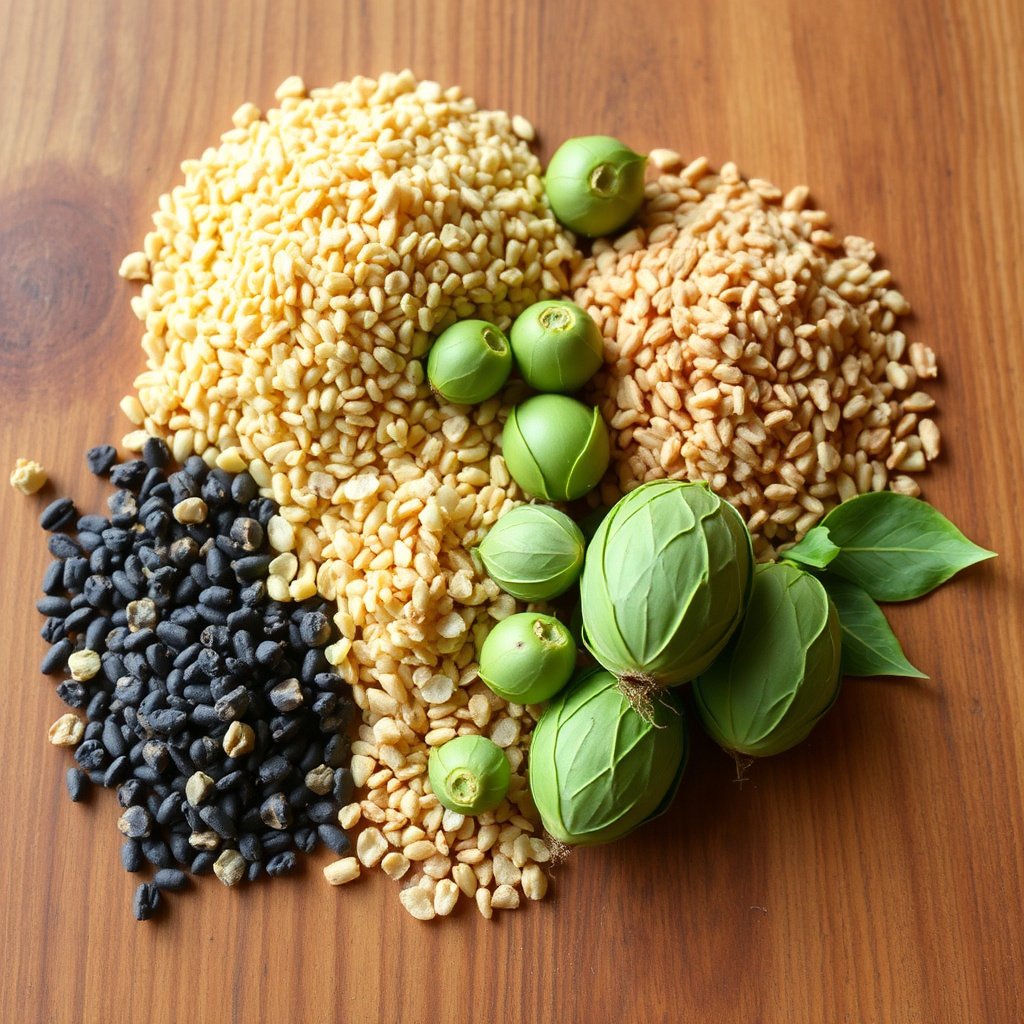
Choosing the Right Malts and Yeast
The malt base for an IPA typically includes pale malt varieties like 2-row or Maris Otter, which offer a clean, slightly sweet foundation. Adding small amounts of crystal malt can boost body and add caramel notes.
Yeast selection affects the final flavor profile; English ale yeast strains contribute fruity esters, while American strains produce a cleaner finish. Both are suitable depending on your IPA style preference.
Hops Selection and Their Impact
Hops define the IPA style with their bitterness, flavor, and aroma. Popular hop varieties include Cascade, Citra, Centennial, and Amarillo, each bringing floral, citrus, pine, or tropical notes. You’ll use hops at various stages: bittering at the start of the boil, flavor and aroma additions later on, and dry hopping after fermentation.
The timing and quantity of hops impact perceived bitterness measured in IBUs and aromatic intensity, so planning your hop schedule is critical to crafting your ideal IPA.
Brewing Process: Brewing Your IPA at Home
Mash and Wort Preparation
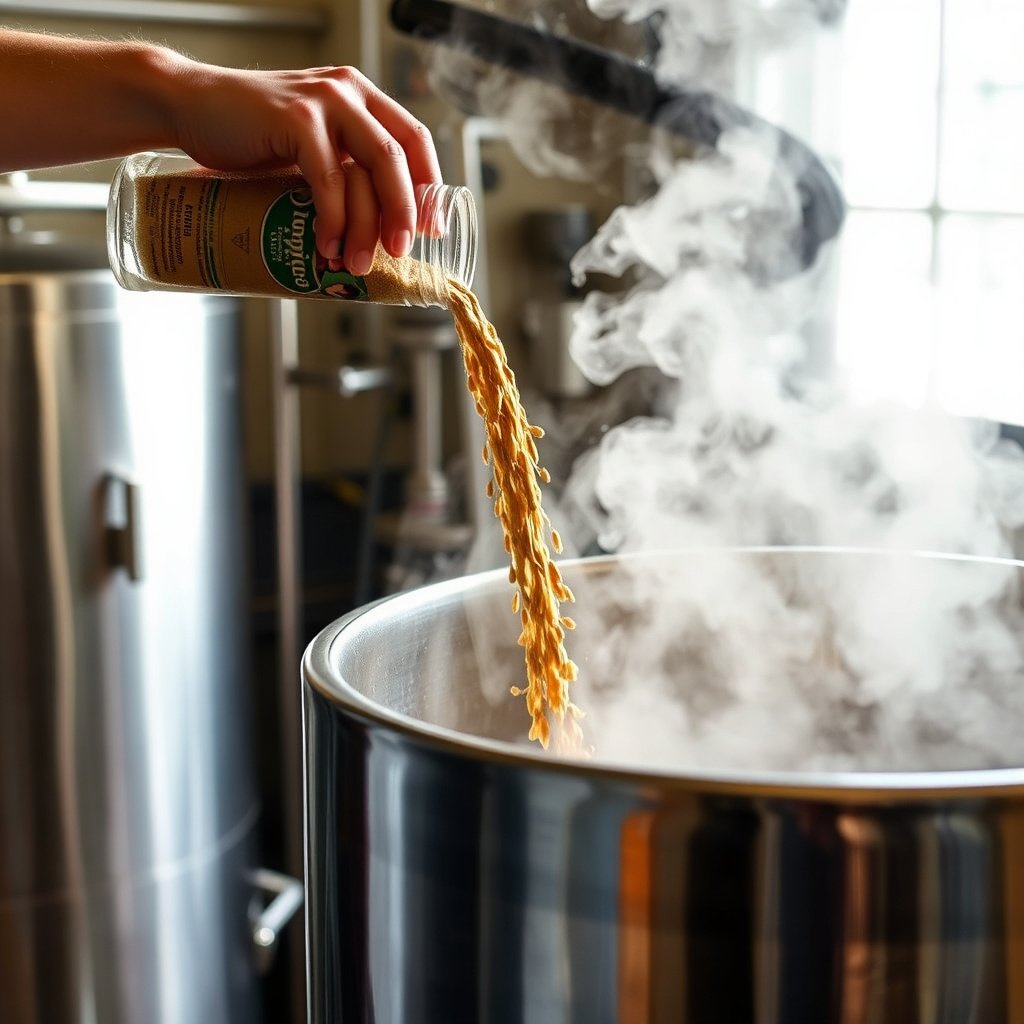
If you use all-grain technique, mashing involves steeping crushed malted grains in hot water (around 150°F) for about an hour to convert starches into fermentable sugars. For extract brewers, this step is simpler by dissolving malt extract in hot water to form the wort.
After mashing or extract mixing, bring the wort to a boil, watching closely to avoid boil-overs. Boiling sterilizes the wort and activates hop compounds.
For more on this, see our related guide: How Much Does It Cost to Host a Funeral Luncheon? A Complete Cost Guide.
Hop Additions During the Boil
Begin by adding bittering hops at the start of the boil for about 60 minutes, which contribute to the IPA’s characteristic bitterness. Adding flavor hops around 15-20 minutes before the end balances the bitterness with fruity or floral qualities.
Aroma hops are best added in the last five minutes or post-boil to retain volatile oils, and dry hopping after fermentation adds intense aroma without extra bitterness.
Fermentation and Conditioning Your Homebrew IPA
Optimal Fermentation Techniques
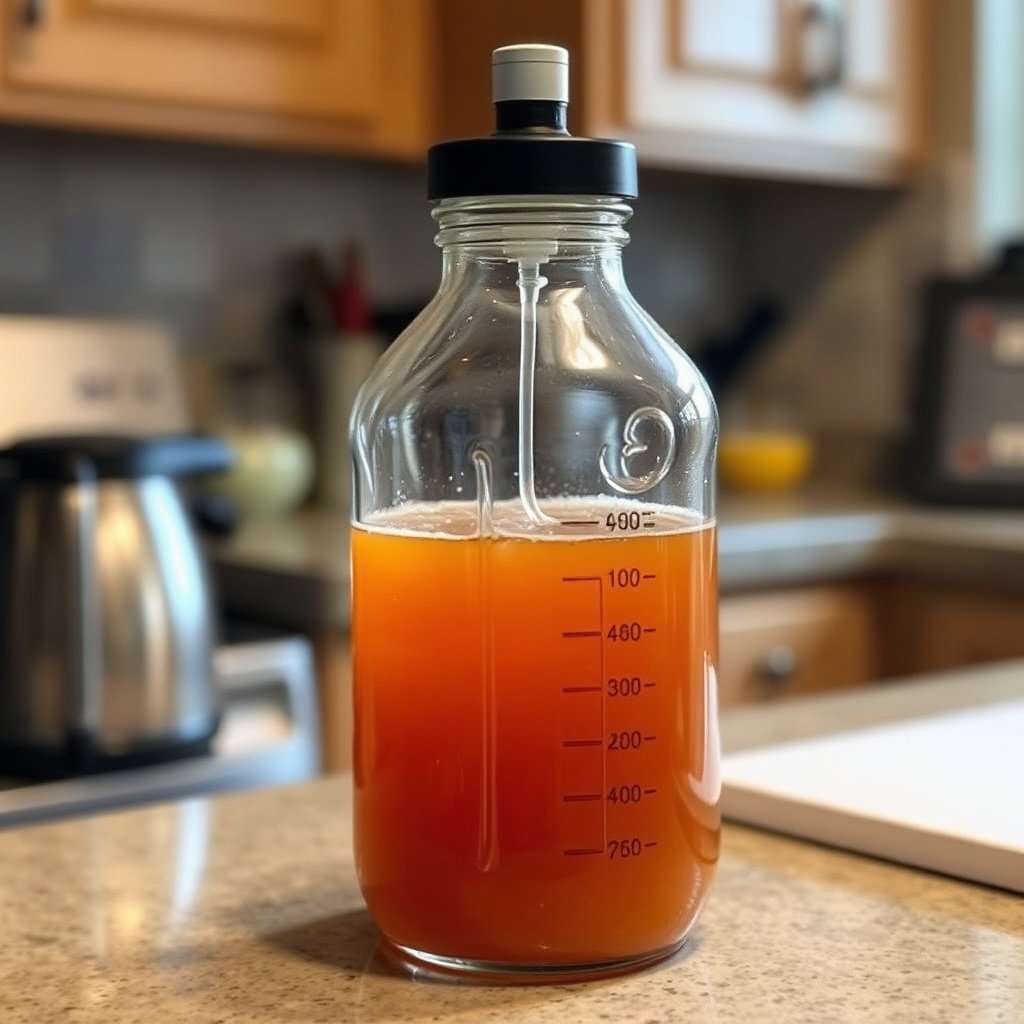
Pitch your yeast into cooled wort around 65-70°F for ales and maintain a consistent temperature during fermentation to promote healthy yeast activity. This phase usually lasts 1-2 weeks, where sugars convert into alcohol and CO2.
Monitoring gravity with a hydrometer helps you track fermentation progress and determine when it's complete.
Conditioning and Carbonation Methods
After fermentation, transfer your IPA to a secondary vessel if desired for dry hopping and to clarify the beer. Bottling requires adding priming sugar for natural carbonation or kegging with forced CO2.
Proper conditioning improves flavor smoothness and enhances the beer’s mouthfeel, resulting in a balanced final product.
Troubleshooting Common Homebrewing Issues
Fixing Off-Flavors and Contamination
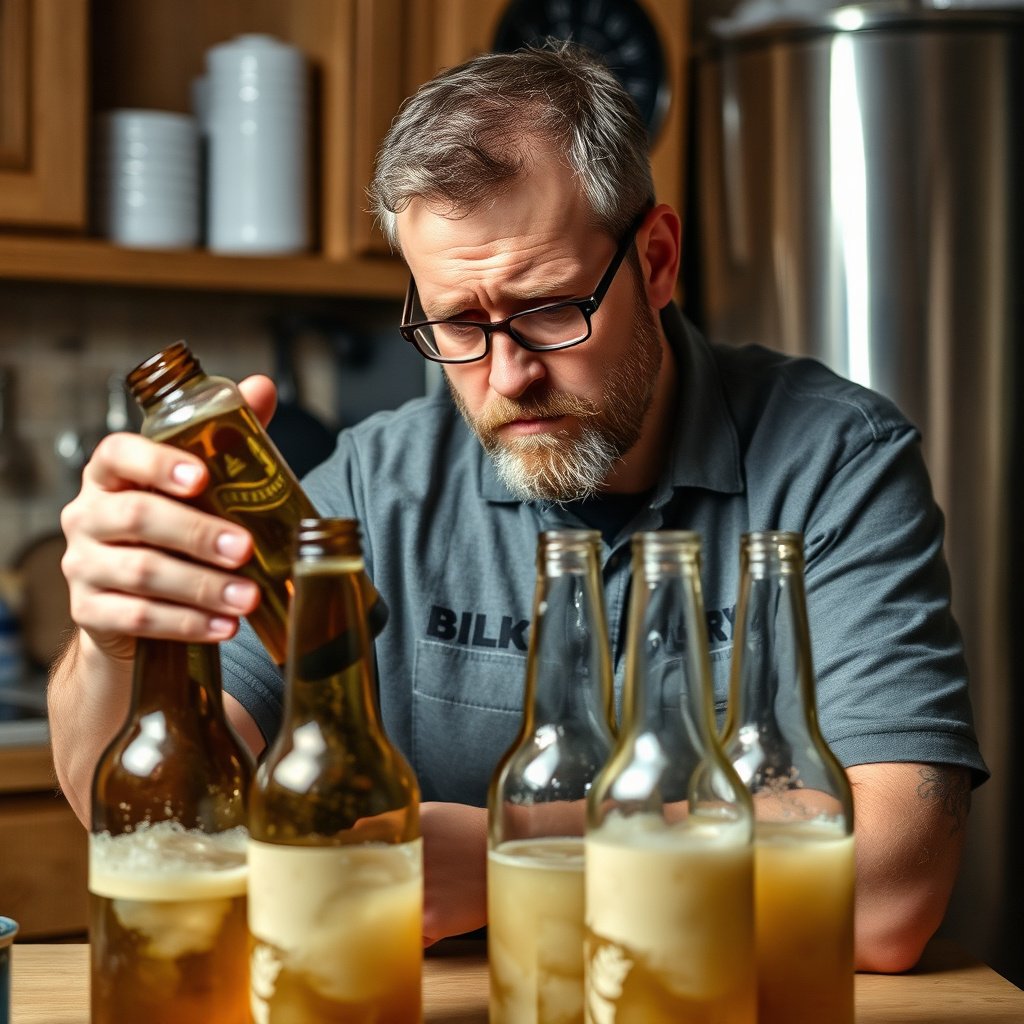
Off-flavors often arise from poor sanitation or fermentation temperature spikes. Cleaning all equipment thoroughly before brewing and controlling fermentation temperature can prevent sour or unwanted tastes.
If contamination is suspected, discard the batch to avoid health risks, then increase sanitation vigilance for your next brew.
For more on this, see our related guide: How to Rest a Steak Perfectly: Proven Times, Tips & Common Mistakes.
Adjusting Bitterness and Aroma
If your IPA ends up overly bitter or lacking aroma, revisiting your hop schedule is key. Using a hop calculator helps balance IBUs with malt sweetness. For more aroma, increase late boil or dry hop quantities with fresh hops.
Taking notes after each batch aids ongoing adjustments toward your preferred IPA flavor profile.
Enhancing Your IPA with Homebrewing IPA Tips
Experimenting with Hop Combinations
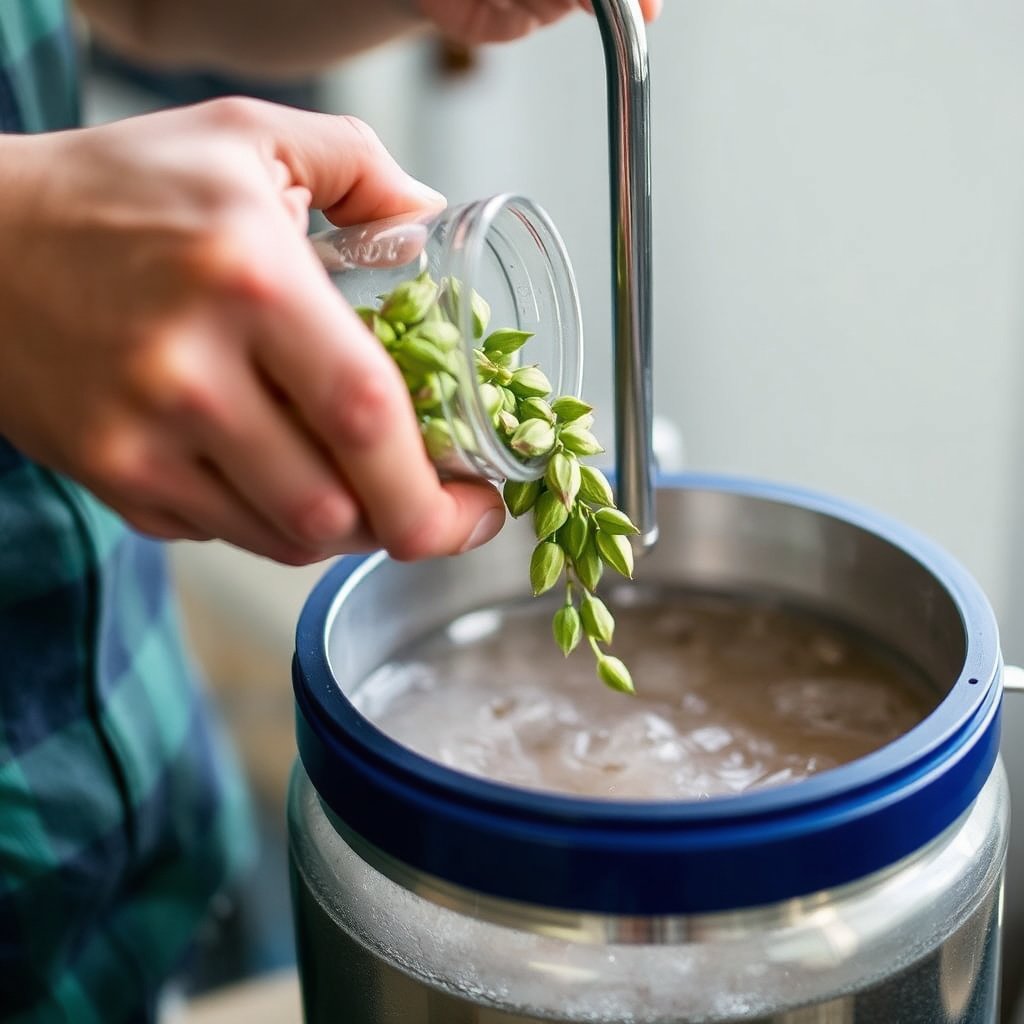
Blending different hop varieties can create unique flavor profiles. Combining citrusy hops like Citra with piney Simcoe or earthy Chinook can add depth and complexity to your IPA.
Try incremental changes batch to batch, tracking results carefully to find your preferred balance.
For more details on homebrewing techniques and history, visit the Homebrewing page on Wikipedia. Homebrewing on Wikipedia.
Maintaining Consistency Across Batches
Consistency improves with attention to ingredient quality, brewing parameters, and sanitation. Measuring temperatures, weighing hops, and recording brew day details establish a baseline for replicable results.
Using the same yeast strain and water source also helps maintain a stable flavor profile.
IPA Brewing Methods Category Comparison
This comparison outlines different popular IPA homebrewing methods and their typical benefits and challenges at a glance.
| Method | Ease of Use | Equipment Cost | Control Over Flavor | Brew Time |
|---|---|---|---|---|
| All-Grain Brewing | Moderate to Difficult | Moderate to High | High | 4-6 hours |
| Partial Mash Brewing | Moderate | Moderate | Moderate | 3-5 hours |
| Extract Brewing | Easiest | Low | Lower | 2-3 hours |
| Kegging vs Bottling | Advanced | High (kegging) | High | Varies by conditioning method |
Frequently Asked Questions
How long does it take to brew IPA at home?
The brewing process can take 4 to 6 hours for all-grain brewing, with fermentation lasting 1 to 2 weeks. Including conditioning and carbonation, expect around 3 to 4 weeks before drinking.
Can I use dried hops for making IPA?
Yes, dried hops, often pelletized, are commonly used in homebrewing. They are convenient, store well, and release flavor and aroma effectively when added at proper times in the brewing process.
What water profile is best for brewing IPA?
A water profile with higher sulfate levels enhances hop bitterness and crispness, which is ideal for IPA. Adjusting minerals like calcium and magnesium also improves yeast health and flavor clarity.
Do I need a special yeast for IPA?
While standard ale yeast strains work well, choosing a yeast that complements hop flavors and tolerates higher alcohol levels can improve your IPA’s taste and fermentation performance.
Is dry hopping necessary for IPA?
Dry hopping is not mandatory but highly recommended to maximize hop aroma and flavor without increasing bitterness, making it a signature characteristic in many IPA styles.
Key Takeaways
- Gather basic equipment and maintain strict sanitation for successful homebrewing.
- Select appropriate malts, yeasts, and hop varieties to shape your IPA’s flavor.
- Manage hop additions carefully during brewing for bitterness and aroma balance.
- Control fermentation temperature and consider dry hopping to enhance aroma.
Conclusion
Making IPA at home requires an understanding of ingredients, equipment, and brewing steps that influence flavor and quality. By focusing on proper sanitation, careful hop timing, and temperature control during fermentation, you can replicate the hallmark balanced bitterness and aroma that define Indian Pale Ale. The process involves patience and experimentation but offers satisfaction in crafting a personalized brew.
For those new to brewing, extract brewing provides an accessible starting point with simpler equipment and reduced complexity, though control over flavor intensity is somewhat limited. Stepping up to all-grain methods introduces more variables but allows fuller customization of the malt base and hop profile. Integrating homebrewing IPA tips such as experimenting with hop combos and maintaining consistent records helps elevate each batch’s quality and flavor refinement.
To start brewing your own IPA, select a technique suited to your experience and time commitment, gather quality ingredients, and monitor your brew carefully through fermentation and conditioning stages. With ongoing practice, you can master crafting IPAs that match your taste preferences and impress fellow beer lovers.