How Many Beers Are in a Keg? A Clear Guide to Keg Sizes and Servings
A standard keg contains about 165 12-ounce beers, but the exact number depends on the keg size you choose. The most common types are the full-size keg, pony keg, and mini keg, each offering different volumes and serving counts.
Knowing how many beers are in a keg is essential whether you're planning a party or stocking a bar. This helps you estimate how much to buy and sets expectations for your guests, preventing running out or over-purchasing.
This article will cover various keg sizes, the beer volume they hold, serving estimates, and practical advice on selecting the right keg for different occasions. By the end, you'll be able to pick the appropriate keg size confidently.
Common Keg Sizes and Their Beer Counts

Standard Full-Size Keg (Half Barrel)
The standard full-size keg in the U.S. is the half barrel, which contains 15.5 gallons or 1984 ounces of beer. This equates to roughly 165 12-ounce servings, making it the favorite choice for large gatherings and bars.
Because of its volume, a full-size keg requires a kegerator or commercial dispensing system and can last for a group of 50 or more people, depending on consumption rates.
Pony and Quarter Barrel Kegs
Pony kegs, often called quarter barrels, hold 7.75 gallons or 992 ounces—about 82 12-ounce beers. These kegs are half the size of the standard full keg and easier to transport and store.
They suit smaller parties or households wanting fresh draft beer without committing to a larger keg. Their manageable size also makes them popular for use in home kegerators.
Smaller Keg Options for Casual Drinking
Mini Kegs and Cornelius Kegs
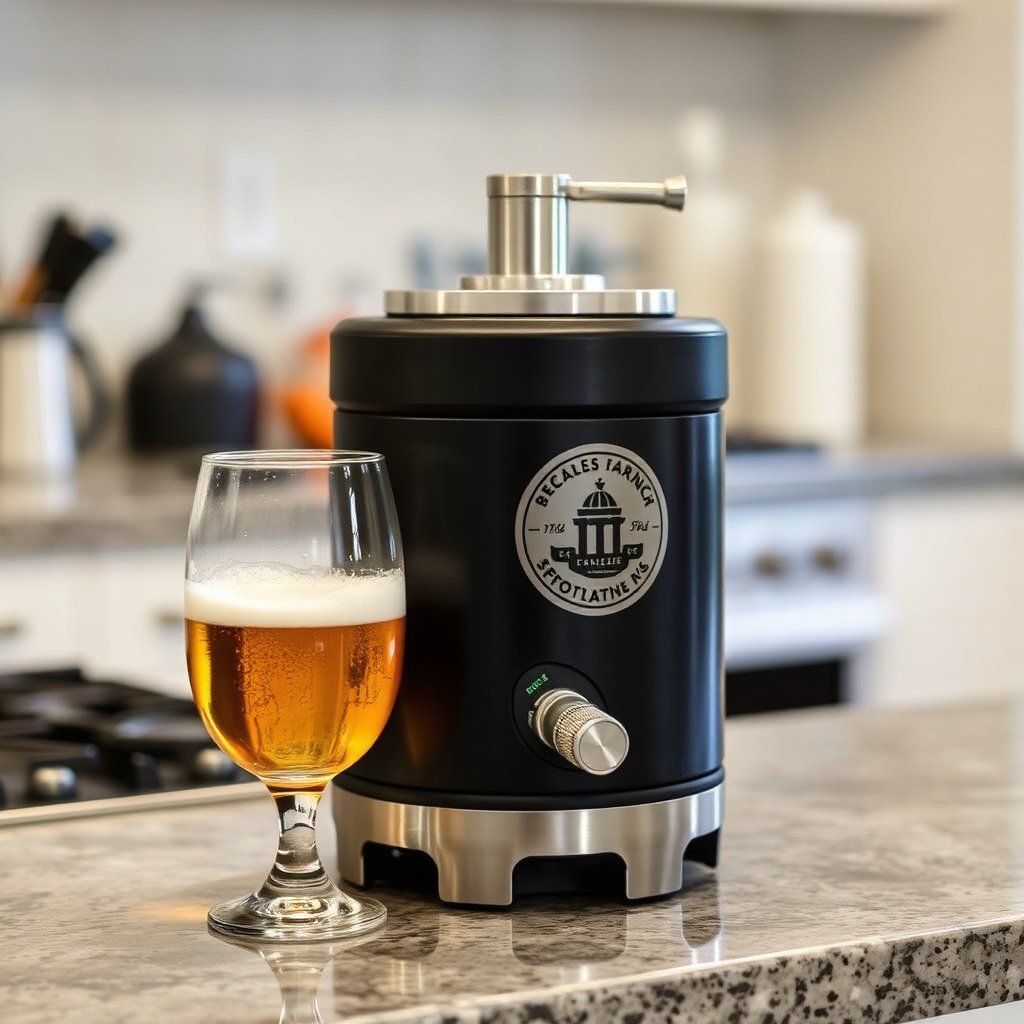
Mini kegs usually contain around 1.3 gallons or 160 ounces, approximately 13 standard 12-ounce beers. These compact kegs are ideal for personal use or small gatherings.
Cornelius kegs, common in homebrewing, have various capacities, typically 5 gallons or about 53 beers. They are reusable and allow for easy home draft setups.
Flexible Small Volume Kegs
Some kegs come in sizes like sixth barrels (5.16 gallons) or sixtels, offering around 55 12-ounce servings. These provide an intermediate option between minis and full-sized kegs.
Their physical size fits in many kegerators, making them popular where space and portion control are concerns.
Understanding Keg Capacity in Liters
Conversion Between Gallons and Liters
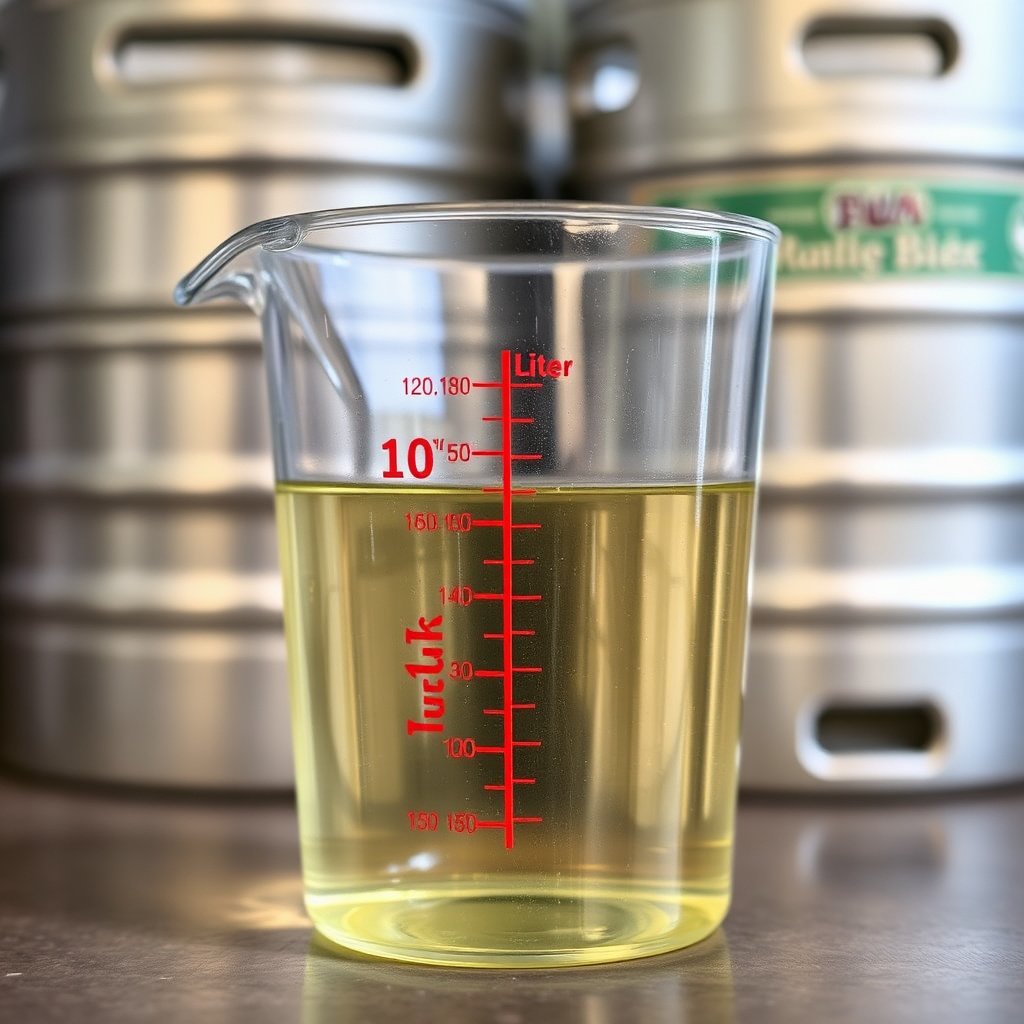
Keg sizes often show volumes in gallons in the U.S., but other countries use liters. One U.S. gallon equals approximately 3.785 liters.
For example, a half barrel keg at 15.5 gallons translates to about 58.67 liters, which is helpful when comparing international beer containers or planning purchases abroad.
For more on this, see our related guide: How Much Beer per Person for a Party: A Complete Planning Guide.
Estimating Servings per Liter
A 12-ounce serving equals roughly 0.355 liters. Dividing the keg's liter volume by this number gives the approximate number of pours.
For instance, a 30-liter keg yields about 84 servings, making it easier to predict how much beer you'll get regardless of the measurement system.
Factors Affecting the Number of Beers in a Keg
Pour Sizes and Glassware Variations
The number of beers depends on the serving size. Bars may serve 10- to 16-ounce pours, which increases or decreases the total servings from a keg.
Glass size and pouring techniques also affect foam and waste, which can reduce usable beer volume marginally.
Beer Style and Carbonation Effects
Different styles have varying carbonation levels, which can affect the pour quality and beer head size, indirectly influencing the amount served per keg.
Highly carbonated beers may require more careful pouring to avoid excess foam and beer loss.
Choosing the Right Keg for Your Event
Calculating Amount Based on Guest Count
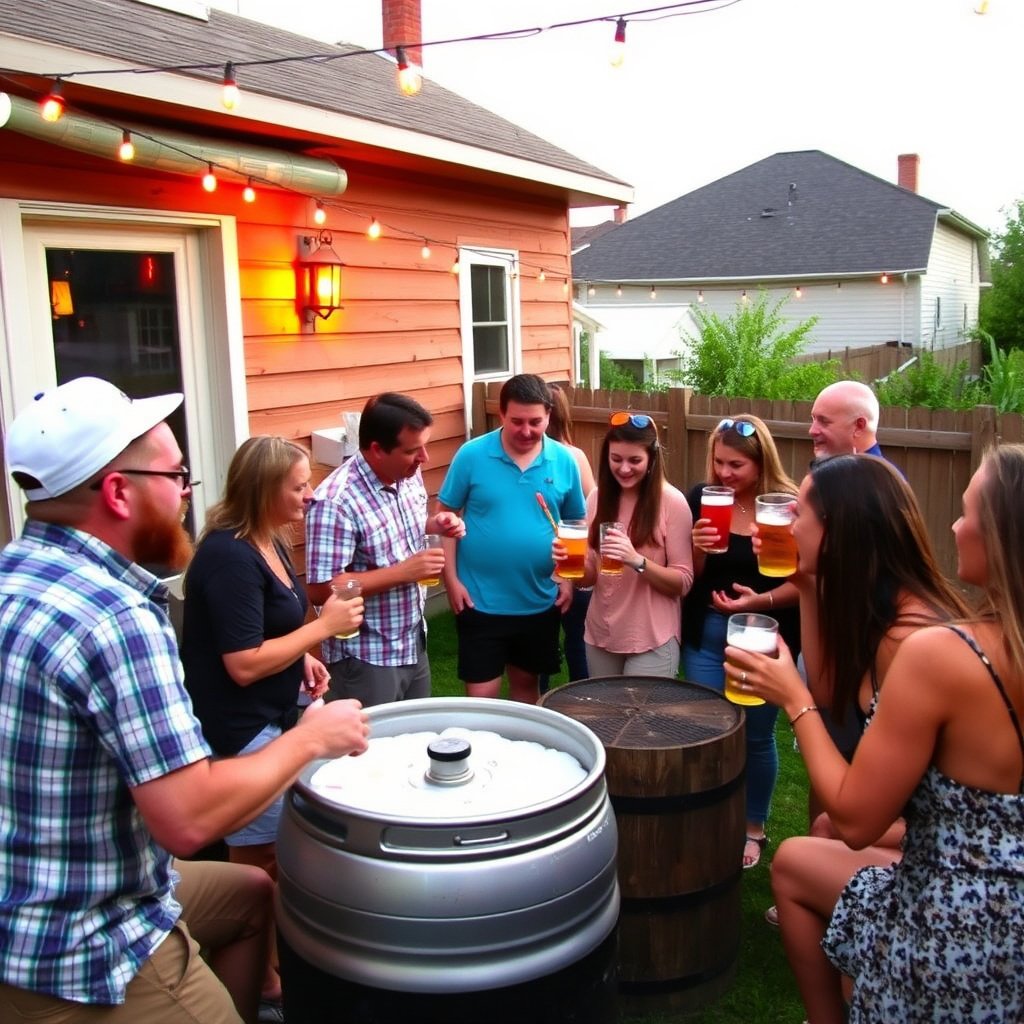
Estimate beer needs by considering the number of guests and average consumption (usually 1-2 beers per hour per person). Then select a keg size to match or slightly exceed this total.
For large groups, full-size half barrels work best, while small gatherings might find pony or mini kegs more practical.
For more on this, see our related guide: How to Pick a Beer at a Bar: 8 Smart Steps for Confident Choices.
Storage and Dispensing Considerations
Make sure you have proper refrigeration and dispensing equipment, especially for larger kegs, to keep beer fresh and maintain carbonation.
Portable taps and small kegerators can simplify serving for home use or outdoor events.
Cost and Availability of Different Keg Sizes
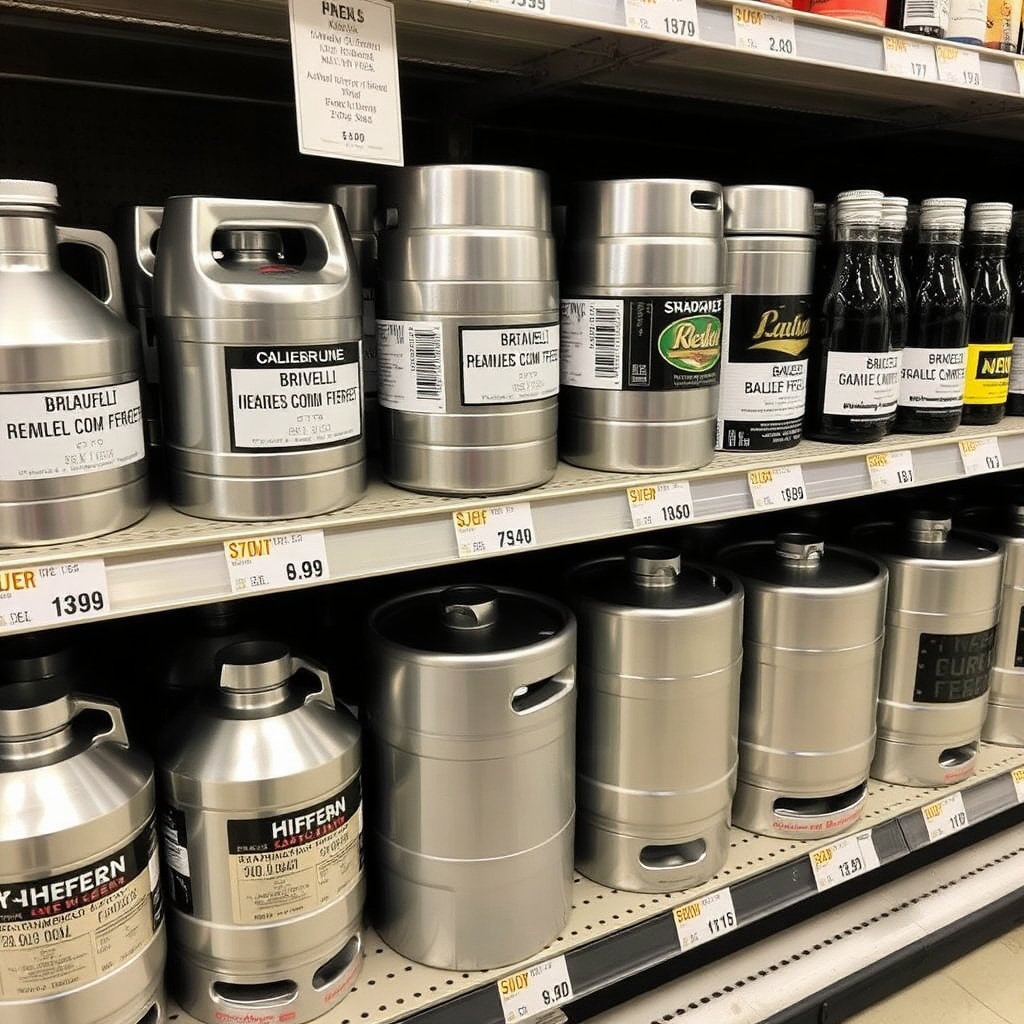
Price Differences Among Keg Sizes
Full-size kegs often have the best price per ounce but require a larger upfront investment. Smaller kegs cost less but may have slightly higher per-ounce pricing.
Budget constraints and expected consumption play a role in selecting the best value for your needs.
For more technical details about keg sizes and history, check the keg article on Wikipedia. Keg article on Wikipedia.
Keg Options at Retail and Wholesale Outlets
Many liquor stores offer various keg sizes, but availability depends on your location and the brewery. Specialty beers may be harder to find in full kegs.
Buying from wholesalers or directly from distributors can sometimes yield better prices, especially for larger volumes.
Keg Size Category Comparison
This table compares popular keg sizes based on volume, estimated beer servings, and typical use cases.
| Keg Size | Volume (Gallons) | Volume (Liters) | Estimated 12-oz Servings | Best For |
|---|---|---|---|---|
| Half Barrel (Full-Size) | 15.5 | 58.67 | 165 | Large parties, bars |
| Quarter Barrel (Pony Keg) | 7.75 | 29.34 | 82 | Medium gatherings, home use |
| Sixth Barrel (Sixtel) | 5.16 | 19.54 | 55 | Small to medium events |
| Cornelius Keg | 5 | 18.93 | 53 | Homebrewing, draft setups |
| Mini Keg | 1.3 | 4.92 | 13 | Personal use, small parties |
Frequently Asked Questions
How many 16-ounce beers are in a full-size keg?
A full-size keg contains about 124 servings of 16-ounce beers, considering its 15.5-gallon volume converted to ounces.
Can I keep a keg of beer outside without refrigeration?
It's not recommended to store a keg without refrigeration because warm temperatures can spoil the beer and cause excess foaming when pouring.
What equipment do I need to serve beer from a keg?
You'll need a keg tap or coupler, a dispensing system or kegerator, and CO2 tanks to maintain pressure and carbonation while serving.
Are keg sizes standard worldwide?
Keg sizes vary by country, with the U.S. using gallons and other countries using liters; common sizes may differ, so check local standards when purchasing.
How long does beer stay fresh in a keg once tapped?
Properly refrigerated and pressurized, beer in a keg typically stays fresh for 30 to 45 days. Without CO2 pressure, freshness decreases within a day or two.
Key Takeaways
- Standard full-size kegs hold about 165 12-ounce beers.
- Smaller kegs like pony or mini kegs offer manageable options for smaller groups.
- Keg capacity can be understood in both gallons and liters for global context.
- Choosing a keg depends on guest count, equipment, and event type.
Conclusion
Estimating how many beers are in a keg requires understanding the keg’s size and the volume it holds. Using the main types—half barrel, quarter barrel, and mini kegs—as reference points helps simplify your planning. Consider the number of guests, average drink amounts, and serving sizes to select a keg that matches your event’s needs efficiently. This approach minimizes waste and ensures you have enough beer to satisfy everyone without excess.
For large events or commercial use, half barrel kegs are the most cost-effective and provide a huge number of servings. Medium groups can benefit from pony or sixth barrel kegs, offering flexibility and easier handling. Personal or very small gatherings might only need a mini keg or Cornelius keg if homebrewing, where freshness and convenience are priorities. Aligning keg size with demand and available dispensing equipment optimizes both experience and value.
The next step after choosing your ideal keg is to arrange the proper equipment to keep the beer fresh and properly served, such as CO2 tanks and taps or kegerators. Planning for storage temperature and dispensing setup ensures you get the best beer quality from the keg. No matter the size you pick, knowing the beer quantity in advance helps your event flow smoothly and leaves your guests happy.