How to Care for Nonstick Pans: Easy Tips for Long-Lasting Cookware
Proper care for nonstick pans involves gentle cleaning, avoiding high heat, and using the right utensils. Immediately after cooking, allow the pan to cool, then wash with warm, soapy water using a soft sponge to prevent damage to the coating. Refrain from using metal tools or abrasive cleaners to maintain the pan’s nonstick surface.
Nonstick pans are popular due to their convenience, but improper handling can shorten their lifespan rapidly. This matters because the coating can deteriorate or release toxic compounds if overheated or scratched. Taking care of nonstick pans ensures you get consistent cooking results and prolongs your investment in quality cookware.
This article will share practical steps and safety tips to care for nonstick pans, including cleaning methods, handling precautions, storage techniques, and choosing suitable kitchen tools. We'll also compare different nonstick materials and answer common questions to help you preserve your cookware’s performance effectively.
Cleaning Techniques to Preserve Nonstick Coating
Hand Washing vs. Dishwasher Use
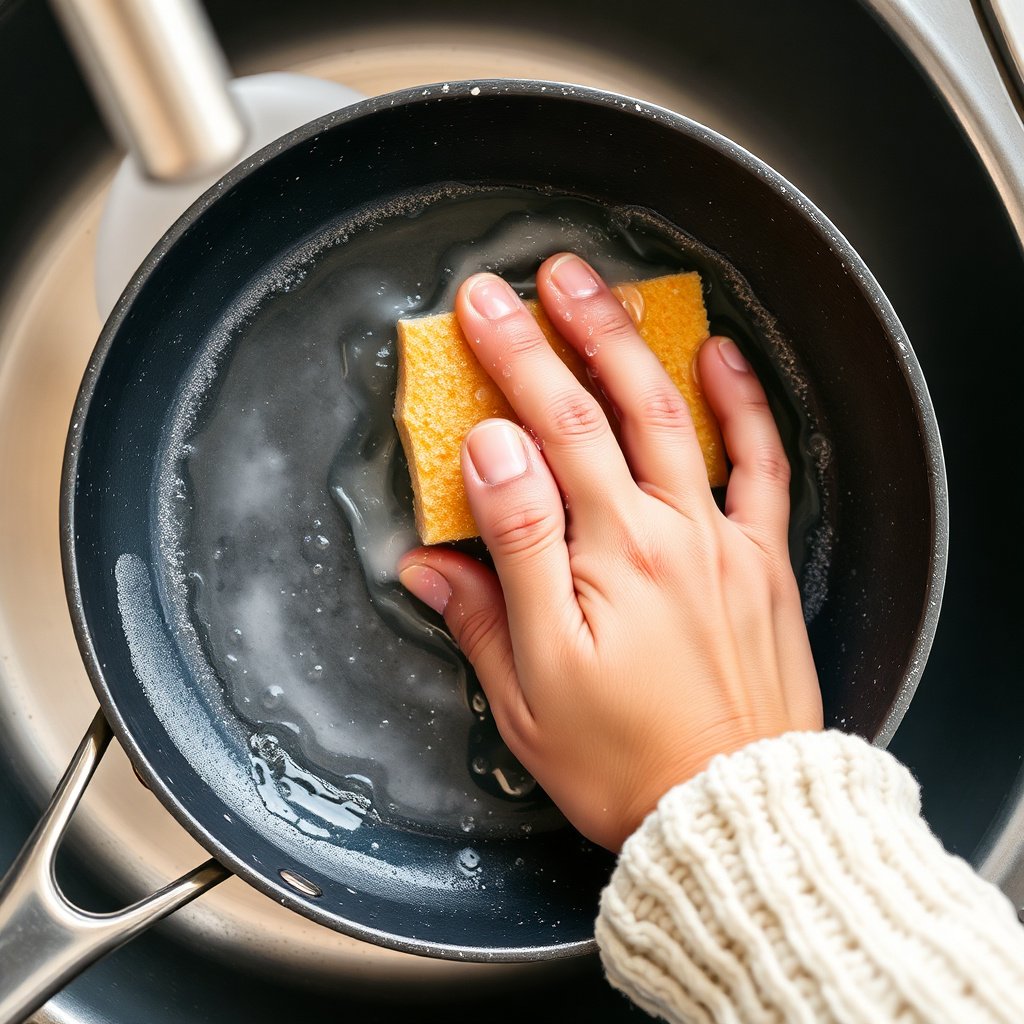
Although some nonstick pans claim dishwasher safety, manual washing is the safest method to avoid coating damage. Dishwashers expose pans to harsh detergents and high temperatures that can degrade the nonstick surface faster than gentle hand cleaning.
Using warm water, mild dish soap, and a soft nylon sponge or cloth minimizes wear on the coating and removes residue effectively without abrasive pressure.
- Avoid harsh detergents in dishwashers
- Skip scrubbing pads with rough textures
- Rinse thoroughly to prevent soap buildup
Removing Stubborn Residue
If food is stuck or residue accumulates, soak the pan in warm, soapy water for 10-15 minutes before cleaning gently. Avoid scrubbing agents like steel wool or metal brushes that scratch the surface.
For tougher stains, a paste of baking soda and water can help by loosening debris without damaging the pan. Apply gently with a soft cloth, rinse well, and dry thoroughly.
- Use baking soda paste for tough spots
- Soak pans to loosen stuck food
- Dry pans immediately after washing
Handling Nonstick Pans Safely During Cooking
Temperature Control for Nonstick Pans
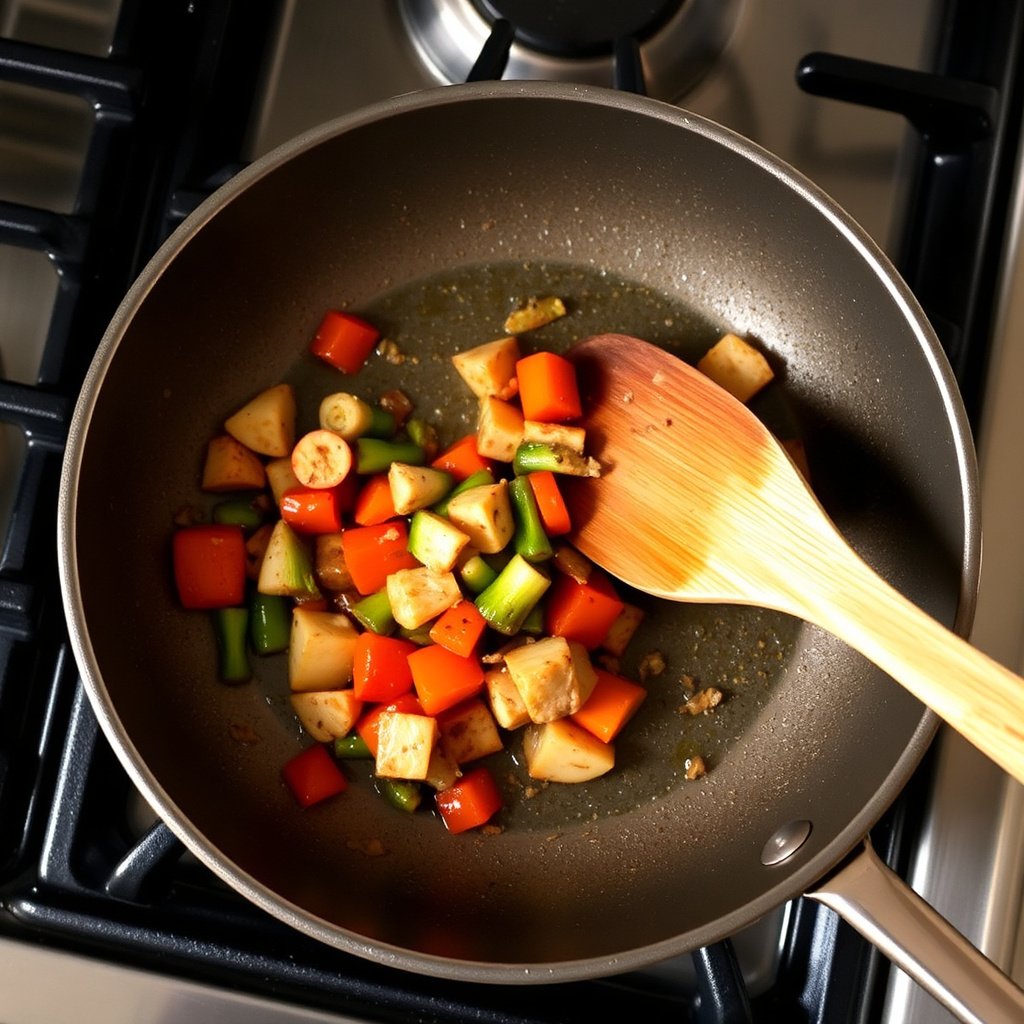
Nonstick pans perform best at medium or low heat because high temperatures degrade the coating and can release harmful fumes. Most nonstick coatings are not designed for temperatures exceeding 500°F (260°C).
Using moderate heat also prevents warping and helps maintain even cooking. Many manufacturers recommend avoiding preheating empty pans on high heat to protect the surface.
- Cook on low to medium heat only
- Avoid preheating empty pans
- Watch for smoking as a sign of overheating
Utensils to Use with Nonstick Cookware
Using silicone, wooden, or plastic utensils prevents scratching the delicate nonstick coating. Metal tools can cause permanent damage by gouging the surface, leading to flaking and reduced efficiency.
Investing in utensils specifically designed for nonstick pans extends cookware life and maintains a smooth cooking surface.
- Use non-metal tools: silicone, wood, or plastic
- Avoid knives or forks inside the pan
- Check utensils for rough edges before use
Storage and Maintenance Tips for Nonstick Pans
Proper Storage to Avoid Surface Damage
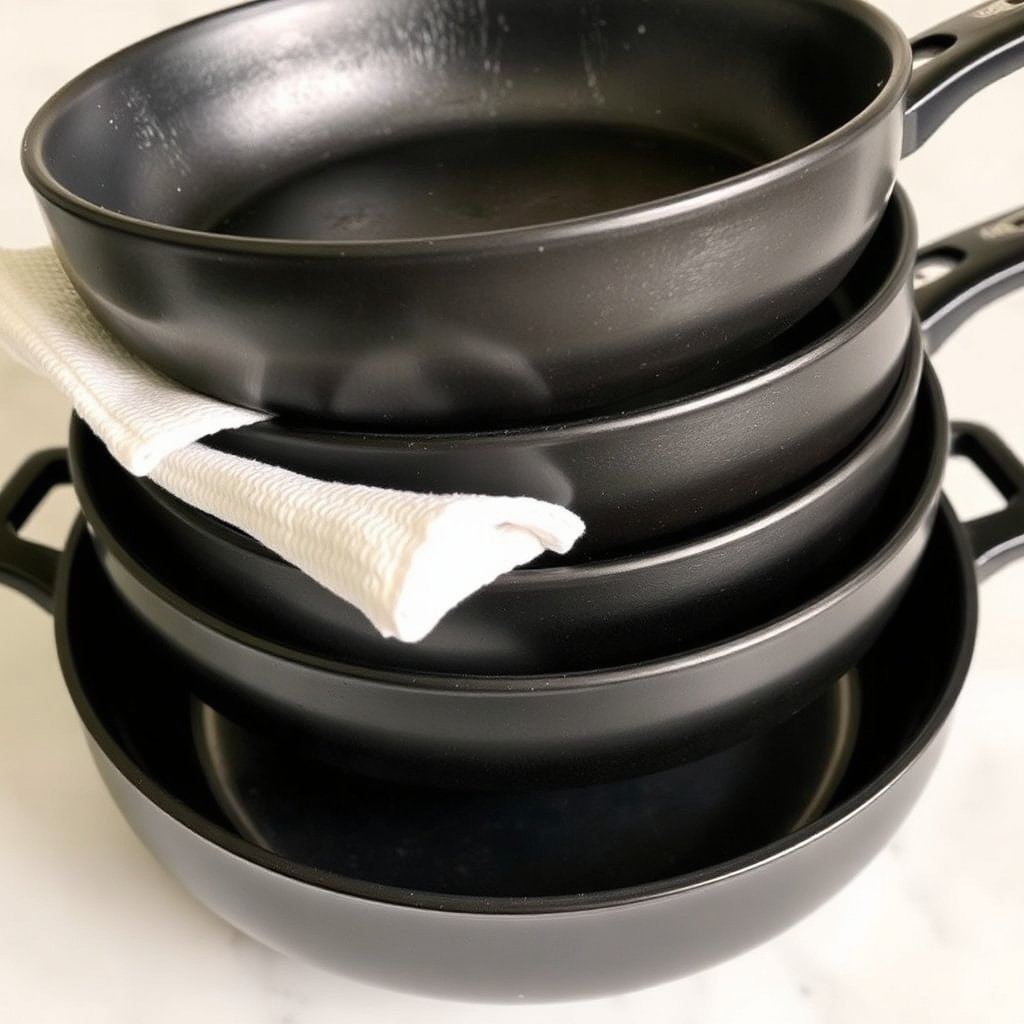
Stacking nonstick pans directly without protection can cause scratches as pans rub against each other. Placing paper towels, cloth, or pan protectors between them minimizes contact and preserves the coating.
Hanging pans by handles or storing them separately in dedicated drawers also helps avoid damage.
- Use pan protectors or soft barriers between stacked pans
- Store pans in a dedicated cookware drawer or hang them
- Avoid dropping pans to prevent dents and coating chips
For more on this, see our related guide: How to Make French Toast: A Complete Guide for Perfect Results.
Routine Inspections and Replacements
Regularly inspect your pans for scratches, peeling, or discoloration. If the nonstick surface visibly deteriorates, it's safer to replace the pan to avoid contamination or reduced cooking performance.
Keeping an eye on wear signs and rotating between cookware helps maintain smooth nonstick surfaces.
- Check for flaking or peeling coatings
- Replace if functional coating is compromised
- Rotate usage to extend overall cookware life
Materials and Coatings: Understanding Your Nonstick Pan
Common Nonstick Coatings
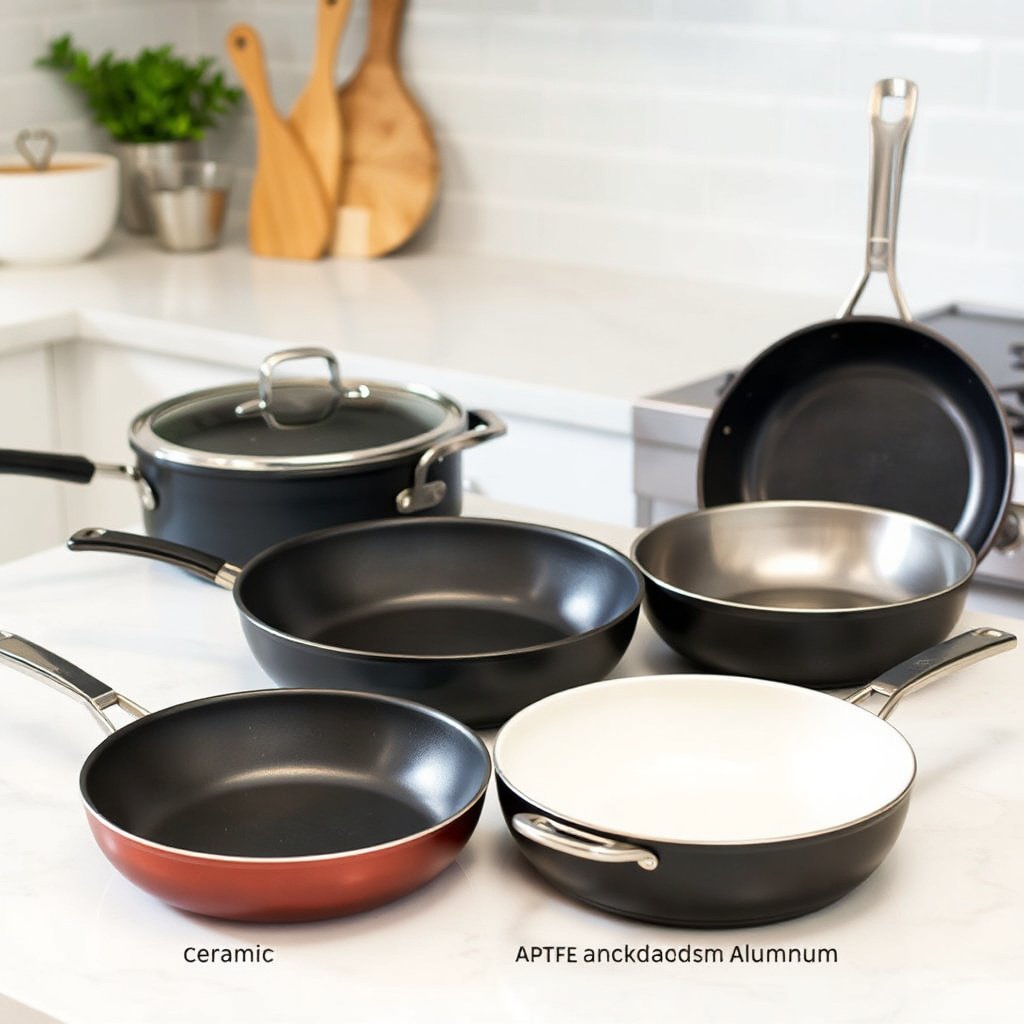
Polytetrafluoroethylene (PTFE), also known as Teflon, is the most common nonstick coating. It offers excellent release properties but requires careful temperature control to prevent degradation.
Ceramic coatings are a newer alternative, providing non-toxic and environmentally friendly options but often with lower durability than PTFE.
- PTFE: excellent slickness, sensitive to high heat
- Ceramic: eco-friendly, less durable, tolerates higher temperatures
- Anodized aluminum pans combine durability with nonstick surface
Choosing the Right Nonstick Pan for Your Needs
Consider what cooking style you prefer and how much maintenance you’re willing to do. PTFE pans require more delicate handling but offer superior nonstick benefits, while ceramic pans handle higher heat with less care but can lose nonstick properties faster.
Anodized aluminum pans provide a middle ground with durability and decent nonstick performance but may need seasoning for best results.
- PTFE for everyday low- to medium-heat cooking
- Ceramic if avoiding synthetic chemicals
- Anodized aluminum for heavy-duty cooking with moderate nonstick
Common Mistakes That Shorten Nonstick Pan Lifespan
Overheating and Thermal Shock
Placing a cold nonstick pan directly on a hot stovetop or using high heat can cause rapid expansion and damage the coating. Sudden temperature changes may warp the pan and compromise the nonstick layer.
Always heat gradually and let pans cool before washing or rinsing with cold water.
- Avoid heating empty pans on high
- Do not immerse hot pans in cold water immediately
- Use stove settings appropriate for nonstick cookware
For more on this, see our related guide: How to Cook Scallops Perfectly: 8 Methods and Expert Tips That Work.
Using Improper Cleaning Materials
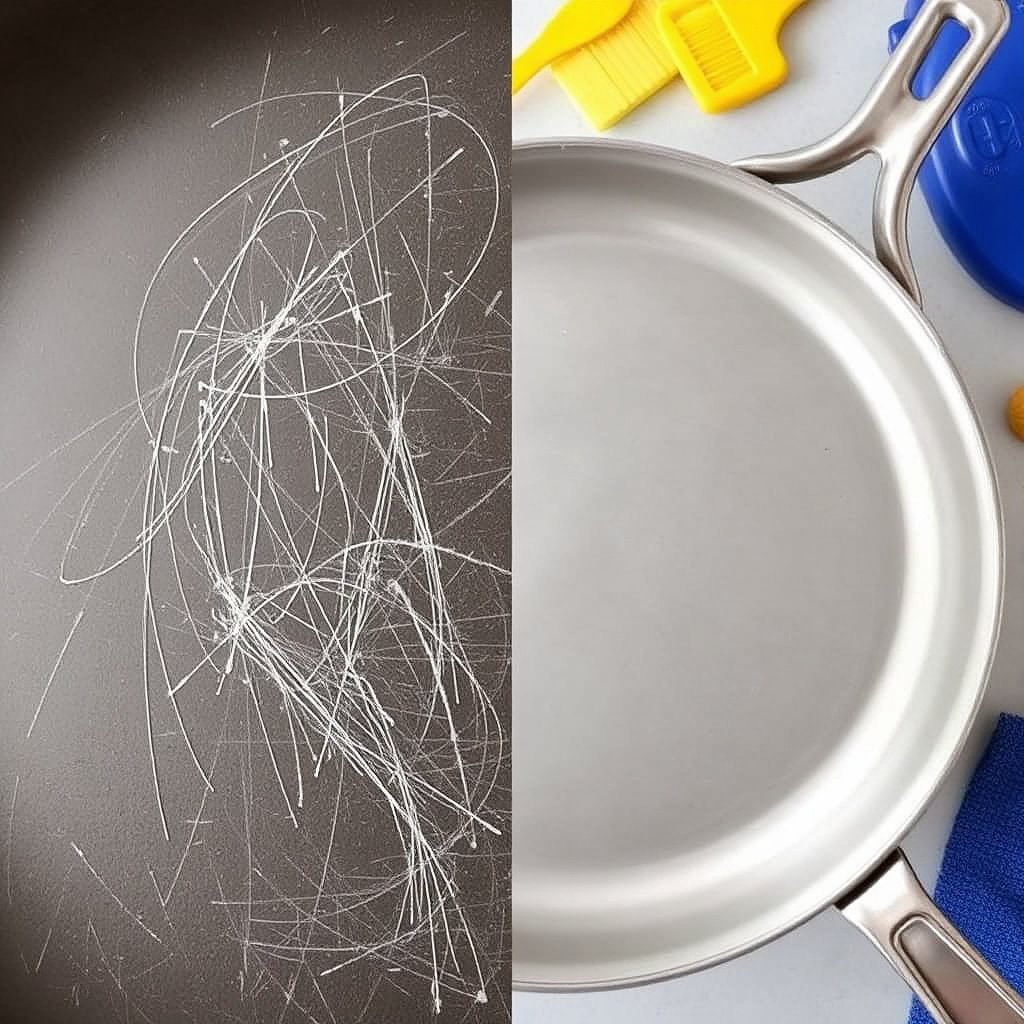
Scrubbing vigorously with metal brushes or abrasive powders removes the nonstick coating layer by layer. Harsh chemicals can also degrade the surface.
Stick to gentle sponges and mild detergents to retain the nonstick properties as long as possible.
- Never use steel wool or metal scrubbers
- Avoid harsh chemical cleaners
- Stick to soft brushes and mild dish soap
Extending Your Nonstick Pan's Usable Life
Seasoning Your Nonstick Pan
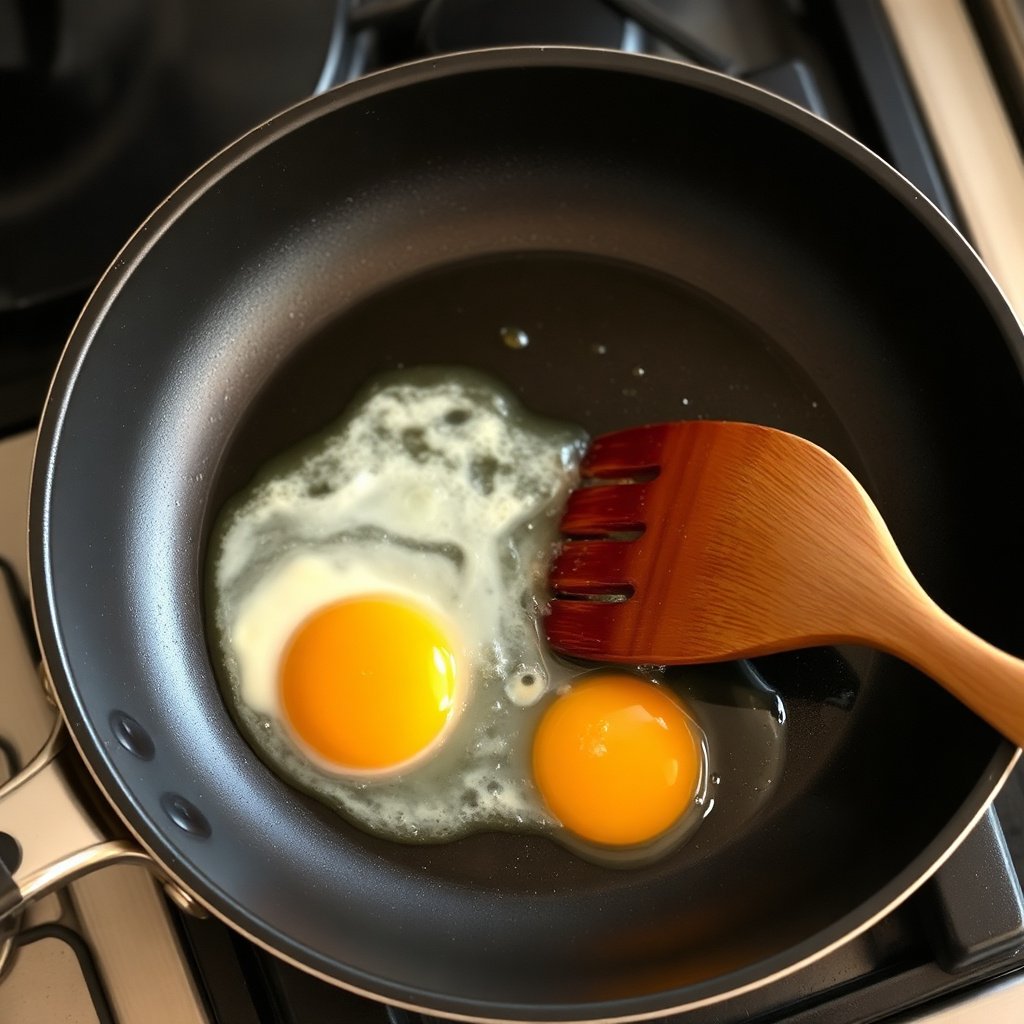
Some nonstick pans can benefit from occasional seasoning, which involves lightly coating with oil and heating gently to reinforce the cooking surface. This is especially recommended for ceramic or anodized aluminum pans to improve slickness.
Seasoning fills microscopic pores and protects the coating from wear and sticking during cooking.
- Apply a thin layer of vegetable oil
- Heat on low for 1-2 minutes
- Wipe off excess oil after cooling
For a detailed overview of nonstick cookware materials and safety, you can visit the nonstick cookware information on Wikipedia. Nonstick cookware information on Wikipedia.
Proper Cooling and Drying After Use
After cooking, allow the pan to cool naturally before washing. Drying with a soft cloth promptly helps prevent moisture-related damage and keeps the surface smooth.
Avoid stacking or storing pans while damp to reduce the risk of corrosion or coating separation.
- Let pans cool off before washing
- Dry thoroughly with a soft towel
- Store in a dry place
Nonstick Pan Materials Comparison
Here’s a breakdown of popular nonstick pan materials and coatings to help you decide which best meets your cooking and maintenance needs.
| Material/Coating | Heat Tolerance | Durability | Maintenance Needed | Nonstick Performance |
|---|---|---|---|---|
| PTFE (Teflon) | Up to 500°F (260°C) | Moderate | High (avoid high heat and metal tools) | Excellent |
| Ceramic | Up to 600°F (315°C) | Lower | Moderate (gentle cleaning) | Good (may degrade faster) |
| Anodized Aluminum | Up to 500°F (260°C) | High | Moderate (may require seasoning) | Fair to Good |
| Cast Iron with Nonstick Coating | Up to 700°F (370°C) | Very High | High (regular seasoning) | Good when seasoned well |
Frequently Asked Questions
Can I use metal utensils on nonstick pans?
Using metal utensils can scratch and damage the nonstick coating. It's best to use wooden, silicone, or plastic utensils to protect the pan’s surface and maintain its effectiveness.
Is it safe to use a dishwasher for cleaning nonstick pans?
While some nonstick pans are dishwasher safe, repeated exposure to harsh detergents and high temperatures can degrade the coating. Hand washing with mild soap and a soft sponge is safer for longevity.
Why did my nonstick pan start sticking after a few uses?
Sticking often occurs when the nonstick coating wears off due to overheating, abrasive cleaning, or using metal utensils. Proper care mitigates this, but wear is natural over time.
How do I know when to replace my nonstick pan?
Replace your nonstick pan if its coating is scratched, flaking, or peeling, as this affects cooking and may pose health risks. Visible wear is a clear signal for replacement.
Can I season my nonstick pan like cast iron?
Some ceramic or anodized aluminum pans benefit from light seasoning with oil to improve nonstick qualities, but traditional PTFE-coated pans usually don't require seasoning.
Key Takeaways
- Hand wash nonstick pans with mild soap and soft sponges for best results.
- Cook on low to medium heat to protect the nonstick coating from damage.
- Use non-metal utensils like silicone or wooden tools to avoid scratching.
- Replace pans if coatings show significant wear, flaking, or peeling.
Conclusion
Taking care of your nonstick pans centers on gentle handling and maintaining the coating's integrity. Understanding how heat, utensils, and cleaning methods affect your cookware helps you make informed choices to preserve its functionality. Consistent, attentive care ensures even cooking, safer food preparation, and extends the lifespan of your nonstick pans.
For everyday cooking, PTFE-coated pans suit low- to medium-heat methods best and require careful cleaning and utensil choices. Ceramic-coated pans offer a chemical-free alternative for cooks who prefer higher heat cooking with moderate maintenance. If durability is your priority, anodized aluminum pans provide a robust option needing some seasoning and gentle cleaning. By selecting the right pan type and applying recommended care practices from this guide, your nonstick cookware can maintain its performance for years.
Begin by adopting simple habits like hand washing and using wooden or silicone spoons to immediately improve your pan’s lifespan. Follow the cleaning, handling, and storage tips outlined here and monitor your pans for wear signs. When replacement becomes necessary, consider the comparison to choose the best nonstick pan fit for your cooking style. With mindful care, your nonstick pans will remain reliable kitchen companions.