How to Choose a Whiskey Glass for the Best Tasting Experience
Choosing a whiskey glass might seem straightforward, but selecting the right one can significantly affect how you enjoy the drink. The main goal is to pick a glass that enhances whiskey's aroma, flavor, and overall experience. Whether you prefer neat, on the rocks, or in a cocktail, the glass shape plays a critical role in how your whiskey tastes and smells.
Whiskey glasses come in many designs, each influencing the sensory qualities differently. A well-chosen glass helps concentrate the bouquet, directs the liquid to preferred parts of your palate, and even affects temperature control. This makes knowing how to choose a whiskey glass important for enthusiasts and casual drinkers alike.
This article explores the features of popular whiskey glass types, explains how glass shape impacts flavor perception, and helps you decide which glass suits your tasting style. We'll also compare characteristics of various glass styles and offer tips on finding the best whiskey glass styles to match your preferences.
Understanding Whiskey Glass Shapes and Their Effects
How Glass Shape Influences Aroma and Flavor
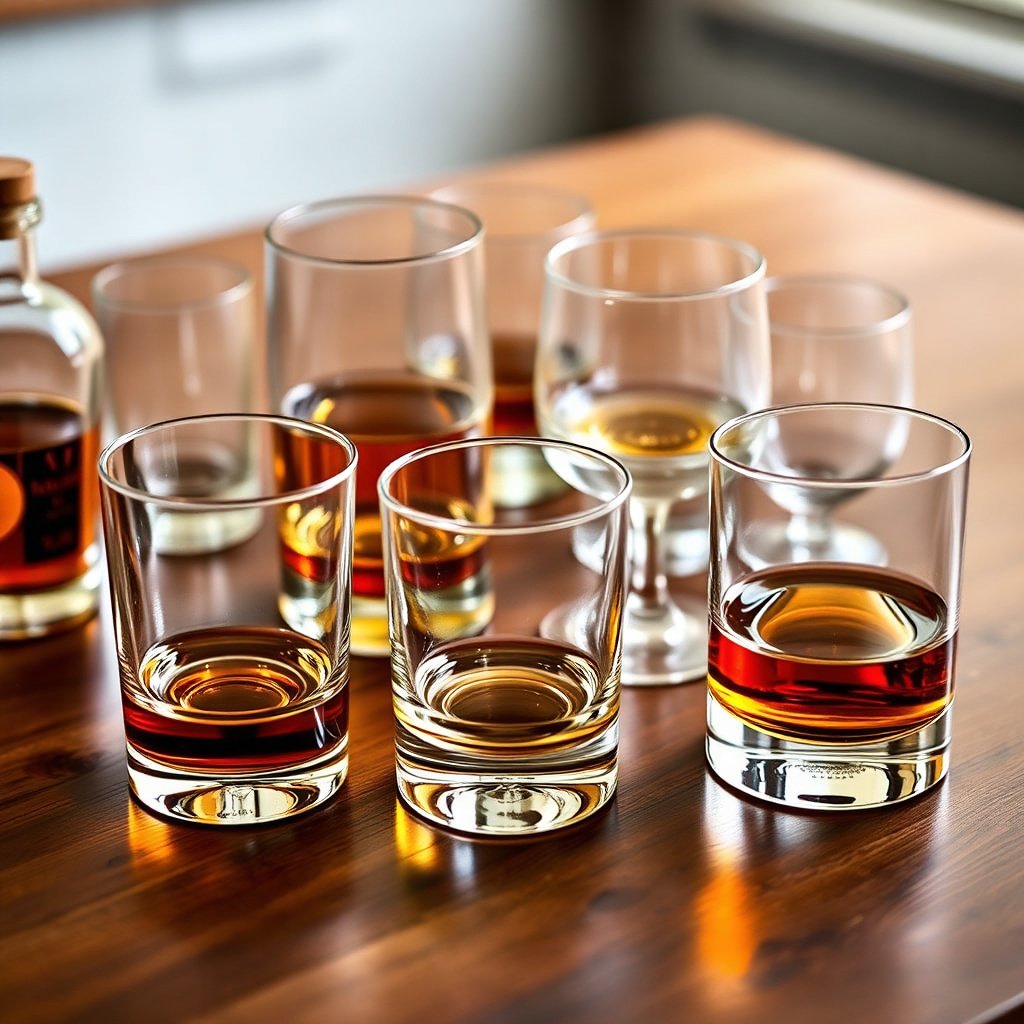
The shape of a whiskey glass directly affects how aromas concentrate toward your nose and how the liquid flows onto your palate. Narrow opening glasses like the Glencairn funnel scents upward, enhancing aromatic complexity. Conversely, wide rim glasses allow more evaporation but may diffuse bouquet intensity.
Different shapes deliver liquid to varied parts of the tongue and mouth, impacting taste perception. For instance, glasses with a tapered rim help guide whiskey to the tip and sides of your tongue, accentuating sweetness and spice. These subtle differences create unique tasting experiences.
Common Glass Shapes and Their Characteristics
Some of the common whiskey glass types include the classic tumbler, Glencairn glass, tulip-shaped nosing glass, and copita. Tumblers have wide mouths and thick bases, suitable for whiskey with ice. Glencairns are designed specifically to enhance nosing and sipping neat spirits.
Tulip and copita glasses narrow at the rim to trap aromas effectively, ideal for sampling or savoring fine whiskeys. Each style caters to different drinking occasions and preferences, influencing both aroma and flavor in distinctive ways.
Materials and Durability of Whiskey Glasses
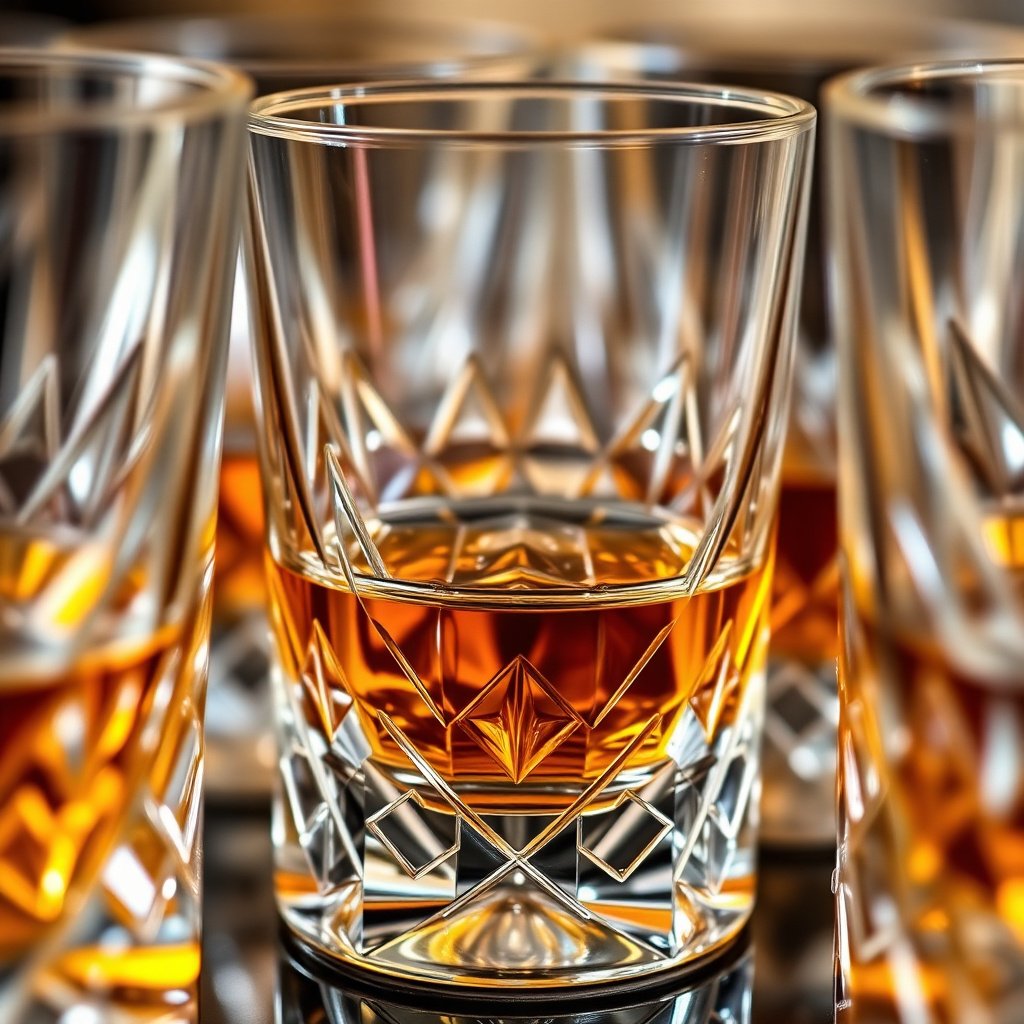
Crystal vs. Glass Whiskey Glasses
Crystal glasses often provide superior clarity and brilliance compared to ordinary glass. The finer material can have thinner rims, improving how the whiskey flows and feels on your lips. However, crystal is generally more fragile and may require careful handling.
Standard glass whiskey glasses are usually more durable and affordable, perfect for casual drinking or everyday use. While they may lack the brilliance of crystal, modern lead-free options offer a good balance of quality and resilience.
For more on this, see our related guide: What Is the Best Whiskey to Drink: Complete Guide to Top Picks and Tips.
Considerations for Maintenance and Longevity
When selecting a whiskey glass, consider how easy it is to clean and how it holds up over time. Some delicate rimmed glasses require gentle hand washing, while many tumblers are dishwasher safe. Scratches or cloudiness can detract from the drinking experience and aesthetics.
Long-lasting glasses resist chips and cracks; thicker bases and sturdy designs contribute to durability. Your choice should balance elegance with practicality based on how often you entertain or savor whiskey privately.
- Hand wash vs. dishwasher safe
- Thickness of glass rim
- Resistance to scratches or chips
- Weight and balance
Matching Whiskey Glasses to Drinking Preferences

Best Glasses for Neat Whiskey
If you enjoy whiskey neat, glasses that concentrate aroma and deliver liquid smoothly, such as the Glencairn or tulip-shaped glass, are ideal. These glasses allow you to appreciate the complexity of flavors and nose without distraction.
The shape traps volatile compounds near the rim so you catch subtle scents with every sip, enhancing the tasting experience. Their elegant design also complements savoring premium or aged whiskeys where aroma is a key focus.
Optimal Glasses for Whiskey with Ice or Cocktails
Whiskey on the rocks or in cocktails benefits from broader, more robust glasses. The classic tumbler or old-fashioned glass accommodates ice cubes or mixing ingredients, providing space and stability.
Thicker walls help moderate chill transfer while the wide mouth allows aromas to disperse moderately. These glasses are practical choices for casual settings where ease of use outweighs minute aroma concentration.
Size and Capacity Considerations for Whiskey Glasses
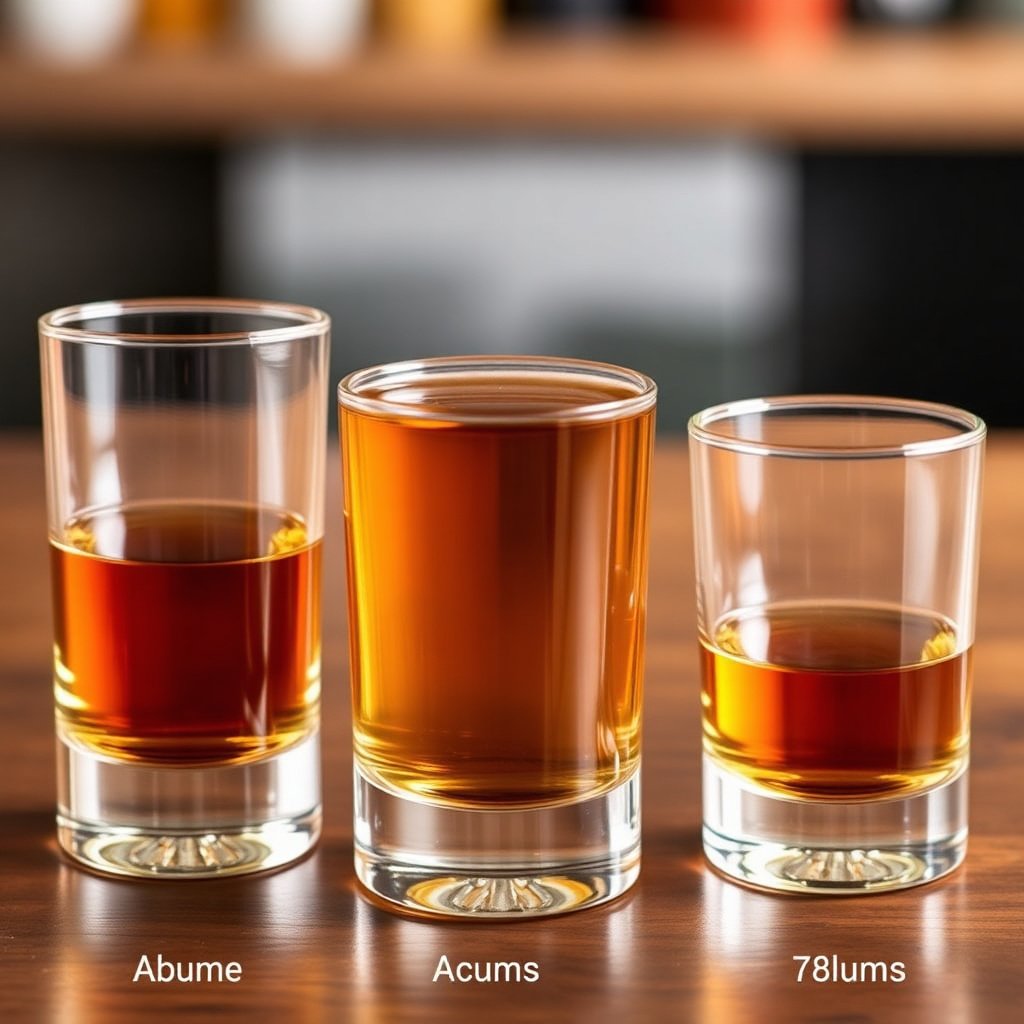
Choosing the Right Capacity for Your Pour
Whiskey glasses come in a range of sizes from smaller nosing glasses (about 5 oz) to large tumblers that hold over 10 oz. The appropriate size depends on how much whiskey you typically pour and whether you add mixers or ice.
Smaller glasses encourage slow sipping and reduce spillage, especially during tastings. Larger glasses give flexibility for cocktails or generous pours, but may sacrifice the focused aroma experience cherished by connoisseurs.
For more on this, see our related guide: How to Order a Drink at a Bar: A Complete Guide for Beginners.
Portability and Storage Impact
If you often travel or have limited cabinet space, compact whiskey glasses are easier to store and transport. However, fragile narrow glasses may not be as durable for outdoor use.
Consider glass shape and weight when deciding if you want something sturdy enough for regular carrying or delicate pieces for home enjoyment alone.
- Volume ranges from 5 oz to 12 oz
- Weight and thickness
- Storage space requirements
- Fragility during transport
How to Care for and Maintain Your Whiskey Glasses
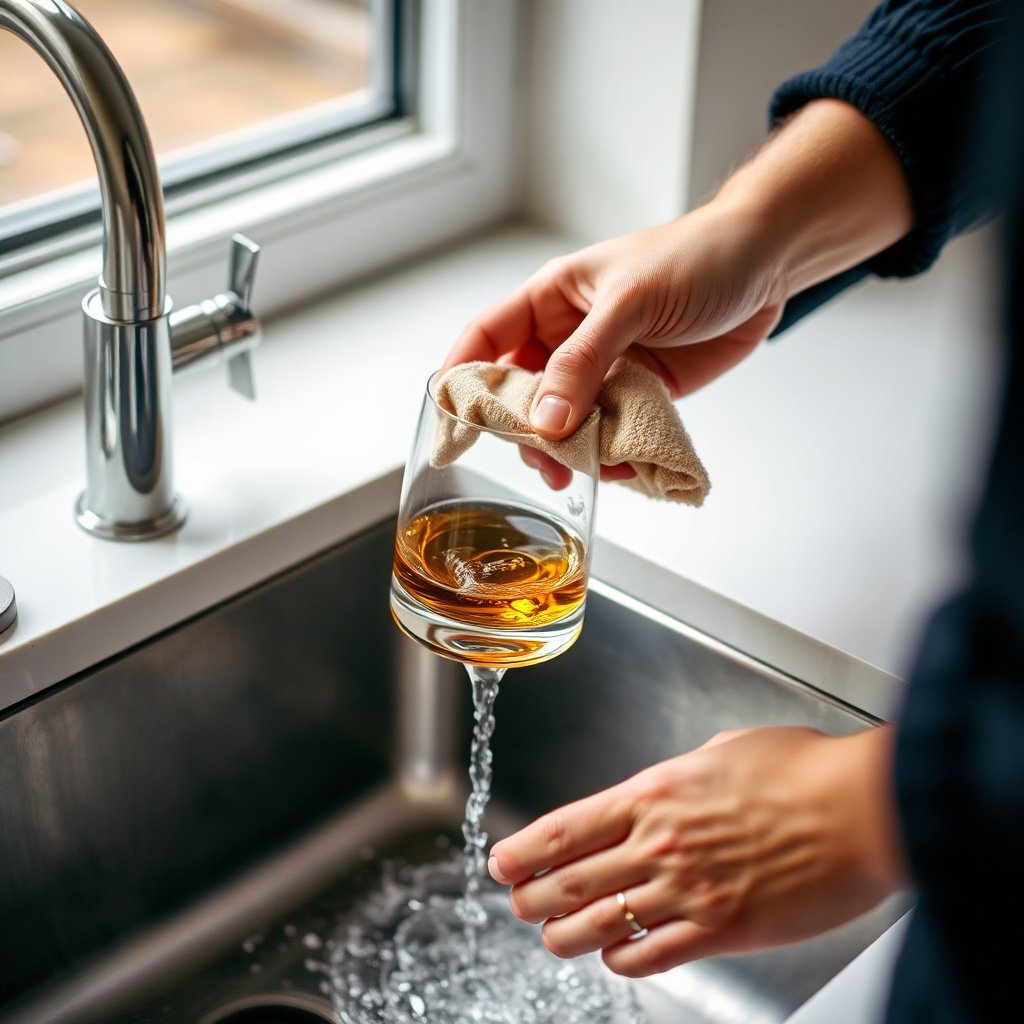
Cleaning Tips to Preserve Clarity and Aroma
To keep your whiskey glasses clear and odor-free, hand washing with mild detergent and warm water is recommended. Avoid harsh chemicals or abrasive scrubbers that can scratch or cloud the glass surface.
Immediately drying with a lint-free cloth helps prevent water spots, which can interfere with the visual appreciation of your whiskey. Proper cleaning preserves the integrity of glass rims where whiskey contacts lips.
For a thorough overview of whiskey glass varieties and their purposes, refer to the detailed descriptions available at Whiskey glass types on Wikipedia. Whiskey glass types on Wikipedia.
Storage and Handling Best Practices
Store whiskey glasses upright on sturdy shelves to avoid stress on rims. Avoid stacking delicate glasses and set them down carefully to prevent chipping.
If you have a set of valuable crystal glasses, consider dedicated storage cases or padded compartments. Gentle handling extends the lifespan and keeps your whiskey-drinking experience exceptional.
- Avoid dishwasher if glass is delicate
- Use padded storage compartments
- Store upright, not stacked
- Handle rims with care
Whiskey Glass Types Category Comparison
Here is a comparison of popular whiskey glass types outlining their features, best uses, and general benefits to help you decide.
| Glass Type | Shape Description | Ideal Use | Aroma Concentration | Durability |
|---|---|---|---|---|
| Glencairn Glass | Tulip shape with narrow rim | Neat whiskey tasting | High | Moderate (fragile) |
| Classic Tumbler | Cylindrical with wide mouth | Whiskey with ice or cocktails | Low | High (sturdy) |
| Copita Glass | Stemmed tulip shape | Professional whiskey nosing | Very high | Low (delicate) |
| Old Fashioned Glass | Short, wide, thick base | Whiskey on the rocks & cocktails | Moderate | High (durable) |
| Whiskey Snifter | Rounded bowl tapering at rim | Aged or complex whiskeys | High | Moderate |
Frequently Asked Questions
Why does glass shape affect whiskey taste?
Glass shape influences how aroma is concentrated and how whiskey flows onto your palate, which changes perceived flavor and tasting experience significantly.
Is crystal better than regular glass for whiskey?
Crystal often offers clearer glass with thinner rims that enhance taste, but tends to be more fragile than regular glass, which is more durable and affordable.
Can I use the same glass for whiskey neat and on ice?
You can, but glasses designed for neat whiskey focus aroma better, while tumblers or old-fashioned glasses better accommodate ice and mixers without sacrificing stability.
How should I clean my whiskey glasses to keep them clear?
Hand wash with mild soap and warm water, avoid harsh scrubbing, and dry immediately with a lint-free cloth to prevent spots and preserve clarity.
Do bigger whiskey glasses make the drink taste different?
Larger glasses may allow more evaporation and diffuse aromas, slightly altering the sensory experience compared to smaller, more concentrated designs.
Key Takeaways
- Glass shape greatly influences whiskey aroma and flavor perception.
- Choose crystal for elegance and thinner rims, glass for durability.
- Glencairn and tulip glasses suit neat whiskey; tumblers fit ice and cocktails.
- Proper cleaning and storage maintain glass clarity and longevity.
Conclusion
Deciding how to choose a whiskey glass comes down to understanding how different shapes affect aroma and taste. A glass is not merely a vessel; it shapes your sensory experience by concentrating scents and directing liquid flow over taste buds. Careful consideration of size, material, and style aligns with your personal drinking habits to magnify enjoyment.
For those who savor whiskey neat or appreciate complex nose profiles, specialized options like the Glencairn or tulip-shaped nosing glasses are excellent choices. Meanwhile, if your preference leans toward whiskey on ice or cocktail mixing, classic tumblers or old-fashioned glasses provide practicality combined with generous capacity and durability. Balancing elegance with everyday usability helps you find the best whiskey glass styles for your setting.
A straightforward next step is to begin with one or two glass types and observe how the experience of your favorite whiskeys changes. Over time you might build a small collection optimized for varied occasions, from tasting flights to relaxed evenings. This simple adjustment enhances one of the most treasured aspects of whiskey enjoyment: how it looks, smells, and tastes in your glass.