How to Clean a Burnt Pan: Effective Techniques and Tips
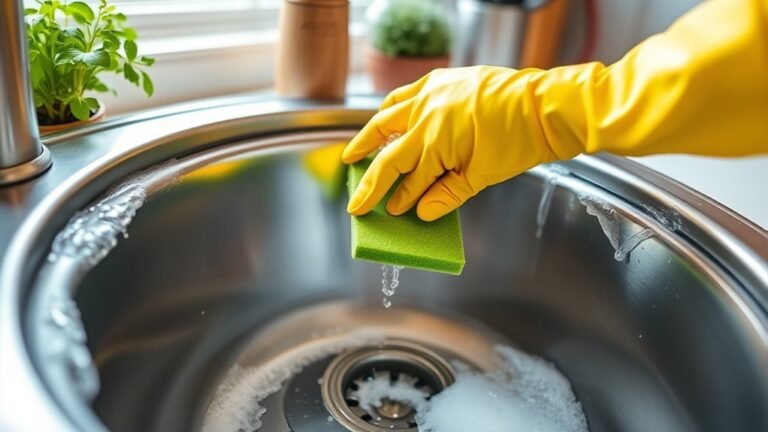
To clean a burnt pan, start by soaking it in warm soapy water to loosen burnt residue. Then use gentle scrubbing tools like nylon scrubbers along with baking soda or vinegar to lift stubborn stains without damaging the pan’s surface. This straightforward approach can restore your pan’s usability.
Burnt pans can occur from cooking spills or overheating, leaving stubborn layers of burnt food and discoloration. Removing these residues is important both for hygiene and to preserve the pan’s performance, flavor purity, and appearance over time.
This article covers several tried-and-true strategies for cleaning burnt pans, including the use of natural cleaning agents, boiling techniques, and safer kitchen tools, so you can pick the best method depending on your pan’s material and the severity of burn marks.
Common Household Ingredients for Cleaning Burnt Pans
Using Baking Soda and Water Paste
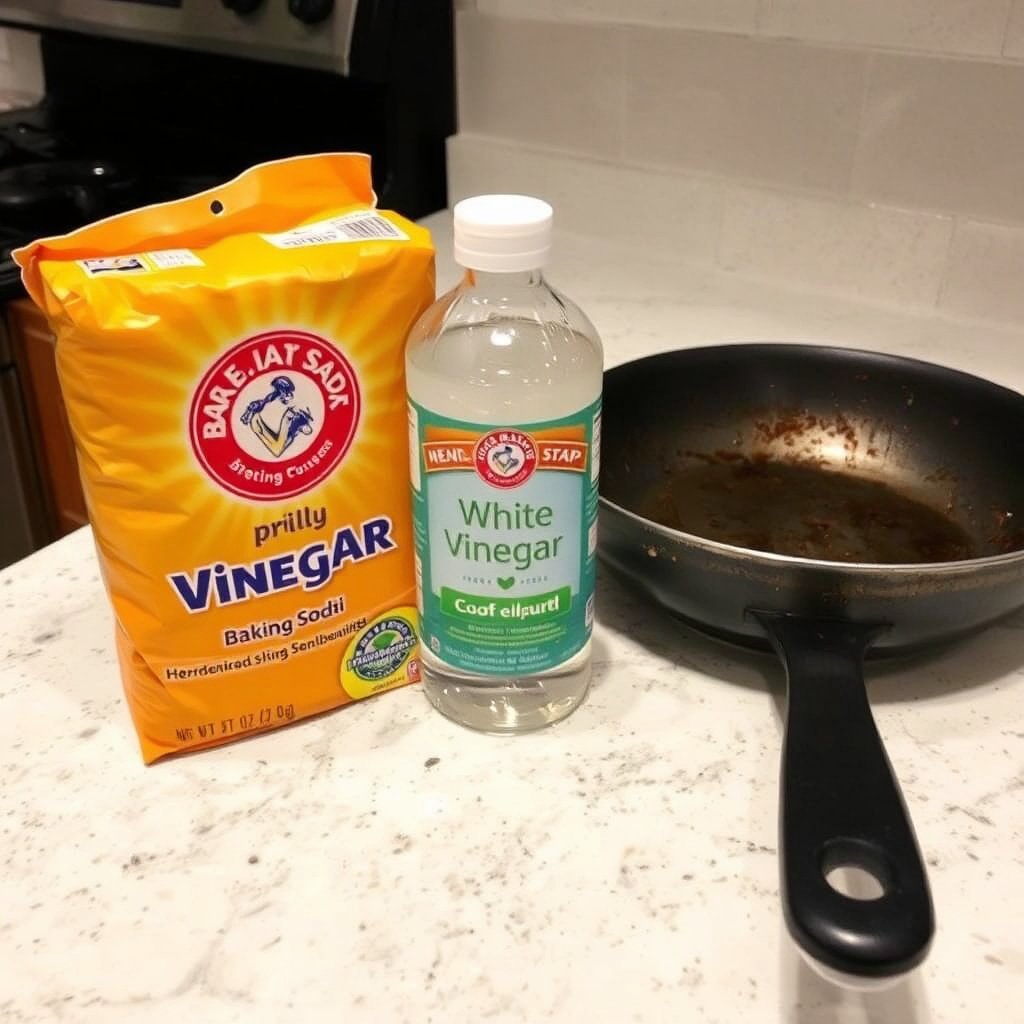
Baking soda is mildly abrasive and alkaline, making it effective at breaking down burnt food layers and neutralizing odors without scratching most pan surfaces. Create a paste by mixing baking soda with a small amount of water, then spread it over the burnt areas.
Let the paste sit for at least 15 minutes to allow it to soften the burnt residue. Scrub gently with a nylon brush or sponge, then rinse thoroughly. Repeat if necessary for tougher stains.
- Mix 3 parts baking soda to 1 part water
- Apply paste generously on burnt spots
- Wait 15-30 minutes before scrubbing
- Rinse and dry after cleaning
Cleaning with White Vinegar Boil
White vinegar’s acidity helps dissolve mineral deposits and burnt food stuck to pans. Pour equal parts water and vinegar into the pan and bring it to a boil on the stove. Allow it to simmer for about 5-10 minutes.
Once cooled slightly, use a scrub brush to clean off loosened burnt patches. Rinse the pan well to avoid lingering vinegar odor. This method works well for metal pans but should be tested cautiously on coated surfaces.
- Use a 1:1 ratio of vinegar and water
- Boil for 5-10 minutes to soften debris
- Scrub and rinse thoroughly after boiling
Mechanical Methods and Tools to Clean Burnt Pans

Choosing the Right Scrubbing Tools
Selecting cleaning tools suited to your pan’s material ensures effective cleaning without damage. For non-stick surfaces, soft nylon scrubbers or plastic scrapers prevent scratching. Stainless steel pans can tolerate tougher tools like steel wool or metal scrubbers but avoid harsh abrasion on polished finishes.
Always avoid metal utensils on coated pans to preserve the finish. Light pressure and repeating applications increase cleaning effectiveness without harming the pan.
- Nylon scrubbers for non-stick pans
- Steel wool for stainless steel pans
- Plastic spatulas to gently scrape debris
For more on this, see our related guide: How to Cook Pork Chops in a Pan Perfectly Every Time: A Complete Guide.
Using Boiling Water to Loosen Residue
Adding boiling water to a burnt pan helps soften charred material and loosen stubborn patches. Fill the pan with hot water and heat on the stove until it reaches a boil. Let it simmer for several minutes, then allow cooling before scrubbing.
This method reduces the need for harsh scrubbing and works well before applying household cleaners or mechanical tools, minimizing effort and risk to the pan.
- Fill pan with boiling water
- Simmer for 10-15 minutes
- Cool slightly before scrubbing
Special Considerations for Different Pan Materials

Cleaning Burnt Cast Iron Pans
Cast iron pans require care to maintain seasoning and prevent rust. Avoid soap and acidic cleaners that degrade seasoning layers. Instead, use coarse salt as an abrasive scrub with warm water to remove burnt food.
Apply a thin layer of oil after cleaning and dry thoroughly to protect the surface. For severe burns, re-seasoning might be necessary to restore the pan’s non-stick qualities.
- Use coarse salt as natural scrub
- Avoid soap and acidic cleaners
- Re-season after deep cleaning
Cleaning Non-Stick Pans Safely
Non-stick pans are prone to surface damage, so scrubbing should be gentle. Use baking soda paste or vinegar soak combined with soft sponges or nylon scrubbers only. Avoid steel wool or knives as they strip coatings and reduce lifespan.
After cleaning, rinse well and dry to keep the coating effective. Avoid overheating the pan during boiling methods to prevent warping or coating damage.
- Use only soft sponges or nylon scrubbers
- Avoid abrasive or metallic cleaners
- Do not overheat during cleaning
Preventing and Handling Odors After Cleaning
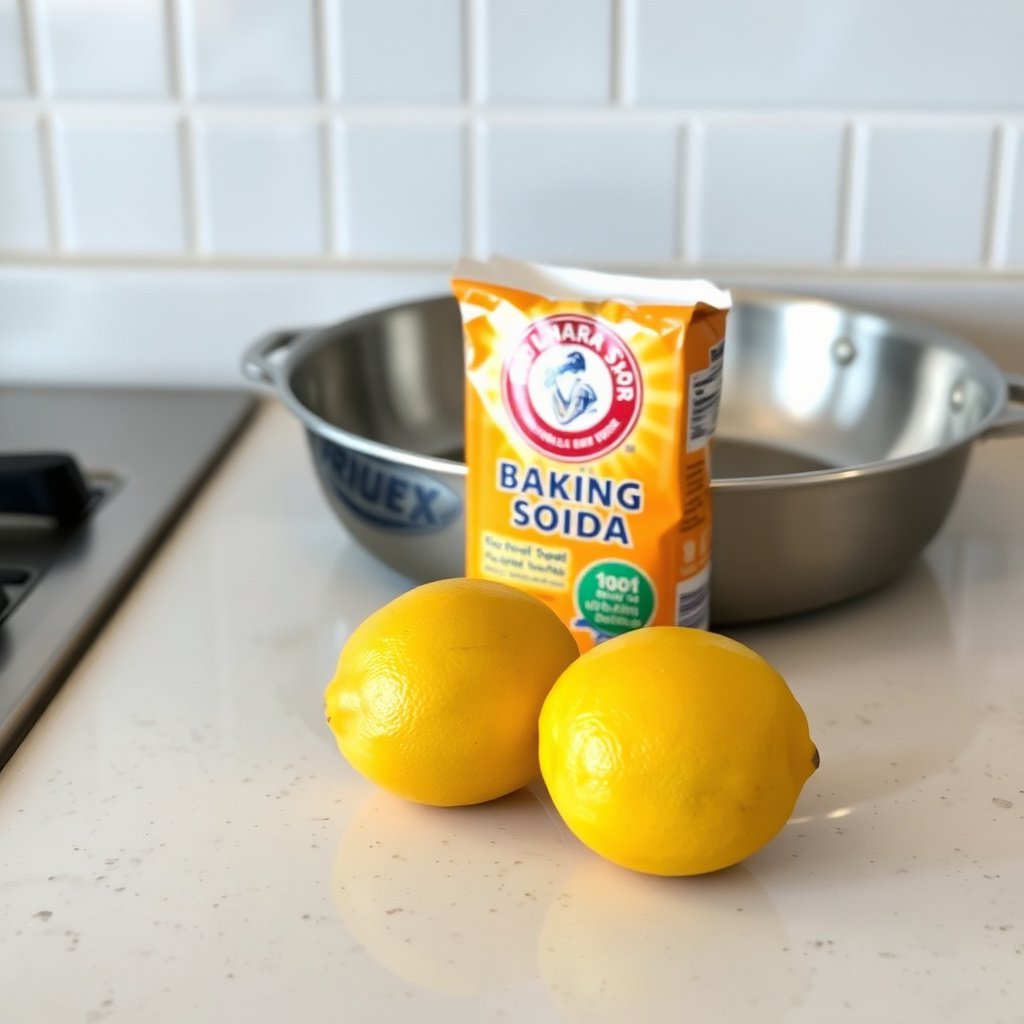
Removing Persistent Odors with Lemon and Baking Soda
Burnt pans can retain unpleasant smells even after residue removal. Using lemon juice and baking soda together neutralizes odors and freshens the pan naturally.
Rub lemon slices over the pan surface or sprinkle baking soda inside, then rinse thoroughly. For stronger odor removal, soak the pan in diluted lemon juice or vinegar for 15 minutes before washing.
- Rub lemon over pan to freshen
- Soak with diluted lemon juice for 15 minutes
- Sprinkle baking soda and rinse well
For more on this, see our related guide: How to Self Clean an Oven: A Step-by-Step Guide.
Drying and Storing to Avoid Future Smells
Proper drying after cleaning prevents moisture buildup which can cause odors or mold growth. Dry pans completely with a clean towel and leave them uncovered briefly to air out before storing.
Store cookware in a dry, ventilated space to maintain freshness and prevent musty smells from developing over time.
- Dry thoroughly after washing
- Air out before storage
- Store in a cool, dry place
When to Replace a Burnt Pan
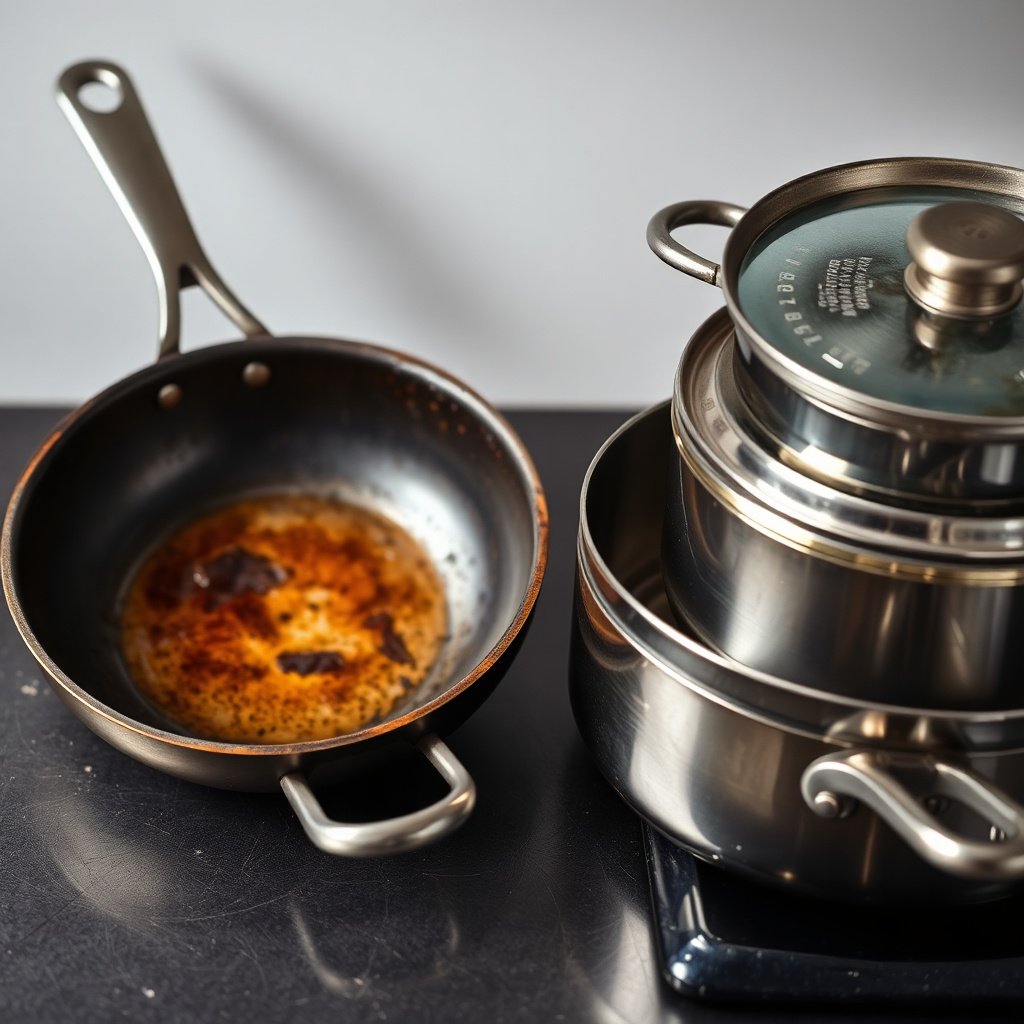
Signs a Pan Is Beyond Cleaning
Extreme warping, cracked coatings, persistent rust, or unremovable burnt residues indicate the pan may no longer be salvageable. Using such damaged pans can affect cooking performance and food safety.
If multiple cleaning attempts with appropriate methods fail, it might be cost-effective to replace the pan to maintain kitchen quality.
- Warping or distortion visible
- Flaking or peeling coating
- Rust or corrosion spots
For more details on cookware materials and cleaning methods, refer to this guide on cookware and bakeware. cleaning methods for cookware.
Choosing a Durable Replacement Pan
Consider pans made of stainless steel or well-seasoned cast iron for longevity and ease of maintenance. Non-stick pans with high-quality coatings offer convenience but require more careful handling.
Selecting a pan with materials suited to your cooking style reduces cleaning challenges and increases overall satisfaction in the kitchen.
- Stainless steel for durability
- Cast iron for heat retention
- High-quality non-stick for easy cleaning
Comparison of Burnt Pan Cleaning Methods
Here is a comparison of common methods used to clean burnt pans, highlighting their pros and cons for different cookware types.
| Method | Best For | Pros | Cons |
|---|---|---|---|
| Baking Soda Paste | Non-stick, Stainless steel | Gentle abrasive, odor neutralizing | Requires scrubbing effort |
| Vinegar Boil | Metal pans | Effective at loosening residue | Can damage coatings if overused |
| Coarse Salt Scrub | Cast iron | Preserves seasoning, natural abrasive | Not suitable for coated pans |
| Boiling Water | All types | Softens burned food, easy | May not remove tough stains alone |
| Steel Wool Scrubbing | Stainless steel | Strong mechanical cleaning | Can scratch sensitive surfaces |
Frequently Asked Questions
Can I use bleach to clean a burnt pan?
Bleach is not recommended as it can damage the pan's surface and leave harmful residues. Safer alternatives like baking soda or vinegar are more effective and non-toxic.
How long should I soak a burnt pan?
Soaking a burnt pan for at least 30 minutes in warm soapy water helps loosen residue, but severe burns may require longer soaking or repeated treatments.
Is it safe to use abrasive scrubbers on non-stick pans?
No, abrasive scrubbers can scratch and degrade non-stick coatings. Use soft nylon sponges or gentle cleaners made for non-stick cookware instead.
What should I do if a burnt pan smells bad after cleaning?
Use lemon juice or baking soda to neutralize odors. Rub lemon over the surface or soak the pan briefly with diluted lemon juice, then rinse and dry thoroughly.
Can hot water alone clean a burnt pan?
Hot water can help loosen burnt food but usually isn't enough to remove all residue. It's best combined with scrubbing or chemical cleaning agents.
Key Takeaways
- Use baking soda paste or vinegar soak to safely clean burnt pans.
- Choose scrubbing tools matching your pan’s surface material.
- Cast iron requires special care to protect seasoning.
- Discard pans that show severe damage even after cleaning.
Conclusion
Cleaning a burnt pan efficiently depends on understanding your cookware’s material and the burn’s severity. Start with gentle household ingredients like baking soda and vinegar that tackle residue without harsh chemicals. Follow up with appropriate scrubbing tools to remove loosened debris, taking care not to damage non-stick coatings or seasoning layers on cast iron pans. Combining these approaches generally restores most pans to good condition, saving money and extending their lifespan.
For cast iron pans, the best way to clean burnt cookware is through coarse salt scrubbing and careful re-seasoning, preserving their integrity. Metal pans handle boiling vinegar and steel wool well, while non-stick pans benefit from baking soda paste and soft sponges. Using boiling water as a preparatory step loosens burnt particles for easier removal across all types. Ultimately, knowing the right method for your pan can make cleaning less laborious and ensure safety with no lingering odors or damage.
If you find your pan warped, rusted, or with irreparable coating damage, replacing it has advantages in performance and safety. When buying replacements, consider stainless steel or cast iron for longevity or trusted non-stick brands if easy maintenance suits your cooking habits. The next time you face a burnt pan, apply these tips methodically — start soaking, try gentle scrubbing agents, and don’t hesitate to upgrade if wear is excessive.