How to Clean a Coffee Maker for Better Taste and Longevity
Cleaning a coffee maker is essential to keep your coffee tasting fresh and prevent buildup that can damage the machine. The best way to clean a coffee maker involves regularly removing coffee oils, mineral deposits, and residue through descaling and thorough washing.
Over time, coffee oils and calcium deposits from water can collect inside your coffee maker, harming its performance and imparting off-flavors to your brew. Keeping the machine clean improves durability and ensures every cup is flavorful.
This article covers step-by-step instructions for cleaning different types of coffee makers, descaling techniques, and tips for daily maintenance. Understanding these processes will help you maintain your equipment effectively and enjoy better coffee every day.
Cleaning Basics for Coffee Makers
Daily Cleaning Routine
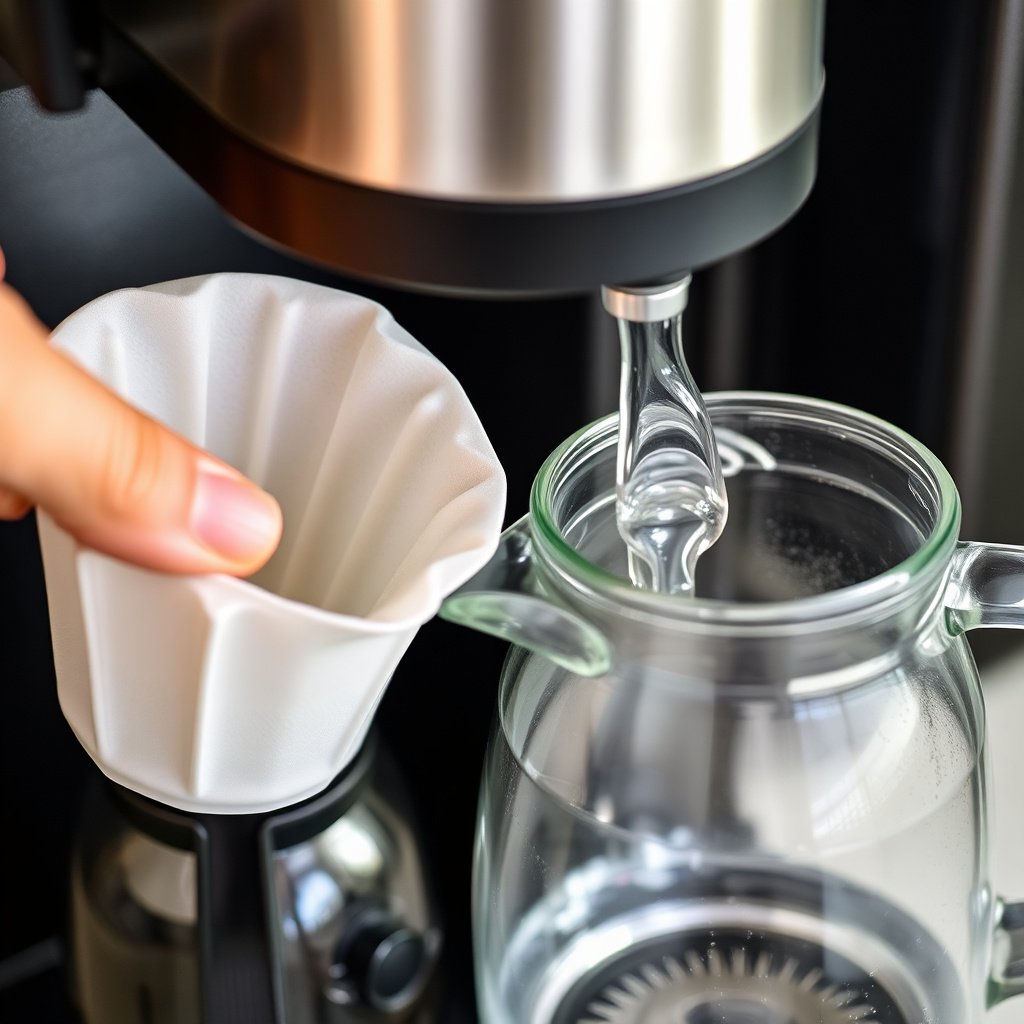
Start by rinsing removable parts like the filter basket and carafe with warm, soapy water after each use. This prevents coffee oils from accumulating and developing stale flavors.
Wiping down the exterior with a damp cloth removes spills and dust, keeping the machine hygienic and visually appealing.
- Rinse filter basket and carafe
- Use mild dish detergent
- Dry parts thoroughly before reassembling
Weekly Deep Cleaning
Once a week, remove all detachable components and soak them in a solution of warm water and mild soap for about 15 minutes. Use a soft brush to scrub off any stubborn residue.
Check the water reservoir for debris and clean it with a cloth or sponge to maintain clear water flow during brewing.
- Soak removable parts
- Use a soft brush for scrubbing
- Wipe down the water reservoir
Descaling: The Core of Cleaning Your Coffee Maker
Why Descaling Matters
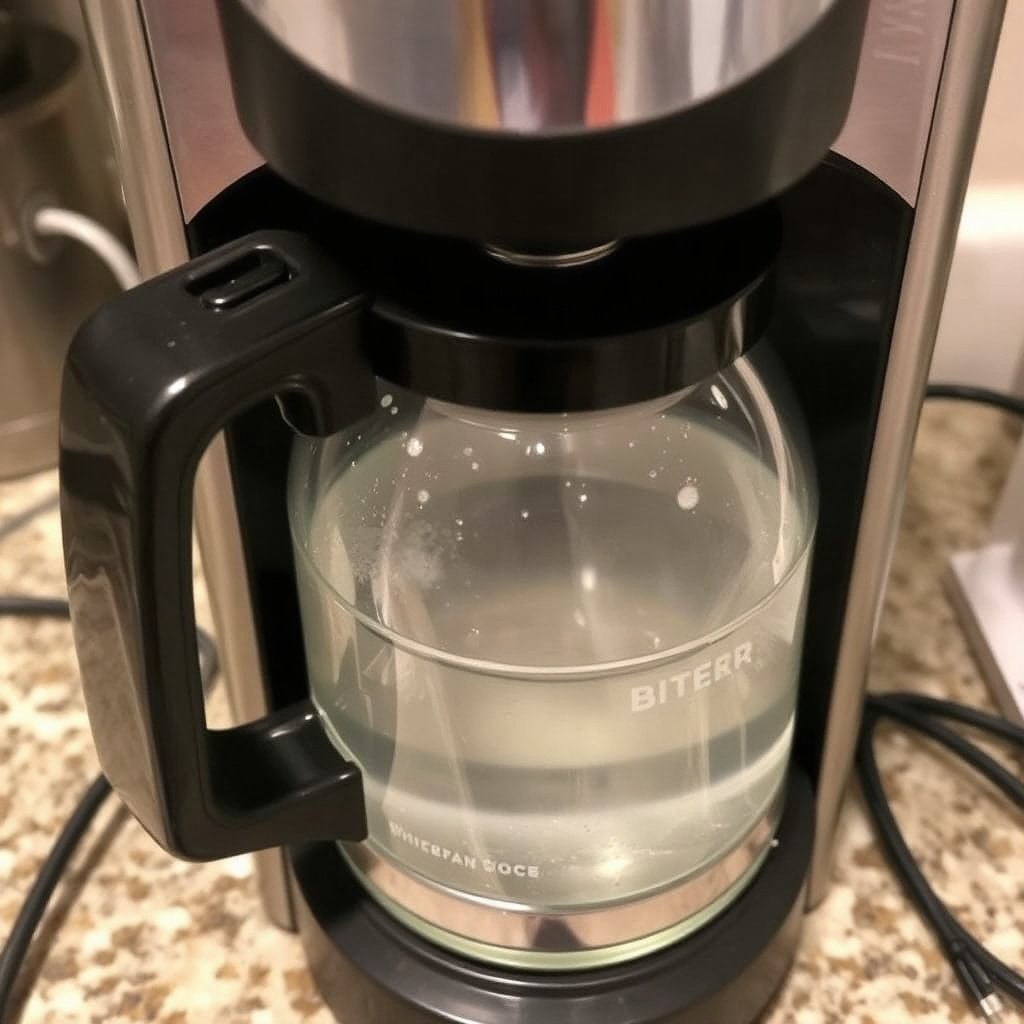
Descaling removes mineral buildup, especially calcium deposits from hard water, which can clog your coffee maker and reduce heating efficiency.
Regular descaling preserves the machine’s functionality and prevents flavors from becoming bitter or metallic.
Best Way to Descale a Coffee Machine
Mix equal parts white vinegar and water, then pour the solution into the water reservoir. Run a brewing cycle halfway through, then pause and let it sit for 30 minutes before completing the cycle.
After descaling, run two full cycles with clean water to rinse out all vinegar residues.
Cleaning Different Coffee Maker Types
Drip Coffee Makers
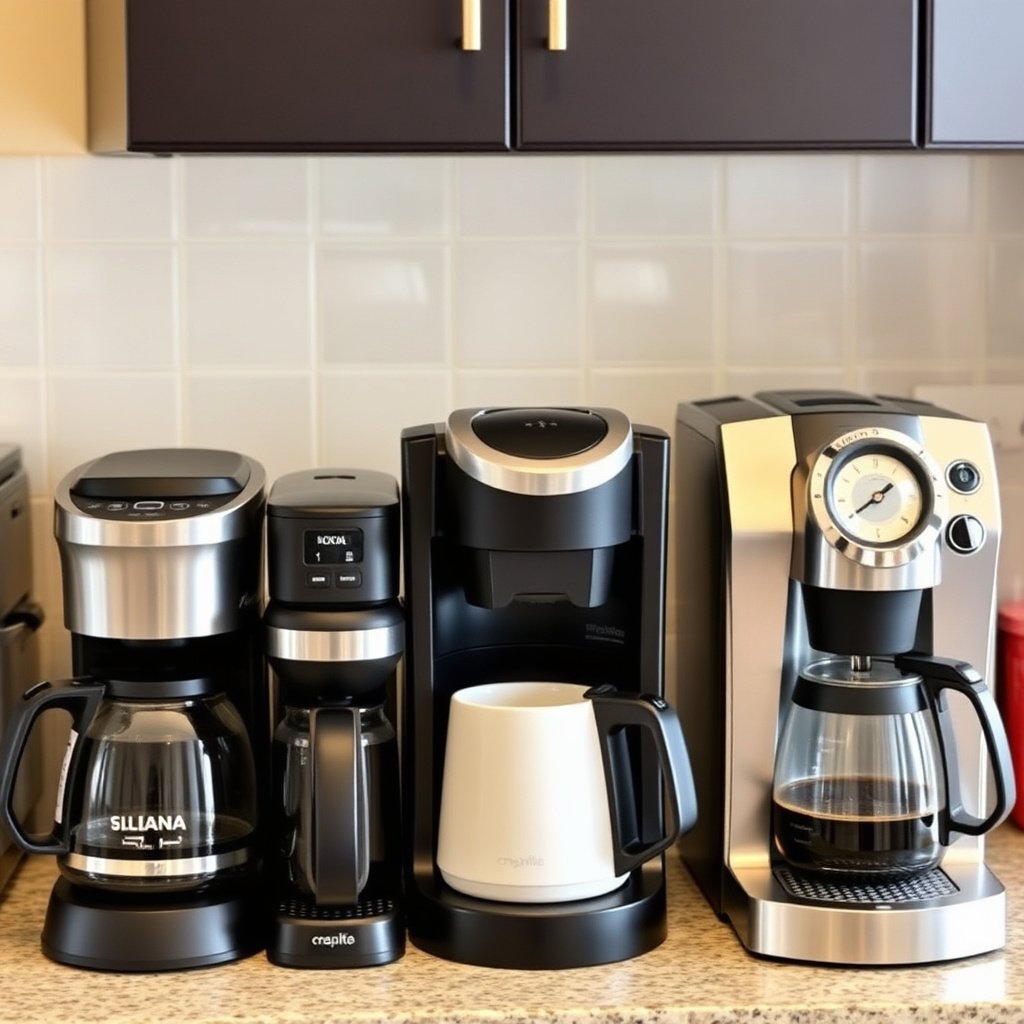
Remove and clean the filter and basket regularly. The carafe should be hand-washed with warm water and detergent, avoiding harsh scrubbers that may scratch the glass or plastic.
Use descaling solutions monthly based on usage and water hardness.
For more on this, see our related guide: How to Clean Kitchen Appliances: A Step-by-Step Guide.
Single-Serve and Pod Machines
Clean the pod holder and drip area to avoid stale coffee buildup. Many parts can be rinsed under warm water safely.
Descale these machines similarly using a vinegar-water solution or commercial descalers designed for single-serve models.
Tools and Products for Cleaning Coffee Makers
Household Ingredients
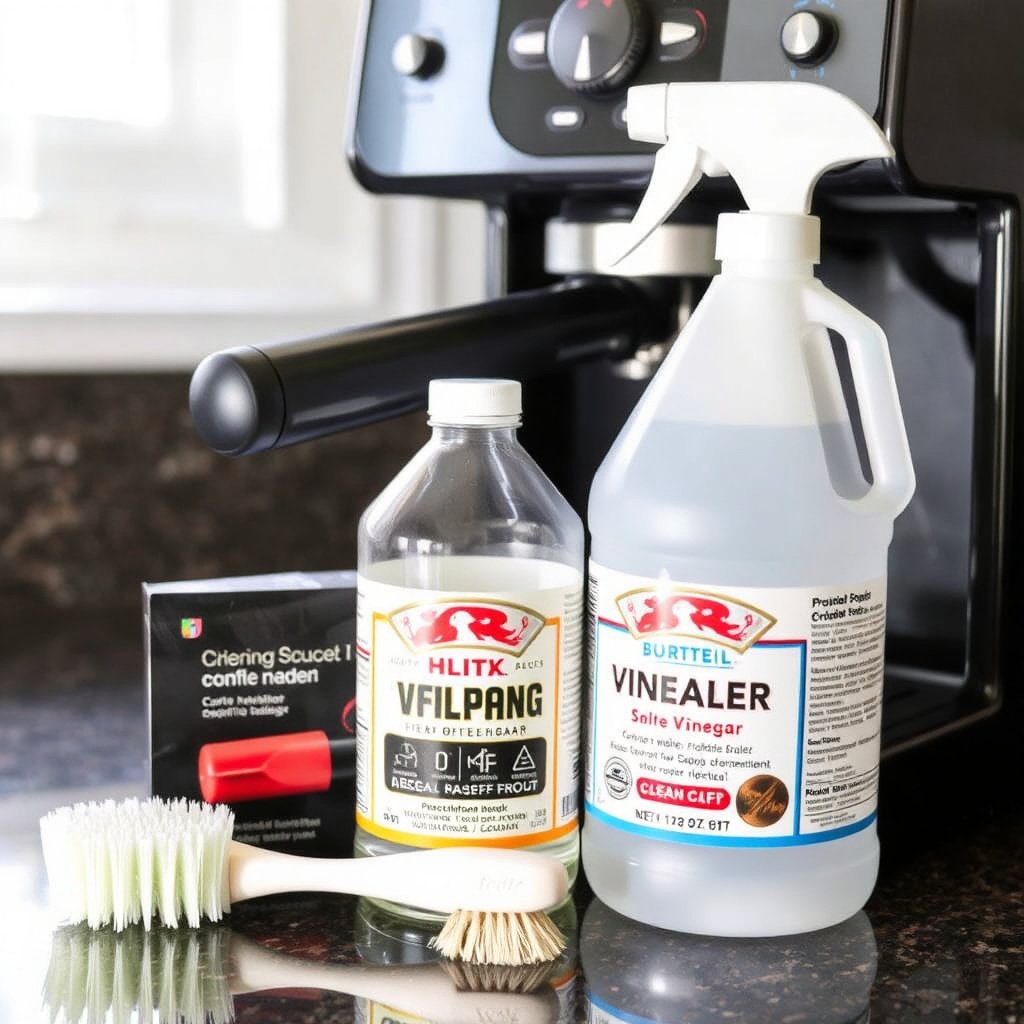
White vinegar is a widely recommended and cost-effective cleaning agent for descaling because of its acidity that dissolves mineral deposits.
Baking soda can be used for scrubbing stubborn stains on carafes and filters without damaging surfaces.
- White vinegar
- Baking soda
- Mild dish soap
- Clean cloth or sponge
Commercial Cleaning Products
Several manufacturers offer descaling tablets or liquid solutions customized for coffee makers. These can be gentler on machines and effective against hard water deposits.
Always follow the product instructions carefully to avoid damage or leftover residues affecting taste.
Preventing Coffee Maker Clogs and Odors
Avoiding Grounds Buildup
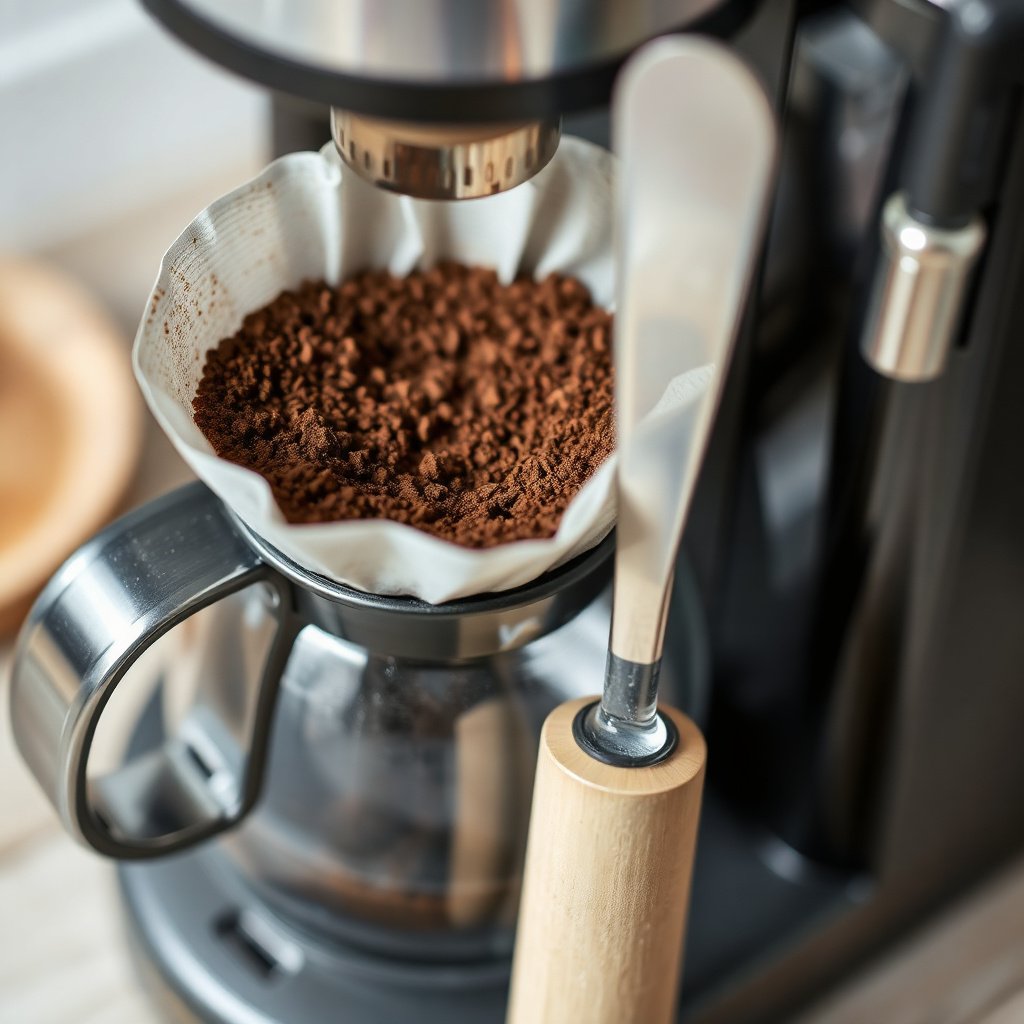
Using fresh, properly ground coffee and cleaning the filter basket promptly prevents clogging and ensures consistent water flow.
Regularly check and clean the spray head to avoid blocked holes that reduce extraction efficiency.
For more on this, see our related guide: Fridge With Nugget Ice Maker: a Complete Buying Guide.
Eliminating Odors
Coffee maker odors usually come from leftover oils or mold in damp areas. Thorough weekly cleanings with soap and water minimize these smells.
Occasional use of vinegar cycles also refreshes the internal parts and neutralizes stale scents.
Maintenance Tips for Long-Term Coffee Maker Care
Replacing Parts When Needed
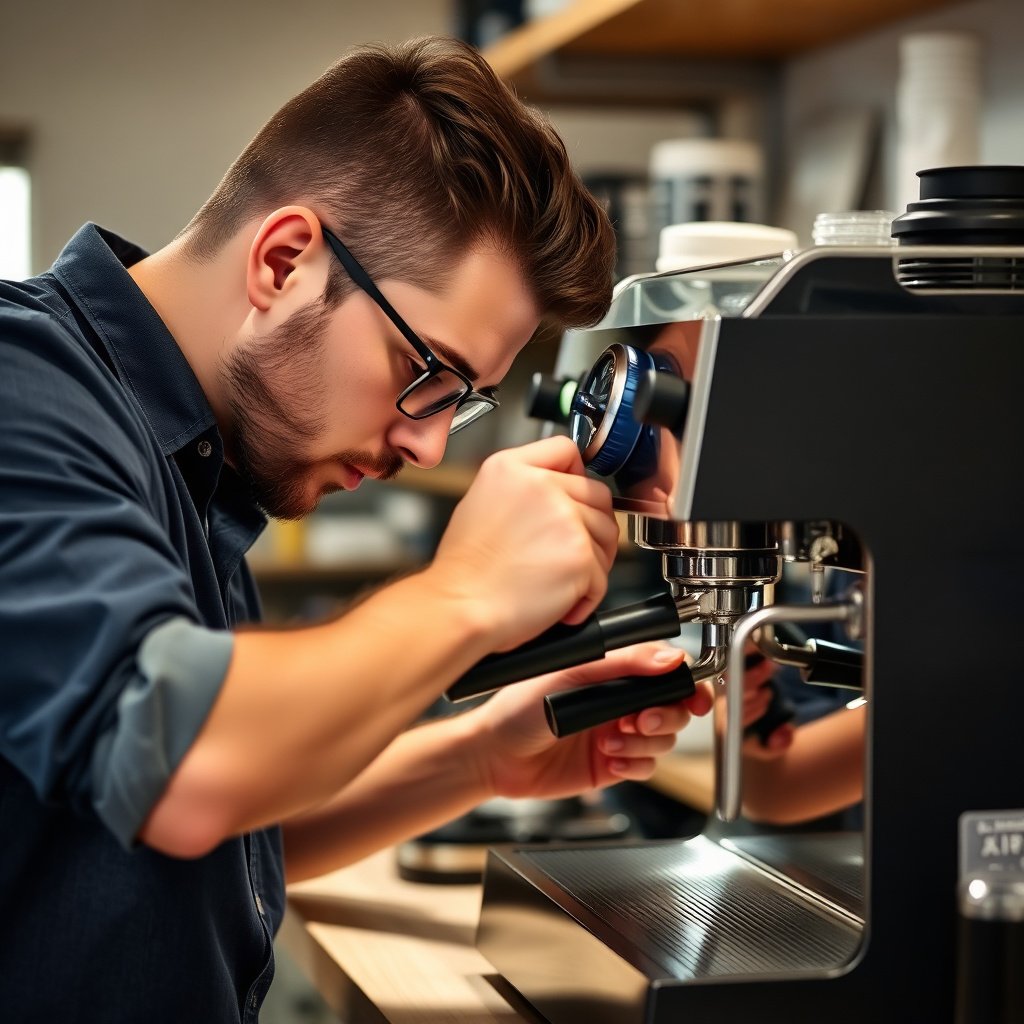
Filters, gaskets, and water lines may degrade over time. Consulting the manual for replacement intervals helps avoid leaks and performance drops.
Using manufacturer-approved parts maintains warranty and machine integrity.
For broader background on coffee maker upkeep, you can consult this detailed article on coffee maker maintenance. Coffee maker maintenance on Wikipedia.
Storing Your Coffee Maker
If not using the machine for extended periods, clean and dry all parts thoroughly. Store in a dry place to prevent mold and dust accumulation.
Run a water cycle before first use after storage to flush out any stale residues.
Coffee Maker Cleaning Methods Comparison
This table compares popular coffee maker cleaning approaches based on ease, cost, and effectiveness.
| Method | Ease of Use | Cost | Effectiveness | Frequency Recommended |
|---|---|---|---|---|
| Vinegar Descaling | Moderate | Low | High | Monthly |
| Commercial Descaling Products | Easy | Medium | Very High | Monthly |
| Soap and Water Cleaning | Easy | Low | Medium | Daily/Weekly |
| Baking Soda Scrubbing | Moderate | Low | Medium | Weekly |
| Dishwasher Safe Parts | Easy | Low | Medium | Weekly |
Frequently Asked Questions
How often should I clean my coffee maker?
Daily rinsing of parts and wiping down the machine is recommended, with a deeper cleaning including descaling performed monthly or based on your water hardness.
Is vinegar safe to use in all coffee makers?
Vinegar is safe for most drip and pod coffee makers, but check your manufacturer's guidelines, as some espresso machines require specialized descalers.
Can I use a dishwasher to clean coffee maker parts?
Many removable parts like glass carafes and baskets are dishwasher safe; however, always verify with the manual as some plastic components may warp.
Why does my coffee maker taste bitter even after cleaning?
Bitterness may result from residual oils or improper rinsing after descaling. Thorough cleaning and multiple water rinse cycles usually resolve this.
How can I prevent mineral buildup in my coffee maker?
Using filtered or bottled water and performing regular descaling following the best way to descale a coffee machine helps minimize mineral deposits.
Key Takeaways
- Regular cleaning prevents buildup that affects taste and machine function.
- Descaling with vinegar or specialized products removes mineral deposits.
- Daily rinsing and weekly deep cleanings maintain optimal performance.
- Different coffee maker types require tailored cleaning approaches.
Conclusion
Knowing how to clean a coffee maker correctly blends practical steps with an understanding of why cleaning matters. Regular removal of coffee oils, mineral buildup, and residue protects the machine’s internal systems and preserves the flavor integrity of every cup. By establishing a routine cleaning schedule that includes daily rinsing, weekly washings, and monthly descaling, you maintain consistent performance and extend your machine’s lifespan. Each cleaning stage targets specific problems: surface stains, clogging grounds, and hard water deposits, all of which impact brewing quality.
In practice, choosing the right cleaning approach depends on your coffee maker type and usage frequency. For drip coffee makers, frequent rinsing and monthly vinegar descaling strike the right balance for keeping the components fresh and free of mineral scales. Single-serve machines benefit from gentle cleaning around pod holders combined with descaling solutions tailored to smaller reservoirs. Commercial descaling products often deliver faster, more thorough mineral removal, ideal for homes with hard water or heavy use. Regardless of the method, following manufacturer recommendations preserves warranty coverage and avoids damage.
To take action, start by scheduling your cleaning tasks aligned with your coffee habits, replacing any old filters or seals as needed. Try vinegar descaling to quickly address buildup, then run clean water cycles to rinse properly. Stay consistent with daily rinses of removable parts and wipe the exterior frequently to keep flavors fresh and the machine hygienic. Well-maintained coffee makers reward you with rich, smooth brews every day, proving the benefit of a simple, care-focused routine.