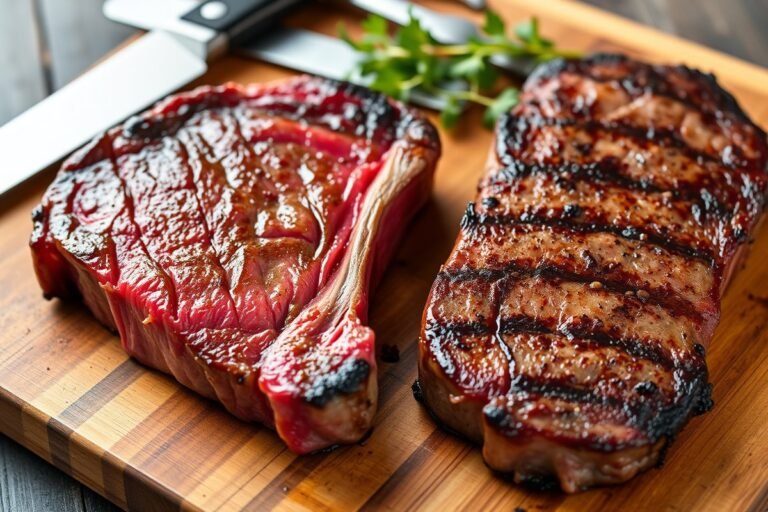
How to Make BBQ Sauce: A Simple Guide for Perfect Flavor
Making BBQ sauce at home is straightforward and allows you to tailor the flavor to your taste, whether you prefer tangy, sweet, or smoky. You only need a few basic ingredients like tomato sauce, vinegar, sugar, and spices to create a delicious sauce that enhances any grilled dish.
This matters because store-bought sauces often contain preservatives and excess sugar, but homemade BBQ sauce gives you control over the ingredients and flavor profile. A good sauce can elevate your BBQ experience by adding depth and balance.
In this article, you'll find step-by-step instructions to make BBQ sauce from scratch, tips on ingredient variations, and advice on how to use it effectively for grilling, marinating, or dipping. Let's get started with the essentials of making great BBQ sauce.
Understanding BBQ Sauce Ingredients
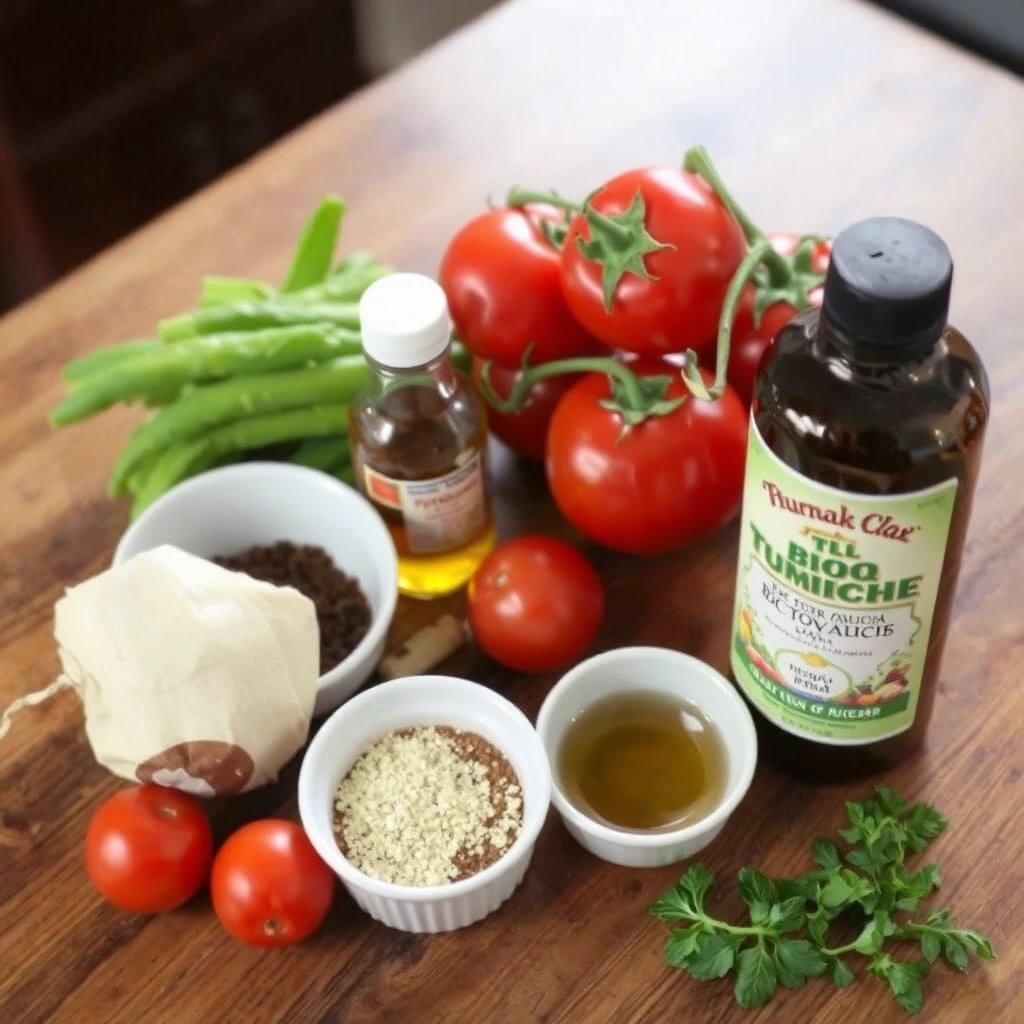
Core Components of BBQ Sauce
BBQ sauce typically has a tomato base such as ketchup, tomato paste, or canned tomatoes, which provides body and sweetness. Vinegar adds brightness and tang, balancing the sweetness and cutting through rich meats.
Sugar, whether brown sugar, molasses, or honey, contributes sweetness and helps caramelize the sauce during cooking. Spices like paprika, garlic powder, and black pepper build depth and a smoky note essential for authentic BBQ flavor.
- Tomato base: ketchup or tomato paste
- Vinegar: apple cider or white vinegar
- Sweeteners: brown sugar or molasses
- Spices: paprika, garlic powder, black pepper
Optional Flavor Enhancers
Additional elements such as mustard add sharpness, Worcestershire sauce introduces umami, and hot sauce or cayenne pepper bring heat. Liquid smoke is often used to mimic a smoky flavor when not cooking over wood.
You can tailor the sauce with fresh ingredients like onions or garlic, or liquid ingredients like soy sauce to add complexity. Experimenting with these can result in a signature BBQ sauce that matches your grilling style.
- Mustard for tanginess
- Worcestershire sauce for umami
- Hot sauce for heat
- Liquid smoke for smokiness
Step-by-Step BBQ Sauce Preparation
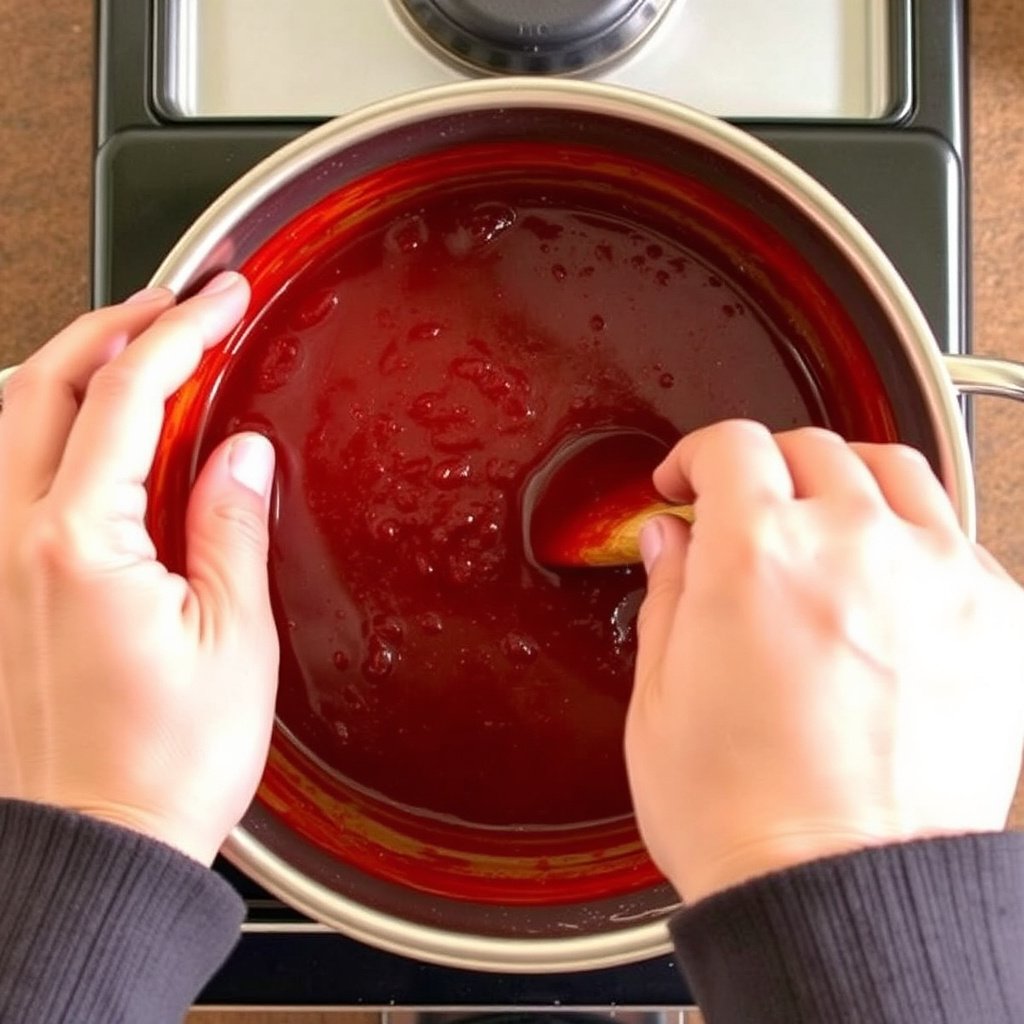
Mixing and Heating the Base
Begin by combining your chosen tomato base with vinegar and sweeteners in a saucepan. Stir the mixture gently and heat it over medium-low to prevent burning, which allows sugar to dissolve and flavors to meld evenly.
Simmer the sauce for 15-20 minutes, stirring frequently until it thickens to the desired consistency. Low heat cooking also helps mellow the acidity while intensifying the overall taste.
- Combine tomato base, vinegar, and sugar
- Heat over medium-low and stir often
- Simmer for 15-20 minutes until thick
For more on this, see our related guide: How to Make Loaded Potato Skins: A Complete Guide with Tips & Variations.
Adding Spices and Final Adjustments
Once the base is ready, add your spices and optional flavor enhancers to the simmering sauce. Taste the sauce after 5 minutes, adjusting sweetness, acidity, or heat as needed.
Finish by removing from heat and letting it cool; flavors will continue to develop as it rests. You may strain the sauce for a smoother texture, or leave it chunky for more character.
- Stir in spices and flavor enhancers
- Taste and adjust flavor
- Cool before storing or using
Customizing Your BBQ Sauce Flavor
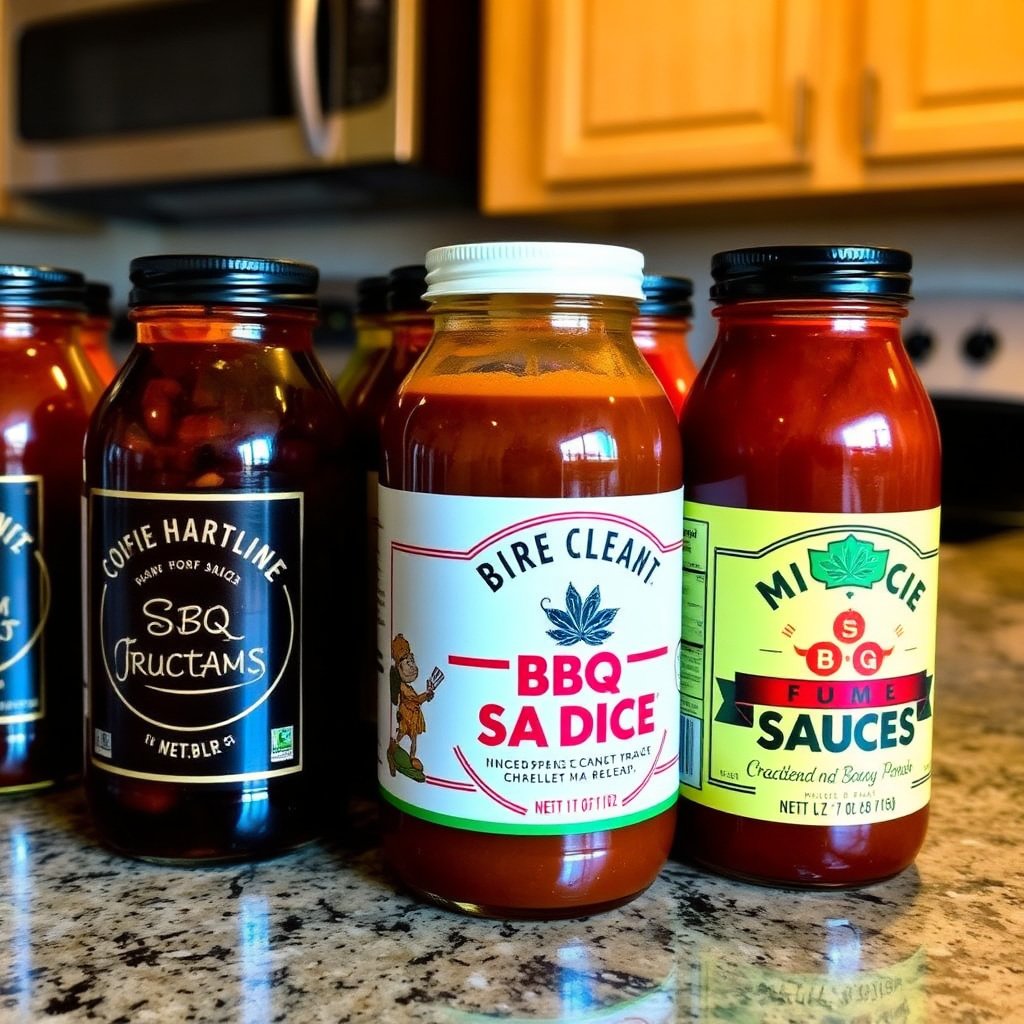
Creating a Sweet vs. Tangy Sauce
Increasing the amount of sugar or molasses will result in a sweeter sauce ideal for milder barbecue flavors. Conversely, adding extra vinegar or mustard makes the sauce tangier and sharper, which pairs well with pork or smoked meats.
Adjust these ratios gradually while tasting to avoid overpowering the sauce. You can even blend both sweet and tangy elements for balance, depending on your personal preference.
- More sugar for sweetness
- More vinegar or mustard for tanginess
- Balance for a harmonious flavor
Making It Spicy or Smoky
For a spicy kick, include cayenne, chipotle powder, or hot sauce. The amount and type of spice depend on how much heat you want and the flavor notes you'd prefer, such as smoky or fruity heat.
Liquid smoke and smoked paprika are great for adding smoky depth without needing a grill or smoker, helping the sauce mimic outdoor BBQ flavors even indoors.
- Cayenne or chipotle for spice
- Hot sauce for heat variety
- Liquid smoke for smoky notes
Storing and Using Homemade BBQ Sauce
Proper Storage Techniques
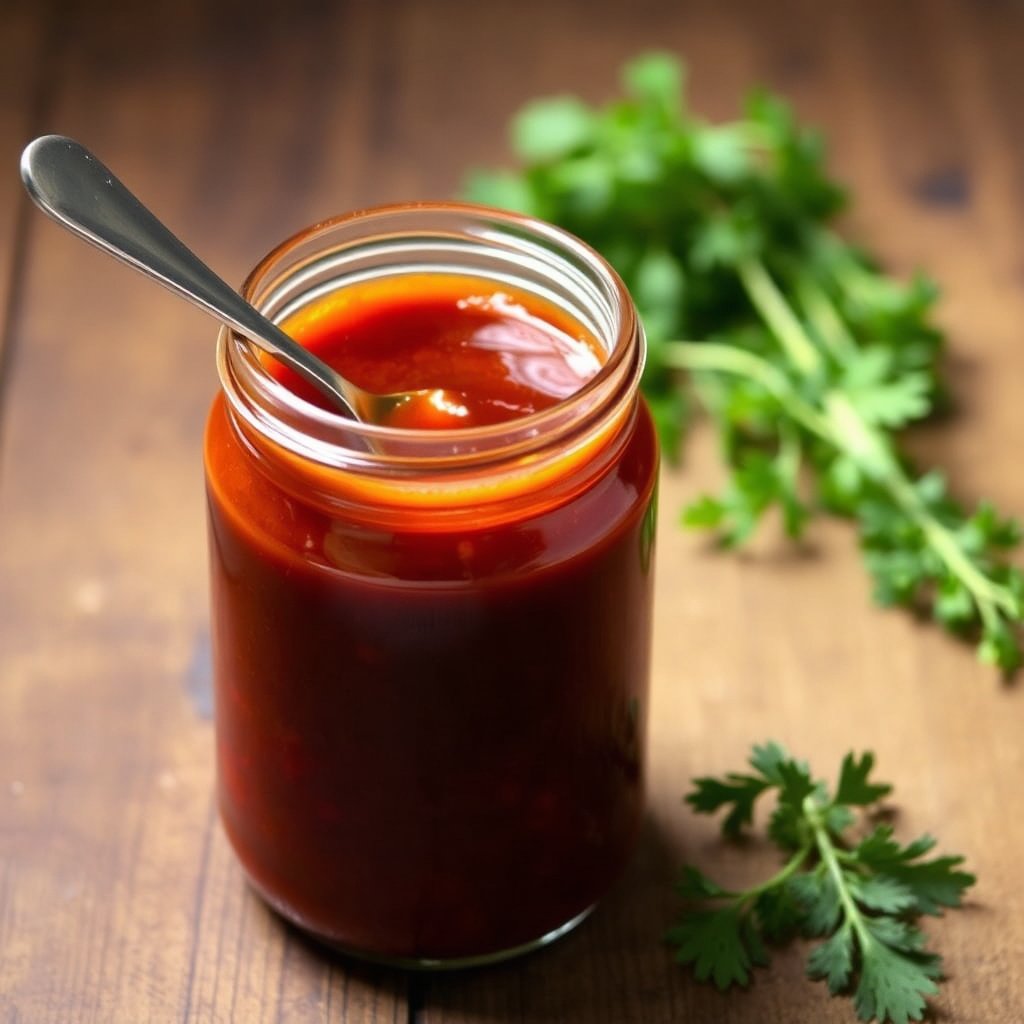
Store your homemade BBQ sauce in a clean, airtight container such as a glass jar. Refrigerate to maintain freshness and consume within two weeks, as it contains no preservatives found in commercial sauces.
You can also freeze portions in small containers for longer storage. Label jars with the date made to track freshness and avoid spoilage.
- Use airtight glass containers
- Refrigerate for up to two weeks
- Freeze for extended storage
For more on this, see our related guide: How to Make Onion Rings: Simple Steps for Crispy, Perfect Results.
Best Ways to Use BBQ Sauce
BBQ sauce is versatile: use it as a marinade to tenderize and flavor meats before grilling or roasting. It also works well as a basting sauce during cooking or as a dipping sauce alongside grilled dishes.
Try it on chicken, ribs, burgers, or even roasted vegetables to add smoky, sweet, or spicy notes. Experiment with your homemade sauce to find your favorite applications.
- Marinate meats before cooking
- Baste during grilling
- Serve as a dipping sauce
Troubleshooting Common BBQ Sauce Issues
Fixing Sauce Thickness
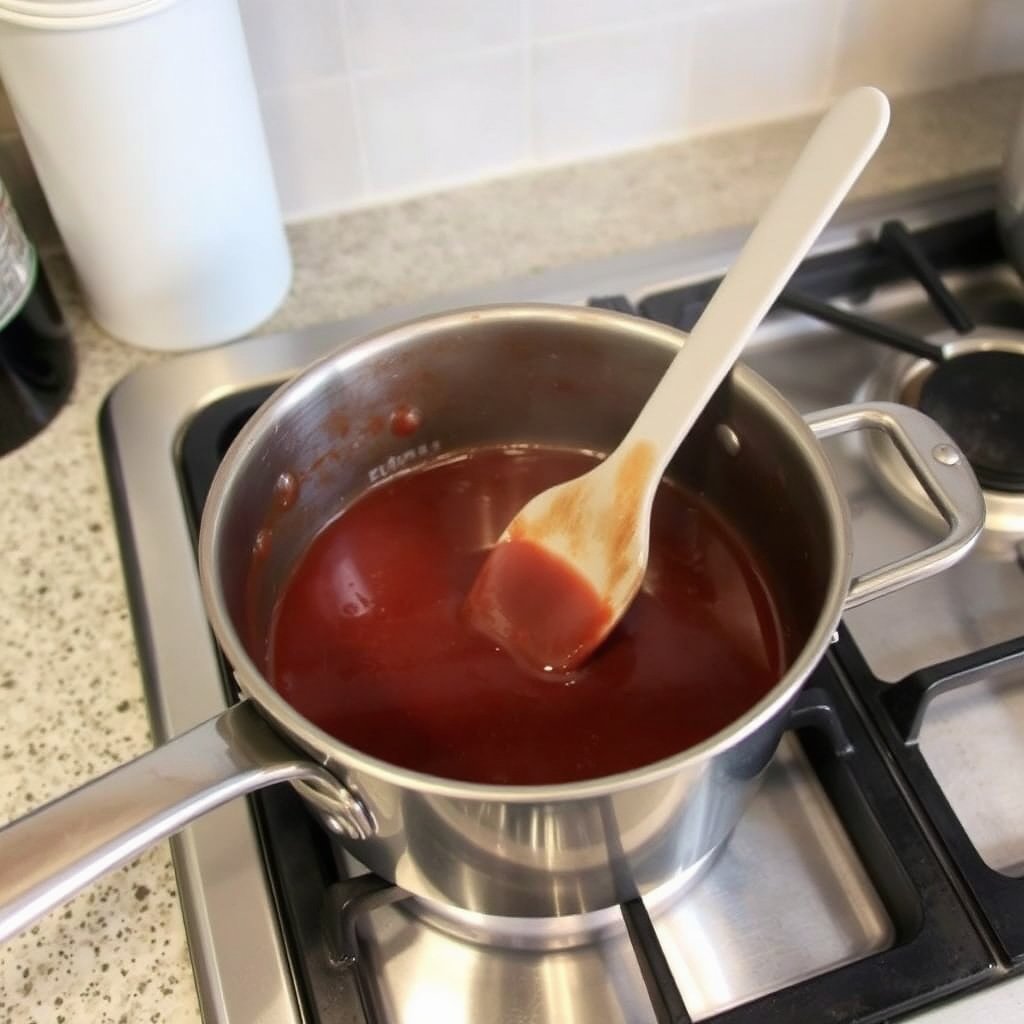
If your BBQ sauce is too thin, simmer it uncovered for a few more minutes to evaporate excess liquid, stirring often. Alternatively, add a small amount of tomato paste or cornstarch slurry to thicken quickly.
Be cautious with thickening agents to avoid changing the sauce's flavor or texture too much. A thick sauce clings better to meat and intensifies barbecue flavor.
- Simmer uncovered to reduce liquid
- Add tomato paste or cornstarch slurry
- Stir frequently to avoid burning
For more detailed background on regional variations and historical context, see this article on barbecue sauce. Barbecue sauce on Wikipedia.
Balancing Flavors If Too Sweet or Tangy
If the sauce is overly sweet, add a splash of vinegar or a bit of mustard to brighten it up. For an overly tangy sauce, add sugar, molasses, or a mild fruit juice to mellow acidity.
Adjust in small amounts and taste as you go. Proper balance is key to achieving that signature homemade BBQ sauce flavor that suits your palate.
- Add vinegar or mustard to balance sweetness
- Add sweeteners to reduce tanginess
- Adjust in small increments
Types of BBQ Sauce Category Comparison
Here’s a breakdown of popular BBQ sauce styles to help you identify which matches your flavor preferences and cooking methods.
| Category | Base Ingredients | Flavor Profile | Best For | Cooking Style |
|---|---|---|---|---|
| Kansas City | Tomato, molasses, vinegar | Sweet, thick, tangy | Ribs, chicken | Grilling, basting |
| Memphis | Tomato, vinegar, spices | Balanced sweet and tangy | Pork shoulder, ribs | Smoking, slow cooking |
| Texas | Tomato, beef broth, spices | Savory, smoky, spicy | Beef brisket, sausage | Smoking, dry rub |
| Carolina | Vinegar, mustard, pepper | Tangy, spicy, thin | Pulled pork, pork shoulder | Smoking, slow cooking |
| Alabama White | Mayonnaise, vinegar, horseradish | Creamy, tangy, sharp | Chicken | Grilling, basting |
Frequently Asked Questions
How long does homemade BBQ sauce last in the fridge?
Homemade BBQ sauce typically stays fresh for up to two weeks when stored in an airtight container in the refrigerator. Freezing portions can extend the shelf life for several months.
Can I make BBQ sauce without sugar?
Yes, you can omit sugar or use natural alternatives like honey or maple syrup. Keep in mind that sugar helps balance acidity and enhances caramelization in the sauce.
What is the best vinegar to use in BBQ sauce?
Apple cider vinegar is the most popular choice for its mild flavor and slight sweetness, but white vinegar or even balsamic can be used depending on desired taste and style.
How do I get a smoky flavor without a smoker?
Liquid smoke and smoked paprika are effective ways to add smoky flavors to your BBQ sauce if you can’t cook over wood or charcoal.
Can BBQ sauce be used as a marinade?
Absolutely. Using BBQ sauce as a marinade helps tenderize meat and infuse it with rich flavor before grilling or roasting.
Key Takeaways
- Homemade BBQ sauce requires a tomato base, vinegar, sugar, and spices for balanced flavor.
- Simmering the sauce helps thicken it and blend the tastes evenly.
- Customize sweetness, tanginess, and heat based on personal preference.
- Proper storage extends freshness and maintains quality.
Conclusion
Deciding how to make BBQ sauce boils down to mastering the balance between the main ingredients: tomato base, vinegar, sweetness, and spices. By understanding how each element influences the overall flavor, you can tailor the sauce to complement different grilled meats and personal tastes effectively. Experimentation and adjustments during cooking allow you to develop a sauce that's just right for your preferences.
For those who enjoy classic hearty sauces, a Kansas City-style BBQ sauce rich in molasses and tangy vinegar provides a satisfying option. If you prefer something lighter with more acidity and heat, a Carolina vinegar-based sauce or spicy Texas-style sauce can be great choices. The homemade aspect lets you easily tweak these profiles by changing sugar levels, adding mustard, or including smoky spices.
Start by assembling simple ingredients and following the step-by-step process described, making minor changes to suit your ideal flavor profile. Store your sauce properly and use it to marinate, baste, or serve alongside your grilled favorites. This hands-on approach will reward you with distinctive, delicious homemade BBQ sauce that becomes a staple for all your cooking adventures.