How to Make Limoncello: A Step-by-Step Homemade Recipe
To make limoncello, you start by steeping lemon zest in high-proof alcohol for about 1 to 2 weeks, then mix the infused alcohol with a simple syrup made of sugar and water. After resting the mixture for a few more days, you get a sweet, lemon-flavored Italian liqueur ready to chill and enjoy.
Limoncello is traditionally made in Southern Italy from the peels of organic lemons to capture their essential oils perfectly. Its bright and refreshing flavor makes it a popular digestif, often served chilled after meals. Knowing how to make limoncello yourself means you can control its sweetness, strength, and freshness.
This article will guide you through each stage: selecting lemons, preparing the infusion, making the syrup, blending the components, and bottling the limoncello properly. You'll also find tips on aging times and variations in the recipe to customize your homemade lemon liqueur.
Selecting and Preparing Lemons for Limoncello
Choosing the Right Lemons
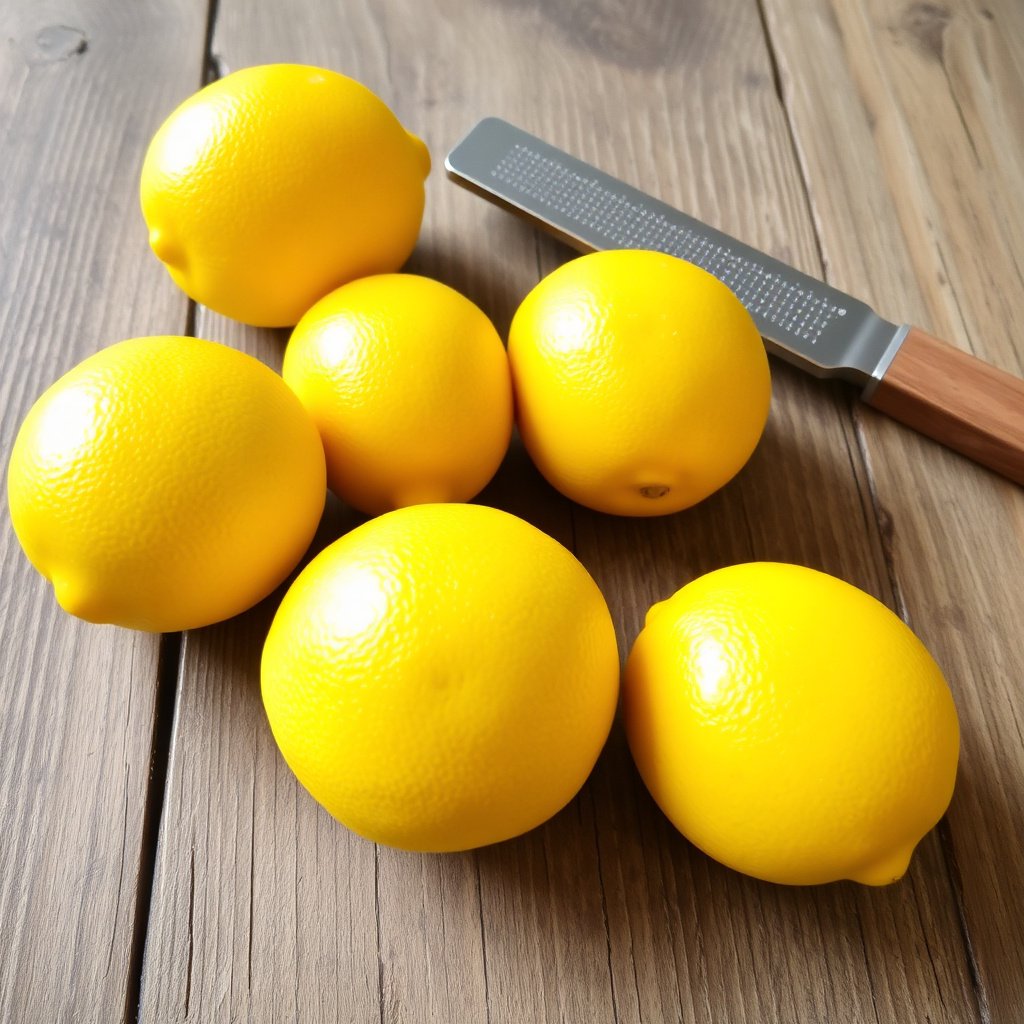
Authentic limoncello is best made with ripe, organic lemons that have thin, fragrant skins rich in essential oils. Thick-skinned varieties may yield less flavor and more bitterness. Sorrento or Amalfi coast lemons are especially prized, but any unwaxed, fresh lemons will work well for homemade lemon liqueur.
When purchasing, look for lemons with vibrant yellow color and firm, smooth skin. Avoid any that feel dry or show blemishes. Organic lemons are preferable because their skins will be directly used without peeling away the bitter pith under commercial waxes or pesticides.
Zesting the Lemons Without the White Pith
Only the yellow outer layer of the lemon peel should be used, as the white pith beneath is bitter and can spoil the clarity and taste of limoncello. Using a fine grater, microplane, or vegetable peeler, zest the lemons carefully to get thin strips or shavings of peel.
It’s recommended to zest gradually, turning the lemon to remove just the colored skin. Collect the zest in a clean bowl and avoid pressing too hard to exclude pith. This step preserves the bright citrus oils necessary for a fragrant limoncello infusion.
Infusing Lemon Zest in Alcohol

Selecting the Alcohol Base
Traditional limoncello is made using high-proof, neutral grain alcohol around 95% ABV. However, vodka between 40% to 50% ABV is a common alternative outside Italy because it’s easier to find and still produces excellent flavor. The key is a clean, odorless spirit to carry the lemon oils.
Avoid using flavored liquors or low-proof spirits, as their impurities or lower alcohol content will impact extraction and preservation. A neutral vodka with as high proof as your local laws permit yields better results for your homemade lemon liqueur.
Infusion Duration and Storage
Combine the lemon zest with the chosen alcohol in a clean, airtight glass jar. Store the jar in a cool, dark place to prevent flavor degradation. Let the zest steep for at least one week to a maximum of two weeks, shaking gently every day to improve extraction.
Longer infusion times increase intensity but risk adding bitterness if left much beyond two weeks. After the infusion period, strain the liquid through a fine mesh or coffee filter to remove all zest particles before proceeding.
Preparing the Simple Syrup for Limoncello
Making the Sugar Syrup
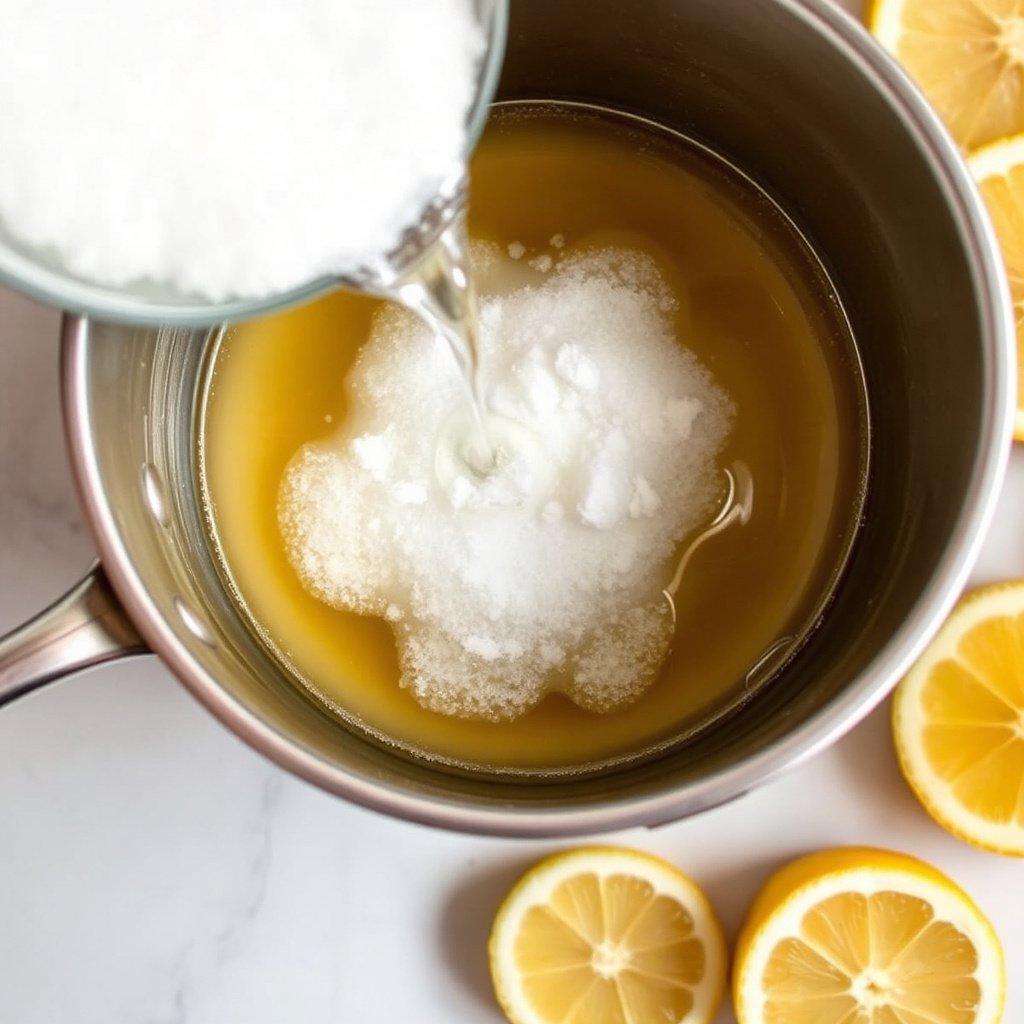
A balancing simple syrup is essential to tame the alcohol’s potency and add sweetness to homemade lemon liqueur. Combine equal parts granulated sugar and water in a saucepan and heat gently while stirring until sugar dissolves completely.
Avoid boiling, which can alter flavor profiles. Allow the syrup to cool fully to room temperature before mixing with the infused alcohol to maintain clarity and quality of your limoncello.
Adjusting Sweetness Levels
Sweetness can be tailored by altering the sugar-to-water ratio or adding syrup incrementally while tasting. Softer syrups with less sugar are good if you prefer a drier sip, whereas richer syrups create a candy-like smoothness often favored in commercial limoncello.
Keep notes on your proportions so you can recreate your preferred homemade lemon liqueur taste consistently.
Combining and Bottling Your Homemade Limoncello
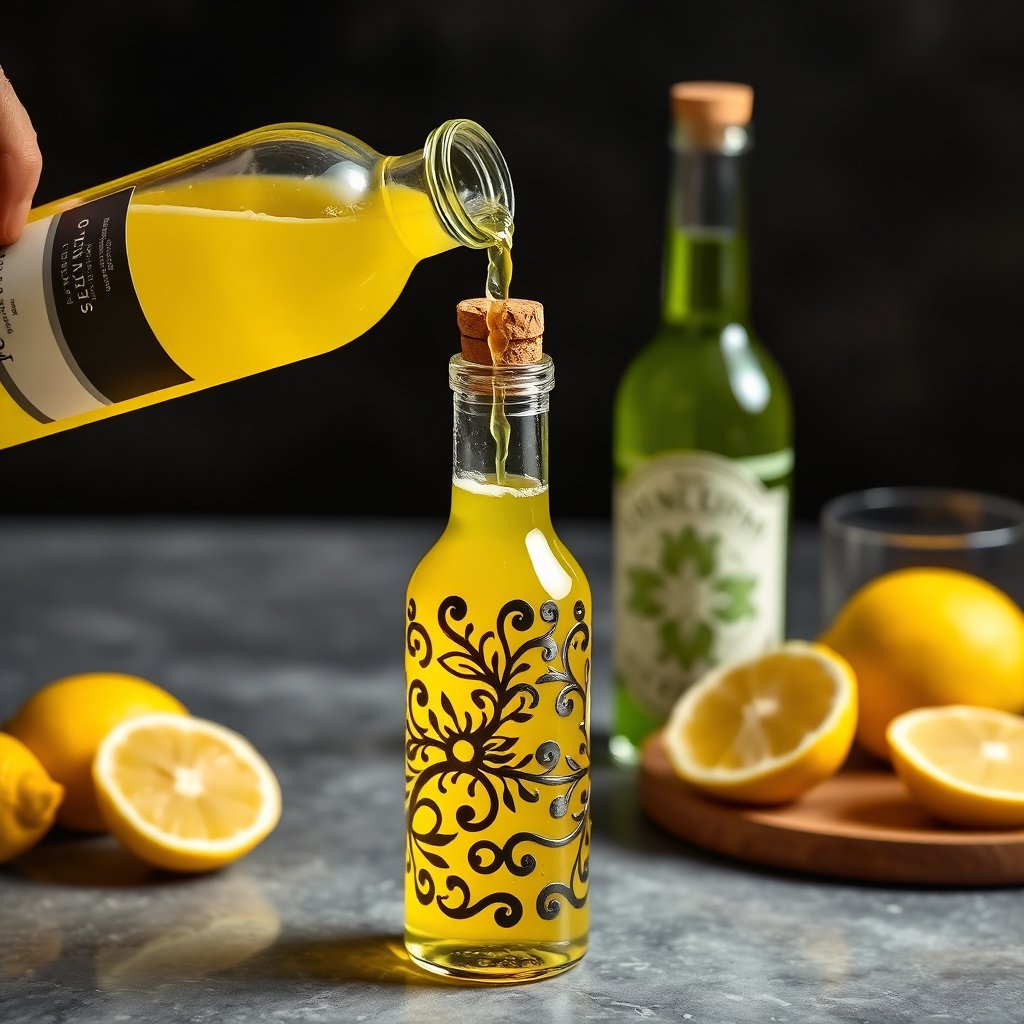
Mixing the Infused Alcohol and Syrup
Slowly add the cooled sugar syrup to the strained lemon-infused alcohol, stirring gently to combine. Taste as you go to find the ideal balance of sweetness and strength. The typical ratio ranges from 1:1 to 2:1 (alcohol to syrup), depending on target potency and flavor.
Once mixed, allow the limoncello to rest for a couple of days in a sealed bottle so the flavors marry well before serving.
Bottling and Storing Tips
Use clean, sterilized glass bottles with tight caps or corks to preserve freshness. Dark or opaque bottles can help block light damage but are not mandatory. Label your batch with the preparation date and ingredients for future reference.
Store limoncello in the freezer for the best chilled drinking experience. Properly made and stored limoncello can keep for several months, though homemade versions are best enjoyed fresh within six months.
Serving and Variations of Limoncello

Traditional Serving Suggestions
Limoncello is classically served ice-cold in small shot glasses as an after-dinner digestif. The cold temperature softens the alcohol’s bite and highlights the lemon’s brightness. You can also use it in cocktails or drizzle over desserts like sorbets and cakes.
Chilling the limoncello in the freezer before serving enhances its viscosity and smooth texture. Keep glasses cold as well for the best sensory experience.
For more detailed history and variations on this Italian lemon liqueur, visit the Limoncello page on Wikipedia. Limoncello on Wikipedia.
Creative Limoncello Variations
Experiment with adding complementary citrus like oranges or limes during zesting for a unique twist on traditional limoncello. Infusing herbs such as basil or mint can add herbal notes. Some recipes incorporate vanilla beans or ginger for warmth and complexity.
Adjust sugar or alcohol levels to create flavors tailored to your taste. These variations provide fun ways to personalize your homemade lemon liqueur and impress guests.
Limoncello Alcohol Base Options Compared
Here’s a comparison of common alcohol bases for homemade limoncello to help you choose the best fit for your recipe and taste preferences.
| Alcohol Base | Typical ABV | Flavor Impact | Cost | Availability |
|---|---|---|---|---|
| Pure Grain Alcohol | 95% | Cleanest, strongest lemon flavor | Higher | Limited |
| Vodka (High Proof) | 40-50% | Neutral with slight warmth | Moderate | Widely available |
| Everclear | 95% | Very neutral, very strong | Moderate | Restricted in some regions |
| Rum | 40% | Adds sweetness and complexity | Moderate | Widely available |
| Whiskey | 40% | Strong, woody flavor, less classic | Moderate | Widely available |
Frequently Asked Questions
Can I use regular lemons instead of organic?
You can use non-organic lemons if washed thoroughly, but their skins often contain pesticides or wax that can affect the limoncello’s taste and safety. Organic lemons are recommended for the best natural lemon flavor and purity.
How long does limoncello need to infuse?
Limoncello typically infuses between 7 to 14 days. Less than a week may yield a mild flavor, while longer infusions risk bitterness. Shaking the jar every day improves extraction efficiency.
Is it necessary to strain the zest well?
Yes. Straining removes all zest bits to prevent cloudiness and bitterness in your limoncello. Using fine filters like coffee filters or cheesecloth ensures a clear, smooth final product.
How should I store homemade limoncello?
Store limoncello in airtight glass bottles in a cool, dark place or in the freezer. Chilling before serving enhances flavor and texture. Homemade limoncello is best consumed within six months for freshness.
Can I add other flavors to limoncello?
Yes, you can infuse additional ingredients like orange zest, mint, or vanilla during the soaking stage for unique flavor twists. Experiment carefully to keep the lemon profile dominant.
Key Takeaways
- Use organic lemons and avoid the bitter white pith for bright, authentic flavor.
- Infuse lemon zest in strong neutral alcohol such as vodka or grain alcohol for 1-2 weeks.
- Prepare a balanced simple syrup and mix with infused alcohol to taste before bottling.
- Serve limoncello well chilled and store it airtight for best freshness and flavor.
Conclusion
Making limoncello at home is a straightforward process that hinges on quality ingredients and patient infusion. By carefully selecting organic lemons and zesting only the aromatic outer peel, you capture the essential citrus oils that characterize limoncello's bright, fresh taste. The infusion step, where the lemon zest soaks in high-proof alcohol, is critical for extracting those oils. Balancing this potent lemon extract with a well-crafted simple syrup allows you to adjust sweetness and strength to fit your personal preference. Proper straining and storage preserve clarity and flavor, ensuring a rewarding homemade bottle.
For different scenarios, choose a pure grain alcohol base if you want a traditional Italian limoncello with a clean and intense lemon essence. If high-proof grain alcohol isn't accessible, a quality vodka between 40% to 50% ABV makes an excellent alternative without compromising taste. Experimenting with additions like orange zest, herbs or vanilla can create delightful personal twists on the classic recipe. Whether making small batches for gifts or larger quantities for family gatherings, mastering the balance of infusion time and syrup sweetness defines your successful homemade lemon liqueur.
Once prepared, chill your limoncello thoroughly in the freezer before serving in small glasses as a refreshing digestif. Label and store your bottles airtight in a cool, dark place, and enjoy the fruits of your craft within six months for the best natural flavor. With this step-by-step approach, you’ll confidently make your own limoncello that rivals traditional Italian varieties and delight those you share it with.