How to Make Pizza Sauce: A Simple and Flavorful Recipe
Making pizza sauce at home is straightforward and rewarding, and you only need a handful of ingredients like tomatoes, garlic, olive oil, and herbs. By blending these simple components, you can create a flavorful sauce that forms the perfect base for any pizza.
A homemade pizza sauce enhances the overall taste, allowing you to avoid overly processed store-bought options and customize the flavor to your liking. It also lets you control the texture and seasoning, tailoring it to suit thin-crust, deep-dish, or any style of pizza you prefer.
In this article, you will learn how to make pizza sauce step-by-step along with key tips for selecting ingredients, adjusting flavors, and storing your sauce. We'll also cover variations to personalize your homemade pizza sauce recipe for diverse culinary preferences.
Choosing the Right Tomatoes for Pizza Sauce
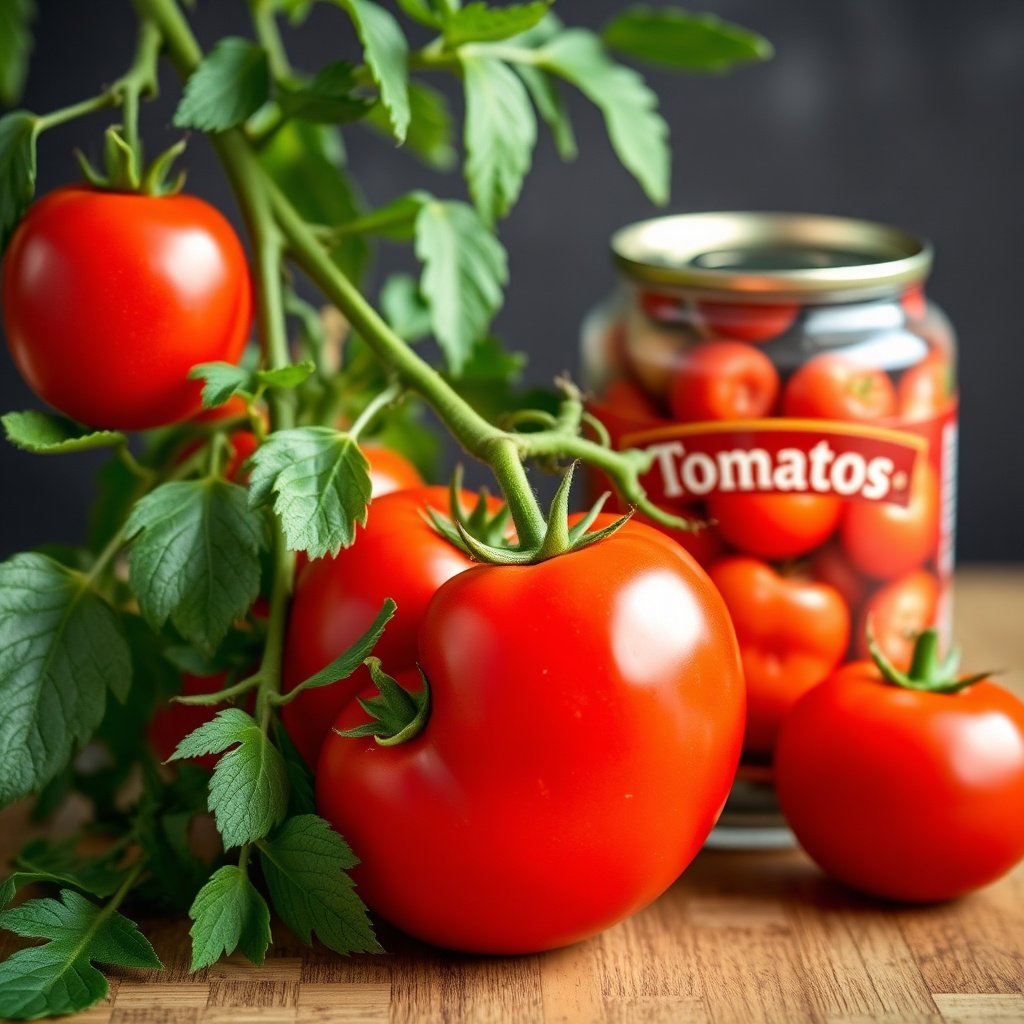
Fresh vs Canned Tomatoes
Fresh tomatoes bring a bright, natural flavor but require peeling and cooking down to achieve the right sauce consistency. On the other hand, canned whole peeled tomatoes, typically packed at peak ripeness, offer convenience and consistent quality.
For pizza sauce, many cooks prefer canned tomatoes like San Marzano because they have a rich, balanced sweetness and acidity that forms a great flavor base without extra steps.
- Use plum or San Marzano variety for best flavor
- Check for BPA-free cans for health safety
- Choose whole peeled over diced for smoother sauce
Preparing Fresh Tomatoes
If using fresh tomatoes, score the bottoms lightly and immerse them in boiling water for 30-60 seconds to loosen the skins. Once peeled, remove seeds and chop finely for sauce preparation.
Cooking fresh tomatoes with garlic and olive oil helps concentrate flavors and create the texture ideal for pizza sauce, but it takes longer than canned tomatoes.
- Peel skins to avoid bitterness in sauce
- Remove seeds for smoother texture
- Simmer to reduce excess water content
Essential Ingredients and Flavor Boosters
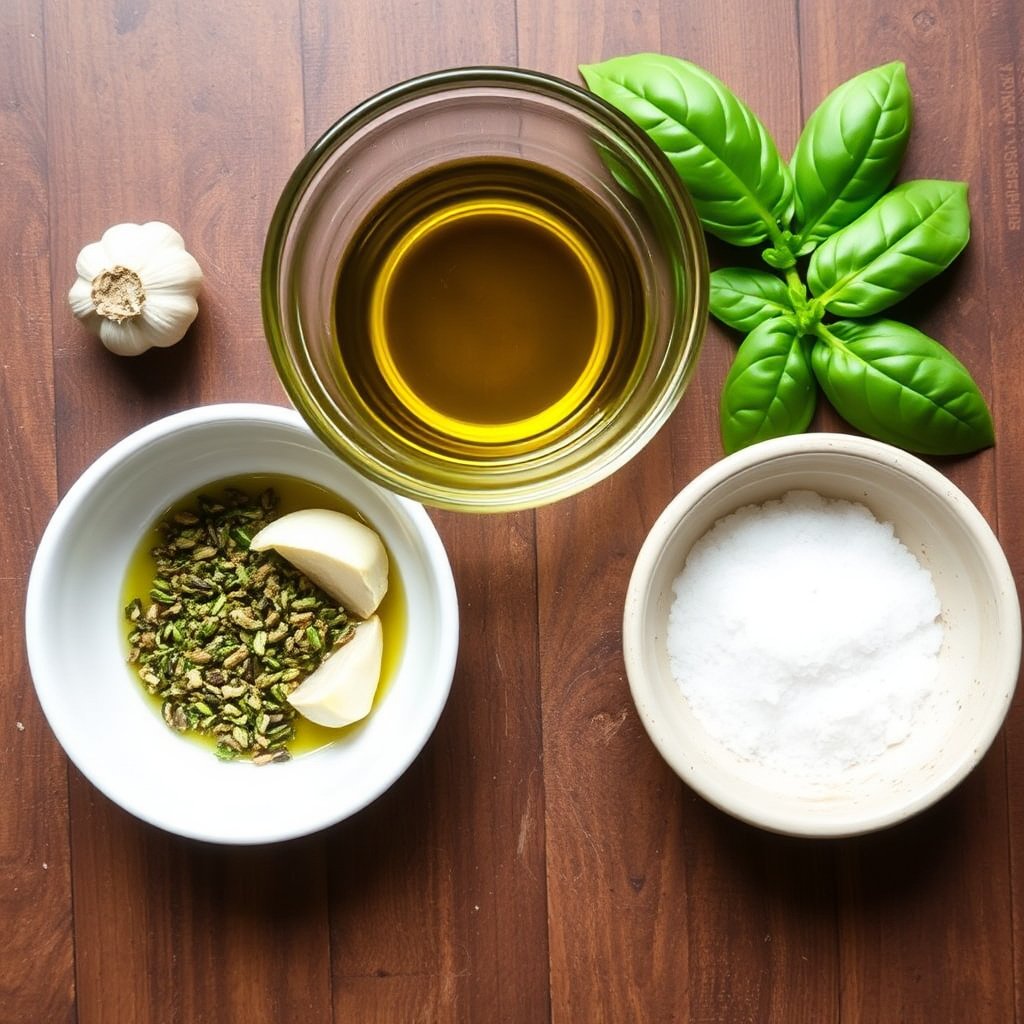
Basic Components of Pizza Sauce
A simple pizza sauce uses crushed tomatoes as the base, combined with olive oil to add richness and garlic for aromatic depth. Salt balances the sweetness of tomatoes and activates other flavors.
Herbs like oregano and basil provide the classic pizza flavor profile. Using dried oregano delivers a punch of earthiness, while fresh basil adds a sweet, herbal note.
- Crushed or pureed tomatoes
- Extra virgin olive oil
- Minced garlic
- Dried oregano and/or fresh basil
- Salt and a pinch of sugar if needed
Enhancing Depth with Additional Ingredients
Some recipes include a splash of red wine vinegar or a pinch of red pepper flakes to add brightness and subtle heat. Adding a small amount of onion powder can also boost umami.
If preferred, blending in a bit of tomato paste intensifies the tomato flavor and thickens the sauce, perfect for thicker crust pizzas.
- Red wine vinegar for acidity
- Red pepper flakes for spice
- Onion powder for depth
- Tomato paste for thickness
Step-by-Step Pizza Sauce Preparation
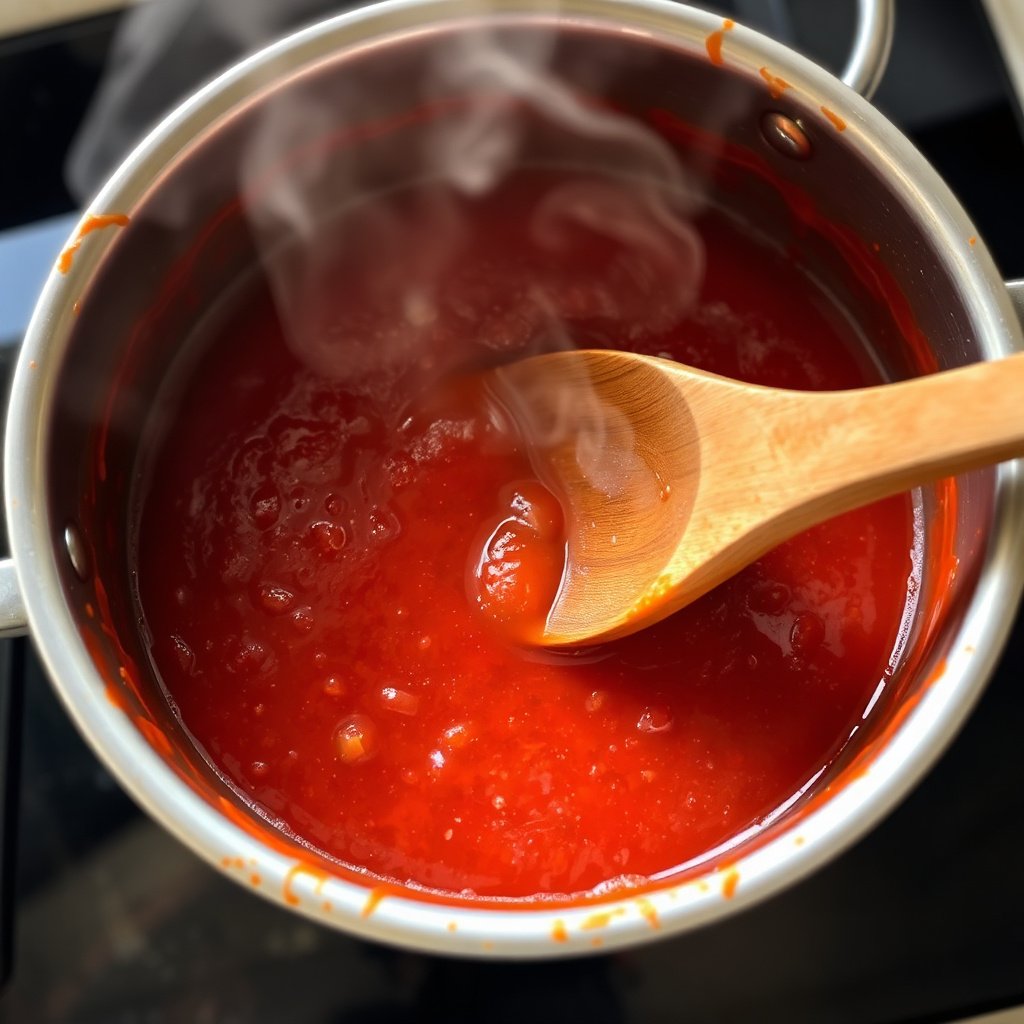
Cooking the Sauce on the Stove
Start by heating olive oil in a pan, then gently sauté minced garlic until fragrant but not brown. Adding crushed tomatoes and herbs next, let the sauce simmer to meld flavors and reduce excess liquid.
Simmering for 15-20 minutes thickens the sauce, concentrating the taste and making it ready to spread on your pizza crust. Stir occasionally to prevent sticking and adjust seasoning as you cook.
- Sauté garlic in olive oil over medium heat
- Add tomatoes and herbs, bring to a simmer
- Simmer uncovered for 15-20 minutes
- Season with salt and sugar to taste
For more on this, see our related guide: How to Make French Toast: A Complete Guide for Perfect Results.
No-Cook Sauce Option
For a quick pizza sauce, combine crushed canned tomatoes with minced garlic, olive oil, herbs, salt, and a pinch of sugar in a bowl. Let the flavors meld for at least 30 minutes before using.
This uncooked approach keeps sauce bright and fresh-tasting, ideal when time is limited or when baking pizzas at home with thinner crust.
- Mix ingredients thoroughly
- Rest before use to marinate flavors
- Best used within a day for freshness
Adjusting Flavor and Texture to Preference
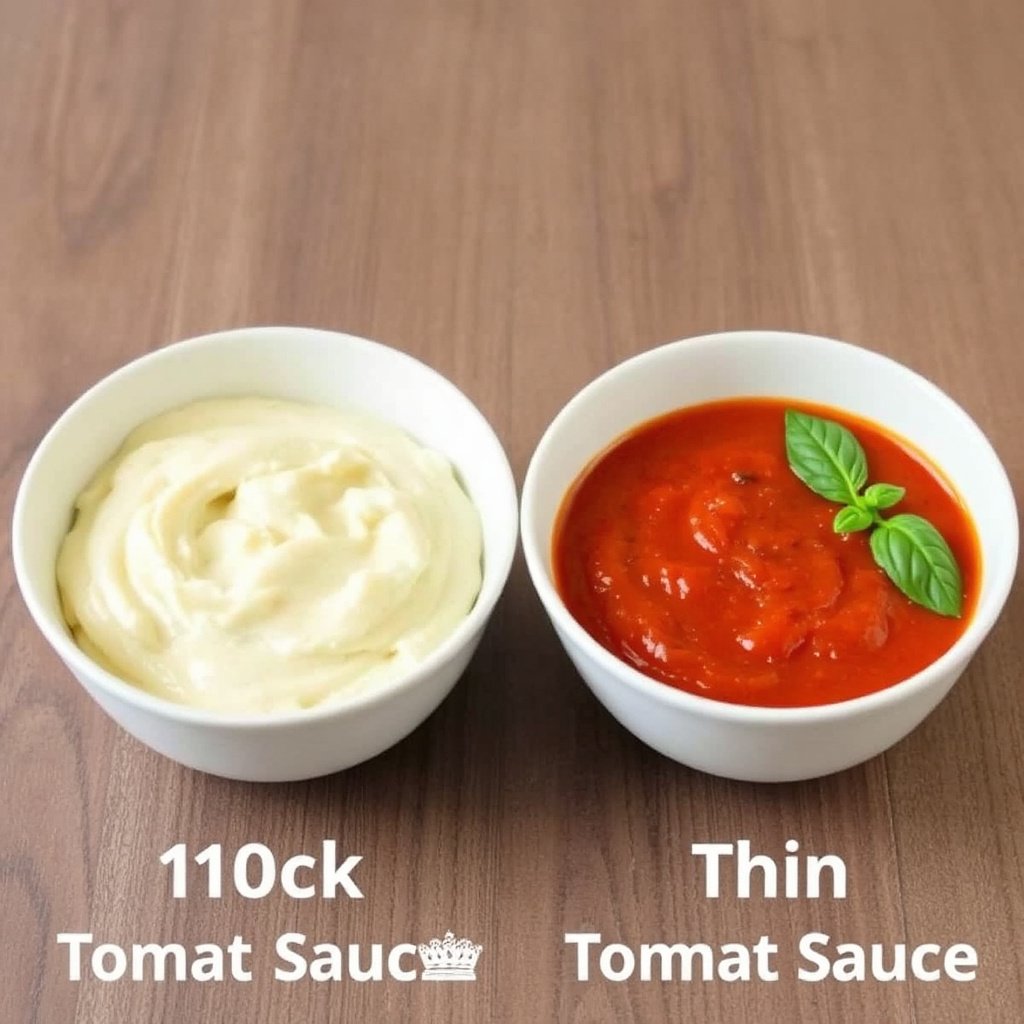
Tuning Thickness and Consistency
If your sauce is too watery, simmer it uncovered longer to evaporate liquid. Stirring in a spoonful of tomato paste can also add body and richness.
For thinner sauce suited to thin crust pizzas, add a splash of water or use less tomato paste. Whisking sauce before applying helps achieve an even, spreadable texture.
- Simmer longer to thicken
- Add tomato paste to boost density
- Adjust with water for thinner sauce
Balancing Sweetness and Acidity
Taste your sauce during preparation and correct any overly sharp acidity with a small pinch of sugar. Conversely, a dull sauce may benefit from a little vinegar or lemon juice for brightness.
Seasoning gradually while cooking allows you to achieve the ideal balance of sweet and tangy notes that make pizza sauce memorable.
- Add sugar to soften acid
- Use vinegar or lemon juice to brighten
- Season slowly and taste frequently
Storing and Using Your Homemade Pizza Sauce
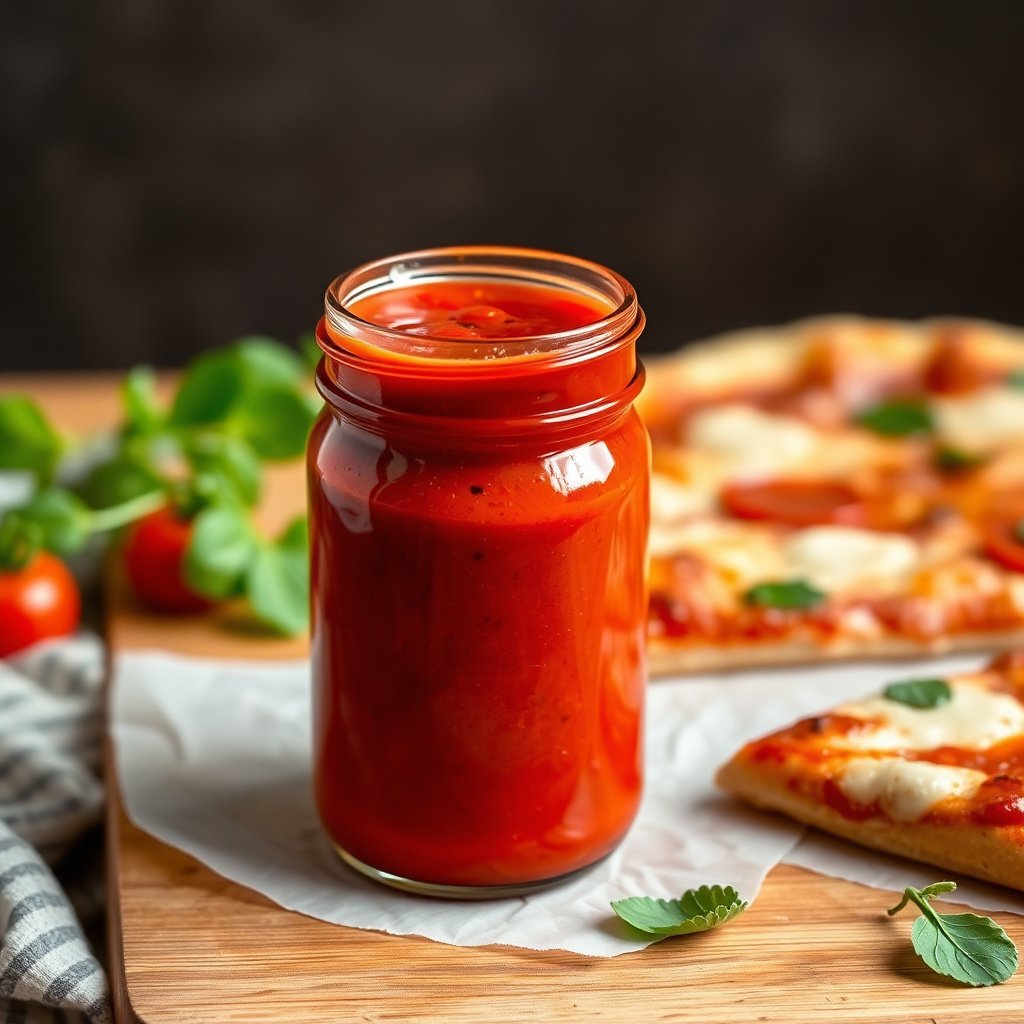
Refrigeration and Freezing Tips
Store leftover sauce in an airtight container in the refrigerator for up to a week. For longer storage, freeze in portions with plastic wrap or freezer-safe jars to preserve freshness.
Freezing pizza sauce works well since the acidity of tomatoes helps maintain texture and flavor after thawing, giving you ready-made sauce for future pizza nights.
- Use airtight containers to prevent spoilage
- Freeze in small portions for convenience
- Label and date containers before freezing
For more on this, see our related guide: How to Make Pizza at Home Fast and Easy with Perfect Dough and Baking Tips.
Best Practices for Pizza Assembly
Apply sauce sparingly to give room for toppings and ensure the pizza crust cooks evenly. Too much sauce can result in soggy crust or uneven cooking.
Spread sauce to the edges or leave a small border depending on your crust style. Allow sauce to sit on the dough briefly before baking to improve flavor absorption.
- Use a ladle or spoon to spread sauce evenly
- Avoid overloading to prevent sogginess
- Let sauce rest on dough before baking
Customizing Your Homemade Pizza Sauce
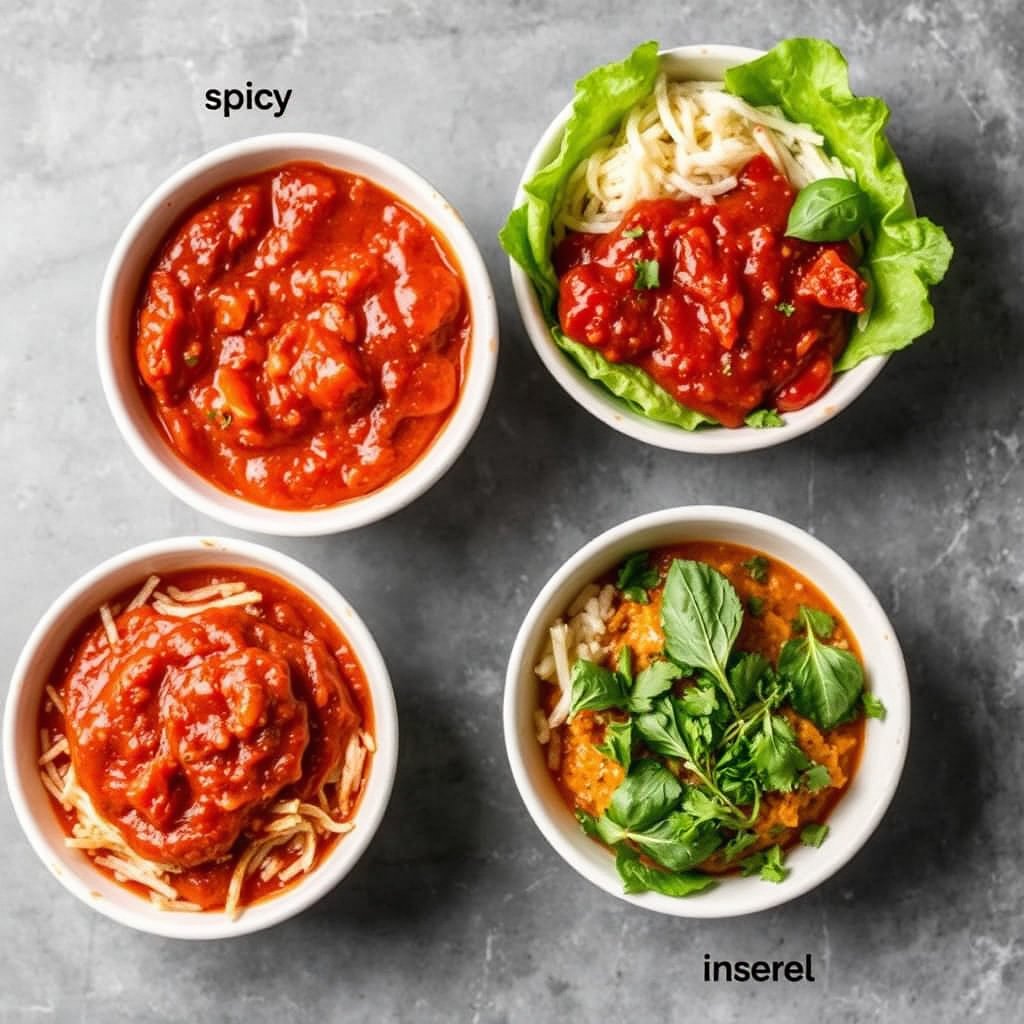
Spicy and Smoky Sauce Variations
Adding crushed red pepper flakes or smoked paprika spices up your pizza sauce, offering a smoky depth alongside classic tomato flavor. Adjust the heat level to suit your palate.
Smoked garlic or chili oil can also be incorporated to further enhance the sauce's complexity and pair well with meat or vegetable toppings.
- Crushed red pepper for heat
- Smoked paprika for smoky notes
- Chili-infused oils for extra spice
For more detailed historical and ingredient insights, see the pizza sauce information on Wikipedia. Pizza sauce information on Wikipedia.
Herb-Driven and Roasted Garlic Options
Roasting garlic mellows its intensity, creating a sweeter, more subtle flavor in your pizza sauce. Combining roasted garlic with fresh basil or thyme can offer a sophisticated herbaceous profile.
Experimenting with different herbs like rosemary or marjoram can provide unconventional but delightful twists to traditional pizza sauce.
- Use roasted garlic for milder flavor
- Mix fresh basil and thyme for aroma
- Try rosemary or marjoram for variety
Types of Pizza Sauces Compared
This table compares common pizza sauce styles based on ingredients, flavor profile, and preparation time to help you pick the right option.
| Sauce Type | Ingredients | Flavor Profile | Prep Time | Best For |
|---|---|---|---|---|
| Traditional Tomato Sauce | Canned tomatoes, garlic, olive oil, herbs | Balanced, classic | 20 mins simmer | All pizza types |
| No-Cook Sauce | Crushed tomatoes, garlic, olive oil, herbs | Bright, fresh | 5 mins mix | Thin crust, quick meals |
| Spicy Sauce | Tomatoes, chili flakes, smoked paprika, garlic | Bold, hot, smoky | 20 mins simmer | Meat and vegetable toppings |
| Roasted Garlic Sauce | Tomatoes, roasted garlic, fresh herbs | Sweet, rich, herbal | 25 mins simmer | Gourmet style pizzas |
| Thick Sauce with Tomato Paste | Tomatoes, tomato paste, garlic, herbs | Intense, thick | 30 mins simmer | Deep-dish, thick crust |
Frequently Asked Questions
Can I use fresh tomatoes to make pizza sauce?
Yes, fresh tomatoes can be used but require peeling, seeding, and simmering to concentrate flavors. Using canned tomatoes is often easier and yields consistent results.
How long does homemade pizza sauce last?
Refrigerated homemade pizza sauce typically lasts about 5 to 7 days. For longer storage, freezing in airtight containers can preserve it for up to 3 months.
Do I need to cook pizza sauce before using it?
Cooking is recommended for deeper flavor and thicker consistency, but no-cook recipes also work well, especially for quick preparation and fresh tomato taste.
Can I make pizza sauce without garlic?
Absolutely. Garlic adds flavor but can be omitted or replaced with other aromatics like onion powder or shallots to suit your taste preferences.
What herbs work best in pizza sauce?
Oregano and basil are classic choices for pizza sauce, providing traditional flavor notes. Thyme, rosemary, or marjoram can be used for different flavor variations.
Key Takeaways
- Use quality canned or fresh tomatoes as the sauce base.
- Incorporate garlic, olive oil, and herbs for classic flavor.
- Simmering enhances sauce depth, but no-cook versions save time.
- Adjust thickness and seasoning to match your pizza style.
Conclusion
Deciding how to make pizza sauce involves balancing convenience, flavor, and texture. Whether you prefer the rich, simmered flavor of a traditional cooked sauce or the fresh brightness of a no-cook mix, understanding the core ingredients and preparation steps guides your best choice. Control over tomato quality, herbs, and seasoning lets you create a sauce that complements your pizza style perfectly. Testing small batches can help you discover the ideal balance for your own kitchen.
For starters, a traditional tomato sauce with canned San Marzano tomatoes, garlic, and oregano is a versatile go-to for most pizza types. If pressed for time, a no-cook sauce using diced tomatoes and herbs offers a quick alternative with fresh flavor. Enthusiasts can experiment with roasted garlic or a spicy variation to elevate specific recipes, especially for thick crust or gourmet pizzas. Each approach offers flexibility to suit ingredients on hand and taste preferences.
Next, gather your chosen ingredients and try following the step-by-step instructions provided here to create your personalized pizza sauce. Store any leftovers properly to expand your homemade sauce use for future meals. Making your own pizza sauce not only improves your pizza but enhances your cooking experience by bringing authentic Italian flavor right to your table.