How to Taste Whiskey Like a Pro: A Step-by-Step Guide
Tasting whiskey involves more than just sipping a glass; it’s about engaging your senses to appreciate the complex flavors and aromas. To taste whiskey properly, start by observing its color, then gently swirl it in the glass to release aromas. Next, take small sniffs to identify the scents before taking a small sip, allowing the whiskey to coat your tongue while noting the taste and finish.
Understanding how to taste whiskey enriches the experience whether you’re trying a new brand or exploring a rare bottle. Whiskey’s flavor profile is shaped by factors like the type of grain, fermentation, distillation, and aging process, which all contribute to its unique character. Tasting reveals the subtle differences that make each whiskey distinct and enjoyable in its own way.
This article will guide you through the steps of whiskey tasting, including preparation, evaluating appearance, aroma, palate, and finish. We’ll also share whiskey tasting tips, common flavor notes to recognize, and advice on tasting tools and settings for a better experience.
Preparing for Whiskey Tasting
Selecting the Right Glassware
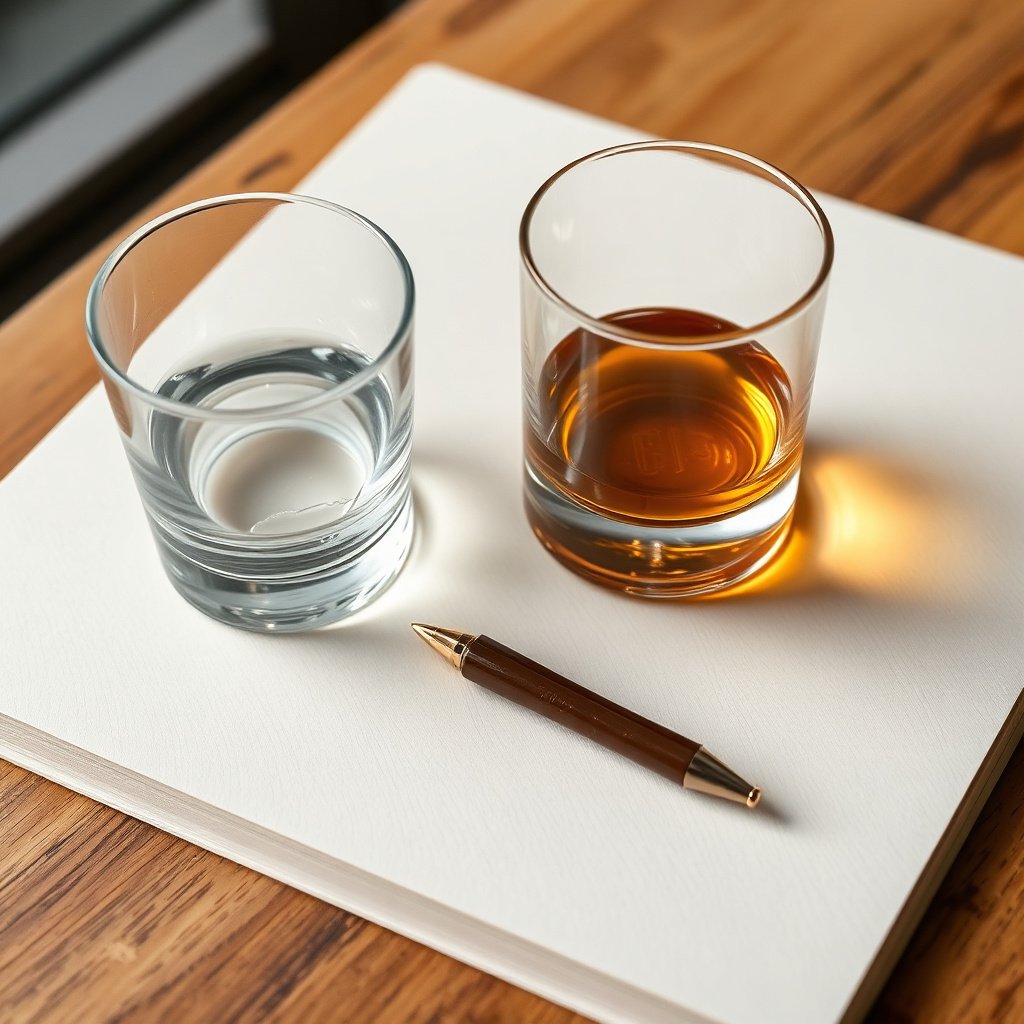
The choice of glass can affect your ability to smell and taste whiskey properly. A tulip-shaped glass, like a Glencairn glass, concentrates aromas toward the nose and allows you to swirl the whiskey without spilling.
Avoid using wide-mouthed glasses such as old-fashioned or rocks glasses when tasting, as they disperse aromas too quickly and reduce sensory perception.
- Glencairn glass ideal for aroma concentration
- Avoid wide glasses for tasting
- Use a clear glass to judge color accurately
Choosing the Environment
A quiet, well-lit room without distracting smells helps focus attention on the whiskey’s sensory characteristics. Strong odors from perfumes, food, or smoke can interfere with your ability to detect aromas.
Natural daylight or soft white light works best to observe whiskey color, while a calm setting encourages careful observation and making detailed notes.
- Minimize background scents
- Use neutral lighting
- Taste when not hungry or very full
Evaluating Whiskey Appearance

Observing Color and Clarity
Color gives clues about a whiskey’s age and cask type. Pale gold often indicates younger whiskey or aging in ex-bourbon barrels, while darker shades hint at longer maturation or sherry casks.
Look for clarity and brightness as cloudiness may suggest chill filtering is not applied or the temperature is too low.
Assessing Legs and Viscosity
Swirling the whiskey and watching the legs (the streaks running down the glass inside) can indicate body and alcohol strength. Slow-dripping legs often denote higher viscosity and fuller mouthfeel.
While legs are not a definitive quality marker, they add to the sensory evaluation by hinting at texture.
- Slow legs usually mean fuller body
- Thin legs suggest lighter whiskey
Aromatics: Unlocking Whiskey’s Nose
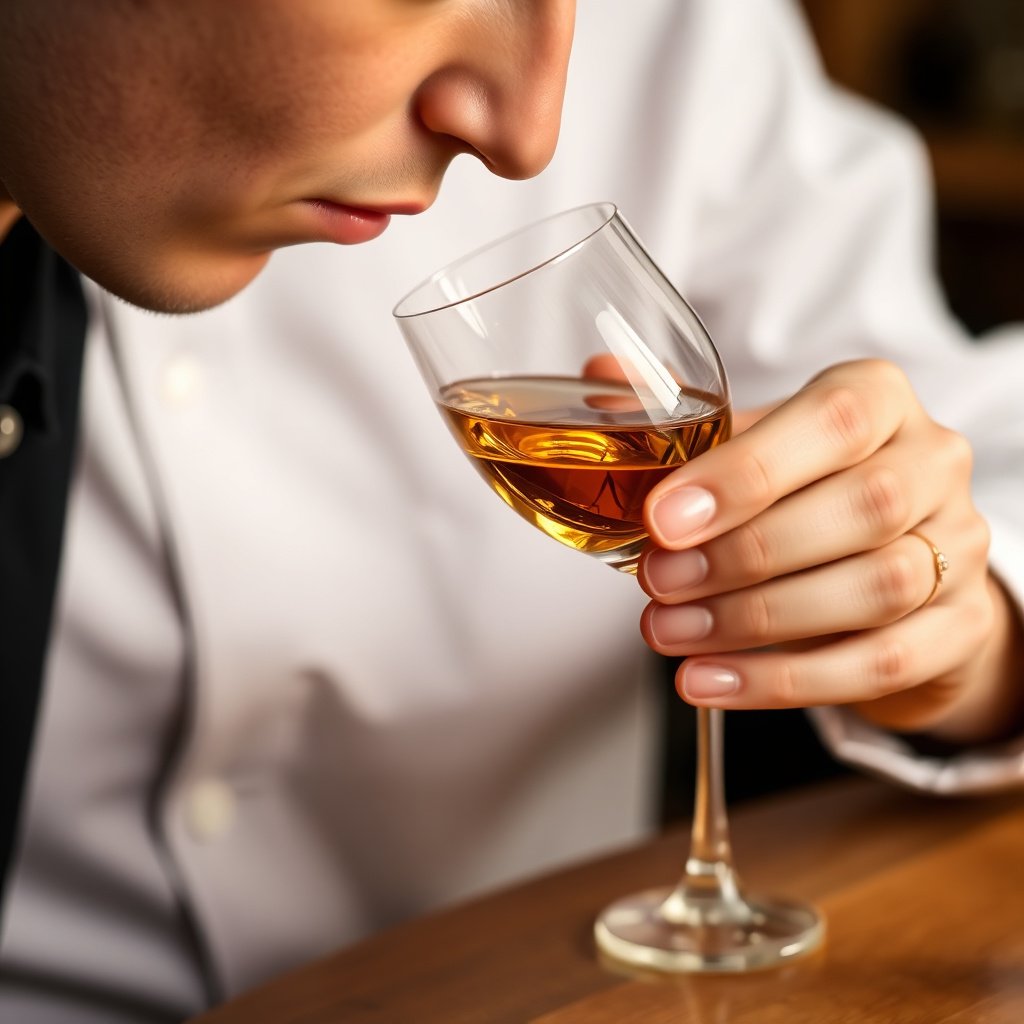
Initial Nose: Light Sniffs
Before deep inhalation, lightly bring the glass to your nose for a quick sniff. This reveals fleeting top notes like citrus, vanilla, or fresh grains.
Pay attention to how quickly the aroma fades or shifts, as this gives clues to volatility and complexity.
For more on this, see our related guide: What Is the Best Whiskey to Drink: Complete Guide to Top Picks and Tips.
Deeper Aromatic Exploration
Swirl the whiskey gently to release more volatile compounds, then inhale more fully in short bursts. Try to pick out distinct aromas such as oak, caramel, spices, fruit, or peat smoke.
Whiskey tasting tips include comparing the nose at different stages to catch evolving scents as the glass warms.
- Identify fruity, floral, or smoky notes
- Note any off or unpleasant smells
The Palate: Tasting Whiskey Flavors

Taking the First Sip
Take a small sip and let it spread across your tongue without swallowing immediately. This initial contact highlights sweetness, graininess, and light textures.
Focus on how flavors develop and balance on the tip, sides, and back of your tongue.
Exploring Complexity and Mouthfeel
As the whiskey lingers, try to detect secondary flavors such as spices, wood, nuts, or dried fruits. Also, assess texture—whether it feels oily, creamy, thin, or harsh.
Some whiskeys emphasize smokiness or peatiness that comes forward gradually, enriching the tasting experience.
- Notice sweetness, bitterness, acidity balance
- Evaluate texture and weight
Whiskey Finish: The Aftertaste Experience

Length of Finish
The finish refers to the flavors and sensations lingering after swallowing. Some whiskeys have a short, clean finish while others leave a long, evolving aftertaste.
Length is often considered a sign of quality and complexity, with longer finishes indicating deeper character.
- Short finish: quick fade
- Medium finish: moderate lingering
- Long finish: sustained flavors
For more on this, see our related guide: How to Order a Drink at a Bar: A Complete Guide for Beginners.
Character of Finish
Besides length, note whether the finish is warm, spicy, sweet, smoky, or dry. A pleasant finish will balance different sensations and complement the palate experience.
Tracking the finish helps compare different whiskey styles and identify personal preferences.
Enhancing Your Whiskey Tasting Experience

Using Water and Food Pairings
Adding a few drops of water can open up flavors and reduce harshness, helping to reveal new notes. Use room-temperature water, adding gradually as you taste.
Pairing whiskey with neutral foods like crackers or mild cheeses resets your palate and makes it easier to evaluate multiple samples.
- Add water gradually to see flavor changes
- Use mild snacks to cleanse palate
For additional insights, you can visit the whiskey tasting guide on Wikipedia, which offers a detailed overview of the tasting process and terminology. Whiskey tasting guide on Wikipedia.
Keeping a Tasting Journal
Recording your impressions enhances learning and helps remember specific bottlings or flavor profiles. Note appearance, aroma, palate, finish, and overall rating.
Over time, a journal reveals trends in personal taste and builds confidence in whiskey appreciation.
- Jot down detailed sensory notes
- Compare experiences across sessions
Whiskey Tasting Method Comparison
Here is a comparison of popular whiskey tasting methods and tools to help decide which suits your approach.
| Method | Glass Type | Pros | Cons |
|---|---|---|---|
| Traditional Neat Tasting | Glencairn glass | Accurate aroma and flavor assessment | Requires controlled environment |
| Whiskey Flights | Varied small glasses | Direct comparison of multiple whiskeys | Can overwhelm palate without cleansing |
| With Water Addition | Glencairn or tumbler | Reveals hidden flavors | Risk of diluting character |
| Blind Tasting | Identical glasses labeled only by number | Tests true sensory skills | Challenging for beginners |
| Using Flavor Wheels | Any glass | Helps identify flavor notes systematically | May seem too analytical for casual drinkers |
Frequently Asked Questions
Why do you swirl whiskey before tasting?
Swirling whiskey releases volatile aroma compounds, helping you better smell and identify subtle scents essential for full sensory evaluation.
Should whiskey be tasted at room temperature?
Yes, whiskey is best tasted at room temperature to allow aromas to develop fully and flavors to express themselves without numbing the palate.
How much water should I add to whiskey when tasting?
Start with a few drops of room-temperature water and increase gradually. Small amounts often open flavors without overly diluting the whiskey.
What flavors are commonly found in whiskey?
Common flavors include vanilla, caramel, oak, spice, fruit, peat smoke, and nuts, but profiles vary widely depending on production methods.
Is tasting whiskey different from drinking it casually?
Yes, tasting focuses on slowing down, engaging senses consciously, and analyzing sensory attributes rather than just enjoying the drink.
Key Takeaways
- Use proper glassware like a Glencairn glass to concentrate aromas.
- Observe appearance, aroma, palate, and finish systematically.
- Add water sparingly to reveal new flavor nuances.
- Keep a tasting journal to track preferences and improve skills.
Conclusion
Tasting whiskey is a sensory exercise that invites patience and attention to detail. By evaluating color, aroma, taste, and finish methodically, you can appreciate whiskey’s complex nature far beyond casual drinking. This structured approach helps differentiate brands, cask types, and aging effects, enriching every sip and building a deeper understanding of the spirit’s craftsmanship. The precision involved in whiskey tasting underscores how subtle variations in production translate to diverse sensory experiences.
Different whiskey styles lend themselves to various tasting practices. For example, single malt Scotch may reveal more peaty and fruity notes that benefit from minimal water addition, while bourbons often respond well to slight dilution to balance sweetness and spice. Beginners might start with traditional neat tasting to develop their palate before exploring comparative whisky flights or blind tastings to hone sensory skills. Using recommended glassware and tasting in distraction-free environments further enhances flavor detection, making each session educational and enjoyable.
To start your whiskey tasting journey, select a small but well-curated sample and a proper tulip-shaped glass. Take your time with each step: admire the whiskey’s color, gently smell the aromas, sip slowly to uncover layered flavors, and note the finish’s length and character. Maintain a tasting journal to record your findings and refine your preferences. With consistent practice, you’ll move from novice to confident whiskey taster, appreciating the depth and nuances that make whiskey one of the world’s most intriguing spirits.