Bourbon vs Whiskey: Understanding the Key Differences and Choosing the Right Spirit
Bourbon is a type of whiskey, but not all whiskey is bourbon. The main distinction lies in the ingredients and production process: bourbon must be made from at least 51% corn and aged in new charred oak barrels, while whiskey encompasses a broader category with various grains and aging methods. When comparing bourbon vs whiskey, it’s important to recognize bourbon as a defined subtype within the whiskey family.
This distinction matters because flavor profiles and production traditions influence your drinking experience. Bourbon typically offers a sweeter, fuller-bodied taste due to its corn base and barrel aging, whereas other whiskeys like rye or Scotch can have spicier, smokier, or fruitier characteristics. Understanding these differences helps enthusiasts choose spirits fitting their palate.
This article will cover the fundamental differences between bourbon and whiskey, including production rules, flavor notes, popular styles, and how to select the best option based on personal preference. It will also compare categories and answer common questions related to bourbon and whiskey to guide your next purchase.
What Defines Bourbon vs Whiskey
Legal Requirements for Bourbon
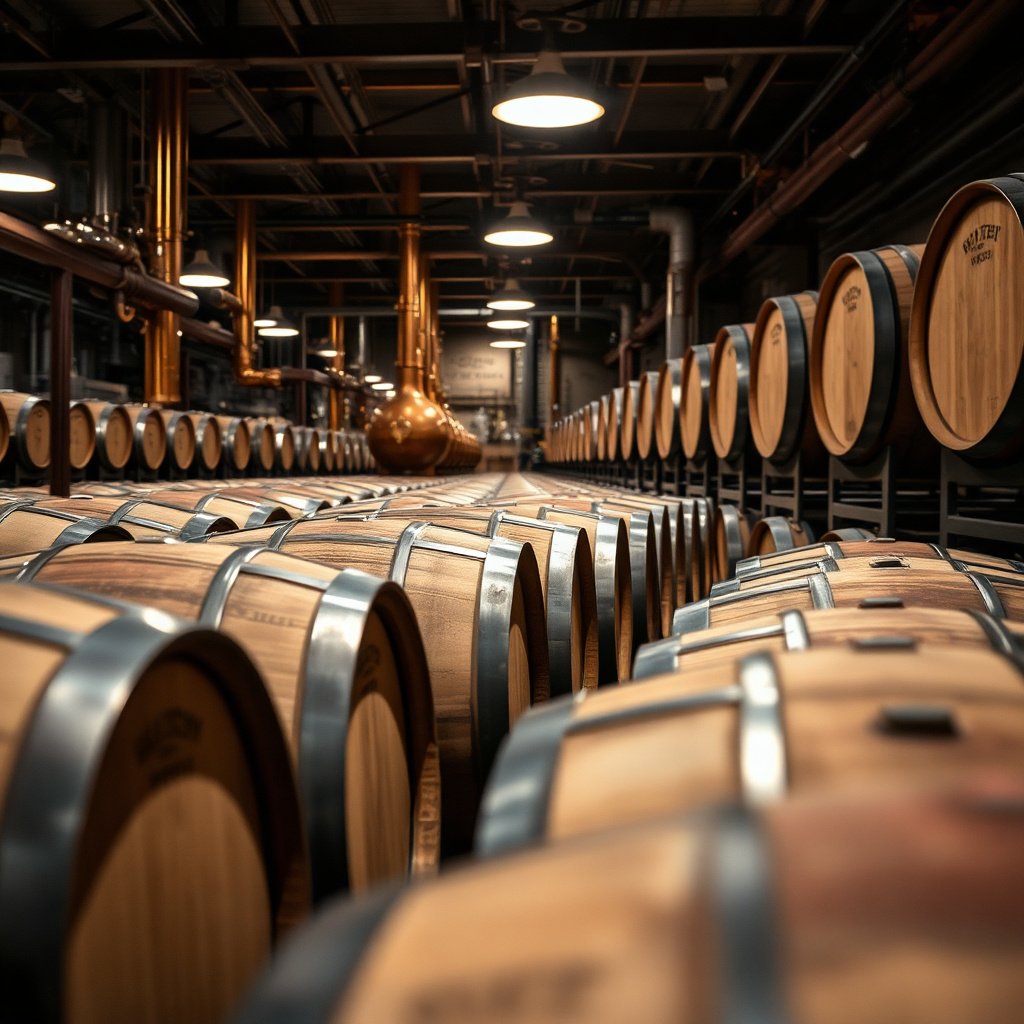
Bourbon must be made in the United States, using a grain mixture containing at least 51% corn. It needs to be distilled to no more than 160 proof, entered into new charred oak barrels at not more than 125 proof, and aged for a minimum of two years. No additives other than water are permitted, and if it’s aged less than four years, the bottle must state the age.
These rules ensure bourbon has a consistent flavor profile characterized by sweetness, vanilla, caramel, and oak notes due to the heavy corn mash bill and new charred barrels.
Broad Whiskey Production Standards
Whiskey is a broad category that includes bourbon, rye, Scotch, Irish, and other styles. Distilled from fermented grain mash including barley, corn, rye, or wheat, whiskey’s rules vary widely depending on region and type.
Unlike bourbon, many whiskeys can be made with used barrels, have different grain compositions, or use peat smoke, particularly in Scotch. Production freedoms lead to a wide spectrum of flavors and aging requirements.
Flavor Profiles and Tasting Notes

Flavor Characteristics of Bourbon
Bourbon's predominant corn content imparts sweetness with notes of vanilla, caramel, and honey. The new charred oak barrels contribute toasted oak, spice, and a smoky finish. This combination makes bourbon smooth yet rich, often with a creamy mouthfeel.
Typical bourbons can vary from light and floral to bold and full-bodied, but the corn base consistently anchors the flavor with a rounded sweetness.
- Sweet vanilla and caramel
- Toasted oak and spice
- Smooth, creamy texture
Whiskey’s Varied Flavor Spectrum
Whiskeys outside of bourbon include rye, which tends to be spicier and sharper; Scotch, often smoky with peat influence; and Irish whiskey, typically lighter and fruitier. The blend of grains and aging methods drives vast flavor variations.
These diverse profiles cater to different palates, from the robust, smoky flavors favored by some Scotch drinkers to the crisp, spicy notes in rye whiskey.
- Spicy rye notes
- Smoky, peaty Scotch flavors
- Light, fruity Irish whiskey
Popular Styles Within Bourbon and Whiskey

Notable Bourbon Varieties
Classic bourbons include makers like Maker’s Mark, Jim Beam, and Buffalo Trace, each offering variations in proof, aging, and mash bills. Small batch bourbons and single barrel releases are prized for unique character and craftsmanship.
Specialized bourbons like high-rye or wheated bourbon highlight variations in grain recipes, providing a different spice level or smoothness.
- Single barrel bourbons
- Small batch varieties
- High-rye and wheated bourbons
For more on this, see our related guide: What Is the Best Whiskey to Drink: Complete Guide to Top Picks and Tips.
Various Whiskey Style Options
Whiskey offers many styles including Scotch (single malt and blended), Canadian whiskey, and rye whiskey, each with distinct regulations and flavor profiles. Blended whiskeys mix grains and aging levels for balance and affordability.
Each style has loyal followers based on unique regional traditions and aging conditions, creating huge diversity among whiskeys.
- Single malt and blended Scotch
- Canadian whiskey smoothness
- Rye whiskey intensity
How to Choose Between Bourbon vs Whiskey

Consider Your Flavor Preferences
Selecting between bourbon vs whiskey depends heavily on your taste preferences. If you prefer sweeter, richer notes with vanilla and caramel, bourbon is a reliable choice. If you want spice, smokiness, or variety, other whiskeys might suit you better.
Think about how you plan to enjoy the spirit—neat, cocktails, or mixed drinks—as this affects which style complements your palate.
- Sweet vs spicy flavor
- Neat sipping vs mixing
- Preference for smoky or smooth
Price Range and Availability
Bourbons are widely available at many price points, from affordable blends to premium aged labels. Whiskeys like Scotch or specialty rye can range similarly but may be pricier due to import costs and aging time.
Your budget and access to brands will influence choice, alongside regional availability, especially if seeking rare or craft expressions.
- Affordable vs premium options
- Local availability
- Imported vs domestic spirits
Common Uses in Cocktails and Pairings

Bourbon Cocktails and Food Pairings
Bourbon’s sweetness makes it ideal in iconic cocktails like the Old Fashioned, Mint Julep, and Manhattan. It pairs well with grilled meats, barbecue, and desserts involving caramel or apple flavors.
Because of its rich profile, bourbon balances spicy and smoky foods nicely, adding depth without overpowering.
- Old Fashioned and Mint Julep
- Pairs with barbecue and smoked meats
- Complements desserts with caramel
Whiskey Mixes and Culinary Matches
Different whiskey styles suit cocktails according to flavor: rye whiskey in a Sazerac delivers spice, Scotch enhances smoky cocktails like a Rusty Nail, and Irish whiskey is excellent in lighter drinks like a Whiskey Sour.
Whiskeys also complement diverse cuisines, from hearty stews to seafood, depending on their flavor intensity.
- Sazerac with rye whiskey
- Rusty Nail uses Scotch
- Irish whiskey in Whiskey Sour
Storage and Aging Impacts on Bourbon and Whiskey
Effect of Aging on Bourbon
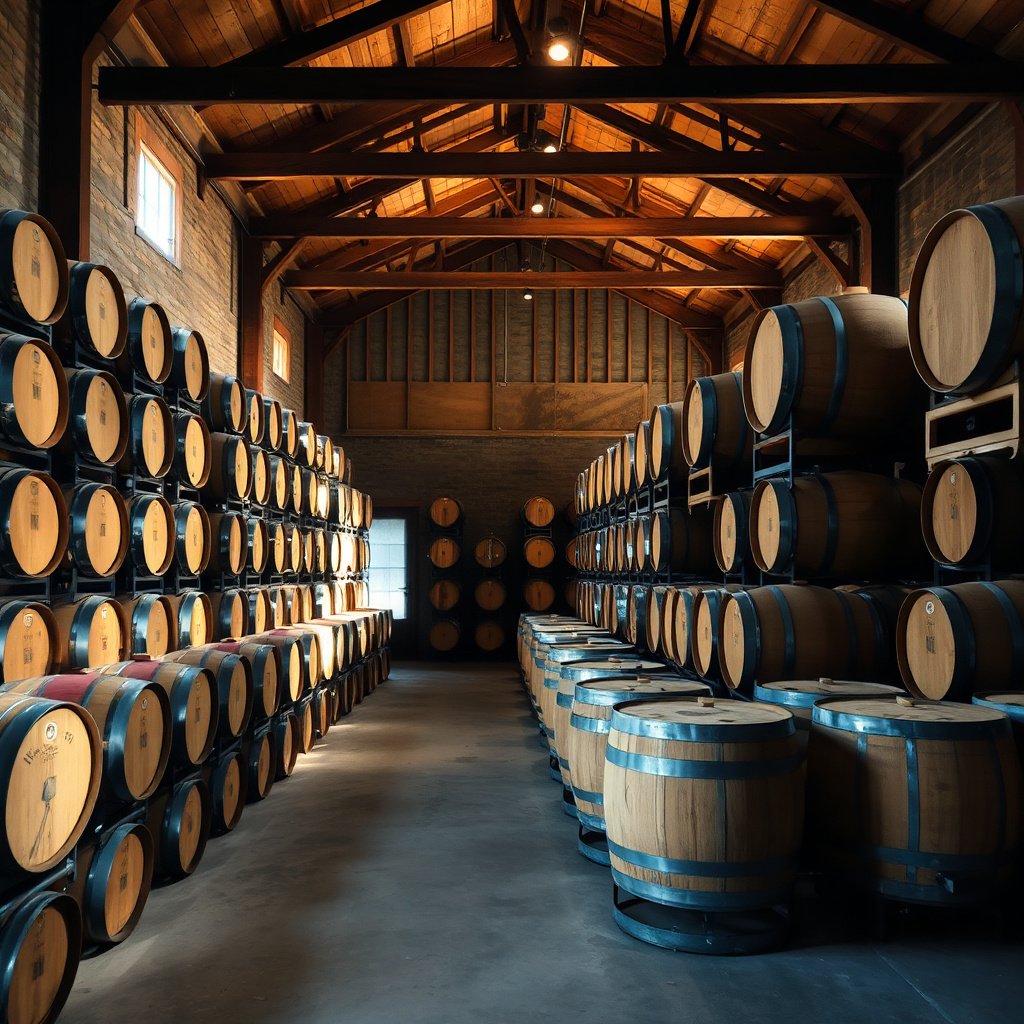
The minimum aging period for bourbon is two years, but many are aged longer for enhanced flavor complexity. Oak barrels impart vanillin and tannins that smooth out harsh notes and add color. Higher aging often leads to richer and more balanced spirits.
Climate influences aging speed; warmer regions like Kentucky allow faster maturation, impacting flavor depth.
- Minimum two years aging required
- Barrel char influences flavor
- Warmer climates age bourbon faster
For more detailed information on the specifics of bourbon whiskey, the Wikipedia page offers a thorough overview. Bourbon whiskey.
Whiskey Aging Variability
Whiskeys age significantly differently by type—Scotches may age 8-12 years or more, while Canadian whiskeys often have shorter minimums. Barrel reuse and environmental factors create vast flavor diversity during maturation.
Some whiskeys incorporate peat aging or unique barrel finishes to develop specific aromas alongside traditional aging effects.
- Aging varies by whiskey style
- Peat and barrel finishes add complexity
- Environmental aging impact
Bourbon vs Whiskey Category Comparison
This table highlights key differences across several whiskey categories including bourbon, rye, and Scotch.
| Category | Primary Grain | Aging Requirements | Characteristic Flavors | Region |
|---|---|---|---|---|
| Bourbon | At least 51% Corn | Minimum 2 years in new charred oak barrels | Sweet, vanilla, caramel, oak | United States (mainly Kentucky) |
| Rye Whiskey | At least 51% Rye | Varies by region; often 2+ years | Spicy, peppery, fruity | US, Canada |
| Scotch Whisky | Primarily Barley | Minimum 3 years in oak barrels | Smoky, peaty, malt | Scotland |
| Irish Whiskey | Barley and other grains | Minimum 3 years in wooden casks | Light, smooth, fruity | Ireland |
| Canadian Whiskey | Various grains, often corn | Minimum 3 years aging | Light, smooth, sweet | Canada |
Frequently Asked Questions
Is bourbon a type of whiskey?
Yes, bourbon is a specific type of American whiskey that meets legal criteria like being made from at least 51% corn and aged in new charred oak barrels.
Can whiskey be called bourbon outside the US?
No, bourbon must be produced in the United States to carry the bourbon label under current regulations.
What flavor differences can I expect between bourbon and rye whiskey?
Bourbon typically offers sweeter, fuller flavors with notes of vanilla and caramel while rye whiskey tends to be spicier, peppery, and sharper.
How long must whiskey be aged to be called bourbon?
Bourbon must be aged at least two years in new charred oak barrels to use the label, though many are aged longer for better flavor.
Are all whiskeys made from corn like bourbon?
No, whiskeys can be made from various grains including barley, rye, wheat, and corn depending on the style and region.
Key Takeaways
- Bourbon is a type of whiskey with strict production rules centered on a corn mash bill and new oak barrels.
- Whiskey encompasses diverse styles including rye, Scotch, and Irish, offering varied flavors from smoky to spicy.
- Flavor preference and occasion help guide whether bourbon or other whiskey types are best for you.
- Aging duration and barrel use significantly influence the character of both bourbon and other whiskeys.
Conclusion
Understanding the difference between bourbon vs whiskey starts with recognizing bourbon as a defined American whiskey style marked by its corn-heavy mash bill and unique aging requirements. Choosing between bourbon and other whiskeys depends on your flavor preferences—whether you favor bourbon’s sweeter, vanilla-forward profile or the complex spice and smokiness often found in rye or Scotch. Considering factors like aging, grain composition, and geographic origin provides a clearer picture of the options available, allowing you to select a spirit that aligns with your taste and usage, from sipping neat to mixing cocktails.
If you enjoy smooth, sweet flavors with a rich oak presence, bourbon varieties like Maker’s Mark or Buffalo Trace provide accessible starting points with consistent quality. On the other hand, exploring rye whiskey gives a spicier alternative, suitable for cocktails like a Sazerac, while Scotch offers smoky or fruity profiles for those seeking complexity. For light and approachable choices, Irish whiskey shines in mixed drinks or casual sipping. Price and availability should also guide your decision, with bourbons generally being easier to find and often more budget-friendly.
To experience these spirits thoroughly, try comparative tastings of bourbon and other whiskey styles, noting how grain and aging affect flavor. Visit reputable liquor stores or bars offering tasting flights to build your personal preference. Once you identify your preferred profile, seek out bottles within that category for further exploration, deepening your enjoyment and appreciation of the nuanced world of bourbon and whiskey.