How to Use Chafing Dishes: A Step-by-Step Guide for Perfect Buffets
Using chafing dishes is essential for keeping food warm and fresh during buffets or catered events. The basic method involves placing fuel cans under a water pan, which gently heats the food containers sitting above, maintaining a consistent serving temperature without direct flame contact.
Chafing dishes matter because they allow hosts and caterers to offer hot meals safely and attractively over hours. Whether you're hosting a wedding reception, family gathering, or corporate event, mastering how to use chafing dishes prevents cold dishes and messy reheating, enhancing guest satisfaction.
This article will guide you through setting up chafing dishes correctly, types of fuel to use, maintenance tips, safety precautions, cleaning, and troubleshooting common issues. By the end, you’ll have the knowledge to operate and care for chafing dishes confidently.
Setting Up Chafing Dishes Correctly
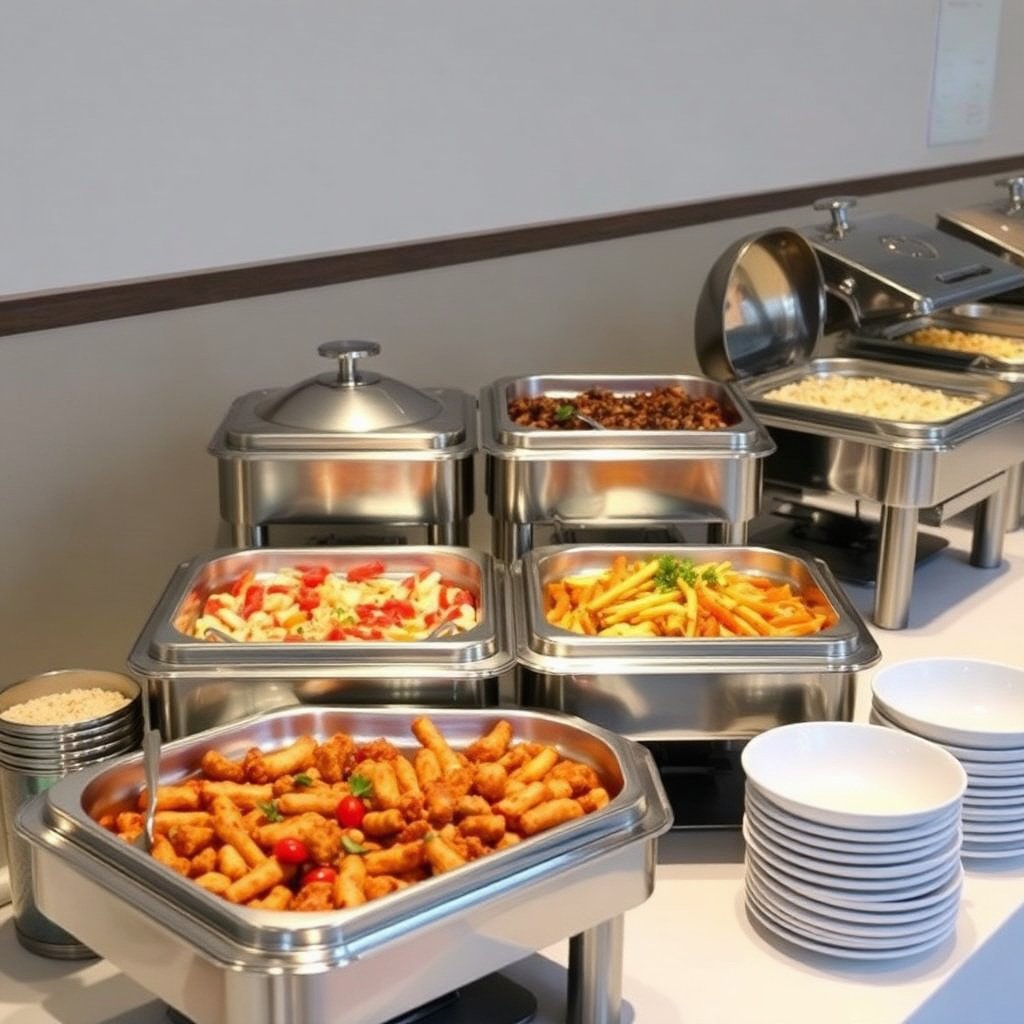
Assembling the Components
Most chafing dishes consist of a frame, water pan, food pan, lid, and fuel holders. Start by placing the frame on a stable, flat surface. Insert the water pan securely within the frame—it holds hot water to evenly distribute heat. Place the food pan inside the water pan, which will hold your dishes.
Ensure the lid fits well to keep heat and moisture inside. Proper assembly prevents heat loss and maintains the ideal serving temperature throughout your event.
Adding Water and Fuel
Fill the water pan with hot water about two-thirds full; this creates the steam needed to heat the food pan indirectly. Avoid overfilling to prevent water from spilling over when placing the food pan.
Place chafing fuel cans below the water pan on the frame’s designated holders. Light the fuel carefully using a long match or lighter, ensuring flames are steady but not so high that they risk overheating the water or food.
- Fill water pan with hot — not boiling — water
- Use appropriate quantity of water to prevent spills
- Handle fuel cans with care
- Light fuel with a long match or lighter
Choosing and Using Chafing Fuel
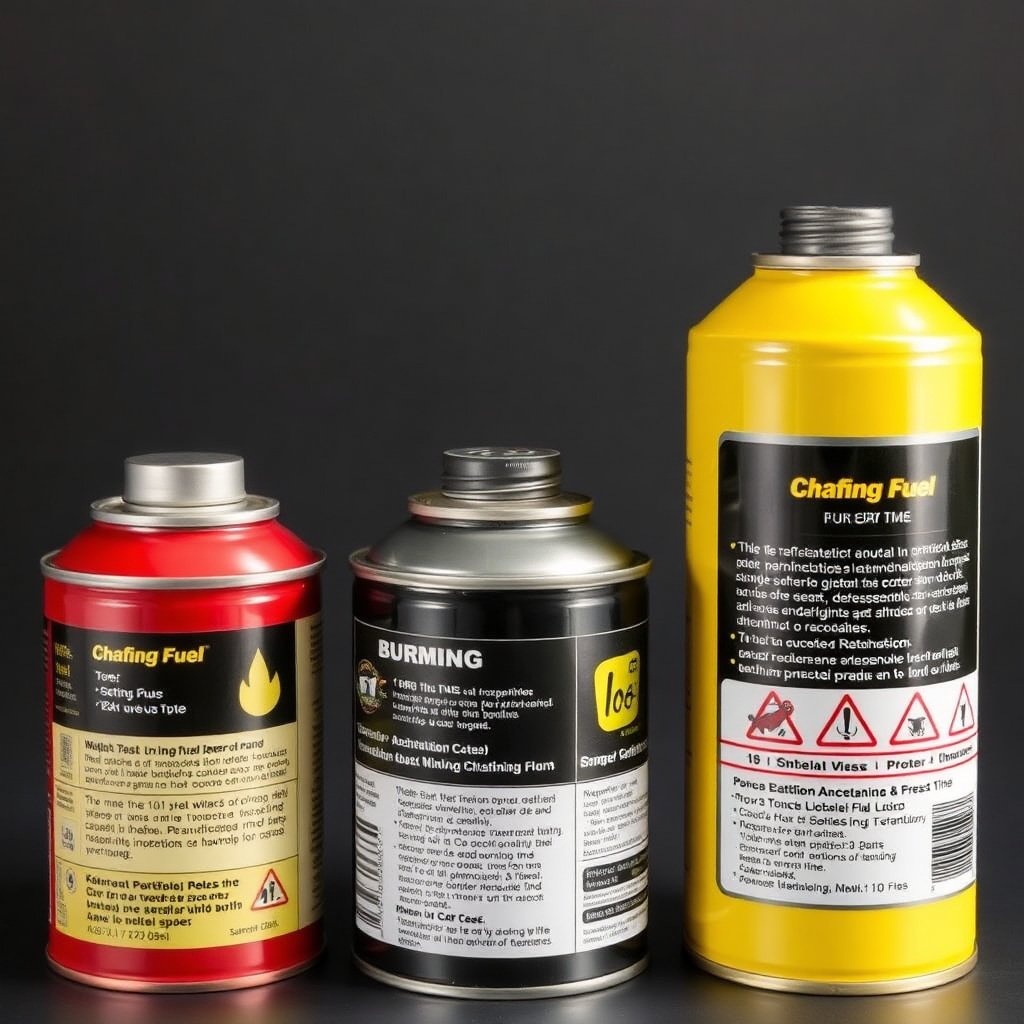
Types of Chafing Fuels
The three most common chafing fuels are ethanol gel, methanol gel, and solid-fuel cubes. Ethanol gels are popular for their clean burn and moderate heat output, lasting around 2-3 hours. Methanol gel burns hotter but slightly shorter and can produce more odor.
Solid-fuel cubes are easy to use but may leave residue on holders. Fuel choice should match the event’s duration and safety requirements, especially indoors.
- Ethanol gel: cleaner burn, moderate heat
- Methanol gel: hotter flame, stronger odor
- Solid fuel cubes: easy but messy
Fuel Safety and Handling
Always use chafing fuel according to manufacturer instructions. Keep fuel cans away from children and flammable materials. Never add fuel to burning or hot holders—allow them to cool completely first.
Use fuel holders to secure cans and prevent tipping. Extinguish flames before refilling or moving chafing dishes. Proper handling reduces fire risks and accidents during food service.
- Do not refill hot or burning cans
- Keep flame away from flammable items
- Use designated fuel holders
- Extinguish with snuffer or lid
Maintaining Proper Food Temperature
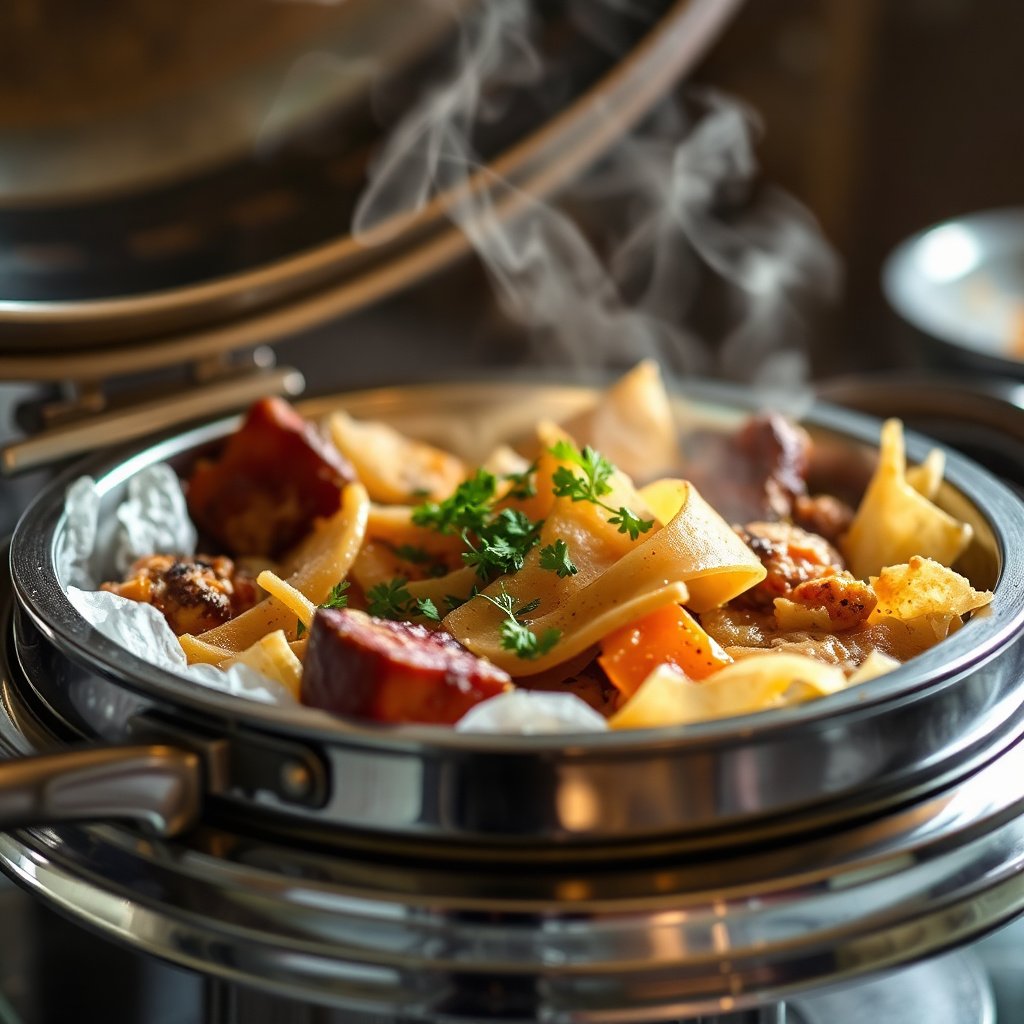
Optimal Heat Levels
Chafing dishes typically keep food between 140°F to 160°F, which keeps items safe and flavorful without drying them out. Too high heat can scorch food or decrease moisture while too low heat may cause unsafe temperature drops.
Monitor water temperature periodically during service, replenishing hot water if it cools. Adjust fuel placement or use multiple cans for longer events where consistent heat is critical.
- Maintain food temperature 140°F–160°F
- Replenish water when necessary
- Adjust fuel amount based on heat needs
For more on this, see our related guide: How Much Does It Cost to Host a Funeral Luncheon? A Complete Cost Guide.
Using Thermometers for Accuracy
Insert a food-safe thermometer into the center of the food pan to track internal temperature. Regular checks help ensure food remains safe to eat and appetizing throughout service.
Keep thermometers handy during service and record readings if required by health regulations or event policies.
Cleaning and Storing Chafing Dishes
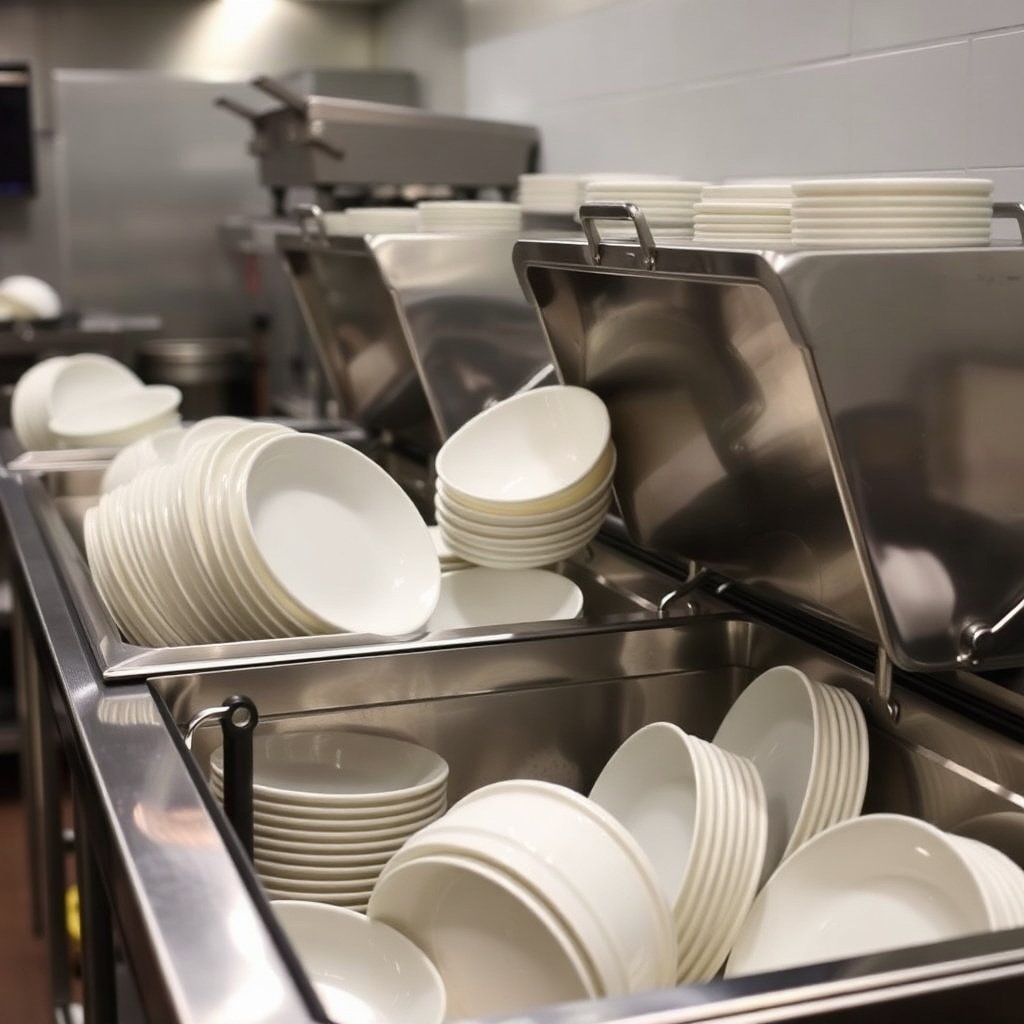
Immediate Post-Use Cleaning
After use, allow chafing dishes to cool completely before cleaning. Remove fuel cans first. Wash all components with warm soapy water to remove food residue and prevent staining or rusting.
Avoid abrasive cleaners that can scratch surfaces. Rinse thoroughly and dry completely before storage.
Proper Storage Tips
Store chafing dish components in a dry place to avoid moisture buildup that leads to corrosion. Keep lids and pans stacked carefully to prevent dents or warping.
Periodically inspect fuel holders and frames for damage or residue accumulation to maintain safe future use.
Common Issues and Troubleshooting
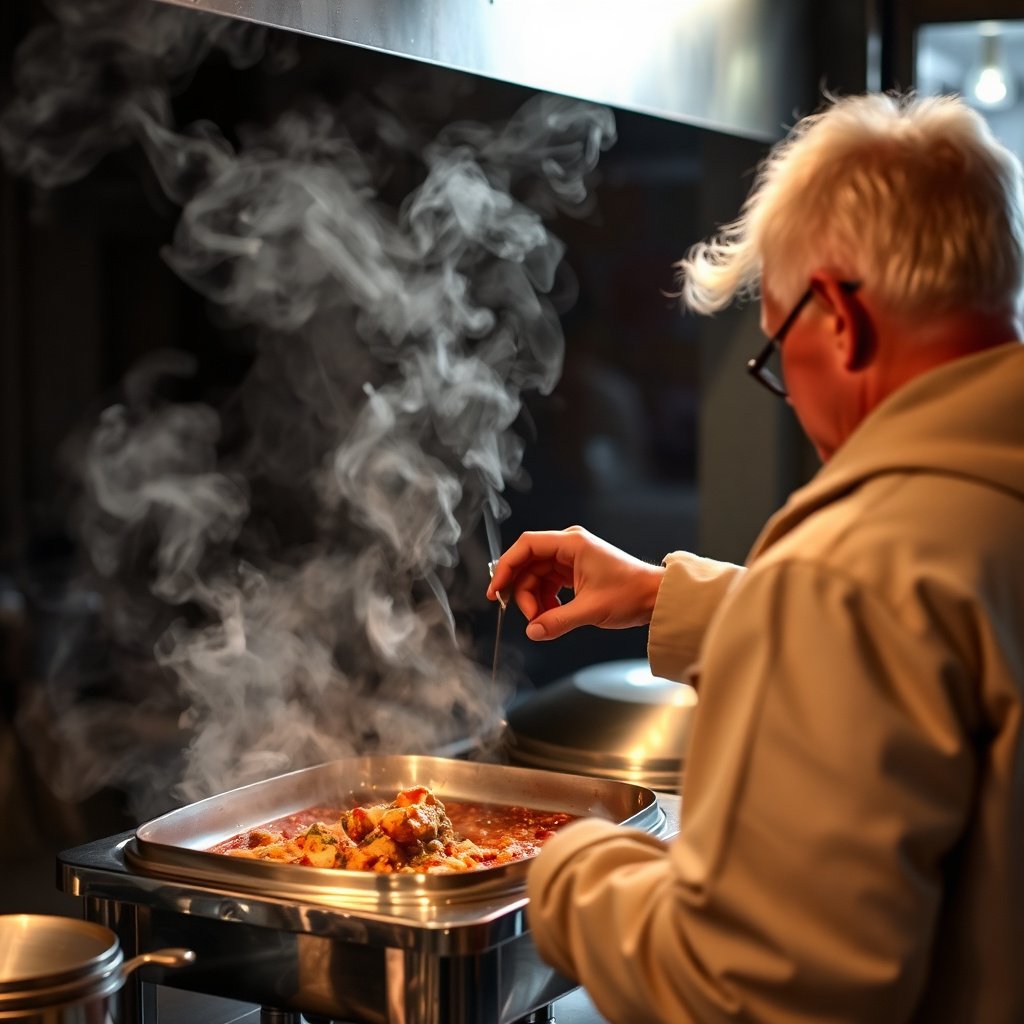
Flame and Heat Problems
If flames are flickering or extinguishing prematurely, check that fuel cans are full and properly seated. Wind or drafts may affect flame stability; position chafing dishes away from direct airflow.
Insufficient heat may result from low water levels or too small a fuel supply. Adjust accordingly without overheating food.
For more on this, see our related guide: What Is a Breakfast Buffet? A Complete Guide to Food, Drinks, and Tips.
Managing Steam and Condensation
Excessive condensation inside lids can drip onto food, affecting texture. Ensure lids are lifted properly during serving to allow some ventilation. Using vented lids can reduce buildup of steam.
Regularly check water pan levels and refill if evaporation reduces the amount significantly.
Using Chafing Dishes for Different Buffet Settings
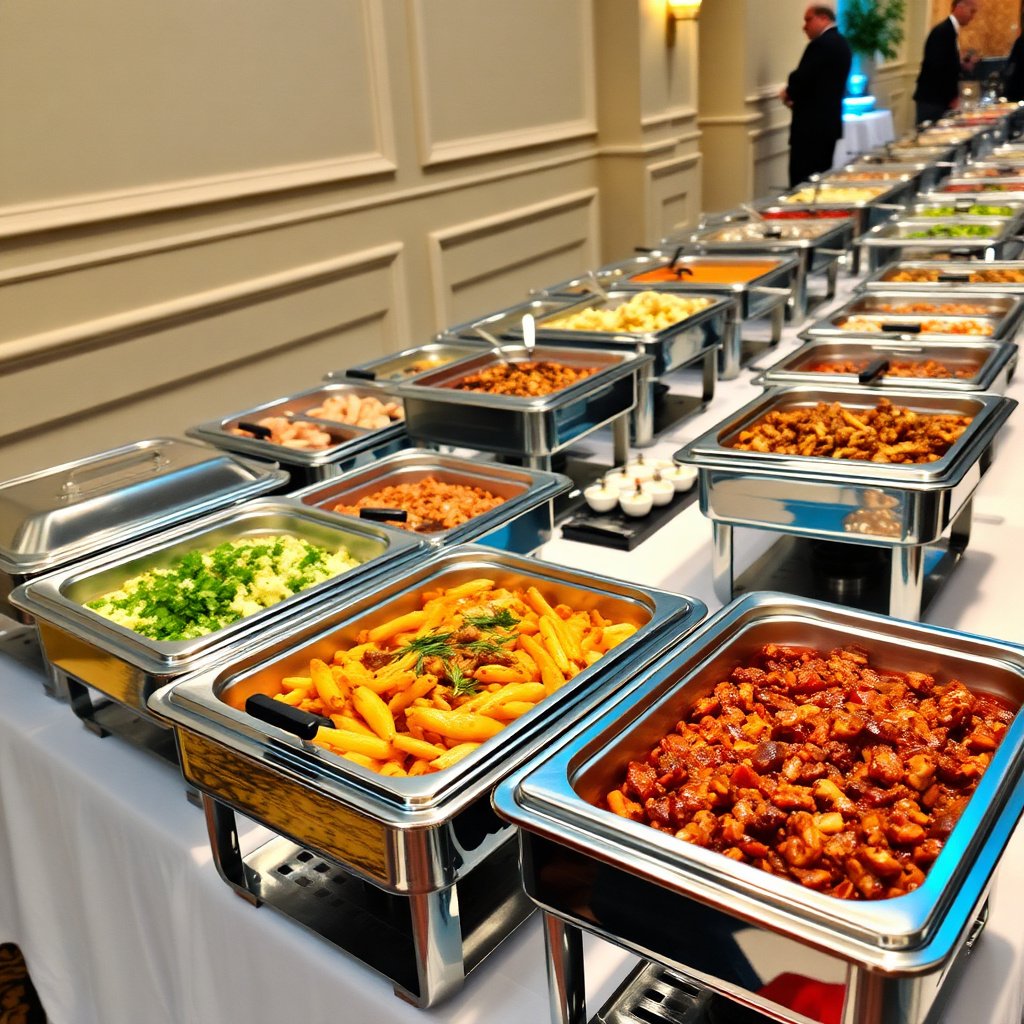
Formal Events and Catering
In formal catering, using stainless steel chafing dishes with elegant lids and uniform setups enhances presentation. Keep food covered to maintain temperature and avoid contamination, and rotate dishes if service extends beyond fuel duration.
Buffet food warmers like these integrate well with table décor and allow seamless guest self-service.
For additional background information about chafing dishes and their history, see the detailed chafing dish basics on Wikipedia. Chafing dish basics on Wikipedia.
Casual Gatherings and Home Use
For backyard parties or casual family meals, lightweight aluminum or disposable chafing dishes may suffice. Fuel types might be simpler gel cans for easier handling. These options balance convenience with adequate heating performance.
Setup considerations still include stable surfaces and fire safety precautions, even in informal environments.
Chafing Dish Fuel Types Comparison
The following table outlines key differences between popular chafing fuel types to help you choose the best option for your needs.
| Fuel Type | Burn Time | Heat Output | Odor Level | Ease of Use |
|---|---|---|---|---|
| Ethanol Gel | 2-3 hours | Moderate | Low | Easy |
| Methanol Gel | 1.5-2 hours | High | Moderate | Moderate |
| Solid Fuel Cubes | 1-2 hours | Moderate | Low | Very Easy |
| Sterno | 2 hours | Moderate | Low | Easy |
Frequently Asked Questions
Can I use water instead of chafing fuel?
Water alone won’t keep food warm in a chafing dish, as the heat source comes from the fuel under the water pan. The water distributes heat, but the fuel provides the heat itself.
How do I extinguish chafing fuel safely?
Use the fuel can’s snuffer lid or carefully place a metal cover over the flame to cut off oxygen. Never blow on the flame to avoid splattering fuel or spreading fire.
Is it safe to refill chafing fuel cans?
Refilling chafing fuel cans is not recommended. Always dispose of used cans properly and use fresh fuel to prevent leaks or hazards.
What should I do if my food dries out in a chafing dish?
Make sure you maintain proper water levels in the pan and keep the heat moderate. Covering food and using lids helps retain moisture during warming.
How often should water be replenished during buffet service?
Check water pans every hour or so during service and add hot water as needed to keep the water level at least half full for consistent heating.
Key Takeaways
- Chafing dishes use indirect steam heat from fuel beneath a water pan to keep food warm.
- Choose fuel type based on burn time, heat output, and safety needs.
- Maintain water levels and temperature with regular checks during service.
- Clean and store chafing dishes properly to extend their lifespan and safety.
Conclusion
Understanding how to use chafing dishes involves assembling the components properly, choosing the right fuel, maintaining heat levels, and adhering to safety guidelines. Each step affects how well your food stays warm and appetizing. Proper handling prevents hazards and enhances your event’s food quality, which is why this knowledge benefits hosts and caterers alike.
For shorter events or casual settings, solid fuel cubes or simple ethanol gels are practical choices providing easy setup and decent heat. Formal events benefit from stainless steel dishes with adjustable fuel setups to maintain temperature for longer periods. Using thermometers and monitoring water levels lets you manage heat precisely for different food types and durations.
The best next step is to practice setting up your chafing dishes before the event, testing different fuels, and monitoring food temperatures. This hands-on experience builds confidence with buffet food warmers and assures guests experience hot, fresh meals throughout your gathering.